Kepatuhan terhadap coklat vegan rantai dingin menggabungkan dua dunia yang kompleks: menjaga kandungan kimia halus dari coklat nabati dan menavigasi jaringan peraturan keamanan pangan. Pasar coklat nabati saat ini sedang booming — penjualan global dihargai sebesar itu tentang $1.3 miliar masuk 2023 dan diperkirakan akan tercapai $3.77 miliar oleh 2032. Pada saat yang sama industri logistik rantai dingin dihargai di AS $436.3 miliar masuk 2025 dan diperkirakan melebihi AS $1.3 triliun sebesar 2034. Sebagai pembuat coklat vegan atau penyedia logistik, Anda harus melindungi tekstur, rasa dan integritas vegan sambil memenuhi peraturan global yang ketat. Panduan ini menunjukkan kepada Anda cara melakukannya dengan tepat — mulai dari aturan suhu dan kelembapan hingga program sertifikasi, alat teknologi dan undang-undang yang muncul. Anda akan mempelajari langkah-langkah praktis untuk mengurangi risiko, memperoleh sertifikasi yang diakui dan mengubah kepatuhan menjadi keunggulan kompetitif.
Panduan ini akan menjawabnya:
Mengapa pengendalian rantai dingin penting untuk sertifikasi coklat vegan — termasuk suhu, aturan kelembaban dan kontaminasi silang.
Program sertifikasi mana yang penting 2025 — dengan perbandingan Masyarakat Vegan, ID Rantai Makanan/BeVeg, Protokol NSF 543 dan Sahabat Bumi.
Bagaimana mencegah kontaminasi silang dan risiko alergen — termasuk zona khusus, protokol pengambilan dan pembersihan berurutan.
Teknologi dan tren apa yang membentuk kepatuhan — mulai dari sensor IoT dan blockchain hingga digital twins dan peraturan deforestasi UE.
Bagaimana tren dan peraturan pasar memengaruhi strategi Anda — termasuk pajak gula, bagian depan pelabelan kemasan dan batas logam berat.
Mengapa Kontrol Rantai Dingin Penting untuk Kepatuhan Cokelat Vegan?
Saat Anda memproduksi coklat vegan, Anda sedang mengerjakan bahan-bahan yang mempunyai sifat berbeda dari coklat berbahan dasar susu. Lemak nabati melunak pada suhu lebih rendah dan lebih mudah menyerap rasa. Jika suhu melonjak atau kelembapan meningkat, gula mekar (kristal putih) dan mekarnya lemak (tekstur kusam) muncul dengan cepat. Cokelat vegan sering kali mengandung bahan tambahan seperti kacang-kacangan dan buah-buahan, yang mana lebih sensitif terhadap panas dan kelembapan. Oleh karena itu, menjaga rantai dingin yang stabil adalah hal yang penting bukan opsional — ini adalah tulang punggung sertifikasi coklat vegan dan penting untuk integritas produk. Kondisi yang tidak stabil juga mengundang pertumbuhan mikroba dan kontaminasi alergen.
Mengontrol Suhu dan Kelembapan
Pedoman utama: Kisaran penyimpanan optimal untuk coklat hitam vegan adalah 12–20 °C, dengan banyak produsen yang mengadopsinya 16–20 °C untuk keamanan tambahan. Kelembapan relatif harus tetap ada di bawah 50 % — berbagai 40–50 % sangat ideal. Melebihi 50 % mendorong mekarnya gula; jatuh ke bawah 40 % mengeringkan inklusi dan dapat membuat batangan menjadi rapuh.
Artikel praktik terbaik industri tentang pengangkutan coklat menegaskan parameter serupa, merekomendasikan suhu gudang 12–20 °C (54–68 °F) dan kelembaban relatif di bawah 50 %. Sirkulasi udara yang baik juga mencegah coklat menyerap bau dan menjaga kualitas. Dengan menyelaraskan profil rantai pasokan Anda dengan rentang ini dan terus memantaunya dengan sensor, Anda mengurangi kerugian produk dan memuaskan auditor.
Mengelola Titik Handoff
Bahkan dengan penyimpanan optimal, coklat bisa rusak selama pemuatan, pembongkaran muatan dan pengiriman jarak jauh — sering disebut sebagai “tiga puluh menit terburuk”. Untuk meminimalkan perubahan suhu:
Peralatan pra-pendinginan: turunkan truk dan kontainer ke suhu target sebelum memuat.
Gunakan aklimatisasi tertutup dan pemetikan terakhir yang dingin: memindahkan produk langsung dari ruangan dingin ke dalam wadah berinsulasi tanpa memaparkannya ke udara hangat.
Batasi waktu di luar kendali 30 menit: atur pengatur waktu handoff yang ketat; kerusakan sering terjadi di persimpangan dermaga dan depan pintu.
Pantau secara real-time: menerapkan pelacak suhu dan kelembapan IoT yang mencatat data setiap 5–15 menit dan memicu peringatan ketika ambang batas dilanggar. Monitor waktu nyata juga meningkatkan ROI dan mengurangi pemborosan.
Mencegah Kontaminasi Silang dan Risiko Alergen
Kontaminasi silang merupakan ancaman besar terhadap sertifikasi vegan. Cokelat seringkali berbagi peralatan dengan produk berbahan dasar susu, dan bahkan sisa protein susu dapat mendiskualifikasi suatu batch. Cokelat bersertifikat vegan memerlukan mesin terpisah dan terkadang bahkan pabrik terpisah. Sebaliknya, Produk yang “ramah vegan” dapat diproduksi di lini bersama; meskipun pembersihannya ketat, sisa susu dapat bertahan dan harus diungkapkan. Badan sertifikasi seperti Masyarakat Vegan, FoodChain ID dan NSF mengamanatkan sistem manajemen alergen yang ketat dengan zona khusus, jalur berkode warna, prosedur pengambilan dan sanitasi yang berurutan.
Transportasi dan penyimpanan juga menimbulkan risiko. Cokelat vegan dapat menyerap bau dari barang-barang yang berbau menyengat dan mengangkat kontaminan dari wadah bersama. Untuk mencegah ini, pisahkan SKU vegan dari produk dan penggunaan lain kompartemen netral bau. Pelatihan staf sangat penting: menginstruksikan pemetik dan pengemudi pada pemuatan terakhir yang dingin, aklimatisasi tertutup dan sensitivitas coklat vegan. Sebuah contoh nyata menggarisbawahi dampaknya: pembuat coklat khusus di California mengurangi keluhan kesehatan sebesar 80 % dan lulus audit tahunannya setelah berpindah ke profil jalur 16–18 °C, van sebelum didinginkan dan membatasi waktu buka pintu hingga di bawah 20 menit.
Pengemasan dan Manajemen Biaya
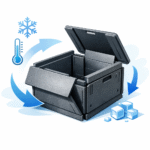
Pengemasan rantai dingin harus menyeimbangkan kualitas, biaya dan keberlanjutan. Sertifikasi vegan sering kali memerlukan lapisan tambahan untuk mencegah kontaminasi dan menjaga suhu. Paket tipikal sudah termasuk:
Pengirim luar: kotak bergelombang berukuran untuk meminimalkan berat dimensi.
Lapisan isolasi: busa biodegradable atau pelapis yang dapat didaur ulang untuk mengurangi masuknya panas.
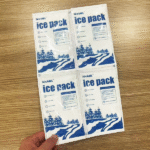
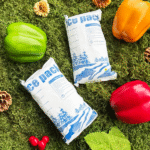
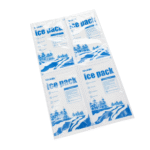
Bahan perubahan fase (PCMS): paket gel atau pelat eutektik yang dikonfigurasi untuk pita 16–20 °C.
Penghalang uap dan lapisan penyerap bau: untuk menghalangi kelembapan dan bau luar.
Kemasan produk: pembungkus tertutup dengan film anti kabut dan label yang jelas.
Menggunakan kemasan berukuran tepat mengurangi biaya pengiriman; beralih dari 1.5insulasi inci hingga material berkinerja tinggi 1 inci dapat menurunkan bobot yang dapat ditagih tanpa mengurangi waktu tunggu. Mendokumentasikan pilihan kemasan Anda membantu auditor memahami cara Anda mengontrol suhu, kelembaban dan kontaminasi.
Tabel Ringkasan: Faktor Kunci dalam Kepatuhan Cokelat Vegan Rantai Dingin
| Faktor | Rentang/Latihan yang Direkomendasikan | Relevansi dengan Cokelat Vegan | Keuntungan |
| Suhu | Menjaga 12–20 °C keseluruhan; 16–20 °C untuk formula vegan | Lemak nabati melunak lebih cepat dibandingkan lemak susu; rentang sempit mencegah hilangnya tekstur dan pertumbuhan lemak | Menjaga kualitas sensorik dan memenuhi persyaratan sertifikasi |
| Kelembaban | Jaga kelembapan relatif ≤50 %; 40–50 % optimal | Kelembapan yang tinggi menyebabkan mekarnya gula dan pertumbuhan mikroba; kelembaban rendah mengeringkan inklusi | Mencegah mekar dan kontaminasi |
| Waktu di luar kendali | Batasi hingga ≤30 menit selama handoff dan pengiriman last mile | Sebagian besar kerusakan terjadi di dermaga silang dan di depan pintu | Memastikan lacak balak yang berkesinambungan |
| Lapisan kemasan | Pengirim luar, isolasi, PCMS, penghalang uap, pembungkus yang tersegel | Memberikan penghalang terhadap panas, kelembaban dan bau | Memperpanjang umur simpan dan mengurangi risiko kontaminasi |
Tip dan Rekomendasi Praktis
Jadwalkan pengiriman secara strategis: menghindari musim ekstrim; gunakan pengiriman semalam atau dini hari untuk meminimalkan waktu tunggu.
Kalibrasi sensor: pasang pelacak IoT yang mencatat suhu dan kelembapan setiap 5–15 menit dan mengirimkan peringatan.
Standarisasi profil jalur: menentukan kisaran suhu, batas kelembapan dan pengatur waktu handoff untuk setiap rute dan sesuaikan berdasarkan data.
Latih tim Anda: mendidik staf tentang pemetikan terakhir yang dingin, aklimatisasi tertutup dan sensitivitas coklat vegan.
Kasus Dunia Nyata: Sebuah produsen coklat vegan di California berjuang mengatasi permukaan kusam dan mekarnya gula selama pengiriman di musim panas. Dengan mengencangkan profil rantai dinginnya ke 16–18 °C, pra-pendinginan van dan membatasi waktu buka pintu hingga ke bawah 20 menit, perusahaan mengurangi keluhan kesehatan sebesar 80 % dan mencapai audit Masyarakat Vegan yang sukses.
Menavigasi Program Sertifikasi Cokelat Vegan di 2025
Sertifikasi meyakinkan konsumen bahwa coklat vegan benar-benar bebas hewani dan diproses dengan standar yang ketat. Ada beberapa program; yang tepat tergantung pada pasar dan kemampuan Anda. Di bawah ini adalah ikhtisar sertifikasi utama dan persyaratan intinya.
Badan Sertifikasi Vegan Utama dan Persyaratannya
| Badan sertifikasi | Persyaratan inti | Highlight | Signifikansi praktis |
| Merek Dagang Vegan dari Masyarakat Vegan | Tidak ada bahan yang berasal dari hewan; tidak ada pengujian pada hewan; sistem manajemen yang kuat untuk menghindari kontaminasi silang | Mendaftarkan produk individual dengan perpanjangan tahunan; menekankan verifikasi bahan dan jalur produksi terpisah | Diakui secara global; membangun kepercayaan dengan konsumen yang berpikiran etis |
| FoodChain ID Berbasis Tanaman dan BeVeg | Melarang bahan atau bantuan pemrosesan apa pun yang berasal dari hewan; termasuk pengendalian alergen; Terakreditasi ISO 17065 | Menggunakan platform SupplyTrak untuk mengelola data pasokan; mengintegrasikan Proyek Non GMO dan sertifikasi organik USDA | Menyederhanakan beberapa sertifikasi; mengurangi duplikasi audit |
| Protokol NSF 543 Vegan & Sertifikasi Bebas Kekejaman (2025) | Membutuhkan bahan-bahan, alat bantu pengolahan dan pengemasan menjadi non hewani; melarang pengujian pada hewan; termasuk verifikasi rantai pasokan | Menggabungkan komponen vegan dan bebas kekejaman; menarik bagi konsumen yang sadar; memastikan pelatihan dan ketertelusuran | Baru masuk 2025; selaras dengan tujuan keberlanjutan |
| Sertifikasi Sahabat Bumi | Memastikan produk menjaga ekosistem, air dan tanah; melarang zat berbahaya; menegakkan tanggung jawab sosial; mengenali 100 % coklat vegan bebas susu, minyak sawit dan gluten | Mensertifikasi pertanian dan pemrosesan; menekankan pertanian dan pengemasan berkelanjutan | Menunjukkan keberlanjutan holistik di luar kriteria vegan |
| Simbol lain yang dikenali | Vegan Bersertifikat (Vegan.org), Asosiasi Makanan Berbasis Tumbuhan, Pareve Kosher | Memberikan jaminan tambahan bahwa produk menghindari bahan-bahan hewani dan kontaminasi silang | Berguna untuk rak ritel dan pasar internasional |
Langkah-Langkah Mendapatkan Sertifikasi Cokelat Vegan
Verifikasi semua bahan dan pemasok: meninjau setiap bahan, bantuan pemrosesan dan bahan kimia pembersih untuk memastikan tidak ada bahan atau pengujian hewani. Gunakan perangkat lunak rantai pasokan untuk memelihara dokumentasi.
Dokumentasikan pengendalian kontaminasi silang: memetakan tata letak peralatan dan prosedur pembersihan; mendedikasikan lini produksi atau menerapkan perubahan menyeluruh untuk produksi vegan dan non-vegan.
Kontrol penyimpanan dan transportasi: menjaga parameter rantai dingin dan mencegah kontak dengan barang non vegan; menangkap data suhu dan kelembaban untuk audit.
Menerapkan sistem pelatihan dan manajemen: memberikan pendidikan berkelanjutan kepada staf tentang persyaratan vegan, alergen dan risiko kontaminasi; menugaskan manajer mutu untuk mengawasi kepatuhan.
Melakukan audit internal: gunakan daftar periksa penilaian diri atau simulasi kembar digital untuk mengidentifikasi kesenjangan. Banyak lembaga sertifikasi memerlukan laporan audit.
Kirimkan lamaran dan jalani audit eksternal: menyampaikan dokumentasi rinci, mengizinkan inspeksi fasilitas dan memberikan sampel produk. Setelah persetujuan, tampilkan tanda sertifikasi dan pertahankan pemantauan berkelanjutan.
Memanfaatkan Sertifikasi untuk Kredibilitas Merek dan Akses Pasar
Sertifikasi lebih dari sekedar daftar periksa; itu adalah keuntungan pemasaran. Survei menunjukkan hal itu 67 % dari A.S.. pembeli menghargai keberlanjutan dan produk yang diperoleh secara etis. Di Inggris, 64 % produsen telah mengintegrasikan lini vegan, Dan 52 % dari A.S.. penjualan nabati juga diverifikasi Proyek Non GMO. Generasi Milenial dan Gen Z bertanggung jawab 62 % pembelian coklat vegan. Memperoleh sertifikasi menandakan bahwa merek Anda selaras dengan nilai-nilai ini, membuka pintu ke demografi baru dan harga premium.
Contoh dunia nyata adalah Kejutan Budaya, merek coklat pertama yang mendapatkan sertifikasi Friend of the Earth. Itu berkomitmen untuk 100 % bahan vegan, pertanian berkelanjutan dan pengemasan yang bebas dari minyak sawit, susu, gluten dan gula putih; sertifikasi tersebut meningkatkan penjualan dan memposisikan merek sebagai inovator.
Praktik Terbaik Rantai Dingin: Mengoptimalkan Profil Jalur dan Manajemen Handoff
Merancang profil jalur yang tepat dan menerapkan manajemen handoff yang kuat memastikan kualitas produk yang konsisten dan kepatuhan terhadap peraturan. Parameter dasar dirangkum dalam tabel di atas, tapi ada pertimbangan tambahan:
Pemetikan terakhir yang dingin: pilih pesanan coklat vegan sebelum keberangkatan dan simpan di tempat pementasan yang dingin sampai dimuat.
Aklimatisasi tertutup: memindahkan produk langsung dari ruangan dingin ke pengirim yang terisolasi; hindari paparan lingkungan selama pengepakan.
Truk kondisi awal: membawa kendaraan ke suhu target sebelum memuat dan memelihara kipas resirkulasi untuk memastikan aliran udara seragam.
Pantau titik serah terima: lintas dermaga, ambang batas jarak tempuh terakhir dan titik penerimaan pelanggan sangatlah penting; peringatan waktu nyata memungkinkan tindakan perbaikan cepat.
Tinjau kinerja jalur: mendokumentasikan praktik dan menyesuaikan profil berdasarkan variasi musiman dan data nyata.
Teknologi dan Ketertelusuran: IoT, Ai, Blockchain dan Kembar Digital
Teknologi yang sedang berkembang mengubah logistik rantai dingin dan menjadikan kepatuhan terhadap coklat vegan lebih mudah dikelola:
Sensor IoT memberikan pembacaan suhu dan kelembapan secara terus-menerus dan mengirimkan peringatan ketika ambang batas dilanggar. Pencatat data waktu nyata yang dipasang dalam pengiriman memungkinkan intervensi sebelum kualitasnya hilang.
Analisis berbasis AI mengoptimalkan perutean, memperkirakan penundaan dan merekomendasikan tindakan pencegahan. Algoritme pembelajaran mesin dapat memprediksi penyimpangan suhu berdasarkan pola cuaca, memungkinkan penyesuaian preemptive.
Platform blockchain membuat catatan yang tidak dapat diubah dari setiap pembacaan suhu, transfer hak asuh dan kalibrasi peralatan. Catatan seperti itu meningkatkan transparansi dan kepercayaan, mendukung audit dan menunjukkan uji tuntas. Studi ketertelusuran rantai pasokan mencatat bahwa bisnis menggunakan RFID, blockchain dan sensor pintar untuk meningkatkan keamanan pangan, mengurangi emisi dan membangun kepercayaan konsumen.
Si kembar digital adalah model virtual dari sistem fisik - jalur produksi, gudang atau rantai pasok. Mereka memungkinkan perusahaan untuk mensimulasikan operasi, menguji perbaikan dan mengeksplorasi skenario “bagaimana jika” tanpa mengganggu aktivitas dunia nyata. Misalnya, RSM menerapkan model kembar digital untuk Perusahaan Cokelat Guittard, memungkinkannya untuk mensimulasikan dan mengoptimalkan berbagai skenario operasional, mengidentifikasi hambatan dan meningkatkan pengambilan keputusan. Kembar digital menyelaraskan tim dan mendukung pertumbuhan jangka panjang sambil menyeimbangkan tradisi dan inovasi.
Dengan mengintegrasikan teknologi ini, produsen coklat vegan tidak hanya memfasilitasi audit sertifikasi tetapi juga meningkatkan efisiensi dan mengurangi limbah. Pengumpulan data otomatis mengurangi kesalahan manual; analitik prediktif meminimalkan pembusukan dan biaya logistik; blockchain memberikan jejak audit yang jelas.
Keberlanjutan dan Pertimbangan Etis
Banyak konsumen memilih coklat vegan karena alasan etis, mengharapkan pengelolaan lingkungan dan tanggung jawab sosial. Praktik rantai dingin yang berkelanjutan, seperti kemasan yang dapat digunakan kembali dan transportasi rendah karbon, melengkapi harapan-harapan ini. Lebih-lebih lagi, kerangka peraturan di 2025 memperkuat uji tuntas lingkungan hidup:
Itu Peraturan Deforestasi UE (EUDR) membutuhkan itu semua produk kakao yang dijual atau diekspor ke UE akan bebas dari deforestasi pada bulan Desember 30 2025, dengan bukti bahwa tidak ada hutan yang dirusak setelah bulan Desember 31 2020. Operator harus menyediakan data lokasi yang dapat dilacak dan menilai risiko rantai pasokan; produk yang tidak patuh akan dilarang. Pada bulan Desember 2024, UE memberikan periode bertahap selama 12 bulan, membuat undang-undang tersebut berlaku untuk perusahaan besar dan menengah pada bulan Desember 2025 dan untuk usaha kecil pada bulan Juni 2026.
Itu Petunjuk Uji Tuntas Keberlanjutan Perusahaan (CSDDD) menuntut perusahaan-perusahaan besar UE untuk mengidentifikasi dan memperbaiki risiko hak asasi manusia dan lingkungan dalam rantai pasokan mereka, termasuk pertanian kakao dan praktik perburuhan.
Pembaruan peraturan juga menargetkan kandungan gula, pelabelan dan batas kontaminan. Banyak negara telah memberlakukan pajak gula; Inggris akan membatasi iklan coklat dengan kadar gula tinggi mulai bulan Oktober 2025, dan sistem pelabelan bagian depan kemasan dengan peringatan lampu lalu lintas sedang diterapkan. UE memberlakukan batasan yang lebih ketat nikel, timbal dan kontaminan lainnya dalam coklat di bulan Juli 2025.
Untuk mematuhi aturan-aturan ini, perusahaan coklat vegan harus mengadopsinya ketertelusuran ujung ke ujung. Ketertelusuran ke belakang memetakan bahan mentah ke peternakan tertentu, memverifikasi sumber yang etis dan pasokan bebas deforestasi; ketertelusuran ke depan menghubungkan setiap batang coklat dengan kumpulan bahan yang digunakan, memungkinkan penarikan yang ditargetkan. Ketertelusuran internal melacak bahan-bahan melalui produksi, dan ketertelusuran eksternal memastikan aliran data antar mitra rantai pasokan. Dengan menggabungkan ketertelusuran dengan blockchain dan sensor IoT, Anda membuat catatan yang dapat diaudit yang memenuhi regulator dan memenuhi harapan konsumen.
Tren dan Inovasi yang Muncul dalam Cokelat Vegan 2025
Inovasi membuat coklat vegan tetap kompetitif dan sejalan dengan peraturan yang berkembang dan selera konsumen. Tren utama meliputi:
Pertumbuhan pasar: Cokelat nabati sedang booming. Peluncuran produk baru meningkat sebesar 25 % menurut TrendTracker Cargill 2024 laporan. Konsumen yang fleksibel – yaitu mereka yang mengurangi namun tidak menghilangkan produk hewani – mendorong pertumbuhan ini. Pasar diperkirakan sebesar $1.3 miliar masuk 2023 dan diproyeksikan untuk dicapai $3.77 miliar oleh 2032. Eropa diperkirakan akan tumbuh pada a 14.8 % CAGR ke $453.8 juta oleh 2028.
Inovasi bahan: Produsen menggunakan tepung beras, sirup beras, kernel bunga matahari dan bahan nabati lainnya untuk meningkatkan tekstur dan rasa di mulut. Membuat krim, rasa meleleh di mulut membutuhkan keseimbangan lemak; pembuat coklat vegan mencari lemak nabati yang meniru mentega kakao.
Cokelat fungsional: Merek menambahkan protein, serat, vitamin dan adaptogen untuk memberikan manfaat kesehatan serta kesenangan. Cokelat fungsional yang meningkatkan kesehatan terdaftar sebagai pendorong inovasi 2025.
Alternatif gula: Stevia, Gula buah biksu dan ampas kakao memberikan rasa manis dengan kalori lebih rendah. Dengan meluasnya pajak gula dan pembatasan pemasaran, reformulasi dengan pemanis alami membantu merek mematuhi dan menarik konsumen yang sadar kesehatan.
Kepemimpinan keberlanjutan: Merek berinvestasi pada kakao yang dapat dilacak, pengemasan ramah lingkungan dan pengurangan karbon. Cokelat vegan sejalan dengan tren ini karena produk nabati biasanya memiliki jejak karbon yang lebih rendah dibandingkan produk berbahan dasar susu.
Kepatuhan digital: Ketertelusuran yang diaktifkan oleh Blockchain, Aplikasi pemantauan dan pelabelan cerdas yang digerakkan oleh AI memastikan transparansi dan membantu produsen memenuhi mandat peraturan.
Pertanyaan yang sering diajukan
Q1: Pada suhu berapa coklat vegan harus disimpan dalam rantai dingin?
Simpan coklat vegan di antaranya 12 °C dan 20 ° C., dengan banyak produsen memilih 16–20 °C untuk stabilitas tambahan. Mempertahankan kelembaban relatif di bawah 50 % mencegah mekarnya gula dan pertumbuhan mikroba.
Q2: Mengapa kontaminasi silang merupakan risiko bagi coklat vegan?
Banyak pabrik coklat mengolah produk susu dan produk nabati. Bahkan dengan pembersihan menyeluruh, peralatan bersama dapat meninggalkan sejumlah kecil protein susu. Cokelat bersertifikat vegan menggunakan mesin khusus atau pabrik terpisah untuk mencegah kontaminasi silang. Produk ramah vegan, sebaliknya, dapat dibuat pada jalur bersama dan harus mengungkapkan potensi jejak susu.
Q3: Apa yang dimaksud dengan Peraturan Deforestasi Uni Eropa dan bagaimana pengaruhnya terhadap coklat?
EUDR mewajibkan kakao dan komoditas lain yang dijual atau diekspor di UE bebas deforestasi; perusahaan harus membuktikan bahwa tidak ada hutan yang ditebangi setelahnya 31 Desember 2020. Undang-undang ini mulai berlaku untuk perusahaan besar dan menengah 30 Desember 2025 dan usaha kecil pada bulan Juni 2026. Produk yang tidak patuh akan dilarang di pasar UE.
Q4: Bagaimana si kembar digital dapat membantu kepatuhan terhadap cokelat vegan rantai dingin?
Kembaran digital adalah model virtual rantai pasokan fisik Anda. Ini memungkinkan Anda untuk mensimulasikan operasi, menguji peningkatan dan menjelajahi skenario tanpa mengganggu proses dunia nyata. Guittard Chocolate Company menerapkan kembaran digital untuk mengoptimalkan produksi, mengidentifikasi hambatan dan meningkatkan pengambilan keputusan. Menggunakan digital twins juga dapat membantu Anda mempersiapkan audit sertifikasi dan menguji desain kemasan sebelum penerapan.
Q5: Apakah pajak gula dan label depan kemasan relevan untuk coklat vegan??
Ya. Banyak negara yang memperluas pajak gula pada produk kembang gula, yang kemungkinan akan mengurangi konsumsi coklat tinggi gula. Inggris akan membatasi iklan coklat dengan kadar gula tinggi mulai bulan Oktober 2025. Sistem pelabelan kemasan depan wajib dengan peringatan lampu lalu lintas mempengaruhi keputusan pembelian; lebih 40 % konsumen menyesuaikan pembelian mereka berdasarkan label ini. Memformulasi ulang dengan bahan-bahan nabati dan gula yang lebih rendah dapat membantu produsen coklat vegan tetap terdepan dalam menghadapi perubahan ini.
Ringkasan dan Rekomendasi
Kunci takeaways:
Kontrol suhu dan kelembaban utama. Pertahankan coklat vegan di 12–20 °C dan kelembaban relatif di bawah 50 %, menggunakan sensor IoT dan manajemen handoff yang ketat untuk menghindari mekar dan pembusukan.
Mencegah kontaminasi silang. Gunakan peralatan khusus, zona kode warna dan pengambilan berurutan; memisahkan produk vegan dalam penyimpanan dan transportasi. Bersikaplah transparan mengenai produksi yang “ramah vegan” versus “bersertifikat vegan”..
Pilih sertifikasi yang tepat. Bandingkan program (Masyarakat Vegan, ID Rantai Makanan/BeVeg, NSF, Sahabat Bumi) dan mengikuti jalur yang terstruktur: memverifikasi bahan-bahannya, pemrosesan kontrol, mempertahankan rantai dingin, staf kereta, mengaudit dan menerapkan.
Manfaatkan teknologi. Mengadopsi sensor IoT, analitik AI, blockchain dan digital twins untuk melacak kondisi, meningkatkan perutean dan membuat catatan yang tidak dapat diubah.
Tetap terdepan dalam peraturan dan tren. Pahami undang-undang baru seperti EUDR dan CSDDD. Memformulasi ulang produk dengan alternatif gula dan bahan fungsional untuk memenuhi harapan kesehatan dan pelabelan.
Rencana aksi:
Audit proses rantai dingin Anda saat ini menggunakan simulasi kembar digital dan mengidentifikasi titik lemah. Perbarui monitor suhu dan kelembapan Anda; menerapkan batas waktu istirahat maksimum dan protokol aklimasi yang tersegel.
Dokumentasikan pengendalian kontaminasi silang dan berinvestasi pada peralatan khusus jika memungkinkan. Jika Anda tidak dapat memisahkan garis sepenuhnya, memberi label yang jelas pada produk sebagai “ramah vegan” dan memberikan pengungkapan alergen.
Pilih program sertifikasi yang selaras dengan strategi pasar Anda. Mulailah dengan memverifikasi bahan dan pemasok, kemudian membangun sistem pelatihan dan pencatatan.
Menerapkan teknologi ketertelusuran. Gunakan blockchain untuk membuat catatan yang tidak dapat diubah dari setiap batch. Berikan kode QR yang memungkinkan konsumen melacak bahan-bahan hingga ke tingkat petani.
Merumuskan ulang dan berinovasi. Jelajahi lemak dan pemanis nabati; mengembangkan coklat batangan vegan fungsional dengan tambahan protein atau antioksidan. Pantau masukan konsumen dan adaptasi dengan cepat.
Tentang tempk
Kami adalah perusahaan solusi rantai dingin yang berdedikasi untuk melindungi produk yang sensitif terhadap suhu. Kemasan isolasi kami yang dapat digunakan kembali, pencatat data waktu nyata dan bahan ramah lingkungan membantu pelanggan mencapai kepatuhan cokelat vegan rantai dingin. Kami menggabungkan keahlian ilmiah dengan desain berkelanjutan, mengirimkan pengirim terisolasi, Paket PCM dan alat pemantauan digital yang mampu mempertahankan suhu 16–20 °C untuk waktu yang lama. Apakah Anda mengirimkan coklat, obat-obatan atau makanan yang mudah rusak, sistem kami mengurangi pembusukan dan mendukung audit sertifikasi.
Siap menyempurnakan rantai dingin Anda? Hubungi kami hari ini untuk mempelajari bagaimana solusi kami dapat menjaga kualitas, mencegah kontaminasi dan membantu merek coklat vegan Anda berkembang.