Buying well in this category means separating core needs from assumptions. Once you define the real handling conditions, it becomes much easier to see whether a premium feature is useful, whether a simpler format will do the job, or whether you are about to buy the wrong container for the right reason.
Dalam praktiknya, the container should be treated as a protective outer case used in protective transport and field-use packaging where water, debu, dampak, and rough handling are real risks. The environmental seal is valuable, but it solves a different problem than thermal control, kemandulan, or product compatibility. A rugged waterproof case protects against water, debu, dan penanganan kerusakan; it does not automatically protect the product from temperature excursion or contamination risk. A waterproof case can protect the outside environment, but it does not manage thermal exposure, kemandulan, or product-specific compatibility on its own.
In regulated healthcare environments, reusable outer packaging has to support contamination control and lot visibility. It should not create confusion about the primary package, the sterile barrier, or the temperature-control method that actually protects the product.
What Buyers Are Usually Trying to Solve
The fastest way to judge fit is to look at the real operating scenario rather than the catalog category. Pharmaceutical design teams often choose waterproof hard cases when they are packaging a device or kit that will be carried into hospitals, field sites, or outdoor environments where rain, debu, and impact are realistic hazards. In these projects, the case is usually part of a broader system that may include foam, kantong, Label, bukti perusakan, and sometimes a separate thermal shipper inside or alongside the case.
The distributor matters because small dimensional changes in foam, latch hardware, or accessories can alter the way the kit works in the field. This is why the same waterproof plastic container can be an excellent choice in one workflow and the wrong answer in another.
Rugged waterproof cases are typically defined by shell stiffness, desain kait, an environmental gasket, and pressure-equalization hardware. Those features protect against water, debu, and impact, but they do not replace sterility control, product compatibility work, or thermal qualification.
How to Compare Design Without Overbuying
Once the use case is clear, the next question is how the container behaves under repeated handling. Untuk kategori ini, the most important variables usually include ingress protection and seal integrity, pressure equalization for air transport and altitude changes, foam or divider customization, and weight and ergonomic handling. These are not abstract technicalities. They determine whether operators can pack quickly, whether the load stays protected, and whether the container still performs after months of reuse.
Rugged waterproof cases are typically defined by shell stiffness, desain kait, an environmental gasket, and pressure-equalization hardware. Those features protect against water, debu, and impact, but they do not replace sterility control, product compatibility work, or thermal qualification. For design-led programs, insert fit and field ergonomics matter almost as much as ingress protection because the case has to work as a system once accessories, Label, and instructions are added.
Verify the seal system, keandalan kait, and pressure-equalization features. Waterproof performance depends on the lid, paking, and closing consistency, not only on the shell material.
Ask for the true internal dimensions and usable volume. External size alone does not tell you whether the container fits your trays, paket, or protective inserts.
Review how the container is labeled and identified. Flat label panels, molded IDs, or barcode-ready surfaces become important once the program scales beyond a single room or lane.
Jika Anda bisa, compare these points with a physical sample rather than a specification sheet alone. A container that looks acceptable on paper may feel awkward on a line, unstable on a pallet, or difficult to wash and relabel once it enters real operations.
Where This Format Usually Works Best
The best applications are the ones where the container solves a repeat problem. For pharmaceutical design projects, that often means improving one or more of these points: handling protection, disiplin pementasan, presentasi yang lebih bersih, more stable stacking, or easier return logistics.
Pharmaceutical design teams often choose waterproof hard cases when they are packaging a device or kit that will be carried into hospitals, field sites, or outdoor environments where rain, debu, and impact are realistic hazards. In these projects, the case is usually part of a broader system that may include foam, kantong, Label, bukti perusakan, and sometimes a separate thermal shipper inside or alongside the case. The distributor matters because small dimensional changes in foam, latch hardware, or accessories can alter the way the kit works in the field.
If your workflow is irregular, SATU ARAH, or highly unpredictable, a reusable program may still work, but the bar for justification is higher. That is especially true when losses, cleaning complexity, or cross-border recovery of empties will drive the total cost more than the container purchase itself.
A Quick Comparison Before You Shortlist Suppliers
Most buying mistakes happen when teams compare formats that solve different problems. The table below is not a brand ranking. It is a way to separate the main option types so you can match them to the workflow instead of paying for the wrong strength.
| <kuat>Pilihan</kuat> | <kuat>Terbaik untuk</kuat> | <kuat>Kekuatan utama</kuat> | <kuat>Perhatian utama</kuat> |
| Waterproof hard case | rugged device kits and field equipment | segel, resistensi dampak, dan menggunakan kembali | heavier and not temperature-controlled |
| Open or standard tote | indoor handling and warehouse movement | lighter and lower cost | little protection from water or dust |
| Qualified thermal shipper | temperature-sensitive medicines or biologics | jaminan termal | different purpose than rugged field protection |
Use a table like this as a starting point, not a final approval. Once you narrow the category, you still need to confirm dimensions, berkemas, handling fit, and supplier consistency in the exact version you plan to buy.
What Buyers Should Ask Before Ordering in Bulk
The supplier decision is not only about price. In a real B2B program, you are buying distribution support, repeat availability, and sample access as much as the container itself. A supplier who cannot hold dimensions, spesifikasi bahan, or repeat part identity can turn a sensible packaging choice into a recurring operational problem.
Untuk topik ini, the review should pay close attention to IP rating and closure design, polypropylene shell quality, insert customization and fit, and spare parts and replacement availability. If your program will involve multiple sites, multiple SKUs, or a long service life, those questions matter early because they are expensive to fix later.
Confirm internal and external dimensions, true usable volume, and any tolerance range that could affect fit on shelves, palet, gerobak, or conveyors.
Ask which resin is used and whether the supplier can hold that material specification over time. In sensitive operations, an unannounced material change can create new cleaning or performance issues.
Review the closure, ventilasi, drainase, and handle design in the exact version you plan to buy. Small hardware or mold differences can change how the container behaves in the field.
Check stackability, nesting, and return efficiency under your real handling pattern, including pallet height, backhaul distance, and whether operators load by hand or with equipment.
For sealed cases, ask which IP rating applies to the exact model, what insert options are available, and whether replacement latches, valves, and seals can be sourced later.
Understand hygiene and cleaning expectations. A reusable container is only valuable when it can be washed, kering, diperiksa, and returned without introducing operational risk.
Specify labeling and traceability needs upfront, including barcode panels, molded IDs, kode warna, quarantine tags, or other status markers.
Ask for load guidance under realistic conditions: full stack weight, paparan suhu, penanganan basah, drop risk, and repeated opening or washing cycles.
Clarify MOQ, waktu tunggu, tooling or customization options, replacement availability, and whether approved samples match volume production.
Document sample-to-production consistency and change control. This matters especially when the container has to fit a qualified pack-out, a clean workflow, or an automated handling step.
Do not approve a supplier on sample quality alone. Ask how the approved sample will be protected from silent changes in resin, mold condition, perangkat keras, insulation layout, or accessory parts once production volumes increase.
Where Buyers Commonly Overestimate the Container
In regulated healthcare environments, reusable outer packaging has to support contamination control and lot visibility. It should not create confusion about the primary package, the sterile barrier, or the temperature-control method that actually protects the product.
Rugged waterproof cases are typically defined by shell stiffness, desain kait, an environmental gasket, and pressure-equalization hardware. Those features protect against water, debu, and impact, but they do not replace sterility control, product compatibility work, or thermal qualification. In pharmaceutical design work, that usually means the case decision should be separated from any sterile barrier decision, validated product package decision, or temperature-control decision.
That boundary is useful because it keeps teams from making the wrong promise internally. A waterproof case may be exactly right for field equipment, sample kits, or service tools, while still being the wrong answer for the product’s actual thermal or sterility requirement.
Common Buying Mistakes
A lot of container programs fail for ordinary reasons. The format itself may be sound, but a few overlooked details create friction every day until the buyer concludes that reusables were a bad idea.
Confusing environmental sealing with temperature control or sterile packaging.
Approving the shell before confirming insert layout, latch usability, and total packed weight in the field.
Ignoring serviceability of seals, valves, engsel, and replacement components over the life of the case.
Assuming a sample case proves long-run consistency when the program will actually depend on repeat accessory and insert supply.
The cure is not a more complicated specification. It is a clearer one: define the route or workflow, define the control points, and make the supplier prove fit against those realities before volume approval.
How to Validate Fit Before Full Rollout
A short pilot often reveals more than a long specification review. Run the container through your real packing routine, transport touches, receipt checks, and return or cleaning steps. That process quickly shows whether the handles are awkward, the labels peel, the stack becomes unstable, or the thermal pack-out is too easy to improvise incorrectly.
If several teams will touch the asset, include them all in the pilot: Operasi, logistik, kualitas, and the receiving site. The best packaging programs are not the ones that look excellent in one department. They are the ones that make sense across the full loop.
During the pilot, write down what must stay fixed in production. That may include resin type, wall format, insert layout, pola ventilasi, coolant arrangement, lid hardware, or labeling location. Those points become the backbone of change control once you move to volume.
Sustainability Without Oversimplifying the Decision
Industry discussion around reusable packaging has shifted from simple waste reduction to a broader view of service life, efisiensi pengembalian, repairability, dan ketertelusuran. A reusable asset only performs well when the loop around it is realistic. That means you should be cautious with simplistic claims. A reusable format is not automatically the better environmental or economic choice if return distances are long, recovery rates are poor, or wash steps are inefficient.
Untuk beberapa jalur, the sustainability win comes from longer service life and fewer damaged shipments. Untuk orang lain, it comes from standardized footprints, better fleet visibility, or the ability to repair or replace only a few components instead of the entire package.
The practical test is straightforward: can your organization recover the container, clean it, identify it, and put it back to work without creating hidden labor or quality risk? Jika jawabannya ya, the reusable case becomes much stronger. Jika tidak, the sustainability story stays theoretical.
FAQ
Does waterproof mean suitable for pharmaceutical cold chain use?
TIDAK. Waterproof only addresses environmental sealing. Thermal control still requires an insulated and application-appropriate system.
Why do pressure equalization valves matter?
They help the case handle altitude and pressure changes while maintaining environmental protection and easier opening.
What should a distributor provide for design projects?
Samples, accurate drawings, masukkan opsi, repeatable part numbers, and confidence that production units match the approved prototype.
Intinya
A good decision in this category is not about finding the most impressive catalog line. It is about matching the container to portable instruments, emergency kits, sampling tools, clinical trial supplies, analyzers, and sensitive accessories, the route or workflow, and the controls needed around it. Ketika kecocokannya tepat, the container becomes a quiet operational asset rather than a constant exception.
If you remember only one rule, let it be this: test the exact design against your real handling conditions before scaling the order. That is the safest way to confirm whether the supplier’s promise will survive daily use, repeated cleaning, and the operational variation that comes with growth.
Tentang tempk
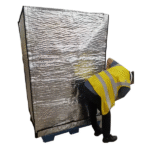
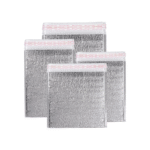
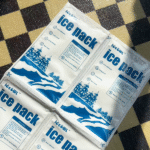
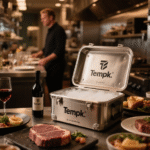
We focus on temperature-controlled packaging for business and consumer applications. Tempk, merek Shanghai Huizhou Industrial Co., Ltd., presents product lines such as ice packs, tas terisolasi, kotak pendingin, penutup palet, and custom temperature-control packaging. The company also highlights a CNAS-certified lab and custom solution support for food, farmasi, Perawatan kesehatan, and logistics use cases. Untuk topik ini, the most relevant fit is temperature-controlled packaging, kotak terisolasi, and custom cold-chain solutions when pharmaceutical design programs need thermal protection in addition to rugged outer packaging.
Langkah selanjutnya
If you are comparing bulk options, ask for a sample and line it up against your real handling, pembersihan, and route conditions before placing volume.