Diperbarui: Desember 24, 2025
Pemantauan rantai dingin terhadap bahan-bahan dan pemasok makanan laut adalah praktik penting yang menjaga ikan dan kerang tetap aman sejak mereka meninggalkan air hingga mencapai dapur Anda.. Ketika produk tidak disimpan di bawah 5 °C untuk makanan laut segar atau –18 °C untuk makanan beku, bakteri berkembang biak dengan cepat dan kualitasnya menurun. Pasar makanan laut global diproyeksikan akan mencapai US$ 270.43 miliar masuk 2025, dan permintaan konsumen akan keberlanjutan, makanan laut yang dapat dilacak semakin meningkat. Untuk memenuhi permintaan ini, pemasok harus berinvestasi pemantauan suhu waktu nyata, Sensor IoT dan prosedur operasi standar berbasis data (Sops). Panduan ini menunjukkan kepada Anda mengapa pemantauan rantai dingin itu penting, perangkat apa yang akan digunakan 2025, bagaimana merancang SOP yang efektif, dan tren baru apa yang akan membentuk industri ini.
Artikel ini akan menjawab:
Mengapa pemantauan rantai dingin sangat penting bagi pemasok makanan laut: kami menjelaskan bagaimana aturan waktu dan suhu melindungi kesegaran dan mematuhi pedoman HACCP.
Sensor dan perangkat mana yang harus dipilih: kami membandingkan data logger, monitor waktu nyata, Pelacak GPS, Tag RFID dan sensor BLE.
Bagaimana membangun SOP dan tingkatan risiko: Anda akan mempelajari cara mengelompokkan pengiriman berdasarkan tingkat risiko dan merancang rencana pemantauan yang dapat ditindaklanjuti.
Terbaru 2025 tren dan wawasan pasar: temukan bagaimana AI, analitik prediktif, protokol baru dan upaya keberlanjutan membentuk kembali manajemen rantai dingin makanan laut.
Tip praktis dan contoh kasus: daftar periksa dan contoh kami menunjukkan kepada Anda di mana menempatkan sensor, bagaimana menghindari kelelahan saat waspada dan bagaimana orang lain memecahkan masalah umum.
Mengapa pemantauan rantai dingin penting bagi pemasok makanan laut??
Jawaban segera
Makanan laut cepat rusak jika tidak disimpan dingin, dan bahkan periode hangat yang singkat pun secara diam-diam dapat memperpendek umur simpan dan memicu penyakit yang ditularkan melalui makanan. Pedoman internasional mengharuskan ikan segar disimpan di antara waktu tersebut 0 °C dan 5 ° C. dan ikan beku di –18 °C atau lebih dingin. FAO merekomendasikan untuk menjaga suhu dingin tetap di bawah 5 ° C. dan suhu beku di bawah –18 °C selama penyimpanan, distribusi dan tampilan. Penelitian menunjukkan hal itu kontrol suhu yang tepat di seluruh rantai pasokan mencegah pertumbuhan bakteri dan pembusukan enzimatik, sementara fluktuasi kecil sekalipun mempercepat kerusakan. Sebab daging ikan kaya akan air dan protein, itu menjadi tempat berkembang biaknya patogen sejenisnya Klostridium botulinum jika kontrol waktu-suhu diabaikan. Perangkat pemantauan waktu nyata menangkap penyimpangan suhu ini sehingga Anda dapat bertindak sebelum kualitas produk hilang.
Latar belakang dan konteks industri
Rantai pasokan makanan laut sangat panjang dan rumit. Ikan bisa melewati perahu, kamar dingin, fasilitas pengolahan, gudang, pelabuhan dan unit tampilan ritel. Setiap perpindahan menimbulkan risiko penyalahgunaan suhu. Misalnya, Emergent Cold LatAm mencatat hal itu ikan segar harus ditempatkan di ruang pendingin atau freezer segera setelah penangkapan untuk menjaga suhu 0–5 °C, sedangkan ikan beku harus tetap pada suhu –18 °C atau lebih dingin. Pedoman FAO menekankan pendinginan atau pembekuan yang cepat dan perpindahan terus menerus antar wilayah yang dikendalikan. Ulasan di Jurnal Internasional Ilmu Kedokteran Hewan menjelaskan bagaimana pembekuan memperlambat aktivitas mikroba, memperpanjang umur simpan dan mencegah pembusukan. Namun, itu memperingatkan hal itu bahkan fluktuasi suhu yang kecil pun mempercepat pembusukan dan mengganggu kesegaran produk.
Ekspektasi konsumen meningkatkan risiko-risiko ini. Pasar makanan laut global tumbuh pada a 7 % tingkat pertumbuhan tahunan gabungan, dan volume ekspor meningkat pesat. Pembeli menuntut transparansi, keberlanjutan dan bukti penanganan yang aman. Kerangka peraturan seperti Haccp, Praktik Manufaktur yang Baik (GMP) Dan Prosedur Operasi Standar Sanitasi (SSOP) memerlukan kontrol suhu yang terdokumentasi dan pemantauan rutin. Pemasok yang tidak dapat menunjukkan integritas rantai dingin secara terus-menerus akan menghadapi penarikan kembali, denda dan kerusakan reputasi. Karena itu, pemantauan rantai dingin terhadap bahan-bahan dan pemasok makanan laut bukanlah suatu pilihan—ini adalah tulang punggung keselamatan, perdagangan makanan laut berkualitas tinggi.
Risiko-risiko utama dan sinyal-sinyal yang harus dipantau
Untuk mencegah pembusukan, Anda harus memantau tiga sinyal inti:
| Sinyal pemantauan | Apa yang diberitahukannya kepada Anda | Contoh perangkat | Arti praktis |
| Suhu puncak | Apakah kiriman Anda pernah melebihi suhu maksimum yang aman?? | Pencatat data, pelacak waktu nyata | Memprediksi penolakan dan menghilangkan bau |
| Waktu di atas batas | Berapa lama produk bertahan di zona berisiko? | Pencatat data, monitor waktu nyata | Memprediksi hilangnya umur simpan |
| Lokasi (di mana hal itu terjadi) | Menunjukkan dengan tepat panggung atau tempat tamasya (dermaga, pusat, terakhir mil) | GPS atau pelacak waktu nyata | Membantu memperbaiki proses dan menetapkan akuntabilitas |
Memantau sinyal-sinyal ini memberi Anda wawasan yang bisa ditindaklanjuti. Perangkat mengubah peristiwa hangat yang tersembunyi menjadi bukti terukur, jadi Anda berhenti menebak-nebak dan mulai meningkatkan. Tanpa data, pengiriman mungkin tampak baik-baik saja pada saat pengiriman tetapi sudah kehilangan hari umur simpan.
Tip dan saran praktis
Ukur waktu pementasan dan paku pintu terbuka terlebih dahulu: jika klaim terasa acak, mulailah dengan metrik sederhana seperti berapa lama palet diletakkan di dermaga atau seberapa sering pintu dibuka.
Standarisasi perangkat dan SOP sebelum penskalaan: data yang berantakan sering kali diakibatkan oleh pencampuran merek sensor atau prosedur yang tidak konsisten. Mulailah dengan satu jenis perangkat dan satu proses peninjauan.
Kurangi kelelahan peringatan: peringatan hanya akan terpicu ketika tindakan segera memungkinkan. Terlalu banyak peringatan menyebabkan alarm diabaikan dan respons buruk.
Kasus praktis: Sebuah pusat distribusi makanan laut mengurangi keluhan dengan menemukan bahwa lonjakan suhu hangat selama jam sibuk terjadi pada saat serah terima di dermaga. Pemantauan berkelanjutan mengungkap masalahnya, memungkinkan tim untuk menyesuaikan prosedur dan menghindari pembusukan.
Sensor dan perangkat mana yang harus digunakan oleh pemasok 2025?
Jawaban segera
Pilih perangkat berdasarkan apakah Anda dapat melakukan intervensi selama transit dan tingkat risiko yang dihadapi produk Anda. Jika tim Anda dapat bertindak di tengah jalan, berinvestasi monitor waktu nyata dengan peringatan; jika Anda hanya bertindak setelah melahirkan, memilih pencatat data sebagai bukti. Operasi makanan laut biasanya menggabungkan pencatat bukti untuk akuntabilitas dan pelacak waktu nyata untuk jalur berisiko tinggi. Untuk memutuskan perangkat mana yang akan disebarkan, mengklasifikasikan pengiriman berdasarkan risiko (Tingkat A, B atau C) dan cocokkan jenis perangkat yang sesuai.
Ikhtisar perangkat terperinci
Solusi pemantauan rantai dingin modern mencakup beberapa teknologi:
| Jenis perangkat | Kasus penggunaan terbaik | Kesalahan umum | Implikasi praktis |
| Pencatat data suhu | Bukti setelah penyerahan dan catatan sejarah | Gagal meninjau data atau mengintegrasikannya ke dalam SOP | Memberikan bukti kepatuhan dan membantu mengidentifikasi tren. Ideal untuk jalur berisiko rendah atau ketika intervensi tidak mungkin dilakukan di tengah perjalanan. |
| Monitor waktu nyata dengan peringatan | Mencegah kehilangan selama transit | Memicu terlalu banyak peringatan menyebabkan kelelahan alarm | Kirim data suhu dan kelembaban langsung melalui seluler, Angin LoRaW. Ideal untuk beban bernilai tinggi yang memerlukan respons cepat. |
| Pelacak suhu GPS | Menemukan tempat terjadinya tamasya | Tidak mencocokkan perangkat dengan muatan tertentu dapat membingungkan konteks | Gabungkan lokasi dan suhu untuk menentukan titik api. Berguna untuk rute panjang dan jalur yang sering berpindah tangan. |
| Sensor tetap (kamar/truk) | Pemantauan fasilitas secara terus menerus | Penempatan yang buruk menyebabkan titik buta | Menyediakan data lingkungan yang konstan di gudang dan truk. Cocok untuk fasilitas penyimpanan yang kondisinya stabil. |
| Indikator Waktu–Suhu (Ayah) | Bukti sederhana dalam menangani pelecehan | Memperlakukan TTI sebagai peringatan waktu nyata (mereka tidak) | Terjangkau, indikator satu kali yang berubah warna ketika paparan kumulatif melebihi batas. Paling baik untuk memverifikasi bahwa paket disimpan dalam keadaan dingin tetapi tidak untuk intervensi langsung. |
| Label suhu RFID | Pemindaian otomatis di pos pemeriksaan | Cakupan pembaca tidak memadai | Aktifkan pengumpulan data nirsentuh saat pengiriman melewati gudang atau gerbang, mengurangi pencatatan manual. |
| Bluetooth Hemat Energi (Ble) sensor | Pemantauan jarak pendek di gudang atau truk | Jangkauan terbatas (30–100 m) | Sensor berbiaya rendah yang mengirimkan data ke ponsel atau gateway terdekat. Ideal untuk toko ritel atau pengiriman jarak jauh. |
| Wadah berpendingin yang cerdas (reefers) | Pengiriman jarak jauh | Konsumsi dan biaya energi yang tinggi | Unit mandiri yang mengatur dan memonitor suhu secara otomatis. Menyediakan kendali jarak jauh dan kondisi stabil untuk perjalanan jauh. |
Memilih perangkat berdasarkan tingkat risiko
Melakukan segmentasi jalur berdasarkan risiko memastikan anggaran pemantauan dibelanjakan secara bijaksana:
Tingkat A (risiko tinggi/bernilai tinggi): Rute panjang, serah terima yang sering, atau makanan laut bernilai tinggi seperti tuna kelas sashimi. Pengaturan yang disarankan: monitor waktu nyata + GPS + pencatat bukti untuk mengurangi kerugian pada jalur terburuk.
Tingkat B (sedang): Rute stabil dengan hub terkontrol; produk seperti fillet dingin. Menggunakan bukti logger dengan pemantauan real-time selektif untuk biaya dan pengendalian yang seimbang.
Tingkat C (rendah): Jalur lokal pendek atau produk berisiko rendah. Pencatat bukti atau audit spot saja sudah cukup.
Untuk memilih perangkat, terapkan Aturan Tindakan vs Bukti: jika Anda dapat bertindak selama transit, berinvestasi dalam peringatan waktu nyata; jika tidak, memprioritaskan pencatat bukti dan ulasan mingguan.
Tip dan saran praktis
Mulailah dengan sederhana: Buktikan di mana letak masalahnya sebelum berinvestasi pada banyak perangkat.
Cocokkan perangkat dengan risiko dan nilai: Pengiriman bernilai tinggi membenarkan pelacakan waktu nyata; beban risiko yang lebih rendah tidak.
Kontrol penempatan: Posisi sensor seringkali lebih penting dibandingkan mereknya.
Kasus praktis: Distributor menghemat uang dengan menggunakan proof logger pada jalur berisiko rendah dan menggunakan perangkat real-time hanya pada jalur panjang, rute yang rawan penundaan, meningkatkan efisiensi dan mengurangi limbah.
Bagaimana seharusnya sensor ditempatkan dan SOP dirancang?
Jawaban segera
Tempatkan sensor di mana panas masuk dan rancang SOP yang mengubah data menjadi tindakan. Posisikan perangkat di dekat titik masuk yang hangat, seperti sisi pintu atau lapisan atas kotak, dan hindari kontak dengan media pendingin atau aliran udara langsung. Gunakan foto atau diagram untuk menjaga konsistensi penempatan di seluruh pengiriman. SOP harus menentukan siapa yang meninjau data, seberapa sering, dan tindakan perbaikan apa yang harus diambil. Tanpa prosedur yang jelas, data menjadi kebisingan dan kelelahan peringatan pun terjadi.
Panduan terperinci tentang penempatan
Sensor harus mencerminkan zona risiko sebenarnya:
| Pilihan penempatan | Cenderung membaca | Mempertaruhkan | Arti praktis |
| Dekat pintu atau lapisan atas | Lebih hangat, lebih realistis | Rendah jika digunakan secara konsisten | Deteksi risiko dan peringatan dini yang lebih baik |
| Aliran udara langsung (dekat ventilasi) | Terlalu dingin | Kunjungan tersembunyi | Dapat melewatkan acara hangat karena udara dingin menutupi suhu produk sebenarnya |
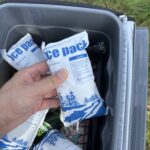
| Menyentuh cairan pendingin (Paket es, gel) | Terlalu dingin | Menyembunyikan pemanasan | Gagal mendeteksi kenaikan suhu karena sensor berada di media pendingin |
Pemeriksaan mandiri sederhana membantu meningkatkan penempatan:
Apakah sensor menyentuh kantong es atau gel? Jika ya, pindahkan itu.
Apakah tepat di sebelah ventilasi atau kipas angin? Jika ya, reposisi.
Apakah penempatan berubah setiap pengiriman? Jika ya, standarisasi penempatan menggunakan SOP foto.
Merancang SOP dan pelatihan
Program pemantauan rantai dingin yang efektif meliputi::
Daftar periksa pra pengiriman: Pastikan perangkat dikalibrasi dan ditempatkan dengan benar. Gunakan tangki RSW atau serpihan es untuk mendinginkan ikan hingga ke bawah +4 ° C. dalam beberapa jam pertama setelah penangkapan.
Jadwal pemantauan: Tentukan kapan data akan diperiksa (peringatan waktu nyata segera ditinjau; logger diunduh setiap minggu). Tentukan rentang suhu yang dapat diterima—0 ° C ke 5 °C untuk makanan laut segar dan –18 °C hingga –29 °C untuk produk beku.
Pemicu tindakan: Dokumentasikan tindakan ketika suhu melebihi batas, seperti menolak pengiriman, menerapkan es tambahan, atau mengubah rute.
Dokumentasi: Memelihara catatan digital untuk mematuhi HACCP, Persyaratan GMP dan SSOP dan mendukung audit peraturan.
Pelatihan: Mendidik staf tentang penanganan yang tepat, pemisahan produk matang dan mentah, dan pemeriksaan suhu secara berkala.
Perbaikan berkelanjutan: Tinjau tren data dan sesuaikan proses. Gunakan tingkat risiko untuk memutuskan apakah akan meningkatkan sensor atau mengubah rute.
Standar peraturan dan praktik terbaik apa yang berlaku?
Jawaban segera
Patuhi batas suhu, standar kebersihan dan persyaratan dokumentasi yang ditentukan oleh lembaga global. Simpan makanan laut segar di 0–5 °C dan makanan laut beku di –18 °C atau lebih dingin. Ikan didinginkan terlebih dahulu dalam waktu dua jam setelah penangkapan menggunakan tangki RSW atau es serpihan. Simpan ikan beku di antaranya –18 °C dan –29 °C dan menghindari fluktuasi suhu. Pertahankan pengoperasian yang berkelanjutan antara area dengan suhu terkendali dan pisahkan produk matang dan mentah untuk mencegah kontaminasi silang. Lakukan pemeriksaan suhu sistematis menggunakan instrumentasi yang dikalibrasi. Kepatuhan dokumen dengan Haccp, GMP Dan SSOP program.
Memahami pedoman di seluruh rantai
Badan pengatur seperti Organisasi Pangan dan Pertanian (FAO) Dan Institut Makanan Beku Amerika (AFI) memberikan praktik terbaik untuk manajemen rantai dingin makanan laut:
Pendinginan dan pembekuan segera: Meja 1 dari ulasan terbaru merekomendasikan mendinginkan ikan di atas kapal 0 °C hingga –1 °C dalam waktu dua jam dengan sebuah es:rasio ikan setidaknya 1:1, menggunakan sistem es bubur dan ruang berinsulasi. Pengolahan berbasis lahan harus membekukan ikan –35 °C dalam waktu empat jam setelah pendaratan.
Suhu penyimpanan: Ikan tanpa lemak harus dipelihara –30 °C, sedangkan ikan berlemak bisa disimpan di –24 °C dengan kelembaban relatif di atas 95 %.
Stabilitas transportasi: Bertujuan untuk stabilitas ±1 °C selama transportasi dan menjaga getaran tetap rendah 1.5 G. Gunakan kontainer berkemampuan IoT dan ketertelusuran blockchain untuk memastikan integritas.
Titik kendali kritis: Tahapan kritis termasuk pendinginan cepat, pembekuan cepat, penyimpanan stabil dan bukaan pintu minimal. Penyimpangan pada titik mana pun dapat menyebabkan pertumbuhan bakteri, kehilangan tetesan atau reaktivasi patogen sejenisnya Listeria. Peringatan waktu nyata dan pemberian es otomatis dapat mengurangi risiko.
Aturan penanganan FAO: Jaga kebersihan, membekukan produk dengan cepat, tetap dingin (<5 ° C.) atau dibekukan (<–18 °C) suhu, mentransfer produk tanpa penundaan, pisahkan makanan matang dan mentah dan hindari lemari yang terlalu penuh.
Dokumentasi dan kepatuhan: Simpan tagihan penjualan, surat keterangan asal, sertifikat kesehatan, dan catatan digital untuk ekspor. Program sertifikasi seperti FSSC 22000, BRCGS, Logistik IFS Dan Operator Ekonomi Resmi status menunjukkan kepatuhan.
Tip dan saran praktis
Gunakan kemasan isotermal dan kotak termal berkualitas tinggi untuk meminimalkan fluktuasi suhu.
Pantau transportasi secara real time: melacak suhu dan lokasi untuk mendeteksi penyimpangan dan memperbaiki kegagalan.
Pastikan kebersihan kendaraan dan kontainer, dan merencanakan jadwal pembersihan.
Melatih personel pada pola pemuatan yang benar dan jangan membebani lemari secara berlebihan.
2025 perkembangan dan tren pasar
Tinjauan Tren
Pemantauan rantai dingin terhadap bahan dan pemasok makanan laut berkembang pesat. Beberapa perkembangan di 2025 menonjol:
Protokol pemantauan suhu standar: Pada bulan Juli 2025, Institut Makanan Beku Amerika (AFI) dan Aliansi Rantai Dingin Global merilis a protokol baru yang menyediakan metode standar untuk mencatat perubahan suhu, mengidentifikasi titik-titik pemantauan kritis, dan merekomendasikan praktik terbaik untuk pengumpulan dan analisis data. Protokol ini bertujuan untuk memodernisasi pemantauan makanan beku, meningkatkan efisiensi operasional, mengurangi konsumsi energi dan membangun landasan untuk inovasi masa depan.
Sensor fleksibel dan pengujian tidak merusak: Sorotan penelitian terbaru teknologi sensor fleksibel yang menyediakan non invasif, pemantauan kesegaran makanan laut secara real-time. Sensor ini dapat mendeteksi senyawa yang mudah menguap dan perubahan biokimia tanpa merusak produk, meningkatkan akurasi dan waktu respons.
IoT, AI dan analisis prediktif: Sensor nirkabel berbasis IoT mengirimkan data secara terus menerus ke platform cloud, memungkinkan pemantauan jarak jauh dan peringatan otomatis. Kecerdasan buatan menganalisis tren, memprediksi kegagalan peralatan dan mengoptimalkan logistik, mengurangi pembusukan dan biaya energi. Integrasi real-time dengan ERP atau sistem manajemen gudang memberikan visibilitas menyeluruh dan menyederhanakan audit kepatuhan.
Pertumbuhan pasar dan investasi: Pasar pemantauan rantai dingin global diperkirakan akan melakukan hal tersebut tumbuh dari US$ 8.31 miliar masuk 2025 menjadi US$ 15.04 miliar oleh 2030, dengan a 12.6 % CAGR. Meningkatnya konsumsi makanan yang mudah rusak—terutama makanan laut, produk susu dan makanan siap saji—mendorong permintaan ini. Perusahaan berinvestasi pada sensor IoT, pelacakan waktu nyata dan analisis prediktif untuk menjaga integritas produk dan mengurangi pemborosan. Banyak analis pasar juga mencatat segmen suhu dingin (0–10 ° C.) memegang pangsa terbesar di pasar pemantauan.
Penyimpanan yang dioptimalkan AI dan gudang cerdas: Fasilitas penyimpanan menggunakan siklus pencairan bunga es yang digerakkan oleh AI dan bahan pengubah fasa untuk menjaga suhu tetap stabil dan mengurangi penggunaan energi. Wadah berpendingin yang cerdas (reefers) menawarkan kendali jarak jauh dan pengaturan suhu otomatis, meskipun mereka mengkonsumsi energi yang signifikan.
Keberlanjutan dan efisiensi energi: Logistik rantai dingin menghabiskan banyak energi dan berkontribusi terhadap emisi karbon. Banyak bisnis yang mengganti bahan yang tidak dapat didaur ulang dengan lapisan yang dapat didaur ulang dan mengeksplorasi sistem tenaga surya. Pemasok sistem pendingin menggunakan refrigeran alami seperti amonia (NH₃) Dan Co₂ untuk efisiensi tinggi dengan dampak lingkungan yang lebih rendah.
Kemajuan terbaru sekilas
Standardisasi: Protokol AFFI/GCCA yang baru memberi perusahaan cetak biru untuk pemantauan suhu dan manajemen data standar.
Inovasi sensor: Sensor fleksibel memungkinkan pemantauan kesegaran yang tidak merusak, sementara perangkat IoT menyediakan data real-time yang berkelanjutan.
AI dan analitik: Algoritma prediktif mengoptimalkan rute, memprediksi kegagalan peralatan dan mengurangi penggunaan energi.
Perluasan pasar: Pasar pemantauan rantai dingin tumbuh pada tingkat dua digit, didorong oleh permintaan akan makanan laut yang aman dan peraturan yang ketat.
Keberlanjutan: Peralihan ke refrigeran alami, kemasan yang dapat didaur ulang dan sistem hemat energi.
Wawasan pasar
Pertumbuhan makanan laut dan ekspor: Ekspor ikan budidaya Brasil meningkat 112 % di awal 2025 dan pasar makanan laut tercapai US$ 270.43 miliar.
Pergeseran regional: Kawasan Asia Pasifik diperkirakan akan mencatat pertumbuhan tertinggi dalam pemantauan rantai dingin karena meningkatnya permintaan akan makanan yang mudah rusak dan pesatnya urbanisasi..
Adopsi teknologi: Investasi pada sensor IoT, Ai, blockchain dan analisis prediktif membentuk kembali rantai pasokan, membuat pengambilan keputusan berdasarkan data menjadi norma.
Pemain top: Perusahaan besar termasuk Carrier, Tes SE, Pelabuhan Krio, ORBCOMM, mengendalikan, Zebra Technologies dan Digi Internasional.
Pertanyaan yang sering diajukan (FAQ)
Q1: Seberapa dingin makanan laut harus disimpan untuk mencegah pembusukan?
Makanan laut segar harus disimpan di antaranya 0 °C dan 5 ° C., sedangkan makanan laut beku harus tetap ada –18 °C atau lebih dingin. Pendinginan segera dan pembekuan yang tepat memperlambat pertumbuhan mikroba dan menjaga kualitas.
Q2: Perangkat apa yang paling penting untuk pemantauan rantai dingin?
Tidak ada satu pun perangkat yang sempurna. Untuk pengiriman bernilai tinggi atau jarak jauh, monitor waktu nyata dengan GPS memberikan peringatan langsung. Untuk bukti rutin dan dokumentasi peraturan, pencatat data sangat penting. Menggabungkan keduanya—pelacak waktu nyata di jalur berisiko dan logger di jalur berisiko rendah—menawarkan perlindungan yang seimbang.
Q3: Seberapa sering data suhu harus ditinjau?
Peringatan waktu nyata harus segera ditinjau. Catatan data logger harus diunduh dan ditinjau setidaknya setiap minggu. SOP harus menentukan siapa yang bertanggung jawab untuk meninjau data dan tindakan apa yang harus diambil ketika terjadi penyimpangan.
Q4: Apakah peraturan memerlukan pemantauan terus menerus??
Regulator seperti FDA, FAO Dan SIAPA mengharapkan kontrol suhu yang berkelanjutan dan bukti terdokumentasi untuk pengiriman makanan laut. Protokol AFFI/GCCA menyediakan metode standar untuk pemantauan suhu dan manajemen data.
Q5: Bisakah saya menggunakan sensor Bluetooth untuk pengiriman jarak jauh?
Sensor BLE ideal untuk lingkungan jarak pendek seperti gudang atau pengiriman jarak jauh. Untuk pengiriman jarak jauh, gunakan pelacak berkemampuan GPS atau sensor IoT dengan konektivitas seluler atau LoRaWAN.
Ringkasan dan Rekomendasi
Kunci takeaways
Kontrol waktu dan suhu penting: Makanan laut segar harus tetap berada di antara keduanya 0 °C dan 5 °C dan makanan laut beku di bawah –18 °C. Pendinginan segera dan pembekuan cepat sangat penting. Fluktuasi suhu yang kecil mempercepat pembusukan.
Gunakan perangkat yang tepat: Gabungkan pencatat data sebagai bukti dan monitor waktu nyata untuk peringatan yang dapat ditindaklanjuti. Cocokkan perangkat dengan tingkat risiko dan nilai.
Posisikan sensor dengan benar: Tempatkan mereka di dekat titik masuk yang hangat, hindari kontak langsung dengan cairan pendingin dan standarisasi penempatan di seluruh pengiriman.
Rancang SOP yang kuat: Tentukan pemeriksaan pra pengiriman, jadwal pemantauan, pemicu tindakan dan dokumentasi. Latih staf dan terus tingkatkan proses.
Tetap perbarui dengan 2025 tren: Mengadopsi protokol standar, sensor fleksibel, Analisis berbasis AI dan teknologi berkelanjutan.
Langkah selanjutnya yang dapat ditindaklanjuti
Nilai rantai dingin Anda saat ini: Identifikasi lokasi terjadinya perubahan suhu dengan menggunakan proof logger.
Segmentasikan pengiriman berdasarkan risiko: Terapkan kerangka Tier A/B/C untuk memutuskan jalur mana yang memerlukan pemantauan waktu nyata dan mana yang hanya memerlukan pencatat data.
Pilih perangkat yang sesuai: Pilih pencatat data, monitor waktu nyata, Pelacak GPS atau sensor BLE berdasarkan kemampuan Anda untuk melakukan intervensi dan nilai kargo Anda.
Mengembangkan SOP: Tentukan jadwal pemantauan, pemicu tindakan, persyaratan dokumentasi dan rencana pelatihan. Sejajarkan ini dengan HACCP, Pedoman GMP dan SSOP.
Berinvestasilah dalam teknologi: Pertimbangkan sensor IoT yang terintegrasi dengan platform cloud, analitik prediktif, dan blockchain untuk ketertelusuran ujung ke ujung.
Merangkul keberlanjutan: Gunakan pendingin yang ramah lingkungan (NH₃, Co₂), kemasan yang dapat didaur ulang dan sistem hemat energi.
Tinjau dan tingkatkan: Gunakan data untuk menyempurnakan rute, pelatihan dan peralatan. Adopsi protokol dan teknologi baru yang muncul 2025.
Tentang tempk
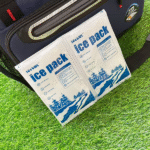
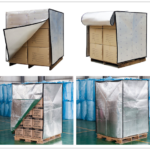
Tempk adalah mitra terpercaya dalam manajemen rantai dingin, berspesialisasi dalam kemasan ramah lingkungan, wadah terisolasi dan solusi pemantauan tingkat lanjut. Dengan fokus penggunaan kembali dan daur ulang, produk kami membantu Anda menjaga kontrol suhu yang ketat sekaligus mengurangi dampak terhadap lingkungan. Kami mendukung pemasok makanan laut dengan Paket es, tas terisolasi dan perangkat pemantauan waktu nyata yang terintegrasi secara mulus dengan platform logistik modern. R&Tim D terus berinovasi, memastikan bahwa Anda menerima solusi mutakhir yang didukung oleh standar kualitas yang ketat.
Panggilan untuk bertindak
Siap menjaga rantai pasokan makanan laut Anda? Hubungi Tempk hari ini untuk saran ahli dalam memilih solusi pemantauan rantai dingin yang tepat. Spesialis kami akan membantu Anda merancang sistem khusus untuk melindungi produk Anda, mematuhi peraturan dan memenuhi tujuan keberlanjutan Anda.