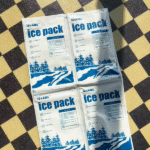
Cara Menentukan Industri Paket Es Injeksi Air
Ringkasan eksekutif (baca ini dulu). Jika Anda membeli atau merancang kemasan rantai dingin pasif, produk industri kantong es injeksi air dapat menjadi pendingin “pekerja keras” yang praktis. Anda mendapatkan titik beku yang dapat diprediksi pada 0°C, biaya bahan rendah, dan penanganan sederhana—jika Anda menentukan filmnya, kekuatan segel, dan kendali mutu dengan benar. Kebanyakan kegagalan berasal dari spesifikasi yang dibayar terlalu sedikit: segel yang lemah, film rapuh dalam pembekuan mendalam, atau massa isian yang tidak konsisten. Panduan ini membantu Anda mengaitkan spesifikasi dengan jalur Anda, memvalidasi kinerja, dan mengurangi risiko kebocoran 2026 sumber.
Anda memilih a industri paket es injeksi air format bila Anda ingin kasar, pendinginan berulang dengan risiko kimia minimal. Es menyerap 334 kJ per kilogram sambil meleleh, itulah sebabnya air biasa masih merupakan bahan pengubah fasa yang kuat (referensi termodinamika, 2022). Anda dapat menstandardisasi ukuran paket, membekukan waktu, dan pola pemuatan untuk mengurangi perubahan suhu. Dalam artikel ini, Anda akan mempelajari cara menentukan paket untuk durasi pengiriman, kebutuhan kepatuhan, dan gudang kenyataan tanpa membuat muatan Anda terlalu berat.
Artikel ini akan menjawab:
Bagaimana cara memilih industri paket es injeksi air ukuran untuk jalur 48–120 jam dan iklim campuran
Bagaimana a industri paket es injeksi air desain pengisian dan segel berbeda dari kemasan gel dan pelat PCM kaku
Dokumen PDB kontak makanan dan farmasi mana yang harus Anda minta industri paket es injeksi air pengadaan
Cara menjalankan kualifikasi jalur untuk industri paket es injeksi air pengemasan menggunakan profil termal dan pengujian penyalahgunaan
Cara mengurangi kebocoran, retak, dan kondensasi saat digunakan industri paket es injeksi air paket dalam skala besar
Kata kunci ekor panjang terkait yang dapat Anda targetkan (gunakan secara alami):
industri paket es injeksi air untuk pengiriman farmasi 2–8°C, pendingin pengirim palet industri paket es injeksi air, film anti bocor industri paket es injeksi air, uji termal ISTA industri paket es injeksi air, SOP freezer industri paket es injeksi air
Apa yang dimaksud dengan desain industri paket es injeksi air, dan kapan Anda harus menggunakannya?
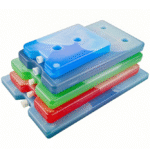
Produk industri ice pack injeksi air berbentuk pouch yang fleksibel diisi dengan air melalui lubang injeksi lalu disegel untuk dibekukan. Di banyak pabrik, kantong film terbentuk, air disuntikkan ke massa yang terkontrol, dan segel dilas dengan panas. Bagian “industri” biasanya berarti film yang lebih tebal, segel yang lebih kuat, dan pemeriksaan kualitas yang lebih ketat dibandingkan kemasan freezer konsumen. Air juga mengembang secara kasar sembilan persen saat membeku, sehingga tingkat pengisian dan ruang kepala yang terkontrol mengurangi tekanan segel (catatan properti bahan, 2022).
Anda biasanya menggunakan paket industri paket es injeksi air untuk pasif kontrol suhu, artinya tidak ada pendingin bertenaga. Sistem pasif mengandalkan isolasi ditambah massa pendingin, jadi konsistensi itu penting (catatan latihan pengemasan pasif, 2023). Jika satu paket kurang terisi, Anda kehilangan waktu tunggu. Jika satu bungkus bocor, Anda berisiko merusak karton dan menolak pengiriman.
Pilihan industri paket es injeksi air paling umum ketika suhu target Anda adalah dinginkan dan Anda dapat mentolerir air lelehan yang tetap berada di dalam kemasan. Ini cocok untuk banyak orang makanan, biotek, Dan reagen jalur. Ini juga dapat mendukung jalur beku ketika film tetap fleksibel pada suhu rendah, tetapi Anda harus memvalidasi kerapuhannya.
Di mana industri kantong es injeksi air cocok dibandingkan gel atau PCM?
Jika Anda berpikir dalam “suhu tinggi,” air menggenang 0° C. sambil meleleh, yang ideal untuk menjaga isinya tetap dingin tetapi tidak harus dalam suhu 2–8°C saja. Paket gel dan PCM khusus dapat diformulasikan untuk meleleh pada suhu berbeda, yang dapat mengurangi risiko pembekuan untuk produk yang sensitif terhadap suhu.
Yang mengatakan, paket industri paket es injeksi air memiliki kekuatan yang dapat Anda ukur. Anda dapat mengukur massa pengisian, membekukan kekerasan, lebar segel, dan meledakkan kekuatan dengan ujian langsung. Dengan gel, viskositas dan bahan tambahan dapat mempersulit penyegelan pelek dan pembuangan di akhir masa pakainya. Dengan pelat PCM yang kaku, Anda mungkin memperoleh daya tahan tetapi membayar biaya pembelian dan membalikkan kompleksitas logistik.
Perbandingan cepat membantu Anda menjelaskan pilihan Anda kepada pemangku kepentingan keuangan dan kualitas (perbandingan kemasan rantai dingin, 2024).
| Opsi pendingin | Wilayah suhu “tahan” yang khas | Kekuatan | Perhatian | Penggunaan yang paling sesuai |
|---|---|---|---|---|
| Industri paket es injeksi air | Mendekati 0°C selama pencairan | Biaya rendah, perubahan fase yang dapat diprediksi, sumber yang mudah | Dapat menjadi terlalu dingin saat bersentuhan; kantong bocor jika di bawah spesifikasi | Jalur dingin bervolume tinggi dengan kemasan standar |
| Paket gel (berbasis aditif) | Seringkali mendekati 0°C, bervariasi berdasarkan formulasi | Kesesuaian yang lebih baik pada produk; terkadang pita yang dapat digunakan lebih lebar | Bahan aditif mempersulit pengadaan dan pembuangan; kualitas segel bervariasi | Pengirim paket dengan kesesuaian yang ketat dan penanganan yang sering |
| PCM yang disetel (garam hidrat atau berbasis bio) | Setel ke pita target (MISALNYA., di atas 0°C) | Dapat melindungi suhu 2–8°C tanpa risiko pembekuan | Biaya yang lebih tinggi; memerlukan pengondisian yang hati-hati | Muatan farmasi sensitif terhadap pembekuan |
| Pelat PCM yang kaku | Setel ke pita target atau lebih rendah | Tahan lama; baik untuk dapat dikembalikan | Biaya modal lebih tinggi; logistik terbalik diperlukan | Program dan sistem palet yang dapat dikembalikan |
| Es kering | Sekitar -78,5°C | Kapasitas beku yang kuat | Risiko Hazmat dan CO2; bisa membeku secara berlebihan | Pengiriman beku dengan penanganan terlatih |
Skenario dunia nyata apa yang mendukung industri kantong es injeksi air?
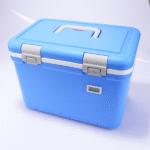
Anda adalah kandidat yang baik untuk paket industri paket es injeksi air ketika kiriman Anda berat, sering, dan standar. Bayangkan sebuah pusat distribusi yang mengirimkan bahan makanan dalam palet ke pabrik regional. Contoh lainnya adalah pemasok diagnostik mengirimkan peralatan pengisian ulang mingguan ke rumah sakit melalui pengirim yang terisolasi.
Anda juga mendapatkan keuntungan bila jalur Anda memiliki pola paparan lingkungan yang dapat diprediksi. Jika Anda dapat membekukan paket sesuai jadwal, pentaskan pada suhu “pengkondisian” yang terkendali, dan memuat dengan pola yang sama, sistem menjadi dapat diulang. Jika jalur Anda sangat bervariasi, Anda mungkin memerlukan beberapa ukuran paket dan lebih banyak validasi yang dijalankan.
Bagaimana Anda mengukur paket industri paket es injeksi air untuk jalur multi-hari?
Penentuan ukuran adalah tempat keberhasilan atau kegagalan proyek industri kantong es injeksi air. Ketika Anda mengukur dengan benar, Anda mencapai target suhu dengan cairan pendingin minimal dan menghindari menghancurkan muatan Anda. Ketika ukuran Anda buruk, Anda mengemas cairan pendingin secara berlebihan, biaya pengiriman Anda meningkat, dan Anda masih mengambil risiko bertamasya.
Mulailah dengan mendeskripsikan jalur Anda dalam bahasa yang sederhana: penanganan asal, waktu pra-pendinginan, durasi transit, dan paparan jarak jauh. Kemudian ubah cerita itu menjadi profil yang dapat diuji (panduan validasi transportasi yang dikontrol suhu, 2024). Jalur yang bagus termasuk panas–basah segmen, seperti paparan aspal, Dan dingin–basah segmen, seperti musim dingin mil terakhir.
Spesifikasi apa yang harus Anda dokumentasikan untuk pengadaan industri paket es injeksi air?
Definisikan apa arti “satu paket” di sistem Anda. Spesifikasi ini adalah spesifikasi minimum yang harus Anda cantumkan pada gambar atau spesifikasi pembelian untuk pasokan industri paket es injeksi air.
| Barang spesifikasi | Mengapa kamu peduli | Target industri yang khas (rentang contoh) |
|---|---|---|
| Isi toleransi massa | Waktu penahanan tergantung pada kilogram es | ±1–3% berdasarkan massa |
| Struktur film | Mengontrol tusukan, kualitas segel, ketangguhan suhu rendah | PE atau film multi-lapis berukuran sesuai jalur penyalahgunaan |
| Lebar dan pola segel | Mencegah kebocoran saat fleksibel dan terjatuh | Lebih luas, segel yang konsisten; tidak ada kekosongan |
| Desain pelabuhan | Mengurangi titik lemah | Area injeksi yang diperkuat, penutupan yang konsisten |
| Meledak dan menjatuhkan resistensi | Memprediksi kebocoran dalam penanganan | Lewati protokol tekanan/penurunan yang ditentukan |
| Pelabelan | Ketertelusuran setelah insiden | Kode banyak, kode tanggal, jenis paket |
Perlakukan kolom “target tipikal” sebagai titik awal, bukan sebuah janji. Anda harus menetapkan kriteria penerimaan Anda sendiri setelah melakukan uji coba terhadap pengirim dan lingkungan penanganan Anda.
Berapa banyak massa pendingin yang Anda perlukan jika Anda menggunakan paket industri paket es injeksi air?
Daripada menebak-nebak, berpikir dalam tiga cek: energi, geometri, dan kondensasi. Energi adalah tentang panas yang masuk ke pengirim. Geometri adalah tentang bagaimana paket menghubungi produk. Kondensasi terjadi ketika paket berkeringat dan udara hangat masuk.
Pendekatan awal yang sederhana adalah dengan membuat prototipe dua konfigurasi. Bangunlah bangunan “pendingin minimum” dan bangunan “pendingin yang kuat”.. Jalankan keduanya di profil pengujian yang sama. Jika build minimum Anda gagal, Anda belajar di mana dan kapan. Jika build kuat Anda lolos, Anda tahu Anda memiliki ruang kepala.
Untuk membantu Anda mendokumentasikan keputusan, berikut adalah tabel perbandingan praktis yang dapat Anda bagikan secara internal.
| Gol jalur | Risiko umum | Taktik industri kantong es injeksi air | Apa yang Anda validasi |
|---|---|---|---|
| Dinginkan, tidak beku | Produk membeku mendekati 0°C | Kondisi paket di atas titik beku; tambahkan lapisan penyangga | Suhu inti produk |
| Jalur musim panas yang terik | Meleleh sebelum dikirim | Tingkatkan massa; tambahkan cakupan atas dan samping | Suhu minimum di akhir |
| Musim dingin mil terakhir | Pendinginan berlebihan | Kurangi kontak langsung; tambahkan penghalang termal | Suhu terendah selama perendaman dingin |
| Pengirim palet | Aliran udara tidak merata | Gunakan pola paket yang konsisten per lapisan | Peta suhu di seluruh palet |
Ide alat pengambilan keputusan: “pemeriksaan cepat ukuran paket” yang dapat Anda sematkan di tempat
Anda dapat menambahkan kalkulator interaktif yang menanyakan durasi jalur, pita suhu target, Ukuran pengirim, dan suhu pengkondisian. Ini dapat menghasilkan rekomendasi awal untuk jumlah dan penempatan paket industri paket es injeksi air. Anda masih memvalidasi, namun alat ini mempercepat percakapan pertama.
Masukan dapat mencakup:
Bucket durasi jalur (semalam, dua–tiga hari, empat–lima hari)
Paparan sekitar (lembut, panas, campur aduk)
Sensitivitas muatan (bisakah menyentuh 0°C?)
Tipe pengirim (paket, palet, dapat dikembalikan)
Outputnya bisa mencakup:
Keluarga ukuran paket yang disarankan (panel kecil, batu bata sedang, panel besar)
Pola penempatan (hanya atas, atas dan samping, keliling penuh)
Daftar periksa “Validasi berikutnya”.
Bahan dan pemeriksaan kepatuhan mana yang penting untuk paket industri paket es injeksi air?
Bahan adalah tempat kualitas “industri” muncul. Air terdengar sederhana, namun pouch merupakan bahan pengemas yang dapat menyentuh karton makanan, karton farmasi, atau bahkan produk secara langsung dalam beberapa kasus penggunaan. File pengadaan Anda harus membahas ketahanan mekanis dan pernyataan peraturan.
Banyak tim industri mengaitkan file kepatuhan mereka ke sejumlah kecil referensi tepercaya. Di jalur makanan, Anda biasanya mengonfirmasi kesesuaian film plastik berdasarkan standar AS yang berlaku. Administrasi Makanan dan Obat -obatan (FDA) ekspektasi kontak makanan dan kerangka kerja plastik yang dikeluarkan melalui Komisi Eropa untuk Uni Eropa (gambaran peraturan, 2023–2025). Di jalur farmasi, Anda menyelaraskan kontrol pengemasan dan penanganan perjalanan dengan panduan rantai dingin Organisasi Kesehatan Dunia dan ekspektasi PDB regional (panduan distribusi farmasi, 2022–2026).
Jika Anda mengirimkan makanan, Anda harus menanyakan kesesuaian kontak makanan untuk film dan tinta yang digunakan pada cetakan apa pun (panduan kepatuhan kontak makanan, 2022). Jika Anda mengirimkan farmasi, Anda harus bertanya bagaimana pemasok mendukung ketertelusuran dan pengendalian perubahan (ekspektasi PDB farmasi, 2022–2026). Banyak kegagalan rantai dingin yang tidak bersifat termal; itu adalah insiden operasional yang dipicu oleh perubahan material yang tidak disadari.
Pilihan film apa yang mengurangi kebocoran pada kemasan industri paket es injeksi air?
Fokus pada empat properti yang dapat Anda uji dan bandingkan antar pemasok. Yang pertama adalah ketahanan terhadap tusukan, yang memprediksi kerusakan dari tepi bergelombang. Kedua adalah kekuatan segel, yang memprediksi kebocoran setelah kelenturan berulang. Ketiga adalah ketahanan dampak suhu rendah, yang memprediksi retak di deep freeze. Keempat adalah transmisi uap air, yang mempengaruhi perilaku kondensasi.
Pemasok yang baik akan memberi Anda deskripsi struktur film dan ringkasan pengujian. Anda tidak memerlukan setiap detail kimia, tetapi Anda memerlukan cukup uang untuk mengelola perubahan. Jika pemasok mengganti kualitas resin atau menambahkan bahan slip, kualitas segel Anda mungkin berubah.
Dokumen kualitas apa yang harus Anda minta untuk sumber industri paket es injeksi air?
Mintalah paket dokumen singkat yang sesuai dengan tingkat risiko Anda. Minimal, meminta: lembar spesifikasi, sertifikat analisis untuk massa isi, dan sertifikat manajemen mutu. Jika kiriman Anda bernilai tinggi atau diatur, tambahkan komitmen pemberitahuan perubahan dan keterlacakan lot.
Anda juga harus meminta bukti “pengujian penyalahgunaan” yang sesuai dengan cara paket Anda diperlakukan. Banyak paket yang bertahan dalam penanganan laboratorium yang lembut tetapi gagal di gudang yang sibuk. Jika tim Anda menumpuk palet, mendorong forklift mendekat, atau menggunakan kembali wadah, pengujian Anda harus mencerminkan kenyataan itu.
Bagaimana pilihan keberlanjutan dan masa pakainya memengaruhi keputusan industri kantong es injeksi air?
Keberlanjutan kini menjadi filter pengadaan, bukan renungan pemasaran. Paket industri kemasan es injeksi air dapat menarik karena pendinginnya hanyalah air, dan massa kantong dapat dioptimalkan. Tetap, filmnya biasanya plastik, jadi rencana akhir hidup Anda penting.
Di dalam 2026, Anda akan melihat lebih banyak pembeli yang meminta film mono-material, pilihan konten daur ulang, atau program penarikan kembali. Jika Anda menggunakan pengirim yang dapat dikembalikan, Anda dapat mengurangi pemborosan dengan menggabungkan paket dan hanya mengganti unit yang rusak. Jika Anda menggunakan pengirim satu arah, Anda dapat membantu pelanggan dengan memberikan petunjuk pembuangan yang jelas.
Bagaimana Anda memvalidasi kinerja industri kantong es injeksi air menggunakan uji jalur dan standar?
Validasi mengubah konsep industri paket es injeksi air menjadi proses yang dapat dikirim. Tujuan Anda bukanlah grafik lab yang sempurna. Sasaran Anda adalah performa berulang dalam profil realistis dengan aturan lulus/gagal yang jelas.
Saat Anda merancang tes, akan membantu jika Anda berbicara dalam bahasa yang dikenali oleh auditor dan pelanggan Anda. Banyak tim yang merujuk pada pendekatan uji termal International Safe Transit Association, lalu sesuaikan profil dengan risiko jalurnya (praktik uji termal parsel, 2023–2024). Jika Anda mengirim melalui udara, menyelaraskan asumsi dengan panduan pengontrol suhu Asosiasi Transportasi Udara Internasional sehingga kisah penanganan Anda sesuai dengan kenyataan kargo udara (panduan kontrol suhu kargo udara, 2024).
Gunakan pendekatan tiga lapis. Pertama, memenuhi syarat paket itu sendiri (kebocoran dan daya tahan). Kedua, memenuhi syarat sistem pengirim (kinerja termal). Ketiga, memenuhi syarat operasi (tim Anda dapat mengulangi build tersebut).
Tes mana yang membuktikan ketahanan kebocoran industri kantong es injeksi air?
Anda dapat menguji paket pada tiga suhu: suhu kamar, beku, dan pasca pencairan. Masing-masing mengungkapkan mode kegagalan yang berbeda. Kemasan beku dapat retak di sudut-sudutnya jika filmnya rapuh. Kemasan pasca-pelelehan dapat bocor pada segelnya jika mengalami tekanan selama pencairan.
Tes praktik yang umum meliputi:
Inspeksi visual untuk rongga segel dan cacat port
Uji jatuh kemasan beku dalam karton yang representatif
Pengujian kompresi di bawah beban bertumpuk
Pemeriksaan ledakan atau pemerasan sederhana untuk mengetahui kelemahan segel
Tentukan kriteria penerimaan secara tertulis. Misalnya, “tidak ada kebocoran dan tidak ada retakan yang terlihat setelah rangkaian jatuh.” Saat Anda membakukan kriteria, Anda dapat membandingkan pemasok secara adil.
Bagaimana Anda menjalankan alur implementasi untuk kemasan industri paket es injeksi air?
Di bawah ini adalah diagram alur sederhana yang dapat Anda adaptasi. Itu membuat pekerjaan terus berpindah dari persyaratan ke validasi hingga rilis.
Tentukan jalur + pita suhu produk
Pilih pengirim + isolasi
Pilih ukuran industri paket es injeksi air
Tetapkan SOP pengkondisian
Bangun tata letak paket prototipe
Jalankan uji profil termal lab
Jalankan penanganan + tes penyalahgunaan kebocoran
Tetapkan kriteria penerimaan + spesifikasi rilis
Gudang kereta api + audit dibangun
Pantau kunjungan + perbaikan berkelanjutan
tampilkan kode
Seperti apa garis waktu praktis untuk peluncuran industri kantong es injeksi air?
Garis waktu Anda bergantung pada kompleksitas logistik dan ekspektasi peraturan. Program parsel sederhana dapat bergerak dengan cepat, sementara program palet multi-situs membutuhkan waktu lebih lama. Garis waktu ini membantu Anda merencanakan pemangku kepentingan dan sampel.
Pemetaan DefineLane dan risiko selesai, 2026-02-15Draf spesifikasi dan daftar pendek pemasok selesai, 2026-02-28Validasi pembuatan prototipe dan pengujian termal aktif, 2026-03-01,21dPenanganan penyalahgunaan dan pengujian kebocoran aktif, 2026-03-10,14dReleaseFinal spesifikasi dan SOP2026-04-01, 14dPelatihan dan pengiriman pilot2026-04-15, 21dScaleProcurement rampand audit2026-05-10, 45d Garis waktu pelaksanaan industri kantong es injeksi air
tampilkan kode
Saran bagan: tunjukkan di mana panas masuk ke pengirim Anda
Bagan membantu pemangku kepentingan non-teknis memahami mengapa Anda memerlukan massa pendingin tertentu. Bagan sederhana dapat membandingkan perkiraan perolehan panas dari tiga sumber: paparan lingkungan, waktu penanganan dengan pintu terbuka, dan penundaan mil terakhir. Anda dapat membuatnya dari peta jalur Anda dan menambahkan bilah kesalahan dari uji coba.
Jika ingin visual langsung di konten, Anda dapat menggunakan diagram lingkaran Mermaid sebagai pengganti dan mengganti angkanya nanti.
55%25%20%Contoh kontributor perolehan panas (ganti dengan data anda)Paparan sekitarMenangani waktu tunggu Penundaan jarak jauh
tampilkan kode
Praktik operasional apa yang mengurangi biaya dan insiden dengan paket industri paket es injeksi air?
Disiplin operasional adalah keuntungan tersembunyi dari program industri paket es injeksi air. Saat Anda mengontrol pementasan freezer, pengkondisian, dan rotasi paket, Anda mengurangi kebocoran dan penyimpangan suhu. Bila Anda tidak melakukannya, Anda akhirnya “memperbaiki” masalah dengan menambahkan lebih banyak cairan pendingin, yang meningkatkan biaya.
Bagaimana seharusnya Anda menulis SOP freezer untuk inventaris industri paket es injeksi air?
Mulailah dengan tujuan sederhana: setiap paket yang masuk ke pengirim telah memenuhi aturan pengondisian Anda. Pengondisian berarti Anda menyimpan paket pada suhu yang ditentukan untuk waktu tertentu sehingga perilakunya dapat diprediksi. Untuk muatan dingin, langkah ini mengurangi risiko pembekuan.
Tambahkan aturan pelabelan dan rotasi. Gunakan yang pertama masuk, praktik pertama agar kemasan tidak menua di dalam freezer. Periksa kemasan apakah ada pembengkakan, deformasi segel, atau kerusakan pelabuhan. Segera keluarkan kemasan yang rusak untuk menghindari kontaminasi pada inventaris yang baik.
Bagaimana Anda memuat paket industri paket es injeksi air untuk menghindari pembekuan produk Anda?
Risiko pembekuan biasanya merupakan masalah kontak, bukan masalah paket. Jika kemasan beku menyentuh karton produk sensitif, suhu lokal bisa turun di bawah batas yang dapat diterima. Anda dapat menguranginya dengan menambahkan lapisan buffer, seperti bergelombang, busa, atau celah udara.
Gunakan panduan memuat foto. Tampilkan penempatan paket dari atas, samping, dan tampilan akhir. Jika bangunan Anda berbeda-beda berdasarkan ukuran muatan, buat varian build dengan pemicu yang jelas. Saat Anda menstandardisasi build, Anda mengurangi “hero packing” di gudang.
Mode kegagalan apa yang harus Anda pantau untuk paket industri paket es injeksi air?
Lacak kegagalan seperti Anda melacak perubahan suhu. Mode operasional teratas mencakup kebocoran segel setelah penanganan yang kasar, sudut retak di deep freeze, dan kondensasi menyebabkan karton melemah. Anda dapat menemukan tren dengan mencatat kode lot dan memasangkannya dengan laporan kejadian.
Tabel log insiden sederhana berfungsi dengan baik.
| Jenis insiden | Apa yang Anda rekam | Kemungkinan besar penyebabnya | Tindakan segera |
|---|---|---|---|
| Kebocoran dalam karton | Berkemas banyak, tanggal pengiriman, jalur | Segel lemah atau cacat port | Banyak karantina, memeriksa inventaris |
| Paket retak | Suhu penyimpanan, catatan penanganan | Film rapuh pada suhu rendah | Sesuaikan spesifikasi atau pengkondisian film |
| Karton basah | Kelembaban, waktu tinggal | Manajemen kondensasi | Tambahkan penghalang uap atau penyerap |
| Waktu tunggu yang singkat | Kemas massal, pengkondisian | Paket isi kurang atau hangat | Perketat pemeriksaan massal, pelatihan SOP |
Seperti apa perbaikan industri kantong es injeksi air yang sebenarnya dalam praktiknya?
Berikut adalah contoh anonim yang dapat Anda gunakan sebagai templat untuk uji coba Anda sendiri (ringkasan jalur percontohan yang dianonimkan, 2025). Pengirim diagnostik menjalankan jalur parsel 72 jam di profil musim panas dengan kebocoran cairan pendingin yang berulang. Setelah pengetatan pengecekan massa pengisian, spesifikasi segel pelebaran, dan menambahkan langkah pengkondisian, insiden kebocoran turun dari sekitar 1–2% pengiriman ke bawah 0.5%. Mereka juga mengeluarkan dua bungkus dari kemasannya dan masih memenuhi waktu penahanan suhu, memotong berat barang.
Tren dan wawasan pasar apa yang memengaruhi keputusan industri kantong es injeksi air dan visibilitas SEO?
Di dalam 2026, Anda membeli lebih dari sebungkus es. Anda membeli stabilitas pasokan, kepercayaan kepatuhan, dan konten yang membantu tim internal menyetujui pilihan Anda. Beberapa tren pada tahun 2022–2026 telah mendorong pembeli ke arah yang lebih terdokumentasi, komponen pasif berkualitas lebih tinggi.
Pertama, pengawasan rantai dingin telah meningkat di sektor makanan dan farmasi karena pelanggan memperkirakan lebih sedikit kunjungan. Kedua, ekspektasi keberlanjutan telah meningkat, dengan lebih banyak tekanan untuk mengurangi plastik dan mengoptimalkan bobot pengangkutan. Ketiga, rantai pasokan menghadapi volatilitas, jadi sumber ganda dan kendali perubahan lebih penting. Keempat, perilaku pencarian telah berubah: pembeli sekarang mencari dengan sangat spesifik, pertanyaan “implementasi” dan bukan istilah umum paket es.
Apa yang berubah selama beberapa tahun terakhir yang berdampak pada pembelian industri kantong es injeksi air?
Anda dapat menganggap beberapa tahun terakhir sebagai peralihan dari “pendinginan yang cukup baik” menjadi “pendinginan yang dapat diaudit”. Pergeseran ini mengubah apa yang Anda minta agar dibuktikan oleh pemasok, dan apa yang Anda dokumentasikan secara internal (observasi pasar rantai dingin, 2022–2026).
| Jendela tahun | Yang lebih sering ditanyakan pembeli | Apa artinya bagi paket Anda |
|---|---|---|
| 2022–2023 | Ketahanan dan sumber ganda | Perketat spesifikasi sehingga dua pemasok dapat menyamakan kinerja |
| 2023–2024 | Bukti kualifikasi yang lebih baik | Tambahkan profil jalur, Kriteria penerimaan, dan membuat foto |
| 2024–2025 | Metrik keberlanjutan dan pengurangan limbah | Optimalkan massa dan jelajahi film mono-material |
| 2025–2026 | Persetujuan lebih cepat dengan dokumentasi yang lebih jelas | Publikasikan SOP, daftar periksa, dan konten FAQ untuk pemangku kepentingan |
Bagaimana SEO pada halaman modern mengubah cara Anda menulis tentang industri kantong es injeksi air?
SEO pada halaman di 2026 adalah tentang membuktikan bahwa Anda memiliki pengalaman langsung (panduan kualitas pencarian, 2024–2025). Cara praktis untuk tetap selaras adalah dengan memeriksa panduan terbaru dari Pusat Google Penelusuran, lalu petakan ke pertanyaan dan alur kerja pembeli Anda (Tinjauan dokumentasi SEO, 2025).
Anda melakukannya dengan menunjukkan spesifikasi, daftar periksa, dan langkah validasi yang sesuai dengan alur kerja sebenarnya. Anda juga membuat halaman mudah dipindai, dengan pertanyaan yang jelas sebagai judul dan jawaban singkat.
Tugas utama di halaman Anda lebih mudah dijalankan sebagai daftar periksa. Gunakan selama penyusunan dan sekali lagi sebelum dipublikasikan.
| Pos pemeriksaan SEO pada halaman (2026) | Seperti apa “selesai” itu | Kesalahan umum |
|---|---|---|
| Tag judul dengan kata kunci utama | Kata kunci utama dekat bagian depan, di bawah batas panjang | Kata kunci didorong sampai akhir, terpotong |
| H1 cocok dengan niat | “Bagaimana caranya” atau format pertanyaan, termasuk kata kunci | Judul yang cerdas tapi tidak jelas |
| H2 gaya pertanyaan | Setiap H2 menjawab pertanyaan pembeli | Judul yang terdengar seperti slogan pemasaran |
| Sinyal bukti | Spesifikasi, Kriteria penerimaan, contoh, dan bahasa SOP | Klaim tanpa bukti atau konteks proses |
| Dukungan media | Diagram, foto paket, tabel, dan diagram alur | Dinding teks tanpa visual |
| Data terstruktur | Artikel + Halaman FAQ, dan HowTo jika ada langkah-langkahnya | Markup yang tidak cocok dengan konten di halaman |
| Tautan internal | Tautan ke SOP, daftar periksa, dan perbandingan | Jangkar “klik di sini” yang umum |
| Keterbacaan | Paragraf pendek, istilah yang konsisten, definisi yang jelas | Blok padat dan penamaan tidak konsisten |
Kekuatan pasar terkini apa yang memengaruhi strategi pemasok Anda?
Dari 2022 maju, banyak pembeli menambahkan persyaratan ketahanan pada kemasan. Itu termasuk pemasok sekunder, rencana persediaan pengaman, dan pernyataan material yang lebih jelas. Anda akan mendapatkan lebih banyak kuesioner pemasok 2026, terutama seputar perubahan material dan keberlanjutan.
Secara praktis, Anda dapat mengurangi risiko dengan:
Memenuhi syarat setidaknya dua pemasok untuk spesifikasi industri paket es injeksi air Anda
Membekukan spesifikasi Anda di sekitar properti terukur, bukan deskriptor yang kabur
Menambahkan pemberitahuan perubahan dan menguji pemicu validasi ulang ke dalam perjanjian
Foto: topik konten yang memenangkan lalu lintas sekarang untuk industri paket es injeksi air
Tabel ini memetakan kueri pembeli umum ke aset konten yang harus Anda publikasikan. Anda dapat menggunakannya sebagai peta jalan editorial internal.
| Maksud pencarian pembeli | Aset konten untuk dibuat | Mengapa ia memberi peringkat dan mengkonversi |
|---|---|---|
| “Paket es anti bocor” | Panduan tes segel industri paket es injeksi air | Menunjukkan kriteria penerimaan yang terukur |
| “Pengkondisian paket 2–8°C” | SOP pengkondisian industri paket es injeksi air | Memecahkan rasa sakit operasional yang nyata |
| “Tata letak cairan pendingin pengirim palet” | Perpustakaan pola palet industri paket es injeksi air | Visual, praktis, dapat dibagikan secara internal |
| “Protokol kualifikasi” | Daftar periksa validasi jalur + templat | Membantu pembeli membenarkan keputusan |
Bagaimana Anda menambahkan Skema untuk halaman industri paket es injeksi air?
Data terstruktur membantu mesin telusur memahami bagian konten Anda. Untuk topik ini, tiga jenis skema biasanya sesuai.
Artikel skema untuk halaman panduan utama
Halaman FAQ skema untuk bagian FAQ
Bagaimana caranya skema langkah implementasinya (jika Anda menyajikannya sebagai langkah demi langkah dan bukan sekadar informasi)
Di sini aman, templat gaya JSON-LD bebas tautan yang dapat Anda adaptasi.
json
menyalin
{
“@konteks”: “Skema.org”,
“@jenis”: “Artikel”,
“judul”: “Cara Menentukan Industri Paket Es Injeksi Air”,
“tanggal diterbitkan”: “2026-02-10”,
“tanggalDimodifikasi”: “2026-02-10”,
“pengarang”: { “@jenis”: “Organisasi”, “nama”: “Tempk” },
“tentang”: [“Kemasan rantai dingin”, “Paket es”, “pengiriman pasif”]}
json
menyalin
{
“@konteks”: “Skema.org”,
“@jenis”: “Halaman FAQ”,
“Entitas utama”: [
{
“@jenis”: “Pertanyaan”,
“nama”: “Dapatkah paket industri kantong es injeksi air menjaga produk dengan suhu dua hingga delapan derajat tetap aman?”,
“jawaban diterima”: {
“@jenis”: “Menjawab”,
“teks”: “Mereka bisa, tetapi Anda harus merancang sistem dengan pengkondisian, buffering, dan validasi jalur.”
}
}
]}
json
menyalin
{
“@konteks”: “Skema.org”,
“@jenis”: “Bagaimana caranya”,
“nama”: “Menerapkan paket industri paket es injeksi air”,
“melangkah”: [
{ “@jenis”: “Bagaimana Langkahnya”, “nama”: “Memetakan risiko jalur”, “teks”: “Waktu dokumen, paparan lingkungan, dan langkah penanganannya.” },
{ “@jenis”: “Bagaimana Langkahnya”, “nama”: “Pilih ukuran paket”, “teks”: “Pilih kelompok paket berdasarkan geometri pengirim dan pita target.” },
{ “@jenis”: “Bagaimana Langkahnya”, “nama”: “Mengesahkan”, “teks”: “Jalankan profil termal dan uji penyalahgunaan dengan kriteria lulus/gagal.” }
]}
Tautan internal apa yang harus Anda tambahkan di sekitar industri kantong es injeksi air?
“Daftar periksa kualifikasi jalur pengemasan rantai dingin pasif”
“Cara menulis SOP pengkondisian freezer untuk cairan pendingin”
“Paket gel vs pelat PCM vs kantong es: kerangka seleksi”
“Pola pengemasan pengirim palet untuk musim panas dan musim dingin”
“Pedoman pencegahan kebocoran untuk paket pendingin dalam perjalanan”
Apa pertanyaan FAQ industri paket es injeksi air yang paling banyak dicari?
Di bawah ini adalah pertanyaan umum yang mungkin Anda dengar dari pengadaan, QA, dan operasi. Gunakan jawaban ini dalam panggilan penjualan, pelatihan, dan keselarasan internal.
Apakah paket industri paket es injeksi air dihitung sebagai PCM?
Ya. Air merupakan bahan yang dapat berubah fasa karena menyerap panas ketika berubah wujud dari padat menjadi cair pada suhu mendekati 0°C. Dalam praktiknya, Anda memperlakukannya seperti PCM dengan titik leleh tetap, yang dapat menjadi keuntungan untuk prediktabilitas.
Dapatkah paket industri kantong es injeksi air menjaga produk dengan suhu dua hingga delapan derajat tetap aman?
Mereka bisa, tetapi Anda harus merancang sistemnya. Es berada pada suhu 0°C saat mencair, jadi kontak langsung dapat mendinginkan produk sensitif secara berlebihan. Lapisan pengkondisian dan buffering adalah solusi umum. Selalu validasi dengan simulasi produk dan muatan nyata sebelum dirilis.
Bagaimana Anda mencegah kebocoran pada paket industri paket es injeksi air selama angkutan udara?
Mulailah dengan kekuatan segel dan desain port, lalu tambahkan perlindungan penanganan. Gunakan lapisan penahan sekunder jika dampak kebocorannya tinggi. Juga validasi kinerja setelah perubahan tekanan dan penanganan yang kasar, karena tekanan tersebut dapat menyebabkan segel yang lemah.
Apakah kemasan industri paket es injeksi air aman untuk situasi kontak makanan?
Seringkali ya, tapi sebaiknya jangan berasumsi. Mintalah pernyataan kontak makanan untuk film dan tinta apa pun. Pastikan juga bahwa permukaan luar memenuhi ekspektasi kontaminasi pelanggan Anda.
Berapa suhu penyimpanan yang tepat untuk inventaris industri paket es injeksi air?
Itu tergantung pada kasus penggunaan Anda. Untuk jalur beku, Anda dapat menyimpan di bawah titik beku dan memuat langsung. Untuk jalur dingin, Anda dapat membekukan sepenuhnya dan kemudian mengaturnya ke tekanan yang lebih hangat. Kuncinya adalah konsistensi, karena kemasan “setengah beku” berperilaku tidak terduga.
Berapa lama waktu yang dibutuhkan untuk membekukan paket industri paket es injeksi air?
Waktu pembekuan tergantung pada ketebalan kemasan, aliran udara freezer, menumpuk, dan suhu air awal. Pendekatan yang paling dapat diandalkan adalah dengan memvalidasi konfigurasi freezer Anda sendiri dan menetapkan waktu pembekuan minimum dalam SOP Anda.
Mengapa mempertimbangkan Tempk untuk proyek industri paket es injeksi air?
Jika Anda ingin bergerak lebih cepat, Tempk dapat mendukung Anda dengan pola pikir pengemasan, bukan hanya katalog produk. Anda mendapatkan bantuan untuk menerjemahkan cerita jalur Anda ke dalam spesifikasi dan langkah validasi yang terukur. Anda juga mengurangi risiko dengan menyelaraskan pemilihan cairan pendingin, isolasi pengirim, dan SOP gudang sebagai satu sistem.
Dua keuntungan praktis yang dapat Anda minta Tempk tunjukkan:
Kontrol massa yang konsisten dan desain segel yang lebih kuat untuk penanganan industri yang berat
Dukungan aplikasi yang membantu Anda menerapkan pengondisian, memuat, dan pencegahan insiden
CTA: Jika Anda memenuhi syarat atau mengkualifikasi ulang jalur masuk 2026, mintalah kumpulan sampel dan lembar spesifikasi yang berorientasi pada validasi. Kemudian jalankan uji coba dengan tim pengepakan Anda yang sebenarnya sehingga proses Anda dapat diulang.