Cara Kerja Tas Pendingin Terisolasi: Bahan, Penggunaan & 2025 Inovasi
Diperbarui: Desember 2025 - - Tas pendingin terisolasi bukan lagi sekedar aksesoris piknik; itu adalah alat penting untuk menyimpan makanan Anda, minuman dan bahkan obat-obatan aman selama transportasi. Baik saat Anda mengemas makan siang untuk bekerja atau mengirimkan vaksin yang sensitif terhadap suhu, memahami cara kerja tas ini dan apa yang membuat tas ini bagus dapat menghemat uang Anda, melindungi kesehatan dan mengurangi limbah. Pasar pendingin berinsulasi global diperkirakan akan tumbuh USD 846.6 juta masuk 2025 ke USD 1.57 miliar oleh 2035, didorong oleh rekreasi luar ruangan dan tuntutan pengemasan ramah lingkungan. Dalam panduan ini Anda akan mengetahui mengapa tas pendingin modern menggunakan insulasi multilapis, berapa lama mereka dapat mempertahankan suhu, dan inovasi yang terbentuk 2025.
Artikel ini akan menjawab:
Apa itu tas pendingin berinsulasi dan mengapa tas tersebut berfungsi dengan baik? Pahami ilmu di balik isolasi multilapis dan bagaimana film reflektif dan busa memperlambat perpindahan panas.
Bagaimana Anda memilih tas pendingin yang tepat untuk kebutuhan Anda? Belajar mencocokkan ukuran tas, ketebalan insulasi dan kualitas penyegelan pada rute Anda, muatan dan anggaran.
Bahan dan metode konstruksi mana yang paling penting? Bandingkan kain dan busa seperti EPE, EVA dan poliuretan, dan lihat bagaimana langkah-langkah produksi seperti penjahitan dan penyegelan memengaruhi daya tahan.
Dimana tas pendingin digunakan, dan manfaat apa yang mereka tawarkan? Jelajahi aplikasi mulai dari makan siang di sekolah dan piknik hingga pengiriman obat-obatan dan pahami keuntungan dari anti tumpah, desain ramah lingkungan.
Jenis tas pendingin berinsulasi apa yang ada? Temukan perbedaan antara sisi lembut, sisi keras, ransel dan pendingin berkemah, dan yang menggunakan setelan desain masing-masing.
Apa saja inovasi dan tren terkini 2025? Pelajari tentang pendingin pintar, sisipan modular, bahan yang dapat terurai secara hayati dan mengapa desain penyegelan dan penggunaan kembali yang lebih baik akan menentukan masa depan.
Apa Itu Tas Pendingin Berinsulasi dan Bagaimana Cara Kerjanya?
Kantong pendingin berinsulasi adalah wadah portabel yang dirancang untuk memperlambat perpindahan panas, menjaga isinya tetap dingin atau panas lebih lama. Beda dengan karung bekal satu lapis, tas pendingin modern menampilkan konstruksi multi-lapis: kain luar yang keras, inti busa, film reflektif dan lapisan dalam yang aman untuk makanan. Polietilen atau busa sel tertutup menciptakan kantong udara yang mengurangi konduksi, sedangkan film metalisasi memantulkan panas radiasi. Tas kelas atas mungkin termasuk panel berinsulasi vakum (VIP) dan bahan perubahan fasa (PCMS) untuk menjaga suhu yang tepat seperti 2–8 ° C. untuk vaksin. Bila digunakan dengan benar, tas pendingin berinsulasi mencegah pembusukan, melindungi potensi obat dan memenuhi persyaratan suhu peraturan.
Penjelasan isolasi berlapis
Tas pendingin berinsulasi pada umumnya berisi empat lapisan fungsional:
| Lapisan | Tujuan | Manfaat bagi Anda |
| Kain luar | Melindungi insulasi bagian dalam dari abrasi dan kelembapan | Permukaan yang tahan lama seperti kain oxford atau PET daur ulang tahan terhadap robekan dan kotoran, memastikan tas Anda bertahan lebih lama dan tetap rapi |
| Inti busa (EPE, PU atau XPE) | Menciptakan kantong udara yang memperlambat perpindahan panas | Busa sel tertutup menawarkan nilai R yang lebih tinggi (hingga R 6.0 per inci), jadi makanan Anda tetap dingin atau panas selama berjam-jam; busa yang lebih tebal berarti waktu tahan lebih lama |
| Film reflektif | Memantulkan pancaran panas dari tas | Film aluminium tipis atau polietilen berlapis logam meningkatkan isolasi keseluruhan dan mengawetkan benda panas dan dingin |
| Lapisan dalam | Menyediakan makanan yang aman, permukaan yang dapat dilap dan menyegel jahitannya | PEVA atau plastik las mencegah kebocoran dan mudah dibersihkan, melindungi belanjaan Anda dan mencegah penumpukan bakteri |
Lapisan-lapisan ini bekerja sama untuk meminimalkan konduksi, konveksi dan radiasi. Busa memerangkap udara untuk mengurangi konduksi, udara tenang di dalam membatasi konveksi, dan film reflektif mengalihkan pancaran panas kembali ke dalam atau menjauhi isinya. Untuk barang beku, Anda dapat memasangkan isolasi busa dengan es kering atau kemasan gel berkekuatan tinggi, sementara barang-barang dingin menggunakan kemasan gel dan barang-barang di sekitarnya hanya mengandalkan isolasi.
Bahan isolasi utama dan kinerjanya
Busa yang berbeda menawarkan kinerja yang berbeda, profil daya tahan dan biaya:
Busa epe (Polyethylene yang diperluas) – Ringan dan hemat biaya, Busa EPE biasanya membuat barang tetap dingin 4–8 jam. Ini ideal untuk tas makan siang, pendingin bahan makanan dan perjalanan singkat ke luar ruangan. Namun, itu terkompresi seiring waktu, mengurangi kemampuan isolasi setelah penggunaan berat dan membutuhkan dukungan dari lapisan aluminium atau PEVA.
Lapar (Polietilen) – Dengan kepadatan dan ketahanan kompresi yang lebih tinggi, Busa PE mendukung pendinginan 6–10 jam. Ini merupakan keseimbangan yang baik antara biaya dan kinerja dan cocok untuk pendingin kelas menengah yang digunakan untuk perjalanan sehari, pembawa atau pengiriman minuman tegak.
Busa EVA (Etilen Vinil Asetat) – Lebih padat dan tahan lama, Busa EVA dapat mempertahankan pendinginan 10–24 jam. Itu ditemukan dalam pendingin lunak premium, tas pantai dan tas jinjing tugas berat. Bobot dan biaya EVA lebih tinggi, tetapi ia menawarkan ketahanan termal yang unggul.
Busa pu (Poliuretan) – Biasanya digunakan pada pendingin keras, Busa PU tetap dingin 24–72 jam. Kantong pendingin semi kaku semakin mengintegrasikan panel PU tipis untuk kinerja multi-hari. Konduktivitas termal busa yang sangat rendah menjadikannya standar emas untuk retensi es jangka panjang.
Bahan-bahan ini dapat dikombinasikan dengan film reflektif atau panel vakum untuk meningkatkan nilai R. Sebuah 8 mm Kantong busa EPE dengan aluminium foil menyimpan kantong es di bawah 10 ° C untuk 6.5 jam dan makanan panas di atas 50 ° C untuk 4.2 jam di bawah 25 ° C Ambient kondisi. Desain premium yang menggunakan VIP dan PCM dapat mempertahankan suhu vaksin lebih dari 72 jam, menunjukkan bagaimana ketebalan isolasi dan pilihan material secara langsung mempengaruhi waktu tahan.
Tip praktis untuk memaksimalkan retensi suhu
Dinginkan tasnya terlebih dahulu: Tempatkan kemasan gel di dalam kantong kosong selama 10-20 menit sebelum dimasukkan untuk meningkatkan kapasitas dingin.
Lapisi alasnya dengan sumber dingin: Lapisan dingin di bagian bawah menstabilkan suhu dan mengurangi kantong udara hangat.
Kelompokkan barang-barang serupa: Simpan barang beku bersama-sama; pisahkan barang-barang dingin dan ambien dengan pemisah untuk mencegah perpindahan panas.
Batasi bukaan: Setiap kali Anda membuka ritsleting tas, 50–80 % udara dingin keluar. Rencanakan rute Anda untuk mengurangi jumlah bukaan.
Pilih es yang tepat: Balok es tahan lama 2–4 kali lebih panjang dari kubus; paket gel memberikan pendinginan yang konsisten dan menghindari air meleleh.
Gunakan tas dengan ukuran yang tepat: Kantong berukuran besar menciptakan ruang udara yang cepat panas; tas berukuran kecil dapat menghancurkan kemasan. Pilih tas yang sesuai dengan muatan khas Anda ditambah 20–30 % untuk es.
Contoh dunia nyata: Sebuah keluarga di a 9perjalanan darat satu jam mengemas pendingin berukuran sedang dengan botol air beku dan makanan ringan. Karena mereka sudah mendinginkan tasnya, mengemas barang dengan rapat dan menjauhkan tas dari sinar matahari langsung, esnya tetap padat sampai malam. Hal ini menunjukkan bahwa pengemasan dan penanganan yang tepat dapat meningkatkan kinerja secara signifikan melebihi nilai nominal.
Cara Memilih Tas Pendingin Berinsulasi yang Tepat
Memilih tas pendingin bukan hanya soal memilih tas yang paling besar – namun juga tentang mencocokkan tas dengan rute perjalanan Anda, sasaran muatan dan suhu. Mulailah dengan mengidentifikasi kisaran suhu yang Anda butuhkan (beku, dingin atau ambien) dan berapa lama Anda memerlukannya. Kemudian evaluasi faktor-faktor berikut:
Jenis dan ketebalan isolasi: Busa sel tertutup seperti EPE dan PU mengungguli pengisi sel terbuka. Lapisan busa 5–8 mm sudah cukup 4–8 jam tahan kali, namun penggunaan dengan permintaan tinggi seperti katering atau pengambilan sampel farmasi mungkin memerlukannya 8 mm atau lebih ditambah ritsleting tertutup.
Ukuran dan kapasitas: Sesuaikan volume tas dengan pesanan biasa Anda; ukuran yang terlalu besar akan membuang es, sementara memperkecil ukuran memperlambat pemuatan. Aturan yang baik adalah menambahkan 20–30 % ruang ekstra untuk es. Tas pendingin komersial berkisar dari 6 L ke 40 L; 6–10 L untuk sekali makan, 15–20 L untuk pesanan bahan makanan dan 30–40 L untuk katering kelompok.
Sistem penutupan dan kualitas penyegelan: Ritsleting ketat, penutup ganda dan lapisan yang diperkuat menghalangi udara hangat dan mencegah kebocoran. Ritsleting tahan air dengan tarikan besar lebih mudah digunakan dan kecil kemungkinannya tersangkut.
Daya tahan dan dapat digunakan kembali: Carilah panel selip yang diperkuat, pegangan yang dijahit kotak dan liner yang dilas. Desain yang dapat digunakan kembali harus tahan terhadap ratusan perjalanan dan mudah dibersihkan.
Ketahanan terhadap kelembaban dan kebocoran: Lapisan kedap air dan lapisan tertutup mencegah kondensasi merembes ke dalam isolasi. Paket gel menghindari genangan air.
Portabilitas dan penyesuaian: Bahan ringan dan pegangan ergonomis mengurangi rasa lelah. Ukuran khusus, pembagi yang dapat dilepas dan branding tercetak membantu menyelaraskan tas dengan kebutuhan Anda.
Pencocokan ukuran dan rute
Untuk memilih ukuran yang tepat, pertimbangkan waktu rute harian Anda, jumlah pemberhentian dan jenis produk. Pedoman berikut mengadaptasi rekomendasi yang didukung penelitian:
| Jenis rute | Ukuran tas yang disarankan | Strategi es | Mengapa itu penting |
| 1–2 pemberhentian | Kecil (6–10 liter) | 1–2 bungkus gel kecil | Tas yang lebih kecil meminimalkan infiltrasi udara hangat di setiap pemberhentian dan mudah dibawa |
| 3–6 pemberhentian | Sedang (15–20 l) | Paket gel plus pembagi | Ruang ekstra dan pemisah memisahkan barang beku dan dingin, meningkatkan waktu tunggu |
| Restock massal atau 6+ berhenti | Besar (30–40 liter) atau beberapa tas | Paket dan pembagi gel berlapis | Beberapa tas atau ukuran yang lebih besar memungkinkan pelapisan dan mengurangi bukaan berulang |
Bila ragu, ukur muatan tipikal Anda dan berbicara dengan pemasok. Minta data pengujian tentang ketebalan insulasi dan kualitas penyegelan, dan menjalankan tes hari panas sebelum melakukan. Kantong berukuran besar membuang es dan energi, sementara kantong yang kurang terisi lebih cepat panas dan menyebabkan pembusukan.
Daftar periksa fitur
Isolasi: Ketebalan busa sel tertutup 5–8 mm (atau lebih untuk rute panjang) dan film reflektif.
Penyegelan: Ritsleting tahan lama, penutup ganda atau penutup magnet untuk mencegah kebocoran udara.
Liner: Makanan aman, PEVA yang dapat dilap atau plastik las untuk mencegah kebocoran.
Kain luar: Kain oxford tahan abrasi atau PET daur ulang untuk daya tahan.
Pegangan dan tali: Ergonomis, tali empuk atau pegangan teleskopik agar nyaman dibawa.
Fitur tambahan: Pemisah yang dapat dilepas, kantong jala, sumbat pembuangan dan kantong eksternal untuk mengatur barang-barang kecil.
Tip: Selalu tanyakan kepada pemasok panduan paket dan instruksi pembersihan. Pemasok yang baik harus menyediakan data validasi dan membantu Anda mengoptimalkan rutinitas pengepakan.
Bahan dan konstruksi: Yang Paling Penting?
Lapisan kain dan insulasi tidak hanya menentukan berapa lama tas pendingin dapat mempertahankan suhu tetapi juga daya tahannya, fleksibilitas dan keberlanjutan. Tas pendingin berkualitas tinggi biasanya menggunakan bahan ramah lingkungan seperti poliester, nilon, kanvas atau kain oxford untuk kulit terluar. Lapisan dalam sering kali menyatu aluminium foil atau pelapis foil untuk menjaga makanan tetap kering, sedangkan lapisan tengah menggunakan busa isolasi seperti batting termal dari serat poliester, plastik polietilen dan poliuretan. Tas pendingin yang dibuat dengan baik melewati langkah-langkah pembuatan yang tepat:
Memotong kain untuk ukuran berdasarkan kapasitas yang dimaksudkan.
Jahitan liner dan insulasi ke kain luar, memastikan padding memberikan perlindungan jangka panjang.
Mengerjakan jahitan untuk mengamankan tepian dan mencegah kebocoran.
Memasang pegangan ramah lingkungan untuk portabilitas dan menambahkan kantong eksternal untuk barang-barang kecil.
Menambahkan perangkat keras seperti ritsleting dan gesper untuk menyelesaikan tas.
Kain luar dan ciri-cirinya
| Kain | Daya tahan | Tahan air | Kesesuaian |
| Kain Oxford (600D) | Kekuatan sobek yang tinggi dan ketahanan abrasi | Lapisan kedap air melindungi dari hujan dan tumpahan | Ideal untuk pengiriman makanan dan penggunaan tugas berat |
| PET daur ulang (RPET) | Terbuat dari botol plastik daur ulang; kuat dan ramah lingkungan | Tahan air; mengurangi dampak lingkungan | Cocok untuk kampanye branding yang berkelanjutan |
| Kain bukan tenunan | Ringan dan biaya rendah | Ketahanan air dasar | Cocok untuk hadiah promosi dan penggunaan jangka pendek |
| Poliester atau Nilon | Tahan lama dan mudah dibersihkan | Tahan air | Biasa digunakan pada tas dan ransel pendingin kelas menengah |
| Kanvas atau kepar katun | Serat alami yang kokoh; daya tarik estetika | Ketahanan air lebih rendah kecuali dilapisi | Digunakan di sisi lembut, pendingin gaya hidup |
Saat memilih bahan, keseimbangan berat, daya tahan dan dampak lingkungan. Kain Oxford dan RPET menawarkan umur panjang dan tahan air; kain non woven memberikan keuntungan biaya untuk promosi jangka pendek; kanvas dan kepar katun memberikan tampilan gaya tetapi membutuhkan lapisan pelindung. Lapisan aluminium foil memantulkan panas dan menciptakan interior anti bocor, sementara pelapis PEVA dan TPU memberikan kesan lebih lembut dan kedap air yang unggul.
Pertimbangan ramah lingkungan dan keberlanjutan
Keberlanjutan menjadi semakin penting 2025. Konsumen dan regulator mendorong hal ini dapat didaur ulang, tas pendingin yang dapat terurai secara hayati dan dapat digunakan kembali. Bahan mentah seperti RPET dan busa biodegradable mengurangi dampak terhadap lingkungan. Di Eropa, Peraturan mengenai plastik sekali pakai mendorong produsen untuk menerapkan desain ramah lingkungan. Memilih tas yang dapat digunakan kembali tidak hanya mengurangi limbah tetapi juga menghemat biaya dalam beberapa kali penggunaan. Misalnya, tas pendingin terisolasi terbuat dari polimer daur ulang dan busa biodegradable dapat terdegradasi hingga 94 % dalam empat tahun sambil mempertahankan isolasi yang sebanding.
Saran praktis: Pilih tas dengan konstruksi yang dapat digunakan kembali dan diperbaiki. Liner dan sisipan modular yang dapat diganti memungkinkan Anda melakukan perbaikan, bukan penggantian, mendukung desain melingkar dan mengurangi limbah.
Aplikasi dan Manfaat: Makan siang, Piknik dan Farmasi
Tas pendingin berinsulasi melayani berbagai kegunaan, dari operator makan siang sehari-hari hingga logistik rantai dingin yang penting. Kebanyakan tas pendingin menjaga barang tetap dingin selama 4–12 jam, tergantung pada ketebalan isolasi, kuantitas es, suhu sekitar dan seberapa sering Anda membukanya. Model premium dengan busa lebih tebal atau panel vakum dapat menahan suhu 24–72 jam. Inilah manfaatnya bagi pengguna yang berbeda:
Penggunaan sehari-hari dan waktu luang
Makan siang di sekolah dan kantor: Tas kecil berinsulasi membantu pelajar dan profesional menjaga rasa dan tekstur salad dingin atau makanan panas hingga waktu makan siang.
Penggunaan di rumah: Keluarga dapat menyiapkan makanan terlebih dahulu dan menyimpannya dalam kantong pendingin, menjaga kesegaran untuk pesta dan pertemuan.
Piknik dan aktivitas luar ruangan: Tas pendingin berukuran sedang sangat penting untuk berkemah, trekking dan kunjungan pantai. Mereka menyimpan minuman, makanan ringan dan bahkan botol anggur namun tetap portabel.
Transportasi anggur dan minuman: Kantong anggur khusus dengan kompartemen menjaga beberapa botol tetap dingin dan aman selama pengangkutan.
Aplikasi komersial dan logistik
Pengiriman makanan: Tas pendingin besar dengan kompartemen memungkinkan petugas pengiriman mengangkut makanan panas dan dingin tanpa mengurangi kualitas. Tas dengan kain Oxford 600D dan 5 mm Busa EPE ditambah lapisan aluminium umum digunakan untuk pengiriman makanan.
Layanan ritel bahan makanan dan perlengkapan makan: Tas pendingin memungkinkan pengiriman bahan makanan jarak jauh dan membantu platform e-niaga mengirimkan barang yang mudah rusak langsung ke konsumen.
Farmasi: Mempertahankan vaksin dan biologi antara 2–8 ° C. sangat penting; hingga 50 % vaksin terbuang sia-sia karena kegagalan rantai dingin. Tas pendingin berperforma tinggi dengan PCM dapat menjaga vaksin dalam kisaran ini lebih dari 100 hari 72 jam, mengurangi pembusukan dan emisi gas rumah kaca.
Manfaat dari sudut pandang Anda
| Keuntungan | Penjelasan | Mengapa itu penting |
| Kontrol suhu | Insulasi multi lapis dan film reflektif menjaga isinya tetap dingin atau panas selama berjam-jam | Menjamin keamanan pangan dan potensi farmasi |
| Tahan tumpah dan bocor | Ritsleting tertutup, jahitan yang dilas dan lapisan anti bocor mencegah keluarnya cairan | Menjaga mobil atau ransel Anda tetap bersih dan melindungi isolasi tas |
| Ramah lingkungan | Desain dan bahan yang dapat digunakan kembali seperti RPET atau busa yang dapat terurai secara hayati mengurangi limbah | Mendukung tujuan keberlanjutan dan menarik konsumen yang sadar lingkungan |
| Efisiensi biaya | Tas yang tahan lama dapat bertahan hingga ratusan perjalanan dan menghemat uang dibandingkan dengan kemasan sekali pakai | Menurunkan biaya operasional jangka panjang untuk bisnis dan individu |
| Keserbagunaan | Tas tersedia dalam berbagai ukuran dan gaya (lembut, keras, ransel, piknik) | Memungkinkan Anda memilih model untuk sekolah, rumah, penggunaan di luar ruangan atau komersial |
Studi kasus: Selama program penjangkauan vaksin di daerah pedesaan, petugas kesehatan menggunakan tas pendingin berinsulasi 8 mm busa dan PCM. Tas dipelihara a 2–8 ° C. rentang untuk lebih 72 jam, memungkinkan pengangkutan vaksin yang aman dan mencegah pembusukan. Hal ini tidak hanya menyelamatkan nyawa tetapi juga mengurangi emisi gas rumah kaca yang terkait dengan limbah obat-obatan.
Jenis Tas Pendingin Terisolasi: Lembut, Keras, Ransel dan Lainnya
Desain yang berbeda memenuhi kebutuhan yang berbeda. Memahami jenis tas pendingin membantu Anda memilih model yang tepat dan menginformasikan pengembangan produk.
Pendingin sisi lembut
Pendingin sisi lembut terbuat dari kain seperti katun twill, nilon, kanvas dan vinil. Mereka ringan, dapat dilipat dan portabel, menjadikannya ideal untuk perjalanan pantai, piknik dan makan siang setiap hari. Banyak fitur pegangan teleskopik, roda dan pegangan empuk untuk kenyamanan. Mereka mungkin termasuk kantong jaring, kompartemen untuk botol anggur dan pelapis yang dapat dilepas agar mudah dibersihkan. Namun, mereka memiliki durasi insulasi yang lebih pendek dibandingkan dengan pendingin kaku dan mungkin memerlukan pengemasan yang hati-hati.
Pendingin sisi keras
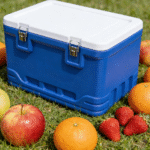
Pendingin sisi keras, sering dipanggil peti es, terbuat dari sepotong plastik dengan lapisan yang diberi perlakuan UV. Mereka memiliki anti bocor dan desain tahan air dan dapat menyimpan es selama berhari-hari atau bahkan berminggu-minggu. Konstruksi tugas berat dan engsel yang kuat membuatnya cocok untuk berkemah, memancing dan perjalanan jauh. Sisi negatifnya adalah ukurannya yang besar dan berat, yang dapat membatasi portabilitas.
Pendingin ransel
Pendingin ransel adalah model sisi lembut yang didesain seperti ransel. Mereka terjangkau, luas dan ergonomis. Eksterior tahan air dan ritsleting khusus mencegah kebocoran; beberapa menyertakan kantong kering untuk memisahkan es yang mencair. Pendingin ransel sangat bagus untuk mendaki, bersepeda dan festival, namun isolasinya mungkin tidak cocok dengan pendingin kaku.
Pendingin berkemah dan beroda
Pendingin berkemah dilengkapi dengan roda, gagang teleskopik, tutup yang dapat dikunci dan desain tahan cuaca. Mereka dibuat untuk medan yang kasar dan dapat membawa makanan dan minuman dalam jumlah besar. Pendingin beroda adalah sub-segmen yang paling cepat berkembang di Indonesia 2025 karena mereka mengurangi upaya membawa dan menarik untuk tamasya keluarga.
Kategori ukuran
Tas juga dapat dikategorikan berdasarkan ukurannya: kecil (6–10 liter) untuk makan siang dan makanan pribadi; sedang (15–20 l) untuk piknik dan berbelanja; Dan besar (30–40 liter) untuk pengiriman makanan, katering dan kelompok besar. Memilih ukuran yang tepat memastikan kontrol dan penanganan suhu yang efisien.
| Jenis | Bahan | Keuntungan | Kekurangan | Kasus penggunaan terbaik |
| Sisi lembut | Kain (nilon, kanvas, kepar katun), Busa EPE/EVA | Ringan, lipat, dapat disesuaikan | Durasi pendinginan lebih pendek; perlu pengemasan yang hati-hati | Makan siang, piknik, perjalanan pantai |
| Sisi keras | Plastik cetakan rotomold, Busa pu | Isolasi superior (beberapa hari), tahan lama dan tahan air | Berat, tebal | Berkemah, penangkapan ikan, perjalanan beberapa hari |
| Ransel | Kain, Busa EVA atau EPE | Membawa tanpa menggunakan tangan, tali ergonomis | Kapasitas terbatas untuk katering kelompok | Lintas alam, bersepeda, festival |
| Berkemah/Beroda | Cangkang plastik dengan roda, Busa PU atau EVA | Kapasitas tinggi, mudah untuk dipindahkan | Tebal; mahal | Tamasya keluarga besar, acara |
Tip: Mempertimbangkan sisipan modular atau pelapis kaku untuk memisahkan barang beku dan dingin, mencegah pencampuran hangat dan membuat pemuatan lebih cepat.
2025 Inovasi dan Tren Tas Pendingin Berinsulasi
Tas pendingin berinsulasi berkembang pesat. Konsumen menuntut lebih cerdas, produk yang lebih berkelanjutan yang dihasilkan waktu tahan lebih lama dengan lebih sedikit es dan penanganan lebih mudah. Menurut analisis industri, pasar pendingin berinsulasi global—termasuk tas, wadah dan pendingin keras—diperkirakan akan terus meningkat USD 846.6 juta masuk 2025 ke USD 1.57 miliar oleh 2035 di a 6.4 % CAGR. Berikut adalah tren utama yang terbentuk 2025:
Fitur cerdas dan pemikiran sistem
Tas pendingin modern kini sudah melampaui isolasi pasif. Produsen sedang berintegrasi daya portabel, modul termoelektrik dan konektivitas Bluetooth untuk mengubah pendingin menjadi perangkat multifungsi. Port daya USB, Pencahayaan LED dan speaker internal memperluas kasus penggunaan mulai dari berkemah hingga kantor keliling. Pemikiran sistem juga menekankan pelatihan paket, rutinitas pembersihan dan program penggunaan kembali, memastikan tas berfungsi secara konsisten dan mengurangi limbah operasional.
Peningkatan penyegelan dan modularitas
Perbaikan desain seperti penutup yang lebih lebar, peningkatan ritsleting dan penutupan magnetik mengurangi infiltrasi udara hangat. Sisipan modular dan pelapis kaku memungkinkan pemisahan barang beku dan dingin, membuat pemuatan lebih efisien dan mencegah kontaminasi silang.
Keberlanjutan dan bahan yang dapat terbiodegradasi
Bahan ramah lingkungan adalah inti dari inovasi tahun 2025. Polimer daur ulang dan busa yang dapat terbiodegradasi menjaga kinerja termal sekaligus mengurangi dampak lingkungan. Busa EPS yang dapat terurai secara hayati dapat terurai hingga 94 % dalam empat tahun, namun memberikan isolasi yang sebanding. Merek meluncurkan program pengembalian dan penggunaan kembali untuk meningkatkan keberlanjutan dan mengurangi limbah kemasan.
Desain beroda dan ringan
Pendingin beroda adalah salah satu segmen dengan pertumbuhan tercepat karena membuat transportasi menjadi mudah dan menarik untuk tamasya keluarga. Pendingin keras ultra ringan diperkenalkan 2024 terserah 30 % lebih ringan daripada unit rotomolded yang sebanding, meningkatkan portabilitas tanpa mengorbankan isolasi.
Wawasan pasar dan pendorongnya
Pasar tas pendingin berinsulasi didorong oleh rekreasi luar ruangan, perluasan layanan pengiriman makanan dan peningkatan logistik rantai dingin. Tren regional menunjukkan Amerika Utara memimpin dalam hal berkemah dan pengiriman makanan, Eropa berkembang karena peraturan pengemasan yang berkelanjutan, dan Asia Pasifik mengalami pertumbuhan tercepat karena urbanisasi dan e-commerce. Tantangannya mencakup tingginya biaya produksi bahan isolasi canggih (seperti busa poliuretan dan VIP) dan persaingan dari lemari es bertenaga baterai. Peluang ada di dalam pendingin yang dapat terbiodegradasi, fitur pelacakan cerdas dan perluasan ke obat-obatan rantai dingin.
Relevansi rantai dingin
Vaksin dan bahan biologis masih sangat sensitif terhadap suhu. Itu Program Lingkungan Perserikatan Bangsa-Bangsa mencatat bahwa sebagian besar vaksin harus disimpan 2–8 ° C. untuk tetap efektif dan itu terserah 50 % terbuang karena kegagalan rantai dingin. Kantong pendingin berperforma tinggi dan pendingin portabel yang menggunakan bahan pengubah fasa dapat mempertahankan suhu vaksin lebih dari 72 jam, menjadikannya penting untuk distribusi jarak jauh dan kesehatan global. Mengoptimalkan logistik rantai dingin mengurangi pembusukan dan emisi gas rumah kaca dari sisa makanan dan obat-obatan.
Pertanyaan yang sering diajukan
Q1: Berapa lama tas pendingin berinsulasi dapat menjaga makanan tetap dingin?
Kebanyakan tas pendingin lembut menjaga barang tetap dingin 4–12 jam, tergantung pada ketebalan isolasi, kuantitas es, konstruksi tas dan frekuensi pembukaan. Pendingin premium dengan busa lebih tebal, panel vakum atau PCM dapat menjaga suhu tetap dingin 24–72 jam.
Q2: Bisakah tas pendingin berinsulasi menjaga makanan beku tetap beku sepenuhnya?
Hal ini dapat memperlambat pencairan tetapi mempertahankan makanan beku bergantung pada waktu dan kekuatan es. Gunakan kemasan gel yang lebih kuat atau es kering dan kelompokkan barang-barang beku untuk meminimalkan ruang kosong. Selalu validasi waktu tunggu melalui pengujian rute nyata sebelum hasil yang menjanjikan.
Q3: Tas pendingin ukuran apa yang terbaik untuk pengiriman bahan makanan?
Tas sedang (15–20 l) sering kali lebih cocok untuk pesanan harian daripada pesanan dalam jumlah besar. Pilih tas yang sesuai dengan barang-barang umum Anda plus 20–30 % untuk es. Untuk rute multi pemberhentian, pertimbangkan dua tas yang lebih kecil daripada satu tas besar untuk menjaga muatan tetap stabil.
Q4: Bagaimana cara membersihkan tas pendingin saya?
Gunakan sabun lembut, air hangat dan kain lembut. Bersihkan linernya, bilas dan keringkan sepenuhnya dengan kantong terbuka; hindari pelarut yang keras kecuali disetujui oleh produsen.
Q5: Apakah tas pendingin aman untuk obat-obatan?
Ya, tetapi hanya jika divalidasi sebagai bagian dari sistem lengkap yang mencakup tas tersebut, paket gel dan pemantauan suhu. Ikuti peraturan negara Anda dan jangan hanya mengandalkan klaim tas saja.
Ringkasan & Rekomendasi yang Dapat Ditindaklanjuti
Kunci takeaways:
Desain multi lapis adalah rahasia isolasi. Kain luar melindungi, inti busa menyediakan kantong udara, film reflektif mengurangi panas radiasi dan pelapis mencegah kebocoran. Memilih busa yang tepat (EPE, PE, EVA atau PU) secara langsung mempengaruhi waktu tunggu.
Sesuaikan tas dengan kebutuhan Anda. Sesuaikan ukuran dan ketebalan insulasi dengan rute dan muatan Anda. Ukuran yang terlalu besar akan membuang-buang es; ukuran yang terlalu kecil meningkatkan pembusukan.
Carilah penyegelan dan daya tahan. Resleting berkualitas, jahitan yang dilas dan pegangan yang diperkuat mengurangi infiltrasi udara hangat dan memperpanjang umur tas.
Pertimbangkan keberlanjutan. Desain yang dapat digunakan kembali dan bahan ramah lingkungan seperti RPET dan busa biodegradable mengurangi limbah dan menarik konsumen yang sadar lingkungan.
Tetap terinformasi tentang inovasi. Pendingin pintar, sisipan modular dan daya portabel mengubah kategori ini. Pendingin berperforma tinggi dapat mempertahankan vaksin pada suhu yang sama 2–8 ° C. untuk lebih dari 72 jam, membuka kemungkinan rantai dingin baru.
Rencana aksi:
Tentukan kebutuhan Anda: Tuliskan kisaran suhu target Anda, waktu rute dan jenis muatan.
Model tas pilihan: Pilih dua atau tiga tas dengan tingkat dan ukuran insulasi berbeda; meminta data uji dari pemasok.
Jalankan tes dunia nyata: Kemasi tas dengan barang-barang khas dan es; ukur suhu di rute Anda yang sebenarnya dan pilih yang berkinerja terbaik.
Standarisasikan proses Anda: Latih tim Anda tentang rutinitas pengepakan dan pembersihan untuk mengurangi kesalahan dan meningkatkan kemampuan pengulangan.
Memantau dan meningkatkan: Lacak kerugian dan pemeliharaan; menerapkan putaran balik dan memperbaiki tas daripada menggantinya.
Tentang tempk
Tempk adalah yang terdepan spesialis pengemasan rantai dingin yang merancang dan memproduksi tas pendingin berinsulasi, kotak, bahan perubahan fasa dan alat pemantauan makanan, sektor farmasi dan logistik. Kita R&D tengah mengembangkan material berkinerja tinggi seperti panel berisolasi vakum dan busa yang dapat terbiodegradasi. Kami fokus kinerja praktis, menyediakan data isolasi yang divalidasi, panduan paket dan tahan lama, desain yang dapat digunakan kembali yang menurunkan biaya per perjalanan. Semua produk adalah Bebas BPA, memenuhi standar keamanan kontak makanan dan dapat disesuaikan untuk merek Anda. Apakah Anda memerlukan satu tas pendingin atau sistem rantai dingin yang komprehensif, kami di sini untuk membantu Anda menjaga barang-barang Anda dan lingkungan.
Langkah selanjutnya: Hubungi Tempk untuk saran profesional dalam memilih tas pendingin berinsulasi yang tepat, merancang solusi khusus atau mengintegrasikan pemantauan suhu ke dalam program logistik Anda.