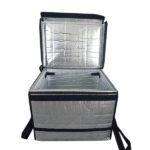
Tas Pengiriman Terisolasi: Cara Memilih 2025?
Tas pengiriman terisolasi adalah salah satu peningkatan termurah yang dapat Anda lakukan untuk melindungi kualitas jarak jauh. Mereka menjaga makanan panas tetap panas, barang dingin dingin, dan produk rapuh stabil. Mereka juga mengurangi keluhan “acak” yang disebabkan oleh lalu lintas, beberapa perhentian, dan sering dibuka. Jika Anda menggabungkan tas pengiriman terisolasi dengan tiga kebiasaan sederhana, kualitas Anda menjadi dapat diprediksi.
Artikel ini akan menjawabnya untuk Anda:
- Bagaimana retensi suhu tas pengiriman terisolasi bekerja pada rute nyata
- Yang tas pengiriman terisolasi terbaik untuk pengiriman makanan fitur paling penting
- Bagaimana memilih tas pengiriman terisolasi untuk bahan makanan tanpa membeli berlebihan
- Mengapa tas pengiriman terisolasi dengan bagian bawah yang keras mengurangi tumpahan dan pengembalian uang
- SOP cepat untuk cara membersihkan tas pengiriman berinsulasi dalam skala besar
Apa itu tas pengiriman berinsulasi, dan apa yang sebenarnya mereka pecahkan?
Tas pengiriman terisolasi adalah penghalang termal yang dapat digunakan kembali yang memperlambat perubahan suhu selama pengangkutan. Secara sederhana, mereka memberi Anda waktu. Waktu tersebut melindungi kualitas ketika Anda tidak dapat mengontrol lalu lintas atau akses gedung. Tas pengiriman terisolasi jangan membuat panas atau dingin, jadi suhu dan kecepatan awal tetap penting.
Sebagian besar tim menganggap tas hanya mampu mengatasi cuaca ekstrem. Dalam praktiknya, tas pengiriman terisolasi mengatasi kegagalan sehari-hari:
- Makanan hangat di rute multi-stop
- Makanan penutup meleleh setelah dibuka berulang kali
- Barang-barang belanjaan menjadi hangat di antara pikap dan pintu
- Kemasan hancur di kendaraan yang penuh sesak
- Kepercayaan pelanggan rusak karena pengiriman yang tidak konsisten
Pikirkan tentang tas pengiriman terisolasi seperti cangkir perjalanan. Mug tidak memanaskan kopi. Ini memperlambat pendinginan saat Anda sibuk.
Dimana biasanya terjadi penurunan kualitas (dan mengapa tas penting)
Jarak tempuh terakhir berisiko karena pintu sering terbuka dan pemberhentian tidak dapat diprediksi. Perilaku pengemudi sama pentingnya dengan ketebalan isolasi. Kapan tas pengiriman terisolasi gagal, sering kali terlihat seperti "tasnya tidak berfungsi". Penyebab sebenarnya biasanya adalah waktu, bukaan, atau pencampuran panas dan dingin.
| Risiko jarak jauh | Apa yang diperhatikan pelanggan | Mengapa hal itu terjadi | Apa yang diperbaiki oleh tas pengiriman berinsulasi |
|---|---|---|---|
| Pembukaan yang sering | Makanan hangat | Penggalian multi-stop | Kehilangan panas lebih lambat |
| Waktu menganggur yang lama | Benda lunak atau meleleh | Keterlambatan lalu lintas | Waktu buffer ekstra |
| Penumpasan | Tumpahan dan kerusakan | Penumpukan berlebihan | Struktur yang lebih baik |
| Campuran panas + dingin | Basah + hangat | Kebiasaan satu tas | Sistem pemisahan |
Kiat Praktis yang Dapat Anda Gunakan Hari Ini
- Kirim panas + dingin bersama? Gunakan dua tas pengiriman berinsulasi, bukan satu.
- Pengemudi terburu-buru? Pilih ritsleting yang mudah dan bukaan lebar untuk mengurangi waktu buka.
- Tumpahan terjadi? Prioritaskan tas pengiriman berinsulasi dengan bagian bawah yang keras.
Kasus praktis: Tim pengiriman makanan mengurangi pengembalian uang setelah beralih ke tas pengiriman berinsulasi terstruktur dan melatih pengemudi untuk “menutup ritsleting di dalam”. 10 detik.”
Bagaimana cara kerja retensi suhu tas pengiriman berinsulasi?
Retensi suhu tas pengiriman terisolasi bergantung pada tiga hal yang dapat Anda kendalikan. Pertama adalah kualitas isolasi. Kedua adalah kualitas penyegelan. Ketiga adalah perilaku operasi. Tas dengan insulasi bagus tetapi ritsleting bocor berperilaku seperti mantel musim dingin yang tidak dibuka ritsletingnya.
Tujuan Anda bukanlah kesempurnaan. Tujuan Anda adalah suhu stabil cukup lama untuk menyelesaikan rute Anda. Itulah sebabnya tas pengiriman terisolasi bekerja paling baik sebagai sebuah sistem, bukan suatu produk.
Empat pembalap yang menentukan performa
- Suhu awal
Jika makanan meninggalkan dapur sudah dingin, tas tidak dapat menghasilkan panas. - Segel dan waktu pembukaan
Setiap tempat terbuka membuang panas atau dingin dengan cepat. Desain dan kebiasaan penutupan itu penting. - Kepadatan beban dan celah udara
Celah udara menyebabkan suhu yang tidak merata di seluruh wadah. - Lingkungan eksternal
Sinar matahari langsung, batang panas, dan perubahan suhu kecepatan angin dingin.
| Pengemudi | Praktik yang baik | Kesalahan umum | Apa artinya bagimu |
|---|---|---|---|
| Suhu awal | Kemas dengan cepat | Makanan dibiarkan terbuka | Waktu aman lebih singkat |
| Waktu pembukaan | Disiplin terbuka/tertutup | Tas dibiarkan terbuka | Kehilangan suhu lebih cepat |
| Celah udara | Pengepakan ketat | Tas kebesaran | Kualitas tidak merata |
| Lingkungan | Penanganan yang mengutamakan naungan | Panas bagasi | Lebih banyak keluhan |
Tips dan saran praktis
- Pengiriman dalam jumlah besar: tas panggung dekat celah sehingga pengepakan segera dilakukan.
- Rute multi-stop: memuat pesanan dalam keadaan berhenti untuk menghindari penggalian.
- Barang dingin: tambahkan perlindungan lapisan atas untuk mengurangi paparan udara hangat.
Kasus praktis: Layanan bahan makanan meningkatkan stabilitas dingin dengan mengurangi waktu buka tas, bukan dengan menambahkan lebih banyak cairan pendingin.
Tas pengiriman berinsulasi terbaik mana untuk fitur pengiriman makanan yang paling penting?
Itu tas pengiriman terisolasi terbaik untuk pengiriman makanan cocokkan menu Anda, jenis kontainer, dan gaya rute. Jika Anda kebanyakan mengantarkan makanan panas, Anda membutuhkan penutupan dan struktur yang kuat. Kalau diantar campur panas dan dingin, Anda membutuhkan pemisahan dan kecepatan. Jika Anda mengirimkan barang yang banyak tumpah, Anda membutuhkan stabilitas terlebih dahulu.
Fitur yang mengubah hasil dalam operasi nyata
- Ritsleting atau penutup yang kuat (titik kebocoran utama)
- Lap-bersihkan lapisan dalam (saus dan minyak terjadi)
- Struktur (mencegah penghancuran dan tumpahan)
- Ukuran yang tepat (tas yang terlalu besar menciptakan celah udara)
- Pegangan yang nyaman (pengemudi membawa lusinan per shift)
Kapan Anda harus memilih tas pengiriman berinsulasi dengan bagian bawah yang keras
Tas pengiriman berinsulasi dengan bagian bawah yang keras membantu kapan:
- Sup dan saus mudah tumpah
- Barang-barang menumpuk di kendaraan
- Pengemudi membawa tas menaiki tangga
- Merek Anda memerlukan presentasi yang bersih
| Fitur tas | Terbaik untuk | Resiko jika hilang | Manfaat bagi Anda |
|---|---|---|---|
| Bagian bawah yang keras | Cairan dan tumpukan | Tumpahan, kotak hancur | Lebih sedikit pengembalian uang |
| Ritsleting yang kuat | Rute multi-stop | Kebocoran panas | Konsistensi yang lebih baik |
| Opsi pembagi | Pesanan campuran | Pencampuran panas/dingin | Rasanya lebih enak + tekstur |
| Pembukaan lebar | Pemuatan cepat | Waktu buka yang lama | Kehilangan suhu lebih sedikit |
Tips dan saran praktis
- Makanan renyah: menghindari perangkap uap; gunakan kemasan berventilasi bila diperlukan.
- item pizza: pilih lebar, format datar untuk menghindari pembengkokan.
- Makanan yang digoreng: jangan terlalu menutup kelembapan; fokus pada kehangatan yang stabil dan pengiriman cepat.
Kasus praktis: Sebuah kelompok restoran mengurangi keluhan “kentang goreng basah” dengan memasangkan tas pengiriman berinsulasi dengan wadah berventilasi lebih baik dan waktu pengiriman lebih cepat.
Bagaimana Anda memilih tas pengiriman berinsulasi untuk bahan makanan?
Tas pengiriman terisolasi untuk bahan makanan harus melindungi kategori campuran: beku, dinginkan, dan item sekitar. Jika Anda menggabungkan semuanya, Anda memaksakan trade-off. Pendekatan yang lebih baik adalah dengan mengurutkan berdasarkan kebutuhan suhu dan menjaga sistem tetap sederhana bagi pemungut dan pengemudi.
Pendekatan “toko kelontong tiga zona”.
- Zona beku: es krim, Makanan beku, daging beku
- Zona dingin: susu, hidangan laut, Daging segar, menghasilkan membutuhkan keren
- Zona sekitar: barang dapur, roti, makanan ringan
Anda tidak membutuhkan tiga merek tas. Anda memerlukan aturan yang jelas untuk pemisahan. Tas pengiriman terisolasi menjadi efektif ketika staf dapat mengikuti aturan di bawah tekanan.
| Tantangan belanjaan | Apa yang harus distandarisasi | Tas apa yang harus digunakan | Artinya untukmu |
|---|---|---|---|
| Suhu campuran | Aturan penyortiran | Pisahkan zona | Kesegaran yang lebih baik |
| Berat berat | Berat maksimal per kantong | Mencegah robek | Lebih sedikit kecelakaan |
| Barang rapuh | Pesanan pengepakan | Mencegah penghancuran | Lebih sedikit pengembalian |
Tips dan saran praktis
- Barang beku: satukan keduanya dan kurangi waktu buka.
- Menghasilkan: hindari menempatkan barang-barang hangat di sebelah produk dingin.
- Pelatihan: mengajarkan “berat di bagian bawah, rapuh di atas” setiap saat.
Kasus praktis: Tim pengiriman bahan makanan mengurangi barang rusak setelah beralih ke tas pengiriman berinsulasi terstruktur dan menerapkan aturan berat maksimal yang sederhana.
Berapa ukuran tas pengiriman berinsulasi yang harus Anda simpan?
Terlalu banyak ukuran menimbulkan kebingungan. Ukuran yang terlalu sedikit menyebabkan kesalahan pengepakan. Pendekatan terbaik biasanya:
- Satu pekerja keras ukuran yang mencakup sebagian besar pengiriman
- Satu ukuran lebih besar untuk pesanan massal
- Satu bentuk khusus hanya jika produk Anda memerlukannya
Itu 80/20 rencana ukuran (sederhana dan cepat)
Gunakan data pesanan Anda sendiri:
- Tas yang pas 80% pesanan menjadi standar Anda
- Kantong kedua menutupi kantong berikutnya 15–20%
- Bentuk khusus bersifat opsional, bukan bawaan
| Strategi ukuran tas | Apa yang ditingkatkannya | Apa yang dikuranginya | Arti praktis |
|---|---|---|---|
| Ukuran lebih sedikit | Kecepatan + pelatihan | Kebingungan | Pengepakan lebih konsisten |
| Ukuran standar | Efisiensi rute | Mengemas ulang | Pengiriman lebih cepat |
| Ukuran khusus | Perlindungan produk | Kerusakan | Ulasan yang lebih baik |
Tips dan saran praktis
- Pengendara mengeluh? Ukuran tas Anda mungkin tidak sesuai dengan wadahnya.
- Tas terasa setengah kosong? Anda mungkin terlalu besar; menyusut satu ukuran.
- Pesanan terasa ketat? Tambahkan pembagi sebelum menambahkan lebih banyak ukuran.
Kasus praktis: Seorang operator meningkatkan konsistensi setelah mengurangi dari lima ukuran kantong menjadi dua, memotong kesalahan pengepakan secara nyata.
Cara mengemas tas pengiriman berinsulasi untuk pesanan campuran panas dan dingin?
Aturan teraman itu sederhana: jangan mencampur panas dan dingin dalam kantong pengiriman berinsulasi yang sama. Makanan panas menghangatkan makanan dingin. Makanan dingin mendinginkan makanan panas. Keduanya menderita. Pengemasan yang tercampur juga meningkatkan kondensasi dan kekenyalan.
Jika operasi Anda menuntut pesanan campuran, jawabannya adalah sistem dua kantong:
- Satu tas adalah hanya panas
- Satu tas adalah hanya dingin
Peta pengepakan (dapat diulang di 60 detik)
tas panas
- Makanan pembuka panas terberat di bagian bawah
- Item renyah di dekat bagian atas dengan kemasan bernapas
- Cairan tegak di salah satu sudut dengan sisipan stabilizer
Tas dingin
- Produk susu dan makanan penutup di tengahnya
- Sumber dingin di sekitar beban jika diperlukan
- Protein mentah disegel dan dipisahkan dari makanan siap saji
| Jenis pesanan | Tas yang benar | Aturan pengepakan | Makna praktis untuk Anda |
|---|---|---|---|
| Pizza | Hanya panas | Datar, tidak ada kemiringan | Tekstur kerak yang lebih baik |
| Es krim | Hanya dingin | Tambahkan sumber dingin | Resiko pencairan lebih sedikit |
| Sushi/makanan laut | Hanya dingin | Paket ketat + tutup cepat | Persepsi kesegaran yang lebih baik |
| Sup | Hanya panas | Sisipan tegak | Lebih sedikit tumpahan |
Tips dan saran praktis
- Tutup antar perhentian: kantong terbuka kehilangan suhu dengan cepat.
- Gunakan sisipan: sisipan mengurangi kerusakan dan tumpahan pada rute yang sempit.
- Berhenti menggali: memuat dalam urutan rute sehingga akses cepat.
Kasus praktis: Kurir multi-restoran meningkatkan peringkat dengan menerapkan aturan ketat “dua tas pengiriman berinsulasi per pengemudi” untuk pesanan campuran.
Berapa lama tas pengiriman berinsulasi menjaga makanan tetap aman dan berkualitas tinggi?
Tidak ada waktu tunggu universal. Tas pengiriman terisolasi kinerja tergantung pada suhu awal, bukaan, kondisi luar, dan seberapa penuh tasnya. Pola pikir praktisnya adalah “anggaran risiko.” Setiap menit hangat menghabiskan anggaran Anda. Setiap pembukaan menghabiskan anggaran Anda lebih cepat.
Daripada menjanjikan jumlah yang tetap, menjalankan satu aturan kontrol sederhana: mempersingkat waktu di luar kendali dan meminimalkan bukaan. Pendekatan ini meningkatkan keamanan dan kualitas pada saat yang bersamaan.
Skor Waktu Tahan (kalkulator interaktif)
Tambahkan poin:
- Kondisi luar: lembut (0) / hangat (2) / panas (4)
- Bukaan tas per rute: 1–2 (0) / 3–5 (2) / 6+ (4)
- Sumber dingin untuk makanan dingin: Ya (0) / TIDAK (3)
- Sensitivitas pesanan: stabil di rak (0) / makanan standar (2) / susu/makanan laut (4)
Skor → apa yang harus diubah
- 0–5: SOP dasar biasanya berhasil
- 6–10: kencangkan perutean dan kurangi bukaan
- 11–15: mendesain ulang waktu pengiriman atau mengubah janji layanan
Tips dan saran praktis
- Mulailah dingin dengan dingin: barang yang didinginkan harus mulai didinginkan.
- Mulailah panas dengan panas: barang panas harus mulai panas, bukan "hangat".
- Hindari pementasan yang panjang: waktu pementasan sering kali menjadi penyebab tersembunyi.
Kasus praktis: Sebuah merek pengiriman makanan mengurangi keluhan setelah menambahkan target waktu penjemputan ke pintu dan mengaudit pengemudi dengan Skor Waktu Tunggu.
Cara membersihkan tas hantaran berinsulasi dengan aman dan cepat?
Cara membersihkan tas pengiriman berinsulasi penting karena bau dan residu merusak kepercayaan pelanggan. Pembersihan juga melindungi masa pakai tas. Tapi pembersihannya harus cepat, atau orang melewatkannya. Langkah yang paling diabaikan adalah pengeringan. Kantong lembap yang disimpan dalam keadaan tertutup dapat cepat berbau tidak sedap.
Rutinitas pembersihan 6 langkah yang praktis
- Kosongkan kotoran dan segera bersihkan tumpahan
- Cuci bagian dalam dengan larutan pembersih yang disetujui
- Fokus pada jahitan dan sudut
- Hapus residu (jangan tinggalkan film sabun)
- Sanitasi sesuai SOP Anda
- Keringkan sepenuhnya sebelum disimpan
| Langkah pembersihan | Seperti apa “selesai” itu | Kegagalan umum | Apa artinya bagimu |
|---|---|---|---|
| Lap dan cuci | Tidak ada residu | Hanya penghapusan cepat | Bau tumbuh |
| Membersihkan | Waktu kontak yang benar | Bilas terlalu cepat | Risiko kebersihan |
| Kering | Kering sepenuhnya | Disimpan dalam keadaan lembab | Risiko bau dan jamur |
Tips dan saran praktis
- Armada bervolume tinggi: buatlah tempat rak pengering agar tas tidak menumpuk dalam keadaan basah.
- Hari-hari sibuk: “lap sekarang, bersihkan secara menyeluruh nanti,” dengan jadwal yang ketat.
- Masalah bau: periksa apakah tas disimpan dalam keadaan tertutup saat lembab.
Kasus praktis: Tim pengiriman mengurangi bau tas dengan menambahkan satu aturan: “Tidak ada penyimpanan tertutup sampai benar-benar kering.”
Bagaimana Anda merancang SOP seputar tas pengiriman berinsulasi untuk pengiriman yang konsisten?
Program tas gagal jika hanya “beli tas dan harapan”. Anda memerlukan SOP sederhana yang dapat diulangi oleh pengemudi di bawah tekanan. Program pemenangnya suguhan tas pengiriman terisolasi sebagai sebuah sistem: tas + peta pengepakan + kebiasaan + pembersihan + ulasan mingguan.
SOP pengemudi 3 aturan (sederhana dan efektif)
- Urutkan berdasarkan kebutuhan suhu: panas, dingin, beku dipisahkan
- Tutup dengan cepat: ritsleting ditutup dalam waktu target yang singkat
- Lindungi selama penundaan: jauhkan tas dari sinar matahari dan permukaan yang panas
SOP Pengiriman (cepat dan berulang)
- Kemas berdasarkan urutan rute untuk mengurangi penggalian
- Labeli tas dengan jelas
- Konfirmasikan penutupan sebelum berangkat
| elemen SOP | Apa yang dicegahnya | Bagaimana cara mengajarkannya | Arti praktis |
|---|---|---|---|
| Penyortiran suhu | Kerusakan suhu campuran | Label warna | Kualitas yang lebih baik |
| Disiplin penutupan | Kebocoran panas | Kebiasaan pengatur waktu | Suhu lebih stabil |
| Penghindaran sinar matahari | Kejutan panas | Aturan naungan | Lebih sedikit keluhan |
Tips dan saran praktis
- Tim yang terdiri dari dua orang: satu bungkus, seseorang memeriksa penutupan dan label.
- Musim puncak: menerapkan “kantong ditutup kecuali sedang memuat secara aktif”.
- Rute multi-stop: memuat sehingga perhentian pertama paling mudah diakses.
Kasus praktis: Armada mengurangi variasi kualitas setelah menambahkan “pemeriksaan penutupan” cepat saat pengiriman—10 detik per kantong.
Alat interaktif: Pengaturan tas pengiriman berinsulasi mana yang sesuai dengan operasi Anda?
Menjawab Ya atau TIDAK:
- Apakah Anda memberikan lebih dari 5 sering berhenti per rute?
- Apakah Anda membawa cairan seperti sup atau saus secara teratur?
- Apakah Anda mengirimkan barang panas dan dingin dengan rute yang sama?
- Apakah Anda beroperasi di musim panas atau dingin yang ekstrem?
- Apakah Anda menggunakan kembali tas setiap hari (jumlah siklus yang tinggi)?
- Apakah Anda melihat keluhan tentang “tiba hangat” atau “tiba meleleh”?
Rekomendasi Anda
- 0–2 Ya: tas pengiriman berinsulasi dasar + disiplin penutupan mungkin cukup
- 3–4 Ya: gunakan kantong berstruktur dan tambahkan aturan pemisahan panas/dingin
- 5–6 Ya: menggunakan sistem dua ukuran, pantat yang keras, dan stasiun pembersihan dengan ulasan mingguan
Bagaimana Anda mengukur ROI untuk tas pengiriman berinsulasi?
ROI sederhana ketika Anda melacak biaya kegagalan. Tas pengiriman terisolasi membayar kembali ketika mereka mengurangi pengembalian uang, dibuat ulang, dan pengiriman ulang. Mereka juga membayar kembali ketika mereka mengurangi pengerjaan ulang pengemudi dan kerusakan kemasan.
Kalkulator mini ROI (2 menit)
Isi bagian yang kosong:
- Biaya pengiriman yang gagal = $_____ (pengembalian dana + pembuatan ulang/pengiriman ulang + tenaga kerja)
- Kegagalan per minggu (Baseline) = _____
- Kegagalan per minggu (setelah perubahan) = _____
- Tabungan mingguan = (garis dasar - setelah) × biaya pengiriman yang gagal
- Tabungan bulanan = tabungan mingguan × 4
| masukan ROI | Apa yang harus dilacak | Mengapa itu penting | Arti praktis |
|---|---|---|---|
| Keluhan | Hitung per minggu | Sinyal berkualitas | Menunjukkan stabilitas |
| Pengembalian dana/pembuatan ulang | $ per minggu | Sinyal margin | Menunjukkan pengembalian |
| Tumpahan/hancur | Insiden per minggu | Sinyal proses | Menunjukkan nilai struktur |
| Kehilangan tas | Tas diganti | Sinyal ketahanan | Menunjukkan siklus hidup |
Tips dan saran praktis
- Jalankan a 30-percontohan hari pada rute terburukmu terlebih dahulu.
- Ubah satu variabel pada satu waktu (ukuran, penutupan, aturan dua tas).
- Tinjau setiap minggu dan latih satu kebiasaan setiap minggu.
Kasus praktis: Banyak tim melihat keuntungan lebih besar dari “close fast + hentikan pemuatan pesanan” daripada membeli tas paling mahal.
2025 tren: apa yang berubah untuk tas pengiriman berinsulasi?
Di dalam 2025, kualitas pengiriman diukur dengan pengalaman pelanggan, bukan kecepatan saja. Pelanggan memperhatikan suhu, tekstur, tumpah, dan bau. Hal ini mendorong tim untuk menstandardisasi lebih sedikit model tas dan meningkatkan kebiasaan. Program terbaik menyuguhkan tas pengiriman terisolasi sebagai sebuah sistem: tas + Sop + pembersihan + ulasan mingguan.
Perkembangan terkini yang dapat Anda tindak lanjuti
- Desain terstruktur lebih umum: lebih sedikit tumpahan dan lebih sedikit kerusakan
- Sistem pelatihan yang lebih sederhana: pendek, rutinitas yang berulang mengungguli manual yang panjang
- Harapan kebersihan yang lebih tinggi: pelanggan memperhatikan bau dan noda dengan cepat
Wawasan pasar dalam bahasa yang sederhana: pelanggan tidak menilai tas Anda. Mereka menilai makanannya. Yang terbaik tas pengiriman terisolasi adalah yang dapat digunakan tim Anda dengan benar setiap hari.
Pertanyaan yang sering diajukan
Q1: Berapa lama tas pengantar berinsulasi menjaga makanan tetap panas atau dingin?
Itu tergantung pada suhu awal, seberapa penuh tasnya, dan seberapa sering Anda membukanya. Penutupan lebih cepat dan muatan penuh tetap stabil lebih lama.
Q2: Apakah tas pengiriman berinsulasi cukup tanpa kendaraan berpendingin?
Untuk rute pendek, sering ya. Untuk rute yang jauh atau cuaca yang sangat panas, Anda mungkin memerlukan kontrol ekstra. Tas membeli waktu, tapi mereka tidak membuat dingin.
Q3: Mengapa saya masih mendapatkan keluhan “tiba dingin” dengan tas yang bagus?
Sebagian besar masalah berasal dari waktu pementasan yang lama atau seringnya pembukaan. Perbaiki disiplin proses dan penutupan sebelum mengganti tas.
Q4: Haruskah saya menggunakan tas pengiriman berinsulasi yang sama untuk panas dan dingin?
Anda bisa, tapi perpisahan lebih aman. Mencampur panas dan dingin dalam satu kantong meningkatkan risiko keduanya.
Q5: Apa cara tercepat untuk mengurangi tumpahan?
Pilih tas pengiriman berinsulasi dengan bagian bawah yang keras dan standarkan “berat di bagian bawah, rapuh di atas.”
Ringkasan dan Rekomendasi
Tas pengiriman terisolasi bekerja paling baik bila Anda memperlakukannya sebagai suatu sistem, bukan suatu produk. Pilih ukuran yang sesuai dengan pola pesanan Anda. Prioritaskan penutupan yang kuat dan bagian bawah yang terstruktur untuk menu yang banyak tumpah. Latih pengemudi untuk meminimalkan waktu buka dan menjauhkan tas dari sinar matahari langsung. Akhirnya, menerapkan rutinitas pembersihan dan pengeringan sederhana agar bau tidak merusak kepercayaan.
Rencana tindakan langkah selanjutnya (CTA)
- Membakukan dua ukuran tas dan satu metode pengepakan untuk 30 hari -hari.
- Latihlah disiplin “menutup dengan cepat” dan pemuatan berdasarkan rute untuk mengurangi penggalian.
- Tambahkan stasiun pembersihan dasar dan aturan “keringkan sebelum disimpan”..
- Lacak keluhan setiap minggu dan sesuaikan satu variabel dalam satu waktu.
Tentang tempk
Dan Tempk, kami mendukung operator rantai dingin dan jarak jauh dengan solusi termal praktis yang dirancang untuk penggunaan sehari-hari. Kami fokus pada pengulangan: memilih tas pengiriman terisolasi, merancang peta paket, melatih pengemudi dengan bor mikro, dan SOP pembersihan gedung yang benar-benar diikuti oleh tim. Tujuan kami sederhana—membantu Anda mengurangi kehilangan suhu dan membuat kualitas pengiriman konsisten di seluruh pengemudi dan musim.
Panggilan untuk bertindak: Jika Anda menginginkan cetak biru peluncuran tas pengiriman berinsulasi—perencanaan ukuran, SOP pengepakan, rutinitas pembersihan, dan pelacak ROI sederhana—hubungi Tempk untuk mengetahui rencana operasional yang dapat segera Anda terapkan.