Pengiriman ekspres internasional yang dikontrol suhu berada di jantung rantai pasokan modern. Hal ini memungkinkan barang-barang yang rentan – mulai dari vaksin yang menyelamatkan nyawa hingga makanan laut yang lezat – dapat menempuh jarak ribuan kilometer tanpa kehilangan kualitas atau keamanan. Di dalam 2025 Analis memperkirakan pasar logistik rantai dingin global bernilai sekitar US$436 miliar dan dapat mencapai US$1,36 triliun pada tahun 2017. 2034. Pertumbuhan eksplosif ini menyoroti betapa pentingnya pengelolaan suhu bagi perdagangan internasional. Karena semakin banyak konsumen yang mengharapkan produk segar sepanjang tahun dan obat-obatan biologis baru memerlukan penyimpanan ultra dingin, dunia usaha memerlukan panduan yang jelas tentang cara menjaga kondisi yang tepat selama transit. Artikel ini, diperbarui pada Januari 5 2026, mengungkap misteri pengiriman ekspres internasional yang dikontrol suhunya dan menawarkan wawasan praktis untuk membantu Anda sukses di tahun depan.
Artikel ini akan menjawab:
Apa sebenarnya pengiriman ekspres dengan suhu internasional yang dikontrol? Panduan ini mencakup definisi dan alasan menjaga barang dalam kisaran suhu tertentu akan menjaga kualitas dan keamanan.
Bagaimana prosesnya bekerja lintas batas negara? Anda akan mempelajari tahapan – pra pendinginan, kemasan, penyimpanan, transportasi dan distribusi last mile – dengan contoh dunia nyata dan saran berorientasi pengguna.
Teknologi dan praktik apa yang sedang terbentuk 2025? Dari sensor IoT dan optimalisasi rute AI hingga blockchain dan pengemasan berkelanjutan, temukan inovasi yang membuat rantai dingin global menjadi lebih cerdas.
Apa tren pasar terkini dan perubahan peraturan? Pahami perkiraan pertumbuhan, wawasan regional dan peraturan lingkungan yang mempengaruhi zat pendingin dan pengemasan.
Bagaimana praktik berkelanjutan dapat mengurangi biaya dan emisi? Jelajahi strategi seperti kemasan yang dapat digunakan kembali, penyimpanan bertenaga surya dan angkutan laut yang mengurangi dampak lingkungan sekaligus meningkatkan efisiensi.
Apa Itu Pengiriman Ekspres Terkendali Suhu Internasional?
Pengiriman ekspres dengan suhu internasional yang dikontrol mengacu pada proses penanganan, menyimpan dan mengangkut barang-barang yang mudah rusak atau sensitif terhadap suhu melintasi perbatasan negara dengan tetap menjaga kisaran suhu yang tepat. Berbeda dengan layanan parsel standar, ini melibatkan pengemasan khusus, fasilitas penyimpanan dingin, kendaraan berpendingin dan pemantauan berkelanjutan untuk memastikan produk tetap berada dalam batas suhu yang diperbolehkan dari asal hingga tujuan. Menjaga pengiriman dalam rentang yang ketat akan menjaga potensi, keamanan dan rasa, dan sering kali diwajibkan oleh regulator untuk vaksin dan obat-obatan. Rantai dingin yang berkualitas tinggi memungkinkan petugas kesehatan mengirimkan vaksin yang dapat menyelamatkan jiwa ke masyarakat terpencil; bahkan penyimpangan suhu sekecil apa pun dapat membuat produk ini tidak efektif atau berbahaya.
Mengapa hal ini penting bagi perdagangan global
Dari sudut pandang bisnis, Taruhannya tinggi. Kerusakan atau kehilangan selama transit menyebabkan persediaan terbuang, penarikan kembali dan kerusakan reputasi. Menurut analis industri, pasar logistik rantai dingin global diperhitungkan US$436,30 miliar masuk 2025. Nilai yang sangat besar ini mencerminkan meningkatnya permintaan akan transportasi biologis yang aman, makanan laut kelas atas, produk khusus dan bahan kimia yang sensitif terhadap suhu. Analis memperkirakan pasar akan mencapainya US$1,36 triliun pada tahun 2017 2034, tumbuh pada tingkat tahunan gabungan sebesar 13.46 %. Pertumbuhan tersebut menggarisbawahi pentingnya pengelolaan suhu yang efisien bagi eksportir yang ingin memanfaatkan permintaan global yang meningkat.
Kategori utama dan persyaratan suhunya
Produk yang berbeda memerlukan pengaturan suhu yang berbeda. Tabel berikut merangkum kategori umum, kisaran Fahrenheit pada umumnya dan apa artinya bagi Anda berdasarkan panduan industri yang andal:
| Kategori Suhu | Kisaran Khas (° f) | Apa Artinya bagi Kiriman Anda |
| Ambient | 59–86 | Cocok untuk makanan kering dan obat-obatan tertentu. Biaya pendinginan minimal, tetapi ventilasi yang baik mencegah penumpukan panas. |
| Dingin | 50–59 | Digunakan untuk keju dan produk tertentu. Pendinginan ringan mempertahankan rasa; waktu pengangkutan yang singkat dan wadah berinsulasi sangat penting. |
| Didinginkan | 32–50 | Umum untuk vaksin dan produk susu. Memerlukan kontrol ketat menggunakan sensor IoT untuk pemantauan waktu nyata guna menghindari kunjungan. |
| Beku | −22–32 | Dibutuhkan untuk daging, makanan laut dan es krim. Menuntut peralatan pembekuan dalam dan rencana redundansi jika listrik mati. |
| Sangat dingin | −80 hingga −150 | Diperlukan untuk biologi, terapi sel dan terapi gen. Freezer kriogenik portabel menjaga kondisi ini dan dilengkapi pelacakan GPS. |
Mempertahankan kategori yang benar akan mengurangi pembusukan dan memastikan kepatuhan terhadap peraturan. Misalnya, freezer kriogenik portabel menjaga suhu serendah −80 °C hingga −150 °C untuk terapi biologis dan gen. Unit-unit ini mencakup GPS dan modul sensor yang mengingatkan operator akan adanya penyimpangan, menjadikannya sangat diperlukan untuk terapi sel dan gen.
Bagaimana Cara Kerja Pengiriman Ekspres Terkendali Suhu Internasional?
Memindahkan produk yang sensitif terhadap suhu melintasi perbatasan memerlukan serangkaian langkah yang terkoordinasi. Setiap tahap berfokus pada menjaga kondisi stabil, meminimalkan guncangan termal dan mematuhi peraturan internasional.
Pra pendinginan dan persiapan
Persiapan dimulai sebelum barang Anda meninggalkan fasilitas. Buah, sayuran dan bunga adalah didinginkan terlebih dahulu segera setelah panen untuk menghilangkan panas lapangan dan memperlambat aktivitas enzimatik. Untuk obat -obatan, jalur produksi sering kali dilengkapi dengan freezer ledakan atau ruang lingkungan yang terkontrol untuk memastikan suhu yang seragam sebelum pengemasan. Pra pendinginan menetapkan garis dasar; mengirimkan produk yang lebih hangat dari kisaran targetnya akan memperpendek umur simpannya dan meningkatkan risiko pembusukan selama transit. Pada tahap ini Anda harus mendokumentasikan suhu dan kondisi awal untuk menetapkan kemampuan penelusuran.
Pengemasan dan isolasi
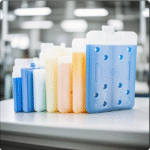
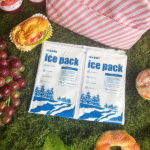
Setelah dingin, produk dikemas dalam wadah terisolasi, bahan pengubah fasa dan paket gel dirancang untuk mempertahankan suhu target. Bahan perubahan fasa (PCMS) menyerap atau melepaskan panas pada suhu tertentu, menyediakan penyangga terhadap fluktuasi lingkungan. Paket gel dan es kering melayani rentang yang berbeda: kemasan gel ideal untuk pengiriman 2–8 °C, sedangkan es kering mempertahankan suhu −78 °C untuk barang beku. Kemasan juga harus melindungi terhadap guncangan fisik dan perubahan kelembapan. Sisipan busa kepadatan tinggi atau panel berinsulasi vakum (VIP) menambahkan perlindungan termal ekstra tanpa menambah bobot secara signifikan.
Penyimpanan dan pementasan
Sebelum meninggalkan negara itu, pengiriman melewati gudang dengan pengatur suhu. Fasilitas modern menggunakan panel isolasi, sistem penyimpanan dan pengambilan otomatis (AS/RS) dan rak dengan kepadatan tinggi untuk menjaga suhu tetap stabil. Pemetaan suhu memastikan kondisi seragam di berbagai zona. Praktik pergudangan yang baik mengikuti FIFO (pertama masuk, pertama keluar) prinsip untuk mencegah stok lama memburuk. Pencatat data elektronik terus menerus mencatat suhu dan kelembapan, menciptakan jejak yang dapat diaudit untuk kepatuhan terhadap peraturan.
Transportasi internasional
Fase transportasi adalah saat elemen “ekspres” berperan. Truk terisolasi, kontainer berpendingin, gerbong berpendingin dan pesawat kargo menjaga rantai dingin selama perjalanan jarak jauh. Untuk pengiriman yang sangat dingin, freezer kriogenik portabel menyediakan kompartemen khusus dengan GPS dan sensor terintegrasi untuk menjaga kondisi di bawah nol. Leverage penyedia ekspres Pengoptimalan rute bertenaga AI untuk meminimalkan waktu transit dan menghindari gangguan lalu lintas dan cuaca. Algoritme prediktif menganalisis faktor-faktor seperti kondisi jalan, waktu bea cukai dan jadwal penerbangan untuk memilih rute tercepat dan paling dapat diandalkan.
Pengiriman mil terakhir
Setelah melewati bea cukai, pengiriman dipindahkan ke pusat distribusi lokal di mana pengiriman disortir untuk pengiriman akhir. Layanan last mile memerlukan kendaraan khusus yang dilengkapi dengan unit pendingin dan kontainer berinsulasi yang lebih kecil. Pemantauan waktu nyata tetap penting karena di sinilah risiko perubahan suhu meningkat karena waktu serah terima yang lebih singkat. Pengemudi dan kurir harus mendapat pelatihan tentang prosedur penanganan yang benar, termasuk cara bongkar muat parsel berinsulasi dengan cepat dan aman. Memberikan jendela pengiriman yang akurat kepada penerima akan mengurangi waktu tunggu dan paparan terhadap kondisi sekitar.
Pemantauan, dokumentasi dan kepatuhan
Sepanjang perjalanan, Sensor IoT memantau suhu, kelembaban dan lokasi secara real time. Ketika sensor mendeteksi pembacaan yang tidak aman, secara otomatis mengirimkan peringatan melalui SMS atau email, memungkinkan intervensi cepat. Teknologi blockchain semakin banyak digunakan untuk mencatat setiap langkah pengiriman dalam buku besar anti rusak, menciptakan catatan transparan bagi regulator dan pelanggan. Kepatuhan terhadap Praktik Distribusi yang Baik (PDB), Analisis Bahaya dan Titik Kendali Kritis (Haccp), dan Asosiasi Transportasi Udara Internasional (Iata) peraturan memerlukan dokumentasi suhu yang cermat, prosedur penanganan dan lacak balak. Ketika pengawasan peraturan semakin intensif, perusahaan yang menyimpan catatan digital terperinci akan mendapat keuntungan ketika memasuki pasar baru.
Pembentukan Teknologi dan Inovasi 2025
2025 membawa gelombang kemajuan teknologi yang membuat pengiriman ekspres internasional dengan suhu terkendali menjadi lebih cepat, lebih aman dan berkelanjutan. Di bawah ini kami memeriksa inovasi yang paling berdampak.
Sensor IoT dan Pemantauan Waktu Nyata
Perangkat IoT bertindak sebagai sistem saraf digital dari rantai dingin. Kecil, sensor ringan ditempelkan pada palet, wadah atau paket individual terus mencatat suhu, kelembaban dan koordinat GPS. Mereka mengirimkan data ini melalui jaringan seluler atau jaringan area luas berdaya rendah (LPWAN), memungkinkan operator untuk memantau pengiriman dari dashboard pusat. Peringatan waktu nyata mengurangi pembusukan dengan memungkinkan tindakan perbaikan yang cepat. Banyak sensor sekarang digabungkan komunikasi jarak dekat (NFC) tag sehingga petugas bea cukai dapat memverifikasi data tanpa membuka paket. Untuk eksportir, mengadopsi sensor IoT berarti lebih sedikit masalah kualitas, kepatuhan yang lebih baik dan peningkatan kepuasan pelanggan.
Pengoptimalan Rute dan Analisis Prediktif yang Didukung AI
Kecerdasan buatan mengubah logistik dengan menganalisis kumpulan data yang kompleks—prakiraan cuaca, pola lalu lintas, status peralatan dan riwayat waktu pengiriman—ke memprediksi penundaan dan menyarankan rute optimal. AI juga dapat merekomendasikan waktu pengiriman kiriman agar selaras dengan jam kerja bea cukai, mengurangi waktu tunggu di perbatasan. Pemeliharaan prediktif menggunakan data sensor untuk mengantisipasi kegagalan peralatan sebelum terjadi, memastikan unit pendingin dan freezer tetap beroperasi. Pendekatan proaktif ini mengurangi waktu henti dan memperpanjang umur peralatan.
Blockchain dan Ketertelusuran Ujung ke Ujung
Blockchain mencatat setiap peristiwa dalam perjalanan pengiriman dalam buku besar yang terdesentralisasi. Setiap penyerahan—dari pabrik ke gudang, pengangkut, hingga bea cukai—dicatat sebagai “blok” anti rusak. Stakeholder bisa melihat di mana barang berada, memverifikasi data suhu dan memastikan integritas lacak balak. Transparansi ini membantu dunia usaha menunjukkan kepatuhan terhadap peraturan impor yang ketat, khususnya untuk produk farmasi. Beberapa negara kini mewajibkan sertifikat digital untuk pengiriman yang sensitif terhadap suhu, dan blockchain menyediakan cara yang aman untuk mengelola catatan-catatan ini.
Penyimpanan Dingin Bertenaga Surya dan Energi Terbarukan
Biaya energi dan emisi karbon merupakan kekhawatiran utama dalam rantai dingin. Unit penyimpanan dingin bertenaga surya menyediakan pendinginan di luar jaringan, menjadikannya ideal untuk daerah terpencil atau daerah dengan listrik yang tidak stabil. Tarif tenaga surya komersial di Amerika Serikat berkisar antara 3.2 Dan 15.5 sen per kWh, menawarkan penghematan biaya yang signifikan dibandingkan dengan listrik jaringan. Solusi hibrida menggabungkan panel surya dengan penyimpanan baterai untuk memastikan pengoperasian terus menerus di malam hari atau saat cuaca buruk. Dengan mengurangi ketergantungan terhadap bahan bakar fosil, solusi bertenaga surya memangkas biaya operasional dan mendukung tujuan keberlanjutan perusahaan.
Freezer Kriogenik Portabel
Pengobatan yang dipersonalisasi dan biologi tingkat lanjut sering kali memerlukannya suhu antara −80 °C dan −150 °C. Freezer kriogenik portabel memberikan kondisi ini bahkan selama penerbangan jarak jauh atau penyeberangan lintas samudera. Mereka mengintegrasikan pelacakan GPS dan sensor IoT untuk memberikan peringatan jika suhu atau status baterai menyimpang. Unit ini bertenaga baterai dan memenuhi standar keselamatan penerbangan, membuat mereka aman untuk transportasi udara komersial. Produsen farmasi semakin bergantung pada freezer kriogenik portabel untuk memberikan terapi gen dan terapi sel kepada pasien di seluruh dunia..
Pengemasan Berkelanjutan dan Solusi Sirkular
Tekanan lingkungan dan meningkatnya biaya pembuangan mendorong penerapannya Biodegradable, kemasan yang dapat didaur ulang dan digunakan kembali. Di dalam 2025 itu pasar kemasan rantai dingin yang dapat digunakan kembali diperkirakan akan tercapai US$4,97 miliar. Material canggih seperti insulasi aerogel dan material pengubah fasa memberikan kinerja termal unggul dengan bobot lebih ringan. Beberapa paket disertakan sensor tertanam yang mencatat suhu dan mengirimkan data pada saat kedatangan. Model melingkar—tempat paket dikembalikan, disanitasi dan digunakan kembali—mengurangi limbah dan biaya jangka panjang. Perusahaan yang mengadopsi kemasan ramah lingkungan tidak hanya memenuhi persyaratan peraturan namun juga menarik konsumen yang sadar lingkungan.
Aplikasi lintas industri
Pengiriman ekspres internasional yang dikontrol suhu berdampak pada banyak sektor. Setiap industri memiliki persyaratan dan tantangan yang unik, namun mereka mempunyai tujuan yang sama: menjaga integritas produk di seluruh jarak global.
Obat -obatan dan biotek
Vaksin, biologi dan terapi yang dipersonalisasi memerlukan kontrol suhu yang ketat. UNICEF menekankan bahwa vaksin harus tetap berada dalam kisaran suhu yang ketat untuk menjaga potensinya. Banyak obat biologis kehilangan kemanjurannya jika terkena suhu ruangan selama lebih dari beberapa menit. Pada bulan Juli 2025 UNICEF mengirimkannya 500,000 dosis vaksin pneumokokus melalui laut, mengurangi emisi gas rumah kaca hingga 90 % dan biaya pengiriman sebesar 50 % dibandingkan dengan angkutan udara. Hal ini menunjukkan bagaimana pemilihan rute yang bijaksana dapat menghasilkan keberlanjutan dan manfaat biaya. Pengirim barang farmasi harus memastikan kepatuhan terhadap Praktik Distribusi yang Baik, menyimpan catatan suhu waktu nyata dan merencanakan strategi darurat jika terjadi penundaan bea cukai.
Pangan dan Pertanian
Produk segar, daging, makanan laut dan produk susu sangat bergantung pada rantai dingin untuk menjaga kesegaran dan mencegah pertumbuhan bakteri. Konsumen global menuntut ketersediaan produk musiman sepanjang tahun dan mengharapkan kualitas premium. Di Asia Pasifik, pasar logistik rantai dingin diperkirakan akan tumbuh USD 168.24 miliar ke USD 253.92 miliar oleh 2030. Meningkatnya pendapatan dan e-commerce mengubah kebiasaan makan, mendorong permintaan akan makanan sehat dan pengiriman cepat. Produk dingin menyumbang sekitar 68 % pasar logistik rantai dingin APAC di dalam 2024, mencerminkan preferensi yang kuat terhadap makanan segar dibandingkan makanan beku. Eksportir perlu menerapkan kemasan berinsulasi dan memantau suhu dengan cermat untuk memenuhi standar impor yang ketat demi keamanan pangan.
Bahan Kimia dan Industri Khusus
Selain makanan dan farmasi, banyak bahan kimia dan bahan industri memerlukan suhu yang terkontrol agar tetap stabil. Beberapa perekat, resin dan bahan berteknologi tinggi rusak saat terkena panas. Pengiriman internasional produk-produk ini harus mematuhi peraturan bahan berbahaya dan mencakup dokumentasi pengendalian suhu. Dunia usaha harus bekerja sama dengan perusahaan pengangkutan yang berpengalaman dalam menangani barang-barang berbahaya dan memastikan kemasannya memenuhi persyaratan termal dan keselamatan.
Produk Bunga dan Hortikultura
Bunga dan tanaman hidup sangat sensitif terhadap panas dan dehidrasi. Mempertahankan suhu yang lebih dingin selama transit internasional akan menjaga warna, aroma dan umur simpan. Eksportir hortikultura sering menggunakan filter etilen, lubang ventilasi dan bahan penyerap kelembapan untuk mengatur respirasi dan kondensasi. Pelacakan waktu nyata membantu memantau keterlambatan di bea cukai dan menyesuaikan jadwal pengiriman untuk memastikan tanaman tiba dalam keadaan sehat.
Tip dan Saran yang Berfokus pada Pengguna
Agar pengiriman ekspres internasional dengan suhu terkontrol dapat bekerja untuk Anda, ikuti strategi praktis ini. Setiap tip sesuai dengan skenario spesifik yang mungkin Anda temui.
Memilih operator yang tepat: Tidak semua penyedia layanan ekspres menawarkan layanan rantai dingin yang andal. Pilih operator dengan kendaraan khusus yang dikontrol suhu, pelacakan waktu nyata dan rencana darurat. Mintalah bukti kepatuhan terhadap standar PDB dan HACCP.
Mengoptimalkan kemasan untuk perjalanan lintas batas: Gunakan wadah berinsulasi, bahan pengubah fase dan paket gel agar sesuai dengan kategori suhu produk Anda. Untuk pengiriman yang berlangsung lebih dari 48 jam, menyertakan elemen pendingin aktif seperti es kering atau cairan pendingin yang dapat diisi ulang.
Mempersiapkan bea cukai dan dokumentasi: Kompilasi log suhu, lembar data keselamatan dan surat keterangan asal. Banyak otoritas bea cukai sekarang mengharapkan pencatatan suhu digital dan mungkin memeriksa kemasan untuk mengetahui adanya kerusakan. Menyediakan dokumen yang akurat mengurangi penundaan izin.
Menerapkan protokol darurat: Mengembangkan rencana darurat untuk kegagalan peralatan, pembatalan penerbangan atau penutupan perbatasan. Persediaan paket gel ekstra, pendingin portabel dan sumber listrik portabel. Latih staf tentang cara menangani penundaan tanpa mengorbankan integritas suhu.
Meningkatkan efisiensi jarak tempuh terakhir: Memberi pelanggan pelacakan waktu nyata dan jangka waktu pengiriman yang sempit untuk meminimalkan waktu tunggu. Di daerah perkotaan, pertimbangkan untuk menggunakan van berpendingin listrik atau sepeda kargo yang dilengkapi dengan kotak berinsulasi untuk mengurangi emisi.
Kasus dunia nyata: Sebuah perusahaan logistik Kansas City membangun fasilitas penyimpanan dingin di 2024 dengan sistem otomatis, pendinginan hemat energi dan pemantauan IoT. Fasilitas baru ini memangkas konsumsi energi sekaligus meningkatkan keandalan dan hasil. Contoh ini menunjukkan bagaimana investasi pada infrastruktur modern membuahkan hasil dengan mengurangi biaya dan meningkatkan kualitas layanan.
Pertimbangan Peraturan dan Kepatuhan
Pengiriman lintas batas harus memenuhi peraturan nasional dan internasional. Memahami persyaratan ini membantu menghindari denda, penyitaan atau pemusnahan kiriman.
Praktik Distribusi yang Baik dan Analisis Bahaya
Praktek Distribusi yang Baik (PDB) adalah seperangkat pedoman jaminan mutu untuk penyimpanan dan pengangkutan produk obat. Ini mengamanatkan kontrol suhu, pencatatan rinci dan pelatihan staf. Analisis Bahaya dan Titik Kendali Kritis (Haccp) berlaku untuk pengiriman makanan dan memerlukan identifikasi potensi bahaya dan penerapan tindakan pengendalian di seluruh rantai pasokan. Memelihara sertifikat kalibrasi untuk termometer, catatan pelatihan untuk staf dan tindakan perbaikan yang terdokumentasi akan mendukung kepatuhan selama inspeksi.
Peraturan Refrigeran dan Penurunan Fase
Peraturan lingkungan diperketat karena potensi pemanasan global yang tinggi (GWP) pendingin. AS. Program Transisi Teknologi Badan Perlindungan Lingkungan menyatakan bahwa awal 1 Januari 2025, teknologi tertentu mungkin tidak lagi menggunakan hidrofluorokarbon dengan GWP tinggi (HFC); pembatasan berlaku untuk manufaktur, distribusi, penjualan dan pemasangan produk yang mengandung HFC terbatas. Peraturan gas F di Uni Eropa juga menghapuskan HFC secara bertahap, mendorong adopsi zat pendingin alami seperti CO₂, amonia dan hidrokarbon. Saat membeli peralatan pendingin, verifikasi jenis zat pendingin dan pastikan sesuai dengan peraturan negara tujuan.
Bea Cukai dan Perjanjian Internasional
Negara-negara yang berbeda menerapkan pembatasan impor pangan yang berbeda-beda, obat-obatan dan bahan kimia. Pedoman Praktik Peraturan yang Baik dari Organisasi Kesehatan Dunia dan Sensitif Waktu dan Suhu IATA (TSP) label menstandarkan kargo dengan suhu yang dikontrol di seluruh maskapai penerbangan. Banyak negara memerlukan pemberitahuan awal mengenai pengiriman sensitif melalui sistem elektronik dan mungkin melakukan inspeksi acak. Melibatkan perantara bea cukai yang memahami persyaratan rantai dingin dapat meminimalkan penundaan.
2025Tren dan Pandangan Pasar 2026
Memahami dinamika pasar membantu Anda merencanakan investasi dan mengidentifikasi peluang di sektor ekspres internasional yang dikontrol suhunya.
Pertumbuhan Eksplosif dalam Rantai Dingin Global
Para analis memproyeksikan bahwa pasar logistik rantai dingin global, bernilai masuknya US$436 miliar 2025, akan berkembang menjadi US$1,36 triliun pada tahun 2017 2034 pada CAGR sebesar 13.46 %. Penggerak pertumbuhan mencakup meningkatnya permintaan akan produk biologis, peningkatan konsumsi makanan beku dan perluasan perdagangan internasional barang-barang yang mudah rusak. Pemulihan pasca pandemi dan munculnya pengobatan yang dipersonalisasi berkontribusi terhadap lonjakan ini.
Wawasan Daerah
Asia Pasifik: Pasar logistik rantai dingin APAC diperkirakan akan tumbuh USD 168.24 miliar ke USD 253.92 miliar oleh 2030, didorong oleh e-commerce dan permintaan makanan premium. Kelas menengah di kawasan ini berkembang pesat, dan urbanisasi mempercepat permintaan akan makanan segar yang diantar dengan cepat. Produk dingin mendominasi, mewakili tentang 68 % dari pangsa pasar di 2024.
Amerika Utara dan Eropa: Pasar-pasar yang sudah matang ini fokus pada peningkatan infrastruktur dan pemenuhan peraturan yang lebih ketat. Perusahaan berinvestasi dalam optimalisasi rute yang didukung AI dan pengemasan berkelanjutan untuk membedakan diri mereka.
Amerika Latin dan Afrika: Negara-negara berkembang berinvestasi pada kemampuan rantai dingin untuk mendukung ekspor pertanian dan meningkatkan ketahanan pangan. Unit penyimpanan bertenaga surya dan ruang pendingin bergerak membantu menjembatani kesenjangan infrastruktur di daerah pedesaan.
E Commerce dan Pengiriman Sesuai Permintaan
Pandemi ini mempercepat adopsi konsumen terhadap belanja bahan makanan secara online. Proyeksi pasar menunjukkan Pasar e-commerce makanan APAC bisa mencapai USD 635.44 miliar oleh 2029. Lonjakan ini memperpendek jadwal pemenuhan dan memerlukan eksekusi last mile yang tepat. Model perdagangan cepat menjanjikan pengiriman dalam waktu singkat 30 menit, memberikan tekanan tambahan pada infrastruktur rantai dingin agar menjadi tangkas dan andal.
Keberlanjutan dan Sirkularitas
Konsumen dan regulator menuntut logistik yang lebih ramah lingkungan. Angkutan laut dan kereta api lebih disukai untuk pengiriman jarak jauh karena menghasilkan lebih sedikit gas rumah kaca dibandingkan perjalanan udara. Juli 2025 pengiriman vaksin melalui laut menunjukkan hal itu transportasi laut dapat mengurangi emisi hingga 90 % dan biaya pengiriman sebesar 50 %. Pemerintah secara bertahap mengurangi penggunaan bahan pendingin dengan GWP tinggi dan memberi insentif pada penggunaan energi terbarukan. Perusahaan yang menerapkan model pengemasan melingkar dan transportasi netral karbon akan menonjol di pasar yang semakin kompetitif.
Pertanyaan yang sering diajukan
Q1: Bagaimana cara menentukan kisaran suhu yang tepat untuk produk saya?
Mulailah dengan membaca pedoman peraturan dan rekomendasi pabrikan. Identifikasi apakah item Anda bersifat ambien, Dingin, didinginkan, beku atau sangat dingin. Memilih kategori yang salah dapat menurunkan kualitas dan kepatuhan. Jika ragu, bermitra dengan para ahli yang dapat membantu mengevaluasi produk Anda dan merekomendasikan kemasan dan media yang sesuai.
Q2: Apa yang terjadi jika kiriman saya mengalami perubahan suhu selama transit?
Sensor modern mencatat data suhu secara terus menerus. Jika terjadi penyimpangan, dokumentasi membantu menentukan apakah produk masih dapat digunakan. Bekerja samalah dengan operator Anda untuk memahami proses respons insiden mereka; mereka mungkin menawarkan rencana darurat seperti membuat paket es atau memindahkan barang ke freezer cadangan. Pertahankan komunikasi yang jelas dengan penerima untuk mengelola ekspektasi.
Q3: Apakah kontainer yang dapat digunakan kembali hemat biaya untuk pengiriman internasional?
Ya. Meskipun wadah yang dapat digunakan kembali memerlukan investasi awal yang lebih tinggi, mereka dapat mengurangi limbah kemasan dan biaya keseluruhan dalam beberapa siklus. Pasar kemasan rantai dingin yang dapat digunakan kembali diproyeksikan akan tercapai masuknya US$4,97 miliar 2025, mencerminkan adopsi yang kuat. Evaluasi frekuensi pengiriman Anda dan membalikkan kemampuan logistik untuk memutuskan apakah model melingkar masuk akal.
Q4: Bagaimana bisa usaha kecil atau menengah (UKM) mengakses logistik yang dikontrol suhu tanpa investasi modal besar?
UKM dapat memanfaatkan infrastruktur bersama dan penyedia logistik pihak ketiga. Menurut FedEx, UKM menggunakan transportasi rantai dingin, pergudangan bersama dan teknologi IoT untuk meningkatkan ekspor dan memastikan integritas produk. Bermitra dengan operator mapan menawarkan akses ke peralatan khusus, keahlian peraturan dan jaringan global tanpa mengharuskan UKM membangun infrastruktur mereka sendiri.
Ringkasan dan Rekomendasi
Pengiriman ekspres internasional yang dikontrol suhunya merupakan faktor penting dalam perdagangan pangan global, obat-obatan dan terapi lanjutan. Pertumbuhan pesat sektor ini – dari masuknya US$436 miliar 2025 ke arah US$1,36 triliun pada tahun 2017 2034 – menggarisbawahi kepentingan strategisnya. Untuk sukses, bisnis harus memahami persyaratan suhu produk mereka, berinvestasi dalam teknologi pengemasan dan pemantauan yang andal, mematuhi peraturan yang berkembang dan mengadopsi praktik berkelanjutan. Inovasi seperti sensor IoT, Pengoptimalan rute AI, blockchain dan energi terbarukan membentuk kembali industri dan akan membantu perusahaan menghasilkan produk dengan aman dan efisien 2025 dan seterusnya. Tetap mendapat informasi tentang tren pasar, dinamika regional dan peraturan lingkungan akan memastikan Anda tetap kompetitif dan patuh.
Langkah selanjutnya yang dapat ditindaklanjuti
Kaji kebutuhan rantai dingin Anda: Lakukan inventarisasi produk secara menyeluruh dan identifikasi kategori suhunya. Tinjau kemasan Anda saat ini, praktik pemantauan dan dokumentasi.
Bermitra dengan para ahli: Libatkan operator dan penyedia logistik yang berspesialisasi dalam layanan ekspres dengan pengatur suhu. Carilah mitra dengan catatan kepatuhan yang terbukti, jaringan global dan kemampuan pemantauan tingkat lanjut.
Berinvestasilah dalam teknologi: Menyebarkan sensor IoT, pencatat data dan perangkat lunak pengoptimalan rute untuk meningkatkan visibilitas dan mengurangi risiko. Jelajahi solusi blockchain untuk pengiriman bernilai tinggi dan pastikan peralatan menggunakan zat pendingin GWP rendah.
Mengadopsi praktik berkelanjutan: Kemasan percontohan yang dapat digunakan kembali, penyimpanan bertenaga surya atau rute angkutan laut untuk mengurangi emisi dan biaya. Ikuti terus penurunan fase zat pendingin dan perubahan peraturan.
Latih tim Anda: Mendidik staf tentang prosedur penanganan, protokol darurat dan persyaratan dokumentasi. Mendorong perbaikan berkelanjutan melalui audit rutin dan tinjauan kinerja.
Tentang tempk
Tempk adalah penyedia terkemuka solusi pengemasan dan logistik dengan pengatur suhu. Dengan pengalaman puluhan tahun di bidang rekayasa rantai dingin, kami merancang dan memproduksi kotak terisolasi, Paket gel, bahan perubahan fase dan sistem penyimpanan dingin otomatis. Produk kami dibuat untuk memberikan kinerja yang konsisten dalam kondisi yang menantang, apakah Anda mengirimkan vaksin ke klinik terpencil atau mengantarkan makanan laut lezat ke pelanggan yang cerdas. Kami memprioritaskan keberlanjutan dengan menawarkan kemasan yang dapat digunakan kembali dan mengeksplorasi opsi energi terbarukan. Tim kami menggabungkan inovasi yang didorong oleh penelitian dengan keahlian langsung di lapangan untuk membantu Anda menjaga integritas produk di setiap lini.
Panggilan untuk bertindak: Terhubung dengan spesialis Tempk untuk menilai kebutuhan rantai dingin Anda dan mencari solusi khusus yang sesuai dengan operasi Anda. Dari desain kemasan hingga perencanaan rute, pakar kami siap membantu Anda mengirim dengan percaya diri.