Produsen Uji Klinis Kotak Es Farmasi: Kerangka Seleksi Pemasok Berbasis Bukti
Jawaban yang tepat untuk kotak es farmasi produsen uji klinis dimulai dengan kasus penggunaan terkontrol, bukan model katalog. Tentukan muatannya, kondisi yang diperlukan, rute, paparan lingkungan, paket, penanganan, pembersihan, bukti, dan volume komersial sebelum memilih kotak. Produk akhir harus dinilai berdasarkan kapasitas yang dapat digunakan, konstruksi, kesesuaian operasional, konsistensi produksi, dan total biaya pengiriman.
Tujuan praktisnya adalah apakah produsen dapat mendukung sistem pengemasan yang terkendali dan proses operasi terdokumentasi yang sesuai dengan protokol, label produk, rute, dan alur kerja situs. Kerangka keputusan berikut menyatukan produk yang paling berguna, teknis, kepatuhan, operasional, dan pertimbangan pembelian sambil tetap menjaga agar semua pernyataan kinerja terikat pada kondisi yang benar-benar mendukungnya.
Tulis Persyaratan Pengoperasian dalam Bahasa Biasa
Spesifikasi pertama harus menjelaskan pekerjaan pengoperasian: memindahkan produk obat investigasi, pembanding, sampel, atau persediaan tambahan yang sensitif terhadap suhu sambil menjaga kondisi produk, akuntabilitas, pelabelan, dan lacak balak. Ini harus mengidentifikasi pengguna, lokasi pemuatan, lokasi penerima, serah terima yang diharapkan, dan saat dimana tanggung jawab suhu berubah. Hal ini mencegah pemasok mengisi asumsi yang tidak diketahui. Ini juga memungkinkan operasi, kualitas, dan tim pengadaan untuk meninjau persyaratan yang sama daripada mempertahankan versi informal yang terpisah.
Definisi muatan memerlukan lebih banyak detail daripada berat atau volume nominal. Beban yang direncanakan mungkin termasuk kit lokasi, paket pengobatan, karton yang dibutakan, Sampel biologis, bahan kembali, atau persediaan dalam jumlah kecil yang dimensi dan aturan penanganannya dapat berubah berdasarkan uji coba. Catat dimensi paket utama, batas orientasi, jumlah unit, kondisi termal pada pengepakan, ruang kepala, daerah-daerah yang rapuh, dan apakah beban harus tetap terpisah dari cairan pendingin. Rongga yang tampak cukup besar bisa menjadi tidak dapat digunakan jika bukaannya sempit, sudut-sudutnya sangat terpancar, atau keranjang dan pembatas menghabiskan dimensi kritis. Dalam keputusan akhir, periksa titik jalur pasokan klinis terhadap muatan sebenarnya.
Pemetaan rute juga sama pentingnya. Untuk depo pusat hingga depo regional, depo ke lokasi penelitian, pengiriman langsung ke pasien, pengembalian sampel, dan penyelamatan pengiriman dengan serah terima dan risiko paparan yang berbeda, catat waktu transit yang direncanakan, kemungkinan penundaan, suhu pementasan, sinar matahari langsung, sirkulasi udara kendaraan, pembukaan berulang, transfer antar operator, dan menerima pemeriksaan. Masukan ini tidak menghasilkan jaminan waktu tunggu dengan sendirinya, namun peraturan ini menentukan kondisi yang harus ditiru oleh pemasok atau laboratorium penguji. Tanpa mereka, kutipan hanya dapat mencakup kotak umum, bukan proses distribusi yang dapat diandalkan. Sebelum rilis final, tinjau poin ini untuk jalur pasokan klinis dengan operasi dan kualitas.
Pemilihan Material Harus Mengikuti Mode Kegagalan
Kotak berinsulasi tipikal dapat menggabungkan struktur berinsulasi dan komponen pendingin yang dipilih untuk kinerja termal, kemampuan bersih, menggunakan kembali strategi, perlindungan muatan, dan kompatibilitas dengan label atau perangkat keamanan. Insulasi memperlambat konduksi dan konveksi. Struktur luar melindungi dari benturan dan menyediakan titik pemasangan. Sambungan tutupnya, mengeringkan, menangani bos, pengencang, dan tepi panel dapat menciptakan jembatan termal atau jalur kebocoran. Untuk alasan itu, nama material saja tidak memprediksi kinerja. Dua kotak yang dibuat dengan polimer nominal yang sama mungkin berperilaku berbeda karena ketebalan dinding, kualitas busa, geometri, dan perakitan.
Opsi-opsi umum membawa konsekuensi yang berbeda-beda. Cangkang polimer keras dapat dibersihkan dan tahan lama, tetapi mereka menambah bobot dan membutuhkan pencetakan yang terkontrol. EPP dapat memberikan bobot yang ringan, struktur tangguh untuk penanganan berulang, sementara permukaan busa yang terbuka mungkin memerlukan pemeriksaan kebersihan dan kerusakan yang cermat. EPS dapat menghemat biaya untuk penggunaan satu arah yang terlindungi, namun dapat pecah jika ditangani secara kasar berulang kali. Busa PU dapat memberikan isolasi kaku di dalam cangkang. Panel berinsulasi vakum dapat mengurangi perpindahan panas melalui permukaan yang luas, tapi efek tepi, perlindungan tusukan, dan pengendalian manufaktur menjadi penting. Dalam keputusan akhir, selesaikan masalah ini untuk jalur suplai klinis sebelum kualifikasi termal.
Spesifikasi material harus mengidentifikasi risiko yang diharapkan: kontrol konfigurasi, bill of material yang disetujui, instruksi paket, bukti termal, komponen serial, penanganan penyimpangan, dan mendokumentasikan perubahan manufaktur. Itu harus mengontrol resin dasar atau tingkat busa, pigmen, aditif, bahan paking, perekat, perangkat keras, dan lapisan atau label bagian dalam apa pun. Kapan pergantian pemain diperbolehkan, menentukan bukti persetujuan. Jika tidak, perubahan produksi yang terlihat kecil secara komersial dapat mengubah status kontak makanan, bau, fleksibilitas, konduktivitas termal, bugar, atau ketahanan jangka panjang. Untuk persetujuan pemasok, menetapkan pemilik dan metode penerimaan untuk jalur pasokan klinis.
Dimana Produk Berakhir dan Sistem Termal Dimulai
Kotak es farmasi untuk logistik uji klinis memberikan penghalang aliran panas dan penutup pelindung. Itu tidak menghasilkan suhu yang terkontrol dengan sendirinya. Kinerja pasif bergantung pada isolasi, jenis dan pengkondisian pendingin, massa pendingin, massa muatan, suhu awal produk, pengaturan internal, profil lingkungan, perilaku pembukaan, dan kriteria penerimaan. Perubahan pada salah satu dari ini dapat mengubah hasil bahkan ketika kotak luarnya tidak berubah.
Batasan itu sangat penting untuk makanan, farmasi, vaksin, dan penggunaan uji klinis. Pernyataan material mungkin menunjukkan bahwa suatu komponen cocok untuk kondisi kontak yang diinginkan. Uji struktural mungkin menunjukkan bahwa pegangan atau slot dapat bertahan terhadap beban tertentu. Laporan termal mungkin menunjukkan bagaimana satu paket berperilaku dalam satu profil. Kualifikasi rute kemudian dapat menilai jalur operasi. Dokumen-dokumen ini menjawab pertanyaan-pertanyaan yang berbeda dan tidak boleh saling menggantikan. Dalam keputusan akhir, menghubungkan item ini untuk jalur pasokan klinis dengan kriteria penerimaan yang dapat diukur.
Minta pabrik untuk menyatakan setiap klaim kinerja beserta konfigurasinya. Pernyataan tersebut harus mengidentifikasi ukuran kotak dan revisinya, muatan, pendingin, pengkondisian, diagram pemuatan, posisi monitor, profil lingkungan, lamanya, dan rentang penerimaan. Jika pemasok tidak dapat memberikan konteks itu, perlakukan klaim sebagai indikasi skrining saja. Tujuan pengambilan keputusan bukanlah untuk meminta laporan laboratorium untuk setiap percakapan awal, namun untuk mencegah judul yang tidak didukung menjadi spesifikasi pembelian. Saat peluncuran produksi, mengkonfirmasi bahwa pengendalian produksi mempertahankan titik ini untuk jalur pasokan klinis.
Desain Seputar Protokol, Produk, dan Alur Kerja Situs
Kemasan uji klinis harus melindungi lebih dari sekadar suhu. Kondisi penyimpanan yang benar berasal dari produk dan dokumentasi uji coba. Sponsor dan situs mungkin perlu menjaga akuntabilitas produk investigasi, integritas label, membutakan, rantai pengawasan, pengembalian yang terkendali, dan dokumentasi perjalanan apa pun. Hal ini tidak boleh disimpulkan dari kata farmasi atau dari asumsi umum 2°C hingga 8°C. Saat peluncuran produksi, periksa titik jalur pasokan klinis terhadap muatan sebenarnya.
Rutenya dapat mencakup depo pusat, depo daerah, kurir, titik bea cukai, apotek situs, pasien pulang, dan mengembalikan lokasi. Model langsung ke pasien dan terdesentralisasi menambah waktu janji temu, pengiriman gagal, verifikasi identitas, penyimpanan rumah, dan koleksi produk yang tidak terpakai. Setiap peristiwa harus muncul di peta jalur dan petunjuk pengoperasian. Paket yang melewati pengiriman pertama yang direncanakan mungkin tidak cukup untuk upaya kedua atau perjalanan pulang yang diperpanjang. Saat peluncuran produksi, uji asumsi ini untuk jalur pasokan klinis terhadap rute yang dimaksudkan.
Kontrol konfigurasi penting di seluruh penelitian. Pemasok pendingin, bahan kotak, Label, monitor, gambar paket, dan instruksi kurir dapat berubah. Prinsip-prinsip ICH GCP dan dukungan sistem GMP atau PDB yang berlaku didokumentasikan, pengendalian yang proporsional terhadap risiko, tetapi tanggung jawab sebenarnya adalah khusus untuk studi. Oleh karena itu, produsen harus mendukung tagihan bahan baku yang disetujui, banyak percontohan, mengubah pemberitahuan, perakitan yang dapat direproduksi, dan bukti yang menghubungkan setiap konfigurasi pengiriman dengan set instruksi yang benar. Dalam keputusan akhir, verifikasi poin ini pada unit representatif yang digunakan untuk jalur pasokan klinis.
Kerangka Keputusan Akhir
| Gerbang | Pertanyaan | Lepaskan bukti |
|---|---|---|
| Gerbang kasus penggunaan | Apakah muatannya, rute, kondisi, dan proses penanganannya ditentukan? | Persyaratan pengguna yang disetujui |
| Gerbang pas | Apakah kemasan akhir sesuai dengan pengangkatan dan penutupan yang aman? | Gambar paket dan sampel terukur |
| Gerbang bukti | Apakah klaim terkait dengan materi yang tepat, kotak, paket, atau jalur? | Peta bukti dan laporan pengujian |
| Gerbang berkualitas | Dapatkah produksi mereproduksi konfigurasi yang disetujui? | Rencana peninjauan dan inspeksi pilot-lot |
| Gerbang biaya | Apakah kutipan dinormalisasi ke cakupan dan dasar pengiriman yang sama? | Model biaya pendaratan dan siklus hidup |
| Gerbang operasi | Bisakah pengguna berkemas, menerima, membersihkan, memeriksa, dan mengembalikannya dengan benar? | Instruksi terkendali dan rencana pelatihan |
| Ganti gerbang | Akankah pergantian pemain memerlukan peninjauan kembali? | Bill of material dan perjanjian kontrol perubahan |
| Gerbang aplikasi | Apakah produsen dapat mendukung sistem pengemasan yang terkontrol dan proses operasi terdokumentasi yang sesuai dengan protokol, label produk, rute, dan alur kerja situs | Persyaratan yang ditandatangani dan daftar asumsi yang belum terselesaikan |
Perlakukan tabel ini sebagai tinjauan lintas fungsi untuk pengadaan, Operasi, rekayasa, dan kualitas. Hal ini mengubah preferensi umum menjadi bukti yang dapat ditinjau dan mengungkap asumsi yang hilang sebelum negosiasi harga. Tidak setiap proyek membutuhkan kedalaman yang sama, namun setiap klaim kritis harus memiliki pemilik dan cara yang pasti untuk memverifikasinya. Saat peluncuran produksi, konfirmasikan cakupan bukti untuk jalur pasokan klinis sebelum membeli.
Dari Sampel Katalog hingga Produksi Terkendali
Pertanyaan utama pemasok adalah apakah produsen dapat mendukung sistem pengemasan yang terkontrol dan proses operasi terdokumentasi yang sesuai dengan protokol, label produk, rute, dan alur kerja situs. Pabrikan yang kredibel harus mampu menerjemahkan persyaratan tersebut ke dalam gambar, definisi materi, titik pemeriksaan, dan rencana pengujian. Pembicaraan harus beralih dari klaim yang luas ke rincian yang terkendali. Tanyakan siapa pemilik cetakan itu, operasi mana yang dilakukan secara internal, bagaimana pemasok komponen penting disetujui, dan bagaimana bill of material dipertahankan. Katalog yang luas dapat bermanfaat, tapi itu bukan bukti pengendalian proses. Dalam keputusan akhir, verifikasi poin ini pada unit representatif yang digunakan untuk jalur pasokan klinis.
Konsep terpisah, rekayasa, dan sampel percontohan. Sampel pertama menegaskan dimensi dasar dan ergonomis. Sampel teknik yang direvisi menegaskan materi, perlengkapan, Label, dan paket sesuai. Tempat percontohan memeriksa alat-alat produksi, perakitan, inspeksi, kemasan, dan variasi di beberapa unit. Sampel emas yang disetujui paling baik dihubungkan dengan gambar dan kriteria penerimaan yang terukur. Menyetujui satu sampel yang disiapkan secara khusus tanpa jembatan ini merupakan sumber kejutan produksi massal. Dalam keputusan akhir, melindungi keputusan untuk jalur pasokan klinis melalui kontrol perubahan.
Tinjauan kualitas harus fokus pada kontrol konfigurasi, bill of material yang disetujui, instruksi paket, bukti termal, komponen serial, penanganan penyimpangan, dan mendokumentasikan perubahan manufaktur. Tanyakan bagaimana unit yang tidak sesuai diidentifikasi, apakah pengukuran dicatat, bagaimana keluhan diselidiki, dan bagaimana perubahan teknis dikomunikasikan. Untuk program dengan kontrol tinggi, memerlukan persetujuan terlebih dahulu sebelum penggantian. Untuk penggunaan konsumen dengan risiko rendah, sistemnya bisa lebih sederhana, tapi dimensi kritis, bahan, dan fitur keselamatan masih memerlukan kriteria penerimaan yang obyektif. Sebelum rilis final, periksa titik jalur pasokan klinis terhadap muatan sebenarnya.
Dari Mana Sebenarnya Biaya Cooler Box Berasal
Struktur biaya mencakup penyesuaian volume kecil, karya seni yang dikendalikan, serialisasi, penanganan depo, kualifikasi, variabilitas rute, logistik pengembalian, pemantauan, dan mengubah kendali atas studi yang panjang. Pemasok dapat menawarkan harga yang sangat berbeda namun semuanya tampaknya menawarkan ukuran yang sama. Perbedaan mungkin berasal dari ketebalan isolasi, kelas materi, proses, perangkat keras, inspeksi, kemasan, atau hanya dari item yang dikecualikan. Perbandingan yang adil memerlukan satu lembar konfigurasi dan satu tabel perbandingan komersial. Dalam keputusan akhir, menetapkan pemilik dan metode penerimaan untuk jalur pasokan klinis.
Pisahkan biaya satu kali dari biaya berulang. perkakas, cetakan, karya seni, rekayasa, dan beberapa pengujian mungkin dilakukan satu kali atau diamortisasi. Konstruksi satuan, aksesoris, inspeksi, karton, dan pengiriman kembali terjadi. Kemudian pisahkan biaya perolehan dari biaya operasional: pendingin pendingin, pencucian, pengeringan, penyimpanan, pelacakan aset, transportasi kembali, kerusakan, memperbaiki, dan penggantian. Metrik terbaik mungkin adalah biaya per rute yang berhasil daripada harga pembelian per kotak. Untuk persetujuan pemasok, periksa titik jalur pasokan klinis terhadap muatan sebenarnya.
Pengangkutan perlu mendapat perhatian awal karena kotak berinsulasi bisa berukuran besar. Dimensi eksternal, bersarang, keruntuhan, kuantitas karton, pola palet, dan pemuatan peti kemas dapat mengubah biaya pendaratan lebih dari sekadar selisih kecil harga pabrik. Minta pemasok untuk memberikan ketentuan pengiriman dan konfigurasi pengepakan yang sama. Ketika kotak yang dapat digunakan kembali kembali dalam keadaan kosong, kubus terbalik dan tenaga kerja penanganan juga harus dimasukkan dalam model. Untuk persetujuan pemasok, mengkonfirmasi bahwa pengendalian produksi mempertahankan titik ini untuk jalur pasokan klinis.
Rancang Proses Harian di Samping Kotak
Sebuah kotak bergerak melewati orang dan tempat, tidak hanya melalui ruang termal. Rencana operasi harus mencakup pengkondisian awal, sedang mengemas, penutup, pelabelan, memantau aktivasi, penyerahan, menerima, bongkar, pembersihan, pengeringan, inspeksi, penyimpanan, dan kembali. Untuk depo pusat hingga depo regional, depo ke lokasi penelitian, pengiriman langsung ke pasien, pengembalian sampel, dan penyelamatan pengiriman dengan serah terima dan risiko paparan yang berbeda, risiko tertinggi mungkin adalah dermaga pemuatan atau pengiriman yang gagal daripada waktu kendaraan yang direncanakan. Saat peluncuran produksi, verifikasi poin ini pada unit representatif yang digunakan untuk jalur pasokan klinis.
Alat pengambilan keputusan yang berguna
Periksa detailnya sebelum Anda memilih kemasan
Alat cepat ini dapat membantu Anda membandingkan risiko rute, kebutuhan ukuran, pilihan pendingin, dan detail kemasan sebelum Anda meminta penawaran.
Ketahanan Jatuh Bahan Isolasi
Tinjau ketahanan jatuh dan faktor penanganan sebelum memilih bahan insulasi.
Periksa resistensiPemilih Kemasan
Bandingkan opsi kemasan berinsulasi berdasarkan produk, rute, dan kebutuhan suhu.
Temukan kemasannyaPelapis Kotak & Ukuran Penutup Palet
Centang kotak logika ukuran penutup palet dan liner untuk proyek pengemasan berinsulasi.
Perkiraan ukuranInstruksi harus bersifat visual dan spesifik konfigurasi. Tunjukkan posisi cairan pendingin, orientasi produk, penempatan pembatas, memantau lokasi, urutan penutupan, dan kriteria penolakan. Gunakan label yang tahan terhadap pembersihan dan lingkungan rute. Jika kotak memiliki saluran air, tali pengikat, roda, gasket yang dapat diganti, atau pegangan tali, termasuk titik pemeriksaan untuk komponen tersebut. Kompleksitas harus dikurangi sedapat mungkin karena pengguna terkadang tidak mengingat prosedur yang panjang. Sebelum rilis final, menetapkan pemilik dan metode penerimaan untuk jalur pasokan klinis.
Tim penerima memerlukan jalur keputusan. Mereka harus tahu cara memeriksa segelnya, membaca monitornya, mengidentifikasi kerusakan, merekam tamasya, mengkarantina muatannya, dan hubungi petugas kualitas yang bertanggung jawab. Kotak yang dikembalikan tidak secara otomatis dikembalikan ke armada yang bersih. Langkah karantina dan inspeksi sederhana mencegah cangkang retak, colokan yang hilang, pegangan yang terkontaminasi, atau mengganti cairan pendingin karena melemahkan sistem secara diam-diam. Dalam keputusan akhir, menetapkan pemilik dan metode penerimaan untuk jalur pasokan klinis.
Penggunaan Kembali Hanya Berfungsi Saat Kotaknya Kembali
Pertanyaan keberlanjutan yang relevan adalah sistem yang dapat digunakan kembali dengan ukuran yang tepat dan hasil yang dapat diandalkan, atau dengan hati-hati meminimalkan sistem sekali pakai di mana penyebaran lokasi global membuat logistik terbalik menjadi tidak praktis. Kotak yang dapat digunakan kembali dapat mengurangi konsumsi kemasan pada loop tertutup yang stabil, tetapi itu juga membutuhkan lebih banyak material, pembersihan, penyimpanan, dan transportasi kembali. Sistem ringan satu arah mungkin lebih baik pada jalur yang tersebar dimana tingkat pengembaliannya rendah. Pilihan harus dibuat berdasarkan jaringan operasi, bukan berdasarkan satu atribut pemasaran saja. Untuk persetujuan pemasok, mendokumentasikan keterbatasan jalur pasokan klinis daripada menyiratkan kesesuaian universal.
Ukuran yang tepat sering kali merupakan peningkatan tercepat. Volume berlebih meningkatkan area isolasi, permintaan pendingin, kubus barang, dan ruang gudang. Perangkat keras yang dibangun secara berlebihan menambah massa. Produk yang tidak dibangun akan rusak lebih awal dan menghasilkan limbah pengganti. Desain yang bagus menggunakan material yang cukup di tempat yang tepat, melindungi komponen aus yang dapat diganti, dan memungkinkan inspeksi sebelum unit yang rusak dapat digunakan kembali. Untuk persetujuan pemasok, menghubungkan keputusan jalur suplai klinis ini dengan gambar dan kemasan yang telah disetujui.
Lacak serangkaian kecil indikator praktis: tingkat pengembalian, perjalanan per aset, alasan kerusakan, waktu mencuci, waktu pengeringan, komponen yang hilang, kubus kembali kosong, dan jalur pensiun. Data ini menunjukkan apakah sistemnya membaik. Klaim keberlanjutan harus diperbarui ketika rute berubah. Sebuah kotak yang digunakan untuk lima puluh perjalanan lokal yang dikontrol memiliki jejak yang berbeda dari kotak yang sama yang dikirim sekali melintasi jalur internasional dan tidak pernah dikembalikan. Sebelum rilis final, sertakan batasan ini dalam petunjuk pengoperasian untuk jalur suplai klinis.
Tinjauan Rute Khas
Pertimbangkan situasi khas ini: sebuah penelitian terdesentralisasi mengirimkan peralatan pasien ke rumah-rumah, namun jadwal pengiriman berbeda-beda dan upaya pertama yang gagal dapat menambah jam paparan yang tidak terkendali dan mempersulit akuntabilitas. Respons pertama yang harus dilakukan bukanlah memilih ukuran katalog. Tim harus mengukur muatannya, membangun paket yang diusulkan, memetakan rutenya, dan amati bagaimana pengguna mengangkat, aman, membuka, membersihkan, dan mengembalikan kotak itu. Hal ini menciptakan catatan bersama tentang kendala sebenarnya.
Berikutnya, pembeli harus meminta dua atau tiga alternatif terkontrol sebagai pengganti katalog yang panjang. Setiap opsi harus mencantumkan apa yang disertakan, bukti apa yang ada, apa yang masih perlu diuji, dan perubahan operasi apa yang diperlukan. Salah satu opsi mungkin memprioritaskan bobot yang lebih rendah, daya tahan berulang lainnya, dan ketahanan termal yang lebih tinggi atau volume yang lebih dapat digunakan. Tim kemudian dapat membandingkan trade-off alih-alih memperdebatkan fitur-fitur yang terisolasi.
Selesaikan urutannya melalui sampel teknik, uji coba paket, produksi percontohan, dan pelepasan resmi. Catat pengukuran dimensi dan observasi penanganan, bukan hanya sekedar foto. Untuk penggunaan yang sensitif terhadap suhu, konfirmasikan paket lengkap di bawah profil yang sesuai dan tentukan bagaimana perjalanan akan ditangani. Hasilnya adalah keputusan pengadaan yang terikat pada bukti dan alur kerja, bukan pada janji yang nantinya tidak bisa direproduksi. Saat peluncuran produksi, konfirmasikan cakupan bukti untuk jalur pasokan klinis sebelum membeli.
Lima Kesalahan yang Menghasilkan Pengerjaan Ulang yang Mahal
Poin-poin di bawah ini patut diperiksa sebelum perkakas atau produksi massal. Masing-masing dapat menciptakan pengerjaan ulang yang dapat dihindari jika masih belum terselesaikan selama pemilihan pemasok. Sebelum rilis final, menghubungkan keputusan jalur suplai klinis ini dengan gambar dan kemasan yang telah disetujui.
- Lepaskan pemblokir: memperlakukan semua perlengkapan klinis sebagai produk 2°C hingga 8°C.
- Lepaskan pemblokir: hanya memenuhi syarat rute keluar dan mengabaikan pengembalian atau pengiriman yang gagal.
- Lepaskan pemblokir: mengganti cairan pendingin atau label tanpa penilaian formal.
- Lepaskan pemblokir: membuat instruksi situs terlalu rumit untuk pengguna sesekali.
- Lepaskan pemblokir: memungkinkan desain kotak untuk mengungkapkan alokasi pengobatan yang tidak diketahui.
Masalah pengadaan dapat dikelola ketika pemasok dapat mendokumentasikan jawabannya. Ini harus memicu klarifikasi spesifik, pemeriksaan sampel, atau permintaan bukti. Tujuannya adalah untuk mengatasi ketidakpastian sementara perubahan masih memerlukan biaya yang murah. Pemasok yang merespons dengan gambar, kondisi, dan tindakan korektif lebih berguna dibandingkan tindakan yang mengulangi klaim yang luas. Saat peluncuran produksi, nyatakan kondisi yang berlaku untuk jalur pasokan klinis dalam respons pemasok.
Apa yang Harus Dicakup oleh Jawaban Pemasok yang Berguna
Untuk kotak es farmasi ini untuk logistik uji klinis, pertanyaan-pertanyaan berikut memberikan nilai lebih dibandingkan menanyakan apakah pemasok dapat diandalkan. Mereka memaksakan diskusi menuju tujuan penggunaan, spesifikasi terukur, dan bukti. Saat peluncuran produksi, nyatakan kondisi yang berlaku untuk jalur pasokan klinis dalam respons pemasok.
- Lepaskan pertanyaan: Kondisi penyimpanan dan pengangkutan apa yang dinyatakan untuk produk investigasi tertentu?
- Lepaskan pertanyaan: Bagaimana pengacakannya, membutakan, pelabelan, dan akuntabilitas dilindungi selama pengepakan dan pengiriman?
- Lepaskan pertanyaan: Rute yang mana, musim, skenario pengiriman gagal, dan langkah pengembalian harus alamat paket?
- Lepaskan pertanyaan: Di mana monitor suhu akan ditempatkan, membaca, dan berdamai?
- Lepaskan pertanyaan: Bagaimana perubahan konfigurasi disetujui di seluruh penelitian?
- Lepaskan pertanyaan: Dapatkah pabrikan mendukung lot percontohan dan produksi berulang yang konsisten selama durasi uji coba??
Jawaban lengkapnya mungkin berupa gambar, meja, mencicipi, rencana pengujian, atau batasan yang terdokumentasi. Calon vendor tidak perlu memiliki semua laporan akhir sebelum pengembangan awal, tetapi harus dapat menyatakan apa yang diketahui, apa yang diasumsikan, apa yang bisa disesuaikan, dan apa yang harus diuji. Transparansi tersebut merupakan sinyal risiko yang lebih baik dibandingkan daftar panjang sertifikasi yang tidak didukung. Dalam keputusan akhir, catat poin ini untuk jalur pasokan klinis sebagai persyaratan terkendali.
Pemeliharaan dan Perencanaan Suku Cadang
Rilis batch harus dimulai dengan pemeriksaan objektif, bukan hanya tampilannya saja. Konfirmasikan dimensi internal yang penting, penutupan tutupnya, perangkat keras, Label, aksesoris, dan pengemasan sesuai dengan spesifikasi yang disetujui. Pilih beberapa unit dari karton yang berbeda. Catat hasilnya sehingga keluhan selanjutnya dapat dibandingkan dengan kumpulan asli, bukan dengan memori atau sampel tunggal. Untuk persetujuan pemasok, menetapkan pemilik dan metode penerimaan untuk jalur pasokan klinis.
Sepakati kriteria kerusakan sebelum kotak mulai beroperasi. Retak, segel yang cacat, colokan yang hilang, pegangan berjumbai, jangkar yang longgar, permukaan yang terkontaminasi, panel tertusuk, atau cairan pendingin yang tidak disetujui akan memicu karantina. Beberapa item dapat diperbaiki dengan komponen yang dikontrol; yang lain harus pensiun. Aturan yang jelas mencegah pengguna menyimpan kotak yang terlihat rusak hanya karena kotak tersebut masih tertutup. Dalam keputusan akhir, menghubungkan keputusan jalur suplai klinis ini dengan gambar dan kemasan yang telah disetujui.
Catat perubahan materi yang disetujui, pemasok, cetakan, proses, ukuran, Label, kemasan, dan paket. Tinjau apakah setiap perubahan memengaruhi status kontak, bukti termal, tes struktural, kargo, pembersihan, atau instruksi pengguna. Disiplin ini tidak terbatas pada program yang diatur. Ini melindungi pembeli mana pun dari penyimpangan konfigurasi bertahap pada pesanan berulang. Saat peluncuran produksi, sertakan batasan ini dalam petunjuk pengoperasian untuk jalur suplai klinis.
Pertanyaan yang sering diajukan
Apakah kotak es farmasi untuk logistik uji klinis cukup untuk mengontrol suhu?
TIDAK. Kotak memperlambat perpindahan panas, tapi hasil lengkapnya tergantung cairan pendingin, muatan, suhu awal, pola pemuatan, paparan lingkungan, penanganan, dan pemantauan. Setiap durasi yang dinyatakan harus mengidentifikasi konfigurasi yang diuji dan kriteria penerimaan. Untuk produk yang diatur atau bernilai tinggi, paket tambahan atau kualifikasi jalur mungkin diperlukan. Saat peluncuran produksi, mengkonfirmasi bahwa pengendalian produksi mempertahankan titik ini untuk jalur pasokan klinis.
Apakah semua pengiriman uji klinis menggunakan suhu 2°C hingga 8°C?
TIDAK. Kondisi yang diperlukan berasal dari produk investigasi, pembanding, protokol, pelabelan, dan prosedur sponsor. Beberapa persediaan mungkin dibekukan, dikontrol pada suhu kamar, atau memiliki tunjangan tamasya khusus. Paket harus dirancang dan memenuhi syarat untuk persyaratan produk sebenarnya. Dalam keputusan akhir, selesaikan masalah ini untuk jalur suplai klinis sebelum kualifikasi termal.
Dapatkah satu hasil waktu tunggu laboratorium digunakan untuk setiap rute?
Bukan tanpa tinjauan kondisi demi kondisi. Hasil laboratorium berlaku untuk profil ambien yang diuji, muatan, pendingin, memantau posisi, dan rentang penerimaan. Ini dapat mendukung perencanaan rute, namun terdapat perbedaan penundaan yang signifikan, sinar matahari langsung, frekuensi pembukaan, kondisi kendaraan, atau muatan mungkin memerlukan penilaian atau kualifikasi lebih lanjut. Sebelum rilis final, tempatkan persyaratan ini untuk jalur pasokan klinis dalam daftar periksa penerimaan.
Apa tes sampel pertama yang terbaik?
Pemeriksaan praktis paling awal adalah paket dimensi penuh. Muat muatan sebenarnya, pendingin, pembagi, monitor, Label, dan aksesoris. Periksa penutupan, pengangkatan, mengakses, pembersihan, dan waktu pengepakan. Setelah konfigurasi fisik stabil, pengujian termal dan struktural menjadi lebih bermakna dan kecil kemungkinannya untuk diulangi setelah perubahan desain. Saat peluncuran produksi, konfirmasikan cakupan bukti untuk jalur pasokan klinis sebelum membeli.
Kesimpulan
Seleksi akhir produsen uji klinis kotak es farmasi harus lulus enam pengujian: kesesuaian kasus penggunaan, kapasitas yang dapat digunakan, bukti, konsistensi produksi, kesederhanaan pengoperasian, dan total biaya. Produsen terpilih yang menyatakan asumsi, keterbatasan dokumen, dan mendukung verifikasi percontohan lebih berharga daripada menawarkan klaim universal. Lepaskan perintah hanya jika konfigurasi dan tanggung jawabnya cukup jelas untuk diulangi.
Tentang tempk
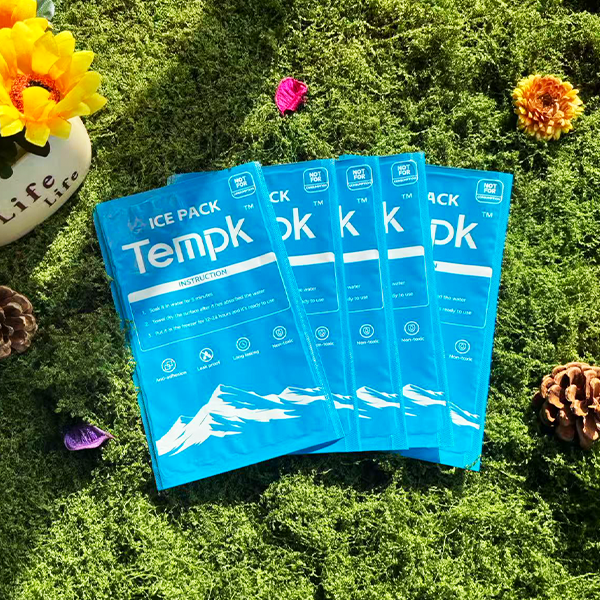
Tempk adalah kemasan rantai dingin merek Shanghai Tempk Industrial Co., Ltd. Perusahaan mengembangkan dan memasok produk termasuk Paket gel, kaku batu bata es, tas terisolasi, Kotak Epp, kotak pendingin medis, liner terisolasi, dan penutup palet. Untuk proyek yang melibatkan kotak berinsulasi, Tempk bisa mendiskusikan kapasitas, struktur isolasi, kompatibilitas cairan pendingin, fitur khusus, dan persyaratan paket. Kesesuaian dan kinerja produk harus dikonfirmasi terhadap muatan spesifik, rute, kondisi suhu, dan bukti yang diperlukan oleh pembeli. Sebelum rilis final, mendokumentasikan keterbatasan jalur pasokan klinis daripada menyiratkan kesesuaian universal.
Langkah selanjutnya
Sebelum pemilihan pemasok akhir, berbagi kondisi suhu yang ditentukan protokol, dimensi perlengkapan, peta jalur, rencana pemantauan, dan durasi uji coba sehingga Tempk dapat mendiskusikan pendekatan pengemasan terkontrol.