Terakhir diperbarui: Desember 15, 2025
Refrigerated express delivery is how you move chilled goods fast Dan keep them within spec. Di dalam 2025, “on time” is not enough if temperature drifts. Many teams use simple cold targets like ≤40°F (4° C.) for refrigerators Dan ≤41°F (5° C.) untuk penyimpanan dingin as practical safety anchors. Your real win is fewer handoffs, less waiting, and clear proof at delivery.
Artikel ini akan membantu Anda:
-
Understand what refrigerated express delivery really means (beyond “fast shipping”)
-
Set clear temperature targets, termasuk do-not-freeze rules and buffers
-
Choose packaging and service models that match your lanes and budget
-
Build a refrigerated express delivery SLA that prevents disputes
-
Control last-mile risk so “porch time” does not ruin the shipment
-
Use a simple decision tool + readiness self-test before you scale
What Is Refrigerated Express Delivery in 2025?
Refrigerated express delivery is fast delivery that keeps product within a defined cold range from pickup to handoff. It is built for same-day, semalam, or 24–48 hour windows. Unlike standard cold chain shipping, it reduces waiting time and handling points. That is how it lowers temperature shock risk.
Think of it as a “cold corridor” with fewer doors to open. Less time parked means less time warming up. Fewer stops also means fewer places to lose accountability. If you cannot prove conditions stayed acceptable, speed alone will not save the shipment.
Refrigerated express delivery vs standard cold chain
| Fitur | Standard cold chain | Refrigerated express delivery | Apa artinya bagimu |
|---|---|---|---|
| Waktu transit | 2–7 hari | Same-day to 48 jam | Lower spoilage exposure |
| Poin penanganan | Multiple hubs | Minimal handoffs | Fewer temperature shocks |
| Visibilitas | Periodic checks | Continuous or frequent data | Faster accept/reject decisions |
| Penggunaan khas | Bulk flows | Time-critical lanes | Better customer outcomes |
| Cost style | Turunkan di muka | Higher per shipment | Often lower total loss cost |
Kiat Praktis yang Dapat Anda Gunakan Hari Ini
-
Start with your top 3 SKU: Pilot refrigerated express delivery rules before scaling.
-
Design for the worst hour: Lunch rush and evening doorsteps are the risky windows.
-
Measure before you change: One week of basic logging reveals your true weak points.
Contoh nyata: A regional seafood seller moved metro orders to refrigerated express delivery and saw fewer “arrived warm” refunds within one quarter.
When Should You Use Refrigerated Express Delivery?
Use refrigerated express delivery when product value drops fast and the customer will not wait. Makanan laut segar, makanan siap santap, susu, chilled bakery fillings, and temperature-sensitive health products are common fits. Your biggest gain is less time in risky places. Think docks, sorting areas, dan ambang pintu.
If you ship through standard parcel networks, your box may sit in warm facilities. Even great packaging cannot erase long, uncontrolled dwell. Refrigerated express delivery makes sense when you want fewer hubs, tighter delivery windows, and a clearer chain of custody.
Food vs pharma: same tool, different priorities
| Gunakan kasing | Resiko yang khas | Control focus | Apa artinya bagimu |
|---|---|---|---|
| Makanan dingin | Pembusukan + Keamanan Pangan | Waktu pendinginan habis | Reduce returns and complaints |
| Chilled pharma/health | Hilangnya potensi + kepatuhan | Dokumentasi + pemantauan | Reduce deviations and rework |
| Kit makan | Porch exposure | Jendela pengiriman + paket | Fewer “warm on arrival” tickets |
A quick “Is this worth it?” filter
If you answer “yes” to two or more, refrigerated express delivery is usually justified:
-
A single failure costs more than faster shipping.
-
Customers complain about “warm on arrival” today.
-
Your product cannot tolerate hub delays or porch time.
-
You need evidence for audits, not just promises.
-
You ship do-not-freeze items in winter.
How Cold Should Refrigerated Express Delivery Be?
Refrigerated express delivery should match your product requirement, not a generic “cold” claim. For many chilled foods, teams use ≤41°F (5° C.) as a common cold-holding reference point. For general refrigerator safety, ≤40°F (4° C.) is a widely used target. But your SKU may need something else.
Treat temperature targets like speed limits. “Careful driving” is not a number. Your refrigerated express delivery spec must define pass/fail. It should also define what happens when data shows an excursion.
A simple temperature target map you can reuse
| Product group | Common target zone | Typical failure mode | Apa artinya bagimu |
|---|---|---|---|
| Makanan dingin (many) | ≤41°F / 5° C. | Warming in last mile | Tight windows matter |
| Refrigerator safety anchor | ≤40°F / 4° C. | Warm staging and delays | Fix handling first |
| 2–8°C dingin | Many biologics/diagnostics | Excursions during handoffs | Tambahkan pemantauan |
| Lingkungan yang terkendali | 15–25°C | Paparan panas | Heat protection matters |
| Beku | ≤-20°C (sering) | Slow transit + mencair | Higher coolant + kecepatan |
Practical tips for setting targets
-
Tulis satu kalimat: “Must remain ≤5°C for full transit.”
-
Tambahkan penyangga: If your limit is 8°C, aim lower to absorb small delays.
-
Define do-not-freeze: Winter failures are often silent and expensive.
Refrigerated Express Delivery Models: Aktif, Pasif, or Hybrid?
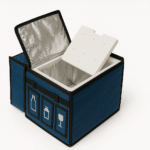
A refrigerated express delivery model is simply where your cold control lives. You usually choose between active refrigeration (a fridge on wheels) and passive packaging (a well-packed cooler). Many teams end up hybrid. They use active for dense city routes and passive for long-tail addresses.
Active models handle frequent door openings better. Passive models are faster to start and scale per parcel. Your best choice depends on stop count, route density, and proof needs.
Alat keputusan: choose your refrigerated express delivery model in 60 detik
Answer A or B:
-
Many multi-stop routes with doors opening often? A → Active
-
Small parcels to many addresses? B → Passive
-
Customers demand live visibility? A → Active or hybrid
-
Logistik terbalik yang kuat (reuse/returns)? A → Active or reusable passive
-
Apartments with delays? A → Active + jendela janji temu
| Choice factor | Active refrigerated | Pengirim terisolasi pasif | Apa artinya bagimu |
|---|---|---|---|
| Door-open frequency | Handles better | Loses cold faster | Last mile is the battleground |
| Setup speed | Needs fleet | Easy to start | Passive wins pilots |
| Konsistensi | High if maintained | Depends on packout | Training is your ROI |
| Profil biaya | Route-based | Per-parcel | Match your order pattern |
Practical tips for model selection
-
Start hybrid: Active in metro lanes, passive for rural next-day.
-
Do not guess stop counts: Your route data already knows the truth.
-
Plan for failure: Missed delivery hurts passive shipments most.
How Do You Pack for Refrigerated Express Delivery Without Freezing Product?
Itu #1 packaging failure in refrigerated express delivery is overcooling a product that should stay chilled. Itu #2 failure is too much empty space. That empty air becomes a warm engine. Your goal is controlled chill, not “maximum ice.”
Packing is like making an iced drink. Too much ice can crack the glass. Too little ice makes it warm. You need the right coolant, the right placement, and the right box fit.
Packout design rules staff can follow
| Elemen paket | Seperti apa “bagus” itu | Apa yang harus dihindari | Apa artinya bagimu |
|---|---|---|---|
| Pilihan pendingin | Gel packs or PCM matched to range | Random freezer packs | Fewer surprise freezes |
| Product buffering | Divider or air gap layer | Direct coolant contact | Fewer “frozen corners” defects |
| Kontrol batal | Snug fit, low headspace | Half-empty boxes | Waktu tahan lebih lama |
| Disiplin tutup | Closed during staging | Open lids “for speed” | Hidden warming risk |
Alat pengambilan keputusan pengemasan: pick the right protection fast
Skor setiap baris 0–2 and add them up:
-
Waktu transit: di hari yang sama (0) / semalam (1) / 48H (2)
-
Serah terima: 0–1 (0) / 2–3 (1) / 4+ (2)
-
Risiko lingkungan: lembut (0) / musiman yang ekstrem (1) / hot or unpredictable (2)
-
Sensitivitas produk: toleran (0) / sedang (1) / fragile or regulated (2)
Total score → your packout direction
-
0–3: Isolasi ringan + indikator sederhana
-
4–6: Isolasi yang lebih kuat + PCM/gel + Data Logger
-
7–8: Heavy-duty passive + redundansi atau active solution + peringatan waktu nyata
| Pita skor | Typical setup | Apa yang Anda peroleh | nonton apa |
|---|---|---|---|
| 0–3 | Light passive shipper | Biaya rendah, mulai cepat | Limited delay tolerance |
| 4–6 | PCM + logger | Proof and better stability | Needs packout discipline |
| 7–8 | Active or redundant passive | Lebih sedikit kejutan | Higher cost and reverse logistics |
Langkah demi langkah: a simple packout workflow
-
Confirm the lane window: di hari yang sama, semalam, atau 48 jam.
-
Condition the coolant: match it to your target range.
-
Tambahkan lapisan buffer: especially for do-not-freeze products.
-
Fill the voids: stop air pockets from circulating heat.
-
Seal and label fast: stage late, load last, menyampaikan terlebih dahulu.
Contoh nyata: A ready-to-eat meals brand reduced “ice crystal” complaints by adding a divider and switching to a 5°C PCM.
How to Write a Refrigerated Express Delivery SLA That Reduces Claims
A refrigerated express delivery SLA should define temperature performance, batasan waktu, and the proof you get back. Tanpa bukti, every issue becomes an argument. A strong SLA also controls “silent dwell,” where a shipment sits warm for hours without anyone noticing.
Most teams only specify delivery time. For refrigerated express delivery, you also need pickup cutoff, max hub dwell, first-attempt success, and an exception protocol. This is where claims rates usually drop.
Refrigerated express delivery SLA checklist
| SLA clause | Apa yang harus ditentukan | Mengapa itu penting | Apa artinya bagimu |
|---|---|---|---|
| Pita suhu | Exact limits + toleransi | Removes “close enough” | Faster accept/reject decisions |
| Max dwell | Hub, dermaga, vehicle limits | Dwell drives warming | Lebih sedikit kunjungan |
| Delivery attempt rule | Appointment or signature | Avoids porch time | Lebih sedikit keluhan |
| Data & pelaporan | Logger return + stempel waktu | Proof beats opinions | Audit lebih mudah |
| Exception protocol | Who calls, Kapan, what action | Rescue is time-sensitive | Fewer write-offs |
Practical SLA language you can copy (edit to fit)
-
Suhu: “Shipment must remain 2–8°C for full transit.”
-
Waktunya habis: “No single dwell >60 minutes outside refrigeration.”
-
Mil terakhir: “High-risk items require first-attempt success or return.”
-
Bukti: “Carrier provides scan events and temperature report within 24 jam."
How Do You Control Last-Mile Risk in Refrigerated Express Delivery?
Last mile is where refrigerated express delivery wins or fails. Doorsteps, missed calls, lalu lintas, and building access can turn a perfect plan into a warm box. You cannot “package your way out” forever. You need rules that shrink exposure time.
Think of the last mile like the final five minutes of cooking. Most damage happens fast. Many public health guides use simple rules like “do not leave perishables out for more than 2 jam" (Dan 1 hour in very hot conditions) as a practical guardrail. Use the same logic to limit doorstep time. Your best protection is predictability and clear handoff design.
A last-mile playbook for refrigerated express delivery
| Kontrol mil terakhir | Seperti apa bentuknya | Apa yang dicegahnya | Apa artinya bagimu |
|---|---|---|---|
| Jendela janji temu | 2–4 hour slot | Porch warming | Fewer refund tickets |
| Tanda tangan / secure handoff | Verified receipt | Unattended exposure | Better traceability |
| Customer pre-alert | Message before arrival | Failed first attempt | Higher success rate |
| Delivery sequencing | Chilled items first | Warm stops | More consistent temps |
Tips praktis yang bisa Anda terapkan minggu ini
-
Give drivers a “cold first” rule: high-risk stops go early.
-
Use building notes: gate codes reduce waiting time.
-
Track failed deliveries as defects: they are not “bad luck.”
Contoh nyata: A specialty dairy brand improved outcomes by adding pre-alerts and a strict “no unattended drop” policy on hot days.
Monitoring Refrigerated Express Delivery: Bukti, Not Promises
Monitoring turns refrigerated express delivery from a promise into proof. It also shows where failure really happens: sedang mengemas, hub, or doorstep. You do not need perfect monitoring on day one. You need consistent monitoring on the lanes that matter.
Start with your highest-value SKUs and riskiest routes. Use the data to tighten SOPs and SLAs. Seiring waktu, you can reduce overpacking because you know your real risk.
A simple monitoring plan (pick by risk tier)
| Shipment risk | Metode pemantauan | Evidence you get | Apa artinya bagimu |
|---|---|---|---|
| Rendah | Indikator + receiving temp check | Pass/fail snapshot | Quick decisions |
| Sedang | Single-use data logger | Full trip profile | Clear root-cause reviews |
| Tinggi | Pelacak waktu nyata + peringatan | Live exception handling | Stop losses before delivery |
Tes mandiri interaktif: your Refrigerated Express Delivery Readiness Score
Berikan dirimu sendiri 0, 1, atau 2 points for each statement:
-
We define the temperature band for every SKU in writing.
-
We can show proof data for at least 80% of chilled shipments.
-
We have a winter packout for do-not-freeze products.
-
We track failed delivery attempts as a KPI.
-
We have an excursion rule: menerima, karantina, or reject.
Panduan skor
-
0–4: You are running on hope. Start with SOPs and basic loggers.
-
5–7: You are stable. Add seasonal tests and stronger last-mile rules.
-
8–10: You are ready to scale refrigerated express delivery confidently.
Practical monitoring tips
-
Place sensors where risk lives: near doors and warm spots, not only the center.
-
Sebutkan satu pemilik keputusan: excursions need one accountable person.
-
Use trends, tidak disalahkan: fix repeat causes, not people.
What Does Refrigerated Express Delivery Cost, Benar-benar?
Refrigerated express delivery is expensive when you measure the wrong thing. The right metric is cost per successful, in-spec delivery, not cost per shipment. One warm delivery can erase profit from dozens of successful ones. That is why smart teams segment lanes by risk.
Hidden costs often come from re-ships, Pengembalian uang, pembuangan, and support time. When you include those, a slightly higher-priced lane can be cheaper overall. It also protects brand trust, which is real even if it is hard to invoice.
A simple cost model you can run internally
| Penggerak biaya | Apa yang meningkatkannya | What controls it | Apa artinya bagimu |
|---|---|---|---|
| Kemasan | Isolasi tebal, lebih banyak pendingin | Ukuran yang tepat + paket musiman | Avoid over-pack spend |
| Tingkat layanan | Di hari yang sama + jendela sempit | Lane segmentation | Spend where needed |
| Pemantauan | Real-time devices | Risk tiering | Proof where it matters |
| Kegagalan | Missed deliveries, kedatangan yang hangat | SLA + last-mile rules | Lower refunds and claims |
Kalkulator mini: “in-spec delivery cost”
Use this quick formula for each lane:
(Shipping + Packaging + Monitoring + Avg failure cost) ÷ Successful deliveries
If the number drops after you upgrade service, you made a profitable change.
Which Regulations Shape Refrigerated Express Delivery for Food and Pharma?
Jawaban Langsung: refrigerated express delivery is easier when your process matches the rules your product lives under. Food programs usually focus on preventing temperature abuse during transport. Pharma programs focus on keeping products within acceptable limits and proving it with documentation. If you treat compliance as a checklist, you reduce rework and surprise audits.
Penjelasan yang diperluas: you do not need to memorize every regulation to run refrigerated express delivery well. You need a repeatable system that covers the same control points regulators care about: vehicles/equipment, handling steps, pelatihan, catatan, and deviation management. Dalam praktiknya, this looks like clear temperature specs, diagram paket, pemantauan, and an excursion playbook that your team can follow under pressure.
Daftar periksa kepatuhan praktis (run before every pickup)
-
Spesifikasi produk: jangkauan sasaran, max duration, Dan do-not-freeze aturan
-
Spesifikasi kemasan: Diagram Paket, coolant conditioning, and sealing steps
-
Carrier SOP: tingkat layanan, aturan penanganan, and handoff scan events
-
Rencana pemantauan: device type, penempatan, and who reviews results
-
Deviation plan: accept/quarantine/reject criteria and documentation steps
-
Pelatihan + catatan: foto paket, ID kumpulan, and shipment logs
| Compliance area | Apa yang harus distandarisasi | What to store as proof | Apa artinya bagimu |
|---|---|---|---|
| Kebersihan transportasi makanan | Clean vehicle + kontrol dingin | Pelatihan + log | Fewer safety disputes |
| Pharma temperature control | Defined limits + pemantauan | Trip data + deviation notes | Faster QA release |
| Air healthcare (jika digunakan) | Label + dokumentasi | Booking + handoff records | Fewer handoff errors |
Contoh nyata: A frozen seafood shipper reduced chargebacks by adding a written “arrival acceptance rule” and a clear exception protocol.
2025 Refrigerated Express Delivery Trends You Should Watch
Di dalam 2025, refrigerated express delivery is getting more data-driven and lane-specific. Teams want fewer temperature surprises and fewer manual steps. Customers also want proof and predictability, bukan kecepatan saja. This is pushing operations toward simpler SOPs and stronger last-mile controls.
Cuplikan perkembangan terkini (what’s changing)
-
More hybrid networks: active in dense cities, passive for long-tail delivery.
-
More “do-not-freeze” protection: winter packouts become standard, bukan opsional.
-
More temperature proof: medium-risk lanes increasingly use data loggers by default.
-
Smarter route planning: fewer handoffs and shorter dwell times.
-
Better coolants: more PCM options tuned to 2–8°C and 15–25°C ranges.
Apa artinya ini bagi Anda
If you can show consistent, hasil yang dapat diulang, you reduce claims and support tickets. You also gain pricing power because customers pay for certainty. The winners make the cold chain boring. They remove surprise steps and tighten handoffs.
Pertanyaan yang sering diajukan
Q1: What is refrigerated express delivery in one sentence?
Refrigerated express delivery is fast delivery that keeps product within a defined cold range from pickup to handoff.
Q2: How long can refrigerated express delivery stay in range?
Most passive setups target 24–48 hours. With optimized insulation and packout, itu bisa bertahan lebih lama. Your lane risk matters more than the label.
Q3: Can refrigerated express delivery fail in winter?
Ya. Do-not-freeze products can be damaged by overcooling. Use buffer layers and winter-conditioned coolants.
Q4: Do I need real-time tracking for refrigerated express delivery?
Tidak selalu. Many lanes succeed with passive packaging plus a data logger. Use real-time alerts only where failure cost is high.
Q5: What is the fastest way to reduce “arrived warm” complaints?
Fix last mile first. Add appointment windows, pre-alerts, and a first-attempt success rule.
Q6: What should we do when temperature data shows an excursion?
Follow a written playbook. Decide accept, karantina, or reject based on your product rule and evidence.
Ringkasan dan Rekomendasi
Refrigerated express delivery works when you control targets, serah terima, and last-mile time. Define your temperature band per SKU, then choose an active, pasif, or hybrid model that fits your order pattern. Bangun paket musiman, enforce delivery windows, and require evidence. When you measure in-spec delivery cost, you will see why speed plus proof beats cheap shipping.
Langkah Anda selanjutnya (a simple 7-step plan)
-
Memilih 3 high-value SKUs and write pass/fail temperature rules.
-
Memilih 2 lanes and run a short pilot with basic logging.
-
Create summer and winter packouts with photos for training.
-
Add a first-attempt success last-mile rule for high-risk items.
-
Write an SLA addendum for dwell time, bukti, dan pengecualian.
-
Review KPIs weekly for 4 minggu -minggu, then monthly.
-
Scale only after the pilot is stable and repeatable.