Temperature-Controlled Creamery Cheap Solutions in 2025?
Jika Anda membutuhkan temperature-controlled creamery cheap solutions, you’re not asking for “the cheapest thing.” You’re asking for the fastest way to protect dairy quality while lowering waste, labor drag, and energy spikes. In most creameries, losses come from tiny habits repeated daily: doors left open, aliran udara tersumbat, dock staging “for a minute,” and unclear rotation. Fixing those is cheaper than new equipment—and often works faster.
Artikel ini akan menjawabnya untuk Anda:
-
Bagaimana temperature-controlled creamery cheap solutions reduce spoilage without major upgrades
-
Terbaik low-cost cold room upgrades for creameries that pay back quickly
-
A budget dock-to-cooler SOP for dairy that prevents warm shocks on busy shifts
-
Bagaimana cara mengaturnya cheap temperature monitoring for dairy storage your staff will use
-
Bagaimana affordable insulated shipping for creamery products cuts complaints by lane tier
-
Alat pengambilan keputusan + self-test to choose your next best cheap upgrade
Why do temperature-controlled creamery cheap solutions beat “new equipment” first?
Jawaban Langsung: Temperature-controlled creamery cheap solutions usually beat new equipment because your biggest costs come from process leaks, not compressor horsepower. A new unit cannot fix pallets waiting on the dock or vents blocked by “temporary” storage.
Penjelasan yang diperluas: Think of margin like a triangle. If any side is weak, profits leak out quietly. The best cheap wins improve at least one side immediately—and don’t require perfect staff behavior to succeed.
The “Cold Chain Profit Triangle” you should manage daily
| Profit triangle side | Seperti apa bentuknya | Cheap fix | Apa artinya bagimu |
|---|---|---|---|
| Stabilitas suhu | lebih sedikit lonjakan hangat | disiplin pintu + airflow rules | fewer quality claims |
| Kontrol waktu | short staging time | staging timer rules | less spoilage risk |
| Handling control | lebih sedikit sentuhan | zoning + clear lanes | lower labor cost |
Tip dan rekomendasi praktis
-
If your team is busy, choose fixes that remove decisions, not add steps.
-
If cash is tight, memprioritaskan pintu + aliran udara + memanggungkan before any “tech.”
-
If you’re scaling, standardize routines first—then invest with confidence.
Contoh kasus praktis: One small creamery reduced weekly rework after adding a staging time rule and posting a pack-and-move checklist at the cold room door.
Temperature-controlled creamery cheap solutions: where should you start?
Jawaban Langsung: Mulailah dengan a 15-minute walk-through audit using a timer and a notebook. Your first goal is to shorten “time out of cold” and stop warm air from entering cold rooms.
Penjelasan yang diperluas: Most creameries have the same repeatable risk moments: menerima, memanggungkan, bukaan pintu, and airflow blockage. If you can measure and fix those moments, you can cut spoilage and energy waste without buying large equipment.
Low-cost cold room upgrades for creameries: the 15-minute audit
-
Where does warm air enter? (pintu, dock interface, broken seals)
-
Where is cold air blocked? (pallets against fans, dinding, or return vents)
-
Where does product wait too long? (pementasan dermaga, QA holds, pick queues)
| Audit target | Apa yang harus dicari | Mengapa itu penting | Kesimpulan praktis Anda |
|---|---|---|---|
| Pintu & segel | light gaps, torn gaskets | warm air steals cooling fast | replace gaskets before buying new fans |
| Air paths | pallets blocking vents | titik panas + slow pull-down | mark “no-block” zones on the floor |
| Frost patterns | heavy ice on coils | efficiency drop + cycling | fix airflow + cleaning schedule |
| Pementasan dermaga | untracked wait time | warm shocks + kehilangan kualitas | add a visible “out-of-cold” timer |
Tip dan rekomendasi praktis
-
Use floor tape today. A taped “keep clear” zone beats a long memo.
-
Write one rule: “No pallet waits longer than X minutes on the dock.”
-
Keep the audit list short. Cheap solutions work best when they get finished.
Contoh kasus praktis: A small creamery cut staging time in half using a timer and a “ready-to-store” lane.
What are the best temperature-controlled creamery cheap solutions for cold room stability?
Jawaban Langsung: Terbaik temperature-controlled creamery cheap solutions for stability focus on the “big three”: aliran udara, pintu, and setpoints.
Penjelasan yang diperluas: Cold air behaves like traffic. If you block lanes, you create jams and hot spots. Doors are the fastest heat entry point. Setpoints matter, but stability matters more than constant tweaking.
1) Airflow discipline (the cheapest high-impact fix)
Common airflow mistakes:
-
stacking product too close to evaporator fans
-
pushing pallets tight to walls
-
storing tall loads that block return air
Cheap solution: mark “no-stack zones” and teach one simple rule: Jaga ventilasi jernih, selalu.
2) Disiplin pintu (heat enters fastest through doors)
Cheap solution: batch moves and close the door between moves. Add a timer and a visible “door score” target per shift.
3) Setpoint sanity (too cold can be expensive)
Lowering setpoints “just to be safe” can increase frosting and energy load.
Cheap solution: define your setpoint range based on product needs and keep it stable.
| Cold room lever | Cheap action | Tingkat biaya | Manfaat praktis Anda |
|---|---|---|---|
| Aliran udara | floor tape lanes + “no-block” signs | Rendah | lebih sedikit titik panas |
| Pintu | batch pick + pengatur waktu + closer habits | Rendah | fewer temperature spikes |
| Setpoints | documented SOP range | Rendah | less drift and frosting |
Tip dan rekomendasi praktis
-
If you see uneven frost, check airflow blockage first.
-
If compressors run constantly, check doors and seals before buying anything.
-
If product warms near doors, move fast movers away from entrance zones.
Contoh kasus praktis: One creamery improved temperature uniformity after moving tall pallets away from fan zones and repainting aisle boundaries.
How do temperature-controlled creamery cheap solutions reduce energy costs quickly?
Jawaban Langsung: They reduce energy cost by reducing masuknya panas and improving refrigeration efisiensi with basic “energy hygiene.”
Penjelasan yang diperluas: If warm air enters constantly, compressors fight a battle you don’t need to pay for. The fastest wins come from gaskets, coil cleanliness, and door-open behavior.
The “5-minute energy sweep” (mingguan)
-
Inspect door gaskets for gaps and cracks
-
Check frost patterns for airflow problems
-
Confirm coils are clean (or scheduled)
-
Verify doors close fully without sticking
-
Confirm lights/fans run only when needed
| Energy leak source | Apa yang kamu lihat | Cheap fix | Apa artinya bagimu |
|---|---|---|---|
| Worn gaskets | kondensasi, tepian yang hangat | replace gaskets | lower heat entry |
| Dirty coils | slow pull-down | cleaning schedule | lower compressor load |
| Door misuse | frequent warm spikes | batch movement | fewer recoveries |
Tip dan rekomendasi praktis
-
Musim panas: tighten door discipline and reduce staging time.
-
Kelembaban tinggi: sealing matters even more to reduce frost load.
-
Older equipment: cleanliness and sealing often outperform upgrades.
Contoh kasus praktis: A creamery cut monthly energy spikes after replacing gaskets and enforcing a “pre-stage before opening” loading rule.
Temperature-controlled creamery cheap solutions for labor efficiency: how do you reduce touches?
Jawaban Langsung: Reduce touches by redesigning flow with zona, ship-today lanes, Dan clear locations.
Penjelasan yang diperluas: Every extra move costs labor and adds temperature exposure. If you remove just one touch from finished goods handling, you often see immediate labor relief and fewer excursions.
Use the “Touch Count” method
Count moves after packaging:
-
move to staging
-
move to cold room
-
move to pick zone
-
move to loading
Now remove one move with zoning and lane design.
| Labor waste | Apa penyebabnya | Cheap fix | Makna praktis untuk Anda |
|---|---|---|---|
| Searching | unclear locations | zone labels + map | faster picks |
| Extra moves | tata letak yang buruk | ship-date lanes | lebih sedikit sentuhan |
| Mengolah lagi | wrong pallets | visual staging | lebih sedikit kesalahan |
Tip dan rekomendasi praktis
-
Small teams: Label + a whiteboard map beat complex software.
-
Many SKUs: separate A/B/C movers by velocity.
-
Saluran campuran: separate wholesale vs retail zones.
Contoh kasus praktis: A creamery reduced overtime after introducing “ship today” lanes and labeling fast movers at eye level.
Which temperature-controlled creamery cheap solutions protect dairy quality best?
Jawaban Langsung: Protect quality by minimizing ayunan suhu and reducing time out of controlled environments.
Penjelasan yang diperluas: Most quality damage isn’t one big failure. It’s many small warm exposures that chip away at taste, tekstur, and shelf-life. Your cheapest quality protection tool is a strict time limit for staging and a repeatable dock routine.
The “Short Exposure Rule” for dairy
-
Stage only what you can move quickly
-
Avoid building orders in warm zones
-
Set and enforce a dock exposure time limit
Packaging and handling matter too
Even inside a cold room, you can damage quality when:
-
cartons absorb moisture
-
labels peel from condensation
-
containers are crushed or shifted
| Quality risk | How it happens | Cheap fix | Makna praktis untuk Anda |
|---|---|---|---|
| Texture issues | repeated warm spikes | batas pementasan | more consistent product |
| Packaging damage | weak pallet pattern | standard pattern | pengembalian yang lebih sedikit |
| Kondensasi | kontak dinding | jarak + aliran udara | label yang lebih baik |
Tip dan rekomendasi praktis
-
If labels peel, reduce condensation by improving seals and avoiding wall contact.
-
If cartons soften, improve airflow and reduce humidity entry via doors.
-
If complaints cluster, map which zone the product came from.
Contoh kasus praktis: A creamery reduced “soft carton” incidents by changing pallet patterns and adding a simple spacing rule.
Temperature-controlled creamery cheap solutions for receiving: the budget dock-to-cooler SOP
Jawaban Langsung: Receiving needs one goal: shorten the time between truck and cold storage.
Penjelasan yang diperluas: Receiving is where sunlight, warm air, and waiting time hit first. The cheapest improvement is a five-step SOP with lane markings so staff don’t pause to decide where pallets go.
Budget dock-to-cooler SOP you can run every shift
-
Pre-clear a storage slot before the truck arrives
-
Unload to a marked cold-first jalur
-
Verify temperature and paperwork quickly
-
Move to cold storage within your time limit
-
Pengecualian log (so you fix patterns, not one-offs)
| SOP step | Apa yang dikontrolnya | Low-cost tool | Kesimpulan praktis Anda |
|---|---|---|---|
| Pre-clear slot | prevents waiting | slot board | decisions happen before unloading |
| Cold-first lane | keeps priorities clear | floor tape + signage | stops “temporary parking” |
| Time limit | reduces warm exposure | timer or wall clock | makes accountability real |
| Log pengecualian | finds patterns | one-page checklist | fixes repeat failures |
Tip dan rekomendasi praktis
-
Assign a “dock captain” during peak hours to prevent bottlenecks.
-
Treat the timer as policy. One visible clock changes behavior.
-
Use a simple shade barrier if sunlight hits your receiving lane.
Contoh kasus praktis: One team cut warm exposure by creating two lanes: “store now” and “hold for QA,” with different rules.
Cheap temperature monitoring for dairy storage: what should you measure first?
Jawaban Langsung: Mulailah dari yang kecil: monitor the zones where product actually experiences risk—the warm corner, the door area, and the staging zone.
Penjelasan yang diperluas: Monitoring fails when it creates dashboards nobody checks. Your best cheap monitoring system is one that produces one daily question: “Any excursions today?” Then it triggers a clear action.
Where to measure first (the high-risk places)
-
Warmest corner of the cold room
-
Loading door area
-
Staging-before-shipment zone
-
One “product core” test location during lane trials
| Metode pemantauan | Terbaik untuk | Kelemahan | Kesimpulan praktis Anda |
|---|---|---|---|
| Min/max thermometer | daily control | no history | good baseline |
| Standalone logger | pattern finding | manual downloads | perfect for testing |
| Sensor nirkabel | ongoing oversight | setup complexity | best after SOPs stabilize |
Tip dan rekomendasi praktis
-
Place sensors away from fans so readings reflect product zones.
-
Keep review weekly, not “someday.” Unreviewed data is wasted effort.
-
Create a response card: what to do when temps move.
Contoh kasus praktis: A team found a daily warm spike at shift change and fixed it by changing door habits, not equipment.
Affordable insulated shipping for creamery products: how do you tier lanes cheaply?
Jawaban Langsung: Don’t ship everything the same way. Menggunakan tingkatan jalur so you spend more only where risk is high.
Penjelasan yang diperluas: Many shipping failures come from poor packout: terlalu banyak ruang kosong, ice packs in the wrong place, or slow loading delays. Tiering + packout photos are cheap, scalable fixes that reduce complaints fast.
Lane-based shipping tiers
| Lane tier | Kapan harus digunakan | Low-cost packaging move | Kesimpulan praktis Anda |
|---|---|---|---|
| Tingkat 1 (risiko rendah) | short local routes | right-sized carton + 1 mengemas | control empty space first |
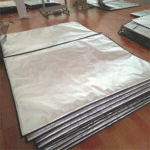
| Tingkat 2 (risiko sedang) | regional routes | add insulation liner + 2 paket | margin untuk penundaan |
| Tingkat 3 (risiko tinggi) | hot/long routes | stronger shipper + paket lebih banyak | use only where needed |
Tip dan rekomendasi praktis
-
Pre-chill product before packing—don’t “cool with packs.”
-
Standardize packout photos so every shift packs the same way.
-
Keep packout time short and track it like a KPI.
-
Tempatkan paket above and beside dairy for better coverage.
Contoh kasus praktis: A creamery reduced warm-month complaints after switching to lane tiers and standard packout photos.
Tes mandiri interaktif: find your best temperature-controlled creamery cheap solutions in 10 menit
Skor setiap item 0–2
0 = not true, 1 = partly true, 2 = consistently true
-
We have a staging time limit and follow it
-
We batch picks and reduce door-open time
-
Airflow lanes are marked and protected
-
Door seals are inspected monthly
-
Coils have a real cleaning schedule
-
Setpoints are stable and documented
-
We zone storage by ship date or SKU velocity
-
We use a standard pallet pattern per product type
-
We have a “delay rule” for late pickups
-
We review complaints monthly and adjust SOPs
Your total score (0–20):
-
0–7: Start with door discipline, batas pementasan, airflow lanes
-
8–14: Add zoning, standard pallet patterns, maintenance routine
-
15–20: Focus on monitoring, perbaikan berkelanjutan, training upgrades
Bagaimana caranya: implement temperature-controlled creamery cheap solutions in 7 tangga
-
Set a staging time limit and post it at the cold room door
-
Create a “ship today” lane and label it clearly
-
Mark airflow “no-stack” zones with floor tape
-
Batch picks and close doors between moves
-
Inspect and replace damaged gaskets
-
Schedule coil cleaning and log it
-
Review excursions/complaints monthly and change one variable at a time
The “one-variable rule” keeps improvements cheap
If you change five things at once, you never learn what worked. Ubah satu variabel, measure outcomes, then lock it in.
| Melangkah | Apa yang Anda ubah | Apa yang Anda ukur | Makna praktis untuk Anda |
|---|---|---|---|
| Staging limit | time outside cold | warm-event frequency | lebih sedikit kegagalan |
| Door batching | waktu buka pintu | energy spikes | lower bills |
| Airflow zones | storage layout | hot spot reduction | stabilitas yang lebih baik |
Contoh kasus praktis: A creamery improved consistency after posting one “gold standard” pallet photo at the staging area.
2025 latest developments and trends in temperature-controlled creamery cheap solutions
Di dalam 2025, small and mid-sized dairy operators are leaning into “lean cold chain” practices. The focus is not fancy tech first. It’s predictable execution with simple proof.
Cuplikan kemajuan terbaru (2025)
-
Visual SOP boards: photos and diagrams replace long manuals
-
Sampling-based monitoring: a few sensors reveal most issues
-
Lane-tier shipping: spend more only where risk is high
-
Micro-audits: 15-minute weekly checks replace rare big audits
-
Habit-based training: door discipline and staging rules taught early
Wawasan pasar yang dapat Anda gunakan
Customers don’t care how expensive your refrigeration is. They care about consistency. Itu sebabnya temperature-controlled creamery cheap solutions menang: they reduce variability more than they reduce temperature.
Pertanyaan umum (FAQ)
Q1: What are the fastest temperature-controlled creamery cheap solutions?
Start with door discipline, airflow lane protection, and a staging time limit. These reduce warm spikes without new equipment.
Q2: Can cheap solutions really reduce spoilage?
Ya. Spoilage risk often rises with repeated warm exposure and long staging. Shorter exposure plus better sealing reduces risk quickly.
Q3: What is the cheapest way to lower refrigeration energy cost?
Replace damaged gaskets, keep coils clean, and reduce door-open time. These reduce recovery cycles and run time.
Q4: How do I know if airflow is a problem?
Look for uneven frost, drift in one zone, or repeated issues from the same storage area. Then check for blocked return paths.
Q5: What should I track monthly in a creamery cold chain?
Track warm events, staging violations, door-open patterns, and complaints by SKU and zone. Patterns are where the savings live.
Ringkasan dan Rekomendasi
Temperature-controlled creamery cheap solutions work because they attack the real causes of loss: heat entry through doors, aliran udara tersumbat, inconsistent staging, dan pengerjaan ulang yang dapat dihindari. Di dalam 2025, the best low-cost improvements are disciplined and repeatable: airflow lanes, door batching, stable setpoints, gasket checks, FEFO rotation, and simple monitoring that triggers action.
Rencana aksi (hapus CTA)
Memilih dua upgrades to implement this week:
-
batas waktu pementasan + visible timer rule
-
airflow no-stack zones + photo SOP
Measure warm events and complaints for 30 hari -hari. If results improve, lock the process and move to the next fix.
Tentang tempk
Pada Tempk, we help cold chain operators improve performance with practical packaging and workflow systems. We focus on repeatable routines, kontrol suhu yang stabil, and training-friendly SOP design—so your team can execute consistently under real pressure. If you’re building temperature-controlled creamery cheap solutions, we help you prioritize upgrades that deliver ROI before you invest in bigger equipment.
Langkah selanjutnya: Share your facility size, shipping frequency, and biggest pain point (energi, pembusukan, tenaga kerja, or compliance). We’ll map a low-cost improvement roadmap tailored to your operation.