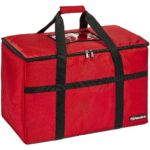
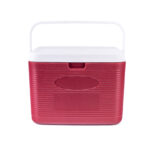
Bisnis Murah Makanan Penutup Beku dengan Pengontrol Suhu?
If you’re building a temperature-controlled frozen dessert cheap business, your biggest challenge is staying cold tanpa letting logistics costs eat your margin. Di dalam 2025, cold chain expenses can reach 20–35% dari biaya operasional, and frozen desserts often need -18° C hingga -25 ° C. (0°F hingga -13°F) stabilitas untuk melindungi tekstur. Panduan ini membantu Anda mengurangi klaim pencairan, memotong limbah, dan menjaga kualitas tetap konsisten—menggunakan keputusan berbasis jalur yang dapat Anda terapkan minggu ini.
Artikel ini akan membantu Anda menjawabnya:
-
Bagaimana gelato shipping temperature control protects texture (dan ulasan)
-
Yang low-cost insulated packaging for frozen dessert shipping is “enough” for your lanes
-
Bagaimana memilih a frozen dessert last-mile delivery model that keeps refunds low
-
How to price with a simple frozen dessert shipping cost calculator
-
What to track in a temperature monitoring checklist for frozen desserts (tanpa mengeluarkan uang secara berlebihan)
Mengapa pengatur suhu membuat atau menghancurkan bisnis makanan penutup beku yang dikontrol suhu menjadi murah?
Jawaban Langsung: A temperature-controlled frozen dessert cheap business survives on repeatable texture. Even small warm–cool swings can turn “creamy” into “icy,” increasing complaints and refunds. Most frozen desserts perform best when you hold a stable frozen range (sering -18° C. / 0°F atau lebih dingin), especially during handoffs and last-mile delivery.
Frozen desserts are like a snow sculpture in a backpack. It might look fine at first, but a short warm-up weakens the structure. Customers notice grainy texture and ice crystals sebelum they see a full melt, and your brand pays the price in low ratings and chargebacks.
What temperature range is practical for transport?
| Frozen Dessert Type | Ideal Range | Risk if Too Warm | Apa artinya ini bagi Anda |
|---|---|---|---|
| Es krim | -20° C hingga -25 ° C. | Ice crystals form | Higher complaint and refund rates |
| Gelato | -18°C to -22°C | Texture collapses | “Premium” perception drops fast |
| Sorbet | -18° C hingga -20 ° C. | Water separates | Shorter shelf life on arrival |
Tips praktis yang bisa Anda terapkan sekarang
-
Pengiriman lokal: Use tight windows + insulated totes instead of powered freezers.
-
Regional overnight: Use hybrid protection (isolasi + matched coolant).
-
Jalur yang lebih panjang: Only upgrade to stronger systems when order value and reliability justify it.
Contoh nyata: One regional gelato brand reduced spoilage by 28% after tightening last-mile temperature range monitoring and packout discipline.
How do you keep a temperature-controlled frozen dessert cheap business cheap without losing quality?
Jawaban Langsung: A temperature-controlled frozen dessert cheap business stays profitable by balancing waktu + isolasi + pendingin, not by buying the cheapest materials. “Cheap” means optimized and repeatable—not fragile.
When you standardize one packout and one operating rule set, you stop paying for heroics. You also reduce the hidden cost nobody budgets for: re-makes, Pengembalian uang, and support tickets.
The “Cold Chain Triangle” decision tool (interaktif)
Score each lever from 1 (lemah) ke 5 (kuat). Add your total.
-
Time Control: cutoffs, dispatch speed, delivery window reliability
-
Insulation Control: kotak cocok, kualitas segel, void-fill discipline
-
Coolant Control: jenis, kuantitas, placement accuracy
Total 12–15: You can run lean packaging.
Total 8–11: Keep packaging moderate and narrow your delivery zone.
Total ≤7: Fix operations first, or refunds will erase your margin.
Cost mistakes that quietly destroy margins
-
Over-insulating short routes “just in case”
-
Using too many box sizes (training errors = melt claims)
-
Measuring temperature only after customers complain
Operational insight: One dessert retailer cut packaging cost by 22% by removing unnecessary secondary insulation layers and standardizing box sizing.
Which packaging is best for a temperature-controlled frozen dessert cheap business in 2025?
Jawaban Langsung: The best packaging for a temperature-controlled frozen dessert cheap business adalah berukuran tepat, berulang, and tested. Consistency is cheaper than “premium everything.”
A simple packaging stack (that most teams can execute fast):
-
Primary pack: sealed tub/wrap (tahan bocor)
-
Lapisan penghalang: liner bag (protects insulation from moisture)
-
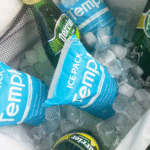
Pendingin: Paket gel, PCM, atau es kering (berbasis jalur)
-
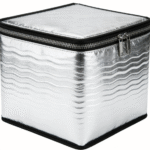
Isolasi: EPS/EPP-style shipper, lapisan terisolasi, or reusable tote
-
Karton luar: melindungi, Label, stacks cleanly
Insulation options (what to buy first)
| Jenis Isolasi | Tingkat Biaya | Thermal Hold | Weak Spot | Penggunaan terbaik |
|---|---|---|---|---|
| Lapisan terisolasi (foil/bubble) | Rendah | Sedang | Gaps kill performance | Jalur pendek, pengepakan ketat |
| Pengirim busa (EPS/EPP-style) | Sedang | Tinggi | Bulky storage | Standard overnight lanes |
| Reusable insulated tote | Sedang | Tinggi | Logistik terbalik | Local routes, subscriptions |
| Panel VIP | Tinggi | Sangat tinggi | Higher cost/handling | Premium lanes only |
“Cheap” wins that matter more than thicker foam
-
Use the smallest box that fits. Air is the enemy.
-
Pre-chill product and packaging. Warm cardboard steals cold fast.
-
Standardize 1–2 packouts. Fewer variants = fewer mistakes.
Contoh nyata: A small gelato brand reduced melt complaints by tightening box sizing and using one consistent gel-pack layout—without buying a “better box.”
Paket gel vs PCM vs es kering: what is cheapest for you?
Jawaban Langsung: The “cheapest” coolant depends on waktu jalur + musim + how controlled your handoff is. Gel packs are operationally simple, PCM helps texture stability, and dry ice delivers strong hold time but needs stricter handling and labeling discipline.
Es kering adalah -78.5° C. (-109.3° f)—powerful, but it can add friction (Aturan operator, pelatihan, customer handling). PCM is like “smart ice” that melts at a chosen temperature band, helping reduce texture swings.
| Pendingin | Kasus penggunaan terbaik | Cost Control Lever | Apa artinya bagimu |
|---|---|---|---|
| Paket gel | Lokal / rute pendek | Standardize pack count | Lowest hassle, SOP yang berulang |
| PCM | Texture-sensitive items (es krim) | Match PCM temp to product | Tekstur yang lebih baik, less over-freezing |
| Es kering | Jalur yang lebih panjang / hot seasons | Tight cutoffs + pelabelan | Strong performance, more process steps |
Your 60-second coolant chooser (interaktif)
Menjawab Ya/tidak:
-
Is the lane reliably ≤2 days?
-
Will it sit outside on arrival?
-
Is the order value high enough to absorb upgrades?
If “No” to #1: treat it as premium (upgrade packout) or decline it.
If “Yes” to #2: add a porch buffer layer or require attended delivery/pickup.
If “No” to #3: keep your promise narrower (shorter zones, earlier cutoff).
What delivery model fits a temperature-controlled frozen dessert cheap business?
Jawaban Langsung: A temperature-controlled frozen dessert cheap business wins by choosing the delivery model that matches your control level. If you can’t control handoffs, shorten the route. If you want distance, budget for stronger packaging Dan stricter cutoffs.
| Model | Terbaik untuk | Tingkat Risiko | Apa artinya bagimu |
|---|---|---|---|
| Same-day courier | City launches | Sedang | Lighter packout, jendela yang lebih rapat |
| Your route fleet | Langganan | Rendah | Highest control, lowest refund rate |
| Regional overnight | Pertumbuhan | Sedang–Tinggi | Needs realistic delay protection |
| B2B drops | Ulangi jalur | Rendah–Sedang | Margin improves with repeatability |
Cutoff times: the hidden profit switch
-
Set a cutoff that includes packout + memanggungkan + pickup buffer.
-
Avoid risky end-of-week shipments that can trigger weekend holds.
-
Di bulan-bulan panas, shrink zones or upgrade only the hottest lanes.
Practical last-mile upgrades (murah, efektif)
-
Offer 2-hour windows instead of “all day.”
-
Send delivery-day reminders so customers are ready.
-
Definisikan a safe drop policy to prevent doorstep heat exposure.
Contoh nyata: A mochi seller cut refunds after adding delivery-day SMS reminders and restricting “no-contact drop” during high-heat days.
Pricing and unit economics: a frozen dessert shipping cost calculator
Jawaban Langsung: You keep a temperature-controlled frozen dessert cheap business profitable by making costs predictable, then pricing around the worst realistic day, bukan yang terbaik. Underpricing is the fastest way to “grow” into losses.
Quick cost model (Salin ini)
True Cost per Order =
(Produk + Tenaga kerja)
-
Kemasan
-
Pengiriman
-
(Refund Rate × Average Refund Cost)
-
Overhead Allocation
Target Price = True Cost per Order ÷ (1 − Target Margin)
Underpricing self-check (interaktif)
Answer “Yes” or “No”:
-
Do you know packaging cost per order to the dollar?
-
Do you include a refund buffer in pricing?
-
Do you adjust packout rules by season or lane?
-
Can you explain your cutoff logic in satu kalimat?
-
Do you track outcomes for your jalur terburuk?
4–5 Yes: priced like a real business.
2–3 Yes: exposed—fix tiering and tracking.
0–1 Yes: likely selling volume at a loss.
Tiered packouts keep “cheap” truly cheap
-
Tingkat A (lokal): lighter insulation + Paket gel
-
Tingkat B (regional): isolasi yang lebih kuat + more coolant/PCM
-
Tingkat C (jalur panas): upgrade only when needed (not for everyone)
Contoh nyata: One startup improved margin by separating local courier pricing from regional overnight pricing. Customers accepted it because the promise was clearer.
Monitoring that protects a temperature-controlled frozen dessert cheap business
Jawaban Langsung: A temperature-controlled frozen dessert cheap business doesn’t need enterprise monitoring everywhere. You need proof on the lanes that lose money. Start simple and scale monitoring only where failures happen.
Temperature monitoring checklist for frozen desserts
Track these three points:
-
Product temp at packout (meet your internal standard)
-
Time out of freezer (keep it short and repeatable)
-
Kondisi kedatangan (ketegasan + melt pooling + integritas paket)
A monitoring ladder (choose your level)
-
Tingkat 0: freezer thermometer + daily log
-
Tingkat 1: one low-cost logger per week on your worst lane
-
Tingkat 2: one logger per batch per carrier lane
-
Tingkat 3: Pemantauan waktu nyata + peringatan pengecualian
For most small brands, Tingkat 1 delivers the best ROI.
A simple 30-day scaling plan
-
Pekan 1 (Membakukan): 1 Sop, 2 box sizes max, 1 coolant layout per size
-
Pekan 2 (Ukuran): lane outcomes, ambient band, refund reasons
-
Pekan 3 (Optimalkan): upgrade only the worst lane, tighten cutoffs
-
Pekan 4 (Memperluas): add one new zone, repeat measurement
Real-world result: One distributor cut energy costs by 19% after shifting from full refrigeration to a hybrid approach matched to delivery distance.
Dry ice rules (Dan 1845) and safety basics
Jawaban Langsung: Dry ice can protect long lanes, but it demands discipline. Many shipments require “Es Kering, DAN 1845' tanda, Berat bersih, and mode/carrier-specific labeling steps. You must also avoid sealing packages airtight because CO₂ gas needs to vent.
Practical dry ice checklist (print and post)
-
Use a shipper design that vents gas (jangan segel kedap udara).
-
Tanda Es kering / Dan 1845 Dan Berat bersih (kg) sebagaimana diperlukan.
-
Apply the required label(S) for your carrier/mode when needed.
-
Latih staf tentang penanganan yang aman: sarung tangan, ventilasi, aturan penyimpanan.
Contoh nyata: A startup reduced carrier refusals by standardizing one dry-ice workflow and training every packer to follow it exactly.
How do you reduce refunds and chargebacks in a cheap model?
Jawaban Langsung: Refunds drop when your promise is realistic, your packout is repeatable, and your customer guidance is clear. You don’t need “perfect delivery.” You need fewer surprises.
Refund-reduction playbook
-
Publish simple delivery instructions (naungan, doorbell, opsi penjemputan).
-
Add “hot-week rules” (pause risky lanes or upgrade temporarily).
-
Use a consistent claim flow: stempel waktu + foto + response standard.
-
Opsional: take a quick packout photo for high-risk lanes.
Customer experience that saves orders (without sounding defensive)
-
“Frozen desserts may arrive frozen or semi-firm depending on weather.”
-
“If semi-firm, membekukan 30–60 menit before serving.”
-
“If warm or leaking, contact us with a photo within X hours.”
Contoh nyata: A brand cut support tickets by inserting a simple card: “If semi-firm, membekukan 45 minutes.” Customers felt guided, not dismissed.
2025 trends shaping the temperature-controlled frozen dessert cheap business
Jawaban Langsung: Di dalam 2025, the winners are using kemasan khusus jalur, lighter right-sized systems, Dan selective monitoring. Customers expect reliability and transparency, while brands face cost pressure and rising sustainability scrutiny.
Latest progress to watch
-
Lane-based packouts: lebih sedikit limbah, pengembalian dana yang lebih sedikit, better margins
-
Kemasan yang dapat digunakan kembali (local lanes): better unit economics where returns are easy
-
Smarter “just enough” data: simpler logs, perbaikan akar permasalahan yang lebih cepat
-
Seasonal rules become normal: customers accept “summer packout” when explained
Market insight you can use now
Your cheapest growth lever is prediktabilitas: fewer box sizes, clear promises, and measured upgrades only where the data proves weakness.
Pertanyaan yang sering diajukan
Q1: What freezer baseline should I use for a temperature-controlled frozen dessert cheap business?
Most operators treat 0° f (-18° C.) atau lebih dingin as a practical baseline. What matters most is consistency. Use a thermometer, log daily, and avoid frequent door-open cycles during packing.
Q2: Can gel packs work for a temperature-controlled frozen dessert cheap business?
Ya untuk pendek, jalur terkendali—especially same-day or next-day. Keep the box tight, pre-chill everything, and use clear delivery windows. For hotter or longer lanes, tier up insulation or consider PCM.
Q3: When should I use dry ice for frozen desserts?
Use dry ice when you need waktu tahan lebih lama or you ship through hot conditions. It performs well but adds handling, pelabelan, and ventilation requirements. Only use it when the lane economics justify it.
Q4: How do I ship ice cream cheaply in summer without wrecking quality?
Sell a reliable window (sering ≤2 days), ship early in the week, dan tambahkan a seasonal booster only on hot lanes. Don’t upgrade every order—upgrade the risky lanes.
Q5: Do I need sensors in every shipment?
Tidak selalu. Start with a freezer log and a weekly sample logger on your worst lane. Add more monitoring only where it reduces refunds or resolves recurring disputes.
Q6: What’s the fastest way to reduce melt refunds without spending more?
Tighten cutoffs, reduce empty space in the box, and set clear arrival expectations (“frozen or semi-firm”). Communication and repeatability often beat thicker insulation.
Ringkasan dan Rekomendasi Praktis
A temperature-controlled frozen dessert cheap business becomes profitable when you control waktu, heat protection, dan bukti. Keep boxes tight, tier your packouts by lane and season, and measure only where you lose money. Yang paling penting, sell a promise customers understand and you can consistently deliver—because consistency is cheaper than refunds.
Langkah Anda selanjutnya (CTA): Pick one “core lane,” one standard packout, and one monitoring level. Jalankan a 7-day test, log outcomes, and upgrade only the single worst lane first.
Tentang tempk
Dan Tempk, we build practical cold chain packaging and workflows for real budgets. We help you match isolasi, pendingin, and packout rules to your delivery lanes, so your frozen desserts arrive consistently—without overpaying for protection you don’t need.
Panggilan untuk bertindak: Bagikan jenis produk Anda, delivery zones, and promise window, and we’ll help you design a lane-based packout plan you can scale.