Logistik Cerdas Gelato Terkendali Suhu: Cara Menjaga Kenikmatan Beku Tetap Sempurna 2025
Logistik gelato cerdas yang dikontrol suhu menggabungkan teknologi rantai dingin canggih dan manajemen berbasis data untuk memindahkan gelato dengan aman dari pabrik ke freezer. Mempertahankan suhu yang stabil sangat penting untuk tekstur gelato yang halus karena penyimpangan sekecil apa pun dapat menyebabkan kristal es berukuran besar. Inovasi terkini—seperti sensor berkemampuan IoT, analitik prediktif dan pendinginan berkelanjutan—membantu Anda memantau kondisi secara real-time dan merespons secara proaktif. Panduan ini menjawab pertanyaan paling mendesak tentang logistik gelato modern dan menunjukkan caranya logistik cerdas gelato yang dikontrol suhu dapat melindungi kualitas, mengurangi limbah dan mendukung bisnis Anda.
Kisaran suhu berapa yang melindungi gelato selama produksi, transportasi dan tampilan?
Bagaimana sensor IoT dan AI meningkatkan visibilitas, peramalan dan pemeliharaan dalam logistik gelato?
Praktik berkelanjutan mana yang mengurangi emisi dan penggunaan energi dalam rantai dingin?
Tren pasar apa yang membentuk logistik gelato 2025 dan seterusnya?
Kiat praktis untuk menerapkan rantai dingin gelato berbasis data yang bermanfaat bagi Anda
Apa itu Logistik Cerdas Gelato yang Terkendali Suhu?
Logistik cerdas gelato yang dikontrol suhu lihat penyimpanan khusus, proses transportasi dan pemantauan yang digunakan untuk menjaga gelato dalam rentang suhu yang divalidasi mulai dari produksi hingga konsumsi. Berbeda dengan makanan penutup beku standar, gelato mengandung lebih sedikit lemak mentega dan lebih banyak air. Pada suhu penyajian sekitar 0–5 °F (–18 °C hingga –15 °C), sekitar 80–85 % sebagian airnya tetap beku. Keseimbangan halus ini membuat gelato memiliki ciri khas rasa lembut di mulut, namun juga bermakna penyimpangan suhu kecil dengan cepat membentuk kristal es besar dan menyebabkan butiran. Mempertahankan suhu yang konsisten tidak hanya menjaga tekstur dan rasa tetapi juga memperpanjang umur simpan dan memastikan kepatuhan terhadap kerangka peraturan seperti Undang-Undang Modernisasi Keamanan Pangan (FSMA) 204 dan Praktik Distribusi yang Baik (PDB).
Mengapa Presisi Suhu Penting
Gelato diaduk perlahan, memasukkan sedikit udara (menyerbu), jadi strukturnya sangat sensitif terhadap kejutan panas. Saat gelato menghangat di atas kisaran optimalnya lalu dibekukan kembali, kristal es halus mencair dan berubah menjadi kristal yang lebih besar. Hal ini dapat terjadi pada saat bongkar muat, saat pintu freezer terbuka, atau ketika lemari ritel berfluktuasi. Menurut para ahli, A perjalanan suhu selama dua jam dapat merusak seluruh kiriman beku senilai ratusan ribu dolar. Badan pengatur memerlukan bukti terdokumentasi bahwa produk tetap berada dalam kisaran yang divalidasi pada setiap tahap rantai dingin. Karena itu, berinvestasi pada peralatan pendingin yang andal, pemantauan dan pelatihan sangatlah penting.
Kisaran Suhu Penting untuk Logistik Gelato
Tabel berikut merangkum rentang suhu yang direkomendasikan pada setiap tahap rantai dingin gelato. Tetap dalam rentang ini akan mempertahankan tekstur, memperpanjang umur simpan dan memastikan kepatuhan hukum. Untuk referensi, es krim tradisional membutuhkan kondisi yang lebih dingin; biasanya mengeras pada –5 °F hingga –18 °F (–20 °C hingga –28 °C) dan disimpan pada suhu –18 °F di gudang dingin, sedangkan gelato tetap dapat disendok pada suhu yang sedikit lebih tinggi.
| Tahap rantai dingin | Suhu yang disarankan | Alasan | Apa artinya bagimu |
| Pengerasan & produksi | Pembekuan cepat melalui terowongan berventilasi pada ≈ 31 ° f (–35 °C) diikuti dengan pendinginan di bawah 5 ° f (–15 °C) | Mencegah kristal es besar dan mengunci tekstur lembut | Pastikan peralatan mengeraskan gelato dengan cepat; penundaan menyebabkan graininess |
| Keluar dari pabrikan | ≈ –5 °F (–20 °C) | Memungkinkan pengisian dan pengemasan sambil meminimalkan pertumbuhan kristal | Koordinasikan jadwal agar gelato keluar pada suhu yang tepat; memantau waktu transit |
| Transportasi ke gudang | Udara ≤ 13 ° f (–25 °C); produk ≤ –4 °F (–20 °C) | Menjaga gelato di bawah suhu maksimum yang diijinkan selama transit | Gunakan truk berpendingin; memverifikasi bukaan pintu, siklus pencairan es dan beban panas sekitar |
| Penyimpanan dingin (jangka pendek) | Pertahankan –18 °F (–28 °C) dengan fluktuasi tidak lebih besar dari ±3 °F | Memperlambat pertumbuhan kristal dan mempertahankan tekstur | Kalibrasi unit penyimpanan secara teratur; ini adalah tulang punggung pengendalian persediaan |
| Tampilan ritel | –8 °F (–22 °C) dan rak atas tidak lebih hangat dari –4 °F (–20 °C) | Lebih hangat dari penyimpanan dalam untuk membantu kemudahan pengambilan dan mencegah freezer burn | Seimbangkan kualitas dengan pengalaman pelanggan; melatih staf untuk menyimpan freezer dengan benar |
| Tempat penjualan & konsumsi rumah | Idealnya 0 ° f (–18 °C) atau di bawah | Mempertahankan keadaan beku hingga mil terakhir dan masuk ke dalam freezer konsumen | Gunakan kemasan berinsulasi dan petunjuk penanganan yang jelas; pertimbangkan es kering atau paket gel |
Untuk tetap berada dalam rentang ini memerlukan metode pendinginan aktif dan pasif. Sistem aktif seperti truk yang didinginkan, ruang dingin dan freezer ledakan menurunkan suhu lingkungan menggunakan pendinginan mekanis, membuatnya cocok untuk jarak jauh. Sistem pasif Gunakan isolasi, es kering atau kemasan gel untuk menjaga suhu tanpa tenaga mekanis, berguna untuk pengiriman jarak jauh. Banyak operator menggunakan pendekatan hibrida—truk berpendingin dengan kemasan gel—untuk menstabilkan suhu dan mematuhi peraturan.
Metode Pendinginan Aktif vs Pasif
Pendinginan aktif: Metode ini mengandalkan unit pendingin bertenaga di truk, gudang dan lemari pajangan. Mobil berpendingin dan angkutan udara berpendingin memungkinkan transportasi jarak jauh melintasi benua. Sistem aktif sangat penting untuk pengiriman bernilai tinggi dan penyimpanan yang lebih lama karena sistem ini dapat mempertahankan suhu rendah secara konsisten dan dapat dikontrol dari jarak jauh.
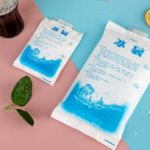
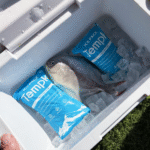
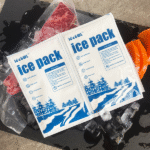
Pendinginan pasif: Sistem pasif menggunakan isolasi, es kering, bahan pengubah fasa dan paket gel untuk menyerap panas. Mereka sering digunakan untuk pengiriman jarak pendek atau mil terakhir di mana pendinginan mekanis tidak praktis. Misalnya, liner terisolasi dengan a 1:1 rasio es kering dan pint gelato dapat menjaga suhu aman untuk pengiriman satu hingga dua hari.
Solusi hibrida: Menggabungkan pendinginan aktif dengan media pendingin pasif meningkatkan ketahanan. Trailer berpendingin mungkin sudah didinginkan sebelumnya dan dilapisi dengan kemasan gel untuk melindungi produk sensitif selama bongkar muat.
Peraturan dan kepatuhan
AS. Undang-Undang Modernisasi Keamanan Pangan (FSMA) 204 aturan terakhir mengharuskan perusahaan yang memproduksi, proses, mengemas atau menyimpan makanan dalam Daftar Ketertelusuran Makanan untuk memelihara Elemen Data Utama dan memberikan catatan kepada FDA di dalamnya 24 jam. Aturan ini telah diusulkan untuk diterapkan pada bulan Juli 2028, namun membangun ketertelusuran digital kini membantu melindungi dari penarikan kembali dan denda. Aliansi Rantai Dingin Global merekomendasikan untuk menentukan batas suhu atas dan bawah secara numerik daripada menggunakan deskripsi yang tidak jelas seperti “beku”. Dengan mendokumentasikan rentang yang tepat dan menerapkan pemantauan waktu nyata, Anda dapat menunjukkan kepatuhan dan merespons penyimpangan dengan cepat.
Bagaimana IoT dan AI Mendorong Logistik Gelato Cerdas?
Logistik gelato modern tidak lagi bersifat manual atau reaktif. Internet Segalanya (IoT) sensor tertanam di truk, freezer dan zona gudang terus mengukur suhu, kelembaban, kejutan dan lokasi. Algoritma AI menganalisis data ini untuk memprediksi kegagalan peralatan, mengoptimalkan rute dan memperkirakan permintaan. Bersama, teknologi ini mengubah rantai dingin tradisional menjadi proaktif, sistem berbasis data. Mereka juga mendukung kepatuhan dengan menghasilkan catatan digital dan mengaktifkan peringatan real-time ketika kondisi menyimpang.
Pemantauan dan Peringatan Berkelanjutan
Perangkat IoT ditempatkan di lemari gelato, truk berpendingin dan fasilitas penyimpanan mengirimkan data waktu nyata ke platform cloud. Sensor suhu/kelembaban menangkap suhu permukaan, kelembaban dan guncangan selama transit; modul lokasi menyediakan posisi GPS dan cap waktu; algoritma pemeliharaan prediktif memantau kinerja komponen. Sensor ini menawarkan beberapa manfaat:
Visibilitas waktu nyata: Operator dapat melihat data suhu dan kelembapan sepanjang waktu dan melakukan intervensi sebelum pembusukan terjadi. Jika suhu berada di luar kisaran aman, peringatan otomatis memungkinkan tindakan korektif.
Peningkatan ketertelusuran: Modul GPS mencatat rute pengiriman dan stempel waktu, meningkatkan visibilitas mil terakhir dan mendukung optimalisasi rute.
Kepatuhan Pengaturan: Log data IoT memberikan bukti yang dibutuhkan oleh kerangka kerja FSMA dan GDP.
Pemeliharaan prediktif: Algoritma memprediksi kapan komponen pendingin mungkin rusak, mengurangi waktu henti dan memperpanjang umur peralatan.
Merchandise yang mendukung AI: Lemari freezer dilengkapi dengan pengambilan gambar dan AI melacak tingkat stok dan presentasi produk, meningkatkan perkiraan permintaan dan meningkatkan penjualan pada pukul 8–30 %.
Peramalan Berbasis AI dan Pengoptimalan Rute
AI mengubah rantai dingin dari proses reaktif menjadi strategi proaktif. Analisis data waktu nyata memberikan wawasan prediktif kepada operator dan peringatan dini sehingga mereka dapat mengambil tindakan sebelum masalah muncul. Misalnya, Rantai pasokan es krim Unilever memanfaatkan AI untuk menganalisis data cuaca dan pola penjualan secara keseluruhan 35 pabrik dan 3 juta lemari freezer di 60 negara. Di Swedia, AI meningkatkan akurasi perkiraan dengan 10 %. Data dari 100,000 Freezer berkemampuan AI meningkatkan pesanan ritel dan penjualan hingga 30 %. Sistem ini menyesuaikan volume produksi, mengalokasikan kembali stok selama gelombang panas dan mengurangi limbah bahan mentah hingga 10 %.
AI juga berkuasa optimalisasi rute. Analisis prediktif dapat memperkirakan kapan rute tertentu akan mengalami penundaan atau perubahan suhu karena cuaca atau lalu lintas. Petugas pengirim kemudian mengubah rute pengiriman atau mendinginkan peralatan terlebih dahulu. Dalam rantai dingin yang cerdas, algoritma menyeimbangkan faktor seperti waktu transit, konsumsi bahan bakar dan kinerja pendinginan untuk menghasilkan gelato secara efisien dan berkelanjutan.
Kembar Digital dan Simulasi Virtual
A kembaran digital adalah replika virtual gudang, armada truk atau seluruh rantai pasokan. Dengan menggabungkan data sensor real time dengan model virtual, perusahaan dapat mensimulasikan operasi dan mengidentifikasi hambatan. Pasar kembar digital diperkirakan akan tumbuh 30-40 tahun % setiap tahun, mencapai $125–150 miliar pada 2032. Manfaatnya meliputi:
Visibilitas ujung ke ujung: Kembaran digital memantau tingkat inventaris, rute transportasi dan aktivitas gudang secara real time.
Analisis prediktif: Hal ini memungkinkan skenario “bagaimana jika” untuk mengantisipasi gangguan seperti cuaca ekstrem atau kegagalan peralatan.
Kolaborasi: Pemangku kepentingan—termasuk pemasok, produsen dan penyedia logistik—mengakses data bersama untuk mengoordinasikan tindakan.
Optimalisasi energi: Simulasi kembaran digital membantu produsen es krim regional mengurangi konsumsi energi sebesar 10 % dan menurunkan pembusukan tahunan sebesar 12 %.
Dalam praktiknya, kembaran digital berintegrasi dengan perkiraan yang didukung AI. Misalnya, Unilever menggunakan AI untuk menganalisis data cuaca dan mensimulasikan skenario produksi dan distribusi di seluruh pasar. Integrasi ini membantu mempertahankan tingkat layanan, mengoptimalkan inventaris dan memastikan respons yang tangkas ketika permintaan melonjak.
Tabel Teknologi dan Manfaat IoT
| Teknologi IoT | Data diambil | Manfaat untuk operasi Anda |
| Sensor suhu/kelembaban | Suhu permukaan, kelembaban, guncangan selama transit | Mengirimkan peringatan ketika gelato berada di luar rentang aman dan memungkinkan intervensi cepat |
| Lokasi & Modul GPS | Posisi waktu nyata, stempel waktu dan rute pengiriman | Meningkatkan ketertelusuran dan optimalisasi rute; mendukung visibilitas mil terakhir |
| Algoritma pemeliharaan prediktif | Data kinerja komponen dan prediksi kegagalan | Mengurangi waktu henti yang tidak direncanakan dan biaya layanan; memperpanjang umur peralatan |
| Pengambilan gambar berkemampuan AI | Tingkat stok dan presentasi produk | Meningkatkan perkiraan permintaan dan merchandising; meningkatkan penjualan sebesar 8–30 % |
| Pemantauan ProAct™ & Hubungkan+ portal cloud | Data dari situs ritel dan kapal pengiriman | Memberikan wawasan gabungan dan pandangan holistik tentang rantai dingin Anda; menyederhanakan kepatuhan |
Kasus nyata: Pendinginan Bebas Diesel Fife Creamery
Keberlanjutan dan teknologi seringkali berjalan beriringan. Pabrik Krim Fife, pedagang grosir makanan Skotlandia, mengupgrade armadanya dengan engineless, sistem pendingin yang digerakkan oleh kompresor dan unit bertenaga inverter. Hasilnya sungguh dramatis: konsumsi bahan bakar turun ~200.000 liter per tahun, Emisi CO₂ turun 1,929 metrik ton, dan penghematan tahunan mencapai sekitar $427,280. Unit-unit baru juga ada 250 kg lebih ringan dari setara diesel, meningkatkan kapasitas muatan. Kasus ini menunjukkan bagaimana penerapan teknologi berkelanjutan dapat mengurangi biaya, mengurangi emisi dan meningkatkan kapasitas pengiriman secara bersamaan.
Mengapa Keberlanjutan Penting dalam Gelato Logistics?
Rantai dingin memerlukan banyak energi. Truk berpendingin sangat bergantung pada solar, dan gas pendingin dapat berkontribusi terhadap emisi gas rumah kaca. Dengan meningkatnya kekhawatiran terhadap perubahan iklim dan tuntutan konsumen terhadap produk-produk ramah lingkungan, keberlanjutan telah menjadi komponen inti logistik gelato. Teknologi dan material ramah lingkungan tidak hanya mengurangi dampak lingkungan tetapi juga meningkatkan efisiensi dan persepsi merek.
Refrigeran Ramah Lingkungan dan Efisiensi Energi
Banyak perusahaan yang beralih ke pendingin ramah lingkungan dengan potensi pemanasan global yang rendah (GWP). Refrigeran tradisional seperti hidrofluorokarbon (HFC) memerangkap panas di atmosfer; alternatif seperti amonia dan karbon dioksida tidak terlalu berbahaya. Bahan perubahan fase (PCMS) juga menyimpan dan melepaskan energi panas, mempertahankan suhu yang tepat dengan konsumsi energi yang lebih rendah.
Operator rantai dingin juga berinvestasi energi terbarukan sumber. Panel surya, turbin angin dan sistem pengereman regeneratif dapat memberi daya pada unit pendingin atau gudang, mengurangi ketergantungan pada bahan bakar fosil. Truk listrik dan kendaraan hibrida semakin mengurangi konsumsi bahan bakar dan emisi. Perbaikan infrastruktur—termasuk pasokan listrik yang andal dan peningkatan fasilitas penyimpanan berpendingin—mengatasi tantangan seperti kurangnya sistem pendingin dan memastikan kontrol suhu yang konsisten.
Pengemasan Berkelanjutan dan Pengurangan Limbah
Kemasan sekali pakai berkontribusi terhadap limbah dan degradasi lingkungan. Logistik gelato berkelanjutan mengadopsi bahan kemasan yang dapat digunakan kembali atau didaur ulang, seperti kotak terisolasi yang dapat terbiodegradasi, kemasan gel yang dapat didaur ulang dan penutup palet yang dapat digunakan kembali. Manajemen inventaris yang efisien dan pemantauan waktu nyata mengurangi pembusukan dan limbah makanan. Menurut Sensitech, menggunakan analisis data untuk mengoptimalkan rute, mengurangi waktu tunggu pengiriman dan menyempurnakan jadwal produksi, meminimalkan perubahan suhu dan pemborosan.
Penggerak Peraturan dan Konsumen
Konsumen semakin menuntut produk berkelanjutan. Lebih dari separuh konsumen global (55 %) lebih memilih makanan kemasan dengan klaim keberlanjutan. Negara-negara seperti Brasil, Meksiko dan India menunjukkan tingkat preferensi yang lebih tinggi. Investasi ekuitas swasta mengarahkan industri menuju inovasi teknologi dan berkelanjutan. Sementara itu, FSMA 204 dan peraturan global mewajibkan ketertelusuran dan keselamatan, mendorong perusahaan untuk mengadopsi praktik berkelanjutan dan transparan.
Tips Logistik Gelato Berkelanjutan
Mengadopsi refrigeran ramah lingkungan: Gantilah refrigeran dengan GWP tinggi dengan alternatif alami (amonia, Co₂) dan menggunakan bahan pengubah fasa untuk mengurangi konsumsi energi.
Gunakan energi terbarukan: Memasang panel surya di gudang, manfaatkan pengereman regeneratif dan pertimbangkan truk listrik atau hibrida untuk mengurangi emisi.
Mengurangi limbah kemasan: Menerapkan kemasan yang dapat digunakan kembali atau terurai secara hayati dan mendidik pelanggan tentang pembuangan yang benar.
Optimalkan kapasitas dan rute: Gunakan AI untuk mengkonsolidasi muatan dan mengurangi jarak tempuh kosong; menjadwalkan pengiriman di luar jam sibuk untuk meminimalkan konsumsi bahan bakar.
Terlibat dalam kemitraan strategis: Berkolaborasi dengan penyedia teknologi, regulator dan badan industri untuk mempercepat penerapan praktik berkelanjutan.
Tren Pasar Gelato dan Peluang Bisnis di 2025
Industri gelato sedang booming. Secara global, pasar gelato dihargai $27.39 miliar masuk 2025 dan diperkirakan akan tercapai $45.50 miliar oleh 2033. Di Amerika Serikat, pasar gelato bernilai sekitar $3.58 miliar masuk 2024 dan diproyeksikan untuk mencapai $5.04 miliar oleh 2033, mewakili tingkat pertumbuhan tahunan gabungan (CAGR) dari 4.2 %. Pertumbuhan ini didorong oleh permintaan terhadap makanan penutup artisanal dan premium, resep asli Italia, dan bahan-bahan alami. Lebih muda, Konsumen perkotaan dan sadar kesehatan menyukai gelato karena teksturnya yang padat, rasa otentik dan kecanggihan yang dirasakan. Pilihan gelato berbahan dasar tumbuhan dan gula rendah juga semakin populer, dengan segmen berbasis tanaman diperkirakan akan berkembang pada CAGR sebesar 6.3 %.
Pendorong Pertumbuhan Pasar
Keaslian dan positioning premium: Konsumen mengasosiasikan gelato dengan keahlian dan keaslian. Gelato berbahan dasar susu mendominasi AS. pasar dengan 87.2 % berbagi 2024, mencerminkan preferensi yang kuat terhadap resep tradisional.
Tren kesehatan dan kebugaran: Fokus pada makanan ringan yang seimbang telah mendorong permintaan akan gula rendah, gelato bebas susu dan vegan. Sekitar 65 % dari A.S.. konsumen lebih menyukai produk yang kurang manis, mendorong produsen untuk menggunakan pemanis alami dan bahan-bahan berlabel bersih.
Alternatif berbasis tanaman: Segmen gelato nabati diperkirakan akan tumbuh lebih cepat dibandingkan pasar secara keseluruhan, didorong oleh meningkatnya intoleransi laktosa, gaya hidup vegan dan masalah lingkungan.
Gelateria butik dan waralaba: Perluasan kedai gelato butik dan kafe waralaba di kota-kota besar meningkatkan aksesibilitas dan memperkuat visibilitas merek.
Inovasi teknologi: Freezer berkemampuan AI, kembaran digital dan analisis prediktif meningkatkan perkiraan permintaan dan efisiensi operasional. Data waktu nyata dari lemari pintar meningkatkan penjualan sebesar 8–30 %, menggambarkan laba atas investasi.
Tren yang Muncul untuk Diperhatikan
Integrasi blockchain dan kontrak pintar: Blockchain memastikan transparan, catatan yang tidak dapat diubah untuk bukti pengiriman, mengurangi perselisihan dan biaya pemrosesan.
Praktik logistik berkelanjutan: Adopsi refrigeran ramah lingkungan, truk listrik dan sumber energi terbarukan semakin cepat.
Otomatisasi di gudang: Otomatisasi mengatasi kekurangan tenaga kerja dan meningkatkan pemenuhan pesanan. Separuh dari seluruh gudang diperkirakan akan menggunakan robot bergerak otonom dalam dekade mendatang.
Kemitraan strategis: Kolaborasi antar penyedia logistik, perusahaan teknologi dan regulator sedang membentuk ekosistem rantai dingin yang terintegrasi.
Pemantauan investasi waktu nyata: Dunia usaha berinvestasi pada teknologi pemantauan real-time untuk mempertahankan rantai dingin yang tidak terputus dan mencegah pemborosan produk.
Adopsi kembaran digital: Simulasi virtual membantu mengoptimalkan penggunaan energi, merencanakan strategi darurat dan mengurangi pembusukan.
Implikasi Bisnis
Untuk produsen dan distributor, Tren ini berarti bahwa berinvestasi pada teknologi cerdas dan praktik berkelanjutan bukan lagi sebuah pilihan. Perusahaan yang mengadopsi perkiraan yang didukung AI, kembar digital dan pendingin ramah lingkungan mendapatkan keunggulan kompetitif dengan mengurangi limbah, memotong biaya dan meningkatkan kepuasan pelanggan. Gelateria butik harus memanfaatkan data inventaris waktu nyata untuk mengurangi kehabisan stok dan memaksimalkan penjualan. Produsen dapat melakukan diversifikasi ke formulasi nabati dan gula rendah untuk menarik konsumen yang sadar akan kesehatan. Penyedia logistik harus membentuk kemitraan strategis untuk mengakses teknologi mutakhir dan berbagi praktik terbaik.
Tips Praktis Penerapan Smart Gelato Logistics
Tentukan rentang suhu yang tepat: Dokumentasikan batas suhu atas dan bawah serta frekuensi pemantauan untuk setiap produk. Hindari deskripsi yang tidak jelas seperti “beku”—rentang yang tepat akan mengurangi ambiguitas.
Pra-dinginkan dengan cepat: Gunakan pendingin vakum atau pendingin ledakan untuk menghilangkan panas setelah produksi. Pendinginan yang cepat menghentikan pertumbuhan mikroba dan mengunci tekstur.
Gunakan penyimpanan multi suhu: Gudang modern sering kali memiliki zona deep freeze, rentang beku dan dingin. Tempatkan gelato di zona yang sesuai untuk menjaga kualitas.
Segel dan pra-pendinginan kendaraan: Truk berpendingin yang sudah didinginkan sebelumnya, memuat dengan cepat dan menutup pintu untuk mencegah fluktuasi suhu.
Berinvestasi pada sensor dan pencatatan data: Pemantauan waktu nyata mengurangi pembusukan dan mendukung kepatuhan terhadap peraturan. Lengkapi freezer, truk dan gudang dengan sensor suhu dan kelembaban.
Latih staf tentang sengatan panas: Ajari karyawan untuk membatasi waktu yang dihabiskan produk pada suhu sekitar dan menghindari membiarkan pintu freezer terbuka.
Pantau paket kecil: Pint lebih cepat panas dibandingkan wadah yang lebih besar; gunakan pencatat data untuk melacak riwayat suhu dan mendeteksi penyimpangan sejak dini.
Berkomunikasi dengan mitra ritel: Memberikan pedoman tentang suhu etalase, rotasi stok dan pemeriksaan peralatan.
Pilih media pendingin yang sesuai: Untuk pengiriman last mile, gunakan pelapis berinsulasi dengan es kering atau kemasan gel untuk menjaga suhu aman.
Manfaatkan analitik prediktif: Terapkan pembelajaran mesin pada data historis untuk mengantisipasi kegagalan peralatan atau perubahan suhu.
Menerapkan kembaran digital: Simulasikan operasi untuk mengoptimalkan rute, penggunaan energi dan staf.
Mengadopsi pendinginan berkelanjutan: Pertimbangkan sistem pendingin bebas diesel seperti yang digunakan oleh Fife Creamery untuk mengurangi konsumsi bahan bakar dan emisi.
Kasus dunia nyata: Sebuah perusahaan susu di pedesaan Missouri menggantikan truk terbuka dengan trailer berpendingin yang dilengkapi dengan pencatat data, mengurangi pembusukan oleh 15 % dan bertemu FSMA 204 persyaratan pencatatan. Contoh ini menunjukkan bagaimana peningkatan sederhana memberikan hasil yang terukur.
2025 Perkembangan dan Tren Terkini
Rantai dingin berkembang pesat. Berikut adalah beberapa di antaranya kemajuan terbaru yang membentuk logistik gelato yang dikontrol suhu di 2025:
Kemajuan terbaru
Freezer berkemampuan AI: Unilever meluncurkan freezer yang mendukung AI 100,000 lemari memberikan wawasan stok waktu nyata dan meningkatkan penjualan sebesar 8–30 %.
Adopsi kembaran digital: Semakin banyak perusahaan yang membuat replika digital gudang dan armada, memungkinkan analisis skenario dan optimalisasi energi.
Kontrak pintar dan blockchain: Integrasi teknologi blockchain dalam logistik rantai dingin memfasilitasi pencatatan yang transparan dan tidak dapat diubah sebagai bukti pengiriman.
Refrigeran dan PCM ramah lingkungan: Penggunaan bahan pendingin alami dan bahan pengubah fasa mengurangi dampak lingkungan dan meningkatkan efisiensi termal.
Otomasi dan robotika: Gudang menerapkan robot bergerak otonom serta sistem penyimpanan dan pengambilan otomatis untuk mengatasi kekurangan tenaga kerja dan meningkatkan akurasi pesanan.
Kemitraan strategis: Kolaborasi antar penyedia logistik, perusahaan teknologi dan regulator (MISALNYA., AR Racking dengan Aliansi Rantai Dingin Global) mempromosikan rantai dingin terintegrasi.
Armada yang berkelanjutan: Perusahaan seperti Fife Creamery mengadopsi pendinginan tanpa mesin, mengurangi konsumsi bahan bakar dan emisi.
Pandangan Pasar
Pasar gelato diperkirakan akan terus bertumbuh karena meningkatnya permintaan akan makanan penutup premium dan pilihan yang sadar akan kesehatan. Asia Pasifik diperkirakan akan mendorong pertumbuhan global, dengan pasar rantai dingin diproyeksikan akan berkembang $142.71 miliar masuk 2023 ke $215.43 miliar oleh 2028. Amerika Latin juga berada di persimpangan ekonomi, dengan peluang untuk perluasan rantai dingin meskipun terjadi inflasi dan tingkat suku bunga yang lebih tinggi. Untuk memanfaatkan peluang ini, produsen gelato harus berinvestasi pada fasilitas produksi yang fleksibel, alat digital dan logistik berkelanjutan.
Pertanyaan yang sering diajukan
Pada suhu berapa gelato sebaiknya disimpan di etalase ritel?
Gelato biasanya ditampilkan pada suhu –8 °F (–22 °C) dengan rak paling atas tidak lebih hangat dari –4 °F (–20 °C) untuk memastikan kemudahan pengambilan sekaligus mencegah freezer burn. Pengaturan yang lebih hangat ini membedakan gelato dari es krim tradisional, yang sering disimpan pada suhu –18 °F.
Apa perbedaan gelato dengan es krim dalam hal persyaratan rantai dingin?
Gelato mengandung lebih sedikit lemak mentega dan lebih banyak air dibandingkan es krim, jadi membeku pada suhu yang sedikit lebih tinggi. Gelato biasanya disimpan dan disajikan sekitar 0–5 °F (–18 °C hingga –15 °C), sedangkan es krim tradisional disimpan pada suhu –18 °F di gudang dan diangkut pada suhu –13 °F. Fluktuasi suhu sekecil apa pun dapat merusak tekstur gelato.
Teknologi apa yang meningkatkan visibilitas dalam logistik gelato?
Sensor IoT mengukur suhu, kelembaban dan lokasi; AI menganalisis data untuk memprediksi kegagalan dan mengoptimalkan rute; kembar digital mensimulasikan operasi untuk perencanaan kontinjensi.
Dapatkah pendinginan berkelanjutan mengurangi biaya?
Ya. Penerapan pendinginan bebas diesel oleh Fife Creamery mengurangi konsumsi bahan bakar sekitar 200,000 liter dan emisi CO₂ sebesar 1,929 metrik ton sambil menghemat sekitar $427,280 setiap tahun. Sistem yang berkelanjutan sering kali meningkatkan efisiensi dan kapasitas muatan.
Peluang pasar apa yang ada untuk gelato nabati?
Segmen gelato nabati diproyeksikan tumbuh pada CAGR sebesar 6.3 % dari 2025 ke 2033. Konsumen yang mencari produk bebas susu, makanan penutup vegan dan bebas alergen mendorong pertumbuhan ini. Menawarkan pilihan nabati dapat menarik pelanggan yang sadar kesehatan dan sadar lingkungan.
Ringkasan dan Rekomendasi
Logistik cerdas gelato yang dikontrol suhu mengintegrasikan kontrol suhu yang tepat, Pemantauan IoT, Analisis AI dan praktik berkelanjutan untuk melindungi kualitas produk dan mengurangi limbah. Mempertahankan kisaran suhu dari –35 °C selama pengerasan hingga –18 °C dalam penyimpanan dan –22 °C dalam etalase sangat penting. Sensor IoT dan AI memberikan visibilitas waktu nyata, pemeliharaan prediktif dan peramalan yang akurat, sementara digital twins memungkinkan simulasi dan optimalisasi energi. Pendinginan berkelanjutan dan pengemasan ramah lingkungan mengurangi emisi dan menghemat biaya. Pasar gelato berkembang pesat, didorong oleh permintaan akan premi, makanan penutup asli dan nabati. Berinvestasi dalam teknologi pintar, praktik berkelanjutan dan operasi berbasis data akan membantu Anda tetap kompetitif di pasar yang dinamis ini.
Rencana aksi
Nilai rantai dingin Anda saat ini: Dokumentasikan rentang suhu dan pantau kinerja peralatan. Identifikasi kesenjangan dalam ketertelusuran dan kepatuhan.
Menerapkan sensor IoT: Lengkapi truk, gudang dan lemari dengan sensor untuk mengumpulkan suhu, data kelembaban dan lokasi.
Mengadopsi alat AI: Gunakan analitik prediktif untuk memperkirakan, optimasi rute dan penjadwalan pemeliharaan.
Kembangkan kembaran digital: Buat model virtual rantai pasokan Anda untuk menyimulasikan skenario dan mengoptimalkan operasi.
Transisi ke pendinginan berkelanjutan: Ganti refrigeran GWP tinggi dan pertimbangkan sistem bebas diesel.
Perluas penawaran produk: Jelajahi gelato berbahan dasar tumbuhan dan gula rendah untuk memenuhi preferensi konsumen yang terus berkembang.
Latih tim Anda: Berikan pendidikan tentang sengatan panas, penanganan yang tepat dan pengambilan keputusan berdasarkan data.
Berkolaborasi dengan mitra: Bergabunglah dengan aliansi industri dan bekerja sama dengan penyedia teknologi untuk berbagi pengetahuan dan sumber daya.
Komunikasikan keberlanjutan: Soroti praktik dan sertifikasi ramah lingkungan Anda untuk menarik konsumen yang sadar.
Pantau kinerja: Gunakan dasbor dan analitik untuk melacak KPI, menyesuaikan strategi dan terus meningkatkan.
Tentang tempk
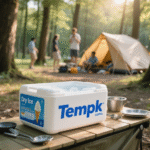
Tempk berspesialisasi dalam solusi rantai dingin yang menggabungkan kemasan yang dapat digunakan kembali, kotak terisolasi dan sensor pintar. Kami menawarkan kontrol suhu yang tepat dan pemantauan real-time untuk gelato, es krim, obat-obatan dan barang sensitif lainnya. Produk kami menggunakan refrigeran ramah lingkungan, isolasi efisiensi tinggi dan konektivitas IoT untuk menjaga barang dalam rentang yang tervalidasi dan mengurangi limbah. Dengan puluhan tahun R&Pengalaman D dan sertifikasi Sedex, kami mendukung klien dalam memenuhi persyaratan peraturan dan tujuan keberlanjutan. Baik Anda pemilik gelateria kecil atau produsen multinasional, kami menyediakan alat yang Anda perlukan untuk membangun ketahanan, rantai dingin hemat energi.
Panggilan untuk bertindak: Siap memodernisasi logistik gelato Anda? Hubungi kami hari ini untuk mendiskusikan pengemasan cerdas, Sensor IoT dan solusi rantai dingin khusus yang melindungi produk Anda dan memuaskan pelanggan Anda.