Ice cream is one of the most temperature sensitive foods on earth. To ship it across vast Canadian distances without melting or freezer burn, you need a plan. Panduan ini menunjukkan how to achieve perfect temperature controlled ice cream delivery in Canada using proven science and the newest cold chain technologies. In Canada’s cold chain logistics market – valued at USD 6.09 miliar masuk 2025 dan diproyeksikan mencapai USD 7.44 miliar oleh 2030 – keeping frozen treats intact is both a science and a competitive advantage. You’ll learn why stability matters, what temperatures to maintain at every stage and how smart tools and sustainable packaging reduce cost and carbon. Everything is explained in plain language, with data-backed recommendations.
Panduan Ini Akan Membantu Anda:
Understand why temperature control matters for ice cream quality and safety, including the science behind ice crystals and recommended temperature ranges.
Pilih metode pendinginan yang tepat – active or passive – and packaging materials for different Canadian shipping scenarios.
Adopt digital tools seperti sensor IoT, AI route optimisation and blockchain to monitor and improve your ice cream cold chain.
Navigasi 2025 market trends and regulations impacting Canada’s cold chain, from low GWP refrigerants to labour shortages.
Apply real world tips untuk mengurangi pembusukan, satisfy customers and grow your ice cream business.
Why Temperature Controlled Ice Cream Delivery Matters in Canada
Jawaban Langsung
Ice cream is mostly water – about 60 70 % of its weight. At serving temperature (5 °F sampai 0 ° f) 8085 % sebagian airnya tetap beku, which keeps the texture creamy. Any fluctuation causes large ice crystals, gritty texture and microbial risk. Proper control can extend shelf life to 12 24 months for ice cream and 6–9 bulan for novelties. Maintaining stable temperatures at each stage of production, penyimpanan, transport and sale preserves quality, reduces waste and meets safety standards.
Penjelasan yang diperluas
You might think cold weather alone is enough, but Canada’s vast geography, variable climate and long supply chains create challenges. Ice cream is an emulsion of air, gula, fats and proteins with stabilizers; water makes up the majority. Selama produksi, produsen harden the mixture in a ventilated tunnel around 31 ° f (−35 °C) and quickly cool it below 5 ° f (−15 °C) to freeze water and prevent ice crystals. Setelah mengeras, it should be kept around −18 °F with swings no greater than ±3 °F. Larger swings cause heat shock, a cycle of melting and refreezing that produces large crystals and ruins texture. Small packages warm faster than bulk containers, so pints and novelties are especially vulnerable.
Canadian distances complicate matters. During transit from manufacturing plants in central Canada to consumers in remote areas, temperatures can vary widely. Tanpa pendinginan yang tepat, a short lapse during a rail transfer or last mile delivery can push product above the critical 13 °F threshold, causing irreversible damage. That’s why modern ice cream logistics treat temperature like a continuous relay – each handoff must stay within a narrow band to deliver the same creamy scoop across provinces.
Recommended Temperature Ranges Across the Cold Chain
| Panggung | Suhu yang Direkomendasikan | Alasan | Apa Artinya Bagi Bisnis Anda |
| Pengerasan & Produksi | Terowongan berventilasi di bawah 31 °F followed by cooling below 5 ° f | Rapid freezing prevents ice crystal growth | Harden quickly; delays or warmer temperatures cause crystals |
| Keluar dari Pabrikan | Sekitar 5 ° f | Enables filling and packaging while minimizing crystal growth | Align schedules so ice cream leaves the facility cold; memantau waktu transit |
| Transportasi ke Gudang | Udara ≤ 13 °F and product ≤ 4 ° f | Ensures product never exceeds the maximum allowable temperature during transit | Gunakan truk berpendingin; memverifikasi bukaan pintu, defrost cycles and ambient heat loads don’t raise temperature |
| Short Term Cold Storage | Around −18 °F | Memperlambat pertumbuhan kristal dan mempertahankan tekstur dan rasa | Set cold storage lockers accordingly and calibrate equipment |
| Tampilan Ritel | ±8 °F and top racks no warmer than 4 ° f | Slightly warmer to enhance scoopability without freezer burn | Train staff to stock freezers properly; monitor display case temperatures |
| Tempat Penjualan & Rumah | Idealnya 0 °F atau lebih rendah | Maintains frozen state through the last mile and into customer freezers | Gunakan kemasan berinsulasi dan petunjuk penanganan yang jelas; pertimbangkan es kering atau paket gel |
Tips dan nasihat praktis
Kalibrasi peralatan secara teratur: Confirm that hardening tunnels, truk berpendingin dan unit penyimpanan dingin memenuhi kisaran suhu yang disarankan. Even small deviations can degrade texture.
Train your team on heat shock: During loading and unloading, limit exposure to ambient air; avoid leaving freezer doors open.
Pantau paket kecil: Pints and novelties warm quickly. Use sensors or data loggers to track temperature history and catch deviations early.
Berkomunikasi dengan mitra ritel: Provide clear guidelines on display-case temperatures and stock rotation to ensure consistent quality.
Kasus Dunia Nyata: A 2015 industry white paper found that maintaining ice cream below 13 °F during distribution and never warmer than 4 °F at any point prevents irreversible texture damage. Companies following these standards report fewer customer complaints and longer shelf life.
Which Cooling Methods Work Best for Temperature Controlled Ice Cream Delivery in Canada?
Jawaban Langsung
Active refrigeration systems, seperti truk yang didinginkan, reefers and air freight compartments, maintain a controlled environment using mechanical cooling. They provide continuous temperature control and are ideal for long distances and high value shipments, but come with higher capital costs and fuel use. Sistem pasif rely on insulation materials (EPS, panel terisolasi vakum, recyclable fibers) combined with refrigerants like dry ice or gel packs. They offer lower energy use and cost for small loads, but have limited cooling duration and require careful coolant calculations. Many Canadian ice cream businesses use a hybrid approach: active systems for cross province shipments and passive packaging for local delivery.
Penjelasan yang diperluas
Active shipping keeps ice cream below 13 °F throughout long journeys. Unit pendingin transportasi modern (TRU) menjadi lebih bersih dan efisien. Some units have electric standby capability, allowing them to plug into an external power source to reduce fuel use and emissions. Telematics integration enables operators to monitor temperature, bukaan pintu dan status mesin dari jarak jauh, ensuring quick response to deviations.
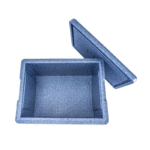
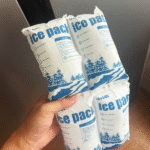
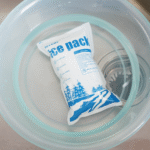
Passive shipping is often used for e commerce and last mile deliveries. Insulated box liners paired with refrigerants keep ice cream cold without mechanical cooling. For one to two day shipping, A 1:1 dry ice to ice cream weight ratio adalah tipikal, while two to three day shipments may require 1.5:1. Premium ice cream should stay at −5 °F to −10 °F throughout shipping; any warmer and ice crystals form, ruining texture. Gel packs designed for dairy products provide gradual temperature change, preventing temperature shock.
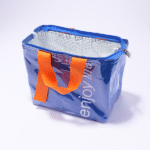
Choosing between active and passive methods depends on shipment size, jarak, tujuan biaya dan lingkungan. Local deliveries within a city like Toronto may succeed with reusable insulated bags and frozen gel packs, whereas shipping from Vancouver to Halifax demands reefers with electric standby and telematics. In Canada’s northern territories, robust insulation and extra coolant are required for long distances with limited infrastructure.
Aktif vs. Solusi Pendinginan Pasif
| Metode pendinginan | Cara Kerjanya | Skenario yang Cocok | Dampak pada Operasi Anda |
| Pendinginan Aktif | Menggunakan unit pendingin mekanis untuk mempertahankan suhu yang disetel di dalam kendaraan atau kontainer | Long haul or international shipments requiring strict control | Ensures continuous cooling; higher capital and fuel costs; berinvestasi pada TRU hemat energi dengan sistem siaga listrik |
| Isolasi Pasif & Es kering | Utilizes high performance insulation (EPS, VIP, recyclable fibers) and refrigerants like dry ice or gel packs | Direct to consumer deliveries, last mile shipments, pesanan kecil | Lower energy consumption and cost; durasi terbatas; requires correct ratio of coolant and compliance with dry ice regulations |
| Sistem Hibrid | Combines passive insulation with onboard refrigeration units or battery backup | Multi modal transport, long trips with sensitive cargo | Memberikan redundansi; reduces risk during power loss; adds complexity and cost |
Tip Pengemasan Praktis
Choose ultra low temperature materials: Premium ice cream shipping needs materials that maintain −5 °F to −10 °F. Use thermal mass materials that absorb heat slowly to avoid temperature spikes.
Seal packages properly: Watertight and airtight packaging prevents freezer burn. Vacuum seal each unit and wrap with bubble wrap before placing it in an insulated container.
Use correct coolant quantities: Plan for worst case transit times and seasonal variations. Underestimating coolant leads to thawing; overestimating drives up cost and can rupture packaging.
Ensure ventilation for dry ice: Dry ice sublimates to carbon dioxide gas; pack it in a container that allows some airflow to prevent pressure buildup.
Select durable insulation: Materials like vacuum insulated panels or reusable fibres improve thermal performance and reduce waste. Consider standardizing box sizes to optimize cube utilization and shipping costs.
Kasus Dunia Nyata: Direct to consumer brands shipping frozen dairy in Canada use a combination of es kering dan paket gel. They vacuum seal pints, wrap them in bubble wrap, pack them into high performance insulated liners and surround them with the appropriate amount of dry ice. Dengan kemasan yang tepat, premium ice cream arrives in perfect condition even after a cross country flight.
How Digital Tools Transform Temperature Controlled Ice Cream Delivery
Smart Sensors and IoT Adoption
Sensor pintar memonitor suhu, kelembaban, getaran dan lokasi secara real time. Oleh 2026, 25 % kontainer pengiriman akan dilengkapi dengan perangkat IoT, up from around 4 % di dalam 2023. Smart reefer containers are expected to grow sixfold to more than 10 juta unit dalam waktu lima tahun. Untuk es krim, this means far better visibility: sensors send alerts when temperatures deviate, memungkinkan intervensi cepat untuk mencegah pembusukan. Tips:
Choose equipment with built in sensors and cloud dashboards. Look for vendors whose hardware integrates with your fleet management system.
Ensure reliable connectivity. Use satellite, cellular and 5G networks to maintain data flow even in remote Canadian regions.
Train staff to interpret alerts. Establish protocols for responding to temperature excursions and system failures.
AI Driven Route Optimisation and Predictive Analytics
Kecerdasan buatan menganalisis lalu lintas, weather and demand data to create efficient routes. Studies show AI route optimisation can cut fuel usage by up to 15 % dan meningkatkan efisiensi armada dengan 20 %. AI algorithms also monitor equipment data to predict failures before they happen and can forecast demand and temperature deviations using models like ARIMA and multiple linear regression. For your ice cream business, AI offers:
Lower transportation costs and emissions. Smarter routing reduces miles travelled and idle time, menurunkan konsumsi bahan bakar.
Pemeliharaan prediktif. Monitor reefer performance and schedule service before breakdowns occur.
Perkiraan permintaan. Align production and inventory with weather patterns and sales trends, reducing overstock and waste.
Blockchain untuk Ketertelusuran dan Kepatuhan
Blockchain creates a tamper proof ledger that records every transaction and environmental condition. Jika dikombinasikan dengan sensor IoT, blockchain ensures that temperature readings, location data and handling events are instantly recorded and shared. Manfaatnya meliputi:
Simplified audits and dispute resolution. Regulators can trace a product’s journey to verify compliance.
Transparansi yang ditingkatkan. Produsen, logistics providers and retailers share trusted data, reducing fraud and counterfeit risk.
Faster recall management. Traceability helps identify affected lots quickly and remove them from distribution.
Advanced Refrigeration & Kemasan Cerdas
Inovasi seperti magnetic refrigeration offer energy savings of 20–30 % compared with traditional compressors and can cut overall energy use and greenhouse gas emissions by up to 60 %. Magnetic refrigeration is projected to grow from US$0.51 billion in 2024 menjadi US$9,40 miliar pada 2032. Unit penyimpanan dingin bertenaga surya provide stable temperature control with minimal grid reliance and can cost as little as 3.2 sen per kilowatt jam. Kemasan cerdas dengan RFID tags or colour changing sensors indicates when temperature conditions are breached, while reusable cold-chain packaging is set to grow from masuknya US$4,97 miliar 2025 menjadi US$9,13 miliar pada 2034.
Contoh Dunia Nyata: Unilever’s AI Enabled Ice Cream Supply Chain
Unilever, one of the world’s largest ice cream producers, leverages AI to analyse weather data and produce accurate volume forecasts, mengurangi limbah. The company uses AI in freezer cabinets for real time inventory updates and in factories for efficient production. Despite adoption, final mile visibility remains challenging due to the fragmented mix of carriers. Tentang 10 % of Unilever’s ice cream warehouses are fully automated “dark” facilities, and the company plans to increase this percentage. These facilities use automation and drones for stock management, allowing operations without human exposure to extreme cold and reducing labour shortages.
Navigating Canada’s Cold Chain Market and 2025 Tren
The cold chain market in Canada is growing steadily. Menurut Intelijen Mordor, the market size is USD 6.09 miliar masuk 2025 dan diperkirakan akan tercapai USD 7.44 miliar oleh 2030 dengan a CAGR dari 4.08 %. This growth underscores federal infrastructure funding, refrigerant phase out mandates and biomanufacturing investments reshaping temperature controlled supply chains.
Key Drivers Shaping Canada’s Cold Chain
Demand for perishable foods and pharmaceuticals: Rising consumption of fresh meal kits and biologics increases cold storage requirements. Frozen applications represented 42 % of the cold chain market in 2024, and value added services like repacking are projected to grow at 4.11 % CAGR. Biomanufacturing investments, such as OmniaBio’s USD 428 million facility, demand ultra low temperature shipping lanes.
Infrastructure expansion and digital visibility: National Trade Corridors Fund grants totalling more than USD 3 billion are widening rail loops, dredging Atlantic berths and digitizing yard operations. Digital visibility projects funded by Transport Canada ease chronic pinch points and accelerate data sharing.
Regulatory transition to low GWP refrigerants: The Kigali amendment and Canadian policies require a phasedown of high GWP refrigerants, prompting equipment upgrades. Adoption of natural refrigerants and energy efficient systems reduces emissions and qualifies for tax incentives.
Life sciences demand surge: Facilities like Moderna’s Laval mRNA site highlight a shift to domestic biomanufacturing requiring shipping lanes at −80 °C hingga −20 °C. These lanes open premium revenue streams for certified 3PLs and require validated packaging.
Tantangan: Belanja modal, Labour and Compliance
High energy and infrastructure capital costs: Automated cold stores can exceed USD 500 per cubic metre. Though tax rebates exist for natural refrigerants, returns take years, discouraging small operators.
Labour shortages and training gaps: Transport Canada projects a 10,000-driver shortfall in 2025 for specialized reefer lanes. Additional food-safety certifications lengthen training; new automation can help but requires skilled technicians.
Grid reliability in northern regions: Power outages in remote areas disrupt refrigeration and lead to spoilage. Solutions include renewable microgrids and backup generators.
Regulatory and Sustainability Pressures
Canadian operators must comply with stricter global regulations:
Undang-Undang Modernisasi Keamanan Pangan (FSMA) aturan ketertelusuran: Demands end-to-end record keeping for high-risk foods.
EU Digital Product Passport and Import Control System 2: Requires detailed product information and advanced shipping data.
Low-GWP refrigerant phase-out: The Kigali amendment phases down hydrofluorocarbons, compelling adoption of natural refrigerants and energy-efficient systems.
Eco-conscious consumers also expect sustainable practices. The cold-chain packaging market is projected to grow from masuknya US$34,28 miliar 2024 to US$89.84 billion by 2034. Reusable packaging and renewable energy powered refrigeration help reduce carbon footprints. Companies like Yotuh Energy are developing electric refrigeration systems that reach −25 °C in 30 menit, cutting energy use.
2025 dan seterusnya: Tren yang Muncul & Inovasi
Ikhtisar Tren
Pasar rantai dingin global sedang melonjak. Analysts project values ranging from US$454 miliar menjadi US$776 miliar pada 2029, and some estimates exceed US$1.2 trillion by 2033. This growth is fuelled by e-commerce expansion, plant-based foods, vaksin dan biologi. With more shipments crossing continents, cold chains must operate like a relay race – each handoff must maintain the correct temperature.
Sekilas Kemajuan Terbaru
IoT and Sensor Proliferation: Oleh 2026, 25 % of containers will be IoT-enabled. Smart reefers and global IoT connections (>40 billion devices by 2034) require carriers to manage big data.
Optimasi Rute AI: AI can cut fuel use by 15 % and increase fleet efficiency by 20 %. Expect integration of predictive models to forecast demand and pre-empt equipment failures.
Ketertelusuran Blockchain: Real-world trials show blockchain simplifies audits and provides tamper-proof temperature records.
Magnetic Refrigeration and Renewable Energy: Magnetic systems, 20–30 % more efficient than traditional compressors, could cut energy use and emissions by up to 60 %. Solar-powered cold storage and electric trucks with AI route optimisation further reduce carbon footprints.
Smart and Sustainable Packaging: The cold-chain packaging market is projected to grow at 11.3 % CAGR with new materials like vacuum insulated panels, seaweed-based bioplastics and reuse systems. Smart packaging uses RFID tags and colour-changing sensors to signal temperature breaches.
Wawasan pasar
The Canadian cold chain sector sees similar innovation trajectories. Federal grants support digital visibility projects and rail-port upgrades, while provincial programmes fund renewable microgrids for remote refrigeration. Itu transition to low-GWP refrigerants accelerates equipment upgrades, and companies are investing in automated “dark” warehouses to offset labour shortages. Consumer demand for plant-based and functional ice cream (MISALNYA., protein-enriched or low-sugar) drives diversification, requiring packaging that handles multiple temperature zones.
Pertanyaan yang sering diajukan (FAQ)
Pertanyaan 1: What temperature should ice cream be kept at during shipping?
Ice cream should remain below 13 ° f (−10.6 °C) throughout shipping. Premium ice cream benefits from even colder conditions, sekitar −5 °F to −10 °F. Staying below these ranges prevents large ice crystals and preserves texture.
Pertanyaan 2: Which cooling agents are best for ice cream shipments in Canada?
Untuk jarak jauh, es kering paling efektif. A typical ratio is 1:1 dry ice to ice cream by weight for one to two-day shipments, Dan 1.5:1 untuk durasi yang lebih lama. Gel packs can be used as supplements and for shorter routes.
Pertanyaan 3: How can small ice cream brands afford advanced cold-chain technology?
Start with passive insulation and gel packs for local deliveries, then adopt IoT sensors that integrate with your mobile device for basic monitoring. Platforms offering pay-per-use telematics make real-time tracking affordable. Joining a shared cold storage hub can reduce capital costs and provide access to energy-efficient facilities.
Pertanyaan 4: What regulations apply to ice cream shipping in Canada?
Shipments must comply with food safety regulations such as FSMA traceability aturan. Canada’s transition to refrigeran dengan GWP rendah requires equipment upgrades. Carriers must also adhere to dry ice quantity limits and labelling requirements.
Pertanyaan 5: How does AI improve ice cream delivery?
AI menganalisis cuaca, traffic and demand to optimise routes, reducing fuel use by up to 15 % and improving efficiency by 20 %. It also predicts equipment failures and forecasts demand, ensuring production aligns with sales.
Ringkasan & Rekomendasi
Kunci takeaways
Stability is critical: Ice cream contains over 60 % air, and even small temperature fluctuations cause texture loss. Maintain temperatures below 13 °F throughout the cold chain and use proper hardening, transport and storage protocols.
Select cooling methods wisely: Active systems offer precise control for long haul shipments, while passive insulation paired with dry ice suits local deliveries. Proper coolant ratios and packaging materials help maintain ultra-low temperatures.
Adopt digital tools: Sensor IoT, AI route optimisation and blockchain enhance visibility, reduce fuel costs and ensure compliance. Predictive analytics help you schedule maintenance and forecast demand.
Monitor market and regulatory trends: Canada’s cold chain market is expanding; investasi di bidang infrastruktur, low-GWP refrigerants and digital visibility are reshaping logistics. Companies embracing automation and renewable energy will gain a competitive edge.
Prioritize sustainability and compliance: Magnetic refrigeration, solar-powered cold storage and reusable packaging cut emissions and operational costs. Comply with FSMA and other regulations by recording and sharing temperature data via IoT and blockchain.
Rencana aksi
Audit rantai dingin Anda saat ini: Measure temperature performance at each stage. Use data loggers to identify heat-shock points and adjust processes accordingly.
Berinvestasilah dalam kemasan: Adopt high-performance insulated liners and standardized box sizes. Calculate coolant requirements based on transit time and seasonal conditions.
Adopt smart technology: Start with affordable IoT sensors. Integrate AI-driven route optimisation to reduce fuel consumption and deliver faster.
Tetap patuh dan berkelanjutan: Plan upgrades to low-GWP refrigerants and explore renewable-powered refrigeration. Implement blockchain or other secure systems for traceability.
Engage your team and partners: Provide training on heat-shock prevention and packaging protocols. Share guidelines with retail partners to maintain display temperatures. Encourage feedback and continuous improvement.
Tentang tempk
Tempk is a leading provider of temperature-controlled logistics solutions. Kami merancang dan memproduksi kotak terisolasi, kemasan yang dapat digunakan kembali, phase-change materials and IoT-enabled monitoring systems for food and pharmaceutical industries. R&D centres develop eco-friendly cold-chain products that are reusable and recyclable. Dengan fokus quality assurance and Sedex-certified ethical practices, kami membantu pelanggan menjaga integritas produk, mematuhi peraturan dan mengurangi limbah. Contact us to design a custom solution for your ice cream delivery needs.
Panggilan untuk bertindak: Ready to deliver ice cream across Canada without melting? Contact Tempk for a tailored cold-chain solution and explore our temperature-management tools.