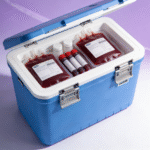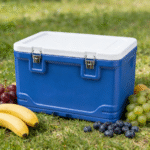
Terbaik insulated box producer ice cream strategy combines four things: clear temperature targets, realistic route validation, practical compliance, and a sourcing plan that still works when volumes rise or seasons change. You do not need the biggest insulated shipper on the market. You need the right system for the actual lane, actual payload, and actual handling conditions. This optimized guide merges the strongest buyer advice, technical logic, Dan 2026 market direction so you can choose packaging with fewer surprises and better long-term value.
Artikel ini menjawabnya:
• How to write a smarter specification for direct-to-consumer ice cream box procurement
• Bagaimana menyeimbangkan kinerja, kepatuhan, dan total biaya
• Which supplier capabilities protect quality when routes or seasons shift
• How to build a future-ready packaging program with fewer compromises
How do you write the right specification for insulated box producer for ice cream?
The strongest packaging programs begin with a specification that connects temperature, waktu, muatan, dan rute. You want to state the target condition, the nominal transit time, the delay margin, the product configuration, and any special controls such as food-safe materials, dry-ice handling rules when used, and clear receiving and storage instructions. When buyers skip this step, supplier quotes become hard to compare because each design is solving a slightly different problem. A good brief makes the decision faster and usually leads to a leaner package.
Write the spec so operations can use it later. That means including pack-out logic, not only desired results. Which coolant is used? How is it conditioned? Which inserts are fixed? Where is the logger placed if one is used? When the specification is practical, the qualified design is much easier to repeat on a busy floor. This is the point where good procurement starts reducing total cost instead of only negotiating unit price.
Which ice cream insulated shipping box variables should never stay vague?
Never leave the temperature band, durasi rute, or allowed buffer undefined. Also define the payload mass range, packaging orientation if it matters, and whether the shipment faces hot docks, wet handling, or weekend receiving delays. These details often matter more than changing from one insulation family to another because they shape the pack-out rule the supplier has to design around.
| Selection Checkpoint | Praktik terbaik | Tanda Peringatan | Hasil untuk Anda |
| Spesifikasi | Write temperature, lamanya, muatan, and route into the brief | Buying from a vague temperature-control claim | You compare real options instead of marketing language. |
| Validasi | Test the actual pack-out with realistic seasonal exposure | Using data from a different payload or lane | You reduce the chance of costly surprises in live shipments. |
| Operasi | Choose a design the packing team can repeat under pressure | A system that works only when a specialist assembles it | You get stable performance at scale, not just in a trial. |
| Sumber | Review capacity, daya tanggap, and redesign support | Treating packaging as a one-time purchase | You build a program that can survive growth, musiman, and product changes. |
Tips Praktis untuk Pembeli
• Define the problem in route terms before you review materials.
• Separate stable lanes from worst-case lanes so one specification does not become oversized for everything.
• Include operating details that affect repeatability, not just the target end temperature.
A real-world example: one ice cream team improved results after it stopped buying one generic insulated box for every shipment. By separating lanes and defining a tighter spec for pint packs, it removed excess packaging on easier routes and protected the high-risk routes more reliably.
Bagaimana Anda menyeimbangkan kinerja, kepatuhan, dan total biaya?
The cheapest box is rarely the lowest-cost system once claims, mengemas ulang, excess coolant, and freight are included. Pada saat yang sama, the heaviest or most complex design is not automatically the safest choice. The goal is to find the point where the shipper protects the route, satisfies the compliance needs, and removes unnecessary material or labor. That balance is what separates a practical packaging program from a defensive overpack.
In buyer terms, total cost is the result of several linked decisions: ukuran kotak, refrigerant amount, waktu perakitan, kubus barang, reject rate, dan ketanggapan pemasok. If your business ships multiple SKU types, a small validated family often beats a single universal shipper because it reduces dead space and improves consistency. If your sector is highly sensitive, the savings may instead come from fewer claims and fewer emergency replacements. Apa pun yang terjadi, cost control improves when the design is matched to actual risk rather than to habit.
What does a strong frozen dessert cold chain packaging cost review include?
It includes packaging cost, refrigerant cost, freight impact, waktu kerja, disposal or recovery implications, and the cost of failure. Many teams miss the last category because it is less visible in a quote sheet. But one rejected shipment, one cleanup event, or one spoiled order can wipe out the apparent savings from a cheaper carton choice.
Tips Praktis untuk Pembeli
• Measure failure cost and freight effect alongside carton price during supplier comparison.
• Use right-sized validated formats before you add more coolant to an oversized design.
• Match compliance controls to the actual product risk so you are not underpacking or overpacking blindly.
A real-world example: another program changed very little about the outer carton but improved internal fit, refrigerant placement, and pack-out discipline. That simple redesign produced better consistency because the thermal system started working the same way on every shift.
How should you validate and operate a future-ready insulated box producer ice cream program?
Validation should prove the design in the same condition your team will actually use it. That means the real product load, the real coolant preparation, and the toughest realistic lane. A qualification file is valuable only if the production floor can reproduce the tested pack-out. That is why training, visual work instructions, and receiving checks matter alongside the lab result.
Future-ready programs also make room for change. New destinations, seasonal shifts, and sustainability targets will continue to reshape packaging choices in 2026 dan seterusnya. A good system can absorb those changes because the core logic is documented and the supplier relationship supports revision. Dalam praktiknya, that means you want test methods that are easy to rerun, a limited set of standard components, and a clear way to decide when a lane needs a different pack-out.
Why do dry ice shipper for ice cream programs fail after a good trial?
They often fail because the live operation drifts away from the validated process. Coolant is conditioned differently, the wrong box size gets used for a rush order, or the receiving site changes hours without updating the route assumption. A future-ready program controls these small process details because they are often what separates a successful qualification from an expensive real-world failure.
Tips Praktis untuk Pembeli
• Validate the live pack-out, not an idealized laboratory version that operations never uses.
• Keep instructions simple enough that new staff can follow them correctly under pressure.
• Review lane changes and seasonal shifts on a schedule instead of waiting for a complaint.
A real-world example: a buyer reduced complaints after asking suppliers for route-specific data instead of a generic hold-time promise. The winning design was not the thickest option. It was the one backed by testing that matched the real shipment pattern.
What should you expect from a strong supplier or manufacturing partner?
A strong partner gives you more than stock. They provide realistic guidance on route fit, explain what the design was tested against, and help revise the pack-out when your product mix or destination changes. They also stay honest about limits. If one configuration is wrong for the hardest lane, the best suppliers will say so early and show you the next best option.
From a sourcing perspective, partner quality shows up in repeatability and responsiveness. You want stable manufacturing, clear lead times, backup planning around peak demand, and enough technical support to keep the qualification file useful after rollout. When these basics are weak, your team ends up carrying the redesign and troubleshooting burden internally. When they are strong, packaging becomes easier to standardize, skala, dan meningkat seiring berjalannya waktu.
How do you recognize real validated frozen shipping pack-out support?
Look for evidence of method, not just confidence. Can the supplier talk about validation logic, wet or rough handling, substitution planning, and operational training? Can they support both immediate supply needs and the next redesign cycle? That combination is often what turns insulated packaging from a recurring problem into a managed system.
Tips Praktis untuk Pembeli
• Choose partners who can explain both the strengths and the limits of a design.
• Review production consistency, revision support, and surge capacity before awarding the business.
• Treat supplier capability as part of package performance because weak support creates field failures.
A real-world example: once the packaging partner documented a small family of validated formats, the customer could scale faster with fewer urgent redesigns and fewer assembly errors.
Fast Specification Tool
1. Define the product group and required temperature band.
2. Define nominal transit time and worst-case buffer.
3. Define the compliance or containment controls that must be built in.
4. Define the live pack-out method the warehouse can reproduce every day.
Why this matters in daily operations
The optimized view is that packaging should act like a controlled operating system for the shipment. When the box family, rencana pendingin, work instruction, and supplier support all align, the result is better than a one-time pass in a test report. You get a program that can survive new routes, seasonal spikes, and staff turnover without constant firefighting. That is the real business value of a well-specified insulated packaging strategy.
Cross-functional alignment matters as well. The packaging choice should make sense to procurement, kualitas, and operations at the same time. When those groups use different assumptions about route time, muatan, or handling risk, the same shipment often gets overpacked on one day and underprotected on the next. A shared specification reduces that drift and makes supplier conversations much more productive.
2026 Latest frozen dessert shipping Trends
Frozen dessert shipping in 2026 is shaped by brand experience as much as by survival temperature. Direct-to-consumer growth, seasonal weather swings, and premium product positioning are pushing brands to qualify pack-outs around texture, presentasi, and freight efficiency together. That makes right-sizing and realistic summer validation more important than it was a few years ago.
Perkembangan terbaru sekilas
• Brands are using two or more validated box sizes instead of one oversized frozen shipper.
• Seasonal qualification is becoming standard for summer lanes and promotional peaks.
• Reduced-plastic formats are being explored carefully, but deep-frozen performance still leads the final decision.
Wawasan pasar: the brands that improve both texture protection and dimensional efficiency are often the ones that gain the most margin. In frozen e-commerce, protecting product quality and removing dead space usually work together.
Pertanyaan yang sering diajukan
What is the biggest packaging risk when shipping ice cream?
The most visible failure is melt, but the more expensive problem is repeated softening and refreezing. That damages texture, creates ice crystals, and makes premium products feel cheap to the customer.
Is dry ice always required for ice cream shipments?
Tidak selalu. Singkatnya, controlled routes, other pack-outs may work. But deep-frozen programs and warm-weather e-commerce often rely on dry ice because the risk window is tighter.
Why does box size matter so much for frozen dessert shipping?
Extra empty space burns cooling capacity and increases freight cost. A right-sized box protects texture and margins at the same time.
How do you qualify an ice cream shipper?
Test the actual product load, the real coolant amount, and the toughest seasonal route. Frozen shipping success depends on the full system, not on insulation alone.
Can recyclable solutions work for ice cream?
Some can, especially in shorter or better-controlled lanes. The material goal should follow proven deep-frozen performance, bukan menggantikannya.
Ringkasan dan Rekomendasi
The optimized conclusion is that a successful insulated box producer ice cream program is not built from one isolated packaging choice. It comes from a clear specification, realistic validation, repeatable operations, and a supplier relationship strong enough to support change. Saat elemen-elemen tersebut sejajar, the packaging becomes easier to scale and easier to defend internally.
Move forward by defining route families, validating the real pack-out, and selecting a partner that can support both current volume and future revision work. That gives you a packaging system that protects product quality today and stays useful as 2026 requirements continue to evolve.
Tentang tempk
Tempk supports end-to-end insulated packaging decisions that combine specification, validasi, sumber, and improvement planning. Our goal is to help teams build packaging programs that protect the product, menyederhanakan operasi, and stay adaptable as route and market demands change.
A useful next move is to review your highest-risk lanes, compare them against your current box family, and identify where validation, ukuran yang tepat, or material updates can deliver the biggest gain first.