Panduan Praktis selimut palet termal untuk gudang
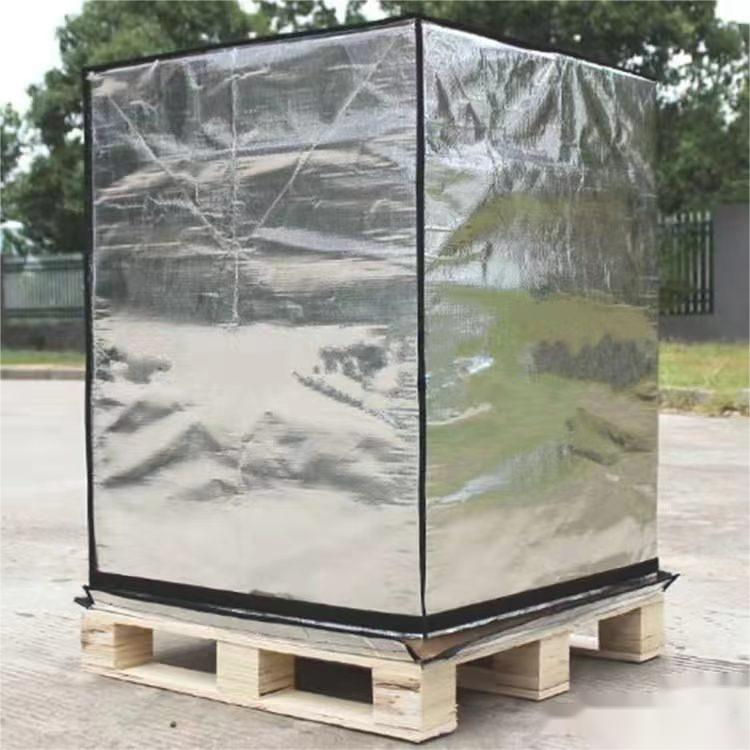
Selimut Pallet Termal Untuk Gudang paling baik dipahami sebagai pengendalian risiko tingkat palet pada saat barang dalam palet dipindahkan melalui pementasan gudang, lintas dermaga, dan zona pemuatan meninggalkan bagian rantai dingin yang paling terlindungi. Mereka dapat memperlambat perpindahan panas, mengurangi paparan selama serah terima, dan mendukung prosedur pengiriman yang lebih konsisten. Peralatan tersebut tidak boleh diperlakukan sebagai pengganti universal untuk peralatan berpendingin, kemasan yang berkualitas, pemantauan, atau aturan penanganan khusus produk.
Pilihan yang tepat dimulai dari jalurnya. Tanyakan di mana letak paletnya, siapa yang menanganinya, berapa lama hal itu dapat terekspos, apakah bagian bawah dan sudut terlindungi, dan bukti apa yang dibutuhkan tim Anda sebelum menyetujui penggunaan berulang. Ketika pertanyaan-pertanyaan itu terjawab, penutup menjadi alat praktis dan bukan lapisan dekoratif di sekitar palet.
Tentukan pekerjaan sebelum mendefinisikan produk
Kesalahan pembelian yang umum terjadi adalah memulai dengan spesifikasi produk dan kemudian mencoba memaksakannya ke setiap jalur. Metode yang lebih baik adalah dengan mendefinisikan pekerjaan. Untuk pengiriman gudang, pekerjaannya mungkin untuk melindungi palet selama pemuatan, mengurangi paparan dok pendek, melindungi kargo selama transfer bandara, mendukung disiplin pementasan gudang, atau tambahkan penyangga saat musim panas atau dingin. Setiap pekerjaan menunjuk pada desain sampul yang berbeda.
Jika pementasan pekerjaan itu singkat, kecepatan dan kemudahan penggunaan mungkin lebih penting daripada isolasi yang berat. Jika pekerjaannya adalah penanganan ekspor, penghapusan yang ramah penerima dan pelabelan yang jelas mungkin lebih penting. Jika pekerjaan tersebut diulang distribusi regionalnya, pengembalian dan pembersihan dapat menentukan apakah penutup yang dapat digunakan kembali itu ekonomis. Jika pekerjaannya adalah perawatan kesehatan yang sensitif atau kargo bernilai tinggi, dokumentasi dan tinjauan kualitas mungkin memiliki bobot yang sama besarnya dengan konstruksi material.
Pendekatan ini juga mencegah klaim berlebihan. Penutup dapat memperlambat perpindahan panas pada permukaan palet; itu tidak menciptakan pendinginan atau pemanasan aktif dengan sendirinya. Ini mendukung proses hanya ketika proses didefinisikan. Sebelum bertanya cover mana yang terbaik, tanyakan masalah apa yang seharusnya dipecahkan oleh sampul tersebut dan hasil apa yang dianggap sukses.
Petakan eksposur palet yang sebenarnya
Peta jalur yang paling berguna dimulai pada saat palet selesai dibuat. Dari sana, telusuri setiap langkah melalui ruangan dingin, area pementasan sekitar, pintu dermaga, cuplikan, lintas dermaga, dan ruang penerima. Perhatikan kapan palet meninggalkan area terkendali, apakah itu menunggu di dekat pintu dermaga, bagaimana itu dimuat, apakah itu melewati terminal, dan apa yang terjadi saat menerima. Banyak tim menemukan bahwa risiko utama bukanlah segmen perjalanan terpanjang, melainkan masa tunggu singkat yang tidak terkendali.
Untuk barang dalam palet yang dipindahkan melalui pementasan gudang, lintas dermaga, dan zona pemuatan, peta harus mencantumkan status produk pada awal pengiriman. Penutup akan lebih efektif bila beban sudah berada pada kondisi yang diinginkan. Jika produk masih mendingin, tidak sepenuhnya terkondisi, atau di luar spesifikasi, menutupinya dapat memperlambat koreksi. Inilah sebabnya mengapa menetapkan aturan pementasan berdasarkan persyaratan produk dan risiko fasilitas, kemudian pilih prosedur perlindungan untuk mendukung aturan tersebut.
Peta tersebut juga harus menunjukkan siapa yang bertanggung jawab pada setiap titik. Perlindungan yang diterapkan oleh tim asal namun dilepas terlalu dini oleh pengangkut mungkin tidak melindungi paparan yang diinginkan. Penutup yang dapat digunakan kembali dan sampai ke penerima tanpa instruksi pengembalian mungkin hilang. Kepemilikan prosedur mengubah peralatan pasif menjadi kendali terkelola.
Cocokkan struktur penutup dengan rute
Struktur penutup harus mengikuti kebutuhan rute. Permukaan reflektif berguna jika pancaran panas dan sinar matahari penting. Inti isolasi memperlambat pergerakan panas di sekitar palet. Jahitan dan penutup yang diperkuat penting di mana palet bergerak melalui forklift, trailer, atau terminal. Strategi lembaran bawah atau alas mungkin penting ketika palet diletakkan di trotoar yang panas, lantai dingin, atau pelat dok.
Untuk pembeli gudang, detail kecocokan seringkali lebih penting daripada nama pemasaran produk. Periksa ketinggian palet yang dibungkus, tonjolan karton, pelindung sudut, label jendela, tali pengikat, dan akses pemindai. Tanyakan apakah penutup dapat diamankan oleh pekerja yang mengenakan sarung tangan atau bekerja dengan cepat. Masalah kecocokan kecil dapat membuat saluran udara, kode batang yang diblokir, atau pintasan operator.
Keputusan material juga harus mempertimbangkan pembersihan dan penyimpanan. Jalur gudang sering kali merupakan kandidat yang baik untuk penutup yang dapat digunakan kembali karena peralatan dapat diambil dan diperiksa di lokasi. Jika rutenya satu arah atau penerima tidak dapat mengatur pengembalian, format yang berbeda mungkin lebih realistis. Jika rutenya loop tertutup, penutup yang lebih tahan lama dan dapat digunakan kembali mungkin patut dipertimbangkan, asalkan inspeksi dan pembersihan dimasukkan ke dalam proses.
Apa yang harus diverifikasi dengan pemasok
| Pertanyaan pembeli | Mengapa penting untuk kata kunci ini | Risiko jika diabaikan |
|---|---|---|
| Berapa ukuran dan tinggi palet yang benar-benar pas untuk penutup setelah muatan dibungkus? | Mengonfirmasi kebugaran fisik dan peran dalam rute | Penutup mungkin meninggalkan celah atau digunakan untuk tujuan yang salah |
| Apakah kinerja yang dinyatakan berdasarkan profil pengujian yang menyerupai rute pengiriman? | Menghubungkan kinerja dengan kondisi jalur | Klaim mungkin tidak berlaku pada palet atau profil eksposur Anda |
| Bagaimana seharusnya bagian bawah palet, sudut, dan area label dilindungi? | Menjaga operasi tetap bisa diterapkan pada pengiriman dan penerimaan | Label, Pencari, atau langkah pemeriksaan mungkin terhalang |
| Bisakah penutup yang sama dibersihkan, dilipat, kembali, dan diperiksa secara konsisten? | Mendukung pengulangan dan tinjauan kualitas | Bahan yang berubah atau proses pengembalian yang buruk dapat menimbulkan ketidakkonsistenan |
| Dokumentasi apa yang tersedia untuk materi, ukuran, dan pengujian termal? | Menunjukkan apakah pemasok dapat mendukung tinjauan pembelian | Pembeli mungkin kekurangan bukti untuk persetujuan atau peningkatan |
Tinjauan pemasok ini bukan tentang mempersulit pembelian. Ini tentang mencegah sampel yang murah menjadi masalah pengoperasian yang mahal. Jika pemasok dapat menjawab pertanyaan-pertanyaan ini dengan jelas, pembeli dapat membandingkan pilihan berdasarkan kesesuaian rute, bukan harga saja.
Jika penutup palet sudah pas
selimut palet termal untuk gudang cocok jika risikonya bersifat sementara, bisa dilihat, dan dapat diulang. Mereka berguna ketika palet bergerak melalui zona pendek yang tidak terkendali, menunggu saat memuat, melewati terminal, atau memerlukan perlindungan tambahan sambil tetap mengandalkan proses rantai dingin utama. Mereka juga dapat membantu menstandardisasi perilaku gudang dengan memberikan tindakan yang jelas kepada staf ketika palet meninggalkan area yang dikontrol.
Alat pengambilan keputusan yang berguna
Periksa detailnya sebelum Anda memilih kemasan
Alat cepat ini dapat membantu Anda membandingkan risiko rute, kebutuhan ukuran, pilihan pendingin, dan detail kemasan sebelum Anda meminta penawaran.
Pemeriksa Risiko Rute
Tinjau kondisi jalur sebelum memilih kemasan untuk mengetahui kebutuhan pengoperasian sebenarnya.
Periksa risiko rutePemilih Kemasan
Bandingkan opsi kemasan berinsulasi berdasarkan produk, rute, dan kebutuhan suhu.
Temukan kemasannyaKalkulator Paket Es
Perkirakan jumlah paket es gel untuk pengiriman dingin dan perencanaan rute yang praktis.
Perkirakan kantong esMereka tidak cocok jika rute tersebut tidak memiliki disiplin pengatur suhu, ketika produk secara teratur dimulai di luar kondisi yang disyaratkan, ketika paparan berlangsung lebih lama dari yang dirancang untuk penutup tersebut, atau ketika tidak ada seorang pun yang memiliki aplikasi dan penghapusan. Untuk kargo gudang, mereka mungkin juga tidak mencukupi ketika produk membutuhkan a pengirim yang memenuhi syarat, wadah aktif, reefer yang dipantau, atau kualifikasi jalur formal.
Jawaban terbaik terkadang merupakan kombinasi. Penutup palet dapat dipasangkan dengan transportasi berpendingin, liner terisolasi, paket pendingin, atau SOP pementasan yang lebih kuat. Sampul tidak harus menyelesaikan setiap masalah untuk menjadi berharga. Hal ini perlu untuk memecahkan bagian yang tepat dari permasalahan tersebut.
Alur kerja implementasi yang realistis
- Identifikasi persyaratan produk dan konfirmasikan kondisi yang dapat diterima untuk barang dalam palet yang dipindahkan melalui pementasan gudang, lintas dermaga, dan zona pemuatan.
- Petakan rute dan tandai setiap titik paparan yang tidak terkontrol atau semi terkontrol.
- Ukur palet yang terbungkus seluruhnya, termasuk tinggi badan bagian atas, sudut, Label, dan perangkat pemantauan apa pun.
- Uji sampel penutup dengan staf gudang selama alur kerja pemuatan atau pementasan yang sebenarnya.
- Tinjau bukti termal yang tersedia dan periksa apakah kondisi pengujian menyerupai rute.
- Tulis prosedur sederhana yang mencakup aplikasi, pemindahan, inspeksi, penyimpanan, pembersihan, dan kembali.
- Gunakan penerimaan umpan balik dan, jika perlu, pemantauan suhu untuk memutuskan apakah akan menskalakan penutup untuk pengiriman berulang.
Alur kerja ini membuat keputusan tetap terhubung dengan operasi nyata. Hal ini juga menciptakan catatan pengadaan itu, logistik, dan tim berkualitas dapat berdiskusi bersama. Tinjauan bersama tersebut sangat berguna ketika sampel pertama tampaknya dapat diterima namun bisnis sedang mempersiapkan pengiriman yang lebih besar atau lebih teratur.
Contoh praktis: dari jalur sampel ke jalur ulang
Bayangkan seorang pembeli mengevaluasi selimut palet termal untuk gudang setelah melihat pengecualian pada satu rute. Tim pertama-tama memastikan bahwa peralatan penyimpanan dan transportasi utama berfungsi. Kemudian ia meninjau jalur tersebut dan menemukan bahwa palet menunggu di dekat pintu selama pengurutan rute. Penutup sampel diuji pada palet yang dibungkus asli, dengan aplikasi pengaturan waktu staf dan memeriksa akses label. Penerima mencatat apakah penutup tiba dengan terpasang dengan benar dan apakah kondisi palet dapat diterima.
Setelah persidangan, pembeli tidak menyetujui sampul tersebut hanya karena terlihat kuat. Pembeli memeriksa apakah penutup digunakan pada titik yang tepat, apakah staf menganggapnya praktis, apakah dokumentasi sudah mencukupi, dan apakah perilaku rute membaik. Jika jawabannya ya, covernya bisa di tambah SOP nya. Jika jawabannya tidak, tim dapat menyesuaikan proses pementasan, pilih struktur penutup lain, atau gunakan metode kontrol suhu yang berbeda.
FAQ
Apakah selimut palet termal untuk gudang cukup untuk kontrol suhu penuh?
TIDAK. selimut palet termal untuk gudang memberikan isolasi pasif dan perlindungan permukaan, namun tidak secara aktif mendinginkan atau memanaskan beban. Mereka paling berguna ketika mereka mengurangi paparan selama titik risiko yang dapat diprediksi seperti penentuan stadium, penyerahan, dan memuat. Untuk persyaratan suhu yang ketat, Anda masih memerlukan aturan penanganan khusus produk, peralatan transportasi yang sesuai, dan rencana pemantauan.
Apa yang harus diverifikasi sebelum memesan penutup palet?
Mulailah dengan waktu pementasan, pelatihan staf, penyimpanan penutup, kemampuan bersih, visibilitas label, dan alur kerja dermaga. Kemudian tanyakan dimensi pemasangan yang sebenarnya, konstruksi material, desain penutupan, metode pembersihan, dan dokumentasi pengujian apa pun yang sesuai dengan jalur yang Anda harapkan. Sampul yang terlihat cocok di katalog mungkin tidak cocok jika dibungkus, tidak rata, atau palet yang lebih tinggi dari standar.
Kapan staf gudang sebaiknya menggunakan selimut termal?
Prosedurnya harus menentukan pemicunya. Pemicu umum termasuk berada di luar ruangan yang dingin, menunggu di dekat pintu dermaga, penundaan urutan rute, atau beban terkendali yang bergerak melalui zona sekitar. SOP yang jelas lebih baik daripada mengandalkan penilaian individu pada saat shift sibuk.
Apakah selimut termal memperlambat operasi gudang?
Mereka bisa melakukannya jika alur kerja dirancang dengan buruk. Penutup harus disimpan di dekat tempat penggunaan, mudah untuk diterapkan, cepat untuk dihapus, dan kompatibel dengan pemindaian dan label. Uji coba singkat pada palet asli membantu menentukan apakah langkah tersebut mengurangi risiko tanpa menimbulkan kemacetan.
Kesimpulan
Penggunaan terbaik selimut palet termal untuk gudang bukanlah menjanjikan kontrol suhu yang sempurna, namun untuk mengurangi paparan yang diketahui pada tingkat palet. Mulailah dengan persyaratan produk, memetakan rutenya, konfirmasikan berapa lama palet dapat berada di luar zona yang diinginkan, dan periksa apakah penutupnya sesuai dengan beban yang dibungkus dalam pengoperasian sebenarnya. Kemudian mintalah dokumentasi yang mendukung materi tersebut, ukuran, dan tujuan penggunaan. Ketika dasar-dasarnya jelas, penutup palet menjadi bagian praktis dari rencana rantai dingin dan bukan tambahan yang diharapkan.
Tentang Tempk
Tempk bekerja dengan pembeli B2B yang membandingkan kemasan rantai dingin untuk jalur sebenarnya, termasuk penutup palet, tas terisolasi, liner, kotak pendingin, dan paket pendingin. Untuk topik ini, peran kami adalah membantu Anda mengajukan pertanyaan yang tepat: apa yang dikirimkan, dimana paparan terjadi, bagaimana palet ditangani, dan bukti apa yang dibutuhkan tim Anda sebelum beralih dari sampel ke pesanan berulang.
Kirimkan Tempk kategori produk, format palet, dan jalur pelayaran yang ingin Anda lindungi, dan kami akan membantu Anda mengidentifikasi opsi pengemasan yang praktis.