| Artikel 1: PRO |
Yang Harus Diketahui Pembeli Tentang Gel Ice Brick dalam Pengiriman Makanan Laut
Kebanyakan tim makanan laut tidak benar-benar membeli blok beku. Mereka mencari pembersih, sumber dingin berulang yang sesuai dengan karton, bertahan dalam penanganan basah, dan mendukung penerimaan yang lebih aman. Keputusan pembelian biasanya menjadi lebih jelas setelah Anda berhenti menanyakan paket mana yang 'terbaik' secara umum dan mulai menanyakan format mana yang terbaik untuk rute dan produk Anda yang sebenarnya..
Ayo pemasok es batu bata penting dalam pengiriman makanan laut ketika Anda membutuhkan sumber dingin yang lebih sesuai dengan karton ikan berinsulasi dibandingkan es lepas dan dengan lebih sedikit air lelehan bebas di sekitar produk. Itu biasanya membantu pengemasan yang lebih bersih, paletisasi yang lebih berulang, dan lebih mudah menerima. Batasan penting adalah bahwa makanan laut tidak semuanya berjalan dengan cara yang sama. Fillet dingin, produk hidup atau cangkang, beban super dingin, dan karton ekspor yang dibekukan memerlukan logika zat pendingin yang sangat berbeda. Batu bata bisa menjadi bagian yang kuat dari sistem, tapi ini tidak otomatis menjadi jawaban yang tepat untuk setiap jalur. Untuk sebagian besar pengolah makanan laut, eksportir, distributor, dan tim pengadaan, titik awal yang paling cerdas adalah menentukan rute, kisaran suhu yang dapat diterima, dan cara paket akan ditempatkan di dalam pengirim yang terisolasi sebelum membandingkan pemasok mana pun.
Apa Itu dan Mengapa Pembeli Menggunakannya
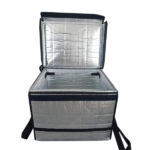
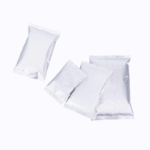
Secara sederhana, batu bata es gel adalah yang terstruktur, format pendingin semi-kaku yang dirancang untuk menahan jejak berulang di dalam karton dan tas jinjing berinsulasi. Di banyak rantai pasokan, sistem ini berfungsi sebagai sisipan zat pendingin yang dapat digunakan kembali atau sekali pakai, bukan sebagai sistem pengiriman yang berdiri sendiri.. Ini mungkin disebut batu bata pendingin, sisipan pendingin, atau nama dagang lain tergantung pada industrinya. Yang penting bagi pembeli adalah lebih sedikit labelnya dan lebih banyak kombinasi ukurannya, isi massa, perilaku fase, ketahanan film, dan bagaimana bungkusan tersebut sesuai dengan wadah berinsulasi.
Dalam praktiknya, format batu bata menarik karena memiliki tapak yang jelas. Hal ini memudahkan penempatan cairan pendingin di sepanjang dinding samping, di bawah kelopak mata, atau antar liner tanpa pergeseran yang sering Anda lihat dengan kantong yang lebih tipis. Untuk makanan laut, bahwa geometri penting karena kotak bisa jadi berat, basah, dan ditangani dengan cepat. Pendingin yang mempertahankan bentuknya cenderung membuat pemuatan lebih berulang dan dapat mengurangi jumlah variabel antara satu karton dengan karton berikutnya. Pembeli makanan laut biasanya peduli untuk tetap kedinginan secara konsisten dan menghindari lonjakan suhu, tetapi target pastinya bergantung pada apakah produk didinginkan, sangat dingin, atau beku sepenuhnya.
Dalam banyak kasus, batu bata es gel paling berguna ketika tim membutuhkan sumber dingin yang dapat ditempatkan berulang kali, ditangani dengan bersih, dan ditingkatkan ke beberapa pengiriman. Muatan yang umum termasuk ikan segar, kerang, fillet, makanan laut bernilai tambah dingin, dan makanan laut beku jarak pendek. Itu tidak berarti setiap muatan memerlukan paket yang sama. Artinya formatnya bisa disesuaikan jika pembeli mendefinisikan rute dan batasan produk dengan jelas.
Cara Kerja dalam Pengiriman Nyata
Bentuk bata membantu mempertahankan geometri paket, membuat penumpukan lebih mudah, dan biasanya memberikan penanganan yang lebih bersih daripada es basah yang lepas atau kantong tipis. Kebanyakan format gel standar bekerja dengan menyimpan energi dingin selama pengkondisian freezer dan kemudian menyerap panas saat mencair. Waktu penahanan praktis tidak hanya bergantung pada kemasannya saja: Kualitas isolasi, massa produk, suhu awal produk, penempatan paket, dan paparan luar semuanya mengubah hasilnya.
Risiko rute yang biasanya perlu direncanakan oleh pembeli termasuk penyalahgunaan suhu selama penundaan pemuatan, air bebas dan karton melemah, perpindahan bau dan masalah kebersihan, penanganan kasar dalam kotak ikan dan karton ekspor, dan paparan musim panas di dermaga dan di bandara. Ketika formatnya cocok dengan rute, manfaat utamanya adalah kesesuaian karton yang dapat diprediksi, lebih sedikit air lelehan lepas dibandingkan es dalam kantong, penempatan berulang di sekitar produk, konsistensi palet yang lebih mudah untuk pengepakan ekspor, dan opsi yang dapat digunakan kembali untuk loop tertutup.
Pada saat yang sama, pembeli harus menghormati batasannya: A batu bata gel saja tidak menggantikan kontrol penuh terhadap proses makanan laut; makanan laut segar dan beku memerlukan logika pengemasan yang berbeda; kontak langsung dengan produk halus dapat menimbulkan titik dingin; dan kemasan yang berat dapat mengurangi muatan jika berat karton sudah terkendala.
Penting juga untuk memisahkan kemasan luar pelindung dari yang berkualitas sistem pengiriman yang dikontrol suhu. Paket gel atau batu bata dapat membantu mengontrol suhu, tetapi hal ini tidak secara otomatis membuat pengiriman tersebut sesuai atau tervalidasi. Persyaratan dapat bervariasi tergantung produk, rute, kondisi penanganan, dan prosedur mutu pengirim.
Tempat yang Paling Cocok – dan Tempat yang Tidak Cocok
Pikirkan tentang tiga situasi umum. Kotak makanan laut semalam premium memerlukan penyajian yang bersih dan retensi dingin yang cukup untuk menjangkau konsumen tanpa merendam kartonnya. Pengirim ekspor mungkin lebih memperhatikan konsistensi kemasan dari karton ke karton karena keseragaman palet mempengaruhi penanganan pengiriman barang melalui udara. Program tas jinjing yang dapat dikembalikan mungkin menghargai batu bata tahan lama yang dapat dibekukan, pulih, dan digunakan kembali dengan lebih sedikit kekacauan saat menerima.
Kesalahan umum adalah membeli batu bata terberat yang tersedia dan menganggap lebih banyak massa beku secara otomatis berarti perlindungan yang lebih baik. Dalam makanan laut, pendinginan berlebihan dapat menyebabkan pembekuan permukaan, sementara kelebihan berat kemasan dapat mengurangi muatan produk dan meningkatkan biaya pengiriman. Pendekatan yang lebih baik adalah mencocokkan massa zat pendingin, posisi bungkusan, dan isolasi ke keadaan produk dan rute sebenarnya.
Untuk banyak rute makanan laut beku, terutama pengiriman paket yang lebih lama, transportasi es kering atau reefer mungkin masih lebih tepat dibandingkan kemasan gel saja.
Perbandingan Format Praktis
| Pilihan | Kesesuaian Khas | Keuntungan | Perhatian Utama |
| Es basah yang longgar | Distribusi dingin lokal yang pendek | Biaya unit rendah dan penanganan yang familiar | Menambahkan air gratis, berat ekstra, dan geometri paket yang kurang dapat diulang |
| Paket gel datar | Liner mailer dan perlengkapan makanan laut yang lebih kecil | Penempatan fleksibel di sekitar produk yang tidak rata | Dapat berpindah dalam kotak dan membuat cakupan dinding kurang konsisten |
| Batu bata es gel | Karton makanan laut dingin dan tas jinjing yang dapat digunakan kembali | Jejak yang dapat diulang dan penanganan yang lebih bersih | Mungkin terlalu dingin jika bersentuhan langsung dengan benda halus |
| Es kering | Rute beku yang lebih panjang dan barang yang dibekukan sepenuhnya | Pendinginan yang sangat kuat untuk keadaan beku | Membutuhkan penanganan yang berbeda, ventilasi, dan kontrol rute |
Yang Harus Diperiksa Pembeli Sebelum Memesan dalam Jumlah Besar
Memilih pemasok paling mudah dilakukan ketika Anda membandingkannya dengan pengiriman sebenarnya, bukan dengan bahasa pemasaran umum. Pertanyaan yang paling berguna adalah pertanyaan yang menghubungkan desain produk, penanganan operasional, dan keandalan pasokan.
Sebelum melakukan pemesanan massal, pembeli harus menerjemahkan masalah pengiriman ke dalam ringkasan kemasan tertulis. Laporan singkat tersebut harus mencakup rentang suhu target, jenis muatan, dimensi pengirim, waktu transit yang diharapkan, stres lingkungan, urutan pemuatan, dan kondisi penerimaan. Setelah poin-poin tersebut dituliskan, diskusi tentang MOQ, perkakas, pergudangan, atau harga menjadi jauh lebih produktif karena semua orang membicarakan target teknis yang sama.
- Konfirmasikan dimensi internal dan eksternal setelah pembekuan, tidak hanya dimensi nominal pada suhu kamar.
- Minta toleransi berat isi, massa dingin yang dapat digunakan, dan metode pengkondisian target sebelum pengiriman.
- Verifikasi struktur resin atau film, desain jahitan, dan ekspektasi ketahanan terhadap kebocoran di bawah tekanan penanganan nyata.
- Periksa bagaimana paket tersebut sesuai dengan pengirim yang terisolasi, termasuk cakupan dinding, gangguan tutup, dan pemisahan produk.
- Tinjau kemampuan tumpukan, bersarang, dan mengembalikan efisiensi jika paket akan digunakan dalam program yang dapat digunakan kembali atau tote loop.
- Tanyakan bagaimana labelnya, kode batang, pengkodean tanggal, atau ketertelusuran lot diterapkan dan dikendalikan.
- Minta bukti bahwa kualitas sampel sesuai dengan kualitas produksi, termasuk proses pengendalian perubahan untuk material atau dimensi.
- Periksa MOQ, waktu tunggu, dan opsi khusus hanya setelah kesesuaian teknis jelas, jadi kenyamanan komersial tidak mengesampingkan kesesuaian rute.
- Tanyakan bagaimana kinerja batu bata dalam karton makanan laut dengan bantalan penyerap, liner, dan beban kelembaban tinggi.
- Periksa apakah pemasok menawarkan opsi tanpa keringat atau ramah saluran pembuangan untuk penerimaan yang lebih bersih.
- Minta panduan untuk jalur dingin segar versus jalur beku keras, karena paket yang sama jarang ideal untuk keduanya.
Saran Seleksi Praktis
Harga satuan hanyalah salah satu bagian dari perekonomian. Paket yang lebih besar atau lebih murah dapat meningkatkan biaya pengiriman, mengurangi muatan produk, jalur pengepakan yang lambat, atau menciptakan lebih banyak pemborosan saat menerima. Sebaliknya, paket yang lebih pas terkadang dapat menurunkan total biaya karena mengurangi kehilangan produk, menghindari pengemasan yang berlebihan, dan menyederhanakan penanganan. Oleh karena itu, percakapan pemasok yang baik membandingkan total biaya penggunaan, tidak hanya harga per bungkusnya saja.
Kapasitas penyimpanan dan freezer juga harus diperhatikan sejak dini. Sebuah program yang terlihat menarik di atas kertas bisa menjadi sulit jika paketnya menghabiskan ruang freezer, memerlukan waktu pengkondisian yang lama, atau membutuhkan lebih banyak area pementasan daripada yang dapat didukung oleh situs. Kesesuaian operasional di tempat asal merupakan bagian dari kesesuaian produk.
Kondisi penerimaan lebih penting daripada yang diperkirakan banyak pembeli. Jika karton dibuka di dok yang panas, tertinggal di lantai sebelum pemeriksaan, atau dikemas ulang pada suhu kamar, zat pendingin yang dipilih harus mengimbangi variabilitas operasional serta paparan transit. Itu sebabnya pengadaan, Operasi, dan tim kualitas harus meninjau alur kerja tujuan bersama-sama alih-alih memperlakukan zat pendingin sebagai keputusan pembelian saja.
Detail Operasional Yang Tidak Boleh Diabaikan
Persetujuan sampel harus mengikuti urutan: ulasan bangku cadangan, pemeriksaan beku-dan-cocok, percobaan pengiriman, dan kemudian konfirmasi produksi. Melewatkan sampel bersuhu ruangan ke pesanan dalam jumlah besar berisiko karena beberapa kemasan berperilaku sangat berbeda setelah dibekukan, sarat, dan terkena stres transit.
Musiman adalah alasan lain untuk tidak membekukan spesifikasi dan melupakannya. Banyak rute memerlukan jumlah paket yang berbeda, metode pengkondisian, atau konfigurasi pengirim pada puncak musim panas dibandingkan saat cuaca sedang. Pemasok yang dapat mendukung penyesuaian musiman tanpa kehilangan konsistensi sering kali lebih bernilai dibandingkan pemasok yang menjual satu paket stok dengan harga sangat murah.
Program terkuat biasanya bersifat lintas fungsi. Pengadaan dapat memimpin proses pengadaan, tapi insinyur pengemasan, staf operasi, tim berkualitas, dan lokasi penerima sering kali mempunyai risiko yang berbeda-beda. Menyatukan pandangan-pandangan tersebut sejak dini membantu mencegah paket yang secara teknis dapat diterima menjadi sebuah frustrasi operasional.
Dimana risiko produk tinggi, pembeli harus beralih dari penyaringan ke kualifikasi secara bertahap: konfirmasi dulu spesifikasi fisiknya, kemudian uji paket tersebut dalam kondisi yang diharapkan, dan baru kemudian menskalakan volume. Urutan tersebut mengurangi kemungkinan terkuncinya perjanjian komersial seputar zat pendingin yang terlihat bagus jika diisolasi tetapi berkinerja buruk pada pengirim yang sudah jadi..
FAQ
Apakah es batu bata gel lebih baik daripada es basah untuk makanan laut?
Seringkali ya untuk penanganan yang lebih bersih dan pengemasan yang lebih berulang, namun tidak semua jalur makanan laut mendapatkan manfaat yang sama. Es basah masih dapat digunakan di beberapa operasi lokal atau tradisional, sementara produk beku mungkin memerlukan strategi pendingin yang berbeda.
Bisakah satu desain bata menutupi makanan laut dingin dan beku?
Biasanya tidak baik. Jalur dingin dan jalur beku seringkali membutuhkan zat pendingin yang berbeda, metode pengkondisian, dan tingkat isolasi.
Apa yang harus saya tanyakan terlebih dahulu kepada pemasok makanan laut?
Tanyakan tentang dimensi paket, instruksi pengkondisian, kinerja dalam karton basah, perilaku kondensasi, dan apakah paket yang sama telah digunakan pada rute yang serupa dengan Anda.
Menutup Bawa Pulang
Keputusan pembelian yang paling aman berasal dari pencocokan es batu gel dengan produknya, rute, dan paketnya daripada membeli berdasarkan ukuran paket saja. Jika supplier bisa memberikan dimensi yang jelas, panduan pengkondisian, dan kualitas yang konsisten, Anda semakin dekat dengan program rantai dingin yang berulang.
Tentang Tempk
Dan Tempk, kami fokus pada pengemasan pengatur suhu pengiriman rantai dingin. Didirikan pada 2011 sebagai merek Shanghai Huizhou Industrial, kami menawarkan Gel Ice Packs, batu bata es freezer, kotak terisolasi, dan liner untuk pengiriman makanan dan sensitif terhadap suhu. Pekerjaan pengembangan kami didukung oleh R&Pusat D beroperasi dengan praktik yang selaras dengan CNAS dan ISTA, dan jaringan manufaktur kami mencakup fasilitas bersertifikasi ISO di Tiongkok. Campuran tersebut membantu kami mendukung format pasokan standar dan paket khusus untuk distribusi yang sensitif terhadap suhu.
Langkah selanjutnya: Penjelasan singkat yang jelas tentang sensitivitas produk, durasi rute, dan geometri paket membuatnya lebih mudah untuk memilih format zat pendingin atau rencana pasokan massal yang tepat.
| Artikel 2: dalam |
Bagaimana Kinerja Gel Ice Brick dalam Pengiriman Makanan Laut
Kebanyakan tim makanan laut tidak benar-benar membeli blok beku. Mereka mencari pembersih, sumber dingin berulang yang sesuai dengan karton, bertahan dalam penanganan basah, dan mendukung penerimaan yang lebih aman. Tinjauan teknis dengan cepat menunjukkan bahwa kemasan itu sendiri hanyalah salah satu variabel dalam masalah pengelolaan panas yang lebih besar.
Pemasok batu bata es gel penting dalam pengiriman makanan laut ketika Anda membutuhkan sumber dingin yang lebih sesuai dengan karton ikan berinsulasi dibandingkan es lepas dan dengan lebih sedikit air lelehan bebas di sekitar produk.. Itu biasanya membantu pengemasan yang lebih bersih, paletisasi yang lebih berulang, dan lebih mudah menerima. Batasan penting adalah bahwa makanan laut tidak semuanya berjalan dengan cara yang sama. Fillet dingin, produk hidup atau cangkang, beban super dingin, dan karton ekspor yang dibekukan memerlukan logika zat pendingin yang sangat berbeda. Batu bata bisa menjadi bagian yang kuat dari sistem, tapi ini tidak otomatis menjadi jawaban yang tepat untuk setiap jalur. Oleh karena itu, tinjauan teknis harus dimulai dengan kelompok sasaran, massa muatan, dan geometri paket yang sebenarnya, bukan dengan foto katalog atau klaim waktu tunggu tunggal.
Perilaku Termal Didahulukan
Dalam praktiknya, format batu bata menarik karena memiliki tapak yang jelas. Hal ini memudahkan penempatan cairan pendingin di sepanjang dinding samping, di bawah kelopak mata, atau antar liner tanpa pergeseran yang sering Anda lihat dengan kantong yang lebih tipis. Untuk makanan laut, bahwa geometri penting karena kotak bisa jadi berat, basah, dan ditangani dengan cepat. Pendingin yang mempertahankan bentuknya cenderung membuat pemuatan lebih berulang dan dapat mengurangi jumlah variabel antara satu karton dengan karton berikutnya. Pembeli makanan laut biasanya peduli untuk tetap kedinginan secara konsisten dan menghindari lonjakan suhu, tetapi target pastinya bergantung pada apakah produk didinginkan, sangat dingin, atau beku sepenuhnya.
Bentuk bata membantu mempertahankan geometri paket, membuat penumpukan lebih mudah, dan biasanya memberikan penanganan yang lebih bersih daripada es basah yang lepas atau kantong tipis. Kebanyakan format gel standar bekerja dengan menyimpan energi dingin selama pengkondisian freezer dan kemudian menyerap panas saat mencair. Waktu penahanan praktis tidak hanya bergantung pada kemasannya saja: Kualitas isolasi, massa produk, suhu awal produk, penempatan paket, dan paparan luar semuanya mengubah hasilnya. Dari sudut pandang teknik, pembeli benar-benar mengatur aliran panas melalui tumpukan kemasan penuh. Dinding yang lebih tebal atau lapisan yang lebih baik dapat mengurangi jumlah paket zat pendingin yang dibutuhkan, sementara pengirim dengan isolasi yang buruk dapat menghilangkan keuntungan dari cairan pendingin yang lebih berat.
Pembeli makanan laut biasanya peduli untuk tetap kedinginan secara konsisten dan menghindari lonjakan suhu, tetapi target pastinya bergantung pada apakah produk didinginkan, sangat dingin, atau beku sepenuhnya.
Bahan, Membentuk, dan Konstruksi Paket
Saat pembeli membandingkan es batu gel, tumpukan material memerlukan perhatian lebih dari biasanya. Formula gel menentukan perilaku termal yang luas, tetapi lapisan luar atau cangkang menentukan apakah bungkusan tersebut dapat bertahan dalam keadaan beku, pamer, menumpuk, dan penanganan berulang tanpa bocor. Kualitas jahitan penting karena kemasan yang beku sering kali menjadi kurang tahan terhadap benturan. Paket yang berkinerja baik dalam freezer sampel tetapi gagal setelah getaran pengangkutan bukanlah keberhasilan teknis. Untuk format bata, pengulangan dimensi setelah pembekuan sangat penting karena pengirim sering kali berkerumun di sekitar lokasi beku tersebut.
Secara sederhana, batu bata es gel adalah yang terstruktur, format pendingin semi-kaku yang dirancang untuk menahan jejak berulang di dalam karton dan tas jinjing berinsulasi. Di banyak rantai pasokan, sistem ini berfungsi sebagai sisipan zat pendingin yang dapat digunakan kembali atau sekali pakai, bukan sebagai sistem pengiriman yang berdiri sendiri.. Ini mungkin disebut batu bata pendingin, sisipan pendingin, atau nama dagang lain tergantung pada industrinya. Yang penting bagi pembeli adalah lebih sedikit labelnya dan lebih banyak kombinasi ukurannya, isi massa, perilaku fase, ketahanan film, dan bagaimana bungkusan tersebut sesuai dengan wadah berinsulasi.
Pengkondisian, Pengemasan, dan Aliran Panas
Pengondisian adalah variabel lain yang kurang dihargai. Bahkan batu bata es gel yang dirancang dengan baik pun dapat berkinerja buruk jika operator membekukannya dalam waktu yang terlalu singkat, mencairkannya secara tidak konsisten, atau memuatnya ke pengirim pada suhu awal yang salah. Dalam banyak operasi, perbedaan antara pengiriman yang stabil dan perubahan suhu yang dapat dihindari terletak pada instruksi penanganan yang jelas: titik setel freezer, durasi pengkondisian minimum, nuansa permukaan target, bahan pemisahan, dan batas waktu antara pengambilan dan pengiriman.
Mintalah data yang mencerminkan paket lengkap daripada uji zat pendingin yang berdiri sendiri. Kumpulan data yang berguna biasanya menunjukkan jenis pengirim, tingkat isolasi, massa muatan, tantangan lingkungan, penempatan paket, dan durasi tes. Tanpa konteks itu, dua pemasok dapat membuat klaim waktu tunggu yang serupa sambil menjelaskan kondisi pengujian yang sangat berbeda. Pembeli serius ingin memahami kondisi batas, bukan hanya hasil judulnya.
Dimana risiko produk tinggi, pembeli harus beralih dari penyaringan ke kualifikasi secara bertahap: konfirmasi dulu spesifikasi fisiknya, kemudian uji paket tersebut dalam kondisi yang diharapkan, dan baru kemudian menskalakan volume. Urutan tersebut mengurangi kemungkinan terkuncinya perjanjian komersial seputar zat pendingin yang terlihat bagus jika diisolasi tetapi berkinerja buruk pada pengirim yang sudah jadi..
Batasan Kepatuhan dan Pengendalian Risiko
Pengiriman pangan masih memerlukan penanganan sanitasi, isolasi yang sesuai, dan prosedur kontrol suhu khusus produk. Panduan pengangkutan pangan FDA berfokus pada pencegahan masalah keamanan pangan selama pengangkutan, bukan pada memilih satu refrigeran secara terpisah. Jika ada komponen yang dapat bersentuhan dengan makanan atau permukaan yang bersentuhan dengan makanan, pembeli harus memverifikasi dokumentasi tujuan penggunaan bahan yang terlibat. Untuk pengiriman yang diatur atau sensitif terhadap kualitas, klaim kemasan harus dibaca dengan cermat. A paket pendingin dapat mendukung tujuan kepatuhan, tapi biasanya hanya satu bagian dari proses yang terdokumentasi. Pelatihan, instruksi pengepakan, menerima cek, kualifikasi rute, dan persyaratan spesifik produk semuanya memengaruhi apakah pengiriman tersebut benar-benar sesuai.
Penting juga untuk memisahkan kemasan luar pelindung dari sistem pengiriman dengan pengatur suhu yang memenuhi syarat. Paket gel atau batu bata dapat membantu mengontrol suhu, tetapi hal ini tidak secara otomatis membuat pengiriman tersebut sesuai atau tervalidasi. Persyaratan dapat bervariasi tergantung produk, rute, kondisi penanganan, dan prosedur mutu pengirim.
Mode kegagalan yang paling umum sudah dikenal: paket dengan kondisi kurang baik, jumlah paket yang salah, kontak langsung dengan muatan yang sensitif terhadap pembekuan, kebocoran jahitan setelah penanganan yang kasar, kondensasi berlebihan saat menerima, dan perubahan kesesuaian karton setelah kemasan beku mengembang atau bergeser. Tak satu pun dari masalah tersebut diselesaikan hanya dengan bahasa katalog. Mereka diselesaikan dengan tinjauan desain, disiplin operasional, dan konsistensi pemasok.
Untuk banyak rute makanan laut beku, terutama pengiriman paket yang lebih lama, transportasi es kering atau reefer mungkin masih lebih tepat dibandingkan kemasan gel saja.
Apa yang Ditanyakan Pembeli Berdasarkan Data kepada Pemasok
Memilih pemasok paling mudah dilakukan ketika Anda membandingkannya dengan pengiriman sebenarnya, bukan dengan bahasa pemasaran umum. Percakapan pembelian terbaik menghubungkan desain produk, menangani kenyataan, dan memberikan keandalan dalam satu kartu skor daripada memperlakukannya sebagai keputusan terpisah.
- Konfirmasikan dimensi internal dan eksternal setelah pembekuan, tidak hanya dimensi nominal pada suhu kamar.
- Minta toleransi berat isi, massa dingin yang dapat digunakan, dan metode pengkondisian target sebelum pengiriman.
- Verifikasi struktur resin atau film, desain jahitan, dan ekspektasi ketahanan terhadap kebocoran di bawah tekanan penanganan nyata.
- Periksa bagaimana paket tersebut sesuai dengan pengirim yang terisolasi, termasuk cakupan dinding, gangguan tutup, dan pemisahan produk.
- Tinjau kemampuan tumpukan, bersarang, dan mengembalikan efisiensi jika paket akan digunakan dalam program yang dapat digunakan kembali atau tote loop.
- Tanyakan bagaimana labelnya, kode batang, pengkodean tanggal, atau ketertelusuran lot diterapkan dan dikendalikan.
- Minta bukti bahwa kualitas sampel sesuai dengan kualitas produksi, termasuk proses pengendalian perubahan untuk material atau dimensi.
- Minta data paket atau kinerja termal yang mencerminkan massa muatan Anda, tipe pengirim, dan profil ambien yang realistis.
- Perjelas apa yang terjadi jika bahan mentah, formulasi gel, ketebalan film, atau perubahan lokasi produksi setelah disetujui.
- Tanyakan bagaimana kinerja batu bata dalam karton makanan laut dengan bantalan penyerap, liner, dan beban kelembaban tinggi.
- Periksa apakah pemasok menawarkan opsi tanpa keringat atau ramah saluran pembuangan untuk penerimaan yang lebih bersih.
- Minta panduan untuk jalur dingin segar versus jalur beku keras, karena paket yang sama jarang ideal untuk keduanya.
Setelah paket disetujui, pengendalian perubahan menjadi sangat penting. Perbedaan kecil dalam pemasok film, rasio gel, volume pengisian, tata letak pencetakan, atau pengaturan jalur produksi dapat mengubah dimensi, ketahanan terhadap kebocoran, atau perilaku pengepakan. Pemasok profesional mendokumentasikan perubahan tersebut dan mengkomunikasikannya sebelum mempengaruhi pengiriman langsung.
Menafsirkan Klaim Kinerja dengan Hati-hati
Kesalahan umum adalah membeli batu bata terberat yang tersedia dan menganggap lebih banyak massa beku secara otomatis berarti perlindungan yang lebih baik. Dalam makanan laut, pendinginan berlebihan dapat menyebabkan pembekuan permukaan, sementara kelebihan berat kemasan dapat mengurangi muatan produk dan meningkatkan biaya pengiriman. Pendekatan yang lebih baik adalah mencocokkan massa zat pendingin, posisi bungkusan, dan isolasi ke keadaan produk dan rute sebenarnya.
Kondisi penerimaan lebih penting daripada yang diperkirakan banyak pembeli. Jika karton dibuka di dok yang panas, tertinggal di lantai sebelum pemeriksaan, atau dikemas ulang pada suhu kamar, zat pendingin yang dipilih harus mengimbangi variabilitas operasional serta paparan transit. Itu sebabnya pengadaan, Operasi, dan tim kualitas harus meninjau alur kerja tujuan bersama-sama alih-alih memperlakukan zat pendingin sebagai keputusan pembelian saja.
Detail Operasional Yang Tidak Boleh Diabaikan
Musiman adalah alasan lain untuk tidak membekukan spesifikasi dan melupakannya. Banyak rute memerlukan jumlah paket yang berbeda, metode pengkondisian, atau konfigurasi pengirim pada puncak musim panas dibandingkan saat cuaca sedang. Pemasok yang dapat mendukung penyesuaian musiman tanpa kehilangan konsistensi sering kali lebih bernilai dibandingkan pemasok yang menjual satu paket stok dengan harga sangat murah.
Program terkuat biasanya bersifat lintas fungsi. Pengadaan dapat memimpin proses pengadaan, tapi insinyur pengemasan, staf operasi, tim berkualitas, dan lokasi penerima sering kali mempunyai risiko yang berbeda-beda. Menyatukan pandangan-pandangan tersebut sejak dini membantu mencegah paket yang secara teknis dapat diterima menjadi sebuah frustrasi operasional.
Kapasitas penyimpanan dan freezer juga harus diperhatikan sejak dini. Sebuah program yang terlihat menarik di atas kertas bisa menjadi sulit jika paketnya menghabiskan ruang freezer, memerlukan waktu pengkondisian yang lama, atau membutuhkan lebih banyak area pementasan daripada yang dapat didukung oleh situs. Kesesuaian operasional di tempat asal merupakan bagian dari kesesuaian produk.
Harga satuan hanyalah salah satu bagian dari perekonomian. Paket yang lebih besar atau lebih murah dapat meningkatkan biaya pengiriman, mengurangi muatan produk, jalur pengepakan yang lambat, atau menciptakan lebih banyak pemborosan saat menerima. Sebaliknya, paket yang lebih pas terkadang dapat menurunkan total biaya karena mengurangi kehilangan produk, menghindari pengemasan yang berlebihan, dan menyederhanakan penanganan. Oleh karena itu, percakapan pemasok yang baik membandingkan total biaya penggunaan, tidak hanya harga per bungkusnya saja.
FAQ
Apakah es batu bata gel lebih baik daripada es basah untuk makanan laut?
Seringkali ya untuk penanganan yang lebih bersih dan pengemasan yang lebih berulang, namun tidak semua jalur makanan laut mendapatkan manfaat yang sama. Es basah masih dapat digunakan di beberapa operasi lokal atau tradisional, sementara produk beku mungkin memerlukan strategi pendingin yang berbeda.
Bisakah satu desain bata menutupi makanan laut dingin dan beku?
Biasanya tidak baik. Jalur dingin dan jalur beku seringkali membutuhkan zat pendingin yang berbeda, metode pengkondisian, dan tingkat isolasi.
Apa yang harus saya tanyakan terlebih dahulu kepada pemasok makanan laut?
Tanyakan tentang dimensi paket, instruksi pengkondisian, kinerja dalam karton basah, perilaku kondensasi, dan apakah paket yang sama telah digunakan pada rute yang serupa dengan Anda.
Kesimpulan Teknis
Dari sudut pandang teknis, es batu bata gel terbaik adalah yang mempunyai perilaku fase, geometri, bahan, dan kontrol kualitas selaras dengan pengiriman sebenarnya. Data, disiplin pengkondisian, dan pengendalian perubahan biasanya lebih penting daripada klaim kinerja secara luas.
Tentang Tempk
Dan Tempk, kami fokus pada pengemasan pengatur suhu untuk pengiriman rantai dingin. Didirikan pada 2011 sebagai merek Shanghai Huizhou Industrial, kami menawarkan paket es gel, batu bata es freezer, kotak terisolasi, dan liner untuk pengiriman makanan dan sensitif terhadap suhu. Pekerjaan pengembangan kami didukung oleh R&Pusat D beroperasi dengan praktik yang selaras dengan CNAS dan ISTA, dan jaringan manufaktur kami mencakup fasilitas bersertifikasi ISO di Tiongkok. Campuran tersebut membantu kami mendukung format pasokan standar dan paket khusus untuk distribusi yang sensitif terhadap suhu.
Alat pengambilan keputusan yang berguna
Periksa detailnya sebelum Anda memilih kemasan
Alat cepat ini dapat membantu Anda membandingkan risiko rute, kebutuhan ukuran, pilihan pendingin, dan detail kemasan sebelum Anda meminta penawaran.
Kalkulator Paket Es
Perkirakan jumlah paket es gel untuk pengiriman dingin dan perencanaan rute yang praktis.
Perkirakan kantong esPendingin & Referensi PCM
Bandingkan opsi cairan pendingin dan PCM ketika suatu rute memerlukan dukungan suhu tambahan.
Bandingkan pilihanPemeriksa Risiko Rute
Tinjau kondisi jalur sebelum memilih kemasan untuk mengetahui kebutuhan pengoperasian sebenarnya.
Periksa risiko ruteLangkah selanjutnya: Penjelasan singkat yang jelas tentang sensitivitas produk, durasi rute, dan geometri paket membuatnya lebih mudah untuk memilih format zat pendingin atau rencana pasokan massal yang tepat.
| Artikel 3: web |
Mengapa Pembeli Menilai Kembali Gel Ice Brick dalam Pengiriman Makanan Laut
Kebanyakan tim makanan laut tidak benar-benar membeli blok beku. Mereka mencari pembersih, sumber dingin berulang yang sesuai dengan karton, bertahan dalam penanganan basah, dan mendukung penerimaan yang lebih aman. Kebutuhan praktis tersebut juga menjadi alasan pasar beralih ke pertanyaan tentang sumber yang lebih baik daripada perbandingan produk umum.
Pemasok batu bata es gel penting dalam pengiriman makanan laut ketika Anda membutuhkan sumber dingin yang lebih sesuai dengan karton ikan berinsulasi dibandingkan es lepas dan dengan lebih sedikit air lelehan bebas di sekitar produk.. Itu biasanya membantu pengemasan yang lebih bersih, paletisasi yang lebih berulang, dan lebih mudah menerima. Batasan penting adalah bahwa makanan laut tidak semuanya berjalan dengan cara yang sama. Fillet dingin, produk hidup atau cangkang, beban super dingin, dan karton ekspor yang dibekukan memerlukan logika zat pendingin yang sangat berbeda. Batu bata bisa menjadi bagian yang kuat dari sistem, tapi ini tidak otomatis menjadi jawaban yang tepat untuk setiap jalur. Hal ini pula yang menjadi alasan mengapa diskusi pasar saat ini telah beralih dari membeli sumber pendingin generik menjadi mencari komponen sistem yang sesuai dengan kebutuhan., produk, dan alur kerja penerimaan.
Mengapa Pembeli Melihatnya Sekarang
Pembeli makanan laut juga menjadi lebih selektif dalam pengelolaan air. Karton premium, label yang dicetak, dan dokumentasi ekspor tidak mendapat manfaat dari kondensasi berlebih atau kebocoran lapisan. Itulah sebabnya banyak tim pengadaan kini tidak hanya menanyakan berapa lama suatu kemasan tetap dingin, tetapi juga bagaimana perilakunya ketika kotak tersebut dipindahkan berulang kali, ditumpuk di ruangan lembab, atau dibuka oleh penerima yang memakai sarung tangan di dermaga yang sibuk. Percakapan pembeli saat ini di segmen ini sering kali berkisar pada semakin banyaknya pembeli yang menginginkan alternatif yang lebih bersih dibandingkan es basah untuk jalur parsel dan makanan laut premium; film pengontrol kondensasi mendapatkan perhatian dalam hal label dan integritas karton; dan desain paket khusus rute menjadi lebih berharga dibandingkan membeli batu bata terberat yang tersedia.
Strategi pasar kini lebih penting dibandingkan beberapa tahun lalu karena pembeli menyeimbangkan biaya, ketangguhan, dan kecepatan perubahan. Beberapa program menginginkan stok domestik atau regional untuk ketangkasan, sementara yang lain mempertahankan format khusus dalam produksi luar negeri dan melindungi tingkat layanan dengan inventaris cadangan. Rencana pengadaan yang lebih kuat adalah rencana yang mendukung spesifikasi produk melalui perubahan permintaan musiman dan gangguan pasokan.
Kasus Penggunaan Dunia Nyata di Pasar Saat Ini
Pikirkan tentang tiga situasi umum. Kotak makanan laut semalam premium memerlukan penyajian yang bersih dan retensi dingin yang cukup untuk menjangkau konsumen tanpa merendam kartonnya. Pengirim ekspor mungkin lebih memperhatikan konsistensi kemasan dari karton ke karton karena keseragaman palet mempengaruhi penanganan pengiriman barang melalui udara. Program tas jinjing yang dapat dikembalikan mungkin menghargai batu bata tahan lama yang dapat dibekukan, pulih, dan digunakan kembali dengan lebih sedikit kekacauan saat menerima.
Dalam banyak kasus, batu bata es gel paling berguna ketika tim membutuhkan sumber dingin yang dapat ditempatkan berulang kali, ditangani dengan bersih, dan ditingkatkan ke beberapa pengiriman. Muatan yang umum termasuk ikan segar, kerang, fillet, makanan laut bernilai tambah dingin, dan makanan laut beku jarak pendek. Itu tidak berarti setiap muatan memerlukan paket yang sama. Artinya formatnya bisa disesuaikan jika pembeli mendefinisikan rute dan batasan produk dengan jelas.
Risiko rute yang biasanya perlu direncanakan oleh pembeli termasuk penyalahgunaan suhu selama penundaan pemuatan, air bebas dan karton melemah, perpindahan bau dan masalah kebersihan, penanganan kasar dalam kotak ikan dan karton ekspor, dan paparan musim panas di dermaga dan di bandara.
Bagaimana Prioritas Pengadaan Berubah
Pembeli makanan laut juga menjadi lebih selektif dalam pengelolaan air. Karton premium, label yang dicetak, dan dokumentasi ekspor tidak mendapat manfaat dari kondensasi berlebih atau kebocoran lapisan. Itulah sebabnya banyak tim pengadaan kini tidak hanya menanyakan berapa lama suatu kemasan tetap dingin, tetapi juga bagaimana perilakunya ketika kotak tersebut dipindahkan berulang kali, ditumpuk di ruangan lembab, atau dibuka oleh penerima yang memakai sarung tangan di dermaga yang sibuk.
Di sisi keberlanjutan dan operasional, pembeli sering kali menghargai bahwa batu bata yang dapat digunakan kembali dapat berfungsi dengan baik dalam putaran makanan laut yang dapat dikembalikan; gel yang aman untuk saluran pembuangan atau rendah limbah dapat mengurangi keluhan pembuangan di lokasi penerima; dan kesesuaian yang lebih baik dapat mengurangi muatan berlebih dan berat angkutan. Dalam praktiknya, pembeli semakin mengevaluasi dampak operasional total: berat angkutan, ruang penyimpanan di dalam freezer, kemudahan menerima, penanganan limbah, dan risiko kehilangan produk jika rute menjadi tidak stabil. Paket yang lebih tahan lama atau tepat sasaran terkadang bisa lebih mahal di muka namun tetap menurunkan biaya sebenarnya dari program pengiriman.
Harga satuan hanyalah salah satu bagian dari perekonomian. Paket yang lebih besar atau lebih murah dapat meningkatkan biaya pengiriman, mengurangi muatan produk, jalur pengepakan yang lambat, atau menciptakan lebih banyak pemborosan saat menerima. Sebaliknya, paket yang lebih pas terkadang dapat menurunkan total biaya karena mengurangi kehilangan produk, menghindari pengemasan yang berlebihan, dan menyederhanakan penanganan. Oleh karena itu, percakapan pemasok yang baik membandingkan total biaya penggunaan, tidak hanya harga per bungkusnya saja.
Daftar Pendek Pemasok Praktis
Memilih pemasok paling mudah dilakukan ketika Anda membandingkannya dengan pengiriman sebenarnya, bukan dengan bahasa pemasaran umum. Pertanyaan yang paling berguna adalah pertanyaan yang menghubungkan desain produk, penanganan operasional, dan keandalan pasokan.
Sebelum melakukan pemesanan massal, pembeli harus menerjemahkan masalah pengiriman ke dalam ringkasan kemasan tertulis. Laporan singkat tersebut harus mencakup rentang suhu target, jenis muatan, dimensi pengirim, waktu transit yang diharapkan, stres lingkungan, urutan pemuatan, dan kondisi penerimaan. Setelah poin-poin tersebut dituliskan, diskusi tentang MOQ, perkakas, pergudangan, atau harga menjadi jauh lebih produktif karena semua orang membicarakan target teknis yang sama.
- Konfirmasikan dimensi internal dan eksternal setelah pembekuan, tidak hanya dimensi nominal pada suhu kamar.
- Minta toleransi berat isi, massa dingin yang dapat digunakan, dan metode pengkondisian target sebelum pengiriman.
- Verifikasi struktur resin atau film, desain jahitan, dan ekspektasi ketahanan terhadap kebocoran di bawah tekanan penanganan nyata.
- Periksa bagaimana paket tersebut sesuai dengan pengirim yang terisolasi, termasuk cakupan dinding, gangguan tutup, dan pemisahan produk.
- Tinjau kemampuan tumpukan, bersarang, dan mengembalikan efisiensi jika paket akan digunakan dalam program yang dapat digunakan kembali atau tote loop.
- Tanyakan bagaimana labelnya, kode batang, pengkodean tanggal, atau ketertelusuran lot diterapkan dan dikendalikan.
- Minta bukti bahwa kualitas sampel sesuai dengan kualitas produksi, termasuk proses pengendalian perubahan untuk material atau dimensi.
- Periksa MOQ, waktu tunggu, dan opsi khusus hanya setelah kesesuaian teknis jelas, jadi kenyamanan komersial tidak mengesampingkan kesesuaian rute.
- Tanyakan bagaimana kinerja batu bata dalam karton makanan laut dengan bantalan penyerap, liner, dan beban kelembaban tinggi.
- Periksa apakah pemasok menawarkan opsi tanpa keringat atau ramah saluran pembuangan untuk penerimaan yang lebih bersih.
- Minta panduan untuk jalur dingin segar versus jalur beku keras, karena paket yang sama jarang ideal untuk keduanya.
Apa yang Dihindari Pembeli Cerdas
Kesalahan umum adalah membeli batu bata terberat yang tersedia dan menganggap lebih banyak massa beku secara otomatis berarti perlindungan yang lebih baik. Dalam makanan laut, pendinginan berlebihan dapat menyebabkan pembekuan permukaan, sementara kelebihan berat kemasan dapat mengurangi muatan produk dan meningkatkan biaya pengiriman. Pendekatan yang lebih baik adalah mencocokkan massa zat pendingin, posisi bungkusan, dan isolasi ke keadaan produk dan rute sebenarnya.
Musiman adalah alasan lain untuk tidak membekukan spesifikasi dan melupakannya. Banyak rute memerlukan jumlah paket yang berbeda, metode pengkondisian, atau konfigurasi pengirim pada puncak musim panas dibandingkan saat cuaca sedang. Pemasok yang dapat mendukung penyesuaian musiman tanpa kehilangan konsistensi sering kali lebih bernilai dibandingkan pemasok yang menjual satu paket stok dengan harga sangat murah.
Setelah paket disetujui, pengendalian perubahan menjadi sangat penting. Perbedaan kecil dalam pemasok film, rasio gel, volume pengisian, tata letak pencetakan, atau pengaturan jalur produksi dapat mengubah dimensi, ketahanan terhadap kebocoran, atau perilaku pengepakan. Pemasok profesional mendokumentasikan perubahan tersebut dan mengkomunikasikannya sebelum mempengaruhi pengiriman langsung.
Detail Operasional Yang Tidak Boleh Diabaikan
Penanganan di akhir masa pakainya juga merupakan bagian dari pengalaman pembeli. Penerima mungkin peduli apakah paket tersebut dapat digunakan kembali, berapa banyak cairan yang tersisa untuk dibuang, dan apakah drainase atau penanganan sampah menjadi gangguan di daerah penerima. Detail tersebut jarang muncul di bagian atas lembar kutipan, namun hal ini sangat memengaruhi kepuasan pemasok setelah peluncuran.
Perencanaan darurat harus didiskusikan sebelum pesanan pembelian besar pertama. Jika permintaan melonjak, cuaca mengganggu transportasi, atau perubahan material memerlukan persetujuan ulang, pembeli harus tahu apakah stok cadangan, gudang alternatif, atau format pengganti tersedia. Ketahanan pasokan merupakan bagian dari kesesuaian produk.
Paletisasi dan perilaku karton luar juga dapat memengaruhi pilihan yang tepat. Saat karton ditumpuk rapat, kompresi dinding samping, tekanan tutup, dan berkurangnya aliran udara dapat mengubah cara bungkusan beku disimpan dan dicairkan. Itu adalah alasan lain untuk mengevaluasi zat pendingin di dalam unit pengiriman sebenarnya dan bukan sebagai barang yang berdiri sendiri.
Alur kerja asal harus diperiksa sebelum persetujuan komersial. Jika operator perlu mengambil kemasan beku dari beberapa freezer, tunggu pementasan, dan kemudian membuat karton di beberapa bangku, prosesnya sendiri mungkin memanaskan zat pendingin secara tidak merata. Format yang benar secara teknis namun canggung secara operasional sering kali menimbulkan variabilitas dalam pengiriman langsung.
Dimana risiko produk tinggi, pembeli harus beralih dari penyaringan ke kualifikasi secara bertahap: konfirmasi dulu spesifikasi fisiknya, kemudian uji paket tersebut dalam kondisi yang diharapkan, dan baru kemudian menskalakan volume. Urutan tersebut mengurangi kemungkinan terkuncinya perjanjian komersial seputar zat pendingin yang terlihat bagus jika diisolasi tetapi berkinerja buruk pada pengirim yang sudah jadi..
Persetujuan sampel harus mengikuti urutan: ulasan bangku cadangan, pemeriksaan beku-dan-cocok, percobaan pengiriman, dan kemudian konfirmasi produksi. Melewatkan sampel bersuhu ruangan ke pesanan dalam jumlah besar berisiko karena beberapa kemasan berperilaku sangat berbeda setelah dibekukan, sarat, dan terkena stres transit.
Kondisi penerimaan lebih penting daripada yang diperkirakan banyak pembeli. Jika karton dibuka di dok yang panas, tertinggal di lantai sebelum pemeriksaan, atau dikemas ulang pada suhu kamar, zat pendingin yang dipilih harus mengimbangi variabilitas operasional serta paparan transit. Itu sebabnya pengadaan, Operasi, dan tim kualitas harus meninjau alur kerja tujuan bersama-sama alih-alih memperlakukan zat pendingin sebagai keputusan pembelian saja.
Program terkuat biasanya bersifat lintas fungsi. Pengadaan dapat memimpin proses pengadaan, tapi insinyur pengemasan, staf operasi, tim berkualitas, dan lokasi penerima sering kali mempunyai risiko yang berbeda-beda. Menyatukan pandangan-pandangan tersebut sejak dini membantu mencegah paket yang secara teknis dapat diterima menjadi sebuah frustrasi operasional.
Kapasitas penyimpanan dan freezer juga harus diperhatikan sejak dini. Sebuah program yang terlihat menarik di atas kertas bisa menjadi sulit jika paketnya menghabiskan ruang freezer, memerlukan waktu pengkondisian yang lama, atau membutuhkan lebih banyak area pementasan daripada yang dapat didukung oleh situs. Kesesuaian operasional di tempat asal merupakan bagian dari kesesuaian produk.
Perbandingan Format Praktis
| Pilihan | Kesesuaian Khas | Keuntungan | Perhatian Utama |
| Es basah yang longgar | Distribusi dingin lokal yang pendek | Biaya unit rendah dan penanganan yang familiar | Menambahkan air gratis, berat ekstra, dan geometri paket yang kurang dapat diulang |
| Paket gel datar | Liner mailer dan perlengkapan makanan laut yang lebih kecil | Penempatan fleksibel di sekitar produk yang tidak rata | Dapat berpindah dalam kotak dan membuat cakupan dinding kurang konsisten |
| Batu bata es gel | Karton makanan laut dingin dan tas jinjing yang dapat digunakan kembali | Jejak yang dapat diulang dan penanganan yang lebih bersih | Mungkin terlalu dingin jika bersentuhan langsung dengan benda halus |
| Es kering | Rute beku yang lebih panjang dan barang yang dibekukan sepenuhnya | Pendinginan yang sangat kuat untuk keadaan beku | Membutuhkan penanganan yang berbeda, ventilasi, dan kontrol rute |
Pengambilan Pasar
Di pasar saat ini, pembeli mendapatkan hasil yang lebih baik ketika mereka memperlakukan es batu bata gel sebagai bagian dari strategi pengadaan dan operasi, tidak hanya sebagai barang habis pakai. Rute cocok, ketahanan pasokan, dan penanganan penggunaan akhir yang lebih bersih semakin mempengaruhi keputusan pembelian.
Tentang Tempk
Dan Tempk, kami fokus pada pengemasan pengatur suhu untuk pengiriman rantai dingin. Didirikan pada 2011 sebagai merek Shanghai Huizhou Industrial, kami menawarkan paket es gel, batu bata es freezer, kotak terisolasi, dan liner untuk pengiriman makanan dan sensitif terhadap suhu. Pekerjaan pengembangan kami didukung oleh R&Pusat D beroperasi dengan praktik yang selaras dengan CNAS dan ISTA, dan jaringan manufaktur kami mencakup fasilitas bersertifikasi ISO di Tiongkok. Campuran tersebut membantu kami mendukung format pasokan standar dan paket khusus untuk distribusi yang sensitif terhadap suhu.
Langkah selanjutnya: Penjelasan singkat yang jelas tentang sensitivitas produk, durasi rute, dan geometri paket membuatnya lebih mudah untuk memilih format zat pendingin atau rencana pasokan massal yang tepat.
| Artikel 4: Pro Dioptimalkan |
Panduan Praktis Membeli Gel Ice Brick untuk Pengiriman Makanan Laut
Kebanyakan tim makanan laut tidak benar-benar membeli blok beku. Mereka mencari pembersih, sumber dingin berulang yang sesuai dengan karton, bertahan dalam penanganan basah, dan mendukung penerimaan yang lebih aman. Pilihan yang paling dapat diandalkan biasanya berasal dari kombinasi kesesuaian rute yang praktis, disiplin teknis, dan penyaringan pemasok yang realistis.
Pemasok batu bata es gel penting dalam pengiriman makanan laut ketika Anda membutuhkan sumber dingin yang lebih sesuai dengan karton ikan berinsulasi dibandingkan es lepas dan dengan lebih sedikit air lelehan bebas di sekitar produk.. Itu biasanya membantu pengemasan yang lebih bersih, paletisasi yang lebih berulang, dan lebih mudah menerima. Batasan penting adalah bahwa makanan laut tidak semuanya berjalan dengan cara yang sama. Fillet dingin, produk hidup atau cangkang, beban super dingin, dan karton ekspor yang dibekukan memerlukan logika zat pendingin yang sangat berbeda. Batu bata bisa menjadi bagian yang kuat dari sistem, tapi ini tidak otomatis menjadi jawaban yang tepat untuk setiap jalur. Keputusan menjadi lebih mudah setelah Anda memisahkan tiga pertanyaan: berapa suhu yang benar-benar dibutuhkan produk, bagaimana rute tersebut berperilaku, dan seberapa konsisten pemasok dapat mereproduksi format yang dipilih.
Apa yang Sebenarnya Harus Dilakukan oleh Paket yang Tepat
Secara sederhana, batu bata es gel adalah yang terstruktur, format pendingin semi-kaku yang dirancang untuk menahan jejak berulang di dalam karton dan tas jinjing berinsulasi. Di banyak rantai pasokan, sistem ini berfungsi sebagai sisipan zat pendingin yang dapat digunakan kembali atau sekali pakai, bukan sebagai sistem pengiriman yang berdiri sendiri.. Ini mungkin disebut batu bata pendingin, sisipan pendingin, atau nama dagang lain tergantung pada industrinya. Yang penting bagi pembeli adalah lebih sedikit labelnya dan lebih banyak kombinasi ukurannya, isi massa, perilaku fase, ketahanan film, dan bagaimana bungkusan tersebut sesuai dengan wadah berinsulasi.
Bentuk bata membantu mempertahankan geometri paket, membuat penumpukan lebih mudah, dan biasanya memberikan penanganan yang lebih bersih daripada es basah yang lepas atau kantong tipis. Kebanyakan format gel standar bekerja dengan menyimpan energi dingin selama pengkondisian freezer dan kemudian menyerap panas saat mencair. Waktu penahanan praktis tidak hanya bergantung pada kemasannya saja: Kualitas isolasi, massa produk, suhu awal produk, penempatan paket, dan paparan luar semuanya mengubah hasilnya. Dari sudut pandang teknik, pembeli benar-benar mengatur aliran panas melalui tumpukan kemasan penuh. Dinding yang lebih tebal atau lapisan yang lebih baik dapat mengurangi jumlah paket zat pendingin yang dibutuhkan, sementara pengirim dengan isolasi yang buruk dapat menghilangkan keuntungan dari cairan pendingin yang lebih berat.
Dalam praktiknya, format batu bata menarik karena memiliki tapak yang jelas. Hal ini memudahkan penempatan cairan pendingin di sepanjang dinding samping, di bawah kelopak mata, atau antar liner tanpa pergeseran yang sering Anda lihat dengan kantong yang lebih tipis. Untuk makanan laut, bahwa geometri penting karena kotak bisa jadi berat, basah, dan ditangani dengan cepat. Pendingin yang mempertahankan bentuknya cenderung membuat pemuatan lebih berulang dan dapat mengurangi jumlah variabel antara satu karton dengan karton berikutnya.
Pembeli makanan laut biasanya peduli untuk tetap kedinginan secara konsisten dan menghindari lonjakan suhu, tetapi target pastinya bergantung pada apakah produk didinginkan, sangat dingin, atau beku sepenuhnya.
Penting juga untuk memisahkan kemasan luar pelindung dari sistem pengiriman dengan pengatur suhu yang memenuhi syarat. Paket gel atau batu bata dapat membantu mengontrol suhu, tetapi hal ini tidak secara otomatis membuat pengiriman tersebut sesuai atau tervalidasi. Persyaratan dapat bervariasi tergantung produk, rute, kondisi penanganan, dan prosedur mutu pengirim.
Cara Memilih Rute, Produk, dan Menangani Realitas
Dalam banyak kasus, batu bata es gel paling berguna ketika tim membutuhkan sumber dingin yang dapat ditempatkan berulang kali, ditangani dengan bersih, dan ditingkatkan ke beberapa pengiriman. Muatan yang umum termasuk ikan segar, kerang, fillet, makanan laut bernilai tambah dingin, dan makanan laut beku jarak pendek. Itu tidak berarti setiap muatan memerlukan paket yang sama. Artinya formatnya bisa disesuaikan jika pembeli mendefinisikan rute dan batasan produk dengan jelas.
Risiko rute yang biasanya perlu direncanakan oleh pembeli termasuk penyalahgunaan suhu selama penundaan pemuatan, air bebas dan karton melemah, perpindahan bau dan masalah kebersihan, penanganan kasar dalam kotak ikan dan karton ekspor, dan paparan musim panas di dermaga dan di bandara.
Pikirkan tentang tiga situasi umum. Kotak makanan laut semalam premium memerlukan penyajian yang bersih dan retensi dingin yang cukup untuk menjangkau konsumen tanpa merendam kartonnya. Pengirim ekspor mungkin lebih memperhatikan konsistensi kemasan dari karton ke karton karena keseragaman palet mempengaruhi penanganan pengiriman barang melalui udara. Program tas jinjing yang dapat dikembalikan mungkin menghargai batu bata tahan lama yang dapat dibekukan, pulih, dan digunakan kembali dengan lebih sedikit kekacauan saat menerima.
Kesalahan umum adalah membeli batu bata terberat yang tersedia dan menganggap lebih banyak massa beku secara otomatis berarti perlindungan yang lebih baik. Dalam makanan laut, pendinginan berlebihan dapat menyebabkan pembekuan permukaan, sementara kelebihan berat kemasan dapat mengurangi muatan produk dan meningkatkan biaya pengiriman. Pendekatan yang lebih baik adalah mencocokkan massa zat pendingin, posisi bungkusan, dan isolasi ke keadaan produk dan rute sebenarnya.
Pada saat yang sama, pembeli harus menghormati batasannya: batu bata gel saja tidak menggantikan kontrol proses makanan laut secara penuh; makanan laut segar dan beku memerlukan logika pengemasan yang berbeda; kontak langsung dengan produk halus dapat menimbulkan titik dingin; dan kemasan yang berat dapat mengurangi muatan jika berat karton sudah terkendala.
Cuplikan Seleksi
| Pilihan | Tempat yang Paling Cocok | Kekuatan Utama | Apa yang Harus Diverifikasi |
| Es basah yang longgar | Distribusi dingin lokal yang pendek | Biaya unit rendah dan penanganan yang familiar | Menambahkan air gratis, berat ekstra, dan geometri paket yang kurang dapat diulang |
| Paket gel datar | Liner mailer dan perlengkapan makanan laut yang lebih kecil | Penempatan fleksibel di sekitar produk yang tidak rata | Dapat berpindah dalam kotak dan membuat cakupan dinding kurang konsisten |
| Batu bata es gel | Karton makanan laut dingin dan tas jinjing yang dapat digunakan kembali | Jejak yang dapat diulang dan penanganan yang lebih bersih | Mungkin terlalu dingin jika bersentuhan langsung dengan benda halus |
| Es kering | Rute beku yang lebih panjang dan barang yang dibekukan sepenuhnya | Pendinginan yang sangat kuat untuk keadaan beku | Membutuhkan penanganan yang berbeda, ventilasi, dan kontrol rute |
Daftar Periksa Pemasok Yang Sebenarnya Penting
Memilih pemasok paling mudah dilakukan ketika Anda membandingkannya dengan pengiriman sebenarnya, bukan dengan bahasa pemasaran umum. Percakapan pembelian terbaik menghubungkan desain produk, menangani kenyataan, dan memberikan keandalan dalam satu kartu skor daripada memperlakukannya sebagai keputusan terpisah.
Sebelum melakukan pemesanan massal, pembeli harus menerjemahkan masalah pengiriman ke dalam ringkasan kemasan tertulis. Laporan singkat tersebut harus mencakup rentang suhu target, jenis muatan, dimensi pengirim, waktu transit yang diharapkan, stres lingkungan, urutan pemuatan, dan kondisi penerimaan. Setelah poin-poin tersebut dituliskan, diskusi tentang MOQ, perkakas, pergudangan, atau harga menjadi jauh lebih produktif karena semua orang membicarakan target teknis yang sama.
- Konfirmasikan dimensi internal dan eksternal setelah pembekuan, tidak hanya dimensi nominal pada suhu kamar.
- Minta toleransi berat isi, massa dingin yang dapat digunakan, dan metode pengkondisian target sebelum pengiriman.
- Verifikasi struktur resin atau film, desain jahitan, dan ekspektasi ketahanan terhadap kebocoran di bawah tekanan penanganan nyata.
- Periksa bagaimana paket tersebut sesuai dengan pengirim yang terisolasi, termasuk cakupan dinding, gangguan tutup, dan pemisahan produk.
- Tinjau kemampuan tumpukan, bersarang, dan mengembalikan efisiensi jika paket akan digunakan dalam program yang dapat digunakan kembali atau tote loop.
- Tanyakan bagaimana labelnya, kode batang, pengkodean tanggal, atau ketertelusuran lot diterapkan dan dikendalikan.
- Minta bukti bahwa kualitas sampel sesuai dengan kualitas produksi, termasuk proses pengendalian perubahan untuk material atau dimensi.
- Minta data paket atau kinerja termal yang mencerminkan massa muatan Anda, tipe pengirim, dan profil ambien yang realistis.
- Perjelas apa yang terjadi jika bahan mentah, formulasi gel, ketebalan film, atau perubahan lokasi produksi setelah disetujui.
- Tanyakan bagaimana kinerja batu bata dalam karton makanan laut dengan bantalan penyerap, liner, dan beban kelembaban tinggi.
- Periksa apakah pemasok menawarkan opsi tanpa keringat atau ramah saluran pembuangan untuk penerimaan yang lebih bersih.
- Minta panduan untuk jalur dingin segar versus jalur beku keras, karena paket yang sama jarang ideal untuk keduanya.
Mintalah data yang mencerminkan paket lengkap daripada uji zat pendingin yang berdiri sendiri. Kumpulan data yang berguna biasanya menunjukkan jenis pengirim, tingkat isolasi, massa muatan, tantangan lingkungan, penempatan paket, dan durasi tes. Tanpa konteks itu, dua pemasok dapat membuat klaim waktu tunggu yang serupa sambil menjelaskan kondisi pengujian yang sangat berbeda. Pembeli serius ingin memahami kondisi batas, bukan hanya hasil judulnya.
Pengiriman pangan masih memerlukan penanganan sanitasi, isolasi yang sesuai, dan prosedur kontrol suhu khusus produk. Panduan pengangkutan pangan FDA berfokus pada pencegahan masalah keamanan pangan selama pengangkutan, bukan pada memilih satu refrigeran secara terpisah. Jika ada komponen yang dapat bersentuhan dengan makanan atau permukaan yang bersentuhan dengan makanan, pembeli harus memverifikasi dokumentasi tujuan penggunaan bahan yang terlibat. Untuk pengiriman yang diatur atau sensitif terhadap kualitas, klaim kemasan harus dibaca dengan cermat. Paket pendingin dapat mendukung tujuan kepatuhan, tapi biasanya hanya satu bagian dari proses yang terdokumentasi. Pelatihan, instruksi pengepakan, menerima cek, kualifikasi rute, dan persyaratan spesifik produk semuanya memengaruhi apakah pengiriman tersebut benar-benar sesuai.
Di sisi keberlanjutan dan operasional, pembeli sering kali menghargai bahwa batu bata yang dapat digunakan kembali dapat berfungsi dengan baik dalam putaran makanan laut yang dapat dikembalikan; gel yang aman untuk saluran pembuangan atau rendah limbah dapat mengurangi keluhan pembuangan di lokasi penerima; dan kesesuaian yang lebih baik dapat mengurangi muatan berlebih dan berat angkutan. Dalam praktiknya, pembeli semakin mengevaluasi dampak operasional total: berat angkutan, ruang penyimpanan di dalam freezer, kemudahan menerima, penanganan limbah, dan risiko kehilangan produk jika rute menjadi tidak stabil. Paket yang lebih tahan lama atau tepat sasaran terkadang bisa lebih mahal di muka namun tetap menurunkan biaya sebenarnya dari program pengiriman.
Kesalahan Pembelian Umum
Untuk banyak rute makanan laut beku, terutama pengiriman paket yang lebih lama, transportasi es kering atau reefer mungkin masih lebih tepat dibandingkan kemasan gel saja.
Setelah paket disetujui, pengendalian perubahan menjadi sangat penting. Perbedaan kecil dalam pemasok film, rasio gel, volume pengisian, tata letak pencetakan, atau pengaturan jalur produksi dapat mengubah dimensi, ketahanan terhadap kebocoran, atau perilaku pengepakan. Pemasok profesional mendokumentasikan perubahan tersebut dan mengkomunikasikannya sebelum mempengaruhi pengiriman langsung.
Kondisi penerimaan lebih penting daripada yang diperkirakan banyak pembeli. Jika karton dibuka di dok yang panas, tertinggal di lantai sebelum pemeriksaan, atau dikemas ulang pada suhu kamar, zat pendingin yang dipilih harus mengimbangi variabilitas operasional serta paparan transit. Itu sebabnya pengadaan, Operasi, dan tim kualitas harus meninjau alur kerja tujuan bersama-sama alih-alih memperlakukan zat pendingin sebagai keputusan pembelian saja.
Harga satuan hanyalah salah satu bagian dari perekonomian. Paket yang lebih besar atau lebih murah dapat meningkatkan biaya pengiriman, mengurangi muatan produk, jalur pengepakan yang lambat, atau menciptakan lebih banyak pemborosan saat menerima. Sebaliknya, paket yang lebih pas terkadang dapat menurunkan total biaya karena mengurangi kehilangan produk, menghindari pengemasan yang berlebihan, dan menyederhanakan penanganan. Oleh karena itu, percakapan pemasok yang baik membandingkan total biaya penggunaan, tidak hanya harga per bungkusnya saja.
Detail Operasional Yang Tidak Boleh Diabaikan
Alur kerja asal harus diperiksa sebelum persetujuan komersial. Jika operator perlu mengambil kemasan beku dari beberapa freezer, tunggu pementasan, dan kemudian membuat karton di beberapa bangku, prosesnya sendiri mungkin memanaskan zat pendingin secara tidak merata. Format yang benar secara teknis namun canggung secara operasional sering kali menimbulkan variabilitas dalam pengiriman langsung.
Program terkuat biasanya bersifat lintas fungsi. Pengadaan dapat memimpin proses pengadaan, tapi insinyur pengemasan, staf operasi, tim berkualitas, dan lokasi penerima sering kali mempunyai risiko yang berbeda-beda. Menyatukan pandangan-pandangan tersebut sejak dini membantu mencegah paket yang secara teknis dapat diterima menjadi sebuah frustrasi operasional.
FAQ
Apakah es batu bata gel lebih baik daripada es basah untuk makanan laut?
Seringkali ya untuk penanganan yang lebih bersih dan pengemasan yang lebih berulang, namun tidak semua jalur makanan laut mendapatkan manfaat yang sama. Es basah masih dapat digunakan di beberapa operasi lokal atau tradisional, sementara produk beku mungkin memerlukan strategi pendingin yang berbeda.
Bisakah satu desain bata menutupi makanan laut dingin dan beku?
Biasanya tidak baik. Jalur dingin dan jalur beku seringkali membutuhkan zat pendingin yang berbeda, metode pengkondisian, dan tingkat isolasi.
Apa yang harus saya tanyakan terlebih dahulu kepada pemasok makanan laut?
Tanyakan tentang dimensi paket, instruksi pengkondisian, kinerja dalam karton basah, perilaku kondensasi, dan apakah paket yang sama telah digunakan pada rute yang serupa dengan Anda.
Kata Terakhir
Hasil terkuat biasanya datang dari kombinasi pemilihan paket praktis, disiplin teknis, dan penyaringan pemasok yang realistis. Hal inilah yang menjadikan es batu bata gel dari sumber dingin generik menjadi bagian yang dapat diandalkan dalam proses distribusi Anda.
Tentang Tempk
Dan Tempk, kami fokus pada pengemasan pengatur suhu untuk pengiriman rantai dingin. Didirikan pada 2011 sebagai merek Shanghai Huizhou Industrial, kami menawarkan paket es gel, batu bata es freezer, kotak terisolasi, dan liner untuk pengiriman makanan dan sensitif terhadap suhu. Pekerjaan pengembangan kami didukung oleh R&Pusat D beroperasi dengan praktik yang selaras dengan CNAS dan ISTA, dan jaringan manufaktur kami mencakup fasilitas bersertifikasi ISO di Tiongkok. Campuran tersebut membantu kami mendukung format pasokan standar dan paket khusus untuk distribusi yang sensitif terhadap suhu.
Langkah selanjutnya: Penjelasan singkat yang jelas tentang sensitivitas produk, durasi rute, dan geometri paket membuatnya lebih mudah untuk memilih format zat pendingin atau rencana pasokan massal yang tepat.