تحافظ سلسلة التبريد على خضرواتك طازجة وآمنة من المزرعة إلى الشوكة. في 2025, ال سلسلة تبريد الطعام وتقدر قيمة السوق بنحو 65.8 مليار دولار أمريكي, and the global سلسلة التبريد logistics market has climbed to roughly 436 مليار دولار أمريكي. حسب الطلب على الطازجة, وتشهد الأغذية المصنعة الحد الأدنى من الارتفاع وتشديد قوانين سلامة الأغذية, تنتقل الخضروات إلى مسافة أبعد وتتطلب تحكمًا دقيقًا في درجة الحرارة. بعد حولها 526 مليون طن من الغذاء—12 % of global production—are lost annually due to the lack of سلسلة التبريدs, ويمكن أن تعاني الخضروات من خسائر ما بعد الحصاد بأكثر من 50 ٪ في بعض المناطق. يشرح هذا الدليل الاتجاهات التي تحول الخدمات اللوجستية النباتية 2025 ويقدم استراتيجيات عملية لتحسين الجودة, الاستدامة والربحية.
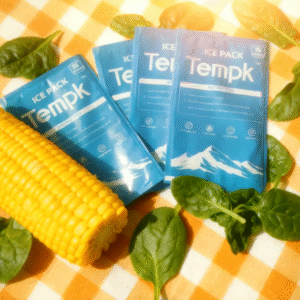
Understand why the سلسلة التبريد matters to vegetables – اشرح كيف أن التحكم السليم في درجة الحرارة يقلل من فقدان الطعام ويحافظ على التغذية.
استكشاف محركات النمو – مراجعة اتجاهات المستهلك, crossborder trade and regulations boosting سلسلة التبريد investment.
تعرف على التقنيات المتطورة – اكتشف كيف الذكاء الاصطناعي, يعمل إنترنت الأشياء و blockchain على تحسين إمكانية التتبع والكفاءة.
تنفيذ أفضل الممارسات - ابحث عن نطاقات درجات الحرارة الموصى بها, إرشادات التعبئة والتغليف والتعامل مع الخضروات المختلفة.
الاستعداد للاستدامة والاتجاهات المستقبلية – انظر كيف تعالج الأنظمة الموفرة للطاقة والخدمات اللوجستية الصديقة للبيئة الأهداف المناخية.
Why the سلسلة التبريد Matters for Vegetables
فقدان الغذاء والتغذية. بدون تبريد, الخضار تفسد بسرعة. حوالي 13% من إجمالي المواد الغذائية المنتجة is lost because of insufficient سلسلة التبريدs, ويخسر المزارعون أصحاب الحيازات الصغيرة في منطقة جنوب الصحراء الكبرى في أفريقيا أكثر من 50% من حصاد الخضار. سلاسل التبريد المناسبة تقلل من نمو الميكروبات والتفاعلات الأنزيمية, إطالة العمر الافتراضي وحماية العناصر الغذائية.
السلامة والامتثال. اللوائح مثل الولايات المتحدة. قانون تحديث سلامة الأغذية (FSMA) القاعدة 204 تتطلب إمكانية تتبع الأطعمة عالية الخطورة على مدار 24 ساعة. الحفاظ على الخضار في 0-5 درجة مئوية (32-41 درجة فهرنهايت) يحافظ على القوام ويمنع مسببات الأمراض. تضمن المراقبة في الوقت الفعلي الامتثال وتقلل من عمليات الاستدعاء.
التأثير الاقتصادي والاجتماعي. حساب الفاقد والمهدر من الأغذية 8-10% من انبعاثات الغازات الدفيئة العالمية. By improving سلسلة التبريدs, يمكننا إطعام أكثر من 1 مليار شخص المتضررة حاليا من انعدام الأمن الغذائي. كما تعمل الخدمات اللوجستية الفعالة على زيادة دخل المزارعين وخلق فرص العمل.
نظرة فاحصة على خسائر الخضروات
| مشكلة | شهادة | التأثير على الخضروات | لماذا يهمك |
| خسائر ما بعد الحصاد | حتى 50 ٪ of vegetable yields lost in SubSaharan Africa due to inadequate سلسلة التبريدs | تقلل النفايات من دخل المزارعين وإمدادات المستهلكين | Improved سلسلة التبريد storage can halve postharvest losses, زيادة الأرباح وتوافر الغذاء |
| فقدان الغذاء مقابل. يضيع | 526 مليون طن of food lost annually because of missing or broken سلسلة التبريدs | فقدان العناصر الغذائية العالية للخضروات; الطاقة الضائعة | الاستثمار في البنية التحتية للتبريد يقلل من الخسائر ويحسن الاستدامة |
| إساءة استخدام درجة الحرارة | مطلوب خضار مجمدة -18 درجة مئوية إلى -23 درجة مئوية; تحتاج الخضار الطازجة 0-13 درجة مئوية اعتمادا على التنوع | الانحرافات تؤدي إلى بلورات الجليد, تلف الملمس والتلف | الحفاظ على النطاقات الصحيحة يضمن الجودة ويقلل من الشكاوى |
نصائح للحد من فقدان الخضار
يبرد بسرعة: قم بتبريد الخضروات بسرعة بعد الحصاد باستخدام المبردات الانفجارية أو التبريد بالهواء القسري. يسمح التبريد البطيء بتكوين بلورات الثلج ويقلل الجودة.
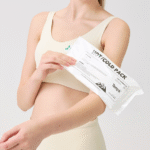
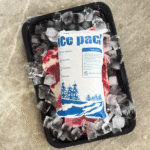
استخدم التغليف المناسب: حاويات الرغوة المعزولة, أكياس فراغ مختومة و حزم هلام المساعدة في الحفاظ على درجة الحرارة.
مراقبة الرطوبة: الرطوبة المتوازنة تمنع الذبول; تسمح الأفلام القابلة للتنفس بتبادل الغازات مع الاحتفاظ بالرطوبة.
تثبيت أجهزة الاستشعار: توفر أجهزة تسجيل إنترنت الأشياء ومسجلات البيانات بيانات مستمرة عن درجة الحرارة والرطوبة, تنبيه المشغلين إلى الانحرافات.
مثال على ذلك: قام أحد الموزعين في جنوب شرق آسيا بتركيب وحدات تخزين باردة تعمل بالطاقة الشمسية ومراقبة إنترنت الأشياء مما أدى إلى خفض تكاليف الطاقة 13.10 سنتا لكل كيلوواط ساعة إلى 3.2 سنتا, مع الحفاظ على اللقاحات في -80 درجة مئوية إلى -150 درجة مئوية. يمكن لأنظمة مماثلة للخضروات خفض فواتير الطاقة والحفاظ على جودة المنتج.
محركات النمو في 2025 سلسلة التبريد Vegetables صناعة
ارتفاع الطلب على الأطعمة المجمدة والمصنعة
أدت أنماط الحياة الحضرية والجداول الزمنية المزدحمة إلى زيادة استهلاك الوجبات المجمدة, اللحوم والمأكولات البحرية. استمرار أبحاث السوق reports the global food سلسلة التبريد market at 65.8 مليار دولار أمريكي في 2025 ومشاريع للوصول إليه 205.3 مليار دولار أمريكي بواسطة 2032, ينمو عند 17.5 % سنويا. أطقم الوجبات, تتطلب الأطعمة الجاهزة للأكل وخدمات البقالة عبر الإنترنت خدمات لوجستية مبردة موثوقة.
ال سوق الخضار المجمدة في حد ذاته يستحق 57 مليار دولار أمريكي في 2025 ومن المتوقع أن تصل 102.3 مليار دولار أمريكي بواسطة 2035 (CAGR 6 %). حساب عملاء التجزئة ل 65 % من السوق. إن شعبية الأنظمة الغذائية النباتية والراحة التي توفرها الخضروات الجاهزة للطهي هي التي تدفع هذا القطاع.
لوائح أكثر صرامة لسلامة الأغذية
وتقوم الحكومات بفرض التحكم في درجة الحرارة وإمكانية التتبع عبر سلاسل التوريد. تنص قاعدة FSMA Rule204 على السجلات الرقمية و 24إمكانية التتبع على مدار الساعة للأطعمة عالية الخطورة. في أوروبا, ال الانتقال إلى -15 درجة مئوية التحالف يشجع على رفع درجات حرارة الفريزر من -18 درجة مئوية إلى -15 درجة مئوية, تسليم 10-15 % توفير الطاقة مع الحفاظ على الغذاء. ال التعبئة والتغليف في الاتحاد الأوروبي & توجيه النفايات يتطلب التعبئة والتغليف القابلة لإعادة التدوير وإعادة الاستخدام, دفع الشركات إلى اعتماد مواد صديقة للبيئة.
نمو التجارة والبنية التحتية عبر الحدود
الصادرات القابلة للتلف مثل اللحوم, نمت المأكولات البحرية والمنتجات الطازجة 5.6 % سنويا منذ 2018. تعمل الاقتصادات الناشئة على توسيع سعة المستودعات المبردة - وقد زادت سعة التخزين البارد في الهند 35 % بين 2020 و 2024, بينما تتجاوز قدرة الصين 200 مليون متر مكعب. The Asia Pacific سلسلة التبريد market is expected to grow 11 % بواسطة 2025, ومع ذلك، فإن البنية التحتية غير المتساوية تخلق فوارق إقليمية. تهدف دول مثل الفلبين إلى زيادة سعة التخزين البارد من خلال 10-15 % سنويا لدعم الصادرات.
تكنولوجيا الرقمنة وأجهزة الاستشعار
تساعد منصات إنترنت الأشياء والتحليلات التنبؤية على تقليل فقدان المنتج وتحسين المسارات. يمكن للحلول الرقمية خفض وقت التوقف عن العمل بنسبة تصل إلى 50 %, تقليل تكاليف الإصلاح 10-20 % وحفظ 10-30 % من الطاقة. يلبي التتبع في الوقت الفعلي المتطلبات التنظيمية ويبني ثقة المستهلك. توفر تقنية Blockchain سجلات مقاومة للتلاعب لكل عملية تسليم, ضمان إمكانية التتبع الشامل.
تفضيلات المستهلك للجودة والراحة
المستهلكون يريدون الطازجة, الخضروات المعالجة بالحد الأدنى ولكنها أيضًا تقدر الراحة. اشتراكات ميلكيت, تعتمد خدمات البقالة عبر الإنترنت ومطاعم الخدمة السريعة على الخدمات اللوجستية المبردة. في الهند, من المتوقع أن ينمو قطاع مطاعم الخدمة السريعة 20-25 % سنويا, underscoring the need for reliable سلسلة التبريدs.
Technology Innovations Transforming Vegetable سلسلة التبريدs
الذكاء الاصطناعي وتحسين المسار
AI is revolutionizing سلسلة التبريد logistics by optimizing routes based on traffic patterns, نوافذ الطقس والتسليم. وهذا يقلل من استهلاك الوقود ويضمن التسليم في الوقت المناسب. تتنبأ منصات الذكاء الاصطناعي للمستودعات بأعطال المعدات, جدولة الصيانة وتقديم توقعات المخزون. تعمل أنظمة التخزين الآلية على تحسين السلامة وتقليل تكاليف العمالة.
Blockchain للتتبع
تقوم تقنية Blockchain بإنشاء سجلات غير قابلة للتغيير لرحلات المنتج. أنه يعزز الشفافية, يضمن الامتثال للوائح سلامة الأغذية ويبني ثقة المستهلك. من خلال تسجيل كل عملية تسليم في سلسلة التوريد, يمنع blockchain المنتجات المزيفة ويبسط عمليات التدقيق.
مراقبة IoTenabled
يتيح إنترنت الأشياء التتبع المستمر للمنتجات الحساسة لدرجات الحرارة. توفر أجهزة الاستشعار بيانات حقيقية عن درجة الحرارة, الرطوبة والموقع. تتيح التنبيهات الفورية اتخاذ الإجراءات التصحيحية عند حدوث الانحرافات, الحد من التلف والنفايات. يساعد تكامل نظام تحديد المواقع العالمي (GPS) على ضبط مسارات حركة المرور والطقس.
التبريد بالطاقة الشمسية والمتجددة
تكتسب وحدات التبريد التي تعمل بالطاقة الشمسية قوة جذب في المناطق ذات الكهرباء المحدودة. تقوم شركات مثل EjaIce Nigeria بنشر غرف تبريد تعمل بالطاقة الشمسية لتقليل هدر الطعام وتحسين الأمن الغذائي. تعمل حلول الطاقة المتجددة على خفض تكاليف التشغيل والانبعاثات, making سلسلة التبريدs more sustainable.
حاويات ذكية خفيفة الوزن
خفيف الوزن حاويات معزولة مع أجهزة الاستشعار المدمجة لمراقبة درجة الحرارة, الرطوبة والموقع. تعمل هذه الحاويات على تحسين الكفاءة وتقليل الوزن, خفض تكاليف النقل. تعمل العبوة الذكية القابلة لإعادة الاستخدام على تقليل النفايات ودعم سلاسل التوريد الدائرية.
إدارة درجة الحرارة للخضروات المختلفة
يختلف التحكم في درجة الحرارة حسب المنتج:
خضار مجمدة: يتطلب -18 درجة مئوية إلى -23 درجة مئوية لوقف نمو البكتيريا والتفاعلات الأنزيمية. يمكن لأي تقلب أن يشكل بلورات ثلجية ويلحق الضرر بهياكل الخلايا.
الخضر الورقية الطازجة: يحتاج 0-4 درجة مئوية والرطوبة العالية لمنع الذبول.
الخضروات الجذرية (البطاطس, البصل): يسامح 10-13 درجة مئوية. درجات الحرارة الأكثر دفئًا تمنع الإصابة بالبرودة.
الخضروات الاستوائية (طماطم, خيار): يفضل 10-13 درجة مئوية والرطوبة المعتدلة.
الحفاظ على الرطوبة المثلى أمر بالغ الأهمية; يجب أن توازن الحاويات الرطوبة لتجنب الجفاف أو التعفن.
نصائح عملية للتعامل
استخدام الحاويات المبردة: ضبط ضوابط دقيقة لدرجة الحرارة والرطوبة. تحتاج الخضار الطازجة 32-40 درجة فهرنهايت (0-4 درجة مئوية), بينما تحتاج الأصناف الاستوائية 50-55 درجة فهرنهايت (10-13 درجة مئوية).
خطة التحميل والتفريغ: تقلل عمليات النقل السريعة من التعرض لدرجات الحرارة المحيطة.
تنفيذ المراقبة في الوقت الحقيقي: توفر أجهزة الاستشعار ونظام تحديد المواقع العالمي (GPS) بيانات مستمرة وتنبه المعالجات إلى الانحرافات.
لديك قوة احتياطية: تمنع المولدات الأعطال أثناء انقطاع التيار الكهربائي.
مثال العالم الحقيقي: في يوليو 2025 تم شحن اليونيسف 500 000 جرعات لقاح المكورات الرئوية عن طريق البحر. أدى التخطيط الدقيق للطريق والخدمات اللوجستية الخضراء إلى تقليل انبعاثات الغازات الدفيئة بنسبة 100٪ 90 % وخفض تكاليف الشحن بنسبة 50 % مقارنة بالشحن الجوي. ويمكن تطبيق استراتيجيات مماثلة على شحنات الخضروات لتوفير المال والحد من تأثير المناخ.
الاستدامة والأثر البيئي
البصمة الكربونية لسلسلة التبريد
حسابات سلسلة التبريد الغذائية 4 % من انبعاثات الغازات الدفيئة العالمية. استهلاك الطاقة للتبريد, يعد تسرب غاز التبريد وفقدان الطعام بسبب عدم كفاية التبريد من المصادر الرئيسية. تستهلك عمليات السلسلة الباردة أيضًا 17 % من كهرباء العالم. ومعالجة هذه الانبعاثات أمر ضروري لتحقيق الأهداف المناخية.
فقدان الغذاء وتغير المناخ
في 2022 أكثر من 1.05 مليار طن تم إهدار الطعام, بينما 783 مليون شخص جائع. ويساهم فقد الأغذية وهدرها 8-10 % من انبعاثات الغازات الدفيئة العالمية السنوية - ما يقرب من خمسة أضعاف الانبعاثات الناجمة عن الطيران. Reducing سلسلة التبريد losses can therefore deliver significant environmental and social benefits.
أدوات اتخاذ القرار مفيدة
تحقق من التفاصيل قبل اختيار التغليف
يمكن أن تساعدك هذه الأدوات السريعة في مقارنة مخاطر المسار, احتياجات التحجيم, خيارات المبرد, وتفاصيل التعبئة والتغليف قبل أن تطلب عرض أسعار.
سائل التبريد & مرجع PCM
قارن خيارات سائل التبريد وPCM عندما يحتاج المسار إلى دعم إضافي لدرجة الحرارة.
قارن الخياراتبطانة الصندوق & تحجيم غطاء البليت
تحقق من منطق تحديد حجم بطانة الصندوق وغطاء منصة التحميل لمشاريع التغليف المعزولة.
تقدير الحجمأداة اختيار العبوة
قارن بين خيارات التغليف المعزولة حسب المنتج, طريق, ودرجة الحرارة اللازمة.
البحث عن التعبئة والتغليفالاستراتيجيات المستدامة
| استراتيجية | وصف | ينفع لك |
| الطاقة المتجددة | تركيب الألواح الشمسية أو توربينات الرياح لتشغيل معدات التخزين والنقل الباردة. استخدم السيارات الكهربائية لتوصيل الميل الأخير. | يقلل من الانبعاثات وتكاليف الطاقة; يزيد من القدرة على التكيف مع تقلبات أسعار الطاقة. |
| المبردات الطبيعية | استبدل المبردات ذات القدرة العالية على إحداث الاحترار العالمي بثاني أكسيد الكربون, الأمونيا أو الهيدروكربونات, بما يتماشى مع تعديل كيغالي ولوائح وكالة حماية البيئة. | يخفض الانبعاثات المباشرة للغازات الدفيئة والمعدات المستقبلية ضد التنظيم. |
| عمليات كفاءة في استخدام الطاقة | تبني انتقل إلى -15 درجة مئوية مبادرة, رفع درجات حرارة الفريزر من -18 درجة مئوية إلى -15 درجة مئوية للتوفير 10-15 % من الطاقة. استخدم الألواح المعزولة بالفراغ ومواد تغيير الطور لتحسين العزل. | خفض تكاليف التشغيل وإطالة عمر المعدات; الحفاظ على الجودة وتقليل النفايات. |
| اللوجستية الخضراء | استخدم الذكاء الاصطناعي لتحسين المسار وتوحيد الأحمال; التحول إلى وسائل نقل منخفضة الكربون (السكك الحديدية أو البحر). تنفيذ مراكز الوفاء الجزئي لتقليل مسافة السفر. | يخفض استهلاك الوقود والانبعاثات; يحسن سرعة التسليم والموثوقية. |
| التغليف الدائري | قم بالتبديل إلى الحاويات القابلة لإعادة التدوير وإعادة الاستخدام. يفرض توجيه التغليف الخاص بالاتحاد الأوروبي مثل هذه المواد. يمكن إعادة استخدام الحاويات الذكية المزودة بأجهزة استشعار عدة مرات. | يقلل من نفايات التغليف ويتوافق مع التشريعات; يخفض التكاليف على المدى الطويل. |
اتجاهات السوق وأنماط الاستهلاك
ديناميات الأسعار والعرض
الولايات المتحدة. خدمة البحوث الاقتصادية تشير التقارير إلى أن أسعار التجزئة للخضراوات الطازجة ارتفعت بنسبة 2.8 % من يوليو 2025 إلى أغسطس 2025 وكانوا 2.9 % أعلى من العام السابق. على الرغم من التقلبات الموسمية بسبب الأحداث الجوية في كاليفورنيا وفلوريدا, ومن المتوقع أن تكلف الخضروات الطازجة نفس التكلفة تقريبًا في 2025 كما في 2024, مع فترة التنبؤ -1.3 % ل 1.3 %. على مستوى المزرعة, ومن المتوقع أن ترتفع أسعار الخضار انخفاض بنسبة 14.1 % في 2025 بسبب تحسن الغلة واستقرار العرض. إن أسعار التجزئة المستقرة تفيد المستهلكين ولكنها قد تضغط على المزارعين, مؤكدا على الحاجة إلى لوجستيات فعالة للحفاظ على الهوامش.
النمو والاستهلاك الإقليمي
ال آسيا والمحيط الهادئ سلسلة التبريد market is expected to grow 11 % بواسطة 2025, مدفوعا بارتفاع الدخل والتوسع الحضري. لكن, ويعني تفاوت البنية التحتية والظروف المناخية أن بعض البلدان متخلفة عن الركب, خلق فرص للاستثمار في التنمية المستدامة مرافق التخزين البارد.
ويتفاوت استهلاك الفرد من الخضار المجمدة. الدول المتقدمة مثل الولايات المتحدة, سجلت المملكة المتحدة وألمانيا ارتفاعًا في الاستهلاك بسبب أنماط الحياة المزدحمة والتخزين البارد الواسع النطاق. الأسواق الناشئة, بما في ذلك الهند, البرازيل وجنوب أفريقيا, show rising consumption as سلسلة التبريد infrastructure improves. شرق آسيا, وخاصة اليابان, من المتوقع أن يكون السوق الأسرع نموًا مع أ 6.1 % CAGR.
المنتجات ذات القيمة المضافة والأتمتة
لقد نما سوق المنتجات الطازجة وذات القيمة المضافة مع مطالبة المستهلكين بالراحة. وصلت المنتجات ذات القيمة المضافة إلى 15.4 % يشارك مبيعات المنتجات الطازجة في 2025. يمكن لتكنولوجيا الأتمتة مثل آلات أخذ العينات الجوفية والمقشرات الآلية المعالجة 2 500 قطعة في الساعة, تحسين الكفاءة وخفض تكاليف العمالة. These innovations require precise سلسلة التبريد management to maintain quality after cutting.
طاولة: مقاييس السوق الرئيسية والاستدامة
| متري | 2025 قيمة | تنبؤ بالمناخ / تأثير | أهمية عملية |
| السوق العالمية للوجستيات سلسلة التبريد | 436 مليار دولار أمريكي | من المتوقع أن يتجاوز 1.36 تريليون دولار أمريكي بواسطة 2034 | يظهر نموا سريعا; فرص الاستثمار في مجال الخدمات اللوجستية والبنية التحتية |
| سوق سلسلة تبريد الأغذية (إجمالي) | 65.8 مليار دولار أمريكي | من المتوقع أن تصل 205.3 مليار دولار أمريكي 2032 (CAGR 17.5 %) | Highlights strong demand for سلسلة التبريد services across food categories |
| سوق الخضار المجمدة | 57 مليار دولار أمريكي | من المتوقع أن تصل 102.3 مليار دولار أمريكي 2035 (CAGR 6 %) | يشير إلى ارتفاع الطلب على الخضار المجمدة; فرص للمعالجين وتجار التجزئة |
| حصة الأغذية المفقودة بسبب نقص سلسلة التبريد | 12 % (526 مليون طن) | ما يكفي من الغذاء لإطعام 1 مليار شخص | Emphasizes social impact of investing in سلسلة التبريد infrastructure |
| حصة سلسلة التبريد من انبعاثات غازات الدفيئة العالمية | 4 % | استهلاك الطاقة ذات الصلة هو 17 % من الكهرباء العالمية | يسلط الضوء على التكلفة البيئية; تدابير الاستدامة ضرورية |
| توقعات أسعار الخضروات الطازجة (نحن) | دون تغيير (-1.3 % ل 1.3 % يتغير) في 2025 | من المتوقع أن ترتفع الأسعار على مستوى المزرعة انخفاض بنسبة 14.1 % | أسعار التجزئة المستقرة تفيد المستهلكين; efficient سلسلة التبريدs help growers remain profitable |
التحديات وإدارة المخاطر
التحديات المشتركة
التحكم في درجة الحرارة والاستقرار. التقلبات أثناء النقل تسبب تبلور الجليد, تدهور الملمس والتلف. يؤدي انقطاع التيار الكهربائي وأنظمة التبريد غير الفعالة إلى ارتفاع درجات الحرارة.
انعدام الرؤية والتواصل. الثغرات الموجودة في المراقبة تجعل من الصعب تحديد مكان حدوث إساءة استخدام درجة الحرارة. ضعف التنسيق بين الموردين, تؤدي شركات النقل وتجار التجزئة إلى تأخيرات وتلف المنتج.
نفايات التغليف وأخطاء التخطيط. إن الإفراط في استخدام عبوات الجل أو قلة استخدامها يؤدي إلى نفايات المواد ويزيد من خطر الانحرافات في درجات الحرارة.
عدم الامتثال التنظيمي. يمكن أن تؤدي السجلات المفقودة أو ظروف التخزين غير المناسبة إلى فرض غرامات وعمليات سحب.
فجوات البنية التحتية وسلسلة التوريد. مرافق عفا عليها الزمن, فطرق النقل السيئة وارتفاع تكاليف الطاقة تعيق الكفاءة.
استراتيجيات إدارة المخاطر
المراقبة والتنبيه في الوقت الحقيقي: نشر أجهزة استشعار إنترنت الأشياء وأجهزة تتبع نظام تحديد المواقع العالمي (GPS) لمراقبة درجة الحرارة, الرطوبة والموقع بشكل مستمر.
الصيانة التنبؤية: استخدم التحليلات المعتمدة على الذكاء الاصطناعي لجدولة الإصلاحات قبل الأعطال, تقليل وقت التوقف عن العمل بنسبة تصل إلى 50 % وتكاليف الإصلاح بواسطة 10-20 %.
الرؤية النهائية: دمج أنظمة إدارة النقل (TMS) مع برنامج ERP لتتبع الشحنات والمخزون. تساعد تقنيات RFID والباركود في الحفاظ على مستويات المخزون المثلى.
تحسين الطريق: استخدم الذكاء الاصطناعي لتحسين طرق التسليم, تقليل التأخير واستهلاك الوقود.
التدريب والتواصل: توحيد إجراءات التحميل, التفريغ والمراقبة; إجراء تدريبات وتدريبات منتظمة.
الطاقة الاحتياطية والطاقة المتجددة: تركيب مولدات واعتماد الطاقة الشمسية أو طاقة الرياح لضمان التبريد دون انقطاع.
التغليف المستدام: معايرة أحجام التعبئة والتغليف لحجم الشحنة; اعتماد حاويات قابلة لإعادة الاستخدام وأنظمة تجميع مغلقة.
نصائح وتوصيات عملية
مجموعات وجبة دفعة صغيرة: استخدم حاويات معزولة وعبوات هلامية تحافظ على بقاءها 0-5 درجة مئوية, جنبًا إلى جنب مع مسجلات إنترنت الأشياء لمراقبة تسليم الميل الأخير.
الشحنات المجمدة طويلة المدى: يحافظ على -18 درجة مئوية أو أقل; توظيف حاويات ذكية مزودة بأجهزة استشعار وتحسين المسار. النظر في الشحن البحري للحد من الانبعاثات والتكاليف.
تجهيز قطع طازجة: استخدم آلات أخذ العينات والمقشرات الآلية لتقليل وقت المناولة, ثم قم بتعبئتها في أفلام قابلة للتنفس وتبرد بسرعة.
بنية تحتية مرنة: استثمر في المناطق ذات درجات الحرارة المتعددة, الطاقة الشمسية أو طاقة الرياح, ومراكز الوفاء الجزئي.
البرامج التعاونية: تثقيف صغار المزارعين والتعاونيات حول التحكم في درجة الحرارة وتوفير إمكانية الوصول إلى أماكن تخزين التبريد بأسعار معقولة.
السيناريو العملي: قام مصدر للخضروات المجمدة في جنوب شرق آسيا بتركيب أجهزة استشعار لإنترنت الأشياء وأنظمة طاقة احتياطية. انخفضت درجات الحرارة بمقدار 90 %, وانخفضت شكاوى العمر الافتراضي بشكل كبير. كما اعتمدوا انتقل إلى -15 درجة مئوية المبدأ التوجيهي, خفض تكاليف الطاقة بنسبة 10-15 % مع الحفاظ على الجودة.
2025 الاتجاهات والتوقعات المستقبلية
الاستدامة في قلب العمليات
لقد أصبحت الاستدامة البيئية الآن مطلبًا وليس خيارًا. يتم الضغط على عمليات سلسلة التبريد لتبني ممارسات أكثر مراعاة للبيئة, تقليل البصمة الكربونية والحفاظ على الكفاءة. الابتكارات في مجال الخدمات اللوجستية الخضراء, وإدارة الطاقة والقدرة على الصمود تقود الطريق. وتقوم الشركات بدمج الطاقة الشمسية وطاقة الرياح في المرافق واستخدام الوقود الحيوي للنقل. أنظمة الشهادات مثل EDGE Advanced (ويتجلى ذلك في مصنع إيمرجنت كولد الذي لا يحتوي على أي كربون في تشيلي) عرض التحول إلى عمليات صديقة للبيئة.
الذكاء الاصطناعي والأتمتة
يوفر الذكاء الاصطناعي رؤى تنبؤية تعمل على تحسين عمليات المستودعات, توقع الطلب والجدول الزمني للصيانة. تعمل الروبوتات على تحسين استخدام الفضاء والسلامة. يعمل تحسين المسار الممكّن على تقليل التأخير وتكاليف الوقود, بينما تضمن المراقبة في الوقت الفعلي الظروف المثلى.
الخدمات اللوجستية الخضراء والمرافق المصممة لتناسب
تؤكد الخدمات اللوجستية المستدامة على مصادر الطاقة المتجددة وتصميم المرافق الفعال. تعمل الحلول المصممة حسب الطلب على تخصيص السعة وتحسين كفاءة استخدام الطاقة, مساعدة الشركات على إدارة التكاليف مع تلبية المتطلبات التنظيمية. يمكن أن يؤدي الاستعانة بمصادر خارجية لمقدمي خدمات التخزين البارد المتخصصين إلى تقليل النفقات الرأسمالية.
مبادرة الانتقال إلى -15 درجة مئوية
يشجع تحالف الانتقال إلى -15 درجة مئوية على رفع درجات حرارة الفريزر القياسية من -18 درجة مئوية إلى -15 درجة مئوية, تسليم 10-15 % توفير الطاقة وإطالة عمر المعدات. وتقوم الشركات الكبرى بمواءمة عملياتها مع هذه المبادرة لتحقيق أهداف الاستدامة.
الحد من فقد الأغذية وهدرها
أكثر من 1 مليار طن من الطعام يتم إهداره سنويًا, المساهمة في 8-10 % من انبعاثات الغازات الدفيئة العالمية. تعمل تحسينات سلسلة التبريد على تقليل خسائر ما بعد الحصاد والحفاظ على جودة المنتج, المساعدة في إطعام المزيد من الناس وتقليل الانبعاثات.
توسيع سعة التخزين البارد والمرونة
يتزايد الطلب على التخزين البارد بسبب تقلب المناخ وتعطل سلسلة التوريد. تقوم الشركات بتوسيع أو الاستعانة بمصادر خارجية للتخزين والاستخدام مراكز الإيفاء الدقيق لتحسين تسليم Lastmile. إن بناء مخزونات استراتيجية وتنويع الموردين يعزز القدرة على الصمود في مواجهة أحداث مثل إغلاق القنوات أو الاضطرابات الناجمة عن المناخ.
الأسئلة المتداولة
- ما هي درجة الحرارة التي يجب تخزين الخضروات الطازجة فيها أثناء النقل؟?
تتطلب الخضروات الطازجة بشكل عام 0-4 درجة مئوية (32-40 درجة فهرنهايت), بينما تحتاج الخضروات الاستوائية مثل الطماطم والخيار 10-13 درجة مئوية (50-55 درجة فهرنهايت). الحفاظ على الرطوبة لمنع الذبول وتجنب التكثيف. - كيف يعمل الذكاء الاصطناعي على تحسين لوجستيات سلسلة التبريد للخضروات?
يعمل الذكاء الاصطناعي على تحسين طرق التسليم, يتنبأ بأعطال المعدات ويقدم توقعات للمخزون والطلب في الوقت الفعلي. هذه الأفكار تقلل من استهلاك الوقود, تقليل وقت التوقف عن العمل وتعزيز نضارة المنتج. - ما هي أكبر التحديات في شحن الخضار المجمدة دوليا?
صيانة -18 درجة مئوية إلى -23 درجة مئويةطوال الرحلة أمر بالغ الأهمية. وتشمل التحديات تقلبات درجات الحرارة, انقطاع التيار الكهربائي, الامتثال التنظيمي والفجوات في الرؤية. مراقبة الوقت الحقيقي, تساعد الطاقة الاحتياطية والتعامل المدرب في التغلب على هذه المشكلات. - ما أهمية مبادرة الانتقال إلى -15 درجة مئوية؟?
رفع درجات حرارة الفريزر القياسية من -18 درجة مئوية إلى -15 درجة مئويةيمكن أن ينقذ 10-15 %من الطاقة وإطالة عمر المعدات. فهو يقلل من الانبعاثات دون المساس بسلامة الأغذية. - كيف يمكن لصغار المزارعين الاستفادة من أنظمة سلسلة التبريد المحسنة؟?
يؤدي الوصول إلى أماكن تخزين باردة بأسعار معقولة إلى تقليل خسائر ما بعد الحصاد, يزيد الدخل ويمكّن المزارعين من الوصول إلى الأسواق البعيدة. Cooperative programs and solarpowered systems make سلسلة التبريدs accessible in offgrid areas.
ملخص وتوصيات
Effective سلسلة التبريد management is crucial for the vegetable industry. الوجبات الرئيسية يشمل:
نمو السوق: من المتوقع أن ينمو سوق سلسلة تبريد الأغذية من 65.8 مليار دولار أمريكي في 2025 ل 205.3 مليار دولار أمريكي بواسطة 2032, بينما من المتوقع أن يصل سوق الخضار المجمدة 102.3 مليار دولار أمريكي بواسطة 2035.
تقليل الخسارة: Inadequate سلسلة التبريدs lead to 526 مليون طن من فقدان الغذاء سنويا; فالتبريد المناسب يمكن أن يقلل خسائر ما بعد الحصاد إلى النصف ويطعم المزيد من الناس.
الابتكار التكنولوجي: منظمة العفو الدولية, إنترنت الأشياء, تعمل تقنية blockchain والطاقة المتجددة على تحسين إمكانية التتبع, الكفاءة والاستدامة.
الاستدامة: The سلسلة التبريد accounts for 4 % من انبعاثات غازات الدفيئة العالمية و 17 % من الاستهلاك العالمي للكهرباء. ممارسات كفاءة استخدام الطاقة والخدمات اللوجستية الخضراء تقلل من التأثير البيئي.
أسعار مستقرة: ومن المتوقع أن تظل أسعار التجزئة للخضراوات الطازجة مستقرة في 2025; efficient سلسلة التبريدs help maintain profitability despite lower farmlevel prices.
خطة العمل
استثمر في المراقبة الرقمية: نشر أجهزة استشعار إنترنت الأشياء, أجهزة تعقب GPS و blockchain للمراقبة والتتبع في الوقت الفعلي. اختر الحلول التي توفر تحديثات للبيانات لمدة تتراوح من 1 إلى 5 دقائق للتدخلات الاستباقية.
تنفيذ التحليلات التنبؤية: استخدم أدوات الذكاء الاصطناعي للتنبؤ بالطلب وجدولة الصيانة, تقليل وقت التوقف عن العمل بنسبة تصل إلى 50 % وخفض تكاليف الإصلاح.
اعتماد ممارسات كفاءة استخدام الطاقة: ارفع درجة حرارة الفريزر إلى -15 درجة مئوية, تركيب أنظمة الطاقة المتجددة واعتماد التغليف القابل لإعادة الاستخدام. هذه الخطوات تحفظ 10-15 % من الطاقة.
تعزيز لوجستيات الميل الأخير: بناء مراكز الإيفاء الجزئي, استخدام ثلاث مركبات درجة الحرارة وتحسين الطرق للسرعة والكفاءة.
التثقيف والتعاون: تدريب الموظفين على التعامل السليم وإجراءات الطوارئ, والتعاون مع المزارعين والتعاونيات لتوفير أماكن تخزين باردة بأسعار معقولة.
حول Tempk
Tempk هو مبتكر موثوق به في تغليف السلسلة الباردة والحلول اللوجستية. نحن نتصميم الصناديق المعزولة, حزم الجليد, الأكياس الحرارية و صناديق البرد الطبية للحفاظ على الخضار والمنتجات الأخرى الحساسة للحرارة آمنة. منتجاتنا هي قابل لإعادة الاستخدام, قابل لإعادة التدوير ومصممة لكفاءة الطاقة. بدعم من R مخصص&مركز D ومراقبة الجودة الصارمة, نحن نساعد العملاء على تلبية المتطلبات التنظيمية وأهداف الاستدامة.
Ready to optimize your vegetable سلسلة التبريد?
قم بزيارة مركز المعرفة الخاص بـ Tempk للحصول على مزيد من الأفكار والأدوات, أو تواصل مع خبرائنا للحصول على استشارة شخصية. نحن هنا لدعم رحلتك نحو المنتجات الطازجة, تقليل النفايات وسلسلة توريد أكثر مراعاة للبيئة.