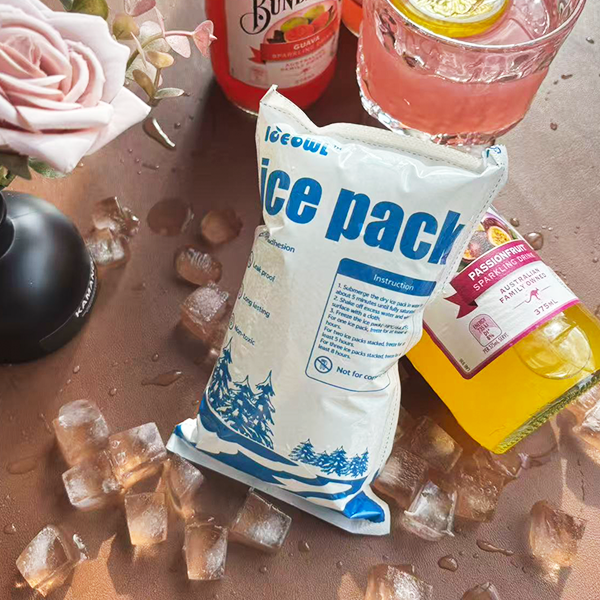
خطة التحكم في دورة حياة حزمة الثلج الجاف للمورد لشحن الأدوية
لا يمكن الاعتماد على عبوات الثلج الجاف المخصصة لشحن الأدوية إلا عندما تكون جزءًا من دورة حياة خاضعة للرقابة: متطلبات المنتج, خطر المسار, تصميم, تأهيل المورد, تأهيل الأداء, تعليمات التشغيل, يراقب, إدارة الانحراف, وتغيير السيطرة. شراء المبرد هو خطوة واحدة صغيرة. والنتيجة الدائمة هي نظام يمكن تتبعه يخبر الناس بما يجب عليهم استخدامه, كيفية تحضيره, أين تضعه, كيفية التحقق من الشحنة, وماذا تفعل عندما يختلف الواقع عن الخطة.
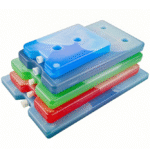
يجب أن تبدأ خطة التحكم هذه قبل طلب عرض الأسعار. وينبغي أيضًا التمييز بين ثاني أكسيد الكربون الصلب وصفائح الهيدرات المنشطة بالماء, حزم هلام أو PCM, مكونات متوافقة مع درجات الحرارة المنخفضة, مكتمل الشاحنين السلبيين, الأنظمة النشطة, والشاشات. لكل منها وظيفة مختلفة. تدابير المسجل; لا يبرد. العزل يبطئ نقل الحرارة; لا يحدد شرط الهدف. تحتوي عبوة الهيدرات على ماء متجمد أو مبرد آخر بعد التحضير; إنه ليس ثاني أكسيد الكربون الصلب.
بوابة 1: الموافقة على متطلبات المنتج
يجب أن يوافق مالك المنتج ووحدة الجودة على متطلبات التوزيع بناءً على ملصق الدواء, استقرار, البروتوكول المعتمد, الحزمة الأساسية, والحساسيات المعروفة. تجنب الافتراضات الموروثة مثل "جميع الأدوية القابلة للحقن مبردة" أو "البرودة أكثر أمانًا".
يجب أن يحدد الشرط:
حالة النقل المعتمدة أو المبررة;
تجميد محظور, ذوبان الجليد, ارتفاع درجة الحرارة, ضوء, رطوبة, أو التوجه;
إطار الرحلة المسموح به وسلطة التصرف;
الحاوية الأولية والإغلاق;
الحد الأدنى والحد الأقصى للحمولة التجارية أو السريرية;
حالة البداية والحد الأقصى لوقت التدريج;
الأوضاع المخططة, الجغرافيا, ومستويات الخدمة;
الحد الأقصى للعبور المتوقع وهامش التأخير المبرر;
حماية, أدلة التلاعب, واحتياجات سلسلة الحضانة;
مراقبة الهدف وتلقي سير العمل;
الأسواق المعمول بها وأنظمة الجودة;
السجلات المطلوبة للإفراج, مراجعة, أو التحقيق في الشحنة.
عند هذه البوابة, عدم اليقين في الوثيقة. إذا كان الاستقرار لا يدعم انخفاض درجة الحرارة أو تكرار ذوبان الجليد, لا تطلب من فريق التعبئة والتغليف حل هذه الفجوة عن طريق الحدس. الحصول على المعرفة اللازمة بالمنتج أو وضع حدود متحفظة من خلال عملية الجودة المعتمدة.
بوابة 2: وصف المسار وطرق فشله
قم برسم خريطة للرحلة من لحظة خروج سائل التبريد من مخزن التكييف حتى وصول المنتج إلى مكان تخزين الوجهة المعتمد. تشمل التعبئة, التدريج, يلتقط, محاور, التحويلات, جمارك, تسليم الميل الأخير, إيصال, والتفريغ. حدد من يتحكم في كل خطوة وما هي الأدلة المتاحة.
يمكن لسجل المخاطر أن يعطي الأولوية للمؤهلات والضوابط التشغيلية.
| وضع الفشل | التأثير المحتمل | السيطرة الوقائية | الكشف أو الاستجابة |
|---|---|---|---|
| تم اختيار سائل تبريد خاطئ | المنتج خارج حالته المعتمدة | رموز العناصر المميزة, الضوابط البصرية, فاتورة المواد المعتمدة, والتدريب | التحقق من الحزمة والحجر الصحي للانحراف |
| المبرد مشروط بشكل غير كامل | انخفاض المدة أو التدرج المحلي | المعدات المحددة, نمط التحميل, وقت, يتراوح, ونقطة النهاية للاستعداد | فحص التكييف المسجل والتحقيق الهندسي |
| يفقد الجليد الجاف الصلب كتلته قبل الإغلاق | تقصير الحماية المجمدة | حد التخزين والتدريج, سير العمل في الوقت المناسب, السجل الجماعي الفعلي | معايير تسوية الوزن وعقد الشحنة |
| منتج حساس للتجميد يلامس عبوة باردة جدًا | التجميد المحلي | فاصل مؤهل, التوجه المتحكم فيه, وخريطة الحزمة | استراتيجية المسجل المعين ومراجعة الرحلات الخاصة بالمنتج |
| تكوين الحمولة غير صحيح | الأداء خارج شريحة التأهيل | تعليمات خاصة بالتكوين والتحكم في نظام الطلب | التحقق الإلكتروني أو الشخص الثاني |
| تم استبدال المكون غير المؤهل | أداء غير معروف | المواصفات المقفلة واتفاقية تغيير المورد | التفتيش الوارد, تتبع الكثير, وتقييم التغيير |
| تأخير الناقل يتجاوز الافتراض | الاحترار في نهاية المدة | هامش التأخير, اختيار الخدمة, الطوارئ, والتجديد حيثما كان ذلك مؤهلاً | رؤية الشحنة, التصعيد, والحجر الصحي للمتلقي |
| مسار التنفيس مسدود في شاحن الثلج الجاف | خطر الضغط والتغليف | تصميم تنفيس, التحكم في التجميع, ولا يوجد غلاف محكم | فحص التعبئة والاستجابة للحوادث |
| مسجل وضعت بشكل غير صحيح | أدلة مضللة | صورة ورسم خريطة للموضع في تعليمات العمل | تلقي المراجعة وتقييم انحراف التنسيب |
| الوجهة لا يمكن أن تتلقى | إقامة طويلة غير منضبطة | تأكيد الموعد والتحكم في نافذة التسليم | التتبع الاستباقي وخطة الاستلام البديلة |
شدة النتيجة, احتمالية, وإمكانية الكشف باستخدام الطريقة المعتمدة من قبل المنظمة. لا تدع النتيجة المحسوبة المنخفضة تمنع المتطلبات التنظيمية أو الحرجة للمريض. ربط كل خطر مادي بميزة التصميم, تحدي البروتوكول, التحكم التشغيلي, أو الطوارئ.
بوابة 3: حدد العمارة الحرارية
اختر بنية فقط بعد ظهور مخاطر المنتج والمسار. يمكن أن يشمل القرار:
نظام هلام أو PCM لحالة مبردة خاصة بالمنتج;
نظام معزول أو معزول حرارياً للنقل في الغرف الخاضعة للتحكم;
نظام سلبي مهووس يستخدم الثلج الجاف الصلب للحصول على منتج مجمد بشكل مناسب;
حاوية نشطة لفترة طويلة, معقد, أو الطرق ذات العواقب العالية;
تصميم هجين أو قابل للتجديد عندما تدعمه الإجراءات والأدلة.
قد توفر صفائح الهيدرات المنشطة بالماء تغطية مرنة وتخزينًا داخليًا مدمجًا, لكن الترطيب والتجميد يصبحان عمليتين حاسمتين. قد تعمل عبوات الجل المختومة أو عبوات PCM على تبسيط عملية التحضير ولكنها لا تزال تتطلب تكييفًا خاضعًا للرقابة وفحص التسرب. يمكن للثلج الجاف الصلب أن يخدم بعض التطبيقات المجمدة ولكنه يتطلب التوافق مع درجات الحرارة المنخفضة, التعامل الآمن, تهوية, والامتثال لقواعد البضائع الخطرة الحالية الخاصة بالوضع.
قم بتوثيق الخيارات المرفوضة وسبب عدم ملاءمتها. يمنع هذا السجل أي مشروع مستقبلي لتوفير التكاليف من إعادة تقديم مبرد غير متوافق تقنيًا دون إعادة النظر في المخاطر الأصلية.
بوابة 4: تأهيل المورد وقفل المواصفات
يجب أن تكون حزمة موافقة المورد متناسبة مع أهمية المكون. قد يحتاج مزود نظام الشحن الكامل إلى تقييم فني وجودة أوسع من مورد الكرتون الثانوي, ولكن أي مادة هامة تحتاج إلى تحديد, مواصفات قابلة للتكرار.
يُعرِّف:
الشركة المصنعة القانونية وموقع الإنتاج;
رمز عنصر المورد ورمز عنصر المشتري;
رسم, أبعاد, التسامح, والمواد المعتمدة;
فئة تكوين المبرد, ملء الكتلة, الامتصاص, أو غيرها من الصفات الحاسمة;
فيلم, الأختام, الموانئ, الصمامات, الإغلاق, أو ميزات تنفيس;
وضع العلامات وتحديد الكثير;
تخزين, الحياة الافتراضية, تكييف, والنقل للمشتري;
خطة أخذ العينات, طرق الاختبار, معايير القبول, وإصدار السجلات;
عدم المطابقة, شكوى, تحقيق, وعملية CAPA;
العينات المحتجزة وإمكانية التتبع;
فئات إشعار التغيير والتوقيت;
ضوابط المقاول من الباطن أو الموقع البديل;
الاستمرارية, سعة, وخطة التعافي;
الاحتفاظ بالسجل, حقوق التدقيق, والدعم الفني.
فحص ما إذا كان المورد يفهم الدور المقصود. يجب ألا يشير مورد عبوات الهيدرات إلى تكافؤ ثاني أكسيد الكربون الصلب. لا ينبغي لبائع التغليف أن يحدد موعدًا مسموحًا به للدواء. لا ينبغي لمزود الشاشة أن يدعي أن جهازه يحمي المنتج. الحدود الواضحة هي علامة على النضج الفني.
استخدام عينات من عملية التصنيع المقصودة. يمكن لعينة التطوير المبنية يدويًا أن تفيد التصميم, لكن الموافقة التجارية يجب أن ترتبط بمواد الإنتاج, معدات, المواقع, وضوابط الافراج.
بوابة 5: تطوير الحزمة ونافذة التشغيل
يجب أن تستكشف دراسات التصميم المتغيرات التي أصبحت فيما بعد نطاقات خاضعة للرقابة. وتشمل المتغيرات ذات الصلة:
كمية المبرد, استمارة, والتنسيب;
درجة حرارة التكييف, مدة, وتحميل المعدات;
الوقت المسموح به للتكييف الخارجي قبل الإغلاق;
درجة حرارة بدء الحمولة والكتلة الحرارية;
الحد الأدنى, الحد الأقصى, والأحمال الجزئية;
سمك العزل, المفاصل, غطاء مناسب, والجسور الحرارية;
الفواصل, المقسمات, ملء باطلة, وتقييد المنتج;
مراقبة النموذج وموقف المرشح;
إنهاء, الشريط, الأشرطة, أدلة التلاعب, والتسميات;
التسامي الصلب والثلج الجاف وأي تجديد مؤهل;
كمية الماء في علبة هيدرات, نقع, الصرف, وحالة التجميد;
التحكم في التفريغ والتكثيف.
استخدم التجارب الهندسية للعثور على الحدود الهشة, ليس فقط لإنتاج رسم بياني عابر. اختبار عمدًا للتباين الواقعي للمشغل. إذا كان يدور أ حزمة المبرد أو إضافة قارورة واحدة إضافية يؤدي إلى الفشل, قد يحتاج التصميم إلى تدقيق أقوى للأخطاء قبل التأهيل الرسمي.
إنشاء هامش تصميم مناسب لعدم اليقين والعواقب. الوقت المرصود الذي تتجاوز فيه وحدة التطوير الحد الأقصى لا يحدد تلقائيًا مدة شحن مؤهلة. يجب أن يتحدى المؤهل المدة المعتمدة, الملفات الشخصية المحيطة, تقلب المكونات, والحمولات.
بوابة 6: تأهيل النظام الكامل
يجب أن يرتبط البروتوكول المعتمد مباشرة بسجل المتطلبات والمخاطر. وينبغي أن تحدد الفاتورة التجارية للمواد, المراجعات, الكثير الإنتاج, خطوات التجميع, أجهزة استشعار, ملفات تعريف, مدة, الحمولات, تسلسل ميكانيكي, قواعد النجاح/الفشل, الانحرافات, واعتماد التقرير.
تدعم الإرشادات الدولية والوطنية هذا الأمر القائم على المخاطر, نهج موثق. تتناول فصول التخزين والنقل USP تخفيف المخاطر, تكنولوجيا المراقبة, وممارسات نظام الشحن. تؤكد ممارسات التوزيع الأوروبية الجيدة على الحفاظ على الشروط الموصوفة من قبل الشركة المصنعة واختيار التغليف وفقًا للمنتج, مقدار, التطرف الخارجي, مدة, وحالة التحقق من الصحة. تتناول المكملات التقنية لمنظمة الصحة العالمية تأهيل حاويات الشحن ورسم خرائط درجات الحرارة. توفر الإرشادات العامة للتحقق من صحة العملية الصادرة عن إدارة الغذاء والدواء (FDA) مفاهيم دورة الحياة; في بعض مراسلات الموافقة الخاصة بالمنتج, طلبت إدارة الغذاء والدواء (FDA) التحقق من صحة الشحن مع التغليف التجاري التمثيلي, الحد الأدنى والحد الأقصى للأحمال, وسائط, فترات, وتقييم جودة المنتج.
وينبغي النظر في البروتوكول:
الملامح المحيطة الساخنة والباردة المبررة;
التحولات واقعية وفترات السكون;
الحد الأدنى والحد الأقصى للكتلة الحرارية;
مواقف المنتج الأسوأ;
التعبئة والتغليف الأولية والثانوية التمثيلية;
الكثير من المكونات المكافئة للإنتاج;
الشروط المسبقة والتدريج;
أجهزة معايرة ذات نطاق ودقة مناسبين;
رسم خرائط أجهزة الاستشعار على الحدود الحرارية;
اهتزاز الحزمة, صدمة, ضغط, والتوجه;
أدوات اتخاذ القرار مفيدة
تحقق من التفاصيل قبل اختيار التغليف
يمكن أن تساعدك هذه الأدوات السريعة في مقارنة مخاطر المسار, احتياجات التحجيم, خيارات المبرد, وتفاصيل التعبئة والتغليف قبل أن تطلب عرض أسعار.
مرجع المواد العازلة
قارن بين خيارات المواد العازلة لاحتياجات التعبئة والتغليف المختلفة لسلسلة التبريد.
قارن الموادحاسبة علبة الثلج
تقدير كمية عبوات الثلج الهلامي للشحنات المبردة والتخطيط العملي للمسار.
تقدير عبوات الثلجحاسبة الثلج الجاف
تقدير احتياجات الثلج الجاف للشحنات المجمدة أو شديدة البرودة قبل التعبئة.
تقدير الثلج الجاففحص المنتج والتعبئة بعد الاختبار;
تشغيل النسخ المتماثل له ما يبرره المخاطر والتقلب;
معالجة محددة مسبقًا للانحرافات والبيانات المفقودة.
إذا كان معيار التوزيع المعروف يوفر طريقة اختبار مفيدة, الدولة التي الإجراء, مستوى, تسلسل, ويتم استخدام التكوين. لا تكتب فقط "تم اختباره وفقًا لمعايير الصناعة". يجب ربط الملامح الحرارية والإجراءات الميكانيكية بالاستخدام المقصود.
بوابة 7: التحقق من الممرات ومواقع الإصدار
يوفر تأهيل الغرفة تحديات خاضعة للرقابة. يؤكد التحقق من المسار أن التعبئة والتنظيم يعملان في إطار العمليات التمثيلية. حدد الشحنات الأولية عبر المواقع ذات الصلة, مواسم, الطرق, الحمولات, والأوضاع. استخدام أجهزة مراقبة معايرتها موضوعة حسب الخرائط.
يجب أن يغطي جاهزية الموقع:
معدات التكييف والصيانة المعتمدة;
تخزين متحكم فيه لجميع المكونات;
تعليمات العمل الحالية والمساعدات البصرية;
تدريب, التعبئة والتغليف المؤهلين;
المقاييس, توقيت, الماسحات الضوئية, والشيكات حسب الاقتضاء;
تخزين الثلج الجاف, تهوية, معدات الحماية, وإجراءات الطوارئ;
ملصقات النقل الصحيحة والمستندات الحالية;
عملية الحجز والقبول الناقل;
التحكم في وقت التدريج;
برمجة المسجل, التنشيط, الموضع, والتقاط المعرف;
إمكانية إعلام الوجهة والاستلام.
لا تعلن عن جاهزية الموقع لأنه حصل على نفس مكونات معمل التأهيل. يجب أن تثبت تجارب قابلية الاستخدام أن الموظفين المحليين يمكنهم إعادة إنتاج الحزمة. مراقبة العمل وتسجيل أوقات الإنجاز الفعلية.
يجب مراجعة نتائج التحقق من المسار وفقًا للمعايير المعتمدة. تعتبر الشحنة العابرة التي تحتوي على خطأ غير موثق في الحزمة بمثابة تحذير, ليس دليلا على أن التعليمات غير ضرورية. قم بتصحيح العملية وتقييم ما إذا كانت هناك حاجة إلى التحقق الإضافي.
بوابة 8: إنشاء مراقبة واستلام روتينية
يجب أن تعتمد استراتيجية الرصد على المخاطر. قد تقوم بعض البرامج بمراقبة كل شحنة; وقد يبرر آخرون تكرارًا مختلفًا بعد التأهيل والتحقق القويين. قد تأتي المتطلبات أيضًا من الأسواق, البروتوكولات, عملاء, أو اتفاقيات الجودة.
يُعرِّف:
الجهاز والبرامج الثابتة أو البرامج المعتمدة حيثما كان ذلك مناسبًا;
يتراوح, دقة, دقة, فاصلة, والمعايرة;
إعدادات البرمجة والإنذار;
يبدأ, قف, واتفاقية المنطقة الزمنية;
ارتباط فريد من نوعه بين الجهاز والشحن;
تعيين الموضع والمرفق;
نقل البيانات, حماية, وصول, والاحتفاظ;
قواعد المفقودين, تالف, أو الأجهزة الفاشلة;
إجراءات المتلقي وأوقات الاستجابة;
التكامل مع الإصدار, الحجر الصحي, وأنظمة الانحراف.
يجب على موظفي الاستلام فحص حالة الطرد, الأختام الأمنية, تقييد المنتج, تسرب المبرد, تسميات, ومراقبة الحالة. للثلج الجاف, يجب أن تتناول تعليمات التفريغ ثاني أكسيد الكربون الصلب المتبقي, تهوية, والحماية من الاتصال البارد. يجب أن ينتقل المنتج على الفور إلى التخزين المعتمد.
يجب أن يؤدي الإنذار إلى إطلاق عملية اتخاذ القرار المعتمدة. يجب ألا يتجاهل المتلقي المنتج, الافراج عنه, أو "إعادة ضبط" النتيجة بناءً على الحكم الشخصي. يجب أن يستخدم تقييم الجودة سجل درجة الحرارة والوقت الفعلي, قيود الاستشعار, استقرار المنتج, تكوين الشحنة, تلف الحزمة, والتاريخ ذات الصلة.
بوابة 9: التحقيق في الانحرافات وتحسين النظام
يجب أن يميز إجراء الانحراف عن الرحلة البيئية, تلف التغليف, خطأ في التعبئة, قضية مراقبة, تأخير الناقل, حدث أمني, ومشكلة التوثيق. يمكن أن يحدث أكثر من واحد في نفس الشحنة.
يسأل تحقيق كامل:
هل كان المنتج مكشوفًا؟, وأين كان المستشعر بالنسبة له?
هل كان الجهاز يعمل, في المعايرة, وضمن النطاق?
هل تطابقت الحزمة مع فاتورة المواد المعتمدة؟?
تم تكييف المبرد, كمية, والتدريج في حدود?
هل تجاوزت الرحلة المحيطة افتراضات التأهيل؟?
هل كانت الحزمة تالفة, مفتوح, مقلوب, أو تأخر?
هل الحدث معزول أم جزء من الاتجاه؟?
ما هي أدلة الثبات الخاصة بالمنتج التي تنطبق?
هل يؤثر الحدث على إغلاق الحاوية, مظهر, رجولية, ضمان العقم, أو سمة الجودة الأخرى?
ما التصحيح الفوري, كابا, أو إعادة التأهيل مطلوبة?
إن التخلص من المنتج وتحليل السبب الجذري مرتبطان ولكنهما منفصلان. قد تدعم بيانات الاستقرار استخدام الشحنة بينما لا تزال العملية بحاجة إلى إجراء تصحيحي. على العكس من ذلك, إن العثور على سبب تشغيلي لا يثبت أن المنتج لا يزال مقبولاً.
اتجاه النتائج القريبة من الحد الأقصى وكذلك الفشل. انخفاض تدريجي في بقايا الجليد الجاف, تأخيرات الناقل أكثر تواترا, ارتفاع تباين وزن حزمة الهيدرات, أو يمكن أن يؤدي تغيير بيانات المستشعر في أسوأ الحالات إلى تحديد فقدان الهامش قبل حدوث الرحلة.
بوابة 10: السيطرة على التغييرات والمراجعة الدورية
تعتمد الحالة المؤهلة على افتراضات ستتغير في النهاية. قم بإنشاء المشغلات قبل حدوث التغييرات.
| يتغير | أسئلة التأثير الأولي | رد الأدلة المحتملة |
|---|---|---|
| صياغة المبرد أو المصدر | هل سلوك المرحلة, سعة, تسرب, أو تغيير التكييف? | التوصيف, دراسة حرارية مقارنة, وإعادة التأهيل الجزئي أو الكامل |
| فيلم, ختم, أو التغيير الماص | هل الأبعاد, احتباس الماء, قوة, أو تغيير التسرب? | اختبارات المواد, مقارنة كمية الإنتاج, وتحدي الحزمة |
| مادة العزل أو الهندسة | هل التدفق الحراري, ملائم, قوة درجات الحرارة المنخفضة, أو تغيير التنفيس? | المقارنة الهندسية وإعادة تأهيل الحدود المتأثرة |
| الحمولة أو الحزمة الأساسية | هل الكتلة الحرارية, ترتيب, هشاشة, أو الحد من التغيير? | تحديث المخاطر, تقييم قوس, رسم الخرائط, الاختبارات الميكانيكية والحرارية |
| رصد أو الموقف | هل يمكن للجهاز التقاط النطاق والموقع ذي الصلة? | تقييم الجهاز, جسر رسم الخرائط, التحقق الإجرائي |
| طريق, الناقل, أو الخدمة | هي التعرض المحيطة, يسكن, التعامل, أو المدة لا تزال ممثلة? | تحديث مخاطر المسار, مقارنة الملف الشخصي, تَحَقّق, أو التأهيل |
| موقع التعبئة | هل يمكن للمعدات والموظفين إعادة إنتاج التكييف والتجميع? | جاهزية الموقع, تمرين, الحزمة المرصودة, والتحقق من المسار |
| كمية أو شكل الثلج الجاف | هل التسامي, التدرجات, ضغط, التعامل, أو تغيير التصريحات? | رسم الخرائط الحرارية, مراجعة السلامة والنقل, والتأهيل |
استخدم مراجعة متعددة الوظائف تتضمن الجودة, هندسة التعبئة والتغليف, الخدمات اللوجستية, خبراء المنتج أو الاستقرار, المتخصصين التنظيميين عند الاقتضاء, أمان, والمشتريات. تحديد ما إذا كانت الأدلة الموجودة تحد من التغيير. قم بتسجيل الأساس المنطقي حتى في حالة عدم الحاجة إلى إجراء اختبارات جديدة.
يجب أن تشمل المراجعة الدورية أداء الموردين, الشكاوى, الانحرافات, اتجاهات المكونات, مراقبة البيانات, تطور الطريق, أنظمة, حالة التدريب, أداء المعدات, والاستمرارية. تأكد من أن الرسومات والتعليمات الحالية تتطابق مع ما تستخدمه المواقع فعليًا.
طرح عملي متعدد المسارات
ولنتأمل هنا شركة افتراضية تطلق حقنة حساسة لدرجة الحرارة في ثلاث مناطق. تحدد العلامة المعتمدة حالة التبريد وتحظر التجميد. تسمح معلومات الاستقرار برحلة دافئة محدودة, ولكن يجب أن تظل الشحنة الروتينية في الحالة الموضحة عليها. تشمل الممرات الطرود المحلية الليلية, طريق جوي لمدة 48 ساعة, وطريق بعيد مع احتمال تعليق عطلة نهاية الأسبوع.
يقوم فريق الهندسة المعمارية بفحص الثلج الجاف الصلب لأن المنتج حساس للتجميد ولا توجد حاجة مبررة لمثل هذا المبرد الشديد. يقوم بتقييم صفائح الهيدرات المنشطة بالماء, حزم هلام, وحزم PCM ضمن أنظمة معزولة كاملة. يوفر تصميم PCM أفضل هامش للتطوير, ولكن فقط عندما تتبع العبوات عملية تكييف خاضعة للرقابة وتظل منفصلة عن الصناديق الكرتونية.
المورد مؤهل وفقًا لمواصفات الحزمة المقفلة. تتطلب اتفاقية الجودة إشعارًا مسبقًا للصياغة, فيلم, ختم, البعد, موقع, عملية, واختبار التغييرات. تحدد الدراسات الهندسية الحد الأدنى من الحمولة النافعة المكونة من وحدتين كالحدود الباردة والحد الأقصى للحمولة النافعة المكونة من عشرين وحدة كالحدود الدافئة. يتم اشتقاق ملفات التعريف الساخنة والباردة لكل شبكة, بما في ذلك مسكن عطلة نهاية الأسبوع. يقوم البروتوكول الرسمي بتخطيط الأحمال ويجمع بين التحديات الحرارية والميكانيكية.
في موقع التعبئة البعيدة, تُظهر تجربة تمت ملاحظتها أن الموظفين يقومون بتكديس حزم PCM بإحكام شديد في خزانة التكييف. لا تصل الحزم الموجودة في المركز إلى الحالة المحددة خلال الوقت القياسي. تقوم الشركة بتغيير الرف, حد التحميل, والتحقق من الجاهزية قبل إطلاق الموقع. وهذا هو بالضبط السبب الذي يجعل تأهيل الموقع أكثر من مجرد توزيع المستندات.
يستخدم التحقق الأولي من المسار أجهزة مراقبة في المواضع المعينة. المسار الجوي يعمل كما هو متوقع. يواجه المسار البعيد تأخيرًا لمدة 14 ساعة ولكنه يظل ضمن معايير القبول وضمن ملف التعريف المؤهل. وصول طرد محلي مع جهاز إنذار; توصل التحقيق إلى أن المسجل تم وضعه مقابل حزمة المبرد وليس في موضع المنتج المعين. يستخدم التصرف في المنتج الأدلة المتاحة, بينما يضيف CAPA جيبًا مُشكَّلًا للمسجل وتأكيدًا للموضع يعتمد على المسح الضوئي.
بعد ستة أشهر, يقترح المورد طبقة أرق. لا يمكن للمشتريات قبوله كتخفيض عادي للتكلفة. تأخذ مراجعة التغيير في الاعتبار سلامة الختم, تسرب, مرونة درجات الحرارة المنخفضة, أبعاد, والتأثير الحراري. الاختبارات المقارنة تدعم المادة, لكن الشركة تكمل التشغيل الحراري للحدود المتأثرة قبل الموافقة. يتم فصل القطع الحالية والجديدة حتى التنفيذ.
يوضح هذا المثال نظامًا محسّنًا: وتتركز الضوابط حيث يمكن أن يؤثر الفشل على المنتج, بينما تمنع الأدلة القواعد العالمية غير الضرورية. الأرقام المحددة افتراضية ولا تحدد الأداء لشحنة أخرى.
لوحة القيادة التشغيلية للتحقق المستمر
يمكن لمجموعة صغيرة من المؤشرات المهمة أن تحافظ على صحة البرنامج:
الشحنات حسب النظام, موقع, خط, موسم, والحمولة;
إنذارات درجة الحرارة ورحلات المنتج المؤكدة;
وقت قريب من الحد الأقصى أو الحد الأدنى للهامش حسب الموقع المعين;
انحرافات التعبئة والتكييف;
التناقضات في كتلة الجليد الجاف أو فشل التجديد;
العبوة التالفة, تسرب, أو أحداث التكثيف;
فشل المراقبة, البيانات المفقودة, وأخطاء التنسيب;
تأخير الناقل بما يتجاوز الافتراضات المؤهلة;
الشكاوى والتصرفات المنتج;
عدم مطابقة الموردين وإشعارات التغيير المتأخرة;
الانتهاء من التدريب, معايرة, مراجعة, و كابا;
الأسباب الجذرية المتكررة وفحوصات الفعالية.
استخدام القواسم والطبقات. خمسة إنذارات من بين عشر شحنات تختلف عن خمسة من بين عشرة آلاف. يمكن للمتوسط العالمي أن يخفي موقعًا فاشلاً واحدًا. قم بمراجعة الاتجاهات بشكل متكرر يتوافق مع حجم الشحنة وعواقبها, وتحديد عتبات التصعيد مقدمًا.
الأسئلة المتداولة
من يملك متطلبات نظام الشحن?
يجب أن يوافق مالك المنتج ووحدة الجودة على المتطلبات الخاصة بالمنتج, مع مدخلات من التعبئة والتغليف, الخدمات اللوجستية, استقرار, التنظيمية, أمان, والعمليات. يمكن للمورد أن يقترح تصميمًا ولكن لا ينبغي له أن يخترع حدود الدواء.
هل يكفي تدقيق مؤهلات المورد للموافقة على الحزمة?
لا. يقوم التدقيق بتقييم ضوابط المورد. يقوم مؤهل النظام الكامل بتقييم ما إذا كانت الحزمة المحددة تلبي الاستخدام المحدد. قد يكون كلاهما ضروريا.
هل يمكن تسمية حزمة الهيدرات بالثلج الجاف؟?
مصطلحات التسويق تفعل ذلك في بعض الأحيان, لكن المستندات الفنية يجب أن تحددها على أنها عبوة منشطة بالماء. إنه ليس ثاني أكسيد الكربون الصلب ولا ينبغي أن يرث مطالبات أو قواعد أداء الجليد الجاف الصلب.
ما مقدار هامش الأداء المطلوب?
لا يوجد هامش عالمي. تبرير ذلك من مخاطر المنتج, التقلب, عدم اليقين حارة, تأخير, عدم اليقين في القياس, وقوة أدلة التأهيل.
هل كل رحلة تعني أنه يجب إتلاف الدواء؟?
ليس تلقائيا. الحجر الصحي عليه وإجراء الموافقة عليه, تقييم الجودة الخاصة بالمنتج. وقد تكون النتيجة القبول أو الرفض, لكن الانحراف الأساسي لا يزال يتطلب التحقيق.
ما هو أهم مصطلح التحكم في التغيير?
إشعار مسبق قبل تنفيذ تغيير حاسم. وينبغي أن يحدد الاتفاق التغييرات الحاسمة, المعلومات المقدمة, وقت المراجعة, الكثير المتضررة, والمسؤولية عن الاختبار أو إعادة التأهيل.
حول Tempk
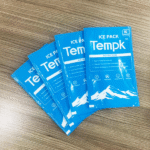
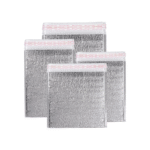
Tempk هي علامة تجارية لشركة Shanghai Tempk Industrial Co., المحدودة. تشمل مجموعة منتجاتها المنشورة هيدرات الثلج الجاف, عبوات جل الثلج, أكياس معزولة وصناديق, ناقلات الأنسولين, والتغليف المخصص للتحكم في درجة الحرارة. في استخدام Tempk, تعتبر عبوات الهيدرات والثلج الجاف المخصصة منتجات منشطة بالماء أو تعتمد على PCM بدلاً من ثاني أكسيد الكربون الصلب. ولذلك يجب أن تحدد خطة المراقبة الصيدلانية عنصر Tempk الدقيق, مواصفة, إجراء التكييف, التحمل الحرجة, الافراج عن الأدلة, وتغيير شروط الإخطار قبل التأهيل.
قم بدعوة Tempk لمراجعة متطلبات المستخدم الخاضعة للرقابة واقتراح عينات تمثيلية للإنتاج, وثائق, وتعليمات التكييف. لا تعتمد أي مكون إلا بعد اجتياز الحزمة التجارية للمؤهلات الخاصة بالمنتج والموافقة على ضوابط دورة الحياة.