Große Trockeneispackung für die Fleischlieferung: So wählen Sie vor der Skalierung aus
Eine Masse Trockeneis Die Entscheidung, den Auftrag zur Fleischlieferung einzupacken, sollte als kontrollierte Auspackentscheidung behandelt werden, nicht nur ein Kühlakku-Kauf. Für gefrorenes Fleisch, Geflügel, Proteine im Meeresfrüchte-Stil, und Tiefkühlgerichte direkt an den Verbraucher, Das falsche Kühlmittel kann genauso schädlich sein wie zu wenig Kühlung. Der Käufer muss bestätigen, um welche Packung es sich handelt, welchen Temperatureffekt es erzeugt, wie es in der isolierten Verpackung sitzt, und ob der Versandprozess nach der Probenphase das gleiche Ergebnis wiederholen kann. Dieser Artikel bietet einen praktischen Entscheidungsweg für die Beschaffung, Operationen, und Qualitätsteams, die sich auf die Skalierung vorbereiten.
Entscheiden Sie zunächst, ob Trockeneis die richtige Kühlstufe ist
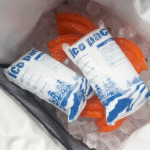
Der Ausdruck „Trockeneisbeutel“ ist mehrdeutig. Es kann sich auf festes Kohlendioxid beziehen, eine hydratisierte PCM-Folie, A Gelpackung, oder eine Trockeneis-Alternative. Dieser Unterschied ist wichtig, da sich das Versandrisiko sofort ändert. Festes Trockeneis kann für die Lieferung von gefrorenem Fleisch geeignet sein, wenn die Verpackung belüftet ist, beschriftet, isoliert, und so konzipiert, dass ein direkter Lebensmittelkontakt verhindert wird; Für kontrollierte gefrorene Bahnen können nach dem Test hydratisierte Packblätter in Betracht gezogen werden. Trockeneis fixiert keine warme Ladung, schwache Isolierung, oder schlechte Versandtagsplanung; Es erfordert auch den Umgang mit Warnungen und Anweisungen des Empfängers
Ein Käufer sollte den Lieferanten bitten, die Kühlmittelidentität in klaren Worten aufzuschreiben. Ist es festes Kohlendioxid?? Handelt es sich um eine wasserabsorbierende PCM-Platte? Handelt es sich um eine Gelpackung, die vor Gebrauch eingefroren werden muss?? Ist beabsichtigt, den Produktkarton zu berühren oder sich hinter eine Barriere zu setzen?? Wenn die Antwort unklar ist, Die Bestellung ist nicht zur Genehmigung bereit.
Die richtige Entscheidung beginnt damit, dass das Tiefkühlprodukt bis zur Lieferung gefroren oder zumindest einigermaßen kühl bleibt. Diese Bedingung sollte vom Produktbesitzer definiert werden, Kundenspezifikation, Etikett, oder Anforderungen an die Lebensmittelsicherheit. Ein Lieferant kann eine Kaltquelle empfehlen, Der Lieferant sollte jedoch die akzeptable Produkttemperatur nicht erraten.
Erstellen Sie die Order Around-Route, Nutzlast, und Handhabung
Sobald der Temperaturbedarf klar ist, Der nächste Schritt ist die Route. Frieren Sie das Produkt vor dem Verpacken ein, Leerraum kontrollieren, Vakuumverpackungen vor Abrieb schützen, und vermeiden Sie den Versand spät in der Woche, da sich die Verweildauer des Spediteurs verlängern kann. Die Route sollte so detailliert aufgeschrieben werden, dass ersichtlich ist, wo Wärme eindringt und wo die Handhabung den Rucksack stören kann. Eine Route mit einer Direktlieferung weist ein anderes Risikoprofil auf als eine Multistop-Distributor-Route oder eine Luftfracht mit Cross-Dock-Transfer.
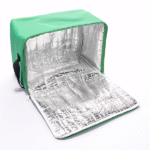
Payload verändert auch das Packout. Produktmasse kann als thermische Masse wirken, aber nur, wenn es richtig vorkonditioniert ist. Leerer Raum kann die Bewegung warmer Luft und das Verschieben des Rucksacks ermöglichen. Innenkartons, Tabletts, Flaschen, Fläschchen, Beutel, und Geschenkverpackungen verändern alle die Art und Weise, wie die Kälte von der Verpackung auf das Produkt gelangt. Eine Großbestellung, die mehrere Kartonformate abdeckt, sollte sich nicht auf eine ungetestete Konfiguration verlassen.
Ein Metzger, der gefrorene Steaks direkt an den Verbraucher verschickt, benötigt eine andere Kältemittelmenge und Isolierung als ein örtlicher Hersteller von Fertiggerichten, der gekühltes, küchenfertiges Protein verschickt. Diese Art des Vergleichs unterscheidet eine praktische Packungsbeilage von einer allgemeinen Empfehlung. Das gleiche Kühlakku kann auf einer Spur angemessen und auf einer anderen ungeeignet sein.
Wie eine starke Lieferantenbewertung aussieht
Eine Lieferantenbewertung für eine Großbestellung sollte mehr als nur die Katalogverfügbarkeit abdecken. Der Käufer sollte sich nach der Packungskonstruktion erkundigen, Vorkonditionierung, Verwendungszweck, Kompatibilität mit der Isolierung, Probenkonsistenz, Produktionschargenkontrolle, und Änderungsmitteilung. Ein Anbieter, der Grenzen erklärt, ist nützlicher als ein Anbieter, der sagt, dass jede Route geeignet ist.
Für eine Feuchtigkeitsversorgung im Tempk-Stil Trockeneisbeutel, Nützliche Fragen sind unter anderem, wie das Laken Wasser aufnimmt, wie es eingefroren werden soll, ob es geschnitten oder gefaltet werden kann, wie es von empfindlichen Produkten getrennt werden sollte, und ob das Außenmaterial den Handhabungs- und Entsorgungserwartungen des Käufers entspricht. Für festes Trockeneis, Der Käufer sollte sich stattdessen auf die Entlüftung konzentrieren, Arbeitssicherheit, Beschriftung, Netzmasse, und Carrier-Akzeptanz.
| Käuferscheck | Was Sie vor der Bestellung fragen sollten | Praktischer Grund |
|---|---|---|
| Produktempfindlichkeit | Kann Fleisch einfrieren, Geflügel, Proteine im Meeresfrüchte-Stil, und Tiefkühlgerichte, die direkt an den Verbraucher geliefert werden, tolerieren direktes Einfrieren oder nur Kühlschutz? | Eine falsche Kühlstufe kann die Produktqualität vor der Auslieferung beeinträchtigen. |
| Packformat | Ist der Artikel festes Trockeneis?, eine hydratisierte PCM-Folie, Gelpackung, oder eine andere Kältequelle? | Die Namen variieren je nach Katalog, und die Handhabungsregeln ändern sich je nach Produkttyp. |
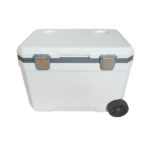
| Isolationspassform | Welche Box, Liner, Tasche, oder Versender wurde in der Empfehlung des Lieferanten verwendet? | Wartezeitansprüche sind ohne das umgebende Paket bedeutungslos. |
| Streckentauglich | Welche Streckendauer, Umgebungseinflüsse, und Übergabepunkte angenommen? | Eine Lager-zu-Lager-Lieferung unterscheidet sich von der Direktlieferung an die Haustür. |
| Skalenkontrolle | Entsprechen die Produktionseinheiten in ihrer Größe der Stichprobe?, Zellenlayout, Membran, und Füllverhalten? | Eine Großhandels- oder Vertriebsbestellung erfordert Wiederholbarkeit, keine einmalige Probe. |
Diese Überprüfung macht die Lieferantenauswahl zu einer dokumentierten Entscheidung. Außerdem erhält der Betrieb einen klaren Ausgangspunkt für die Probenprüfung, weil das Team weiß, welche Annahmen überprüft werden müssen, anstatt sich auf einen allgemeinen Leistungsanspruch zu verlassen.
Mustertests sollten die tatsächliche Lieferung nachahmen
Ein Musterversuch ist nicht aussagekräftig, wenn die falsche Produktmasse verwendet wird, ein leerer Karton, ein anderes Isolationsmaterial, oder ein Weg, der einfacher ist als die Produktion. Verwenden Sie das echte Produkt oder einen realistischen Ersatz, die geplante Umverpackung, die erwartete Kühlmittelplatzierung, und der gleiche Ladevorgang. Wenn das Produkt einen hohen Wert hat oder reguliert ist, Beziehen Sie das Qualitätsteam ein, bevor der Versuch beginnt.
Für gefrorenes Fleisch, Geflügel, Proteine im Meeresfrüchte-Stil, und Tiefkühlgerichte direkt an den Verbraucher, Die Inspektion sollte den Zustand des Produkts bei Erhalt umfassen, Verpackungsintegrität, Rückerstattungssatz, und Carrier-Ausnahmerate. Die Temperatur allein erzählt möglicherweise nicht die ganze Geschichte. Ein gekühlter Artikel kann technisch gesehen kalt sein, aber durch das Einfrieren beschädigt werden. Ein gefrorener Artikel sieht möglicherweise akzeptabel aus, auch wenn die Verpackung strapaziert wurde. Ein Geschenkartikel ist zwar sicher, aber für den Kunden nicht akzeptabel, da Kondenswasser die Präsentation beeinträchtigt.
- Definieren Sie Akzeptanzkriterien vor dem Test, einschließlich Produktzustand bei Erhalt.
- Nutzen Sie die geplante Menge und Position der Packungen, keine ungefähre Vereinbarung.
- Notieren Sie die Vorkonditionierungszeit, Packzeit, Streckenbelichtung, und Empfangszeit.
- Produkt prüfen, Etiketten, Innenverpackung, und Kondensation nach der Lieferung.
- Wiederholen Sie den Versuch je nach Saison, Träger, Nutzlast, oder Änderungen am Kartondesign.
Verwechseln Sie Transportkennzeichnung nicht mit Produktschutz
In den Richtlinien zur Lebensmittelsicherheit des USDA wird empfohlen, verderbliche Lebensmittel aus dem Versandhandel kalt oder gefroren mit einer Kühlquelle zu versenden und umgehend nach Erhalt zu prüfen. Die Verwendung von Trockeneis erfordert eine sichere Handhabung und klare Warnhinweise auf der Verpackung. Diese Referenzen sind wichtig, aber sie sollten nicht missverstanden werden. Die Regeln für den Transport von Trockeneis helfen Spediteuren beim sicheren Umgang mit Kohlendioxid. Sie beweisen nicht, dass die Verpackung das Produkt in seinem erforderlichen Zustand hält. Ein Mediziner, Essen, oder Spezialprodukt benötigt noch eine eigene produktspezifische Prüfung.
Die gleiche Grenze gilt für Lieferantendokumente. Eine wesentliche Aussage, Sicherheitsblatt, Eine Produktbroschüre kann erklären, worum es in der Packung geht, Dies qualifiziert jedoch nicht automatisch die Route des Käufers. Wenn die Sendung empfindlich ist, Der Käufer sollte sich erkundigen, ob die angegebene Leistung mit der gleichen Zuladung getestet wurde, Isolierung, Umgebungsprofil, und Kriterien erfüllen, die der Käufer verwenden möchte.
Wann Sie diesen Kühlansatz nicht verwenden sollten
Der Ansatz eines Trockeneisbeutels sollte überdacht werden, wenn das Produkt die Kältequelle nicht verträgt, wenn der Empfänger das Kältemittel nicht sicher handhaben kann, wenn der Spediteur die Sendung nicht annimmt, oder wenn der Bestellung eine wiederholbare Verpackungsanweisung fehlt. Mehr Trockeneis kann eine verzögerte Erfüllung nicht ausgleichen, Falscher Servicelevel, oder schlechte Empfängerkommunikation.
Hilfreiche Entscheidungshilfen
Überprüfen Sie die Details, bevor Sie sich für die Verpackung entscheiden
Mit diesen schnellen Tools können Sie das Routenrisiko vergleichen, Größenanforderungen, Kühlmittelauswahl, und Verpackungsdetails, bevor Sie ein Angebot anfordern.
Trockeneisrechner
Schätzen Sie vor dem Verpacken den Bedarf an Trockeneis für gefrorene oder ultrakalte Sendungen.
Schätzen Sie TrockeneisRoutenrisiko-Prüfer
Überprüfen Sie die Fahrspurbedingungen, bevor Sie die Verpackung entsprechend den tatsächlichen Betriebsanforderungen auswählen.
Routenrisiko prüfenKühlakku-Rechner
Schätzen Sie die Menge an Gel-Eisbeuteln für gekühlte Sendungen und nutzen Sie die praktische Routenplanung.
Schätzen Sie EisbeutelEin Käufer sollte auch pausieren, wenn der Lieferant den Produkttyp nicht definieren kann oder wenn es sich bei der Verkaufsforderung nur um eine Haltezeitnummer ohne Bedingungen handelt. Die Hold -Zeit hängt von der Isolierung ab, Umgebungsprofil, Produktmasse, Packungsmenge, und Akzeptanzkriterien. Ohne diese Bedingungen, Die Zahl kann das Einkaufsteam irreführen.
FAQ
Ist Trockeneis eine gute Wahl für die Lieferung von gefrorenem Fleisch??
Es kann sein, insbesondere für gefrorene Fleischspuren, bei denen das Produkt während der Lieferung gefroren oder sehr kalt bleiben soll. Das Paket muss noch isoliert werden, Entlüftung, Beschriftung, Anweisungen des Empfängers, und ausreichend Schutz, um den direkten Kontakt von Trockeneis mit Lebensmittelverpackungen zu verhindern.
Sollte beim Eintreffen des Fleisches Trockeneis in der Box verbleiben??
Nicht unbedingt. Trockeneis sublimiert während des Transports, Daher ist der Restbetrag bei Lieferung nicht das einzige Leistungsmerkmal. Die wichtigere Kontrolle ist, ob das Produkt gefroren ankommt, teilweise gefroren, oder kühlschrankkalt gemäß den Annahmeregeln des Versenders.
Was kann dazu führen, dass eine Großverpackung von Fleisch fehlschlägt??
Zu den häufigsten Ursachen gehört das Laden warmer Produkte, zu viel leerer Raum, schwache Isolierung, Trägerverzögerung, Verweildauer am Wochenende, und unzureichende Empfängerkommunikation. Das Hinzufügen von mehr Kühlmittel ohne Korrektur dieser Faktoren kann die Kosten erhöhen, ohne die Lieferergebnisse zu verbessern.
Was sollte in einer Käuferspezifikation enthalten sein??
Geben Sie vor dem Verpacken den Produktstatus an, Kartonabmessungen, Nutzlastreichweite, Isolationstyp, Kühlmittelplatzierung, Warnhinweise für Trockeneis, Serviceniveau, und Anweisungen erhalten. Dies hilft dem Lieferanten, eine Packung zu empfehlen, anstatt nur eine Packungsanzahl zu verkaufen.
Hinweise zur Betriebsgenehmigung
Bevor Sie Trockeneis in großen Mengen für die Fleischlieferung genehmigen, Der Käufer sollte prüfen, ob die Empfängerseite das Paket wie vorgesehen handhaben kann. Eine Sendung kann die Checkliste im Packraum bestehen und trotzdem scheitern, weil der Empfänger den Karton ungeöffnet lässt, Entfernt den Kühlakku zu früh, Lagert das Produkt am falschen Ort, oder die Trockeneiswarnung übersieht. Für gefrorenes Fleisch, Geflügel, Proteine im Meeresfrüchte-Stil, und Tiefkühlgerichte direkt an den Verbraucher, Die Empfangsanweisung sollte kurz genug sein, um sofort befolgt zu werden, aber spezifisch genug, um vermeidbaren Schaden zu vermeiden.
Auch die Eigentumsverhältnisse sollten klar sein. Der Einkauf kann den Preis verwalten, Bestellmenge, und Lieferantenkommunikation. Der Betrieb kann die Paketplatzierung validieren, Arbeitsschritte, und Kartonverschluss. Qualität, Lebensmittelsicherheit, oder Apothekenteams können Akzeptanzkriterien und den Umgang mit Abweichungen definieren. Der Kundenservice kann Beschwerden nach Route und Wetterzeitraum verfolgen. Wenn diese Rollen nicht zugewiesen sind, Ein Verpackungsproblem wird zu einem allgemeinen Logistikargument und nicht zu einem kontrollierten Verbesserungsprojekt.
Der Käufer sollte ein einfaches Revisionsprotokoll für die genehmigte Verpackung führen. Notieren Sie den Packungstyp, Anzahl der Packungen, Vorkonditionierungsmethode, Isolierung verwendet, Produktanordnung, Barrierematerial, Kartonverschluss, Etikettensprache, und Erhalt des Schecks. Wenn der Lieferant das Verpackungsmaterial später ändert, Blattlayout, Kartonanzahl, oder Zubereitungshinweise, Die Aufzeichnung hilft dem Käufer bei der Entscheidung, ob die Änderung geringfügig ist oder ob ein weiterer Musterversuch erforderlich ist.
Die Eingangskontrolle verdient die gleiche Aufmerksamkeit wie die Verpackung. Der Empfänger sollte wissen, ob das Paket möglicherweise festes Trockeneis enthält, ob Handschuhe benötigt werden, wo die Produkttemperatur überprüft werden sollte, und welche Beweise sollten aufgezeichnet werden, wenn das Produkt warm erscheint, gefroren, nass, zerquetscht, oder auf andere Weise abnormal. Klare Anweisungen reduzieren Streitigkeiten zwischen Lieferanten, Träger, Absender, und Kunde nach einer schwierigen Lieferung.
So halten Sie das Programm über einen längeren Zeitraum stabil
Kühlkettenverpackung Programme geraten ins Wanken, wenn Teams den ersten erfolgreichen Versuch als dauerhaft betrachten. Routen ändern sich, Träger wechseln, Bestellgrößen ändern sich, und saisonale Expositionsänderungen. Ein praktischer Überprüfungsplan hilft dem Käufer, diese Veränderungen zu erkennen, bevor er Retouren oder Produktbeschwerden einleitet. Die Überprüfung kann bei Lebensmittelsendungen mit geringerem Risiko einfach und bei hochwertigen oder regulierten Produkten formeller sein.
Für gefrorenes Fleisch, Geflügel, Proteine im Meeresfrüchte-Stil, und Tiefkühlgerichte direkt an den Verbraucher, Die nützlichsten Überprüfungsfragen sind direkte: Wird das Produkt immer noch im gleichen Ausgangszustand verpackt?? Wird weiterhin die gleiche Isolierung verwendet?? Befolgen die Lagermitarbeiter denselben Vorkonditionierungsschritt?? Hat die Route einen neuen Übergabepunkt erhalten?? Prüfen die Empfänger das Produkt noch zeitnah?? Durch diese Fragen bleibt das Trockeneisbeutelprogramm an die tatsächliche Lieferung und nicht an ein altes Probenergebnis gebunden.
Die Bestellung sollte auch die genehmigte Konfiguration schützen. Es können Ersetzungen im Verpackungsmaterial festgestellt werden, Blattformat, Membran, Kartonanzahl, oder Zubereitungsanweisungen bedürfen einer Bekanntgabe und Musterfreigabe. Diese Sprache muss nicht komplex sein, Aber es trägt dazu bei, stille Änderungen zu verhindern, die das Kühlkettenverhalten verändern, nachdem der Käufer das Lagerpersonal bereits geschult hat.
Endlich, Der Käufer sollte die Reklamationsdaten in Verbindung mit der Verpackung aufbewahren. Eine Beschwerde über das Auftauen, Einfrieren, Schmelzen, Kondensation, Frost, Beschädigung des Etiketts, oder verspäteter Empfang sollten mit Spur und Versanddatum gekennzeichnet werden. Im Laufe der Zeit, Diese kleine Angewohnheit zeigt, ob es um die Qualität des Lieferanten geht, Streckenbelichtung, Lagerausführung, oder Kundenbetreuung.
Abschluss
Die Entscheidung, welche Trockeneispackung am besten für die Lieferung von Fleisch geeignet ist, ist spezifisch. Identifizieren Sie den Kühlmitteltyp, Definieren Sie den Produkttemperaturbedarf, die Route kartieren, Testen Sie die komplette Verpackung, und dokumentieren Sie, was konsistent bleiben muss, wenn die Bestellung skaliert wird. Wenn das Produkt empfindlich ist, reguliert, oder präsentationsgesteuert, Eine sorgfältige Überprüfung der Verpackung ist keine zusätzliche Arbeit. Es ist der Unterschied zwischen dem Kauf von kaltem Material und dem Schutz der Sendung.
Über Tempk
Tempk hilft B2B-Käufern bei der Bewertung von Trockeneisbeuteln und Isolierte Verpackung Optionen für gefrorenes Fleisch, Geflügel, Proteine im Meeresfrüchte-Stil, und Tiefkühlgerichte direkt an den Verbraucher. Der praktische Ausgangspunkt ist Ihr Produkt, Route, Nutzlast, und Temperaturrisikotoleranz. Denn die Trink-Trockeneisbeutel von Tempk sind Plattenprodukte auf PCM-Basis und kein loses festes Kohlendioxid, Käufer sollten sie als Teil eines Packout-Designs betrachten und die Leistung vor dem Produktionseinsatz anhand der spezifischen Spur überprüfen.
Für eine bessere Empfehlung, Teilen Sie Ihre Produktkategorie, Route, Nutzlast, Kartongröße, und Temperaturanforderungen mit Tempk, bevor Sie eine Großbestellung aufgeben. Tempk kann Ihnen beim Vergleich helfen, ob ein Trockeneisbeutel für die Flüssigkeitszufuhr geeignet ist, eine weitere PCM-Option, festes Trockeneis, oder ein anderes isoliertes System sollte zuerst überprüft werden.