Auswahl des richtigen Gel-Kühlpakets für die Verteilung gekühlter Lebensmittel
Der sicherste Weg zur Beschaffung in dieser Kategorie besteht darin, die Packung als Teil eines funktionierenden Systems zu behandeln. Bei diesem System handelt es sich möglicherweise um einen Kühlkettenversender, ein Musterprotokoll, ein Therapieprodukt für den Einzelhandel, oder ein Premium-E-Commerce-Karton. Sobald Sie die Entscheidung so formuliert haben, Die Lieferantenauswahl wird viel praktischer und erfordert weniger Rätselraten.
Wenn sich die Packung in der Nähe des geöffneten Produkts befindet oder ausläuft, könnte dies ein direktes Kontaminationsrisiko darstellen, Fragen Sie nach der Integrität der Außenfolie, Reinigungsfähigkeit von Mehrwegbehältern, und alle für die Anwendung relevanten Unterlagen zum Lebensmittelkontakt.
Was das Produkt tun sollte – und was nicht erwartet werden sollte
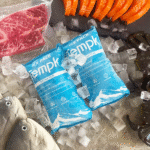
Eine Gel-Kühlbox ist die Kältequelle, die in einem isolierten Lebensmittelversand untergebracht ist und dabei hilft, gekühlte Produkte während des Transports kalt zu halten. Es wird häufig für Frischhaltesets verwendet, Molkerei, Meeresfrüchte, Fertiggerichte, und Spezialartikel, die gekühlt und nicht tiefgefroren transportiert werden. Softpacks erfreuen sich großer Beliebtheit, da sie um unregelmäßige Nutzlasten herum platziert und vor der Verwendung effizient gelagert werden können.
Lebensmittelversender gehen oft von allem aus Kaltpackungen sind austauschbar. In der Praxis, Die Wahl hängt davon ab, ob das Produkt kühl ankommen soll, gekühlt, oder vollständig gefroren; wie lange die Spur hält; Wie viel Isolierung ist in der Box?; und ob der Transportbehälter während der Fahrt geöffnet und geschlossen wird. Ein Lieferant, der diese betrieblichen Details versteht, kann weit mehr Geld sparen als nur ein niedrigerer Stückpreis.
Im Lebensmittelversand, Die Richtlinien öffentlicher Transportunternehmen und Lebensmittelsicherheit behandeln Gelpackungen im Allgemeinen als gekühlte Kühlmedien und Trockeneis als die stärkere Option, um Produkte gefroren zu halten. Diese Unterscheidung ist nützlich, da sie Käufer dazu zwingt, vor dem Kauf das tatsächliche Temperaturziel zu definieren. Für ein gekühltes Produkt und ein hart gefrorenes Produkt sollten nicht dieselben Annahmen gelten.
Wie das richtige Format gewählt wird
Standard-Gelpackungen basieren normalerweise auf einem Gel auf Wasserbasis oder einem Polymergel, das vor der Verwendung eingefroren wird. Sie sind vielseitig, kostengünstig, und weit verbreitet in weichen Beuteln oder strukturierteren Formaten erhältlich. PCM-Pakete sind spezialisierter. Sie sind so konzipiert, dass sie Wärme nahe einer gewählten Übergangstemperatur absorbieren und abgeben, Dadurch eignen sie sich möglicherweise besser für enge Fenster wie 2–8 °C oder den Transport bei kontrollierter Umgebungstemperatur. In den meisten alltäglichen Abläufen, Die Packung wird in einem Gefrierschrank oder Kühlraum vorkonditioniert, Anschließend wird es um die Nutzlast herum platziert, um die einfallende Wärme zu absorbieren. Die Erwärmungsgeschwindigkeit hängt von der Gelformulierung ab, die Masse des Kältemittels, die der Luft ausgesetzte Oberfläche, die Menge der Isolierung im Verlader, und wie warm das Produkt im verpackten Zustand ist.
Kommerzielle Kühlkettenverpackungen verwenden üblicherweise ungiftige Gele, die in Folien auf Polyethylenbasis oder Polynylon versiegelt sind, während einige Formate eine absorbierende Außenschicht hinzufügen, um Kondensation zu verhindern. Therapiepackungen können mit weichen Textilbezügen versehen sein, geformte Wickel, oder Riemen. Auf jeden Fall, Das sichtbare Format ist wichtig, da die äußere Schicht die Durchstoßfestigkeit beeinflusst, Reinigbarkeit, Flexibilität, und wie die Packung Kälte auf das Produkt oder den Körper überträgt. Käufer sollten auch auf die Packungsgeometrie achten. Ein dünner, flexibler Beutel kann das Produkt besser umhüllen und die Wärmeübertragung verbessern, Es kann jedoch anfälliger für Handhabungsschäden sein, wenn die Folie oder die Dichtungen schwach sind. Ein dickeres oder wiederverwendbares Format hält möglicherweise länger, Dennoch kann es Platz verschwenden, wenn es nicht mit der Stellfläche des Kartons übereinstimmt. Ohne Bezug auf Route und Nutzlast gibt es keine allgemeingültige beste Option.
Zu den typischen Anwendungen gehören Essenssets und kochfertige Sendungen, Molkerei, Meeresfrüchte, oder gekühlte Spezialprodukte, und regionale Verteilung frischer Artikel in isolierten Versandbehältern. Diese Kategorien teilen ein Grundbedürfnis: Das Produkt sollte in einem sicheren und kommerziell akzeptablen Zustand ankommen, Aber die Streckenökonomie rechtfertigt in der Regel nicht eine aktive Kühlung für jede Box. Hier passen Gel-Kühlakkus gut – vorausgesetzt, die Bahn ist auf die richtige Isolierung und Packmasse abgestimmt.
Wo Käufer an Wert gewinnen und wo Fehler beginnen
Die Vorteile sind praktisch: Gelpackungen sind einfach zu lagern, relativ sauber im Vergleich zu losem Eis, einfach in sich wiederholenden Kastenformaten zu platzieren, und in Kombination mit Isolierung gut für Kühlspuren geeignet. Sie können auch weniger störend sein als Trockeneis, wenn das Produkt kalt, aber nicht gefroren ankommen soll.
Die Grenzen treten auf, wenn Käufer das Format über seinen natürlichen Bereich hinaus ausdehnen. Eine gekühlte Lebensmittelverpackung kann nicht automatisch durch die Zugabe von mehr Gel zu einer Tiefkühllösung werden. Warmladeprodukt, schlecht verschlossene Kartons, übergroße Kisten, oder lange Lieferfenster können das Kältemittel überfordern. Käufer sollten auch auf Kondensation und Saugfähigkeit achten, damit das Empfangserlebnis sauber bleibt.
Nützliche technische Daten für Lebensmittelkäufer umfassen die Packungsmasse, Abmessungen nach dem Einfrieren, Versiegelungsintegrität, Kondensationsverhalten, und das angestrebte Temperaturziel. Einige Lieferanten reden gerne über die Packung, als wäre sie eine neutrale, kalte Masse, Aber die Unterscheidung zwischen gekühlter und gefrorener Unterstützung ist wichtig. Eine Packung zur Aufbewahrung von Käse, Molkerei, Das Kühlen von Fertiggerichten ist möglicherweise nicht für Produkte geeignet, die vollständig gefroren ankommen müssen.
Zu den häufigsten Fehlern gehört das Warmladen des Produkts, Es bleibt zu viel Leerraum im Karton, Verlassen Sie sich auf eine generische Packungsgröße für mehrere verschiedene SKUs, und die Verspätung auf der letzten Meile zu unterschätzen. Keines dieser Probleme wird durch Marketingsprache gelöst. Sie werden durch eine disziplinierte Auslieferung und einen Lieferanten gelöst, der die Routenvariablen respektiert.
Eine praktische Lieferantenauswahlliste
Lebensmittelkäufer sollten die Verpackung im Rahmen der Versandroutine bewerten, nicht als isoliertes Verbrauchsmaterial. Lebensmitteleinkäufer konzentrieren sich in der Regel zunächst auf das fertige Produkt: Welche Temperatur muss das Produkt bei der Ankunft noch erfüllen?, wie viel Leckage akzeptabel ist, und was passiert, wenn die Box zwei zusätzliche Stunden draußen steht?? Diese praktischen Fragen sollten die Auswahl eines Gel-Kühlpakets beeinflussen.
Die richtige Auswahlliste basiert auf Wiederholbarkeit, fit, und ehrliche Betriebsgrenzen. Bitten Sie den Lieferanten, die folgenden Punkte schriftlich zu beantworten, damit die Musterfreigabe und die Massenfreigabe aufeinander abgestimmt bleiben.
Hilfreiche Entscheidungshilfen
Überprüfen Sie die Details, bevor Sie sich für die Verpackung entscheiden
Mit diesen schnellen Tools können Sie das Routenrisiko vergleichen, Größenanforderungen, Kühlmittelauswahl, und Verpackungsdetails, bevor Sie ein Angebot anfordern.
Referenz zu Isoliermaterialien
Vergleichen Sie die Auswahl an Isoliermaterialien für unterschiedliche Kühlkettenverpackungsanforderungen.
Vergleichen Sie MaterialienBoxliner & Dimensionierung der Palettenabdeckung
Überprüfen Sie die Größenlogik für Kartoneinlagen und Palettenabdeckungen für isolierte Verpackungsprojekte.
Schätzen Sie die GrößeKühlakku-Rechner
Schätzen Sie die Menge an Gel-Eisbeuteln für gekühlte Sendungen und nutzen Sie die praktische Routenplanung.
Schätzen Sie Eisbeutel- Bestätigen Sie die Innen- und Außenmaße, Füllgewicht, und Kartonmengen, damit die Packung zu Ihrem aktuellen Versender passt, ohne dass Luftraum verschwendet wird.
- Fragen Sie nach, welche Folie oder welches Außenmaterial verwendet wird, wie die Siegel entstehen, und welche Kontrollen vorhanden sind, um eine Abweichung von einer Charge zur nächsten zu verhindern.
- Fordern Sie schriftliche Konditionierungsanweisungen an, anstatt sich am Packtisch auf informelle Gefriergewohnheiten zu verlassen.
- Prüfen Sie, ob Musterpackungen und Produktionspackungen aus derselben Stückliste stammen, die gleiche Füllroutine, und der gleiche Qualitätsstandard.
- Fragen Sie, wie der Lieferant eine Formulierung kommuniziert, Film, drucken, oder Änderung der Packungsgröße vor dem Versand.
- Zieltemperatur des Produkts bei der Ankunft, nicht nur die Temperatur der Packung selbst
- Masse und Form der Packung im Verhältnis zur Isolierbox und Produktladung
- Strategie zur Leckeindämmung, Verwendung von saugfähiger Einlage, und Kondensationskontrolle
- Kompatibilität mit Liniengeschwindigkeit, Gefrierraum, und Empfangsworkflow
- Alle Lebensmittelkontakt- oder Materialdeklarationen, die für die Art und Weise, wie die Verpackung verwendet wird, relevant sind
- Klären Sie, ob die Packung als Einzelkomponente in einem qualifizierten Versender oder lediglich als allgemeines Kältemittel für eine breitere Verwendung gedacht ist.
- Führen Sie vor der Skalierung einen kleinen Pilotversuch mit einem Logger durch. Ein zuverlässiger Lieferant sollte diesen Schritt gerne unterstützen.
So validieren Sie vor der Skalierung
Vor einer Großbestellung, Ein Pilotlauf lohnt sich. Verwenden Sie produktionstaugliche Verpackungen im isolierten Versandkarton, mit realer Nutzlastmasse, echte Konditionierungspraxis, und ein Holzfäller. Diese kleine Übung zeigt oft, ob das Problem in der Wahl des Kältemittels liegt, Packungsplatzierung, Gefrierroutine, Kartonpassend, oder Disziplinarmaßnahmen erhalten. Zeichnen Sie nicht nur den Logger-Trace auf, sondern auch die Ladetemperatur des Produkts, die genaue Anzahl und Platzierung der Packungen, die Zeit, die der Karton beim Verpacken offen stand, und die Umgebungsbedingungen beim Versand.
Nach dem Piloten, Überprüfen Sie mehr als bestanden/nicht bestanden. Suchen Sie nach Kältespitzen, späte Erwärmung, Kondensation, Packungsbruch, und Umgang mit Reibung. Viele Teams stellen fest, dass das Hauptproblem überhaupt nicht die Gelchemie war; es war Packplatzierung, Kastengröße, Gefrierroutine, oder eine Diskrepanz zwischen der Musterpackung und der für die Produktion vorgesehenen Lieferung.
Wenn die Packung in der Nähe von unverpackten Lebensmitteln oder in Umgebungen, in denen mit wiederverwendbaren Lebensmitteln umgegangen wird, verwendet werden darf, Materialdeklarationen und Reinigungspraktiken werden immer wichtiger. Für viele Käufer, obwohl, Das größere Problem ist immer noch die operative Disziplin: konsequente Konditionierung, richtige Packungsplatzierung, Bei Bedarf saugfähige Einlagen, und Erhalt von Schecks, wenn die Box geöffnet wird.
Wenn Lieferanten diese Fragen klar und konsistent beantworten, Sie bekommen ein viel besseres Gefühl dafür, welcher Partner reale Abläufe unterstützen kann, als nur die Erstbemusterung.
Wohin sich die aktuellen Beschaffungsprioritäten entwickeln
Der Lebensmitteltransport strebt eine strengere Betriebskontrolle an, klarere Verantwortlichkeit für die Haltbarkeitsdauer, und eine sorgfältigere Verpackung mit der richtigen Größe. Die beste Lieferantenbeziehung ist zunehmend diejenige, die Ihnen dabei hilft, das Volumengewicht zu reduzieren, Leckagerisiko, und Kundenbeschwerden und schützt gleichzeitig das Produkt.
Auch hier herrscht Nachhaltigkeitsdruck, Aber es hilft nur, wenn es praktisch ist. Kleinere Kartons, bessere Passform des Rucksacks, Mehrwegverpackungen für geschlossene Kreisläufe, und weniger fehlgeschlagene Lieferungen sind in der Regel wichtiger als breite grüne Behauptungen. Käufer sollten auf realistische Effizienzsteigerungen achten und nicht auf modische Versprechen.
Kartondesign, Saugfähigkeit, und Erfahrungen sammeln
Lebensmittelkäufer konzentrieren sich oft stark auf die Gelpackung und nicht ausreichend auf die Verpackung um sie herum. Doch der Isolierkarton, Liner, Verschlussqualität, und saugfähige Materialien können darüber entscheiden, ob die Bestellung sauber ankommt, sicher, und für den Kunden akzeptabel. Sogar die richtige Auswahl des Kältemittels kann zu einem schlechten Erlebnis führen, wenn die Kondensation nicht kontrolliert wird oder wenn sich der Karton öffnet und verschobene Packungen und nasse Etiketten zum Vorschein kommen.
Das Sammeln von Erfahrungen ist wichtig, weil die Kundenwahrnehmung und die Lebensmittelsicherheitsgewohnheiten gleichzeitig zusammentreffen. Eine ordentliche Verpackung fördert die richtige Handhabung. Eine unordentliche Lösung kann Zweifel aufkommen lassen, noch bevor die Produkttemperatur überprüft wird.
Abschluss
Zur Essensverteilung, Der klügste Kauf ist in der Regel derjenige, der dem realen Spur- und Produkttemperaturziel entspricht, anstatt zu sehr auf ein erfolgreiches Kartondesign zu verallgemeinern.
Ein zuverlässiger Lieferant hilft Ihnen bei der richtigen Dimensionierung des Kältemittels, Vereinfachen Sie die Auspackarbeiten, und vermeiden Sie die kostspielige Lücke zwischen laborähnlichen Versuchen und der alltäglichen Versandrealität.
Über Tempk
Und Tempk, Wir konzentrieren uns auf die Kühlkette Temperaturkontrollierte Verpackung für Essen, Medizin, und andere temperaturempfindliche Sendungen. Unser börsennotiertes Produktsortiment umfasst Gel -Eisbeutel, Gefrier-Eissteine, isolierte Boxauskleidungen, EPP -Boxen, Palettenabdeckungen, und dazugehörige Verpackungsmaterialien. Wir beschreiben auch unsere Workarounds Kühlkettenlösung Entwicklung mit hauseigenem R&Unterstützung bei D- und thermischen Tests. Das hilft uns, sowohl einzelne Kältemittel als auch das umfassendere Verpackungssystem um sie herum zu diskutieren.
Nächster Schritt
Wenn Sie Lieferanten überprüfen oder eine neue Auslieferung planen, Beginnen Sie mit dem tatsächlichen Produkttemperaturbereich und der Streckenlänge. Fordern Sie dann ein Musterset an, das zu Ihrer geplanten Großbestellung passt, und testen Sie es vor der Skalierung.
FAQ
Dies sind die Fragen, die am häufigsten nach Abschluss des ersten Vergleichs offen bleiben.
Reichen Gel-Kühlakkus für Tiefkühlkost??
Manchmal für sehr kurze oder streng kontrollierte Strecken, Viele Tiefkühlkost-Spuren benötigen jedoch Trockeneis oder ein leistungsstärkeres Tiefkühlsystem. Es kommt auf das Produkt an, die Dauer, und die akzeptable Ankunftstemperatur. Vergleichen Sie die Antwort immer mit der tatsächlichen Routenzeit, Produktladetemperatur, und saisonale Exposition.
Sollten die Packungen über oder unter das Essen reichen??
Das hängt von der Bestückung ab, Viele Lebensmittelversender verwenden jedoch eine Platzierung von oben nach unten oder umgeben die Ladung, um warme Stellen zu begrenzen. Die richtige Antwort sollte im eigentlichen Feld getestet werden. Eine Kühlspur und eine Tiefkühlspur sollten nicht als das gleiche Kaufproblem betrachtet werden.
Welche Unterlagen sollte ein Lebensmittellieferant vorlegen??
Fragen Sie nach Einzelheiten zum Verpackungsmaterial, Konditionierungsanweisungen, Fall zählt, und alle relevanten Aussagen zur Produktsicherheit, Handhabung, oder Lebensmittelkontakttauglichkeit für Ihre Anwendung. Der Massengenehmigung sollte ein Probelauf folgen, bei dem sowohl die Temperaturkontrolle als auch die Sauberkeit im Wareneingang überprüft werden.