COVID-19 vaccines require a Kühlkette plan that follows the product label, Vorschriften der örtlichen Gesundheitsbehörde, und die validierte SOP des Versenders. Die Verpackung sollte den zugelassenen Temperaturbereich schützen, Zustand des Fläschchens, Lesbarkeit des Etiketts, und Entgegennahme der Entlassungsentscheidung.
COVID-19 vaccine programs should not use a generic vaccine box without checking the current product label and local health authority instructions.
Some routes may need refrigerated handling, while others may involve frozen or Trockeneis Logistik. These are separate packout validations.
The receiving team should know how to read the logger, inspect shipper condition, and quarantine product if the approved range is not confirmed.
Daten zur Kühlkettenplanung
| Temperaturfenster | Produktspezifisch: gekühlt, gefroren, or ultra-low temperature requirements depend on manufacturer labeling. |
|---|---|
| Feuchtigkeit oder Nässe | Keep cartons dry and protect vial trays, Etiketten, and secondary packaging from condensation. |
| Vorkühlung | Condition the shipper, Kühlmittel, Datenlogger, and staging area to the product's approved range before loading. |
| Verpackungsdruck | Protect vial trays and cartons from hard coolant, Trockeneisblöcke, and vibration during parcel or validated courier transport. |
| Kühlmittelplatzierung | Use gel packs, Phasenwechselmaterial, Tiefkühlpackungen, or dry ice only when the product label, SOP, and carrier rules allow it. |
| Transitdauer | Validate each route by product, Versendergröße, Kühlmittelmasse, Nachschubplan, und Lieferfenster. |
| Häufige Verluste | Temperaturexkursion, Trockeneisabbau, Kondensation, Beschädigung des Etiketts, vial tray movement, and quarantine at receiving. |
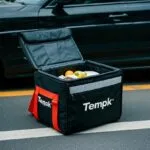
| Passende Tempk-Verpackung | Tempk validated insulated shipper, product-specific coolant map, continuous temperature logger, and receiving excursion workflow. |
Empfohlener Packout-Ansatz
Beginnen Sie mit einem Produkt, das sich bereits im zugelassenen Lagerbereich befindet. Konditionieren Sie den Transportbehälter und das Kühlmittel vor dem Laden, Verwenden Sie eine Barriere zwischen Kühlmittel und Produktkartons, und platzieren Sie den Temperaturlogger in einer repräsentativen Produktzone und nicht direkt am Kühlmittel.
Hilfreiche Entscheidungshilfen
Überprüfen Sie die Details, bevor Sie sich für die Verpackung entscheiden
Mit diesen schnellen Tools können Sie das Routenrisiko vergleichen, Größenanforderungen, Kühlmittelauswahl, und Verpackungsdetails, bevor Sie ein Angebot anfordern.
Referenz zu Isoliermaterialien
Vergleichen Sie die Auswahl an Isoliermaterialien für unterschiedliche Kühlkettenverpackungsanforderungen.
Vergleichen Sie MaterialienFallfestigkeit des Isolationsmaterials
Überprüfen Sie die Fallfestigkeit und die Handhabungsfaktoren, bevor Sie Isoliermaterialien auswählen.
Widerstand prüfenRoutenrisiko-Checker
Überprüfen Sie die Fahrspurbedingungen, bevor Sie die Verpackung entsprechend den tatsächlichen Betriebsanforderungen auswählen.
Streckenrisiko prüfenFür gekühlte Impfstoffe, the main packaging risk is often freeze exposure from poorly conditioned Gelpackungen. Für Tiefkühl- oder Ultra-Niedrigtemperatur-Programme, Trockeneismasse, Belüftung, Trägerregeln, Zeitpunkt der Wiederauffüllung, und Logger-Platzierung erfordern einen separaten Validierungsplan.
Qualitätsprüfungen vor der Veröffentlichung
Vor der kommerziellen Nutzung, Testen Sie die tatsächliche Kartongröße, Produktladung, Kühlmittelmasse, Streckenlänge, Ambient-Saison, und Empfangsfenster. Bei der Ankunft, Überprüfen Sie die Temperaturdaten, Kartontrockenheit, Etikettenzustand, Fläschchenbewegung, Kühlmittelzustand, und etwaige produktspezifische Ausflugshinweise.
Tempk kann unterstützen 2-8 C, gefroren, oder trockeneistaugliche Verpackungsplanung, endgültige Freigabeentscheidungen sollten jedoch immer den Anweisungen des Impfstoffherstellers und dem Qualitätssystem des Kunden folgen.
Referenzbasis
Die Temperaturempfehlungen basieren auf den CDC-Ressourcen für die Lagerung und Handhabung von Impfstoffen und der WHO Kühlkette für Impfstoffe üben. Bestätigen Sie vor dem Versand immer die aktuelle Packungsbeilage.