Rabies vaccines require a Kühlkette plan that follows the product label, Vorschriften der örtlichen Gesundheitsbehörde, und die validierte SOP des Versenders. Die Verpackung sollte den zugelassenen Temperaturbereich schützen, Zustand des Fläschchens, Lesbarkeit des Etiketts, und Entgegennahme der Entlassungsentscheidung.
Tollwutimpfungen sind oft zeitkritisch, Daher sollte die Verpackung den Empfang von Schecks schnell und eindeutig ermöglichen.
Wenn ein Produkt Verdünnungsmittel enthält, Die Verpackung und die Dokumentation sollten den Impfstoff aufbewahren, Verdünnungsmittel, und Anweisungen zusammen.
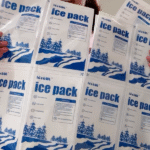
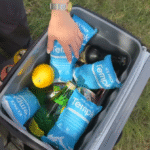
Der Frostschutz ist bei jeder Konditionierung von entscheidender Bedeutung Gelpackungen Setzen Sie sich in einen kleinen Transportbehälter in die Nähe der Fläschchen.
Daten zur Kühlkettenplanung
| Temperaturfenster | Häufig 2-8 C; Befolgen Sie bei der Handhabung von Impfstoffen und Verdünnungsmitteln stets die Packungsbeilage des Herstellers. |
|---|---|
| Feuchtigkeit oder Nässe | Kontrollieren Sie die Kondensation, indem Sie Fläschchenetiketten verwenden, Verdünnungsmittelkartons, und Anweisungen bleiben lesbar. |
| Vorkühlung | Bereiten Sie Transportbehälter und Kühlmittel stabil vor 2-8 C-Profil vor dem Laden von Impfstoffen und Verdünnungsmittel. |
| Verpackungsdruck | Verwenden Sie Fläschchenstützen und Innenkartons, damit die Fläschchen während des Transports nicht mit Hartgelpackungen in Berührung kommen oder sich bewegen. |
| Kühlmittelplatzierung | Verwenden Sie konditionierte Gelpackungen oder Phasenwechselpackungen, die durch Wellpappe von den Fläschchen getrennt sind, Schaum, oder eine validierte Einfügung. |
| Transitdauer | 24-48 h ist für Nachschubrouten üblich; Rettungsspuren benötigen validierte schnelle Übergabe- und Empfangskontrollen. |
| Häufige Verluste | Belichtung einfrieren, herzlicher Ausflug, Etikettenbenetzung, zerbrochene Fläschchen, fehlendes Verdünnungsmittel, und verzögerte Quarantäneentscheidungen. |
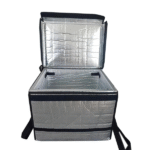
| Passende Tempk-Verpackung | Tempk 2-8 C isolierter Transporter mit konditioniertem Kühlmittel, Halterung für das Fläschchentablett, kontinuierlicher Logger, und Empfangscheckliste. |
Empfohlener Packout-Ansatz
Beginnen Sie mit einem Produkt, das sich bereits im zugelassenen Lagerbereich befindet. Konditionieren Sie den Transportbehälter und das Kühlmittel vor dem Laden, Verwenden Sie eine Barriere zwischen Kühlmittel und Produktkartons, und platzieren Sie den Temperaturlogger in einer repräsentativen Produktzone und nicht direkt am Kühlmittel.
Hilfreiche Entscheidungshilfen
Überprüfen Sie die Details, bevor Sie sich für die Verpackung entscheiden
Mit diesen schnellen Tools können Sie das Routenrisiko vergleichen, Größenanforderungen, Kühlmittelauswahl, und Verpackungsdetails, bevor Sie ein Angebot anfordern.
Kühlmittel & PCM-Referenz
Vergleichen Sie Kühlmittel- und PCM-Optionen, wenn eine Route zusätzliche Temperaturunterstützung benötigt.
Vergleichen Sie OptionenFallfestigkeit des Isolationsmaterials
Überprüfen Sie die Fallfestigkeit und die Handhabungsfaktoren, bevor Sie Isoliermaterialien auswählen.
Widerstand prüfenEisbeutel-Rechner
Schätzen Sie die Menge an Gel-Eisbeuteln für gekühlte Sendungen und nutzen Sie die praktische Routenplanung.
Schätzen Sie EisbeutelFür gekühlte Impfstoffe, Das Hauptrisiko bei der Verpackung besteht häufig in der Frosteinwirkung durch schlecht konditionierte Gelpackungen. Für Tiefkühl- oder Ultra-Niedrigtemperatur-Programme, Trockeneis Masse, Belüftung, Trägerregeln, Zeitpunkt der Wiederauffüllung, und Logger-Platzierung erfordern einen separaten Validierungsplan.
Qualitätsprüfungen vor der Veröffentlichung
Vor der kommerziellen Nutzung, Testen Sie die tatsächliche Kartongröße, Produktladung, Kühlmittelmasse, Streckenlänge, Ambient-Saison, und Empfangsfenster. Bei der Ankunft, Überprüfen Sie die Temperaturdaten, Kartontrockenheit, Etikettenzustand, Fläschchenbewegung, Kühlmittelzustand, und etwaige produktspezifische Ausflugshinweise.
Tempk kann unterstützen 2-8 C, gefroren, oder trockeneistaugliche Verpackungsplanung, endgültige Freigabeentscheidungen sollten jedoch immer den Anweisungen des Impfstoffherstellers und dem Qualitätssystem des Kunden folgen.
Referenzbasis
Die Temperaturempfehlungen basieren auf den CDC-Ressourcen für die Lagerung und Handhabung von Impfstoffen und der WHO Kühlkette für Impfstoffe üben. Bestätigen Sie vor dem Versand immer die aktuelle Packungsbeilage.