Kryopräzipitat ist ein gefrorener Blutbestandteil mit geringer Nutzlastgröße und hoher Dokumentationsempfindlichkeit. Der Verpackungsplan muss den gefrorenen Zustand wahren, Schützen Sie kleine Behälter vor Bruch oder Abrieb, Halten Sie die Etiketten lesbar, und einen Empfangsnachweis erbringen. Eine Kurierbox, die für normale Tiefkühlkost geeignet ist, reicht nicht aus, es sei denn, sie wurde mit der tatsächlichen Komponentenladung validiert, Kühlmittelmasse, Streckendauer, und Erhalt von Schecks.
Kryopräzipitation gefrorener Transportplanungsdaten
| Typischer Temperaturbereich | Die Planung gefrorener Kryopräzipitate ist weit verbreitet -18 Vor dem Auftauen C oder kälter aufbewahren; Verwenden Sie zur genauen Handhabung das Bauteiletikett und die SOP. |
|---|---|
| Feuchtigkeit und Kondensation | Etiketten und Kartonoberflächen vor Frost schützen, Kondensation, und Trockeneis-Kontaktspuren während des Tiefkühltransports. |
| Vorkühlung | Frieren Sie die Nutzlast vor und konditionieren Sie den gefrorenen Transportbehälter oder die Trockeneisverpackung vor dem Laden. |
| Verpackungsdruck | Schützen Sie kleine gefrorene Einheiten vor gesprungenen Behältern, scharfe Falten, und harter Kontakt unter Trockeneis oder starkem Kühlmittel. |
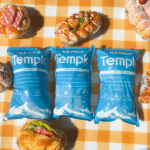
| Kühlmittelposition | Verwenden Sie Trockeneis oder gefrorenes Kühlmittel nur mit konformer Entlüftung, Trennung, und ein Layout, das Behälterabrieb vermeidet. |
| Transportdauer | Nutzen Sie qualifizierte Tiefkühlrouten mit Nachweis der Temperaturerhaltung und Tauwetterprüfungen beim Wareneingang. |
| Häufige Verluste | Beweise auftauen, kaputte Beutel oder Behälter, unleserliche Etiketten, übermäßiger Kontakt mit Trockeneis, Fehlende Loggerdaten, und Empfang von Streitigkeiten. |
| Tempk-Verpackung passt | Gefrorener, isolierter Versandbehälter, Trockeneis oder gefrorenes PCM, Trennschicht, Produkthülle, Saugfähige Einlage, Originalitätssiegel, und Logger-Aufzeichnung. |
Warum Kryopräzipitat eine eigene gefrorene Verpackung benötigt
Kryopräzipitateinheiten können klein sein, und kleine gefrorene Nutzlasten können sich am Rand eines Verladers schnell erwärmen. Sie können auch durch harten Kontakt beschädigt werden Trockeneis, schlecht platzierte Tiefkühlpackungen, oder leerer Raum, der Bewegung ermöglicht. Die Verpackung sollte die Nutzlast sicher halten, Trennen Sie es von aggressiven Kühlmitteloberflächen, und sorgen dafür, dass Tauwetternachweise beim Empfang leicht überprüft werden können.
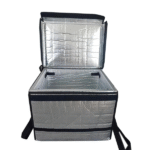
Für den Tiefkühltransport, Tempk würde einen qualifizierten Tiefkühlversand beauftragen, eine Produkthülle oder ein Separator, ein auf die Fahrspur abgestimmtes Trockeneis- oder gefrorenes PCM-Layout, und ein Logger, der in der Nähe der erwarteten warmen Kante platziert wird. Auch Trockeneisrouten erfordern eine konforme Belüftung, Beschriftung, und Handhabung gemäß der Transportart des Versenders und den örtlichen Vorschriften. Zu den Eingangskontrollen sollte eine Temperaturaufzeichnung gehören, Beweise auftauen, Behälterzustand, Lesbarkeit des Etiketts, und Streckenzeit.
Hilfreiche Entscheidungshilfen
Überprüfen Sie die Details, bevor Sie sich für die Verpackung entscheiden
Mit diesen schnellen Tools können Sie das Routenrisiko vergleichen, Größenanforderungen, Kühlmittelauswahl, und Verpackungsdetails, bevor Sie ein Angebot anfordern.
Routenrisiko-Checker
Überprüfen Sie die Fahrspurbedingungen, bevor Sie die Verpackung entsprechend den tatsächlichen Betriebsanforderungen auswählen.
Streckenrisiko prüfenTrockeneisrechner
Schätzen Sie vor dem Verpacken den Bedarf an Trockeneis für gefrorene oder ultrakalte Sendungen.
Schätzen Sie TrockeneisKühlmittel & PCM-Referenz
Vergleichen Sie Kühlmittel- und PCM-Optionen, wenn eine Route zusätzliche Temperaturunterstützung benötigt.
Vergleichen Sie OptionenEmpfohlener Tempk-Ansatz
Beginnen Sie mit der SOP des Blutspendezentrums oder Krankenhauses, keine generische Regel für eingefrorene Parzellen. Bestätigen Sie den zulässigen Bereich, Streckendauer, Trockeneiszulage, Dokumentationspflichten, und Akzeptanzkriterien. Validieren Sie mit der tatsächlichen Einheitenanzahl, Innenhülse, äußerer Versender, Kühlmittelmasse, Sommer- und Winterumgebungsprofile, und realistische Übergabedauer.
Zu den eCFR-Blutproduktstandards der FDA gehören Anforderungen an die Verarbeitung von gefrorenem Plasma und Kryopräzipitat sowie Verweise darauf -18 C oder kältere Bedingungen für relevante gefrorene Komponenten. Um einen validierten Transport zu unterstützen, sollten Tempk-Verpackungen verwendet werden, Überprüfung der Lieferkette, und Entgegennahme von Entscheidungen im Rahmen des Verfahrens der lizenzierten Einrichtung.