How to Compare Export Costs for Medizinische Eisboxen mit Kosten, Leistung, und Supplier Fit in Mind
Dieser Markt umfasst mehrere Produktklassen, die auf den ersten Blick ähnlich aussehen, sich aber nach dem Laden ganz unterschiedlich verhalten, bewegt, und wiederverwendet. Im medizinischen und pharmazeutischen Kühlkettenvertrieb, Diese Unterscheidung ist wichtig, da ein gewöhnlicher Festplattenkühler und ein qualifiziertes passives Versandsystem nicht dasselbe sind. Wenn die Nutzlast Medikamente enthält, klinische Proben, Diagnostik, und andere temperaturempfindliche Gesundheitsprodukte, Die Schachtel muss als Teil eines vollständigen Verpackungssystems und nicht nur als Kunststoffhülle beurteilt werden.
Der schnellste Weg, Optionen zu vergleichen, besteht darin, mit fünf Grundlagen zu beginnen: Innenmaße, tatsächlich nutzbares Volumen nach Zugabe von Kühlmittel oder Zubehör, Isolationstyp, Verschlusssystem, und die Fähigkeit des Lieferanten, eine konsistente Produktion zu liefern. Wenn Sie auch die Kosten für den Landexport vergleichen, Packungsdichte, Papierkram, und Routenrisiko, Bitten Sie um eine vollständige Angebotsstruktur und nicht um eine Haupteinheitsnummer. Für den Exporteinkauf, Der Wert ab Werk ist nur der Anfang. Paletteneffizienz, Versandart, Papierkram am Bestimmungsort, Und der Unterschied zwischen See- und Luftfracht kann die tatsächlichen Kosten stärker verändern als das Schalenmaterial allein.
Beginnen Sie damit, die Box an die Route anzupassen, Nicht der Katalogname
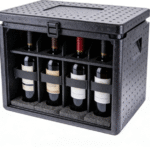
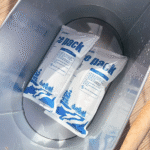
In der Beschaffungssprache, Eine Eisbox kann alles beschreiben, von einer robusten wiederverwendbaren Truhe bis hin zu einer passiven temperaturgeführter Transport Container. Die Wörter sind ähnlich, aber die Kaufkriterien sind es nicht. Eine Allzweck-Hartbox dient hauptsächlich als Schutz- und Isoliergehäuse. Eine wahre Kühlkettenversand Das System verbindet das Gehäuse mit Kältemitteln, Ladeanweisungen, Haltezeiterwartungen, und häufig Temperaturüberwachung. Die WHO klassifiziert Kühlboxen und Impfstoffbehälter als passiv isolierte Geräte, die verwendet werden Eisbeutel oder andere Wärmespeichermaterialien, Dies ist eine nützliche Erinnerung daran, dass die Hülle allein keine Compliance oder thermische Zuverlässigkeit schafft.
Leitlinien zur öffentlichen Gesundheit zeigen auch, warum die Terminologie sorgfältig gelesen werden sollte. Die UNICEF-Beschaffungsrichtlinien trennen Kühlboxen von Impfstoffträgern und klassifizieren sie nach Lagerkapazität und Kühllebensdauer unter definierten Umgebungstests. Die CDC-Richtlinien für den routinemäßigen Impfstofftransport bevorzugen tragbare Impfstoffkühlschränke oder geeignete Behälter und Verpackungen mit einem Temperaturüberwachungsgerät, und es werden keine gewöhnlichen Lebensmittel- oder Getränkekühler für den routinemäßigen Transport von Impfstoffen empfohlen. Also, wenn die vorgesehene Nutzlast reguliert oder temperaturempfindlich ist, Die erste Beschaffungsentscheidung ist, ob Sie einen Mehrweg-Handlingbehälter benötigen, eine speziell angefertigte passive Transportbox, oder a qualifizierter Versender für eine definierte Route.
In der Praxis, Die richtige Konfiguration hängt von der Fahrspur ab. Ein Klinikumzug, ein aufsuchender Impftag, ein einrichtungsübergreifender Transfer, und eine Exportbewegung kann im Gespräch alle eine „Eisbox“ gebrauchen, Sie sollten jedoch nicht standardmäßig dieselbe Spezifikation verwenden. Kurze örtliche Bewegungen können eine schnelle Handhabung und eine moderate Haltezeit priorisieren. Eine Regionalstraße benötigt möglicherweise eine bessere Isolierung, stärkere Dichtungen, und bessere Überwachung. Eine Exportspur erfordert möglicherweise auch Dokumentationsdisziplin, Paletteneffizienz, und ein Packout, das die Verweildauer am Flughafen verträgt.
Was tatsächlich die Wärme- und Handhabungsleistung ausmacht
Die meisten Hardboxen auf diesem Markt basieren auf einer bekannten technischen Logik: eine geformte Kunststoffschale, Isolierung in den Wänden und im Deckel, und ein Verschlusssystem, das den Luftaustausch während des Transports begrenzt. Auf öffentlichen Produktseiten etablierter Kühl- und Transportboxenhersteller werden häufig Gehäuse aus Polyethylen oder Polypropylen in Kombination mit einer Isolierung aus Polyurethanschaum gezeigt, Dichtungen, starre Scharniere, und Hochleistungsverschlüsse. Diese Architektur ist beliebt, weil sie die Robustheit ausbalanciert, Herstellbarkeit, und Kosten.
Aus Käufersicht, Schalenmaterial ist nur der Anfang. Sie müssen wissen, ob der Körper rotationsgeformt ist, blasgeformt, oder spritzgegossen, weil die Wahl des Verfahrens die Wandkonsistenz beeinflusst, Schlagfestigkeit, Gewicht, und Maßhaltigkeit. Rotomolded-Designs werden oft gewählt, wenn Käufer dick sein möchten, einteilige Konstruktion und ein robusteres Gefühl. Leichtere Formkonstruktionen können die Stückkosten und das Transportgewicht senken, Sie können sich jedoch bei wiederholtem Stapeln unterschiedlich verhalten, ziehen, oder Gabelstaplerkontakt.
Die Wahl der Isolierung verändert sowohl die Wärmeleistung als auch das Außenvolumen. Polyurethanschaum wird häufig in robusten Transportboxen verwendet, da er ein gutes Gleichgewicht zwischen Isolierung und struktureller Steifigkeit bietet. Erweiterter Polypropylen, oder EVP, kann Gewicht reduzieren und die Energieaufnahme verbessern. Vakuumisolierte Paneldesigns können die Wärmeübertragung drastisch reduzieren, Sie erhöhen jedoch die Kosten und sind bei rauer Handhabung empfindlicher gegenüber Kantenschäden. Käufer, die Materialien vergleichen, sollten daher nicht nur fragen, woraus die Box besteht, sondern wie das Vollwandsystem aufgebaut ist und wie es genutzt wird.
Für regulierte Strecken, Die Hülle ist nur ein Teil der Antwort. Viele medizinische Transportboxen verfügen außerdem über Funktionen, die die Auspackdisziplin und die Quittungskontrolle unterstützen sollen, wie sichere Verschlusssysteme, Beschriftungsbereiche, Logger-Hohlräume, oder Oberflächen, die mit üblichen Desinfektionsmitteln gereinigt werden können. Diese Eigenschaften sind wichtig, denn selbst eine starke Isolierung kann durch schwache Betriebsdisziplin untergraben werden.
Eine echte Haltezeit wird durch ein vollständiges System erzeugt, nicht allein durch die Schale. Die Boxgeometrie ist wichtig, aber auch die Kühlmittelmasse, Packungskonditionierung, Starttemperatur der Nutzlast, leerer Raum im Hohlraum, Öffnungshäufigkeit, Umgebungseinflüsse, und wo der Versender während der Übergabe wartet. Eine passive Box, die in einem kontrollierten Test gut abschneidet, kann schnell an nutzbarem Spielraum verlieren, wenn sie auf einer heißen Schürze steht, Fahrten in einem unbeschatteten Fahrzeug, oder wird bei Routenabbrüchen wiederholt geöffnet.
Aus diesem Grund legen öffentliche Leitlinien für den Transport von Impfstoffen und Arzneimitteln so großen Wert auf die Disziplin beim Auspacken. Frostempfindliche Produkte können durch zu kaltes Kühlmittel beschädigt werden, selbst wenn die durchschnittliche Lufttemperatur im Inneren der Box akzeptabel erscheint. Umgekehrt, Produkte, die Kühlung, aber keine lange Hitzeeinwirkung vertragen, benötigen möglicherweise bessere Dichtungen, mehr Kühlmittel, oder ein anderes Streckenprofil, als ein Käufer anhand des Katalogfotos erwartet hätte.
Für längere oder variablere Routen, Käufer sollten eher an der Dauerspanne als an der Schlagzeilendauer denken. Wenn eine Route voraussichtlich zwölf Stunden dauern wird, Ein Zwölf-Stunden-Anspruch ist keine sichere Marge. Sie benötigen Zeit zum Laden, überweisen, Erhalt von Schecks, Verkehr, erste Lieferung fehlgeschlagen, und Ankunftsabwicklung. Viele Organisationen betrachten die Angabe der Dauer daher als Ausgangspunkt und nicht als Antwort auf die Routengestaltung.
Wo Compliance beginnt und wo eine Standardbox aufhört
Öffentliche Leitlinien bieten Käufern mehrere nützliche Anhaltspunkte. Das Impfgeräte-Rahmenwerk der WHO beschreibt Kühlboxen und Impfstoffträger als passiv isolierte Geräte, die Eisbeutel oder andere Wärmespeichermaterialien verwenden. Die UNICEF-Beschaffungsrichtlinie ordnet Impfstoffträgern ungefähr das zu 0.8 Zu 3.4 Liter-Impfstoff-Lagerbereich und Kühlboxen im 5 Zu 25 Literbereich, mit Kältebeständigkeitsklassen für kurze und lange Reichweiten, getestet unter heißen Umgebungsbedingungen. Diese öffentlichen Bereiche helfen Käufern zu verstehen, was von dieser Produktkategorie erwartet wird.
Die Compliance-Lektion ist genauso wichtig wie die Kapazitätslektion. In den GDP-Leitlinien der EMA heißt es, dass Arzneimittel jederzeit unter den richtigen Bedingungen gelagert werden müssen, auch während des Transports, und dass die Rückverfolgbarkeit Teil der Vertriebskontrolle ist. Die IATA-Richtlinien für Gesundheitsfracht berücksichtigen ebenfalls die Zeit- und temperaturempfindliche Sendungen als spezialisierter Prozess mit speziellen Etikettierungs- und Handhabungsregeln. Mit anderen Worten, Das Paket muss das Logistiksystem unterstützen, die Reise nicht nur körperlich überstehen.
Hilfreiche Entscheidungshilfen
Überprüfen Sie die Details, bevor Sie sich für die Verpackung entscheiden
Mit diesen schnellen Tools können Sie das Routenrisiko vergleichen, Größenanforderungen, Kühlmittelauswahl, und Verpackungsdetails, bevor Sie ein Angebot anfordern.
Boxliner & Dimensionierung der Palettenabdeckung
Überprüfen Sie die Größenlogik für Kartoneinlagen und Palettenabdeckungen für isolierte Verpackungsprojekte.
Schätzen Sie die GrößeCompliance-Checklisten-Generator
Erstellen Sie eine praktische Checkliste für die Verpackungsüberprüfung, Versand, und Dokumentation.
Checkliste erstellenEisbeutel-Rechner
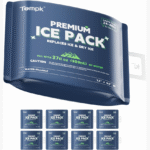
Schätzen Sie die Menge an Gel-Eisbeuteln für gekühlte Sendungen und nutzen Sie die praktische Routenplanung.
Schätzen Sie EisbeutelDie CDC-Anleitung fügt praktische Transportdetails hinzu. Für den routinemäßigen Impfstofftransport, Ein tragbarer Impfstoffkühlschrank oder ein geeigneter Behälter und eine Verpackung mit einem Temperaturüberwachungsgerät werden bevorzugt, Während gewöhnliche Lebensmittel- und Getränkekühler für den routinemäßigen Transport von Impfstoffen nicht empfohlen werden. CDC warnt auch vor der Verwendung von Tiefkühlprodukten Gelpackungen von Originalimpfstofflieferungen für gekühlte Impfstoffe und legt Wert auf eine angemessene Kühlmittelaufbereitung, Überwachung, und direkte Übernahme in die ordnungsgemäße Lagerung.
Die Leitlinien der WHO vor Ort weisen auch auf einen Fehlermodus hin, den Käufer oft unterschätzen: Frostschaden. Falsch konditionierte Eisbeutel sind eine bekannte Ursache für Gefrierschäden bei gefrierempfindlichen Impfstoffen. Das bedeutet, dass eine Beschaffungsspezifikation nicht beim Kofferaufbau enden sollte. Es sollte den Kältemitteltyp abdecken, Konditionierungsanweisungen, Packout-Layout, Streckendauer, Expositionsrisiko, und was das Empfangsteam bei der Ankunft überprüfen muss.
Das wahre Kostenbild: Stückpreis, Routenanpassung, und lebenslange Nutzung
Preisbewegungen in dieser Kategorie aus vorhersehbaren Gründen. Die größten Hebel sind das Schalenmaterial und das Formverfahren, Art und Dicke der Isolierung, Deckel- und Verriegelungsbeschläge, Zubehör, und das Maß an thermischer Sicherheit, das der Käufer erwartet. Eine einfache geformte Truhe für den kurzzeitigen Gebrauch wird in der Regel einen ganz anderen Preis haben als eine wiederverwendbare passive Transportbox, die für einen definierten Temperaturbereich ausgelegt ist, längere Dauer, und überwachte Handhabung.
Für medizinische, pharmazeutisch, und Impfarbeit, Die Verpackungskosten werden auch davon beeinflusst, was sich in der Verpackung befindet: Kältemittel, Trenner, Sonden oder Loggerunterkünfte, Etiketten, Verpackungsanweisungen, und manchmal Qualifikations- oder Streckentestarbeiten. Käufer, die Angebote vergleichen, sollten den Preis für den bloßen Container vom Gesamtpreis für das Versandsystem trennen. Andernfalls können hinter einem niedrigen Kostenvoranschlag teure Zusatzleistungen oder riskante Annahmen über Kühlmittel und Überwachung verborgen bleiben.
Die Kosten des Exporteurs sollten immer als Problem der Gesamtkosten verstanden werden, nicht nur ein Stückpreisproblem. Fragen Sie nach, ob das Angebot ab Werk gilt, FOB, CIF, oder ein anderer Incoterm. Überprüfen Sie die Anzahl der Hauptkartons, Palettenverladung, Schutz vor Verformung beim Transport, Unterstützung beim Papierkram, und ob der Lieferant die Verpackung bereits für Seefracht oder Luftfracht optimiert hat. Auf sperrigen isolierten Produkten, Frachteffizienz kann fast genauso wichtig sein wie das Produkt selbst.
Anbieterangebote in dieser Kategorie bewegen sich in drei sichtbare Richtungen. Erste, Käufer wünschen sich zunehmend streckenspezifische Lösungen statt allgemeiner Kartongrößen. Zweite, Immer mehr Projekte fordern wiederverwendbare Verpackungen, die wiederholte Reinigungs- und Rückgabezyklen überstehen. Dritte, Überwachungs- und Rückverfolgbarkeitsfunktionen rücken viel früher in die Diskussion, selbst wenn die Box selbst noch passiv und nicht mit Strom versorgt wird.
Wie sich aktuelle Beschaffungstrends auf die Entscheidung auswirken
In geregelter Kühlkette, Der stärkste Trend geht in Richtung einer klareren Systemdefinition. Käufer wollen zunehmend eine Box, Kühlmittelstrategie, Logger-Position, und Betriebsablauf, die zur Strecke passen, denn dieser Ansatz reduziert vermeidbare Abweichungen beim Verpacken und Empfangen.
Auch die Nachhaltigkeitsdiskussion reift. Viele Organisationen möchten Verpackungsmüll reduzieren, Aber die umweltfreundlichere Option ist nicht automatisch die leichtere oder billigere. In vielen Pharma- und Impfstoffmärkten, Die nachhaltigste Entscheidung ist die, die das Produkt zuverlässig schützt und fahrtbedingte Abfälle von vornherein vermeidet.
Eine praktische Lieferanten-Checkliste
Bevor Sie in großen Mengen bestellen, Bitten Sie um ein kurzes technisch-kommerzielles Paket anstelle einer Verkaufsbroschüre. Mit diesem Paket können Sie überprüfen, ob die Probe vorliegt, der Produktionsaufbau, und die endgültigen Versandspezifikationen werden tatsächlich übereinstimmen.
- Innenmaße, Außenmaße, und das nutzbare Volumen nach Kühlmittel, Trenner, oder Körbe sind im Lieferumfang enthalten
- Schalenmaterial oder Harzfamilie, Formprozess, Isolationstyp, und ob die Deckeldichtung dicht ist
- Verschlussdesign, Grifftyp, Stapelbarkeit, Verschachtelungs- oder Rücklaufeffizienz, und etwaige Belastungsgrenzen für gefüllte Kartons
- Reinigbarkeit, Drainage, Oberflächenbeschaffenheit, und ob Etiketten, Barcodes, oder Rückverfolgbarkeitsetiketten können sicher angebracht werden
- Konsistenz zwischen Muster und Produktion, Change-Control-Praxis, und was passiert, wenn materielle Substitutionen erforderlich sind
- MOQ, Vorlaufzeit, Verpackungsmethode, und wer für Kundendienstprobleme oder Ersatzteile verantwortlich ist
- Incoterms, Daten zur Hauptkarton- und Palettenbeladung, Dokumentationsunterstützung, und ob der Lieferant Exporterfahrung für sperrige Isoliergüter hat
- Vorgesehener Temperaturbereich, Streckendauer, Umgebungsannahmen, und ob das angegebene System Bestimmungen zur Platzierung von Loggern oder zur Überwachung umfasst
- Anweisungen zum Auspacken, Kühlmitteltyp und Konditionierungsmethode, und ob der Lieferant erklären kann, wie frostempfindliche Nutzlasten geschützt werden
- Nachweis der Streckentauglichkeit, Qualifizierungsunterstützung, oder zumindest eine klare Aussage darüber, wofür die Box gedacht ist und was nicht
- Ziel dieser Checkliste ist es nicht, die Beschaffung bürokratisch zu gestalten. Es soll das häufige Fehlermuster stoppen, bei dem ein Kästchen in einem Angebot akzeptabel aussieht, Funktioniert einmal in einer Demo, und dann sinkt die Leistung, wenn sie auf reale Routen skaliert wird, echtes Personal, und echten täglichen Umgang.
FAQ
Reicht für den Transport von Impfstoffen oder Medikamenten ein gewöhnlicher Hartkühler aus??
Nicht standardmäßig. Auf regulierten Fahrspuren, Der Außenkasten muss zusammen mit der Isolierung berücksichtigt werden, Kühlmittel, Packout-Methode, und Überwachung. Ein robuster Kühler kann beim physischen Schutz hilfreich sein, Möglicherweise sind jedoch zusätzliche Qualifikationen oder ein dedizierter passiver Versender erforderlich.
Warum verhalten sich zwei Boxen mit ähnlichen Größen- und Isolationsansprüchen im Gebrauch unterschiedlich??
Denn die Feldleistung hängt von mehr als nur der Wandisolierung ab. Kühlmittelmasse, Nutzlasttemperatur, Deckelöffnungen, Umgebungseinflüsse, leerer Raum in der Box, und Empfangsverzögerungen können das Ergebnis erheblich verändern.
Welche Frage sollte man sich am besten stellen, bevor man in großen Mengen kauft??
Bitten Sie den Lieferanten, das beabsichtigte Routenprofil und die Verpackung klar zu definieren. Wenn sie die Annahmen zur Dauer nicht erklären können, Kühlmittelaufbereitung, Logger-Position, und Produktbeschränkungen, Das Angebot ist nicht detailliert genug für eine sichere Entscheidung.
Letzter Imbiss
The strongest buying decision for medical ice boxes usually comes from narrowing the problem first. Definieren Sie die Nutzlast, die Route, die Belichtungsbedingungen, das Handhabungsmuster, und den Grad der Dokumentation, den Sie benötigen. Sobald diese klar sind, Boxklassen vergleichen, Isolierung baut, und Lieferantenangebote wird viel einfacher. Für regulierte Gesundheitssendungen, Am sichersten ist es, ein Transportsystem statt einer Kiste zu kaufen. Das bedeutet, den Versender zuzuordnen, Kühlmittel, Überwachungsmethode, und Betriebsverfahren auf die Route und das Produkt abzustimmen, anstatt sich auf einen generischen Kühleranspruch zu verlassen. Eine technische Überprüfung macht den gleichen Punkt einfach deutlicher: Struktur, thermisches Design, und Prozesssteuerung müssen aufeinander abgestimmt sein. Wenn eine Schicht schwach ist, Der Kauf sieht auf dem Papier möglicherweise immer noch gut aus, während er in der Praxis unterdurchschnittlich abschneidet.
Über Tempk
Tempk, Teil der Shanghai Huizhou Industrial Co., Ltd., hat sich darauf konzentriert Temperaturkontrollierte Verpackung für den Pharma- und Gesundheitsvertrieb 2011. Wir entwickeln Produkte wie Kühlakkus, Isolierte Kisten, Boxliner, Palettenabdeckungen, und medizinisch Kühlkettenverpackung, Darüber hinaus unterstützen wir auch Verifizierungsarbeiten zur Temperaturkontrolle. Unser Ziel ist es, Kunden dabei zu helfen, Verpackungsstruktur und Wärmeleistung an reale Transportbedingungen anzupassen, mit einem praktischen Schwerpunkt auf Produktpassung und Lösungsdesign und nicht auf generischen, allgemeingültigen Empfehlungen.
Nächster Schritt
Wenn Sie Massenoptionen vergleichen, Fragen Sie uns nach einer Routenempfehlung oder einer klareren Spezifikationsliste, bevor Sie endgültige Angebote anfordern.