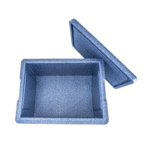
Vakuum-Isolierplattenkasten für den Versand von Laborproben: Von der Anforderung bis zur Freigabe
Die praktischen Schlussfolgerungen sind klar: Wählen Sie eine Vakuumisolationspaneelbox für den Laborprobenversand erst aus, nachdem das ausführende Labor die Probenstabilität definiert hat; Behandeln Sie das VIP als Isolierung innerhalb eines vollständigen passiven Packouts; Qualifizieren Sie diese Verpackung anhand realistischer Belastungen, Umgebungseinflüsse, und Verzögerungen; und führen Sie eine separate professionelle Überprüfung der Klassifizierung und Eindämmung gefährlicher Güter durch. VIP kann den Wärmefluss reduzieren und Nutzlastraum sparen, aber es kann keine Kühlung liefern, entscheiden, ob eine Probe zur Kategorie A gehört, Kategorie b, oder befreit, Ersetzen Sie die Dreifachverpackung, oder eine streckenunabhängige Haltezeit garantieren. Die Kaufentscheidung ist am stärksten, wenn jeder Anspruch auf eine kontrollierte Konfiguration und Beweisdatei hinweist.
Beginnen Sie mit zwei Spezifikationen, die niemals zusammengeführt werden sollten
Bevor irgendjemand ein Kästchen auswählt, Die Sendung benötigt eine analytische Spezifikation und eine Transportsicherheitsspezifikation. Sie beeinflussen das gleiche Packout, aber sie beantworten unterschiedliche Fragen und haben unterschiedliche Besitzer.
Die analytische Spezifikation schützt das Testergebnis. Es stammt aus den aktuellen Anweisungen des durchführenden Labors oder einem genehmigten Studienprotokoll und sollte die Probe benennen, Sammelgefäß oder Medium, Bearbeitungsstand, zulässige Temperaturbedingung, Stabilitätszeitleiste, und Ablehnungskriterien. Große Testverzeichnisse zeigen, warum eine Standardeinstellung unsicher ist: Proben können bei Umgebungstemperatur angenommen werden, gekühlt, oder gefrorene Bedingungen, und das Einfrieren kann für einen Test bevorzugt sein, für einen anderen jedoch nicht akzeptabel sein.
Die Transportsicherheitsvorgabe schützt Menschen und das Verkehrsnetz. Ein ausgebildeter, Eine sachkundige Person stellt fest, ob das Material der Kategorie A entspricht, Kategorie b, Ausnahmebestimmungen für menschliche oder tierische Proben, oder eine andere anwendbare Klassifizierung. Bei der Entscheidung werden Beweise über möglicherweise vorhandene Krankheitserreger und die Schwere einer Exposition abgewogen. Herkunft, Ziel, Modus, Operator, Träger, und etwaige zusätzliche Gefahrgüter im Paket sind ebenfalls von Bedeutung.
Schreiben Sie die beiden Entscheidungen in separate Zeilen im Projektprotokoll. Zum Beispiel:
- Analytischer Zustand: die genehmigte Anweisung des ausführenden Labors für die genaue verarbeitete Probe.
- Transportklassifizierung: der beruflich festgestellte Status nach den jeweils geltenden Regeln.
Diese einfache Trennung verhindert mehrere häufige Fehler. „UN 3373“ bedeutet nicht „gekühlt“. „Gefroren“ bedeutet nicht unbedingt „ansteckend“. Ein isolierte Box begründet keinen der beiden Status.
Verwandeln Sie die Reise in ein messbares thermisches Problem
Der Weg beginnt, wenn die Probe in den Zustand nach der Entnahme gelangt, und endet, wenn das empfangende Labor sie in den nächsten kontrollierten Schritt überführt. Der Carrier-Transit ist nur ein Teil dieses Intervalls. Verarbeitung einbeziehen, Inszenierung, Abholfenster, Konsolidierung, Flug- oder Straßenverbindungen, Zoll, sofern relevant, Empfangsstunden, Auspacken, und vorhersehbare Störungen wie Wochenenden.
Notieren Sie die Orte, an denen das Paket einen kontrollierten Raum verlässt. Ein Eingang zur Sammelstelle, Kurierfahrzeug, Sortieranlage, Flugzeugrampe, Grenzkontrollstelle, und Empfangsdock kann zu kurzen, aber schwerwiegenden Belastungen führen. Historische Loggerdaten und Routenprofilierung können diese Annahmen realistischer machen. Wo keine zuverlässigen Daten verfügbar sind, Das Qualitätsteam sollte eine begründete Herausforderung und einen Verzögerungsspielraum genehmigen, anstatt so zu tun, als sei die Spur bekannt.
Die Definition der Nutzlast erfordert die gleiche Disziplin. Zählen Sie die Primärbehälter, Gestelle, saugfähig, Sekundärverpackung, Platzierung von Papierkram, Abstandshalter, Kühlmittel, und Überwachungsgerät. Beachten Sie deren Geometrie und Startbedingungen. Definieren Sie Mindest- und Höchstbeladungen, denn eine fast leere Kammer verhält sich nicht unbedingt wie eine volle. Die kleinere Last hat eine geringere thermische Masse und lässt möglicherweise Spielraum für die Verschiebung von Komponenten; Die größere Last kann die Platzierung des Kühlmittels oder den Luftstrom einschränken.
Erst dann sollte ein Lieferant das Paket dimensionieren. Außenmaße wirken sich auf Fracht und Handhabung aus, Der nutzbare Nutzlastraum ist jedoch das entscheidende interne Maß. Die kompakte Isolierung von VIP kann dort helfen, wo die Wandstärke mit dem Sekundärpaket um Platz konkurriert. Fordern Sie einen zusammengebauten Querschnitt oder eine Musterverpackung an, nicht nur ein nominales Innenvolumen.
Was der VIP und der PCM jeweils beitragen
Ein Vakuumisolationspaneel besteht aus einem porösen Kern, der von einer unter Unterdruck stehenden Barrierefolie umschlossen wird. Durch die Entfernung von Gas aus den Poren wird die Gasleitung unterdrückt, Eine der Möglichkeiten, wie Wärmeenergie die Isolierung durchdringt. Der Kern stützt die Hülle gegen den Atmosphärendruck; Die Barriere verlangsamt den Eintritt von Gasen und Wasserdampf. Quarzstaub ist ein vielfach untersuchtes Kernmaterial, Darüber hinaus werden auch andere poröse Materialien und Konstruktionen verwendet.
Dieses Zentrum mit geringer Leitfähigkeit ist nur ein Teil der Box. Wärme kann durch die Nähte entweichen, Kanten, Deckelschnittstellen, Strukturelemente, oder Lücken zwischen den Platten. Forscher bezeichnen dies als Wärmebrückenbildung. Ein nützlicher Versender schützt daher den VIP, kontrolliert Gelenke, und bewertet das montierte Gehäuse. Ein in einem geschützten Gerät gemessener Materialwert kann die Kammertemperatur eines Pakets mit Ecken und Deckel nicht ermitteln.
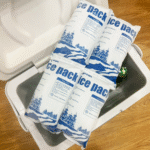
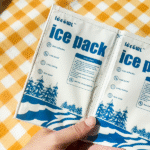
Das Kühlmittel bzw. Phasenwechselmaterial hat eine andere Aufgabe. Es speichert Wärmeenergie. Wenn ein PCM die Phase innerhalb seines entworfenen Bereichs ändert, Es kann die Nutzlastumgebung puffern; Auch wasserbasierte Packungen und Gelprodukte sorgen für thermische Masse. Die Leistung hängt von der Zusammensetzung ab, Menge, Konditionierung, Position, Berührungsschutz, und der Ausgangszustand der Last. VIP reduziert den Verbrauch der Wärmereserve. Es ersetzt diese Reserve nicht.
Diese Arbeitsteilung erklärt zwei Feldbeobachtungen. Das Hinzufügen von kälterem Kühlmittel kann zu einem Gefrierrisiko in der Nähe der Packung führen, selbst wenn dadurch die Kältespeicherung an anderer Stelle verlängert wird. Das Hinzufügen einer Isolierung kann den Wärmefluss verlangsamen, eine warme Probe jedoch nicht in einen Zustand bringen. Beim Auspacken sollten die Proben und Komponenten bereits gemäß dem genehmigten Verfahren vorbereitet sein.
Beschädigungen und Alterung gehören zum Design
Die VIP-Leistung hängt von der Barrierehülle ab. Schnitte, Punktionen, oder starker Abrieb ermöglichen das Eindringen von Gas und Feuchtigkeit und können die Wärmeleitfähigkeit erhöhen. Auch die Permeation kann die Leistung im Laufe der Zeit verändern, mit Temperatur, Luftfeuchtigkeit, Panelgröße, Materialien, und Konstruktion, die die Alterung beeinflusst. Das Design des Transportbehälters sollte die Paneele vor scharfen Sekundärbehältern schützen, Verbindungselemente, Reinigungswerkzeuge, und Rücksendeschäden.
Ein abnehmbares Plattenformat kann die Inspektion und den Austausch praktischer machen. Es braucht auch Regeln: Wer kann die Kassette öffnen?, Welcher Schaden verursacht Ablehnung?, wie verdächtige Gremien getrennt werden, welche Ersatzrevision zulässig ist, und wenn das System eine Neubewertung erfordert. Es sollte niemals davon ausgegangen werden, dass das Abdecken eines Lochs mit Klebeband das ursprüngliche Vakuum wiederherstellt.
Erstellen Sie eine Beweisdatei, die Übergaben übersteht
Das Qualifizierungspaket sollte die Anforderung mit dem geprüften Artikel und dem Betriebsverfahren verbinden. Es reicht nicht aus zu zeigen, dass eine Kurve innerhalb eines Bandes geblieben ist. Der Leser sollte in der Lage sein, zu erkennen, was diese Kurve erzeugt hat, und zu bestimmen, ob Produktionslieferungen sie reproduzieren werden.
| Tor freigeben | Entscheidungseigentümer | Mindestbeweise |
|---|---|---|
| Exemplarzustand | Durchführendes Labor- oder Studienqualitätsteam | Aktuelle Testanweisung, Bearbeitungsstand, Stabilitäts- und Ablehnungsregeln |
| Klassifizierung und Verpackung | Geschultes Personal für Gefahrgüter oder biologische Sicherheit | Dokumentierte Klassifizierung, jeweils gültige Verpackungsanweisung, Markierungen, Überprüfung von Etiketten und Spediteuren |
| Thermisches Design | Verpackungstechnik und Qualität | Definierte Versenderrevision, minimale und maximale Belastungen, Kühlmittelaufbereitung, Umgebungsprofil und Sensorkarte |
| Einsatzbereitschaft | Standort- und Logistikeigentümer | Illustrierte Verpackung, Konditionierungskapazität, Ausbildung, Abhol- und Empfangsprozess |
| Lebenszyklusfreigabe | Qualität und Beschaffung | Eingehende Schecks, Änderungskontrolle, Wiederverwendungsinspektion, Reinigungs- und Requalifizierungsauslöser |
Die Tore zeigen, warum kein einziges Zertifikat die Sendung freigeben kann. Ein thermischer Test bestimmt nicht die Einstufung als infektiöser Stoff. Eine Transportmarkierung bestätigt nicht die Stabilität des Analyten. Ein Qualitätszertifikat eines Lieferanten beweist nicht die Leistung auf einer bestimmten Spur. Jede Genehmigung sollte von der Funktion mit entsprechenden Nachweisen erfolgen.
Für thermische Prüfungen, Notieren Sie das Isolationslayout, äußere Hülle, Liner, Kältemittelprodukt und -menge, Konditionierungsmethode und -ausrüstung, Nutzlast oder Simulant, Ausgangstemperaturen, Lastanordnung, Dunnage, Umgebungsherausforderung, Testdauer, Sensorpositionen, Logger-Details, Akzeptanzgrenzen, Probenanzahl, und etwaige Abweichungen. Geben Sie Teilenummern oder Revisionen der Komponenten an. Wenn ein Bericht ein Standardprofil verwendet, wie zum Beispiel ein ISTA 7E-Thermoprofil, Das Qualitätsteam sollte dokumentieren, warum dieses Profil die Route darstellt oder wie zusätzliche Spurnachweise die Lücke schließen.
Technische Leitlinien der WHO für die Zeit- und temperaturempfindliche Medizinprodukte behandelt Containerqualifizierung und Routenprofilierung ebenfalls als verknüpfte Aktivitäten. Das Prinzip ist für Musterprogramme relevant: Qualifizieren Sie die Paketkonfiguration, die Route verstehen, und kontrollieren Sie die Bedienungsanleitung. Eine Kammerstudie ist wertvoll, weil sie wiederholbaren Stress erzeugt; es wird überzeugend, wenn sich diese Belastungen auf die Feldbedingungen beziehen.
Machen Sie die Klammerung explizit
Wo mehrere Ladungen oder Jahreszeiten erlaubt sind, Definieren Sie, welche Fälle getestet wurden und warum sie die anderen einschließen. Gehen Sie nicht davon aus, dass die vollste Box immer die schlechteste ist. Eine höhere Nutzlast kann die thermische Masse erhöhen, aber das Kältemittel verdrängen; Weniger Nutzlast kann schneller erwärmen und die interne Zirkulation verändern. Verschiedene Sekundärbehälterformen können Proben näher an eine Wand bringen oder Kühlmittelpaket. Wenn die Modellierung die Belichtungsreihe unterstützt, seine Eingaben dokumentieren und ggf. überprüfen.
Bringen Sie eine Eindämmung rund um die thermische Architektur an
Die biologische Eindämmung kann nicht improvisiert werden, nachdem die Wärmekammer entworfen wurde. Aktuelle IATA-Verpackungsanweisung 650 Für Lufttransporte der Kategorie B wird eine dreifache Verpackungsstruktur verwendet: Primärbehälter, Sekundärverpackung, und starre Außenverpackung, mit detaillierten Bestimmungen zur Integrität, Schließung, Markierung, und Vorbereitung. In den Vereinigten Staaten, Es gelten auch die Anforderungen des Verkehrsministeriums. Ansteckungsgefährliche Stoffe der Kategorie A unterliegen strengeren Anforderungen. Ausgenommene Exemplare bedürfen weiterhin einer entsprechenden fachmännischen Feststellung und entsprechenden Verpackung.
Hilfreiche Entscheidungshilfen
Überprüfen Sie die Details, bevor Sie sich für die Verpackung entscheiden
Mit diesen schnellen Tools können Sie das Routenrisiko vergleichen, Größenanforderungen, Kühlmittelauswahl, und Verpackungsdetails, bevor Sie ein Angebot anfordern.
Compliance-Checklisten-Generator
Erstellen Sie eine praktische Checkliste für die Verpackungsüberprüfung, Versand, und Dokumentation.
Checkliste erstellenKühlmittel & PCM-Referenz
Vergleichen Sie Kühlmittel- und PCM-Optionen, wenn eine Route zusätzliche Temperaturunterstützung benötigt.
Vergleichen Sie OptionenReferenz zu Isoliermaterialien
Vergleichen Sie die Auswahl an Isoliermaterialien für unterschiedliche Kühlkettenverpackungsanforderungen.
Vergleichen Sie MaterialienDie genaue Rolle des VIP-Versenders muss angegeben werden. Es kann eine bereits fertige Dreifachverpackung als Umverpackung oder Thermohülle umgeben. In einem anderen getesteten Design, Seine starre Hülle könnte die Funktion einer Umverpackung übernehmen. Diese Zuordnung ist nur dann gültig, wenn die genaue Baugruppe die jeweilige Anforderung erfüllt. Ein Produkt, das robust ist, wiederverwendbar, oder gut isoliert ist kein Beweis.
Für Flüssigkeiten kann saugfähiges Material erforderlich sein, auslaufsichere Leistung, und Trennung zwischen mehreren Behältern gemäß der geltenden Anweisung. Die Temperatur kann diese Eigenschaften beeinträchtigen. Schließungen, Kunststoff, Siegel, Etiketten, und Absorptionsmittel müssen unter den niedrigsten und höchsten Bedingungen, denen sie ausgesetzt sein können, geeignet bleiben, einschließlich eines Kälteverlusts. Für den thermischen Test und die mechanische oder behördliche Verpackungsbewertung sollten kompatible Konfigurationen verwendet werden.
Die Klassifizierung ist nicht immer offensichtlich. Patientenproben, Kulturen, bekannte Krankheitserreger, Materialien mit minimaler Wahrscheinlichkeit von Krankheitserregern, gentechnisch veränderte Mikroorganismen, und Proben, die chemische Konservierungsstoffe enthalten, können unter andere Bestimmungen fallen. Nutzen Sie die aktuellen WHO-Leitlinien 2025–2026 zu infektiösen Substanzen als Interpretationshilfe, die aktuellen IATA-Gefahrgutvorschriften für den Lufttransport, und den geltenden nationalen Vorschriften. Abweichungen von den Transportunternehmen und Zielanforderungen müssen noch überprüft werden.
Wenn Trockeneis Teil der Lieferung ist
Trockeneis, oder Kohlendioxid, solide, ändert das Design. Es sublimiert zu Gas, Daher muss die Verpackung die Freisetzung von Kohlendioxid ermöglichen und einen gefährlichen Druckaufbau verhindern. Aktuelle IATA und U.S. Zu den Bestimmungen des Verkehrsministeriums gehört auch die Vorbereitung, Markierung, Beschriftung, Dokumentation, und mengenbezogene Anforderungen. Die Primär- und Sekundärverpackungen müssen bei niedrigen Temperaturen ihre Integrität behalten. Geschultes Personal sollte die Menge für die validierte Ladung und Route berechnen und dokumentieren, anstatt ein allgemeines Rezept zu verwenden.
Bei der Verwendung von Trockeneis benötigt eine Box, die dicht gegen das Eindringen von Wasser oder Luft abschließt, möglicherweise einen gezielten Weg zur Gasfreisetzung. Das ist eine Sicherheitsfunktion, kein Mangel. Das endgültige Design muss eine Entlüftung ermöglichen, ohne dass der Probenbehälter versagt.
Übersetzen Sie die Qualifikation in ein wiederholbares Arbeitspaket
Die meisten Temperaturausfälle passieren im Betrieb, wo Komponenten konditioniert werden, zusammengebaut, inszeniert, übertragen, und erhalten. Wandeln Sie den Testaufbau in eine illustrierte Anleitung um, die dieselben Namen und Revisionen wie die Beweisdatei verwendet. Zeigen Sie die Reihenfolge und Ausrichtung jeder Komponente an, zulässige Lastmuster, Abstandspositionen, Standort des Loggers, Verschlussmethode, und Endkontrolle. Identifizieren Sie verbotene Handlungen, B. direkter Kühlmittelkontakt, wenn die Konstruktion eine Trennung oder die Verwendung eines nicht zugelassenen Füllstoffs erfordert.
Die Konditionierung verdient eine eigene Kapazitätsprüfung. Ein Prozess kann wissenschaftlich fundiert, aber betrieblich unmöglich sein, wenn sich der Gefrierschrank einer Klinik zwischen den Packungsvorbereitungszyklen nicht erholen kann oder das Personal nicht erkennen kann, wann PCM den erforderlichen Zustand erreicht hat. Bewerten Sie die Ausrüstung, Lagerlayout, maximales Tagesvolumen, Stromunterbrechungen, Komponentenrotation, und die Zeit, die beim Verpacken außerhalb kontrollierter Bedingungen erlaubt ist.
Beim Versand, Der Absender sollte die Identität und Vorbereitung der Probe überprüfen, Packout-Version, Komponentenzustand, Logger-Status, falls verwendet, Schließung, erforderliche Markierungen und Etiketten, Unterlagen, Spediteurakzeptanz, und Verfügbarkeit erhalten. Abweichungen sollten eine definierte Entscheidung auslösen und nicht eine Auswechslung in letzter Minute.
Bei Erhalt, auf Schäden oder Undichtigkeiten prüfen, Datensätze abgleichen, Temperaturdaten nach Bedarf abrufen, und die Probe in den nächsten spezifizierten Zustand versetzen. Das empfangende Labor oder die Qualitätsfunktion sollte Abweichungen anhand prüfungsrelevanter Stabilitätsnachweise bewerten. Das Verpackungspersonal sollte eine Probe nicht nur deshalb für akzeptabel erklären, weil die meisten Messwerte nahe am Zielwert liegen.
Für Mehrwegsysteme, Der Empfang startet einen zweiten Workflow. Trennen Sie die Musterverfügung von der Vermögensfreigabe. Der leere Versender muss möglicherweise unter Quarantäne gestellt werden, Reinigung, Trocknen, Platteninspektion, Ersatz, Datensatzaktualisierung, und Lagerung vor der Wiederverwendung. Eine erfolgreiche Lieferung bedeutet nicht automatisch, dass jede Komponente für einen weiteren Zyklus geeignet ist.
Beschaffungsfragen, die versteckte Risiken aufdecken
Bitten Sie einen Lieferanten, die Differenz zwischen den Bruttoinnenabmessungen und dem nutzbaren Raum nach der Installation aller Wärme- und Sicherheitskomponenten anzugeben. Fordern Sie die vollständige Verpackungszeichnung für Mindest- und Höchstlasten an. Bestätigen Sie, ob der vorgeschlagene Sekundärbehälter passt, ohne das Kühlmittel zu komprimieren, Biegen von VIP-Panels, oder blockierenden Verschluss.
Nächste, verfolgen Sie jeden Leistungsanspruch. Welche genaue Konfiguration wurde getestet?? Welches Umgebungsprofil und welche Dauer wurden angewendet?? Wo wurden Sensoren platziert?? Wie waren PCM bzw Kaltpackungen konditioniert? Welche Nutzlast und Startbedingungen wurden verwendet?? Was als Pass gewertet wurde? Eine Dauer ohne diese Antworten sollte nicht in eine Benutzeranleitung aufgenommen werden.
Untersuchen Sie die Produktionskontrolle. Fragen Sie nach der Integrität der VIP-Barriere, Abmessungen, Siegel, Shell-Passform, und Kühlmittelfüllung werden überprüft. Bestimmen Sie, wie Muster genehmigt werden und wie Produktionslose mit den Qualifizierungseinheiten verglichen werden. Erfordern eine Benachrichtigung und Bewertung von Änderungen am Kern, Barrierefolie, Panellieferant, Klebstoff, Hülse, Kühlmittelformulierung, Werkzeuge, oder Produktionsstätte, wo sie den genehmigten Zustand beeinträchtigen könnten.
Für ein wiederverwendbares Modell, Bewerten Sie den Service und nicht die Box. Rückfracht inklusive, Vermögensverfolgung, Reinigung, Inspektion, Austausch des Panels, verlorene Einheiten, konditionierende Energie, Lagerung, und Umqualifizierung. Eine Umweltbewertung sollte erwartete erfolgreiche Fahrten und tatsächliche Entfernungen der Rücklogistik berücksichtigen. Veröffentlichte Lebenszyklusstudien können als Grundlage für die Methode dienen, Ihre Schlussfolgerungen sollten jedoch nicht ohne Überprüfung der Annahmen auf ein anderes Netzwerk kopiert werden.
Auch die Verpackungspolitik ändert sich. Die Verpackungs- und Verpackungsabfallverordnung der Europäischen Union gilt grundsätzlich ab August 12, 2026 und fügt Lebenszyklusanforderungen für alle auf diesem Markt angebotenen Verpackungen hinzu. Die genauen Verpflichtungen variieren je nach Verpackung und Rolle in der Lieferkette. Auch dort, wo es nicht zutrifft, Seine Ausrichtung verstärkt den Wert materieller Deklarationen, Informationen zur Recyclingfähigkeit, unnötige Lautstärke minimiert, und ein definiertes Wiederverwendungssystem.
FAQ
Wie lange hält eine VIP-Probenbox die Temperatur??
Es gibt keine verantwortliche universelle Dauer. Die Leistung hängt vom kompletten Verlader ab, Kühlmittel, Konditionierung, Nutzlast, Starttemperatur, Umgebungsprofil, Öffnungen, und Akzeptanzbereich. Fordern Sie Daten zur genauen Konfiguration und einer relevanten Herausforderung an, Fügen Sie dann eine gerechtfertigte Verzögerungsspanne hinzu. Ein Panel-Leitfähigkeitswert kann die Frage nicht beantworten.
Ist 2°C bis 8°C der Standard für alle Laborproben??
NEIN. Viele Laborverzeichnisse verwenden für einige Tests gekühlte Bedingungen, andere Proben erfordern jedoch einen Transport bei Raumtemperatur oder im Gefrierschrank, und einige dürfen nicht eingefroren werden. Für den genauen Test verwenden Sie die aktuellen Anweisungen des durchführenden Labors, Probe, Rohr, Konservierungsmittel, und Bearbeitungsstand.
Kann eine VIP-Loge UN ersetzen? 3373 Dreifachverpackung?
Nicht aufgrund seiner Isolierung. Eine Sendung der Kategorie B muss die geltenden Anforderungen erfüllen, sekundär, und strenge Vorschriften für die Außenverpackung. Die VIP-Shell darf nur dann eine definierte Rolle übernehmen, wenn die exakt fertige Baugruppe diese Anforderung erfüllt. Einstufung, Eindämmung, Markierungen, Etiketten, Unterlagen, und Schulung bleiben getrennte Pflichten.
Was ist der Vorteil eines abnehmbaren VIP??
Eine abnehmbare Blende kann die Inspektion unterstützen, Ersatz, oder Konfigurationsdienst, ohne die gesamte Shell zu verwerfen. Der Vorteil hängt von der geschützten Handhabung der Panels ab, kontrollierte Teilerevisionen, klare Ablehnungskriterien, und Requalifikationsregeln. Durch unkontrolliertes Entfernen kann die Barrierehülle beschädigt werden.
Macht eine erfolgreiche Kammerprüfung die Notwendigkeit einer Überwachung überflüssig??
Keine einzelne Antwort passt zu jedem Programm. Die Überwachungshäufigkeit sollte sich an der Qualitätsrisikobewertung orientieren, Produkt- oder Studienanforderungen, Routenreife, und anwendbare Anleitungen. Durch die Qualifikation wird die Leistung unter festgelegten Bedingungen nachgewiesen; Die Überwachung zeigt, was auf einer bestimmten Reise passiert ist. Ein Logger dokumentiert die Temperatur, kontrolliert sie aber nicht.
Geben Sie ein System frei, kein materieller Anspruch
Die beste Vakuumisolationspaneelbox für den Versand von Laborproben ist diejenige, deren Betriebsfenster mit der Probe übereinstimmt, Nutzlast, Route, und Team. VIP kann einen kompakten thermischen Widerstand liefern, während PCM oder ein anderes ausgewähltes Kältemittel Wärmekapazität liefert. Die Qualifikation verbindet diese Komponenten mit realistischen Herausforderungen, und disziplinierte Abläufe bewahren diese Verbindung. Behalten Sie die Stabilität des Tests bei, Gefahrgutklassifizierung, thermischer Beweis, und Lebenszykluskontrollen sind in der Genehmigungsdatei eindeutig. Diese Struktur erzeugt ein Packout, das trainiert werden kann, inspiziert, sorgfältig geändert, und bei Erhalt verteidigt.
Über Tempk
Tempk bietet konfigurierbare passive Verpackungen, die auf Optionen wie der VIP-Isolierung basieren, Thermokomponenten auf PCM-Basis, und abnehmbare Vakuumisolationspaneele. Wir nutzen die Temperaturangabe des Kunden, Nutzlastanordnung, Streckenbelichtung, und Betriebsprozess, um eine Kandidatenkonfiguration und geeignete Testeingaben zu besprechen. Diese Optionen können einen kompakten Nutzlastraum und wartungsfähige Baugruppen unterstützen, Die endgültige Leistung gehört jedoch zur vollständigen qualifizierten Verpackung. Tempk betrachtet eine Dämmplatte nicht als pauschale UN-Zulassung oder als Nachweis für jede Probe und jede Spur.
Teilen Sie den Zustand Ihres genehmigten Exemplars mit, Packmaße, Einstufung, Streckenprofil, und verzögern Sie den Fall mit Tempk, um vor dem Kauf einen überprüfbaren Verpackungs- und Beweisplan zu definieren.