Lobster Kühlkette Packaging Guide for Seafood Delivery
Kühlkettenverpackung Leitfaden für Hummerlieferungen, Abdeckung der Kühlung lebender Hummer, Luftfeuchtigkeit, Belüftung, kein Frostschutz, Druckregelung, Streckendauer, häufige Verluste, und Tempk-Packout-Auswahl.
Warum Hummer eine spezielle Meeresfrüchteverpackung benötigen
Lebender Hummer ist nicht wie ein gefrorenes Meeresfrüchtepaket verpackt. Die Verpackung muss kühl und feucht bleiben und gleichzeitig ein Einfrieren verhindern, stehendes Wasser, zerquetschen, und verzögerter Empfang. Die Verpackung von Meeresfrüchten muss gleichzeitig Temperatur und sichtbare Empfangsqualität schützen. Ein Paket kann kalt ankommen, aber dennoch scheitern, wenn es undicht ist, riecht warm, zerkleinert empfindliche Produkte, oder den Umkarton benetzt.
Die Verpackung sollte mit einem kalten Produkt beginnen, Verwenden Sie eine für Meeresfrüchte geeignete Innenauskleidung, Halten Sie das Kühlmittel von der Meeresfrüchtepackung getrennt, Dazu gehört auch der Empfang von Temperaturschecks, Geruch, tropfen, Textur, und Kartonzustand.
Hilfreiche Entscheidungshilfen
Überprüfen Sie die Details, bevor Sie sich für die Verpackung entscheiden
Mit diesen schnellen Tools können Sie das Routenrisiko vergleichen, Größenanforderungen, Kühlmittelauswahl, und Verpackungsdetails, bevor Sie ein Angebot anfordern.
Eisbeutel-Rechner
Schätzen Sie die Menge an Gel-Eisbeuteln für gekühlte Sendungen und nutzen Sie die praktische Routenplanung.
Schätzen Sie EisbeutelBoxliner & Dimensionierung der Palettenabdeckung
Überprüfen Sie die Größenlogik für Kartoneinlagen und Palettenabdeckungen für isolierte Verpackungsprojekte.
Schätzen Sie die GrößeVerpackungsauswahl
Vergleichen Sie isolierte Verpackungsoptionen nach Produkt, Route, und Temperaturbedarf.
Verpackung findenPackout-Anforderungstabelle
| Kühlkettenfaktor | Hummeranforderung |
|---|---|
| Zieltemperatur | Kühle, gekühlte Handhabung für lebenden Hummer, normalerweise über dem Gefrierpunkt und fern von direktem Kühlmittelkontakt gehalten |
| Feuchtigkeit und Kondensation | Für lebende Hummer ist eine hohe Luftfeuchtigkeit erforderlich, aber Kartons sollten stehendes Wasser und Auslaufen vermeiden |
| Vorkühlung | Kühlen Sie den Hummer und das Verpackungsmaterial vor dem Verladen ab; Vermeiden Sie eine warme Inszenierung |
| Verpackungsdruck | Hoch. Muscheln, Krallen, und Antennen benötigen eine starre Unterstützung und eine stabile Ausrichtung |
| Kühlmittelposition | Verwenden Sie Gelpackungen außerhalb der Kammer für lebende Produkte mit einem Separator, um Gefrierbrand oder Schock zu vermeiden |
| Transitdauer | Kurze Expressstrecken bevorzugt; Validieren Sie jede Route am nächsten Tag anhand der Überlebens- und Empfangsbedingungen |
| Häufige Verluste | Temperaturstress, trockene Kiemen, direkter Kühlmittelschock, Schalenbruch, Geruch, nasse Kartons, und Empfängerablehnung |
| Antwort auf die Tempk-Verpackung | Tempk-isolierter Transportbehälter für lebende Meeresfrüchte mit atmungsaktiver oder feuchtigkeitsregulierender Innenverpackung, getrennte Gelpackungen, absorbierender Pad, starre Unterstützung, und Empfängeranweisungen |
Hinweise zur Routengestaltung
Kartieren Sie jeden warmen Punkt auf der Route: Packbankzeit, Trägerübergabe, Sortierzentrum wohnen, Lieferwagen wohnen, und Empfängerverzögerung. Meeresfrüchte mit hohem Feuchtigkeitsgehalt oder kleiner Packungsgröße können sich schneller erwärmen und auslaufen als dichte Filets, Daher sollte das Innenlayout mit der echten Einzelhandelsverpackung übereinstimmen.
Verwenden Sie versiegelte Liner, absorbierende Schichten, Tablettträger, und getrennt Gelpackungen wo nötig. Für lebende Meeresfrüchte, Frostkontakt und stehendes Wasser vermeiden. Für gekühlte verarbeitete Meeresfrüchte, Konzentrieren Sie sich auf die Produkttemperatur, Tropfkontrolle, Geruchskontrolle, und Verpackungstrockenheit.
Tempk-Empfehlung
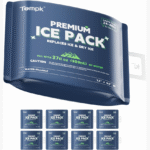
Eine typische Tempk-Meeresfrüchteverpackung verwendet ein Isolierter Versender, konditionierte Gelpackungen oder Meeresfrüchte Eisbeutel, auslaufsicherer Liner, absorbierender Pad, Produktteiler, Kühlmittelabscheider, und ein Logger auf Produktebene. Genehmigen Sie die Verpackung, nachdem Sie die Temperatur überprüft haben, Geruch, tropfen, Textur, Beschädigung der Schale oder des Tabletts, und Kartontrockenheit nach der eigentlichen Route.