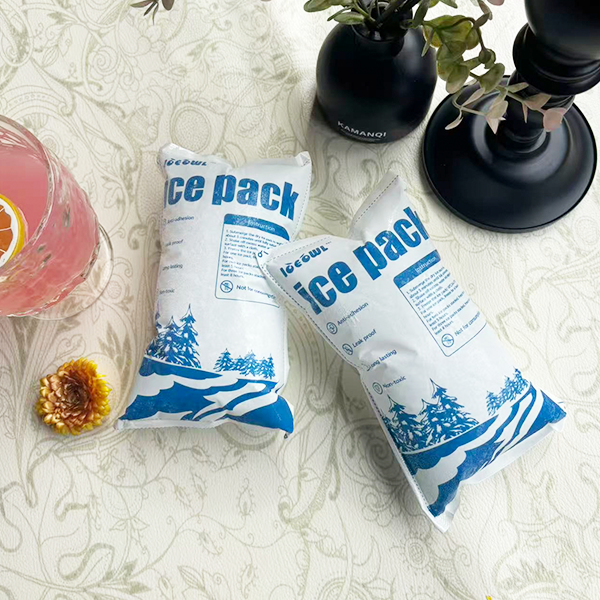
Lieferant von Trockeneisbeuteln für den Gemüsetransport: Vom Angebot zur qualifizierten Route
Die Lieferung eines Lieferanten Trockeneisbeutel Für ein Gemüsetransportprojekt sollte keine Kiste vorhanden sein Kaltpackungen. Es sollte eine kontrollierte Route sein: Das Kältemittel ist korrekt identifiziert, Die sicheren Grenzwerte des Gemüses sind definiert, Die Verpackung ist wiederholbar, Wahrscheinliche Verzögerungen werden getestet, und Empfänger wissen, was sie prüfen müssen. Dieses Ergebnis ist besonders wichtig, da „Trockeneisbeutel“ echtes festes Kohlendioxid oder eine durch Wasser aktivierte wiederverwendbare Folie beschreiben kann. Echtes Trockeneis ist viel zu kalt, um es als universelles Kühlmittel für frische Produkte zu verwenden, während gefrorene wasserbasierte Packungen auch zu Kontaktgefrieren führen können. Ein Fünf-Gate-Prozess hilft bei der Beschaffung, Qualität, Operationen, und Lieferanten treffen gemeinsam eine vertretbare Entscheidung.
Die fünf Tore
Jedes Tor beantwortet eine andere Frage. Das Passieren eines späteren Gates kann eine fehlende Antwort zu einem früheren Zeitpunkt im Prozess nicht ausgleichen.
| Entscheidungstor | Frage zum Schließen | Mindestbeweise | Grund, aufzuhören oder neu zu gestalten |
|---|---|---|---|
| 1. Identität und Verwendungszweck | Welches Kältemittel wird gekauft?, und ist die Nutzlast frisch oder gefroren? | Produktbeschreibung, Sicherheitsinformationen, Produktform, und geplante Route | Der mehrdeutige Name „Trockeneis“ oder echtes Trockeneis wird standardmäßig für frisches Gemüse vorgeschlagen |
| 2. Warenumschlag | Welche Produkttemperaturen und Qualitätsgrenzen gelten?? | Zugelassene Warenspezifikation, Ausgangszustand der Pulpe, Überprüfung der Luftfeuchtigkeit und Empfindlichkeit | Ein generisches Kühlsortiment für inkompatible Kulturen |
| 3. Packout-Architektur | Wie wird das Kühlmittel?, Isolierung, Nutzlast, und Barrieren wirken zusammen? | Zeichnung, Stückliste, Konditionierungsanleitung, und Ladereihenfolge | Angegebene Komponentenmenge ohne Platzierungs- oder Wärmelastannahmen |
| 4. Qualifikation | Schützt das genaue System heiße und kalte Stellen entlang der Fahrspur?? | Definierte Umgebungsprofile, kalibrierte Sensoren, Läufe wiederholen, und Produktqualitätsbewertung | Nur durchschnittliche Daten, keine Kaltpunktsensoren, oder keine Winterherausforderung |
| 5. Produktionskontrolle | Kann jede Sendung das genehmigte System reproduzieren?? | Inspektionsplan, Ausbildung, Rückverfolgbarkeit, Änderungsmitteilung, Empfangsverfahren, und Überprüfungsauslöser | Die Probe unterscheidet sich von der Produktion oder die Bediener improvisieren die Flüssigkeitszufuhr und die Platzierung des Rucksacks |
Die Tabelle ist auch eine Verantwortungskarte. Der Einkauf kann über einen eigenen kommerziellen Vergleich verfügen, Der Produkteigentümer oder das Qualitätsteam sollten die Warenbeschränkungen jedoch genehmigen. Die Verpackungstechnik und der Lieferant können die Konfiguration entwickeln. Der Betrieb muss nachweisen, dass er das Verfahren ausführen kann, während Empfangsteams die Feedbackschleife schließen.
Tor 1: Unklarheiten aus „Trockeneisbeutel“ beseitigen
Die Kaufspezifikation sollte einen technischen Namen und einen Handelsnamen getrennt enthalten.
Wenn das Kältemittel festes Kohlendioxid ist, Nennen Sie es „Trockeneis“., Kohlendioxid, solide, UN1845“, wenn der jeweilige Versandkontext diese Identifizierung erfordert. Bei normalem Atmosphärendruck sublimiert es bei etwa −78,3 °C. Dies erklärt sowohl seine Fähigkeit zum gefrorenen Transport als auch seine Gefahr für frisches Gewebe. Es erklärt auch, warum die Verpackung Gas abgeben muss, anstatt fest zu verschließen.
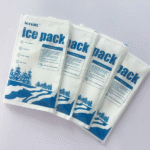
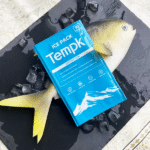
Wenn es sich bei dem Produkt um eine Trinkschicht handelt, Beschreiben Sie es als eine durch Wasser aktivierte Polymer-Kühlpackung, die vor der Verwendung eingefroren wird. Tempks veröffentlicht Trockeneisbeutel mit Feuchtigkeit versorgen verwendet eine durchlässige Membran, Polymer saugfähig, und zusammengesetzter Film. Dieses Produkt enthält kein festes Kohlendioxid. Eine klare Beschreibung verhindert eine unnötige Behandlung gefährlicher Güter und weist die Packer darauf hin, dass eine Hydratation und Gefrierkonditionierung erforderlich ist.
Wenn es sich um eine Gelpackung handelt, starrer Ziegelstein, oder formuliertes PCM, Identifizieren Sie den Fülltyp, Übergangsverhalten, sofern unterstützt, Nennmasse, Außenkonstruktion, und Konditionierung. Erlauben Sie dem Lieferanten nicht, ohne Genehmigung eine Kategorie durch eine andere zu ersetzen, nur weil die Außenmaße übereinstimmen.
Das erste Tor trennt außerdem frisches Gemüse von gefrorenem verarbeitetem Gemüse. Echtes Trockeneis könnte ein sinnvoller Kandidat für eine Nutzlast sein, die gefroren bleiben muss. Für frische Gurken, Kopfsalat, Tomaten, Paprika, Kartoffeln, oder Kürbis, Aufgrund der extremen Temperatur besteht eindeutig die Gefahr des Einfrierens. Jeder Vorschlag zur Verwendung sollte eine spezifische technische Begründung und Kontrollen für den Produktkontakt enthalten, Gaskonzentration, Arbeitssicherheit, Transportregeln, und Qualifikation. In vielen neuen Anwendungen, Ein weniger aggressives Kühlmittel oder gekühlte Geräte sind der bessere Ausgangspunkt.
Tor 2: Erstellen Sie den Warenumschlag
„Keep cool“ ist keine Vorgabe. Der Warenumschlag definiert die akzeptable Exposition und die Bedingungen, die sich auf die Qualität auswirken.
Beginnen Sie mit der Produktform. Für ganzen Salat und geschnittenes Blattgemüse gelten keine identischen Lebensmittelsicherheitsverpflichtungen. In relevanten US-amerikanischen. Operationen, Die Leitlinien der FDA empfehlen, geschnittenes Blattgemüse anzunehmen und bei 5 °C oder weniger aufzubewahren. Das ist eine obere Sicherheitsgrenze, Keine Anweisung, gefrorene Packungen mit dem Produkt in Berührung zu bringen. Die lokale Akzeptanz und der Lebensmittelsicherheitsplan des Unternehmens sollten überprüft werden.
Nächste, Identifizieren Sie den optimalen Handhabungsbereich der Ernte und Verletzungen durch niedrigere Temperaturen. USDA, FAO, und die Anleitung von UC Davis zeigt die Vielfalt:
Viele Blattgemüse und Gemüse aus gemäßigten Klimazonen werden bei Temperaturen nahe 0 °C verarbeitet, aber ihr Gefrierspielraum kann klein sein.
Gurken gedeihen im Allgemeinen am besten bei etwa 10 °C bis 12,5 °C und können bei Temperaturen unter etwa 10 °C Kälteschäden entwickeln, wobei die Wirkung von Zeit und Sorte abhängt.
Für eine längere Lagerung werden Paprika üblicherweise bei etwa 7,5 °C gelagert; Eine geringere Exposition kann je nach Dauer und Reife zu Kältesymptomen führen.
Kürbisse, Kürbisse mit harter Schale, und Süßkartoffeln erfordern eine wärmere Handhabung als viele Blattfrüchte.
Die Gefrierempfindlichkeit variiert. Kartoffeln und Tomaten können durch leichtes Einfrieren dauerhaft geschädigt werden, während reifer Kohl leichtes Einfrieren besser verträgt. Toleranz ist kein Grund, unterhalb des genehmigten Grenzwerts zu konstruieren.
Die Spezifikation sollte Ziel- und Aktionsbereiche berücksichtigen, nicht nur ein Sollwert. Es sollte festlegen, wie die Zellstofftemperatur gemessen wird, wie lange Ausflüge dauern dürfen, falls welche akzeptiert werden, und welche Qualitätsmängel eine Zurückweisung oder Zurückweisung auslösen. Feuchtigkeit einbeziehen, Kondensationstoleranz, Ethylenverträglichkeit, Reife, Sorte, und voraussichtliche Marktdauer, wenn sie wesentlich sind.
Mischlasten erfordern eine explizite Kompatibilitätsentscheidung. Für einen Kurztrip kann eine gemeinsame Kompromisstemperatur angemessen sein, aber es sollte als Kompromiss mit einer zeitlichen Begrenzung genehmigt werden. Eine Kühlpackung kann Brokkoli und Gurken nicht biologisch identisch machen.
Endlich, Notieren Sie den Ausgangszustand. Produkte, die mit 18 °C ankommen, können nicht so behandelt werden, als wären sie auf 8 °C vorgekühlt. Passive Verpackungen werden normalerweise am besten verwendet, um eine vorbereitete Nutzlast aufzubewahren. Die Transportrichtlinien des USDA legen Wert auf eine schnelle Ableitung der Feldwärme und weisen darauf hin, dass die Transportkühlung kein unbegrenztes Vorkühlungsinstrument ist. Bei einem Packout-Test sollte die tatsächlich zugelassene Ladetemperatur verwendet werden, einschließlich normaler Variation.
Tor 3: Entwerfen Sie das System rund um den Wärmefluss
Eine Kühlpackung hat an sich keine sinnvolle Dauer. Die Leistung des Verladers ergibt sich aus seiner Nutzlast, Isolierung, Kühlmittel, Geometrie, Umgebungseinflüsse, und Handling.
Beginnen Sie mit den nutzbaren Innenmaßen. Lieferanten geben häufig die Größe der Außenverpackung oder das Bruttoinnenvolumen an, aber Barrieren und Kühlmittel verbrauchen Nutzlastraum. Messen Sie das verpackte Gemüse in der Primärverpackung ab und lassen Sie bei Bedarf Belüftungswege frei. Zerkleinerte Produkte, verstopfte Lüftungsschlitze, oder ein Deckel, der von einer übergroßen Packung offengehalten wird, ist keine thermische Lösung.
Platzieren Sie dann das Kühlmittel entsprechend dem erwarteten Wärmefluss und der Produktempfindlichkeit. Ein allseitig exponiertes Paket benötigt möglicherweise verteilten Schutz. Eine Palette in einem Kühlanhänger kann vor allem beim Abstellen und Öffnen der Tür einem Risiko ausgesetzt sein. Ein darüber gelegtes gefrorenes Blatt kann um unregelmäßiges Gemüse herum durchhängen und den Kontakt verstärken. Ein starrer Ziegelstein kann in einem Kanal verbleiben, aber möglicherweise eine konzentrierte kalte Oberfläche erzeugen.
Setzen Sie Trennzeichen bewusst ein. Wellplatten, Ärmel, geformte Kanäle, und Lufträume können die direkte Leitung verringern. Ihre Dicke, Feuchtigkeitsreaktion, und Position gehören in die Stückliste. Informelle Ergänzungen an der Verpackungslinie verändern den Wärmewiderstand und sollten nicht ohne Überprüfung akzeptiert werden.
Konditionierung ist Teil des Designs. „Gefroren“ kann Packungen mit sehr unterschiedlichen Starttemperaturen beschreiben. Eine Packung, die aus einem sehr kalten Gefrierschrank entnommen wurde, kann zunächst eine rauere Oberfläche aufweisen als eine Packung, die auf einen kontrollierten Zustand temperiert wurde. Auch die Hydratationsschicht variiert je nach Wasseraufnahme, Ablaufzeit, Orientierung, und Zelleinheitlichkeit. Die Arbeitsanweisung sollte messbare Bedingungen festlegen, die der Standort reproduzieren kann.
Echtes Trockeneis folgt einer anderen Architektur. Es erfordert eine Gasfreisetzung, kompatible Verpackung, sicheres Handling, und eine Menge, die für die tatsächlich eingefrorene Nutzlast und Spur bestimmt wird. Für Lufttransport, Aktuelle IATA-Materialien verweisen auf Verpackungsanweisungen 954, Paketentlüftung, UN1845 -Markierung, die Worte „Kohlendioxid, fest“ oder „Trockeneis“.,” und Netto-Trockeneisgewicht, vorbehaltlich Betreiber- und Zustandsschwankungen. Diese Kontrollen verwalten gefährliche Güter; Sie beweisen nicht die Produkttemperaturleistung.
Ein einfaches Wärmebudget
Die technische Diskussion sollte die Wärme durch die Isolierung berücksichtigen, warme Luft dringt durch Öffnungen ein, Restwärme in der Nutzlast, Atmungswärme von lebenden Produkten, Umgang mit Belichtung, und die vom Kühlmittel aufgenommene Energie. Es sollte auch das Risiko der kalten Seite erkennen. Das Hinzufügen von Kühlmittel erhöht die verfügbare Kältekapazität, kann jedoch lokale Tiefsttemperaturen verstärken oder die Kälteeinwirkung verlängern.
Dieses zweiseitige Budget verändert die Designfrage. Anstatt zu fragen, „Wie viele Packungen halten die Box kalt??" fragen, „Welche Anordnung hält jeden relevanten Produktstandort innerhalb des genehmigten Bereichs durch das Profil??„Diese Formulierung macht warmes und kaltes Scheitern gleichermaßen sichtbar.
Tor 4: Qualifizieren Sie Temperatur und verkaufsfähige Qualität
Vor der Prüfung sollte ein Qualifikationsprotokoll verfasst werden. Ansonsten, Die Ergebnisse lassen sich leicht im Hinblick auf das gewünschte Ergebnis interpretieren.
Definieren Sie mindestens Folgendes:
die genaue äußere Box, Isolierung, Liner, Barrieren, Band, und Schließung;
Gemüsesorte, Sorte oder Reife, wo wichtig, Primärverpackung, Masse, Anordnung, und Ausgangstemperatur des Zellstoffs;
Kühlmittelprodukt, viel, konditionierte Masse, Ausgangszustand, Nummer, und Lage;
Sommer, Winter, und Verzögerungsprofile, die durch Routendaten oder eine konservative Designanforderung gerechtfertigt sind;
Logger-Modelle, Kalibrierungsstatus, Abtastintervall, Sensorplatzierung, und Uhrsynchronisation;
Hilfreiche Entscheidungshilfen
Überprüfen Sie die Details, bevor Sie sich für die Verpackung entscheiden
Mit diesen schnellen Tools können Sie das Routenrisiko vergleichen, Größenanforderungen, Kühlmittelauswahl, und Verpackungsdetails, bevor Sie ein Angebot anfordern.
Referenz zu Isoliermaterialien
Vergleichen Sie die Auswahl an Isoliermaterialien für unterschiedliche Kühlkettenverpackungsanforderungen.
Vergleichen Sie MaterialienFallfestigkeit des Isolationsmaterials
Überprüfen Sie die Fallfestigkeit und die Handhabungsfaktoren, bevor Sie Isoliermaterialien auswählen.
Widerstand prüfenKühlakku-Rechner
Schätzen Sie die Menge an Gel-Eisbeuteln für gekühlte Sendungen und nutzen Sie die praktische Routenplanung.
Schätzen Sie EisbeutelTemperaturakzeptanzkriterien, Ausflugsregeln, und Testdauer;
physische und Produktqualitätskontrollen beim Auspacken und nach einem angemessenen Beobachtungszeitraum;
Anzahl der Durchläufe und Regeln für den Umgang mit Ausreißern oder Testabweichungen.
Die Platzierung des Sensors erfordert Sorgfalt. Platzieren Sie Holzfäller an voraussichtlich warmen Zonen in der Nähe von Deckeln oder freiliegenden Ecken, im Nutzlastzentrum, und an vorhergesagten kalten Zonen neben Barrieren und Kühlmittel. Sichern Sie sie so, dass Transporterschütterungen sie nicht in direkten Kontakt mit der Verpackung bringen können. Messen Sie die repräsentative Zellstoff- oder Oberflächenexposition, wenn die Produktentscheidung davon abhängt.
Die Durchschnittstemperatur ist ein schlechtes Kriterium für die Freisetzung einer ungleichmäßigen Schachtel. Wenn eine Gurkenschicht gefriert, während die Mitte warm bleibt, Durch die Mittelung dieser beiden Werte kann eine beruhigende Zahl ermittelt werden, die keine wirkliche Gurke beschreibt. Überprüfen Sie jede kritische Spur.
Die Qualität nach dem Test schließt einen zweiten blinden Fleck. Wenn sich das Gemüse beim Verteilen oder Ausstellen erwärmt, kann es zu Kälteschäden kommen. Der Inspektionsplan kann Lochfraß enthalten, wasserdurchtränkte Bereiche, Weichheit des Gewebes, innere Verfärbung, Verfall, verwelkt, Vergilbung, Geruch, und verpacken Sie die Feuchtigkeit entsprechend der Ernte. Thermische Compliance und verkaufsfähiger Zustand sind komplementäre Ergebnisse.
Kontrollierte Kammertests und Routenpiloten spielen unterschiedliche Rollen. Die Kammer unterstützt die Wiederholbarkeit bei einer definierten Herausforderung. Ein Pilot enthüllt Verzögerungen beim Packen, Sortierung, Fahrzeugbeladung, Paketumkehr, Zoll wohnen, Lieferpraxis, und die Ausführung erhalten. Ein risikobasiertes Programm verwendet häufig zunächst einen kontrollierten Test und überprüft dann das Design auf repräsentativen Spuren.
Ein hypothetisches Paprika-Programm
Stellen Sie sich einen Lebensmittelimporteur vor, der grüne Paprika durch eine Paketstraße transportiert. In der bestehenden Praxis werden gefrorene Produkte verwendet Gelpackungen direkt an die Innenkartons gelegt, weil den Mitarbeitern gesagt wurde, dass kälter auch frischer sei.
Am Tor 1, Der Käufer bestätigt, dass es sich bei den Packungen um wasserbasiertes Gel handelt, not dry ice. Am Tor 2, Das Qualitätsteam übernimmt einen paprikaspezifischen Umschlag, der auf seiner eigenen Produkterfahrung und den Nachernterichtlinien basiert, Dabei liegt die Temperatur von grünen Paprika üblicherweise bei etwa 7,5 °C und es besteht die Gefahr einer Abkühlung bei kälterer Lagerung. Es erfasst die zugelassene Verpackungstemperatur, Reife, maximale Streckenzeit, und Symptome, die es zu untersuchen gilt.
Am Tor 3, Es werden zwei Prototypen entwickelt. Man verwendet ein konditioniertes PCM in festen Kanälen. Der andere behält das bestehende Gelformat bei, fügt jedoch einen definierten Temperierungsschritt und eine Barriere hinzu. Beide bewahren die gleiche nutzbare Nutzlast und Schließung. Das Team geht nicht davon aus, dass eines der beiden Designs überlegen ist.
Tor 4 vergleicht beide Systeme im Sommer, Winter, und Verzögerungsprofile. In der Nähe der Packungen sind Sensoren angebracht, an Ecken, unterhalb des Deckels, und im Nutzlastzentrum. Die Qualitätsüberprüfung wird nach der Ankunft fortgesetzt, was zu einer Enttäuschung führt, wassereinweichend, Verfärbung der Samenhöhle, oder es kann zu Verfall kommen. Anschließend prüft ein Realspurpilot, ob die Bediener die Reihenfolge einhalten.
Am Tor 5, Die ausgewählte Konfiguration wird als Zeichnungs- und Arbeitsanweisung eingefroren. Der Lieferant muss den Käufer benachrichtigen, bevor er kritische Folien wechselt, Gel, Abmessungen, oder Versiegelung. Das Lager prüft die Konditionierung und Packungsplatzierung, während Empfänger Defekte und Temperaturausnahmen aufzeichnen.
Es ist kein erfundenes Testergebnis erforderlich, um das Beispiel nützlich zu machen. Es zeigt, wie aus einer vagen Kühlpackungsgewohnheit in jeder Phase ein dokumentierter Vergleich mit einem Entscheidungsträger wird.
Tor 5: Machen Sie die genehmigte Verpackung wiederholbar
Durch die Skalierung werden Variationen sichtbar, die ein Laborprototyp verbergen kann. Der Produktionskontrollplan sollte sowohl die Herstellung des Lieferanten als auch die Abläufe des Käufers abdecken.
Auf der Lieferantenseite, einigen Sie sich auf genehmigte Zeichnungen, Rohstoffkontrollen, Massen- und Maßtoleranzen, Siegelinspektion, Leckkriterien, Saugfähigkeit ggf, Chargenidentifikation, Probenahme, Umgang mit Nichtkonformitäten, und Aufbewahrung von Aufzeichnungen. Geben Sie an, welche Änderungen eine vorherige Ankündigung erfordern. Ein anderes Polymer, Filmstärke, Klebstoff, Anbieter, Formwerkzeug, Dichtungsfenster, oder der Produktionsstandort können das physikalische oder thermische Verhalten verändern.
Die Konsistenz zwischen Muster und Produktion erfordert eine formelle Überprüfung. Vergleichen Sie die Produktionseinheiten hinsichtlich der Größe mit den genehmigten Mustern, Masse, Siegel, Aktivierung, fit, und alle wichtigen thermischen Eigenschaften. Eine Änderung der Farbe oder des Druckdesigns mag kosmetischer Natur sein, kann aber auf eine andere Folienkonstruktion hinweisen; eher untersuchen als vermuten.
An der Packstelle, Kontrollbeleg, Lagerung, Flüssigkeitszufuhr, Einfrieren, Temperierung, Inspektion, Laden, und Schließung. Gefrierschränke benötigen ausreichend Luftstrom und Kapazität für die tatsächliche Chargengröße. Betreiber brauchen Regeln für teilweise gefrorene Packungen, beschädigte Zellen, Kontamination, längeres Auftauen, und Produkt, das außerhalb seines Ausgangstemperaturbereichs ankommt.
Am Ziel, Richten Sie eine Standard-Eingangskontrolle ein. Beachten Sie den Kartonschaden, Nässe, Rudelbewegung, Restzustand des Kühlmittels, Zellstofftemperaturen an definierten Orten, Logger-Status, und sichtbare Produktmängel. Legen Sie fest, wer die Sendung freigeben kann und wann eine Qualitätsprüfung erforderlich ist.
Feedback soll kontrolliertes Handeln auslösen. Ein warmes Ereignis rechtfertigt nicht automatisch eine weitere Packung; Die Ursache könnte ein verzögerter Vorkühlschritt sein, ein fehlender Deckel, oder ein langer Hafenaufenthalt. Bei einem Kälteereignis sind möglicherweise statt eines höheren Thermostats Konditionierungs- oder Barriereänderungen erforderlich. Jede Designänderung wird an das entsprechende Gate zurückgegeben.
Bewerten Sie das Risiko, nicht nur das Rudel
Ein kommerzieller Vergleich lässt sich in vier Kostengruppen einteilen.
Erwerb: Packungspreis, Karton und Isolierung, Drucken, Proben, Werkzeuge, Mindestbestellmenge, und eingehende Fracht.
Vorbereitung: Hydratationswasser, Gefrierraum, Energie, Arbeit, Temperierbereich, Schutzausrüstung, Trockeneisverlust vor der Beladung, und Training.
Verteilung: Ausgangsgewicht und -volumen, ggf. Gefahrguthandhabung, Carrier-Zuschläge, Retourenlogistik, Reinigung, Sortierung, und Vermögensverlust.
Versagen: abgelehntes oder herabgestuftes Gemüse, Kundenguthaben, erneute Lieferung, Abfallentsorgung, Untersuchungen, und verlorene Haltbarkeit.
Dieses Modell kann einen scheinbaren Preisvorteil umkehren. Eine Trinkdecke kann kompakt geliefert werden und den Stauraum reduzieren, erfordern aber eine stärkere Vorbereitungskontrolle. Ein starrer wiederverwendbarer Stein kann anfangs teurer sein und auf einer geschlossenen Strecke eine gute Leistung erbringen, aber im Einweg-Paketversand unwirtschaftlich sein. Echtes Trockeneis kann ein gefrorenes Produkt konservieren, aber das Gewicht erhöhen, Sublimation, und Umgangspflichten.
Bitten Sie Lieferanten, die definierte Konfiguration und die Services separat anzubieten. Komponentenpreis, Isolierung, Testunterstützung, individueller Druck, Werkzeuge, und Fracht sollten sichtbar sein. Vermeiden Sie es, einen getesteten Systemvorschlag mit einem unqualifizierten Einzelangebot zu vergleichen, als ob beide gleichwertig wären.
Frühwarnrisikoregister
| Fehlermuster | Worauf es hinweisen könnte | Sofortige Eindämmung | Längerfristige Reaktion |
|---|---|---|---|
| Mit Wasser getränkte oder weiche Lebensmittel neben Packungen | Kontakterfrierung oder starke Unterkühlung | Halten Sie das betroffene Produkt fest und überprüfen Sie die kartierten Standorte | Überprüfen Sie die Konditionierung, Barrieren, Platzierung, und untere Akzeptanzgrenze |
| Warme Mitte mit kalten Außenschichten | Schlechte Verteilung des Kühlmittels oder zu hohe Nutzlastdichte | Bewerten Sie alle Sensorspuren vor der Freigabe | Luftstrom neu gestalten, Packposition, oder nutzbare Nutzlast |
| Nasser oder kollabierender Karton | Kondensation, Leckage, oder Materialunverträglichkeit | Beschädigte Pakete aussortieren und die Ladung schützen | Bewerten Sie die Packungsintegrität, Liner, Luftfeuchtigkeit, und Boardstärke |
| Hydratationszellen unterscheiden sich in ihrer Größe | Variable Wasseraufnahme, Einweichvorgang, oder Material | Verwenden Sie keine Geräte mehr, die nicht dem genehmigten Zustand entsprechen | Verschärfen Sie die Hydratationsmethode und die Absorptionskontrollen des Lieferanten |
| Fehlende Fluggesellschaftszulassung für Trockeneis | Dokumentation, Markierung, Entlüftung, oder Betreiberproblem | Geben Sie erst dann ein Angebot, wenn die Korrektur erfolgt ist | Erstellen Sie eine routenspezifische Gefahrgut-Checkliste |
| Die Temperatur steigt, aber die Mängel treten später auf | Kälteverletzung beim Auspacken nicht sichtbar | Verlängern Sie die Qualitätsfrist, wenn dies gerechtfertigt ist | Fügen Sie der Qualifikation eine Beobachtung nach der Erwärmung hinzu |
Das Register macht aus Symptomen Untersuchungspfade. Es verhindert auch einen reflexartigen Anstieg des Kühlmittels. Korrekturmaßnahmen sollten den Mechanismus beheben, und das aktualisierte Packout sollte erneut getestet werden, wenn die Änderung die Leistung beeinträchtigen kann.
Häufig gestellte Fragen
Wer sollte den Temperaturbereich für den Gemüsetransport genehmigen??
Der Produkteigentümer und das Qualitäts- oder Lebensmittelsicherheitsteam sollten es gemäß den geltenden Vorschriften genehmigen, Kundenanforderungen, Anleitung nach der Ernte, und Produkterfahrung. Ein Verpackungslieferant kann sich an der Reichweite orientieren, sollte aber nicht allein die biologische Grenze festlegen. Notieren Sie das Produktformular, Quelle, Messmethode, und Ausflugsregeln.
Reicht die vom Lieferanten angegebene Wartezeit für die Kaufgenehmigung aus??
Nur wenn der Anspruch mit Ihrem gesamten System und Ihren Akzeptanzkriterien übereinstimmt. Überprüfen Sie die Box, Isolierung, Nutzlast, Ausgangstemperaturen, Kühlmittelaufbereitung, Platzierung, Umgebungsprofil, Sensoren, Dauer, und Wiederholbarkeit. Ein Ergebnis, das nur Komponenten oder leere Kartons enthält, kann nicht direkt auf eine geladene Gemüsesendung übertragen werden.
Warum ein Winterprofil testen, wenn das Problem darin besteht, die Produkte kühl zu halten??
Wintereinwirkung kann zu Ausfällen auf der Kaltseite führen. Fahrzeugwände, Sortierbereiche, und vollständig gefrorene Packungen können dazu führen, dass empfindliches Gemüse unter seinen sicheren Bereich fällt. Ein nur für den Sommer konzipiertes Design kann daher Wärmetests bestehen, während es bei kaltem Wetter zu Auskühlung oder Gefrieren führt.
Wann ist echtes Trockeneis eine sinnvolle Option??
Am plausibelsten ist es, wenn die Nutzlast selbst eingefroren bleiben muss, wie gefrorenes verarbeitetes Gemüse, und der Versender ist für extreme Temperaturen und Gasfreisetzung ausgelegt. Der Verzehr von Frischgemüse ist keine Standardanwendung. Trägerregeln, Belüftung, Arbeitssicherheit, Paketkompatibilität, und Qualifikation müssen angegangen werden.
Was sollte eine Requalifizierung auslösen??
Auslöser können Veränderungen am Gemüse sein, Produktform, Nutzlast, Kasten, Isolierung, Barriere, Kühlmittel, Packungsmenge, Konditionierung, Lieferantenmaterial, Produktionsstandort, Route, Träger, Dauer, oder Umgebungsexposition. Abweichungstendenzen und wiederholte Empfangsmängel sollten ebenfalls eine Überprüfung veranlassen. Definieren Sie vor dem Start Auslöser im Änderungskontrollplan.
Die letzte Release-Frage
Bevor Sie eine Bestellung genehmigen, Stellen Sie eine Frage: Kann die Organisation erklären und reproduzieren, warum genau diese Konfiguration genau dieses Gemüse auf genau dieser Route schützt??
Eine vollständige Antwort identifiziert das Kältemittel eindeutig, legt rohstoffspezifische Grenzwerte fest, steuert die Vorkühlung und Konditionierung, Behebt die Packout-Geometrie, testet sowohl heiße als auch kalte Standorte, beurteilt die Produktqualität, erfüllt gegebenenfalls die tatsächlichen Sicherheits- und Transportvorschriften für Trockeneis, und verwaltet Änderungen. Falls ein Link fehlt, Der Kauf weiterer Pakete wird die Logik nicht reparieren.
Über Tempk
Tempk sorgt für feuchtigkeitsspendende Kaltlaken, Gelpackungen, Eisziegel, Isolierte Kisten, und andere Kühlkettenverpackung Komponenten. Sein Hydrat-Trockeneisbeutel wird mit Wasser aktiviert und eingefroren; es unterscheidet sich von festem Kohlendioxid. Wir können den Warenumschlag eines Käufers verwenden, Nutzlast, Route, Kasten, und Betriebsablauf, um Komponenten- und Verpackungsoptionen zu besprechen. Qualifikation, Dauer, und die Eignung sollte an die endgültig getestete Konfiguration und die vom Käufer genehmigten Akzeptanzkriterien gebunden bleiben.
CTA: Bringen Sie Tempk Ihre Routenbeschreibung und die aktuelle Packout-Zeichnung mit, um den nächsten Entscheidungspunkt zu ermitteln, Vergleichen Sie geeignete Proben, und planen Sie Beweise, bevor Sie mit der Massenproduktion beginnen.