Lieferant von Trockeneisbeuteln für die Impfstofflieferung: Sechs Genehmigungstore
Ein Lieferant Trockeneis Eine Packung für die Impfstoffabgabe muss vor der routinemäßigen Verwendung sechs miteinander verbundene Zulassungstore durchlaufen: Produktanforderungen, materielle Identität, Systemdesign, thermische Qualifizierung, Betriebskontrolle, und Lieferantenlebenszyklusmanagement. Kein Gate kann durch einen niedrigen Stückpreis oder eine allgemeine Dauerangabe ersetzt werden. Die erste Frage ist sowohl sprachlicher als auch technischer Natur. Festes Trockeneis ist Kohlendioxid, wohingegen ein Hydrat-„Trockeneisbeutel“ eine durch Wasser aktivierte Folie ist, die gefroren wird. Ihre Risiken und Kontrollen sind unterschiedlich. Denn viele gekühlte Impfstoffe sind frostempfindlich, Im Genehmigungsverfahren muss sowohl der Schutz vor übermäßiger Kälte als auch vor Erwärmung nachgewiesen werden, unter Verwendung der aktuellen Produktanweisungen und der geltenden Regeln des Impfprogramms.
Tor 1: Bestätigen Sie die Impfstoff- und Programmanforderungen
Das erste Tor gehört dem Impfprogramm oder einer autorisierten Qualitätsfunktion, nicht der Kühlmittellieferant. Es bestätigt die genaue Impfstoffpräsentation, aktuelle Herstellerhinweise, unterstützter Transportzustand, Gefrierempfindlichkeit, Umgang mit Verdünnungsmitteln, Nutzlastreichweite, Route, und Ausflugsweg.
Der Gate-Datensatz sollte antworten:
Welcher Impfstoff, Präsentation, Loskonfiguration, und Sekundärkarton sind abgedeckt?
Welche aktuellen Lagerungs- und Transportvorschriften bestimmen das Design??
Ist das Einfrieren verboten?, und wie wird der Verdacht auf Einfrieren bewertet??
Wird ein Verdünnungsmittel oder ein Zusatzartikel im selben Paket transportiert??
Welches Impfprogramm, Vertrag, Es gelten auch organisatorische Regelungen?
Welche Nutzlast-Extreme und Routengruppen sind im Geltungsbereich??
Wer kann die Qualifikation genehmigen und Exkursionsentscheidungen treffen??
Eine vage Forderung nach „gekühlten Impfstoffen“ wird nicht angenommen. Wenn mehrere Produkte gruppiert sind, dokumentieren, warum ihre Anforderungen, Geometrie, Masse, und Risiko werden durch die Qualifizierungsnutzlasten repräsentiert. Wenn Beweise die Gruppe nicht stützen können, Teilen Sie es auf.
Definieren Sie die Routenzeit von der Vorbereitung und Auspackung bis zur Rückgabe an das unterstützte Lager beim Empfang. Inszenierung einbeziehen, Pickup-Abschaltungen, Hubs, Lieferfenster, und glaubwürdige Verzögerung. Definieren Sie saisonale Herausforderungen und alternative Reiseziele. Ein Service-Level-Versprechen ist ein Input, kein Beweis für die tatsächliche Exposition.
Tor 1 identifiziert auch verbotene Annahmen. Beispiele hierfür sind: „Kälter ist sicherer.“,„Das Kühlmitteletikett bestimmt den Impfzustand.“,„Eine restliche gefrorene Packung beweist Akzeptanz.“,“ oder „Alle Verdünnungsmittel können wie der Impfstoff verpackt werden.“ Durch die Aufzeichnung dieser Grenzen werden spätere Lieferantengespräche klarer.
Das Ergebnis ist eine genehmigte Anforderungsbeschreibung und ein Akzeptanzrahmen. Wenn aktuelle Produktanweisungen nicht verfügbar sind oder intern widersprüchlich sind, Halten Sie inne und lösen Sie sie, bevor Sie sich für ein Material entscheiden. Die Technik kann ein undefiniertes Ziel nicht qualifizieren.
Tor 2: Etablieren Sie eine materielle Identität und Systemarchitektur
Das zweite Tor bestimmt, um welches Kühlmittel es sich tatsächlich handelt. Erhalten Sie artikelspezifische Anweisungen, technische Beschreibung, Informationen zur Zusammensetzung oder Sicherheit, Abmessungen, Masse, Toleranzen, Losidentifikation, Lagerung, Vorbereitung, Integritätskriterien, Entsorgung, und Überarbeitung.
Festes Kohlendioxid erfordert ein System, das Gas freisetzen kann, und eine Betriebsumgebung, die für die Belüftung sorgt, kalter Kontakt, Mengenkontrolle, und anwendbare Modusanforderungen. Seine sehr niedrige Temperatur kann mit der Kühlung unvereinbar sein, gefrierempfindlicher Impfstoff, es sei denn, der unterstützte Produktzustand und das qualifizierte Design rechtfertigen seine Verwendung.
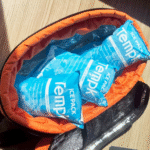
A Trockeneisbeutel mit Feuchtigkeit versorgen ist im Allgemeinen eine trockene wasserabsorbierende Schicht, die hydratisiert und gefroren ist. Es sollte als wasserbasiertes Kühlmittel modelliert werden. Die Zubereitung verändert ihre Masse und Geometrie, Beim Falten kann sich der Kontakt und der Wärmefluss verändern. Gelpackungen und konstruierte Phasenwechselpakete bleiben separate Materialien mit ihren eigenen Spezifikationen und Konditionierungen.
Architekturbeweistabelle
| Architekturentscheidung | Zulassungsnachweis | Scheitern verhindert |
|---|---|---|
| Genaue Kühlmittelposition und Revision | Aktuelle Spezifikation, Anweisungen, Proben, und Chargencode | Verwechslung von Hydratplatten mit festem Trockeneis oder Ersatzformulierungen |
| Konditionierter Zustand | Hydratations- oder Konditionierungsprozess, Toleranzen, und Freigabeprüfung | Variable thermische Masse und Packpassform |
| Isolierter Behälter | Material, Abmessungen, Schließung, und kontrollierte Überarbeitung | Verwendung von Testdaten aus einer anderen thermischen Hülle |
| Trennung und Platzierung | Verpackungszeichnung, Barrieren, Orientierung, und Fotos | Direkter Kaltkontakt, falten, Lücken, oder warme Zonen |
| Nutzlast und Stauholz | Minimale und maximale Klammern, repräsentatives Produkt, und kontrollierter Füllstoff | Ungetestete Konfigurationen mit geringer Masse oder Überlastung |
| Überwachungsort | Kartierung von Gründen und reproduzierbare Platzierung | Messung von Kühlmittel oder leerer Luft anstelle der Impfumgebung |
| Entlüftung und Handhabung | Verpackungsdesign und Sicherheitsverfahren bei Verwendung von festem Trockeneis | Druck, Belichtung, und Trägerablehnung |
| Empfangskonfiguration | Öffnung, überweisen, Monitor, und Eskalationsanweisung | Verzögerte Lagerung oder nicht unterstützte Produktversion |
Die Systemstückliste soll Substitutionen verhindern. Ein Abstandshalter, Liner, Band, Karton, oder eine Änderung der Hohlraumfüllung kann die Wärmeübertragung oder die Gasfreisetzung verändern. Wenn eine Komponente für die Leistung wesentlich ist, Behandeln Sie es als kontrolliert, auch wenn es kostengünstig erscheint.
Tor 2 vergeht bei der Beschaffung, Maschinenbau, Operationen, und Qualität nutzen die gleiche Komponentenidentität und Packout-Architektur. Der Marketingname eines Lieferanten kann auf der Bestellung verbleiben, Interne Aufzeichnungen sollten das Material jedoch in eindeutiger technischer Form wiedergeben.
Tor 3: Qualifizieren Sie die thermische und körperliche Leistung
Das dritte Tor macht die Architektur zum Beweis. Einsatz produktionsgleicher Komponenten und kontrollierter Montage. Das Protokoll sollte Testziele festlegen, Konfigurationen, Nutzlasten, Umgebungsprofile, Dauer, Geräte, Sensorkarte, Akzeptanzkriterien, repliziert, körperliche Inspektionen, Datenverarbeitung, Abweichungen, und Genehmigungen.
Kartieren Sie glaubwürdige warme und kalte Standorte. Platzieren Sie Sensoren in der Nähe von Wänden, Deckel, unten, Center, Kontaktrisiken, und repräsentative Produktpositionen entsprechend der Geometrie. Das Kälterisiko kann früh oder im Rahmen eines Kälteprofils auftreten; das wärmste Wetter kann spät erscheinen, in der Nähe einer Naht, oder mit maximaler Belastung. Überprüfen Sie jede erforderliche Sensorkurve, anstatt sich auf einen Durchschnitt zu verlassen.
Fordern Sie minimale und maximale Nutzlasten heraus. Eine Mindestbestellmenge kann dazu führen, dass ein Karton einer größeren Kühlmitteloberfläche und weniger Wärmepufferung ausgesetzt wird. Eine maximale Bestellmenge kann die Verpackung überfüllen und die beabsichtigte Platzierung einschränken. Wenn eine Ersatzlast erforderlich ist, um innerhalb eines genehmigten Bereichs zu bleiben, seine Art und Anordnung müssen kontrolliert werden.
Die Konditionierung muss repräsentativ sein. Hydratplatten sollten mit der vorgeschlagenen Produktionsmethode hergestellt werden, keine sorgfältig handverlesenen Laborproben. Festes Trockeneis sollte in der zugelassenen Form und Menge geladen werden, mit realistischer Inszenierung und Sublimation. Gel- oder Phasenwechselpackungen sollten den definierten Konditionierungszustand durch einen Gefrierschrank oder einen reproduzierbaren Prozess erreichen.
Berücksichtigen Sie gegebenenfalls das Risiko der physischen Verteilung. Kompression, Vibration, Orientierung, Beschädigung der Kühlmittelzelle, Deckelbewegung, und Nässe kann die Leistung oder Benutzerfreundlichkeit beeinträchtigen. Ein Kammerergebnis in einer stationären perfekten Box deckt möglicherweise kein grobes Paketnetzwerk ab.
Behalten Sie Rohdaten und fehlgeschlagene Entwicklungsläufe bei. Erklären Sie Ausschlüsse, fehlende Punkte, Protokollabweichungen, und Berechnungen. Die Qualifikation wird nur nach vorab genehmigten Kriterien bestanden. Wenn das System ausfällt, Neugestaltung und Wiederholung der erforderlichen Arbeiten; Kennzeichnen Sie einen nicht ordnungsgemäßen Standort nicht im Nachhinein als irrelevant.
Der Gate-Ausgang sollte genau angeben, was qualifiziert ist: Komponentenrevisionen, Container, Auspacken, Nutzlasthalterung, Route oder Profil, Jahreszeit, Dauer, Monitorposition, und Betriebsannahmen. Es handelt sich um eine begrenzte Genehmigung, keine Aussage, dass das Kühlmittel für jeden Impfstoff geeignet ist.
Tor 4: Verbinden Sie die Überwachung mit Exkursionsentscheidungen
Das vierte Tor stellt sicher, dass eine Routinesendung nützliche Beweise liefert. Wählen Sie einen geeigneten digitalen Datenlogger und, wo gerechtfertigt, eine Gefrieranzeige. Geräteidentität definieren, Genauigkeit oder Kalibrierungsstatus, Konfiguration, Aktivierung, Platzierung, starten und stoppen, herunterladen, Aufbewahrung von Dateien, Alarmbearbeitung, und Rezension.
Die routinemäßige Platzierung von Loggern sollte aus der Qualifizierungskartierung erfolgen. Machen Sie es mit einer Tasche reproduzierbar, Clip, markierte Stelle, oder Diagramm. Ein Logger neben festem Trockeneis kann den Kältemittelzustand anzeigen; Eine lose in einem großen Hohlraum kann Luft aufweisen, die nichts mit der Nutzlast zu tun hat. Die Position muss die Entscheidung widerspiegeln, die das Programm treffen möchte.
Eine Frostanzeige liefert eine gezielte Warnung, jedoch keinen vollständigen Temperaturverlauf. Seine Schwelle, Antwort, Aktivierung, Lagerung, Ablauf, und Standort müssen verstanden werden. Wenn sowohl ein Indikator als auch ein Logger verwendet werden, Stellen Sie fest, welche Daten gespeichert werden und wie Meinungsverschiedenheiten eskaliert werden.
Der Erhalt von Anweisungen sollte eine unverzügliche Überführung des Impfstoffs in eine unterstützte Lagerung erfordern, Paketinspektion, Monitor stoppt oder liest, und Aufbewahrung von Daten. Definieren Sie die Reaktion auf Schäden, Nässe, fehlendes Kühlmittel, ein nicht gestartetes Gerät, ein Alarm, eine unleserliche Anzeige, oder eine Lieferung außerhalb des erwarteten Zeitfensters.
Für jeden vermuteten Ausflug, Schützen und trennen Sie den Impfstoff je nach Verfahren. Dokumentieren Sie das Produkt, viel, Menge, Termine, mal, Temperaturen, Route, Auspacken, und Aktionen. Lassen Sie sich vom Impfprogramm beraten, Hersteller, oder eine benannte Qualitätsbehörde. Das Personal sollte den betroffenen Impfstoff nicht entsorgen oder verwenden, bis die dokumentierte Entscheidung getroffen wurde.
Hilfreiche Entscheidungshilfen
Überprüfen Sie die Details, bevor Sie sich für die Verpackung entscheiden
Mit diesen schnellen Tools können Sie das Routenrisiko vergleichen, Größenanforderungen, Kühlmittelauswahl, und Verpackungsdetails, bevor Sie ein Angebot anfordern.
Boxliner & Dimensionierung der Palettenabdeckung
Überprüfen Sie die Größenlogik für Kartoneinlagen und Palettenabdeckungen für isolierte Verpackungsprojekte.
Schätzen Sie die GrößeKühlmittel & PCM-Referenz
Vergleichen Sie Kühlmittel- und PCM-Optionen, wenn eine Route zusätzliche Temperaturunterstützung benötigt.
Vergleichen Sie OptionenFallfestigkeit des Isolationsmaterials
Überprüfen Sie die Fallfestigkeit und die Handhabungsfaktoren, bevor Sie Isoliermaterialien auswählen.
Widerstand prüfenDas Tor schlägt fehl, wenn die Organisation Daten sammelt, aber keinen Prüfer hat, Ansprechzeit, oder Verfügungsbehörde. Es schlägt auch fehl, wenn Echtzeitwarnungen an einen nicht überwachten Posteingang gehen. Überwachung ist ein Entscheidungssystem, kein in der Box enthaltenes Zubehör.
Tor 5: Beweisen Sie den Einsatz- und Notfallplan
Das fünfte Tor prüft, ob Personen und Einrichtungen den qualifizierten Entwurf ausführen können. Beobachten Sie, wie das Personal das Kühlmittel regelmäßig mit Feuchtigkeit versorgt oder konditioniert, Komponenten auswählen, Zusammenstellen von Mindest- und Höchstlasten, Aktivierung von Monitoren, Verschließen von Behältern, Vervollständigung von Aufzeichnungen, und Bereitstellung von Sendungen. Planen Sie die Arbeit und notieren Sie, wo Anweisungen zur Interpretation einladen.
Hydratpackungsbetriebe benötigen einen geeigneten Wasserzugang, Drainage, Inspektionsraum, Gefrierkapazität, und Statustrennung. Die Beladung im Gefrierschrank sollte es den Packungen ermöglichen, den zugelassenen Zustand zu erreichen. Betriebe mit festem Trockeneis erfordern eine zeitliche Abstimmung der Lieferungen, geschützte Werkzeuge, Lüftungsbeurteilung, Mengenkontrolle, und geschultem Umgang. Beide benötigen eine Notfallinventur, ohne Revisionen zu vermischen.
Verwenden Sie Scanner, Bausätze, oder unabhängige Kontrollen, bei denen eine Verwechslung der Verpackung ein erhebliches Risiko darstellt. Kontrollierte Fotos können die Überprüfung unterstützen. Das Training sollte beinhalten, warum ein Abstandshalter erforderlich ist, Orientierung, oder Standortangelegenheiten überwachen, damit das Personal ungewöhnliche Zustände erkennt, anstatt Schritten blind zu folgen.
Notfallmaßnahmen sollten identifiziert werden:
aktuelles Programm, Hersteller, Einrichtung, Träger, und Backup-Site-Kontakte;
Kriterien für die Beibehaltung des Impfstoffs im Vergleich zu seiner Verlagerung;
qualifizierte Transportbehälter, Verpackungsmaterialien, und Monitore;
Bereitschaft von Fahrzeugen und alternativen Einrichtungen;
Inventar und Zugang außerhalb der normalen Geschäftszeiten;
Verpackung, Transport, Quittung, und Datensätze;
Zuständigkeit für Abweichungen und Produktdisposition.
Führen Sie eine Tischbohrmaschine oder eine praktische Bohrmaschine aus. Ein schriftlicher Plan kann ergeben, dass der Ersatzkühlschrank keinen bestätigten Platz hat, Das Logger-Kit ist verschlossen, oder der einzige ausgebildete Packer ist nicht verfügbar. Beheben Sie diese Lücken vor einem Ausfall.
Der Notfalltransport sollte nicht auf losen gefrorenen Packungen basieren, die den Impfstoff berühren, oder auf einer improvisierten Menge festem Trockeneis. Wenn ein vorqualifizierter Container nicht verfügbar ist, Befolgen Sie die geltenden Notfallleitlinien und das Eskalationsverfahren, anstatt eine nicht unterstützte Konfiguration zu erfinden.
Tor 5 besteht, wenn geschulte Rollen das System in normalem Tempo reproduzieren können und auf einen glaubwürdigen Notfallpfad zugreifen können. Eine Qualifikation ohne Einsatzbereitschaft ist ein Labornachweis, nicht lieferfähig.
Tor 6: Kontrollieren Sie den Lieferanten und den Lebenszyklus
Das sechste Tor deckt den Zeitraum nach dem Start ab. Genehmigen Sie den Lieferanten und den genauen Artikel anhand einer definierten Spezifikation, Eingangskontrollen, Rückverfolgbarkeit, Beschwerdeverfahren, Änderungsmitteilung, Ermittlungsunterstützung, Kontinuitätsplan, und Aufbewahrung von Aufzeichnungen. Identifizieren Sie, welche Änderungen eine vorherige Bewertung erfordern.
Materialformulierung, absorbierende Struktur, Film, Siegel, Abmessungen, gedruckte Anleitung, Produktionsstandort, Subunternehmer, oder Toleranzen können die Leistung beeinträchtigen. Verpackungslieferanten betrachten diese manchmal als gleichwertige kommerzielle Änderungen; Das Impfprogramm kann sie als Änderungen gegenüber einem qualifizierten Ausgangswert betrachten. Die Vereinbarung soll diese Lücke schließen.
Verfolgen Sie betriebliche Trends nach Lieferantencharge und Verpackung: Variation der Flüssigkeitszufuhr, Lecks, Schaden, Konditionierung lehnt ab, Montageabweichungen, Alarm, verspätete Lieferungen, und Beschwerden. Eine bestandene Wareneingangskontrolle erkennt nicht jede thermisch relevante Veränderung, Daher sind Trenddaten und Vorankündigungen wichtig.
Die Kontinuitätsplanung sollte alternative Kapazitäten identifizieren, ohne eine automatische Substitution zu genehmigen. Eine Second-Source-Komponente benötigt die gleiche Identitätsprüfung, Systembewertung, und Beweise, die seiner Wirkung angemessen sind. Während eines Mangels, Die Qualitätsabteilung sollte darüber entscheiden, wie verbleibendes zugelassenes Material verwendet werden soll und ob eine kontrollierte Alternative eingeführt werden kann.
Hypothetische Genehmigungsentscheidung
Stellen Sie sich einen Impfstoffhändler vor, der eine Hydratfolie eines neuen Lieferanten bewertet. Tor 1 bestätigt, dass die Impfstoffe gekühlt und frostempfindlich sind, mit separater Verdünnungsanleitung. Tor 2 bestätigt, dass das Blatt kein festes Kohlendioxid enthält, aber Proben mit konditionierter Masse zeigen eine größere Variation als erwartet.
Der Lieferant verschärft seine Zubereitungsvorschrift, während der Händler eine Massenabnahmeprüfung hinzufügt. Tor 3 Das Mapping findet dann bei minimaler Nutzlast eine kalte Ecke. Ein Distanzstück und eine definierte Ersatzlast korrigieren die Geometrie, und wiederholte Herausforderungen vergehen. Tor 4 Platziert den Routine-Logger in der Nähe des zuvor kalten Bereichs und fügt eine eindeutige Empfänger-Eskalationskarte hinzu.
Während des Gates 5, Bediener stellen fest, dass eng gestapelte Blätter nicht gleichmäßig konditioniert werden. Gefrierregale und Beladungsgrenzen werden hinzugefügt, dann wird der Prozess verifiziert. Tor 6 Legt die Rückverfolgbarkeit von Chargen und die Vorabbenachrichtigung für Filme fest, saugfähig, Siegel, Dimension, Anweisung, und Website-Änderungen.
Die Komponente ist nur für den genannten Behälter zugelassen, zwei Nutzlasthalterungen, definierte Routen, und kontrollierter Prozess. Es ist nicht als universeller Ersatz für Gelpackungen oder als festes Trockeneis zugelassen. Dieses hypothetische Ergebnis zeigt eine nützliche Genehmigungsgrenze: breit genug für die routinemäßige Ausführung, schmal genug, um die Beweise zu schützen.
Bei der Lebenszyklusbetrachtung sollte auch die Nachhaltigkeit berücksichtigt werden. Zählen Sie das eingehende Volumen, Hydratationswasser, Gefrierenergie, Komponentenverlust, Verpackungsmasse, kehrt zurück, Reinigung, Rücksendung, und Impfstoffabfälle. Wiederverwendungs- oder Recyclingansprüche sollten anhand tatsächlicher Abläufe überprüft werden. Umweltverbesserungen sind wertvoll, wenn sie eine erfolgreiche Impfstoffabgabe erhalten oder verbessern.
Häufig gestellte Fragen
Wer sollte die endgültige Kühlmittelgenehmigung besitzen??
Die Eigentümerschaft hängt von der Organisation ab, Die endgültige Genehmigung sollte jedoch ein Impfprogramm oder eine Qualitätsbehörde mit Verpackungstechnik- und Betriebsnachweisen kombinieren. Der Einkauf kann die kommerzielle Auswahl verwalten, während der Lieferant Artikeldaten bereitstellt. Die Person, die zur Abgabe von Impfstoffen oder zur Bewertung von Ausflügen berechtigt ist, sollte eindeutig und unabhängig von Umsatzansprüchen festgelegt werden.
Kann eine Packung mehrere Impfstoffprodukte abdecken??
Möglicherweise, wenn eine dokumentierte Gruppierungsbegründung und -qualifizierung die relevanten Produktanweisungen abdeckt, Gefrierempfindlichkeit, Paketgeometrie, Masse, Nutzlast-Extreme, Route, und Überwachung. Die gemeinsame Nutzung einer nominellen Speicherkategorie reicht nicht aus. Wenn ein Produkt einen anderen Worst Case oder eine andere Verdünnungsbeschränkung aufweist, Testen Sie es separat oder grenzen Sie die genehmigte Gruppe ein.
Wann ist eine Umqualifizierung erforderlich??
Nutzen Sie eine dokumentierte Folgenabschätzung. Änderungen am Kühlmittel, Container, Abstandhalter, Nutzlast, Route, Träger, Umgebungsrisiko, Konditionierung, Montage, oder Impfanforderungen erfordern möglicherweise alles von der Dokumentenprüfung bis zur vollständigen Requalifizierung. Ungünstige Trends, wiederholte Alarme, ungeklärte Lecks, oder Prozessdrift können ebenfalls eine Verifizierung auslösen. Vermeiden Sie eine erfundene universelle Kalenderregel.
Reicht die Zertifizierung des Lieferanten aus, um das System zu genehmigen??
NEIN. Lieferantenzertifizierungen oder -erklärungen können die Qualitäts- und Compliance-Überprüfung im angegebenen Umfang unterstützen, aber sie beweisen nicht, dass es sich um einen bestimmten Impfstoff handelt, Container, Auspacken, Route, und der Betriebsprozess wird durchgeführt. Für die Systemfreigabe sind entsprechende Produktanweisungen erforderlich, Qualifikationsdaten, reproduzierbare Operationen, Überwachung, und kontrollierte Empfangs- und Exkursionsverfahren.
Was passiert, wenn eine Hydratschicht ausläuft??
Schützen Sie Personal und Impfstoff, Dokumentieren Sie den Paketzustand, und folgen Sie dem Empfangs- oder Exkursionsverfahren. Bewerten Sie die Integrität des Primär- und Sekundärpakets, Daten überwachen, Kühlmittelmenge, Handhabung, und Route. Betroffenes Material nach Bedarf unter Quarantäne stellen. Melden Sie im Rahmen des Lieferantenbeschwerdeverfahrens einen begründeten Komponentendefekt und erfassen Sie ähnliche Ereignisse für umfassendere Maßnahmen.
Machen Sie die Genehmigungsgrenze sichtbar
Das endgültige Genehmigungsprotokoll sollte sich in den Betrieb einfügen, ohne die technische Bedeutung zu verlieren. Geben Sie das genaue Kühlmittel an, Revision, Vorbereitung, Container, Auspacken, Nutzlast, Route, saisonaler Umfang, Monitor, Empfängerprozess, und genehmigte Ausnahmen. Verknüpfen Sie den Datensatz mit der aktuellen Arbeitsanweisung und Schulung. Barcode- oder Bestellsystemkontrollen können eine Auswahl außerhalb dieser Grenze verhindern.
Erstellen Sie eine einseitige Änderungstriage, in der gefragt wird, ob die Impfanweisungen vorliegen, Nutzlast, Route, Material, Geometrie, Konditionierung, Transportart, Lieferantenseite, Überwachung, oder der Empfänger hat sich geändert. Bei „Ja“ wird der Vorschlag vor dem Versand einer dokumentierten Folgenabschätzung unterzogen.
Über Tempk
Die offiziellen Materialien von Tempk beschreiben Trockeneisbeutel mit Feuchtigkeit versorgen als durch Wasser aktivierte Blätter, die nach der Hydratation eingefroren werden, nicht als festes Kohlendioxid. Zum Portfolio gehören auch Gelpacks und Isolierte Verpackung Kategorien. Diese Produkte können als Komponenten in einem Entwicklungsprozess zur gezielten Impfstoffabgabe betrachtet werden. Der Käufer sollte den aktuellen Artikel bestätigen, Revision, Anweisungen, Loskontrollen, und Belege, Qualifizieren Sie dann das gesamte System für den genauen Impfstoff, Nutzlast, Route, Überwachungsmethode, und Betriebsablauf. Exkursionsentscheidungen verbleiben beim jeweils gültigen Programm, Hersteller, oder autorisierte Qualitätsfunktion.
Bringen Sie Tempk eine genehmigte Anforderungsbeschreibung und eine vorgeschlagene Systemarchitektur mit. Fordern Sie produktionsgleiche Muster und aktuelle technische Nachweise an, Führen Sie den Kandidaten dann durch alle sechs Tore, bevor der Impfstoff routinemäßig eingesetzt wird.