


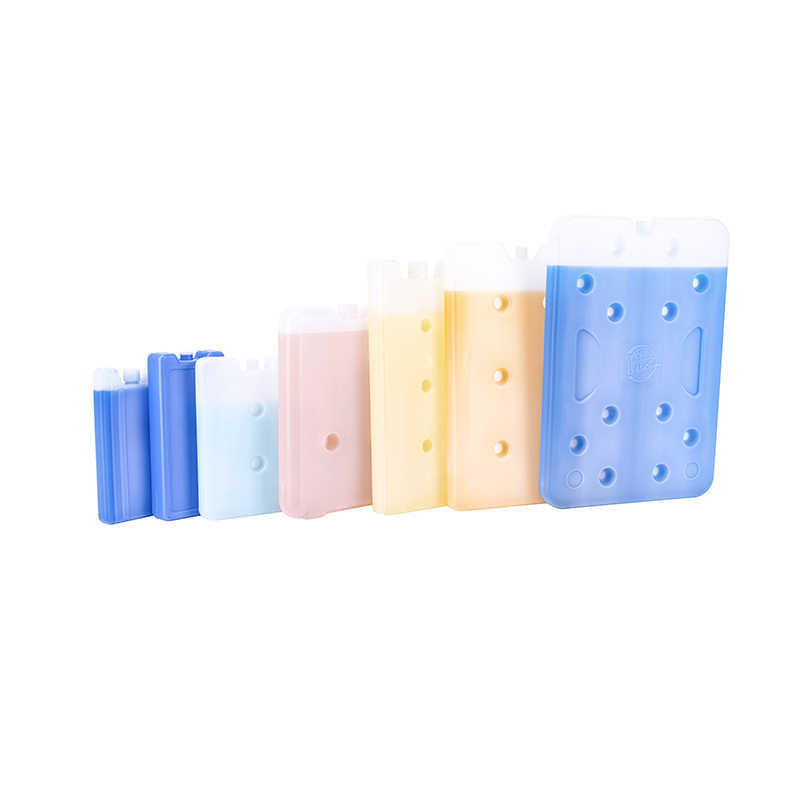
Acumuladores rígidos de PEAD
Útil para cajas EPP, refrigeradores médicos, bolsas de entrega y bucles de retorno que necesitan carcasas duraderas, fácil limpieza, colocación fija y control de inventario.
Ver acumuladores rígidos reutilizablesSistemas de refrigeración personalizados para packout repetibles
Elija el punto de fase, Formato de PCM, dimensiones, carcasa, método de acondicionamiento, colocación fija, etiquetas y los requisitos de pedidos recurrentes según los límites del producto y la caja de envío isotérmica.
Prepare su solicitud de muestra
Seleccione los datos del envío que su equipo de calidad, logística y los equipos de embalaje ya lo saben. Tempk puede utilizar el brief para recomendar muestras; el punto de la fase final, cantidad y la colocación debe comprobarse en el packout completo.
Qué debe personalizarse?
Elija la forma de funcionamiento
Ladrillos rígidos, bolsas flexibles y los conjuntos de paneles resuelven diferentes problemas de ajuste y manipulación. Seleccione el formulario sobre el espacio utilizable de la cámara y la repetibilidad, no solo la apariencia.
Útil para cajas EPP, refrigeradores médicos, bolsas de entrega y bucles de retorno que necesitan carcasas duraderas, fácil limpieza, colocación fija y control de inventario.
Ver acumuladores rígidos reutilizablesÚtil cuando el refrigerante debe caber en espacios laterales estrechos, espacios de la tapa o cargas útiles irregulares, limitando el volumen sin utilizar en una caja de envío de un solo uso.
Comparar el comportamiento de PCMAdecuado para cajas de envío médicas o de alto valor con una configuración fija, donde la posición de cada panel, estado de condicionamiento, separador y se registra el punto del registrador.
Planificar envases farmacéuticosCombina PCM rígido y flexible o PCM con otra fuente de frío aprobada, cuando la cámara necesita capacidad fija y cobertura para llenar huecos.
Planificar pruebas packoutControl de repetición de pedidos
Un packout repetible depende de algo más que la fórmula del refrigerante. la unidad fisica, condición inicial, posición y las comprobaciones de funcionamiento deben permanecer alineadas con el conjunto probado.
Fijar el punto de fase, referencia de formulación, llenar masa o volumen, controles de lotes y etiqueta utilizada para el programa aprobado.
Arreglar las dimensiones exteriores, espesor, cáscara o película, orientación, numero de unidades y espacio libre de la cámara.
Temperatura de acondicionamiento récord, tiempo mínimo de acondicionamiento, límite de preparación y cómo se identifican las unidades listas.
Colocación de controles, separadores, secuencia de apertura, limpieza, inspección, inventario y retiro de unidades dañadas.
Elija según el requisito de temperatura
Utilice estas opciones para limitar las primeras muestras. El rendimiento final depende de la carga útil, cantidad de PCM, acondicionamiento, aislamiento, colocación y perfil de ruta trabajando juntos.
| Requisito de envío | Opción inicial PCM | Colocación y separación | Lo que debe confirmar la muestra |
|---|---|---|---|
| 2–8°C medicamento sensible a la congelación | PCM condicionado seleccionado según los límites de producto aprobados, en un panel rígido, ladrillo o disposición de bolsa fija. | Utilice una cámara de carga útil separada y evite el contacto directo con el refrigerante congelado a menos que el diseño calificado lo permita. | Puntos de producto más cálidos y más fríos, riesgo de congelación, margen de retraso, repetibilidad del acondicionamiento y precisión de montaje. |
| 15–25°C temperatura ambiente controlada | Comportamiento de la fase PCM y condición inicial elegida para la protección tanto en la estación cálida como en la fría. | Coloque unidades para amortiguar la exposición externa sin crear una zona fría localizada al lado de la carga útil. | Entrada de calor de verano, remojo en frio invernal, transiciones de transferencia, tiempo de puesta en escena, e instrucciones de funcionamiento estacionales. |
| Comida refrigerada o entrega local | Bloques de hielo rígidos o bolsas PCM dimensionadas según el espacio disponible en la bolsa o caja y el ciclo de entrega requerido. | Usar bolsillos, divisores o posiciones superiores y laterales fijas para detener el movimiento, aplastante o contacto directo con alimentos frágiles. | Condición de llegada, condensación, presión del producto, equilibrio entre bolsas, frecuencia de apertura, limpieza y proceso de recongelación. |
| Ruta congelada | Subzero PCM o un sistema híbrido en comparación con otras fuentes de frío congelado aprobadas y restricciones de transporte. | Distribuir la fuente de frío alrededor de la cámara de congelado protegiendo el embalaje, etiquetas y productos de contacto concentrado. | Calentamiento de carga útil, fuente de frío restante, retraso en la ruta, consideraciones de presión o vapor, etiquetas y manejo del receptor. |
Coloque el refrigerante en la cámara
Espesor congelado o acondicionado, liquidación de la tapa, esquinas moldeadas, posición del divisor, eliminación de carga útil y la velocidad de empaquetado pueden cambiar si un ladrillo funciona en la práctica.
Indique las dimensiones interiores de la caja de envío y de la carga útil, no sólo el tamaño del cartón exterior.
Verifique el espesor de la unidad después del acondicionamiento, llanura, adaptar y condición de la superficie.
Usar bolsillos, tragamonedas, etiquetas, bandera o un diagrama de embalaje para que los operadores repitan el mismo diseño.
Revisar los separadores y los puntos de presión alrededor de las cajas, viales, bandejas, botellas y etiquetas.
Acondicionamiento y reutilización
Una buena muestra aún puede fallar en el uso diario cuando un ladrillo está sólo parcialmente acondicionado, organizado demasiado tiempo, colocado en la ranura equivocada o devuelto sin inspección.
Utilice un número de pieza, color, etiqueta, referencia de punto de fase y lista de cantidades para que no se mezclen diferentes familias de refrigerantes.
Definir equipo, patrón de carga, temperatura de acondicionamiento, tiempo minimo, límite de preparación y verificación de preparación.
Utilice posiciones numeradas, separadores, un diagrama de paquete y ubicaciones del registrador que coincidan con la muestra o el ensamblaje aprobado.
Comprobar fugas, integridad de la tapa o de la soldadura, deformación, contaminación, etiquetas y unidades faltantes antes del reacondicionamiento.
Elija sus opciones personalizadas
| Artículo de personalización | Decisiones para proporcionar | Qué debe confirmar la muestra o aprobación |
|---|---|---|
| Punto de fase y formulación | Límites de producto, banda objetivo, sensibilidad a la congelación, perfil estacional, necesidad de reutilización y requisitos materiales. | Referencia PCM seleccionada, estado de condicionamiento, Comportamiento térmico en el packout completo y documentación acordada. |
| Dimensiones y capacidad | Longitud máxima, ancho, espesor, espacio libre de la cámara, diseño de carga útil y colocación requerida. | Ajuste condicionado, volumen de carga útil utilizable, orientación, ajuste de bolsillo o estante y velocidad de embalaje. |
| Concha o bolsa | Rígido HDPE, película flexible, construcción de paneles, tapa o soldadura, exposición a pinchazos y proceso de limpieza. | Resistencia a fugas, integridad del cierre, condición de la superficie, manejo y compatibilidad con la operación prevista. |
| Color, etiqueta y numeración | Codificación de colores, logo, identificación del producto, etiqueta de punto de fase, instrucciones de acondicionamiento, código de barras y texto de advertencia. | Artes finales, Adhesión de impresión o etiqueta, área de escaneo, claridad del operador y trazabilidad mediante devolución y reutilización. |
| Instrucciones de acondicionamiento y embalaje | Equipo, temperatura, tiempo, puesta en escena, secuencia de montaje, separadores, puntos registradores y recibir cheques. | Un SOP o diagrama de empaque repetible que los operadores capacitados puedan seguir sin cambiar el diseño probado. |
| Cartón y suministro repetido | Unidades por caja, embalaje protector, plano de paleta, etiqueta de exportación, demanda mensual, inspección y código de reorden. | Cantidad de cajas aprobadas, protección de tránsito, inspección entrante, referencia de lote y especificación de pedidos repetidos. |
De muestras a pedidos repetidos
Documentar la carga útil, límites de temperatura, ruta, expedidor y limitaciones operativas.
Comparar el comportamiento de la fase PCM, forma, dimensiones, acondicionamiento y colocación de la cámara.
Condición de unidades de muestra y bolsillos de revisión, divisores, espacio de carga útil, etiquetas y velocidad de embalaje.
Pruebe la caja de envío completamente cargada según las condiciones ambientales y de ruta acordadas.
Aprobar la especificación de la unidad, registro de acondicionamiento, diagrama de embalaje, plano de cartón y código de reorden.
Completa el PCM packout
Referencia de calificación: Los proyectos de atención médica y vacunas deben seguir los requisitos de calidad del propietario del producto y los procedimientos de transporte aplicables. OMS/PQS reconoce los packs de PCM como acumuladores de frío con temperaturas de cambio de fase distintas de 0 °C, mientras Ista 7e proporciona un marco para evaluar el embalaje de transporte térmico frente a la exposición a la temperatura externa.
Preguntas antes del muestreo
No. Un punto de fase más frío puede aumentar el riesgo de contacto directo o congelación de productos sensibles. Seleccione el PCM según los límites de producto aprobados, condición inicial, aislamiento, ruta y separación, luego pruebe el paquete completo.
Se pueden discutir opciones PCM específicas del proyecto, pero el comportamiento de fase solicitado, compatibilidad, método de acondicionamiento, cantidad y la documentación debe revisarse antes de aprobar las muestras o el suministro en volumen.
Traje de ladrillos rígidos arreglado, Diseños reutilizables y fácil limpieza. Las bolsas flexibles se adaptan a espacios estrechos y cargas útiles irregulares. La elección correcta depende de las dimensiones de la cámara, puntos de presión, reutilizar y flujo de trabajo de embalaje.
No existe un número universal confiable. La cantidad depende de la masa de la carga útil, temperatura inicial, desempeño del transportista, comportamiento de fase unitaria, perfil ambiental, duración de la ruta, colocación y condiciones de llegada aceptables.
Sí. El packout homologado deberá indicar el equipo de acondicionamiento, temperatura, tiempo minimo, límite de preparación, verificación de preparación, numero de unidades, orientación y secuencia de colocación.
Pueden admitir un programa reutilizable cuando el circuito de retorno incluye limpieza, inspección, inventario, reacondicionamiento y criterios de retiro por fugas, deformado, contaminado o unidades no identificables.
Compartir los límites del producto, carga útil, ruta, cargador aislado, equipo de acondicionamiento, formato de PCM preferido, modelo de reutilización, cantidad y registros de prueba o aprobación requeridos. Tempk puede recomendar muestras y preparar un presupuesto OEM.