Packs de gel rafraîchissant en gros aux États-Unis: Comment choisir le bon approvisionnement
Commencez par la vraie décision
Aux États-Unis. marché, la meilleure stratégie d'approvisionnement équilibre la disponibilité et le contrôle. Un stock rapide est précieux, mais seulement si la spécification reste stable et si le fournisseur peut soutenir la croissance sans substitutions discrètes.
Le cadre décisionnel le plus fiable commence par l’utilisation prévue. Notez le produit à protéger, la plage de température cible, la longueur du parcours ou la durée d'utilisation, et les contraintes opérationnelles. Comparez ensuite les formats de pack à ces exigences. Cela semble simple, mais cela évite l'erreur de sourcing la plus courante: acheter un produit d'apparence familière avant de définir le vrai travail.
Après cela, avancer dans la décision par étapes. La première couche est thermique. La couche deux est opérationnelle, y compris le stockage, conditionnement, vitesse d'emballage, et acquérir de l'expérience. La troisième couche est le contrôle des fournisseurs: beaucoup de cohérence, gestion du changement, et la capacité à soutenir la croissance. Quand les acheteurs prennent des décisions dans cet ordre, ils obtiennent généralement de meilleurs résultats que lorsqu'ils commencent par des réclamations sur le prix ou des réclamations génériques à froid.
Même un bon pack peut échouer dans un mauvais système. Épaisseur de l'isolation, taille de boîte, densité de charge utile, vide espace, et le placement du pack changent tous le résultat. Sur les itinéraires réglementés ou très sensibles, le réfrigérant n’est qu’un composant d’un ensemble contrôlé plus vaste. Dans les programmes grand public ou de vente au détail, l'expérience utilisateur après la livraison peut avoir autant d'importance que la tendance de la température interne.
C'est pourquoi le pack doit toujours être discuté avec le reste de la construction.. Si vous changez de carton, la doublure, le nombre d'unités, ou la manière dont le produit est préconditionné, vous avez peut-être modifié les performances. Les acheteurs qui comprennent très tôt l’adéquation du système dépensent moins d’argent pour des tests ultérieurs évitables..
Un itinéraire qui semble simple sur le papier peut néanmoins constituer un défi pour un pack de gel rafraîchissant une fois entré dans le monde réel. Étape du premier kilomètre, exposition du dernier kilomètre, retard du week-end, disponibilité du récepteur, et les pics ambiants comptent tous. Un départ en entrepôt réfrigéré n'est pas la même chose qu'un couloir de livraison à domicile protégé, et un transfert de clinique n'est pas la même chose qu'un quai de réception d'hôpital ou une salle d'entraînement sportif.
C'est pourquoi la cartographie opérationnelle est importante. Les acheteurs doivent demander où le pack passe du temps en dehors de conditions contrôlées., combien de temps le produit reste après l'emballage, si les cartons sont ouverts immédiatement à la réception, et que se passe-t-il quand quelque chose ne va pas. Plus vous pouvez définir de variables d'itinéraire, moins vous avez de chances de suracheter en masse, protection contre les sous-achats, ou choisissez un format qui semble efficace en théorie mais qui suscite des plaintes en pratique.
Lorsque les acheteurs combinent ce cadre avec une liste restreinte et un projet pilote disciplinés, ils aboutissent généralement à un meilleur choix final que n'importe quel article unique, page du catalogue, ou un examen d'échantillon pourrait fournir à lui seul.
Un cadre clair pour choisir le bon pack
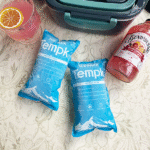
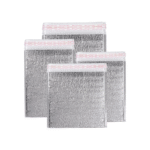
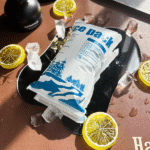
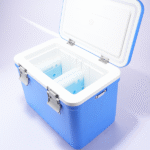
Comparer les formats est plus utile que comparer les slogans. Une gamme de packs de gel réfrigérant peut inclure des sachets plats, feuilles multicellulaires, packs de style oreiller, et rigide briques de glace, et chaque format change le comportement d'emballage. Les emballages plats ou en feuilles améliorent souvent la vitesse d'emballage et se superposent parfaitement aux cartons ou aux doublures.. Les emballages de type oreiller peuvent s'enrouler autour des produits et combler les vides plus naturellement. Les blocs rigides conservent leur forme et peuvent être plus faciles à positionner de manière prévisible, mais ils prennent plus d'espace de congélation et peuvent être moins indulgents face aux charges utiles irrégulières.
La bonne méthode de comparaison est donc spécifique à l'emploi. Demandez quel format fonctionne avec votre empreinte carton actuelle, lequel se conserve efficacement dans votre congélateur, lequel réduit la confusion des emballeurs, et lequel limite les dommages ou les risques de fuite. La meilleure réponse n’est peut-être pas celle qui présente le profil de froid le plus agressif. C'est peut-être celui que votre équipe peut conditionner, identifier, et utiliser correctement tous les jours.
Comment fonctionne le produit dans un système complet
Le principe de fonctionnement est simple, mais la décision d'achat n'est pas. Un pack de gel rafraîchissant absorbe la chaleur lorsqu'il est congelé ou conditionné, puis libère progressivement l'énergie stockée.. La rapidité avec laquelle cela se produit dépend de la masse du paquet, la forme et la superficie du paquet, l'isolation environnante, et la durée pendant laquelle la charge utile reste exposée à la chaleur ambiante.
Les packs de gel standard à base d’eau gèlent généralement au point où l’eau gèle, ce qui les rend pratiques et économiques pour de nombreux travaux généraux liés à la chaîne du froid. Polymère superabsorbant, souvent abrégé en SAP, est couramment utilisé pour transformer la phase aqueuse en une matrice de gel. Cela aide le remplissage à résister au mouvement du liquide libre lorsque la pochette est stressée. Dans des programmes plus exigeants, ou lorsque des produits sensibles au gel doivent être protégés, les acheteurs peuvent également envisager des matériaux à changement de phase. Les packs à base de PCM peuvent être conçus pour fondre et se solidifier plus près d'une bande cible afin de libérer le froid plus doucement que les réfrigérants standard à base d'eau congelée..
C'est pourquoi le conditionnement est aussi important que la chimie. Un acheteur n’a pas besoin d’un paquet qui semble froid au congélateur. L'acheteur a besoin d'un pack qui entre dans l'étape d'expédition ou d'utilisation dans le bon état thermique. Si le produit doit rester réfrigéré plutôt que congelé, un pack à base d'eau entièrement congelé peut créer un refroidissement excessif localisé. Si l'itinéraire comprend de courtes étapes réfrigérées mais une longue exposition au dernier kilomètre, un paquet plus lourd ou un nombre de paquets plus élevé peut être nécessaire. Autrement dit, la meute ne peut jamais être jugée seule; il doit être jugé à l'intérieur de l'itinéraire et du processus de manipulation qui comptent réellement.
Matériel, Qualité, et points de conformité à ne pas ignorer
Du point de vue des matériaux, le plus volumineux packs froids sont construits autour de systèmes de remplissage à base d'eau scellés à l'intérieur de structures de pochettes multicouches. Les acheteurs doivent se concentrer sur l’ensemble de l’architecture du package: remplir la formule, construction de films, conception de couture, et conditionnement recommandé. Ces détails influencent non seulement le comportement thermique mais également la résistance aux fuites, efficacité du stockage, et la cohérence du conditionnement.
Pour les programmes d'expédition généraux, le point de conformité le plus profond est d’éviter d’impliquer plus que ce que le pack peut faire. Une pochette réfrigérante peut supporter un emballage thermique, mais cela ne crée pas automatiquement un système d'expédition validé. Les acheteurs doivent utiliser un langage prudent, définir l'itinéraire et la bande cible, et testez le pack-out complet.
Dans toutes ces catégories, une discussion technique plus approfondie couvre le comportement du pack dans des conditions de fonctionnement réelles: à quelle vitesse il gèle, s'il a besoin d'être tempéré, comment il réagit sous compression, et dans quelle mesure le lot fini correspond à l'échantillon approuvé. Ce type de profondeur est plus utile qu'une longue liste d'affirmations non étayées.
Le contrôle qualité commence par l’intégrité du sceau. Une pochette qui fuit échouera, quelle que soit la qualité de sa conception thermique sur le papier. Les acheteurs devraient se demander comment les sceaux sont formés, quels tests de fuite ou d'éclatement sont utilisés, comment la résistance à la perforation est vérifiée, et quelle est la tolérance de remplissage acceptable d'un lot à l'autre. Dans les programmes répétés, de petits changements d'emballage peuvent avoir des effets opérationnels importants, surtout quand l'affaire compte, cube, stockage au congélateur, ou un emballage automatisé est impliqué.
L'autre partie du contrôle qualité est la gestion du changement. Les gros acheteurs supposent souvent que les spécifications proposées resteront fixes, mais ce n'est pas toujours vrai dans la pratique. Fourniture de films, largeur de couture, taux de remplissage, zone d'impression, et même le nombre de cartons peut changer s'il n'y a pas de processus de contrôle des modifications défini. Une relation fournisseur plus solide inclut un préavis, cahier des charges retenu, et un moyen de comparer le matériel pilote à la production complète.
Une liste de contrôle pratique pour les fournisseurs
Les acheteurs en gros devraient transformer les conversations avec les fournisseurs en une évaluation structurée plutôt qu'en une discussion commerciale ouverte.. Les questions les plus utiles sont celles qui définissent l’adéquation avant que le prix ne devienne le seul sujet.
Dimensions internes et externes, ainsi que des tolérances importantes pour l'ajustement du carton et la disposition des couches.
Outils de décision utiles
Vérifiez les détails avant de choisir l'emballage
Ces outils rapides peuvent vous aider à comparer le risque d'itinéraire, besoins de dimensionnement, choix de liquide de refroidissement, et les détails de l'emballage avant de demander un devis.
Outil d’évaluation du risque d’itinéraire
Examinez les conditions des pistes avant de sélectionner l'emballage en fonction des exigences opérationnelles réelles..
Vérifier le risque d’itinéraireGénérateur de liste de contrôle
Créer une liste de contrôle pratique pour l'examen des emballages, expédition, et documentation.
Construire une liste de contrôleLiquide de refroidissement & Référence PCM
Comparez les options de liquide de refroidissement et de PCM lorsqu'un itinéraire nécessite une prise en charge supplémentaire de la température.
Comparez les optionsPoids de remplissage réel par paquet et écart de production acceptable par le fournisseur d'un lot à l'autre.
Construction de films, conception de couture, résistance à la perforation, et si la pochette a été testée sous pression ou contre les fuites.
Étapes de stockage et de conditionnement recommandées, y compris la température du congélateur et des conseils de tempérage si nécessaire.
Domaine d'application attendu: soutien gelé, protection réfrigérée, ou prise en charge générale de la protection ambiante.
Coffret, nombre de palettes, délai de mise en œuvre, options de réapprovisionnement d'urgence, et politique de notification de contrôle des modifications.
Si le fournisseur peut prendre en charge la disponibilité des stocks nationaux.
Si le fournisseur peut prendre en charge un poids de remplissage constant.
Si le fournisseur peut prendre en charge l'efficacité des cartons et des palettes.
Si le fournisseur peut prendre en charge les options d'impression personnalisée ou de marque privée.
Si le fournisseur peut prendre en charge le contrôle des modifications entre les lots.
Comment présélectionner les fournisseurs avant l'engagement
Une liste restreinte solide est généralement construite autour de trois questions. D'abord, le fournisseur peut-il prendre en charge honnêtement l'application prévue plutôt que de forcer chaque demande dans la même solution stock? Deuxième, le fournisseur peut-il expliquer le conditionnement, ajuster, et le comportement de l'emballage en langage pratique? Troisième, le fournisseur peut-il maintenir la spécification stable à mesure que le programme se développe?
Les acheteurs doivent également rechercher des preuves de support opérationnel. Cela inclut un échantillonnage judicieux, informations claires sur les caisses et les palettes, traçabilité, et une volonté de définir ce qui est contrôlé et ce qui peut varier. Un fournisseur plus faible s'appuie souvent sur un langage générique sur le temps d'attente, vague conseil de taille, ou un échantillon qui semble bon uniquement parce qu'il a été préparé dans des conditions idéales.
Plan de mise en œuvre avant la mise à grande échelle
Une fois que vous avez présélectionné un fournisseur, la mise en œuvre doit suivre une séquence disciplinée. Approuver le cahier des charges par écrit. Validez la méthode de conditionnement que votre équipe utilisera réellement. Exécutez un pilote en utilisant le carton prévu, isolation, charge utile, et hypothèses d'itinéraire. Examinez le résultat de la réception de la même manière que l'équipe interne ou l'utilisateur final le ressentira. Verrouillez ensuite les contrôles de réapprovisionnement afin que les futurs lots restent dans la plage approuvée..
Si le programme s'agrandit, mettre à jour le système avant que des problèmes ne vous obligent à. Nouvelles tailles de boîtes, des voies plus chaudes, temps de séjour plus longs, ou un passage de l'approvisionnement en stock à une impression personnalisée peut modifier le résultat. Les équipes qui revisitent le colis de manière proactive évitent généralement le cycle coûteux des plaintes., remplacement d'urgence, et une requalification précipitée.
Questions fréquemment posées
Un pack de gel peut-il fonctionner à la fois pour les expéditions alimentaires et pharmaceutiques?
Parfois, mais pas automatiquement. Un emballage à base d'eau destiné à la livraison générale de nourriture peut être trop froid ou trop incohérent pour les produits pharmaceutiques sensibles au gel.. Le pack doit être jugé à l'intérieur du système entièrement isolé et par rapport à la plage de température requise..
Est-ce un U.S.. distributeur toujours mieux que d'acheter directement à l'usine?
Pas toujours. Un États-Unis. le distributeur peut réduire les délais de livraison et prendre en charge des commandes plus petites, mais vous devez toujours vérifier si la spécification est stable et si les options personnalisées restent contrôlées à mesure que le volume augmente.
Quel est le plus grand risque lors d'une commande groupée?
Incohérence entre lots. Un petit changement dans le poids de remplissage, film, ou la qualité des coutures peut modifier le comportement de congélation et le taux de fuite même lorsque l'emballage a presque la même apparence sur le papier..
Recommandation finale
Le moyen le plus utile d'acheter des packs de gel rafraîchissant est de commencer par le vrai travail.: livraisons de nourriture, expéditions de soutien pharmaceutique, et colis généraux sensibles à la température. Une fois ce travail clairement défini, le bon choix devient plus facile à voir. Vous comparez le format, conditionnement, stabilité, manutention, et le contrôle des fournisseurs au lieu de se laisser distraire par des allégations générales. C'est ainsi que les acheteurs en gros réduisent les déchets, protéger l'intégrité du produit, et éviter de reconstruire le programme après la première mise à l'échelle.
À propos du Tempk
Et Tempk, nous nous concentrons sur Emballage de la chaîne du froid pour transport sensible à la température. Notre gamme cotée en bourse comprend packs de glace en gel, des blocs de glace remplis d'eau, packs de glace sec, briques de glace, sacs isolés, boîtes isolées, doublures de boîte, couvertures de palettes, et matériels associés pour la chaîne du froid. Nous soutenons également les travaux d'emballage pour les produits alimentaires, pharmaceutique, et projets de distribution sensibles à la température. En pratique, notre force est d'aider les acheteurs à faire correspondre les réfrigérants, isolation, et répondre aux besoins au lieu de s'appuyer sur une réclamation générique à froid.
Prochaine étape: Partagez votre plage de température cible, durée de l'itinéraire, taille de l'expéditeur, et conditions de manipulation, et nous pouvons vous aider à élaborer un plan de conditionnement en vrac plus pratique.