Qu'est-ce qui rend cette caisse pour produits de la mer résistante aux fuites?
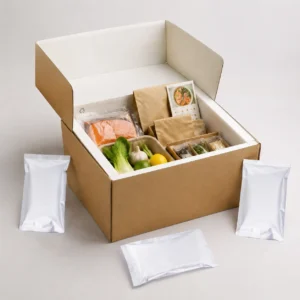
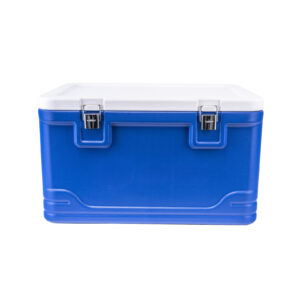
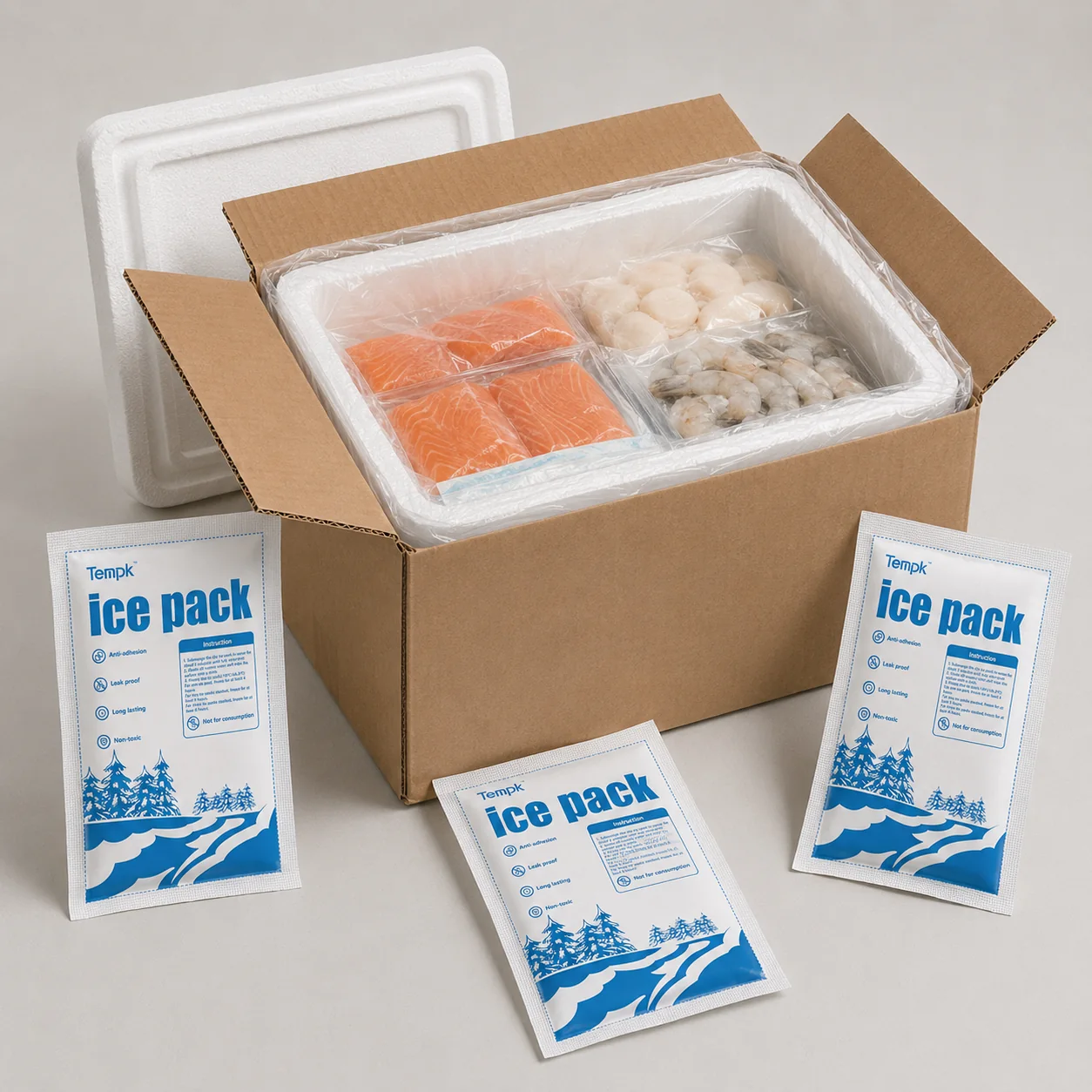
La résistance aux fuites repose sur plusieurs couches: emballage primaire scellé des produits de la mer, sac intérieur intact, matériau absorbant, conteneur en PSE/EPS ajusté et fermeture régulière du carton extérieur. La configuration complète doit être vérifiée selon le volume de liquide attendu et l'orientation de manutention.
Résistant aux fuites signifie-t-il étanche aux liquides?
Non. La mention « résistant aux fuites » décrit une conception destinée à réduire et contenir les fuites. Le confinement réel dépend des sachets produit, du matériau et de la fermeture du sac intérieur, de la capacité d'absorption, de la qualité du conditionnement et de la manutention. Le client doit tester le système complet chargé avant expédition.
Quelle température convient aux produits de la mer réfrigérés ou surgelés?
Les programmes de produits de la mer réfrigérés sont généralement développés autour de 0 à 4 °C, tandis que les produits de la mer surgelés sont généralement manipulés à -18 °C ou moins. Les espèces de produits de la mer, la forme du produit, les spécifications de l'acheteur et les règles de destination déterminent les limites finales.
Puis-je utiliser des accumulateurs de froid, de la glace d'eau ou de la glace carbonique?
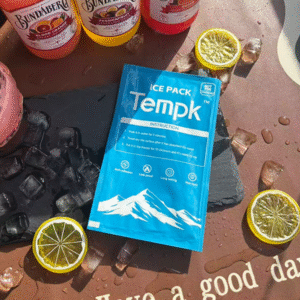
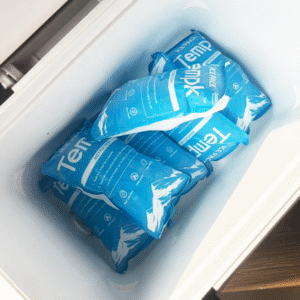
Les accumulateurs de froid ou PCM sont courants pour les configurations de conditionnement propres et réfrigérés. La glace d'eau ne peut être utilisée que lorsque l'eau de fonte peut être contenue et que le transporteur l'accepte. La glace carbonique est généralement utilisée pour les programmes surgelés et nécessite une ventilation, une séparation, un marquage, une documentation et l'acceptation du transporteur.
Combien de temps la caisse peut-elle maintenir les produits de la mer au froid?
Une boîte d'expédition vide n'a pas de durée de maintien unique. La masse de la charge utile, sa température initiale, le type et la quantité de réfrigérants, l'épaisseur du PSE/EPS, l'exposition ambiante et la manutention influencent tous les performances. Les trajets avec livraison le lendemain ou sous 24 à 48 heures constituent souvent un point de départ, suivi d'essais.
Quelle épaisseur de paroi en PSE/EPS choisir?
De nombreux projets de colis débutent avec une épaisseur de 25 à 60 mm. Un trajet réfrigéré court peut utiliser une paroi plus mince, tandis qu'un trajet long, chaud ou destiné à des produits surgelés peut exiger une isolation plus épaisse et davantage de réfrigérants. Tempk choisit une conception initiale après examen du profil d'expédition.
Les produits de la mer peuvent-ils toucher directement le PSE/EPS ou la doublure?
Les produits de la mer doivent normalement rester dans un emballage primaire scellé et adapté aux aliments. Lorsqu'un revêtement ou un autre composant peut entrer en contact avec des aliments, la déclaration de matériau requise doit être spécifiée pour le marché de destination.
Cette caisse peut-elle servir au transport de produits aquatiques vivants?
Cet emballage est principalement destiné aux produits de la mer conditionnés, réfrigérés ou surgelés. Le transport de produits aquatiques vivants peut exiger des dispositions propres à l'espèce pour l'oxygène, l'eau, la température, le confinement et le transporteur; il doit faire l'objet d'une configuration distincte.
Tempk peut-il fournir des dimensions personnalisées et des cartons imprimés?
Oui. Tempk peut adapter la cavité utile, l'épaisseur et la masse volumique du PSE/EPS, la résistance du carton, le sac intérieur, le système absorbant, les séparateurs, la disposition des réfrigérants et l'impression, sous réserve des exigences d'outillage et de commande.
La configuration complète pour produits de la mer doit-elle être testée?
Oui. Testez les produits de la mer représentatifs, la masse de réfrigérant, les état initial, le profil ambiant, les risques de vibration, de chute, de compression et de fuite avant les expéditions de routine, longue distance, par avion ou saisonnières.