Sayuran bio itu lembut – layu, mengeras atau rusak dengan cepat jika lingkungannya berubah. Mempertahankan rantai dingin yang konsisten selama pengangkutan adalah kunci untuk menjaga kesegaran dan rasa. Data dari Precedence Research menunjukkan bahwa lebih dari USD 2.7 triliunan barang yang dikontrol suhunya dikirim dengan truk di Amerika Serikat pada tahun 2017 2022, mewakili secara kasar 90 % dari semua pengiriman yang dikontrol suhu. Untuk bio sayuran, bahkan beberapa derajat saja dapat membedakan antara selada segar dan sayuran layu. Panduan ini mengungkap misteri pengangkutan sayuran bio rantai dingin 2025 — menyoroti rentang suhu, teknik pemuatan, peraturan, keberlanjutan dan teknologi baru. Anda akan mempelajari langkah-langkah praktis untuk menjaga produk Anda tetap aman dari pertanian hingga ke meja makan.
Panduan ini akan menjawabnya:
Mengapa demikian truk rantai dingin sangat penting untuk biosayuran? – berdampak pada kesegaran, keselamatan dan pengurangan limbah menggunakan kata kunci ekor panjang seperti transportasi dengan pengatur suhu untuk sayuran organik.
Kisaran suhu dan kelembapan apa yang harus Anda ikuti? – termasuk tabel detail untuk sayuran berdaun hijau, tanaman umbi-umbian dan sayur-sayuran yang berbuah, menggunakan kata kunci ekor panjang seperti kondisi rantai dingin yang optimal untuk sayuran akar.
Bagaimana Anda dapat menjaga integritas rantai dingin selama pengangkutan? – praktik terbaik langkah demi langkah pada pra-pendinginan, kemasan, memuat, pemantauan dan perencanaan kontinjensi.
Teknologi dan peraturan apa yang penting 2025? – wawasan tentang sensor IoT, Ai, kembar digital, Aturan FSMA 204 dan inisiatif keberlanjutan.
Apa tren terkini dan wawasan pasar? – gambaran pasar logistik rantai dingin yang sedang booming dan ekspektasi konsumen 2025.
Mengapa pengangkutan truk rantai dingin penting untuk biosayuran?
Bio sayuran adalah jaringan hidup — setelah panen mereka terus bernafas, kehilangan air dan terdegradasi. Jika suhu meningkat, pernapasan menjadi lebih cepat dan kualitas nutrisi menurun. Jika berada di bawah batas aman, spesies tropis menderita cedera dingin. Panduan penyimpanan Universitas Cornell menunjukkan bahwa asparagus disimpan di atas 2 °C mengeras dengan cepat dan selada disimpan di atasnya 5 °C berwarna coklat dan layu. Di tingkat global, Asosiasi Produk Segar Internasional memperkirakan hal itu tentang 25 % makanan rantai dingin terbuang karena pelanggaran suhu. Untuk perusahaan angkutan truk, limbah ini berarti hilangnya pendapatan dan dampak lingkungan.
Taruhan ekonomi dan lingkungan hidup
Pasar logistik rantai dingin sedang booming. Penelitian Prioritas memproyeksikan hal itu pasar logistik rantai dingin global akan berkembang mulai dari USD 436.3 miliar masuk 2025 ke USD 1,359.78 miliar oleh 2034, dengan pengiriman makanan dan minuman tumbuh dari USD 90.81 miliar ke USD 219.44 miliar. Di dalam 2022, barang dengan pengatur suhu yang bernilai lebih dari USD 2.7 triliun dikirim dengan truk. Angka-angka ini menggarisbawahi pentingnya rantai dingin yang efektif secara ekonomi. Pada saat yang sama, konsumen dan regulator menuntut praktik berkelanjutan; rantai dingin modern juga mengurangi emisi gas rumah kaca dengan mencegah pembusukan dan menerapkan sistem hemat energi.
Sayuran mempunyai kepribadian suhu yang berbeda-beda
Tidak semua sayuran menikmati kondisi yang sama. Anggaplah mereka sebagai kepribadian yang unik: beberapa mendambakan dingin yang segar, yang lain membutuhkan kehangatan, dan semua orang tidak menyukai kekeringan. Tabel berikut merangkum suhu dan kelembapan relatif yang disarankan (RH) kisaran untuk kelompok sayuran utama, berdasarkan Pedoman Universitas Cornell dan penelitian industri diperbarui 2025.
| Kelompok sayur-sayuran | Suhu & RH | Artinya untukmu |
| Sayuran hijau & Herbal | 0–2 °C untuk daun yang belum dipotong; ≤ 5 °C untuk produk potong; RH 95–100 % | Memperlambat respirasi dan mempertahankan turgiditas; kelembaban tinggi mencegah layu dan pertumbuhan patogen. |
| Akar & sayuran umbi | 0–2 °C dengan RH 90–95 % untuk wortel, bit dan lobak; kentang pada suhu 3–4 °C dan RH 85–90 %; ubi jalar dan labu musim dingin pada suhu 10–13 °C dengan RH 70–75 % | Suhu dingin dan kelembapan tinggi menjaga kerenyahan dan mencegah perkecambahan; kondisi yang lebih hangat mencegah kerusakan dingin pada umbi-umbian tropis. |
| Sayuran berbuah | Tomat: 12–15 °C; mentimun dan paprika: 7–10 ° C.; terong dan zucchini: 10–12 °C; RH 85–90 % | Menghindari cedera dingin dan mempertahankan rasa; kelembaban sedang mencegah kondensasi dan pertumbuhan jamur. |
| Campuran yang dipotong atau siap disantap | ≤ 5 ° C.; RH 90–100 % | Kontrol suhu yang ketat menekan patogen; atmosfer yang terkendali memperpanjang umur simpan. |
Kunci takeaways
Pra-pendinginan yang cepat: Sayuran berdaun hijau didinginkan terlebih dahulu dalam waktu dua jam setelah panen menggunakan pendingin vakum atau pendingin air untuk menghilangkan panas lapangan.
Kelembaban tinggi: Gunakan kantong berlubang atau simpanan di toko untuk menjaga sayuran hijau pada suhu 95–100 % RH; hilangnya kelembaban menyebabkan layu.
Hindari etilen: Pertahankan buah yang menghasilkan etilen (seperti apel) pisahkan dari sayuran untuk mencegah menguning dini.
Pedoman ini adalah landasan untuk merancang strategi pengangkutan yang melindungi kualitas setiap tanaman.
Bagaimana menjaga integritas rantai dingin selama pengangkutan
Integritas rantai dingin berarti menjaga suhu dan kelembapan yang tepat mulai dari panen hingga pemuatan, transportasi dan pengiriman. Variasi dapat terjadi ketika produk didinginkan terlebih dahulu, dikemas atau dimuat dengan tidak benar. Ikuti praktik terbaik berikut untuk mengurangi risiko.
Pra-dinginkan dan kemas dengan benar
Pra-dinginkan dengan cepat: Hilangkan panas lapangan dengan cepat menggunakan pendingin vakum, pendinginan air atau pendinginan udara paksa. Untuk sayuran berdaun hijau, bertujuan untuk menurunkan suhu pulp hingga 0–2 °C dalam beberapa jam setelah panen. Penundaan meningkatkan pertumbuhan mikroba dan penguatan jaringan.
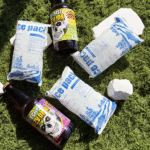
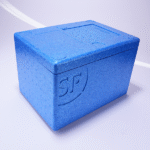
Gunakan kemasan isolasi: Karton berinsulasi dengan paket perubahan fasa menjaga suhu dan kelembapan selama pengangkutan. Kantong plastik berlubang atau mister mempertahankan kelembapan sekaligus memungkinkan aliran udara.
Pilih pendingin yang sesuai: Bahan perubahan fasa (PCMS) mempertahankan rentang suhu yang sempit lebih lama dibandingkan kemasan gel. Gunakan es kering untuk produk beku dan kemasan gel atau es air untuk produk dingin.
Kendalikan paparan etilen: Pisahkan sayuran yang sensitif terhadap etilen (seperti mentimun dan paprika) dari buah penghasil etilen (tomat dan apel).
Muat dan tangani dengan hati-hati
Bahkan aliran udara: Tumpuk palet secara merata dan hindari menghalangi ventilasi pendingin untuk memastikan pendinginan yang konsisten. Pengepakan yang berlebihan membatasi aliran udara, menyebabkan titik panas yang menyebabkan pembusukan.
Rotasi FIFO: Gunakan metode masuk pertama keluar pertama sehingga produk lama dikirim terlebih dahulu dan menghabiskan lebih sedikit waktu dalam sistem.
Minimalkan bukaan pintu: Rencanakan bongkar muat untuk mengurangi jumlah bukaan pintu; setiap pembukaan memungkinkan hangat, udara lembab untuk mengganggu rantai dingin.
Teknik pemuatan yang benar: Gunakan palet dan rak; letakkan barang yang lebih ringan di atas dan barang yang lebih berat di bawah untuk mencegah hancur dan meningkatkan sirkulasi udara.
Staf kereta: Pengemudi dan pekerja gudang harus memahami rentang suhu, praktik penanganan dan pentingnya tindakan cepat ketika terjadi penyimpangan.
Pantau terus menerus
Pasang sensor dan pencatat data: Gunakan sensor berkemampuan IoT, Tag RFID dan pencatat data digital untuk terus memantau suhu dan kelembapan. Atur alarm sedikit di bawah ambang batas maksimum sehingga tindakan perbaikan dapat dilakukan sebelum kualitas terganggu.
Peringatan waktu nyata: Pasangkan pelacakan GPS dengan alat pemantauan untuk menerima pemberitahuan langsung tentang penundaan rute atau lonjakan suhu. Pendekatan proaktif ini mencegah masalah kecil menjadi lebih besar.
Memelihara peralatan: Periksa dan rawat unit pendingin secara teratur, segel dan isolasi untuk menghindari kegagalan peralatan; kerusakan yang tidak terduga dapat membahayakan keamanan produk dan menyebabkan kerugian finansial.
Dokumentasikan semuanya: Simpan catatan rinci tentang catatan suhu, prosedur penanganan, dokumentasi pemeliharaan dan kepatuhan. Dokumentasi yang akurat mendukung ketertelusuran dan menunjukkan kepatuhan terhadap Peraturan FSMA 204.
Perencanaan kontinjensi
Sistem cadangan: Bawalah unit pendingin cadangan atau generator portabel untuk menangani kegagalan peralatan.
Rute alternatif: Rencanakan rute alternatif untuk menghindari kemacetan, cuaca ekstrem atau penutupan jalan.
Kontak darurat: Simpan daftar penyedia layanan (teknisi perbaikan, pemasok, Badan Pengatur) untuk mempercepat penyelesaian masalah.
Praktik terbaik untuk pengangkutan sayuran bio rantai dingin
Mengangkut produk segar memerlukan perencanaan dan pelaksanaan yang cermat. Berdasarkan pedoman industri, praktik berikut ini penting untuk menjaga sayuran tetap segar dari lahan pertanian hingga meja makan:
Kontrol suhu: Pra-pendinginan produk hingga suhu yang disarankan dan gunakan truk berpendingin (reefers) yang mempertahankan kisaran suhu yang diperlukan. Pantau terus suhu trailer menggunakan data logger atau sistem jarak jauh.
Kemasan yang tepat: Pilih kemasan berventilasi untuk memungkinkan aliran udara dan bahan bantalan untuk mencegah memar. Gunakan wadah standar untuk memudahkan penumpukan dan mengurangi kerusakan.
Penanganan yang lembut: Latih personel untuk menangani produk dengan hati-hati; memuat palet dengan hati-hati menggunakan palet yang ditinggikan untuk meningkatkan aliran udara dan menghindari kehancuran.
Kebersihan dan sanitasi: Bersihkan dan sanitasi peralatan transportasi sebelum digunakan dan lakukan pemeriksaan hama secara berkala. Pastikan staf mengikuti protokol kebersihan pribadi yang ketat.
Dokumentasi dan ketertelusuran: Menyimpan catatan rinci pengiriman, termasuk catatan suhu dan prosedur penanganan. Pastikan produk dapat ditelusuri kembali ke sumbernya untuk mendukung penarikan dan kepatuhan.
Pemeriksaan pulp dan kualitas: Gunakan teknik pembuatan pulp untuk memeriksa suhu internal dan melakukan inspeksi visual terhadap pembusukan selama transit. Tetapkan titik kontrol untuk memantau kualitas selama proses berlangsung.
Perencanaan kontinjensi: Simpan unit pendingin cadangan dan rencanakan rute alternatif untuk keadaan darurat.
Dengan menerapkan praktik-praktik ini, Anda mengurangi penyusutan, menjaga kualitas nutrisi dan meningkatkan kepuasan pelanggan.
Teknologi yang mengubah logistik rantai dingin menjadi 2025
Sektor rantai dingin sedang dibentuk ulang dengan alat digital yang meningkatkan visibilitas dan efisiensi. Berikut teknologi yang harus Anda perhatikan:
Otomasi dan robotika
Otomatisasi gudang dan sistem penanganan robotik mengurangi kesalahan manusia dan mempercepat pemuatan. Tentang 80 % gudang tetap tidak otomatis, meninggalkan potensi pertumbuhan yang signifikan. Otomatisasi membantu menjaga suhu tetap konsisten dengan mengontrol aliran udara dan mengurangi bukaan pintu.
Sensor IoT dan pemantauan waktu nyata
Perangkat IoT melacak suhu, kelembaban, getaran dan lokasi. Teknologi kembar digital yang dipasangkan dengan sensor IoT memungkinkan pelacakan waktu nyata, pemeliharaan prediktif dan penyesuaian dinamis parameter pendinginan. Sensor bebas baterai mengirimkan data secara terus menerus, sementara dasbor mengumpulkan informasi untuk memudahkan audit.
Kecerdasan buatan dan analisis prediktif
Algoritme AI memperkirakan perubahan suhu dan menyesuaikan titik setel pendinginan. Sistem pembelajaran mesin mengoptimalkan pola dan rute pemuatan truk, mengurangi konsumsi bahan bakar dan memastikan produk tetap berada di zona aman. Analisis prediktif juga mengantisipasi kegagalan peralatan, memungkinkan pemeliharaan proaktif.
Kembar digital dan penyimpanan dingin cerdas
Kembaran digital menciptakan model virtual fasilitas penyimpanan dingin Anda. Sensor memasukkan data ke dalam model, memungkinkan simulasi dan penyesuaian prediktif. Kembar digital yang dipadukan dengan sensor IoT mengurangi biaya operasional dan meningkatkan kualitas hasil. Inovasi seperti unit penyimpanan dingin bergerak bertenaga surya menawarkan pendinginan di luar jaringan listrik bagi petani kecil.
Visibilitas ujung ke ujung dan blockchain
Blockchain dan database yang aman mencatat suhu dan kejadian penanganan dari lapangan ke pasar. Jaringan rantai dingin digital menggunakan sensor IoT dan blockchain untuk menyediakan kemampuan penelusuran, memfasilitasi kepatuhan FSMA dan mengurangi limbah.
Inisiatif keberlanjutan
Kepedulian dan peraturan terhadap lingkungan mendorong keberlanjutan menjadi yang terdepan. Pindah ke 15 Inisiatif °C mengusulkan untuk menaikkan suhu freezer dari –18 °C menjadi –15 °C, berpotensi menghemat 25 TWh energi dan pengurangan 17.7 juta t CO₂ setiap tahunnya. Penyimpanan pendingin modern mengintegrasikan energi terbarukan, kompresor berkecepatan variabel dan zat pendingin alami seperti amonia dan CO₂. Pengemasan berkelanjutan — termasuk bahan pengubah fasa, panel berisolasi vakum dan bioplastik — mengurangi dampak lingkungan. Konsumen semakin mengharapkan perusahaan untuk mengadopsi wadah yang dapat digunakan kembali dan praktik ekonomi sirkular; 79 % konsumen mengubah preferensi pembelian berdasarkan tanggung jawab sosial.
Peraturan dan kepatuhan untuk 2025
Kerangka peraturan memastikan bahwa operasi rantai dingin melindungi kesehatan masyarakat dan ketertelusuran. Persyaratan utama meliputi:
Aturan FSMA 204 (KITA.): Membutuhkan bisnis yang menangani makanan berisiko tinggi (misalnya sayuran berdaun hijau) untuk memelihara Elemen Data Utama untuk setiap Peristiwa Pelacakan Kritis. Informasi harus tersedia bagi FDA di dalamnya 24 jam. Tanggal kepatuhan awalnya ditetapkan pada bulan Januari 20 2026, namun FDA mengusulkan perpanjangan 30 bulan hingga Juli 20 2028.
Codex Alimentarius dan standar ISO: Prinsip Umum Higiene Pangan Codex dan Kode Praktik Higienis untuk Makanan Kemasan yang Didinginkan memberikan pedoman untuk pengolahan, pengemasan dan distribusi. Iso 17648 dan standar terkait menawarkan kerangka kerja untuk praktik penyimpanan dingin.
Menghasilkan aturan keselamatan: AS. FDA mewajibkan sayuran berdaun potong untuk disimpan pada atau di bawahnya 5 ° C. (41 ° f). Lemari es harus dijaga pada suhu antara 0–4 °C dan freezer pada suhu –18 °C atau lebih rendah.
Ketertelusuran: Undang-undang Pangan Umum UE dan Peraturan Akhir FSMA menekankan dokumentasi digital mengenai pengamatan suhu, perubahan lokasi dan penanganan kejadian. Memelihara catatan terperinci mendukung audit dan mengurangi tanggung jawab.
Kepatuhan terhadap standar-standar ini membangun kepercayaan dengan regulator dan pelanggan. Berinvestasi pada sistem ketertelusuran digital sejak dini dapat menyederhanakan audit dan mengurangi kesulitan di kemudian hari.
Keberlanjutan dan efisiensi energi
Di luar kontrol suhu, rantai dingin modern harus mengatasi dampak lingkungan. Inilah cara keberlanjutan membentuk sistem pengangkutan cold chain 2025:
Pindah ke 15 Inisiatif °C: Menaikkan suhu freezer dari –18 °C menjadi –15 °C dapat menghemat energi dan mengurangi emisi CO₂. Perusahaan harus mengevaluasi dampaknya terhadap kualitas produk dan penerimaan peraturan.
Integrasi energi terbarukan: Panel surya, turbin angin dan sistem pendingin tenaga mikrogrid, mengurangi biaya energi dan jejak karbon.
Kemasan berkelanjutan: Bahan perubahan fasa, panel terisolasi vakum, busa daur ulang dan bioplastik menjaga suhu sekaligus mengurangi limbah. Desain peti modular meminimalkan ruang kosong dan mendukung penggunaan kembali.
Ekonomi melingkar: Kemasan yang dapat digunakan kembali dan daur ulang internal membuat bahan dapat digunakan lebih lama. Dengan 79 % konsumen yang memprioritaskan keberlanjutan, berinvestasi dalam praktik sirkular meningkatkan persepsi merek.
Logistik ramah lingkungan: Kendaraan listrik dan rute hemat bahan bakar mengurangi emisi. Fasilitas modern menambahkan generator cadangan, peningkatan isolasi dan microgrid untuk meningkatkan ketahanan.
Prospek pasar dan 2025 tren truk sayuran bio
Beberapa faktor mempengaruhi pasar sayuran rantai dingin di 2025:
Pertumbuhan pasar yang cepat: MarketsandMarkets memproyeksikan pasar rantai dingin global akan meningkat dari USD 228.3 miliar masuk 2024 ke USD 372 miliar oleh 2029, CAGR sebesar 10.3 %. Astute Analytica memperkirakan pasar logistik rantai dingin akan mencapai USD 1,455.8 miliar oleh 2033.
Booming perdagangan elektronik: Pada pertengahan tahun 2025, 81 juta AS. rumah tangga akan membeli bahan makanan secara online, naik dari 138.3 juta orang Amerika berbelanja online di 2024. Penjualan sembako online mencapai Rp 12.5 miliar pada bulan September 2025, satu USD 3 miliar meningkat selama bulan September 2024. Perdagangan yang cepat dan pengiriman hiperlokal mendorong permintaan akan rantai dingin yang terlokalisasi.
Perluasan infrastruktur: KITA. proyek penyimpanan dingin ditambahkan 1.1 juta kaki persegi di 2024 dan lainnya 2.2 juta kaki persegi diperkirakan akan masuk 2025. Tingkat kekosongan masih rendah, dengan adil 0.8 % lowongan di Chicago. India meningkatkan kapasitas penyimpanan dingin dari 39.42 juta hingga 39.6 juta ton antara bulan Januari dan Agustus 2024.
Adopsi teknologi: Otomatisasi, IoT, AI dan blockchain mendorong efisiensi dan transparansi. Visibilitas ujung ke ujung meningkatkan kepuasan dan kepatuhan pelanggan.
Pertumbuhan farmasi: Pasar rantai dingin farmasi diperkirakan mencapai USD 1,454 miliar oleh 2029. Peningkatan terapi biologis dan berbasis sel memerlukan manajemen rantai dingin yang tepat.
Tren ini menyoroti perlunya sistem rantai dingin yang kuat dan tangkas untuk menangani peningkatan volume, peraturan yang lebih ketat dan tekanan keberlanjutan.
Pertanyaan yang sering diajukan
Q1: Apa yang terjadi jika biosayur disimpan di bawah suhu yang disarankan?
Menyimpan sayuran di bawah suhu optimal dapat menyebabkan kerusakan akibat kedinginan. Sayuran tropis seperti tomat dan mentimun menimbulkan lubang dan kehilangan rasa di bawahnya 10 ° C., sedangkan ubi jalar akan kehilangan rasa jika disimpan di bawah 10 ° C.. Selalu simpan produk dalam kisaran yang disarankan untuk menghindari penurunan kualitas.
Q2: Mengapa kelembapan penting selama pengangkutan?
Kelembapan relatif yang tinggi memperlambat hilangnya kelembapan dan mencegah layu. Sayuran berdaun hijau membutuhkan 95–100 % RH; terlalu rendah dan mereka mengalami dehidrasi, terlalu tinggi dan kondensasi menyebabkan jamur. Gunakan kemasan berventilasi dan mister untuk menjaga kelembapan.
Q3: Bisakah sayuran yang berbeda diangkut bersama-sama?
Hanya jika keduanya memiliki suhu dan sensitivitas etilen yang sama. Jauhkan sayuran hijau dan mentimun dari tomat atau apel karena buah-buahan ini mengeluarkan etilen dan mempercepat pematangan. Kelompokkan produk berdasarkan kategori suhu untuk menghindari pendinginan atau dehidrasi.
Q4: Bagaimana cara mengetahui apakah rantai dingin saya rusak selama pengangkutan?
Tanda-tanda peringatan termasuk pembacaan suhu yang berfluktuasi, kondensasi pada kemasan, penumpukan es, layu, tingkat pembusukan yang semakin menyusut atau semakin tinggi. Pemantauan berkelanjutan dengan sensor IoT membantu mendeteksi masalah sejak dini.
Q5: Apakah wadah yang dapat digunakan kembali benar-benar menghemat uang?
Ya. Wadah yang dapat digunakan kembali mengurangi biaya pengemasan sekali pakai dan dampak terhadap lingkungan. Mereka juga mendukung ketertelusuran dan efisiensi logistik. Meskipun investasi awal lebih tinggi, penghematan jangka panjang dan manfaat keberlanjutan sangatlah signifikan.
Q6: Apa saja empat R dalam logistik rantai dingin??
Singkatan dari empat R Suhu yang tepat, Tempat yang tepat, Waktu yang tepat dan dokumentasi yang tepat. Mereka menekankan pada pemeliharaan kisaran suhu tertentu, mengantarkan barang ke lokasi yang benar, melakukan pengiriman tepat waktu dan menyimpan catatan yang akurat untuk kepatuhan.
Q7: Seberapa besar pasar logistik rantai dingin?
Fortune Business Insights memperkirakan bahwa pasar logistik rantai dingin global bernilai baik USD 293.58 miliar masuk 2023 dan bisa tumbuh menjadi USD 862.33 miliar oleh 2032. Para analis memperkirakan pertumbuhan dua digit pada dekade berikutnya karena meningkatnya permintaan terhadap produk-produk yang sensitif terhadap suhu.
Q8: Apa kelas suhu utama untuk logistik rantai dingin?
Suhu Ruangan Terkendali (15–25 °C) untuk beberapa obat; Didinginkan (2–8 ° C.) untuk vaksin, susu dan produk segar; Beku (sekitar −20 °C) untuk makanan beku; dan Sangat Dingin (–70 °C ke bawah) untuk biologi tertentu.
Ringkasan & Rekomendasi
Kunci takeaways: Menjaga biosayuran tetap segar selama pengangkutan memerlukan pendekatan holistik yang menggabungkan pra-pendinginan cepat, kemasan yang tepat, pemuatan hati-hati, pemantauan dan kepatuhan yang berkelanjutan. Ikuti kisaran suhu dan kelembapan yang disarankan, terutama 0–2 °C dan 95–100 % RH untuk sayuran berdaun hijau, 0–2 °C dan 90–95 % RH untuk tanaman umbi-umbian, 3–4 °C dan 85–90 % RH untuk kentang, dan 12–15 °C untuk tomat. Pra-pendinginan yang cepat, aliran udara terkendali, Sensor IoT dan pelatihan staf menjaga integritas. Praktik berkelanjutan seperti energi terbarukan, pengemasan yang dapat digunakan kembali dan menaikkan suhu freezer hingga –15 °C meningkatkan efisiensi dan mengurangi jejak karbon. Peraturan seperti Peraturan FSMA 204 memerlukan keterlacakan yang terperinci 2028, jadi mulailah menerapkan sistem digital sekarang.
Langkah selanjutnya yang dapat ditindaklanjuti:
Evaluasi sistem Anda: Gunakan daftar periksa di atas untuk menilai pra-pendinginan, kemasan, memuat, pemantauan dan dokumentasi. Identifikasi kesenjangan dan prioritaskan perbaikan.
Berinvestasilah dalam teknologi: Mulailah dengan pencatat data dan sensor IoT; mengintegrasikannya dengan pengoptimalan rute dan alat pemeliharaan prediktif untuk mencegah perjalanan.
Tingkatkan pengemasan dan pendinginan: Pertimbangkan bahan perubahan fasa, panel berisolasi vakum dan wadah yang dapat digunakan kembali. Tingkatkan ke kompresor hemat energi dan pendingin alami.
Latih tim Anda: Berikan pelatihan rutin tentang praktik terbaik rantai dingin, keamanan pangan dan ketertelusuran. Berdayakan pengemudi untuk mengambil tindakan perbaikan ketika sensor mengingatkan mereka akan adanya masalah.
Rencanakan kepatuhan: Petakan proses Anda ke Aturan FSMA 204 persyaratan. Mengadopsi pencatatan digital dan menerapkan solusi ketertelusuran untuk memenuhi tenggat waktu audit dan peraturan.
Terlibat dalam program keberlanjutan: Berpartisipasilah dalam inisiatif seperti Pindah ke 15 °C dan berinvestasi pada energi terbarukan untuk fasilitas Anda guna memangkas biaya dan meningkatkan persepsi merek.
Tentang tempk
Tempk adalah spesialis dalam pengemasan rantai dingin berkinerja tinggi dan solusi pemantauan untuk biosayuran dan produk sensitif suhu lainnya. Portofolio kami meliputi kotak terisolasi, panel terisolasi vakum, paket perubahan fase dan sistem pemantauan IoT yang memastikan suhu yang konsisten dalam jarak jauh. Kami fokus bahan ramah lingkungan dan desain yang dapat digunakan kembali, mengurangi pemborosan tanpa mengorbankan kinerja. Dengan jaminan kualitas yang ketat dan keahlian regulasi, kami membantu klien memenuhi persyaratan FSMA, Standar Codex dan harapan konsumen modern.
Langkah selanjutnya: Siap mengoptimalkan rantai dingin Anda? Hubungi pakar Tempk untuk merancang solusi khusus untuk pengangkutan sayuran bio Anda. Kami akan membantu Anda membangun yang andal, sistem yang berkelanjutan dan patuh yang menjaga produk Anda tetap segar dan pelanggan puas.