Apa yang Harus Anda Ketahui Saat Memilih Penyedia Logistik Rantai Dingin di 2025?
Perkenalan:
Memilih yang tepat penyedia logistik rantai dingin adalah keputusan penting dalam rantai pasokan yang dikontrol suhu saat ini. Dengan pasar global diproyeksikan melonjak dari sekitar USD 228 miliar masuk 2024 ke USD 372 miliar oleh 2029, taruhannya tidak pernah setinggi ini. Artikel ini membantu Anda membuat pilihan yang tepat, menyoroti penyedia teratas, kriteria seleksi dan 2025 tren seperti otomatisasi, keberlanjutan dan pelacakan waktu nyata. Sebagai profesional rantai pasokan, Anda akan menemukan wawasan yang dapat ditindaklanjuti untuk menjaga integritas produk, memenuhi tuntutan peraturan dan meningkatkan efisiensi.
Peran penyedia logistik rantai dingin dan mengapa mitra yang dapat diandalkan sangat penting dalam hal pangan, rantai pasok farmasi dan kimia.
Penyedia teratas dan pemimpin pasar, termasuk raksasa global seperti Lineage dan Americold, dan bagaimana perbandingan kapasitas mereka.
Faktor kunci untuk mengevaluasi penyedia, termasuk jangkauan jaringan, kepatuhan, teknologi, keberlanjutan dan ketahanan.
2025 tren yang membentuk sektor ini, seperti otomatisasi, Analisis berbasis AI, infrastruktur berkelanjutan dan meningkatnya permintaan farmasi.
Perkembangan terkini dan prospek pasar, termasuk ekspansi besar-besaran, merger dan proyeksi pertumbuhan pasar.
Apa yang dilakukan penyedia logistik rantai dingin dan mengapa hal tersebut penting?
Penyedia logistik rantai dingin menjaga suhu lingkungan dan transportasi tetap terkendali untuk mengawetkan produk yang mudah rusak. Mereka menawarkan pergudangan berpendingin, kemasan terisolasi, kendaraan berpendingin dan pemantauan menyeluruh untuk memastikan barang tetap berada dalam kisaran suhu yang ketat. Perkiraan pasar global menyoroti pertumbuhan pesat—MarketsandMarkets memproyeksikan bahwa logistik rantai dingin akan meningkat mulai dari USD 228.3 miliar masuk 2024 ke USD 372 miliar oleh 2029 di a 10.3% CAGR. Pertumbuhan ini didorong oleh meningkatnya permintaan terhadap makanan yang mudah rusak, Farmasi, biologis dan kimia. Penyedia menjaga integritas produk dan kepatuhan terhadap peraturan dengan mengintegrasikan pendinginan, pemantauan waktu nyata, dan fasilitas penyimpanan khusus.
Mengapa ini penting bagi Anda: Jika Anda mengirimkan barang yang mudah rusak, mitra rantai dingin yang andal memastikan produk Anda tiba dalam keadaan segar dan aman. Tanpa kontrol suhu yang tepat, bahkan penyimpangan kecil pun dapat menyebabkan pembusukan dan kehilangan produk, menaikkan biaya dan merusak merek Anda. Pasar Amerika Utara sendiri bernilai sekitar USD 91 miliar masuk 2025, diperkirakan mencapai USD 109 miliar pada tahun 2030—sebuah tanda meningkatnya ketergantungan pada layanan-layanan ini. Berinvestasi dalam kemitraan yang kuat berarti mengurangi risiko, meningkatkan kepuasan pelanggan dan kepatuhan terhadap peraturan keamanan pangan dan farmasi.
Siklus hidup rantai dingin
Barang yang mudah rusak melewati beberapa tahap—produksi, pengolahan, penyimpanan, angkutan, distribusi dan ritel. Penyedia logistik rantai dingin mengelola integritas suhu di setiap tahap. Mereka menggunakan teknologi seperti kemasan berinsulasi, kendaraan berpendingin, pemantauan berbasis sensor dan analisis data untuk memastikan barang tetap pada suhu yang diperlukan. Tanpa kontrol ini, makanan bisa rusak atau obat-obatan kehilangan khasiatnya, menyebabkan risiko limbah dan kesehatan. Karena 20 % Salah satu obat baru adalah terapi berbasis sel atau gen yang memerlukan suhu sangat rendah, memilih penyedia yang memenuhi syarat sangat penting.
Pentingnya kepatuhan dan keselamatan
Kerangka peraturan seperti Undang-Undang Modernisasi Keamanan Pangan FDA (FSMA) dan standar USDA memerlukan kontrol suhu dan penelusuran yang ketat. Penyedia harus menyimpan catatan rinci tentang kondisi penyimpanan dan segera mengidentifikasi penyimpangan apa pun. Sistem pemantauan mutakhir menyediakan data lokasi secara real-time, suhu dan kelembaban, membuat audit lebih mudah dan memastikan kepatuhan. Kegagalan untuk memenuhi peraturan dapat mengakibatkan penarikan produk, denda atau kerusakan reputasi—risiko yang dapat dimitigasi oleh penyedia layanan berpengalaman.
Siapa penyedia logistik rantai dingin terkemuka di 2025?
Ikhtisar para pemimpin global: Menurut Aliansi Rantai Dingin Global (GCCA), Garis keturunan, Amerika dingin, dan NewCold memimpin dunia dalam kapasitas pergudangan berpendingin. Penyedia ini—bersama dengan Cold Storage Amerika Serikat, Nichirei Corporation dan Constellation Cold Logistics—mengoperasikan jaringan besar fasilitas dan layanan transportasi dengan pengatur suhu. GCCA 2025 Puncak Global 25 list memberi peringkat perusahaan berdasarkan kaki kubik ruang penyimpanan dingin, memberikan wawasan tentang konsentrasi industri.
Meja 1: Penyedia logistik rantai dingin utama dan kapasitasnya
| Pangkat & Penyedia | Kapasitas (kaki³) | Pembeda utama | Apa artinya bagimu |
| 1. Logistik Silsilah | 2.98 miliar | Jaringan global terbesar; berinvestasi besar dalam otomatisasi, AI dan keberlanjutan. Perluasan terkini mencakup fasilitas yang sepenuhnya otomatis di Hobart, Indiana menambahkan 188,000 kaki persegi dan 58,000 posisi palet. | Jaringan yang luas meningkatkan keandalan dan throughput; otomatisasi mengurangi kesalahan dan mempercepat penanganan. |
| 2. Logistik Amerika | 1.45 miliar | Beroperasi di seluruh Amerika Utara dan internasional; berfokus pada teknologi dan kualitas layanan. Menawarkan pemenuhan langsung ke konsumen dan pengiriman dua hari ke 99 % dari A.S. populasi. | Cocok untuk pengecer dan produsen makanan yang mencari cakupan nasional dan pengiriman cepat. |
| 3. BaruDingin | 458 juta | Dikenal sangat otomatis, gudang hemat energi. Ekspansi terkini ditambahkan 100,000 posisi palet di Lebanon, Indiana dan fasilitas baru di Georgia dan Maryland. | Ideal untuk pelanggan yang membutuhkan otomatisasi canggih dan efisiensi energi. |
| 4. Penyimpanan Dingin Amerika Serikat (USCS) | 420 juta | Penyedia lama dengan lebih dari 40 fasilitas di seluruh AS; berinvestasi dalam otomatisasi dan ekspansi. | Pilihan tepat untuk domestik AS. distribusi dengan fokus pada keandalan. |
| 5. Perusahaan Nichirei | 234 juta | Konglomerat Jepang menawarkan penyimpanan dingin dan pemrosesan makanan; berkembang secara internasional. | Sangat cocok untuk perusahaan yang mengekspor ke atau dari Asia. |
| 6. Logistik Dingin Konstelasi | 192 juta | Penyedia yang berfokus di Eropa dengan kehadiran kuat di seluruh Eropa dan Inggris. | Pilihan bagus untuk jaringan distribusi Eropa. |
| Penyedia terkemuka lainnya | Logistik FreezPak, Pergudangan Antar Negara, Penyimpanan Dingin yang Tangkas dan yang lainnya masing-masing >20 juta kaki³. | Banyak pemain regional menawarkan layanan khusus; kekuatan mereka seringkali terletak pada fleksibilitas dan ceruk pasar. |
Puncak global 10 berdasarkan pendapatan
Selain peringkat kapasitas, pendapatan memberikan lensa lain. Munculnya Penelitian 2025 daftar analisis United Parcel Service (UPS), Maersk, Amerika dingin, Lineage dan Cold Storage Amerika Serikat termasuk di antara penghasil pendapatan terbesar. UPS memanfaatkan jaringan global dan sensor cerdas untuk pemantauan waktu nyata dan analisis prediktif, sementara Maersk menawarkan laut yang terintegrasi, solusi rantai dingin udara dan darat dengan kemampuan pelacakan digital. Kekuatan finansial perusahaan-perusahaan ini menunjukkan stabilitas dan investasi berkelanjutan di bidang teknologi.
Bagaimana mengevaluasi dan memilih penyedia logistik rantai dingin
Memilih penyedia melibatkan penyeimbangan kapasitas, kualitas layanan, teknologi dan keberlanjutan. Gunakan kerangka kerja berikut untuk memandu keputusan Anda.
1. Posisi pasar dan jangkauan jaringan
Menilai kapasitas dan jangkauan geografis. Pilih penyedia dengan fasilitas di dekat lokasi produksi Anda, pelabuhan dan pasar konsumen utama. Perusahaan terkemuka seperti Lineage dan Americold mengendalikan 50 % dari A.S.. kapasitas penyimpanan dingin. Sementara jaringan besar menawarkan skala, spesialis regional dapat memberikan ketangkasan yang lebih baik di pasar khusus. Pertimbangkan penyedia layanan dengan tingkat okupansi tinggi dan ruang untuk ekspansi guna mengakomodasi pertumbuhan.
2. Keahlian kepatuhan dan peraturan
Verifikasi sertifikasi dan kepatuhan terhadap peraturan. Penyedia harus mematuhi FSMA, USDA dan standar internasional. Carilah kemampuan penelusuran yang kuat, sistem dan dokumentasi penjaminan mutu. Clarkston Consulting mencatat bahwa target utama memelihara sistem cadangan dan redundansi untuk mencegah pembusukan selama gangguan listrik. Kepatuhan mengurangi risiko sanksi peraturan dan melindungi reputasi merek.
3. Teknologi dan inovasi
Evaluasi pemantauan dan otomatisasi waktu nyata. Sensor berkemampuan IoT, pencatat data dan platform cloud memungkinkan pelacakan suhu secara terus menerus, kelembaban dan lokasi. Penyedia yang berinvestasi dalam otomatisasi—seperti gudang NewCold yang sangat otomatis atau perluasan Lineage di Hobart—dapat menawarkan pemrosesan yang lebih cepat, lebih sedikit kesalahan dan peningkatan throughput. Analisis berbasis AI memprediksi permintaan, mengoptimalkan rute dan merencanakan pemeliharaan.
4. Keberlanjutan dan efisiensi energi
Periksa inisiatif lingkungan. Rantai pendingin makanan global menyebabkan sekitar 2 % emisi CO₂ global. Penyedia harus menggunakan pendingin hemat energi, pendingin alami dan energi terbarukan. Laporan Global Market Insights mencatat bahwa perusahaan seperti Carrier Transicold dan Thermo King mengadopsi unit pendingin listrik dan hibrida untuk mengurangi emisi.. Carilah penyedia yang mengadopsi teknologi serupa dan menawarkan kemasan yang dapat didaur ulang atau digunakan kembali.
5. Ketahanan dan manajemen risiko
Pertimbangkan redundansi dan kesiapsiagaan darurat. Sistem pendingin cadangan, generator dan fasilitas redundan melindungi dari kegagalan listrik dan bencana alam. Penyedia harus menunjukkan kinerja yang kuat tepat waktu, secara penuh (OTIF) tarif, menunjukkan keandalan. Evaluasi cakupan asuransi mereka, protokol penarikan kembali dan rencana pemulihan bencana.
6. Fleksibilitas layanan dan penawaran nilai tambah
Carilah solusi yang disesuaikan. Beberapa penyedia menawarkan kitting, mengemas ulang, pelabelan, atau layanan cross docking. Lainnya mendukung pemenuhan langsung ke konsumen, integrasi e-commerce atau program konsolidasi multi vendor. Misalnya, Program Kecepatan Lineage menggabungkan pengiriman dari beberapa vendor ke dalam muatan truk bersama, meningkatkan efisiensi biaya dan memenuhi jangka waktu pengiriman yang ketat. Pilih mitra yang penawarannya selaras dengan model distribusi Anda.
Tren apa yang membentuk logistik rantai dingin 2025?
1. Otomasi dan robotika
Kekurangan tenaga kerja dan tuntutan efisiensi mempercepat penerapan sistem otomatis. Trackonomy melaporkan bahwa hanya sekitar 20 % gudang diotomatisasi, meninggalkan ruang yang signifikan untuk pertumbuhan. Sistem penyimpanan dan pengambilan otomatis (AS/RS), pengambilan robot, dan kendaraan otonom mengurangi biaya tenaga kerja, meminimalkan kesalahan dan beroperasi sepanjang waktu. Ekspansi Lineage di Hobart dan rencana fasilitas yang sepenuhnya otomatis dalam kemitraan dengan Tyson Foods menggambarkan tren ini.
2. Keberlanjutan sebagai nilai inti
Tekanan dan peraturan lingkungan mendorong investasi pada teknologi ramah lingkungan. Pendinginan hemat energi, zat pendingin alami dan penggunaan energi terbarukan membantu mengurangi jejak karbon rantai dingin. Laporan Global Market Insights menyoroti meningkatnya permintaan akan peralatan ramah lingkungan dan energi terbarukan. Perusahaan juga mengadopsi kemasan ramah lingkungan—bahan yang dapat terbiodegradasi atau didaur ulang—untuk mengurangi limbah.
3. Visibilitas waktu nyata dan pemantauan IoT
Visibilitas ujung ke ujung mengurangi pembusukan dan meningkatkan kepercayaan pelanggan. Sensor IoT dan platform berbasis cloud menyediakan data suhu real-time, kelembaban dan lokasi, memungkinkan pemeliharaan prediktif dan optimalisasi rute. Pelacakan waktu nyata membantu perusahaan memenuhi standar peraturan, mengoptimalkan logistik dan menawarkan informasi pengiriman yang akurat kepada pelanggan. Menurut Trackonomi, perangkat keras menyumbang lebih dari 76 % pasar pemantauan rantai dingin di 2022.
4. Modernisasi infrastruktur
Fasilitas yang sudah tua memerlukan peningkatan untuk memenuhi standar efisiensi dan keberlanjutan modern. Investasi dalam isolasi, sistem pendingin, pengumpulan data dan energi terbarukan akan terus berlanjut. Peningkatan infrastruktur mengurangi biaya energi dan meningkatkan pemanfaatan kapasitas.
5. Kecerdasan buatan dan analisis prediktif
AI meningkatkan pengambilan keputusan dengan menganalisis data historis dan real-time. Sistem memperkirakan permintaan, mengoptimalkan rute dan memprediksi pemeliharaan, mengurangi downtime dan meningkatkan keandalan layanan. AI juga digunakan untuk alokasi ruang dinamis dan manajemen inventaris di gudang otomatis, seperti yang dicontohkan oleh teknologi milik NewCold.
6. Pertumbuhan farmasi dan biologi
Permintaan akan terapi sel dan gen memerlukan logistik yang sangat dingin. Sekitar 20 % Salah satu obat baru adalah terapi berbasis gen atau sel yang memerlukan suhu serendah –80 °C. Trackonomy memproyeksikan pasar rantai dingin farmasi akan mencapai USD 1.454 triliun sebesar 2029 dengan a 4.71 % CAGR. Penyedia berinvestasi dalam wadah khusus, pengisian ulang es kering dan pelacakan waktu nyata untuk produk bernilai tinggi ini.
7. Logistik makanan segar dan pengiriman jarak jauh
Perdagangan elektronik dan permintaan konsumen akan produk segar mendorong investasi pada solusi jarak jauh berpendingin. Pasar logistik rantai dingin makanan Amerika Utara diperkirakan mencapai USD 86.67 miliar masuk 2025. Meningkatnya permintaan akan produk nabati dan makanan organik mendorong pertumbuhan transportasi dan penyimpanan berpendingin. Solusi penyimpanan dingin modular dan mobile memungkinkan kapasitas fleksibel selama puncak musiman.
8. Kemitraan strategis dan integrasi rantai pasokan
Kolaborasi meningkatkan efisiensi dan ketahanan. Kemitraan antar produsen pangan, pemasok pengemasan dan perusahaan teknologi memungkinkan solusi terintegrasi dan peningkatan visibilitas. Standarisasi data dan penerapan wadah cerdas memfasilitasi integrasi ujung ke ujung; oleh 2025, 74 % data logistik diharapkan terstandarisasi.
Perkembangan terkini apa yang membentuk industri ini?
Pertumbuhan dan proyeksi pasar
Precedence Research memperkirakan pasar logistik rantai dingin global akan tumbuh dari USD 436.3 miliar masuk 2025 ke USD 1.359 triliun sebesar 2034 (13.46 % CAGR). Dinamika regional menunjukkan Asia Pasifik sebagai wilayah dengan pertumbuhan tercepat akibat urbanisasi dan peningkatan pendapatan yang siap dibelanjakan. Sementara itu, peralatan logistik rantai dingin diproyeksikan tumbuh dari USD 94.3 miliar masuk 2025 ke USD 179.8 miliar oleh 2034, mencerminkan a 7.4 % CAGR. Proyeksi ini menggarisbawahi daya tarik sektor ini bagi investor dan pendatang baru.
Ekspansi dan merger
Penyedia dengan cepat memperluas kapasitas melalui akuisisi dan pembangunan baru:
Garis keturunan & Kemitraan Tyson Foods: Lineage berencana untuk berinvestasi hampir USD 1 miliar untuk mengakuisisi empat gudang penyimpanan dingin dari Tyson Foods dan membangun dua fasilitas yang sepenuhnya otomatis. Akuisisi menambah tentang 160,000 posisi palet di empat gudang, sementara pengembangan lahan hijau akan bertambah 80 juta kaki kubik dan hampir 260,000 posisi palet. Kemitraan ini mencerminkan kecenderungan menuju integrasi, jaringan otomatis.
Perluasan Silsilah Hobart: Pada bulan November 2025, Lineage menyelesaikan perluasan di Hobart, Indiana, menambahkan 188,000 kaki persegi dan 58,000 posisi palet menggunakan otomatisasi generasi berikutnya. Fasilitas ini mendukung program pengangkutan multivendor Velocities perusahaan, menunjukkan bagaimana penyedia menggunakan otomatisasi untuk mengkonsolidasikan pengiriman dan mengurangi biaya.
Ekspansi NewCold di Lebanon, Indiana: NewCold menggandakan fasilitasnya di Lebanon dengan menambahkan 100,000 posisi palet dan sedang membangun situs tambahan di Georgia (2026) dan Maryland (2027). Gudang yang sepenuhnya otomatis ini menggunakan sistem hemat energi dan teknologi canggih.
Ekspansi RLS Logistics dan CJ Logistics: RLS berinvestasi di a 6.75 perluasan juta kaki kubik di New Jersey dengan pendinginan canggih dan kepadatan tinggi, menambahkan tentang 8,000 posisi palet. CJ Logistics membuka rel yang terhubung 291,000 gudang penyimpanan dingin kaki persegi di Kansas City di 2025, mampu mencapai 85 % dari A.S.. konsumen dalam waktu dua hari. Investasi ini menunjukkan pendatang baru menantang perusahaan besar yang sudah ada.
E commerce dan tren konsumen
Maraknya belanja bahan makanan online telah meningkatkan permintaan akan layanan rantai dingin. KITA. penjualan e commerce mencapai USD 870 miliar masuk 2021, A 14.2 % peningkatan dari tahun ke tahun, sementara belanja belanjaan daring di Tiongkok meningkat 30 % dari 2020 ke 2021. Konsumen mengharapkan ketersediaan produk segar sepanjang tahun, susu dan protein. Pengaruh digital dan media sosial menciptakan permintaan akan masakan dan bahan-bahan baru, mendorong perdagangan lintas batas. Untuk bisnis Anda, ini berarti memilih penyedia yang dapat menangani permintaan dinamis dan tantangan pengiriman jarak jauh.
Tekanan energi dan biaya
Tingginya biaya energi masih menjadi tantangan. Transportasi dan penyimpanan berpendingin memerlukan banyak energi dan berkontribusi signifikan terhadap biaya operasional. Artikel MarketsandMarkets mencatat bahwa kenaikan harga bahan bakar mendorong perusahaan untuk berinvestasi pada teknologi hemat energi dan strategi optimalisasi rute. Transportasi antar moda—menggabungkan kereta api, truk dan kapal—menawarkan penghematan biaya dan emisi yang lebih rendah. Saat membandingkan penyedia, mempertimbangkan kemampuan mereka untuk mengelola biaya energi melalui diversifikasi teknologi dan modal.
2025inovasi terbaru dan wawasan pasar
Peralatan modern dan elektrifikasi: Global Market Insights menyoroti kemunculan unit pendingin listrik dan hibrida. Pada bulan September 2025, Emerson meluncurkan alat Scout AI untuk diagnostik waktu nyata dan pemeliharaan prediktif, sementara Thermo King meluncurkan unit pendingin transportasi yang sepenuhnya bertenaga listrik dan hibrida. Carrier Transicold memperkenalkan E Drive semua teknologi listrik untuk menghilangkan sistem penggerak mekanis dan menurunkan emisi. Inovasi ini mengurangi penggunaan bahan bakar dan memungkinkan pengoperasian yang lebih senyap, operasi yang lebih ramah lingkungan—pertimbangan utama bagi perusahaan yang menargetkan pengiriman berkelanjutan.
Penyimpanan seluler dan modular: Permintaan yang fleksibel, solusi penyimpanan dingin yang terukur terus meningkat. Ruang pendingin modular dan unit pendingin bergerak memungkinkan penerapan cepat selama puncak musiman atau keadaan darurat. Penyedia yang menawarkan unit portabel dapat mendukung bantuan bencana, distribusi pedesaan atau perluasan sementara.
Pemeliharaan dan perkiraan permintaan yang didorong oleh AI: Algoritme AI memprediksi kegagalan peralatan, menjadwalkan pemeliharaan preventif dan memperkirakan permintaan untuk mengoptimalkan inventaris. Penyedia yang mengintegrasikan AI dengan sensor IoT memberikan keandalan layanan yang lebih tinggi dan mengurangi pemborosan.
Blockchain dan ketertelusuran: Mumpung masih bermunculan, teknologi blockchain menjanjikan catatan perjalanan produk yang tahan terhadap kerusakan, meningkatkan kepercayaan dan kepatuhan. Mengintegrasikan blockchain dengan IoT dan AI dapat meningkatkan visibilitas dan memfasilitasi penarikan kembali secara cepat bila diperlukan.
FAQ: pertanyaan umum tentang penyedia logistik rantai dingin
Q1: Bagaimana penyedia logistik rantai dingin memastikan produk saya tetap berada dalam suhu yang disyaratkan?
Penyedia menggunakan kemasan terisolasi, kendaraan berpendingin dan sistem pemantauan berbasis sensor yang terus mencatat suhu dan kelembapan. Data waktu nyata memungkinkan tindakan perbaikan segera jika suhu berada di luar kisaran yang dapat diterima. Banyak perusahaan juga menggunakan AI untuk memprediksi kegagalan peralatan dan menjadwalkan pemeliharaan sebelum terjadi masalah.
Q2: Sertifikasi apa yang harus saya cari ketika memilih penyedia?
Sertifikasi utama mencakup kepatuhan terhadap standar FSMA dan USDA di AS., serta protokol internasional seperti Good Distribution Practice (PDB). Penyedia harus menunjukkan kemampuan penelusuran yang kuat dan memiliki sistem listrik cadangan dan pendingin.
Q3: Apakah ada penyedia yang berspesialisasi dalam logistik farmasi?
Ya. Perusahaan seperti UPS Healthcare menawarkan layanan logistik perawatan kesehatan khusus dengan kemasan termal, pengisian ulang es kering dan pemantauan waktu nyata. Mereka dapat menangani persyaratan suhu sangat rendah (hingga –80 °C) diperlukan untuk terapi sel dan gen.
Q4: Bagaimana otomatisasi memengaruhi harga dan kualitas layanan?
Otomatisasi mengurangi biaya tenaga kerja dan meningkatkan hasil, yang dapat menurunkan harga bagi pelanggan. Sistem otomatis meminimalkan kesalahan penanganan, memastikan kualitas produk yang konsisten dan pengiriman tepat waktu. Penyedia seperti NewCold dan Lineage menunjukkan bagaimana otomatisasi mendorong efisiensi dan ketahanan.
Q5: Apa perbedaan antara penyedia global dan spesialis regional?
Penyedia global mengoperasikan jaringan luas di berbagai benua, menawarkan standar layanan yang konsisten dan solusi terintegrasi. Mereka cocok untuk pengiriman internasional atau volume besar. Spesialis regional mungkin memberikan layanan yang lebih disesuaikan, keahlian pasar lokal dan kapasitas fleksibel, menjadikannya ideal untuk distribusi khusus atau jangka pendek.
Q6: Bagaimana saya dapat menilai inisiatif keberlanjutan suatu penyedia layanan?
Tinjau penerapan peralatan hemat energi (unit pendingin listrik atau hibrida), penggunaan refrigeran alami, sumber energi terbarukan, dan praktik pengemasan yang berkelanjutan. Penyedia layanan harus melaporkan pengurangan emisi dan mempublikasikan tujuan keberlanjutannya.
Ringkasan dan Rekomendasi
Kunci takeaways:
Penyedia logistik rantai dingin melindungi integritas produk. Mereka menjaga kontrol suhu selama penyimpanan dan transit, menjaga makanan, obat-obatan dan barang-barang mudah rusak lainnya. Penyedia yang andal mengurangi limbah dan memenuhi persyaratan peraturan.
Lineage dan Americold mendominasi kapasitas global. Bersama-sama mereka mengendalikan lebih dari separuh AS. ruang penyimpanan dingin dan terus berinvestasi dalam otomatisasi dan ekspansi.
Otomatisasi, Ai, keberlanjutan dan pelacakan waktu nyata mendorong inovasi. Teknologi ini meningkatkan efisiensi, mengurangi emisi dan meningkatkan visibilitas.
Pertumbuhan pasar menciptakan peluang. Pasar logistik rantai dingin global dapat melampaui USD 1.35 triliun sebesar 2034, didorong oleh meningkatnya permintaan akan barang-barang yang mudah rusak dan obat-obatan.
Evaluasi penyedia secara holistik. Pertimbangkan jangkauan jaringan, kepatuhan, teknologi, Keberlanjutan, ketahanan dan layanan bernilai tambah untuk menemukan yang paling sesuai dengan kebutuhan Anda.
Langkah selanjutnya yang dapat ditindaklanjuti:
Petakan kebutuhan rantai pasokan Anda. Identifikasi volume produk, rentang suhu dan tujuan; menentukan sertifikasi penting dan persyaratan layanan.
Penyedia daftar pendek. Gunakan peringkat kapasitas dan daftar pendapatan untuk mengidentifikasi kandidat. Fokus pada mereka yang berinvestasi dalam otomatisasi, AI dan keberlanjutan.
Minta proposal. Tanyakan kepada calon mitra untuk informasi rinci mengenai kapasitas, teknologi, sertifikasi, inisiatif keberlanjutan dan rencana darurat. Bandingkan tingkat layanan dan harga.
Melakukan kunjungan lapangan atau audit. Pastikan fasilitas memenuhi standar kebersihan Anda, kontrol suhu dan keamanan. Evaluasi integrasi dan redundansi teknologi.
Uji coba dan pantau kinerja. Mulailah dengan pengiriman percobaan atau keterlibatan terbatas, lalu lacak kinerja OTIF, log suhu dan umpan balik pelanggan. Sesuaikan kemitraan sesuai kebutuhan.
Tentang tempk
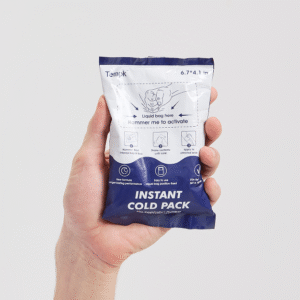
Siapa kita: Tempk adalah inovator dalam solusi pengemasan dan logistik rantai dingin. Kami merancang kotak berinsulasi, kantong es dan pelapis termal yang menjaga suhu tetap akurat selama transit. Produk kami mendukung makanan, pengiriman farmasi dan bioteknologi dengan mengintegrasikan bahan isolasi canggih dan desain berkelanjutan. Kami juga memberikan panduan teknis untuk membantu bisnis mengoptimalkan proses rantai dingin mereka.
Komitmen kami: Kami berusaha untuk menggabungkan sains, keberlanjutan dan layanan pelanggan. Pusat penelitian dan pengembangan kami terus menguji material dan teknologi baru untuk meningkatkan kinerja sekaligus mengurangi dampak lingkungan. Kami berkolaborasi dengan penyedia logistik terkemuka untuk memastikan kemasan kami melengkapi sistem otomatis dan berkemampuan IoT. Apakah Anda perlu mengirimkan vaksin atau makanan lezat, kami menawarkan solusi andal untuk melindungi produk Anda.