Cool chain frozen yogurt companies: protecting quality and compliance in 2025
Frozen yogurt is a delicate product. Unlike regular yogurt, it contains live cultures and air pockets that are easily damaged if temperatures fluctuate. Di dalam 2025, the global frozen yogurt market exceeds USD 6 billion and continues to grow amid demand for healthier snacks. Keeping your product between −10 °C and −30 °C (14 °F to −22 °F) preserves its creamy texture, prevents bacterial growth and meets international standards. Panduan ini menunjukkan Anda—whether you’re a manufacturer, distributor or self serve shop owner—how to implement a modern cool chain that meets strict safety rules and delight customers.
What temperature ranges keep frozen yogurt safe? We explore temperature zones and shelf life guidelines, including why frozen yogurt must remain far colder than plain yogurt.
Which packaging and cooling materials work best? Compare insulated containers, gel packs and dry ice to choose the right solution.
How do you monitor temperature and prevent spoilage? Pelajari tentang sensor IoT, RFID tags and GPS tracking that provide real time visibility.
What regulations apply to dairy products in 2025? Pahami FSMA 204 garis waktu, labelling rules and international standards such as the −18 °C benchmark for frozen foods.
Apa tren dan inovasi pasar terkini? Lihat bagaimana AI, automation and sustainable technologies are reshaping the cold chain and driving the frozen yogurt market forward.
What temperature ranges keep frozen yogurt safe?
Frozen yogurt must stay between −10 °C and −30 °C (14 °F to −22 °F)—a range recommended by cold chain experts. Pada suhu ini, ice crystals remain small and the product stays hard and smooth. Deep frozen conditions (−25 °C hingga −30 °C) are required for long distance shipments to prevent heat shock, which occurs when ice crystals melt and recrystallise, destroying texture. Plain yogurt, sebaliknya, should be kept at 7 °C–10 °C for up to one week or 0 °C–1 °C for long term storage. Mixing plain and frozen yogurt in the same cooler risks partial thawing or off flavours.
Understanding temperature zones and shelf life
Cold storage facilities divide products into distinct zones to match each item’s needs. This prevents cross contamination and makes it easier to plan capacity. Recommended ranges include standard refrigeration (2–4 °C) for milk and mix ins, beku (−10 °C hingga −20 °C) for finished frozen yogurt and toppings, sangat beku (−25 °C hingga −30 °C) for long haul shipments, Dan lingkungan yang terkendali (12–21 °C) for dry ingredients. Staying within these ranges slows microbial growth and maintains quality. A table below summarises how temperature influences shelf life.
| Storage zone | Suhu khas | Durasi khas | Arti praktis |
| Pendinginan standar | 2 °C–4 °C (35.6 °F–39.2 °F) | Hours to days | Use for milk, yogurt cultures and mix ins before production |
| Beku | −10 °C hingga −20 °C (14 °F hingga −4 °F) | Weeks to months | Suitable for ready made frozen yogurt and short term transport |
| Sangat beku | −25 °C hingga −30 °C (−13 °F hingga −22 °F) | Bulan | Required for long distance shipments and to prevent heat shock |
| Lingkungan yang terkendali | 12 °C–21 °C (55 °F–70 °F) | Sesuai kebutuhan | Store dry toppings and packaging; do not mix with frozen goods |
Keeping your product below 0 ° f (−18 ° C.) is critical for long term storage. The International Institute of Refrigeration notes that a food product is considered frozen when its temperature reaches −10 °C or when 80 % of the freezable water has turned to ice; setelah pembekuan, the product must be equilibrated and stored at −18 °C to meet international standards. This benchmark ensures that at least 95 % of water remains frozen, reducing microbial growth and protecting texture.
Why temperature matters for quality and safety
Temperature control is not just about keeping your product cold; it’s about keeping it consistently cold. Repeated warm and cold cycling causes ice crystals to grow, leading to grainy texture, shrinkage and probiotic death. For frozen yogurt, even minor thawing can ruin creaminess. Sementara itu, storing plain yogurt at freezing temperatures can damage cell structures and kill beneficial cultures. That is why separate temperature zones are essential.
For comparison, a general guideline for refrigerated trucks shows that frozen goods should be kept at −10 °F to 0 ° f (−23 °C hingga −18 °C) to prevent thawing and refreezing. This range aligns with the international standard and underscores the importance of consistent cooling throughout transport.
Which packaging and cooling materials work best?
Maintaining deep frozen temperatures from factory to consumer requires more than a thermostat. Isolasi, refrigerants and proper packing techniques make the difference between ice free creaminess and unappetising crystals. Sebelum pengiriman, always pre freeze your products to the target temperature to minimise the heat load on cooling agents.
Choosing the right insulation and refrigerant
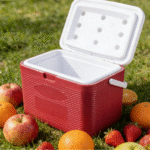
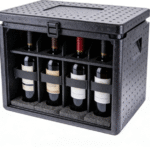
Bahan isolasi berkualitas tinggi, seperti polystyrene yang diperluas (EPS), polyurethane foam and vacuum insulated panels (VIP), limit heat transfer and protect frozen yogurt during transit. The thickness of insulation should match transit time and ambient conditions—longer routes require thicker panels. Within the insulated box, follow a layering approach: menempatkan penghalang (like bubble wrap or cardboard) di bagian bawah, add your yogurt containers and separate cooling agents (es kering atau paket gel) from the product to prevent direct contact. Small vents release carbon dioxide gas from dry ice and prevent pressure buildup.
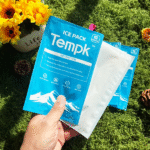
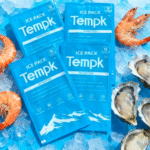
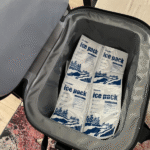
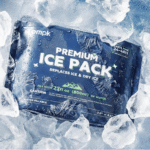
Refrigerants have distinct roles. Es kering sublimates at −78.5 °C (−109,3 °F) and provides ultra low temperatures for up to 72 jam, making it ideal for long distance shipments. Paket gel menjaga 2 °C–8 °C and work best for short journeys or when your product must remain chilled rather than frozen. In packaging guidelines from a leading insulation provider, gel packs are recommended for maintaining chilled products like chocolate or pharmaceuticals, while dry ice is best for keeping items completely frozen. Gel packs contain non toxic phase change materials that release heat slowly, whereas dry ice requires special labelling (“Karbon dioksida, solid – UN 1845”) and handling due to its extreme cold and hazardous classification. Choose the refrigerant that matches your transit time and desired temperature range.
Shipping checklist and best practices
Untuk membantu Anda merencanakan pengiriman, pertimbangkan langkah-langkah berikut ini:
Pre freeze and stabilise the product at the desired temperature before packing.
Pilih wadah yang tepat—EPS or VIP boxes sized for your route.
Layer appropriately with barriers and ventilation.
Gunakan pencatat suhu inside each shipment to document conditions.
Kendaraan pra keren and schedule pickups during cooler periods to minimise heat ingress.
Berkoordinasi dengan operator to ensure they understand your temperature requirements.
Beri label dengan benar—especially when using dry ice—and include best-before dates and storage instructions.
Studi kasus: A cross country shipment in Canada used a combination of dry ice and vacuum insulated panels to deliver frozen yogurt from British Columbia to Ontario in winter. Despite outdoor temperatures fluctuating from −15 °C to +5 ° C., the product remained below −20 °F throughout the journey, arriving with no ice crystal formation. This illustrates the value of choosing the right refrigerant and insulation.
Gel packs versus dry ice: apa bedanya?
| Agen pendingin | Kisaran suhu | Lamanya | Keuntungan | Pertimbangan |
| Paket gel | 2 °C–8 °C (36 °F–46 °F) | Perjalanan singkat (1–2 hari) | Aman dan dapat digunakan kembali; prevent products from freezing; pembuangan mudah; available in consumer friendly forms like drain friendly or sweat proof packs | Not suitable for deep frozen shipments; require more packs for longer durations |
| Es kering | −78,5 °C (−109,3 °F) sublimasi | Hingga 72 hours depending on quantity | Provides ultra cold conditions ideal for long distance transport; mencegah pencairan | Requires labelling and compliance with hazardous materials regulations; may over cool delicate products; sublimation gas must vent |
An alternative is reusable PCM bricks, which use phase change materials to maintain a specific temperature range. They are more sustainable than single use gel packs and less hazardous than dry ice. Evaluate them for subscription services or closed loop deliveries.
How do you monitor temperature and prevent spoilage?
Keeping frozen yogurt safe means knowing exactly what happens inside your freezer, truck or store. Pemantauan waktu nyata allows you to detect temperature excursions early and take corrective action before quality is lost. Manual checks are prone to error; slight swings of 4 °C–7 °C can shorten shelf life dramatically. Modern cool chains use a combination of data loggers, Sensor IoT, RFID tags and GPS trackers to provide continuous visibility.
Sensor types and their benefits
| Jenis perangkat | Keterangan | Manfaat | Pertimbangan |
| Pencatat data | Stand alone battery powered devices that record temperature and humidity over time | Murah; provide historical records for compliance; mudah untuk diterapkan | Require manual retrieval or connection to a network; may not provide real time alerts |
| Sensor IoT nirkabel | Devices that transmit temperature and humidity data via Wi Fi, cellular or LoRa networks | Offer continuous monitoring, peringatan otomatis dan analisis prediktif | Biaya yang lebih tinggi; depend on network coverage; require maintenance and battery replacement |
| Label suhu RFID | Sensors embedded in RFID labels for contactless scanning | Mengotomatiskan pengumpulan data dan mengurangi kesalahan manusia | Jangkauan terbatas; membutuhkan pembaca yang ditempatkan secara strategis |
| Pelacak GPS dengan pemeriksaan suhu | Gabungkan pelacakan lokasi dengan pemantauan suhu | Provide real time visibility and enhance cargo security | Tergantung pada jangkauan seluler atau satelit; may be costly |
When selecting sensors, consider the scale of your operation, network infrastructure and the level of risk you can tolerate. Misalnya, a small self serve shop may use data loggers to confirm freezer performance, while a nationwide distributor may deploy IoT sensors on every pallet for live tracking.
Building a smart monitoring system
Modern monitoring platforms aggregate data from sensors, GPS trackers and telematics to create a single dashboard. Analisis berbasis AI detect patterns, memperkirakan permintaan dan memprediksi kegagalan peralatan. This transforms the cold chain from reactive to proactive: instead of discovering a problem after it happens, you receive an alert before product quality is compromised. Misalnya, a produce distributor who integrated smart sensors saw a 20 % pengurangan pembusukan setelah mendapatkan visibilitas waktu nyata; adjusting routes based on temperature data improved delivery accuracy.
Practical steps to build your system:
Petakan rantai Anda. Identifikasi semua produk yang sensitif terhadap suhu, temperature ranges and transportation routes to prioritise investments.
Integrasikan sensor. Deploy IoT sensors on storage units and vehicles to capture location and temperature data.
Gunakan analitik. Choose software that aggregates sensor data and alerts you to deviations; AI can forecast demand and detect patterns in temperature excursions.
Dokumentasikan semuanya. Maintain digital records of temperature conditions and lot codes; blockchain can create immutable audit trails.
Real time monitoring and compliance
Regulators increasingly expect continuous visibility. AS. Undang-Undang Modernisasi Keamanan Pangan (FSMA) Bagian 204 requires certain foods to carry traceability records that allow regulators to trace a lot’s full history within 24 jam. The rule, published in 2022 and effective January 20 2023, originally mandated compliance by January 20 2026 but was extended to Juli 20 2028. Your traceability plan should detail how you generate and manage lot codes, store records and respond to inquiries. Identify which of your products fall under the FSMA Food Traceability List and ensure your systems capture all required Key Data Elements (KDE) at every Critical Tracking Event (CTE).
What regulations apply to dairy products in 2025?
International standards and national guidelines
Global standards treat −18 °C as the benchmark for frozen foods. Selama pembekuan, a product is considered “frozen” when its temperature reaches −10 °C or when 80 % of freezable water turns to ice; it must then equilibrate and be stored at −18 °C. This ensures a Level of Frozenness (LOF) dari 95 %–98 %, effectively inhibiting microbial growth.
In Canada and many parts of Europe, food safety agencies require freezers to be set at −18 °C (0 ° f) or lower and refrigerators at 4 ° C. (40 ° f) or lower to keep foods out of the danger zone. The Canadian Food Inspection Agency mandates that prepackaged foods with a durable life of 90 days or less display best before dates and storage instructions. Label your frozen yogurt with clear messages like “Keep frozen at −18 °C” to guide consumers.
Untuk pengiriman, compliance extends beyond temperature. Asosiasi Transportasi Udara Internasional (Iata) membatasi es kering hingga 5.5 pounds on aircraft; Amerika Serikat. Department of Transportation classifies dry ice as a hazardous material and requires packages to carry a class 9 “Dry Ice” label with net weight. FDA rules under the Food Safety Modernization Act require refrigerated foods to remain at or below 40 ° f (4 ° C.) and frozen foods at or below 0 ° f (−18 ° C.) to prevent harmful bacteria. Praktek Distribusi yang Baik (PDB) guidelines for pharmaceuticals define frozen products as those at or below −20 °C (−4 °F). Understanding these overlapping rules keeps your company compliant across borders.
HACCP and traceability plans
Selain FSMA 204, regulators expect you to have a hazard analysis and critical control point (Haccp) plan for dairy processing and distribution. A HACCP plan identifies potential hazards at each stage—such as temperature abuse during loading—and outlines critical control points where monitoring and corrective actions occur. For frozen yogurt, control points include mixing and pasteurisation, pembekuan, kemasan, penyimpanan dan transportasi. Ensure each step has a defined temperature range, monitoring method and corrective action (MISALNYA., discard or reprocess product if temperature exceeds limit). Keeping thorough records not only protects public health but also helps you respond quickly to recalls or audits.
Apa tren dan inovasi pasar terkini?
Market growth and consumer trends
The frozen yogurt market is expanding rapidly. Recent reports estimate that the global market reached USD 6.20 miliar di dalam 2025 dan bisa double to USD 11.53 miliar oleh 2035. Amerika Utara bertahan secara kasar 47 % dari pangsa pasar, sementara Asia Pasifik adalah kawasan dengan pertumbuhan tercepat. Consumers are seeking healthier, low fat and plant based options, driving innovation in flavours and ingredients. Chocolate remains the largest flavour segment, while strawberry is growing quickly. Plant based frozen yogurt made from coconut, almond or oat milk appeals to vegan and lactose free consumers, aligning with sustainability and animal welfare concerns.
Technology and automation
Cold chain logistics itself is evolving. The smart cold chain market is projected to grow from USD 324.85 miliar masuk 2024 ke USD 862.33 miliar oleh 2032, belum tentang 80 % gudang tetap tidak terotomatisasi. Automation and robotics address labour shortages and improve accuracy. Sistem penyimpanan dan pengambilan otomatis, robotic palletisers and autonomous vehicles operate 24/7, lowering labour costs and maintaining consistent temperatures. Combined with AI driven analytics, these systems can forecast demand, optimise routes and predict maintenance needs. Misalnya, predictive maintenance analyses equipment vibration and temperature signals to schedule repairs before failures occur, menjaga integritas produk.
Keberlanjutan dan efisiensi energi
Cold chains consume significant energy and contribute to greenhouse gas emissions. Global food cold chain infrastructure accounts for about 2 % emisi CO₂ global, and refrigerated transport uses roughly 15 % energi bahan bakar fosil di seluruh dunia. Many cold storage facilities are over four decades old, leading to inefficiencies and food waste—about 638 juta ton of food is lost annually. Praktik berkelanjutan such as using natural refrigerants (Co₂, amonia), high efficiency compressors, energi terbarukan (tenaga surya, angin) and recyclable packaging help reduce environmental impact. Bahan perubahan fasa (PCMS) provide cooling with less energy, while electric or hydrogen powered vehicles cut emissions.
perdagangan elektronik, last mile delivery and customisation
Seiring berkembangnya perdagangan elektronik, consumers expect frozen yogurt delivered directly to their homes. This requires flexible logistics, smaller shipment sizes and precise temperature control. Self serve shops and micro fulfilment centres adapt to these needs by installing IoT enabled freezers and offering DIY mixes. Algoritme pengoptimalan rute mempertimbangkan lalu lintas, weather and delivery windows to reduce transit times and fuel consumption. AI helps manufacturers customise product formulations—balancing sugar alternatives, fat content and probiotic viability—to meet diverse dietary demands. Di bulan April 2025, major dairy companies launched new plant based frozen yogurt SKUs, demonstrating how innovation drives market growth.
Pertanyaan yang sering diajukan
What temperature should I set my freezer for frozen yogurt? Keep your freezer at −18 ° C. (0 ° f) atau lebih dingin. This temperature prevents thawing and keeps frozen yogurt hard and smooth. Use a freezer thermometer to verify.
Can I store plain yogurt and frozen yogurt together? It’s best to separate them. Plain yogurt is stored at 2 °C–4 °C, whereas frozen yogurt needs −18 °C or colder. Mixing them may cause partial thawing or off flavours.
How do I know if my sensors are accurate? Calibrate sensors regularly against a certified reference thermometer. Choose devices with traceable calibration certificates and replace batteries according to manufacturer guidelines.
What’s the difference between dry ice and gel packs for shipping frozen yogurt? Dry ice sublimates at −78.5 °C and provides ultra cold conditions for up to 72 jam; gel packs keep products between 2 °C dan 8 °C and are ideal for shorter journeys. Gel packs are safer and reusable; dry ice requires special labelling.
Do plant based frozen yogurt products require different storage? TIDAK. Plant based frozen yogurt still requires deep frozen conditions (−10 °C to −30 °C) and proper packaging to avoid ice crystal formation. Namun, formulations using coconut or almond milk may have different textures, so evaluate each product during pilot testing.
How can AI improve my cold chain operations? AI analyzes real time sensor data to forecast demand, mengoptimalkan rute pengiriman, dan memprediksi kegagalan peralatan. Predictive maintenance reduces downtime, while route optimisation shortens delivery times and saves fuel. AI also helps manufacturers adjust formulations for taste and texture.
Ringkasan dan Rekomendasi
Keeping frozen yogurt safe and delicious requires a holistic cool chain strategy. Maintain deep frozen temperatures (−10 °C to −30 °C) at every stage—from production to storage and transport—to prevent ice crystal growth and protect live cultures. Use dedicated temperature zones and separate plain from frozen yogurt. Choose the right packaging and refrigerant: pre freeze products, select insulated containers, layer dry ice or gel packs properly and label shipments for safety. Terapkan pemantauan waktu nyata with sensors and analytics to detect excursions early; map your chain, integrate devices, use software and document data. Tetap patuh by following international standards (−18 °C for frozen foods), FSMA 204 traceability rules and HACCP principles. Rangkullah inovasi: otomatisasi, Ai, sustainable refrigerants and e commerce solutions are transforming the cold chain. Dengan mengadopsi praktik ini, Anda akan mengurangi limbah, enhance quality and meet growing consumer demands.
Rekomendasi langkah selanjutnya
Audit rantai dingin Anda: Evaluate each touchpoint—farm, pengolahan, penyimpanan, transport and retail—and identify risks and temperature requirements.
Tingkatkan sistem pemantauan: Berinvestasi pada sensor IoT, data loggers and analytics software to achieve continuous visibility and predictive maintenance.
Meningkatkan kemasan: Switch to high performance insulated containers and choose refrigerants based on transit duration; explore reusable PCMs for sustainability.
Kembangkan rencana kepatuhan: Create or update your HACCP and FSMA 204 traceability plans; train your team on proper documentation and responses.
Mengadopsi praktik berkelanjutan: Transisi ke refrigeran alami, peralatan hemat energi, renewable power and recyclable packaging to reduce carbon footprint.
Tentang tempk
Tempk specialises in temperature controlled packaging, monitoring devices and cold chain consulting. Kami mendesain wadah terisolasi, Paket gel, solusi es kering Dan Sistem pemantauan IoT that maintain safe temperature ranges from factory to consumer. R&D team continually tests new materials and integrates smart sensors into packaging to meet evolving regulatory requirements. Whether you’re launching a new frozen yogurt line or upgrading an existing supply chain, we offer tailored solutions and hands on support to keep your products frozen, compliant and delicious.
Panggilan untuk bertindak
Ready to future proof your frozen yogurt supply chain? Contact Tempk’s experts for a personalised consultation. Bersama, we’ll design a cool chain that safeguards quality, reduces waste and keeps customers coming back for more.