Bagaimana Peraturan dan Peralatan Rantai Dingin Menjaga Makanan Laut Segar Tetap Aman?
Diperbarui bulan Desember 2025
Menjaga kualitas makanan laut segar bukan hanya soal memberi lapisan gula pada ikan; ini melibatkan rantai dingin yang diatur yang menjaga suhu tetap rendah, mencegah kontaminasi dan membuktikan kepatuhan. Peraturan rantai dingin makanan laut segar dan peralatan mengatur rentang suhu yang ketat, memerlukan catatan ketertelusuran dan memerlukan peralatan yang andal dan dapat diaudit. Dalam panduan ini kami menjelaskan aturan suhu utama, uraikan peralatan yang Anda perlukan dan tunjukkan cara membangun rantai dingin berbasis data yang memenuhi kebutuhan 2025 standar peraturan.
Aturan suhu & persyaratan peraturan: Pahami mengapa ikan segar harus disimpan dekat 0–5 °C (32–41 °F) dan makanan laut beku pada atau di bawahnya –18 °C, bagaimana UE dan AS. hukum menegakkan batasan ini dan apa yang terjadi jika Anda menyimpang.
Peralatan penting & perangkat pemantauan: Pelajari ruangan dingin mana, pendingin ledakan, kendaraan berpendingin, kotak terisolasi, pencatat data dan sensor IoT diharuskan memenuhi standar siap audit.
Ketertelusuran & sistem kepatuhan: Temukan bagaimana Analisis Bahaya dan Titik Kontrol Kritis (Haccp), FSMA 204 dan Peraturan UE 853/2004 pencatatan mandat, dan mengapa FDA memperluas kepatuhannya Juli 20 2028.
Kemasan & praktik transportasi terbaik: Jelajahi sebelum pendinginan, kemasan terisolasi, perencanaan rute dan teknik persiapan kendaraan yang mengurangi perjalanan.
2025 tren & inovasi: Dapatkan informasi terkini tentang sensor IoT, Pengoptimalan rute AI, blockchain, pendinginan hemat energi dan yang sedang berkembang –15 °C inisiatif untuk penyimpanan beku yang berkelanjutan.
Aturan suhu apa yang mengatur keamanan rantai dingin makanan laut segar?
Ikan segar harus tetap pada suhu 0–5 °C, sedangkan ikan beku harus berada pada atau di bawah –18 °C, dan batasan ini diamanatkan oleh AS. dan peraturan Eropa. AS. Kode Makanan FDA dan Undang-Undang Modernisasi Keamanan Pangan (FSMA) menyatakan bahwa makanan dingin, termasuk makanan laut segar, harus diadakan pada 41 ° f (≈5 °C) atau lebih dingin. Aturan kebersihan Eropa lebih jauh lagi, membutuhkan ikan segar untuk disimpan pada suhu es yang mencair (sekitar 0–2 °C), sedangkan ikan beku harus disimpan pada –18 °C atau lebih rendah. Kisaran suhu ini memperlambat pertumbuhan bakteri dan pembusukan enzimatik; bahkan sebuah 8 ° f (≈4 °C) bangkit dapat mengurangi separuh umur simpan. Berdasarkan aturan transportasi sanitasi FSMA dan Peraturan UE 853/2004, operator tidak hanya harus menjaga suhu ini tetapi juga mencatat dan memverifikasinya melalui instrumen yang dikalibrasi.
Mengapa suhu yang ketat penting bagi kualitas makanan laut
Otot ikan mengandung aktivitas air dan nutrisi yang tinggi sehingga mendorong pertumbuhan mikroba. Pada suhu di atas 5 ° C., bakteri pembusuk berkembang biak dengan cepat, menghasilkan bau dan histamin; pada 0–2 °C aktivitas bakteri melambat, menjaga tekstur dan rasa. Membeku di –18 °C menghentikan aktivitas mikroba dan menjaga struktur sel, tetapi siklus pencairan-pembekuan ulang yang berulang-ulang merusak serat otot dan menyebabkan hilangnya tetesan. Penyimpanan spesies berlemak dalam jangka panjang mungkin diperlukan –24 °C untuk mengurangi ketengikan oksidatif. Oleh karena itu peraturan menentukan target suhu dan persyaratan dokumentasi: Anda harus terus memantau suhu udara dengan perangkat yang disertifikasi berdasarkan standar seperti DI DALAM 12830/13485/13486 dan menyimpan catatan setidaknya setahun. Kegagalan untuk mematuhi aturan ini dapat menyebabkan penarikan produk, denda dan hilangnya akses pasar.
Peralatan yang dibutuhkan untuk memenuhi peraturan suhu
| Peralatan | Kemampuan suhu | Tujuan & dampak kepatuhan |
| Kamar dingin / pendingin ledakan | Dapat mendinginkan ikan hingga dekat 0 ° C. dan pertahankan di dalam 0–5 °C | Menyediakan pendinginan cepat pasca tangkapan dan penyimpanan stabil; diperlukan untuk rencana HACCP dan kepatuhan kebersihan UE |
| freezer & freezer ultra rendah | Menjaga –18 °C (standar) atau –24 °C (jangka panjang) | Mengawetkan ikan beku; Peraturan UE mengharuskan kapal freezer mencapai suhu inti –18 °C dengan cepat |
| Truk berpendingin / kontainer berpendingin | Jaga kargo dalam rentang yang ditentukan; pra-dinginkan sebelum memuat | Pertahankan rantai dingin selama pengangkutan; FSMA memerlukan sanitasi dan pengendalian suhu selama transit |
| Kotak terisolasi & Kontainer VIP | Perubahan suhu yang lambat untuk 24+ jam | Memberikan perlindungan pasif selama pengiriman jarak jauh; VIP mengurangi konduktivitas termal dan meningkatkan kapasitas muatan |
| Mesin es & es bubur | Menghasilkan es serut atau bubur untuk ikan segar | Hilangkan panas lapangan dengan cepat dan dekatkan ikan 0 ° C.; bubur es (2 bagian es ke 1 sebagian air) direkomendasikan untuk pendinginan segera |
| Sensor suhu & Data Loggers | Rekam dan simpan riwayat suhu | Berikan bukti kepatuhan; diwajibkan oleh peraturan FSMA/UE; pilih perangkat bersertifikat EN |
| Monitor IoT & Pelacak GPS | Mengirimkan data dan lokasi waktu nyata | Aktifkan intervensi proaktif dan bukti lokasi; diadopsi secara luas di 2025 untuk peringatan waktu nyata dan penyelesaian sengketa |
| Termometer genggam & probe | Periksa suhu inti di tempat | Verifikasi suhu produk sebelum diterima; bagian dari SOP pemeriksaan masuk |
Tips Praktis:
Dinginkan semuanya terlebih dahulu: Unit pendingin menjaga suhu; mereka tidak mendinginkan produk hangat. Selalu dinginkan ikan terlebih dahulu, bubur es, kompartemen pengemasan dan truk sebelum dimuat.
Kompartemen terpisah: Simpan ikan segar dan ikan beku di bagian terpisah untuk mencegah kontaminasi silang dan menghindari kenaikan suhu makanan beku.
Mengkalibrasi dan memelihara peralatan: Kalibrasi sensor secara teratur dan periksa freezer, unit reefer dan sistem tenaga cadangan.
Dokumentasikan dan verifikasi: Gunakan daftar periksa untuk mencatat suhu, inspeksi peralatan dan prosedur pembersihan sebelum setiap pengiriman.
Kasus nyata: Seorang eksportir salmon menerapkan pencatatan suhu terus menerus pada semua pengiriman. Memantau ikan setiap 30 menit dan memperingatkan pengemudi ketika pembacaan menyimpang 0–5 °C mengurangi klaim pembusukan sebesar 25 %.
Peralatan apa yang Anda perlukan untuk mematuhi peraturan rantai dingin makanan laut?
Regulator fokus pada kinerja yang dapat dibuktikan daripada nama merek. Peralatan rantai dingin harus mempertahankan suhu yang diperlukan secara konsisten dan menyediakan catatan yang dapat diverifikasi. Lampiran III Peraturan UE 853/2004 mengamanatkan bahwa kapal freezer memiliki kapasitas yang memadai untuk membekukan ikan dengan cepat –18 °C dan menjaga ruang penyimpanan di –18 °C. Pembekuan dalam air garam, tuna yang dimaksudkan untuk pengalengan dapat dibekukan –9 °C, tetapi ikan seperti itu tidak bisa dijual segar. AS. Perjanjian ATP dan FSMA mewajibkan instrumen perekam untuk memantau suhu udara, dengan data yang disimpan setidaknya selama satu tahun.
Memilih peralatan rantai dingin inti
Saat memilih peralatan, pertimbangkan kapasitas, kualitas isolasi dan kemampuan pemantauan.
Ledakan pendingin dan ruangan dingin: Sistem ini dengan cepat mengurangi suhu ikan setelah penangkapan, mencegah pertumbuhan mikroba. Carilah model yang menjangkau 0 °C dalam beberapa jam dan dapat mempertahankan suhu yang konsisten meskipun pintu sering dibuka. Banyak operasi menggabungkan pendingin ledakan dengan kamar dingin untuk pementasan dan pemrosesan.
Freezer dan freezer ultra rendah: Freezer standar bertahan –18 °C; jangkauan unit sangat rendah –24 °C untuk memperpanjang umur simpan ikan berlemak seperti makarel. Bejana pembeku harus mempunyai kemampuan pembekuan yang terus menerus dan periode penahan panas yang singkat.
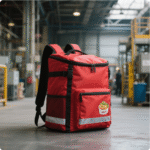
Kendaraan berpendingin: Pilih truk atau kontainer reefer dengan daya pendinginan dan isolasi yang cukup. Pra keren ruang kargo sebelum memuat dan memantau waktu buka pintu untuk meminimalkan lonjakan suhu. Periksa apakah kendaraan bertemu Sertifikasi ATP untuk transportasi lintas batas.
Kotak terisolasi & pengirim palet yang dapat digunakan kembali: Untuk pengiriman mil terakhir, kotak berinsulasi dengan kemasan gel atau panel berinsulasi vakum (VIP) memberikan perlindungan pasif. Pengirim VIP mengurangi konduktivitas termal dan meningkatkan kapasitas muatan hingga 70 %, memotong biaya pengiriman. Sistem yang dapat digunakan kembali mengurangi limbah dan diperkirakan akan terus bertambah KITA $4.97 miliar masuk 2025 ke $9.13 miliar oleh 2034.
Pembuat es dan sistem bubur: Gunakan mesin es food grade untuk menghasilkan es serut atau bubur. Es bubur (2 bagian es ke 1 sebagian air) mendinginkan ikan dengan cepat dan menjaga kondisi mendekati 0 °C.
Perangkat pemantauan: Lengkapi pengiriman dengan Pencari suhu, Sensor IoT Dan Pelacak suhu GPS. Penebang memberikan bukti pasca pengiriman; sensor waktu nyata mengirimkan peringatan; Pelacak GPS menunjukkan dengan tepat di mana kunjungan dilakukan. Pilih perangkat yang bersertifikat standar EN dan putuskan apakah Anda memerlukan peringatan atau hanya bukti berdasarkan kemampuan Anda untuk melakukan intervensi di tengah jalan.
Perangkat pemantauan: bukti vs tindakan
Anda tidak memerlukan satu gadget yang sempurna; kamu membutuhkan sebuah “tangga perangkat” disesuaikan dengan operasi Anda. Sinyal kunci yang harus ditangkap adalah suhu puncak, waktu di atas batas Dan lokasi. Gunakan tabel di bawah ini untuk memilih perangkat yang tepat.
| Jenis perangkat | Penggunaan terbaik | Kesalahan terbesar | Artinya untukmu |
| Pencatat data suhu | Bukti setelah melahirkan; membuktikan kepatuhan untuk audit | Gagal meninjau data; log menjadi “data tanpa tindakan” | Gunakan untuk pengiriman di mana Anda tidak dapat melakukan intervensi di tengah rute tetapi memerlukan bukti |
| Monitor waktu nyata dengan peringatan | Cegah kehilangan sekarang dengan mengirimkan peringatan selama pengangkutan | Terlalu banyak peringatan menyebabkan kelelahan | Ideal jika tim Anda dapat segera bertindak; tetapkan ambang batas untuk menghindari peringatan yang berlebihan |
| Pelacak suhu GPS | Menemukan di mana tamasya dilakukan; menghubungkan peristiwa ke lokasi | Tidak mencocokkan ID pelacak dengan muatan tertentu | Gunakan ketika perselisihan sering terjadi; membantu menargetkan perbaikan proses |
| Memperbaiki sensor di kamar/truk | Memantau fasilitas atau kestabilan kendaraan | Penempatan yang buruk menciptakan titik buta | Pasang di tempat terhangat dan dekat pintu; kalibrasi secara teratur |
| Indikator waktu-suhu (Ayah) | Akuntabilitas sederhana untuk menangani penyalahgunaan | Memperlakukan TTI sebagai peringatan waktu nyata | Baik untuk memverifikasi apakah ikan telah disalahgunakan suhunya; mereka tidak menyediakan data langsung |
Pentingnya penempatan: Masukkan logger ke dalam tengah kotak ikan atau di lokasi terhangat, tidak hanya di dekat tembok. Untuk kontainer, pasang sensor tetap jauh dari ventilasi untuk menghindari pembacaan yang terlalu rendah. Lampirkan pelacak GPS ke kiriman dan petakan ke nomor muatan Anda untuk mencegah kebingungan.
Kiat untuk mengurangi kunjungan dan membuktikan kepatuhan
Standarisasi jenis perangkat dan SOP: Menggunakan satu jenis logger dan satu prosedur operasi standar di seluruh pengiriman menyederhanakan peninjauan data.
Kurangi kebisingan peringatan: Konfigurasikan ambang batas peringatan sehingga tim Anda hanya menerima notifikasi yang dapat ditindaklanjuti.
Integrasikan data dengan sistem ketertelusuran: Ekspor data dalam format standar (MISALNYA., CSV, GS1) dan menyimpan log secara digital. Hal ini mempermudah berbagi catatan dengan auditor dan klien.
Kasus aktual: Pusat makanan laut menggunakan sensor untuk memantau area pementasan. Saat data menunjukkan lonjakan suhu hangat yang berulang selama pemuatan jam sibuk, manajer menyesuaikan jadwal dan mengurangi keluhan.
Bagaimana Anda membangun sistem ketertelusuran dan pemantauan rantai dingin makanan laut?
Regulasi semakin menuntut ketertelusuran ujung ke ujung. Berdasarkan Aturan Penelusuran Makanan FSMA, perusahaan yang memproduksi, proses, mengemas atau menyimpan makanan di atasnya Daftar Penelusuran Makanan (FTL) harus memelihara catatan yang berisi Elemen Data Utama (KDE) dan memasoknya ke FDA di dalamnya 24 jam. Tanggal kepatuhan awal aturan tersebut 20 Januari 2026 adalah diperpanjang hingga Juli 20 2028, memberi industri lebih banyak waktu untuk menerapkannya. Peraturan UE juga mengharuskan identifikasi kapal tersebut, lot dan kondisi penyimpanan untuk setiap batch, sedangkan Perjanjian ATP mengatur transportasi berpendingin lintas batas.
Langkah-langkah untuk membangun sistem ketertelusuran yang patuh
Memetakan peristiwa pelacakan penting (CTE): Identifikasi penangkapan, pendaratan, pengolahan, penyimpanan, memuat, transit dan pengiriman. Di setiap acara, mencatat KDE seperti spesies, nomor batch, tanggal/waktu, suhu dan pengendali.
Tetapkan pengidentifikasi unik: Menggunakan Kode QR, kode batang atau Tag RFID untuk menghubungkan setiap batch ke catatannya. Pilih label yang tahan terhadap kelembapan dan dingin.
Standarisasi format data: Mengadopsi standar yang diakui secara global seperti GS1 untuk memastikan interoperabilitas antar pemasok dan pelanggan.
Menyebarkan sensor untuk data waktu nyata: Integrasikan perangkat IoT dengan platform ketertelusuran Anda untuk menangkap suhu dan lokasi secara otomatis. Sensor IoT ambien bebas baterai kini bermunculan, mengurangi pemeliharaan.
Melatih dan berkolaborasi: Mendidik para nelayan, prosesor dan driver pada prosedur pemindaian dan logging. Berkolaborasi di seluruh rantai pasokan untuk memastikan kontinuitas data.
Otomatiskan pelaporan: Siapkan dasbor yang menghasilkan laporan kepatuhan dan menandai penyimpangan. Ekspor data ke regulator sesuai permintaan.
Tip: Setidaknya simpan catatan digital setahun atau lebih lama jika diperlukan oleh pengecer. Gunakan penyimpanan cloud yang aman dengan jejak audit.
Kerangka peraturan yang harus Anda ketahui
Analisis Bahaya dan Titik Kendali Kritis (Haccp): Mandat untuk mengidentifikasi bahaya dan menetapkan pengendalian pada titik-titik kritis; dibutuhkan oleh AS. FDA dan dikodifikasikan dalam Pedoman Bahaya dan Pengendalian Ikan dan Produk Perikanan.
Praktik Manufaktur yang Baik (GMP) & Prosedur Operasi Standar Sanitasi (SSOP): Tangani kebersihan, desain fasilitas dan sanitasi; penting untuk mencegah kontaminasi.
Undang-Undang Modernisasi Keamanan Pangan (FSMA): Termasuk aturan transportasi sanitasi—membutuhkan suhu yang aman dan peralatan yang bersih selama pengangkutan—dan Program Verifikasi Pemasok Asing (FSVP) untuk makanan laut impor.
Aturan Penelusuran Pangan (Bagian 204 dari FSMA): Membutuhkan KDE dan CTE; tanggal kepatuhan diperpanjang hingga Juli 20 2028.
Peraturan UE 853/2004: Menentukan persyaratan pembekuan untuk produk perikanan dan menetapkan aturan kebersihan. Kapal freezer harus mencapai –18 °C suhu inti dengan cepat dan pertahankan penyimpanan pada suhu tersebut –18 °C; ikan dibekukan dalam air garam di –9 °C hanya untuk pengalengan.
Perjanjian ATP: Mengatur transportasi lintas batas bahan makanan yang mudah rusak; kendaraan harus memenuhi standar insulasi dan pendingin serta memiliki sertifikat yang sah.
Sertifikasi (SQF, BRC, FSSC 22000): Pengecer semakin menuntut sertifikasi pihak ketiga yang memverifikasi kebersihan, kontrol suhu dan ketertelusuran.
Kasus praktis: Eksportir ikan mengadopsi kode QR dan sensor waktu nyata di setiap palet. Dengan menghubungkan data sensor ke ID batch, mereka melacak kiriman kembali ke kapal tertentu dan memperbaiki masalah kontaminasi dengan cepat. Hal ini meningkatkan kepatuhan dan mengurangi sengketa klaim.
Strategi pengemasan dan pengangkutan apa yang melindungi makanan laut selama pengiriman?
Pengemasan dan pengangkutan adalah tempat dimana rantai dingin sering putus. Strategi yang efektif memperlambat kenaikan suhu, mencegah kerusakan mekanis dan mengurangi paparan oksigen.
Bahan pengemasan dan alur kerja
Wadah terisolasi & Kotak Epp: Gunakan kotak busa berdinding ganda, panel terisolasi vakum (VIP) atau Expanded Polypropylene yang ringan (EPP) kotak. Penawaran VIP konduktivitas termal yang sangat rendah dan mengurangi biaya pengiriman hingga 70 %. Kotak EPP dapat digunakan kembali, tahan lama dan mengurangi limbah.
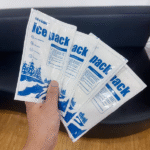
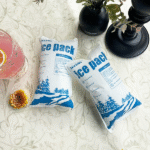
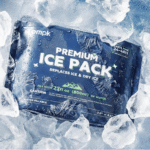
Refrigeran: Pilih kemasan gel untuk pengiriman 0–8 °C, es kering untuk transportasi di bawah nol, atau Pod PCM yang menyerap panas pada suhu tertentu. Kondisikan zat pendingin dengan benar; paket gel yang kurang beku dapat menyebabkan perjalanan lebih awal.
Film penghalang tinggi & kantong segel vakum: Bahan-bahan ini mengurangi paparan oksigen dan dehidrasi. Penyegelan vakum ideal untuk jarak jauh tetapi memerlukan kontrol suhu yang ketat.
Pembungkus tahan lembab: Bungkus fillet atau ikan utuh dengan plastik atau foil sebelum diletakkan di atas es untuk mencegah kontak langsung dengan air.
Pengirim palet yang dapat digunakan kembali: Dilengkapi dengan pod VIP dan PCM, wadah ini mendukung banyak siklus dan mengintegrasikan sensor.
Alur kerja pengemasan untuk ikan segar:
Bilas dan bersihkan memancing di laut atau dermaga; menghapus jeroan jika diperlukan.
Pra dinginkan dalam bubur es untuk 30 menit.
Kemas dalam kemasan es atau gel dalam wadah terisolasi; hindari membiarkan ikan terbuka.
Segel dan beri label paket; isi rongga dengan bantalan untuk meminimalkan celah udara dan beri label “Mudah Rusak”..
Pindahkan ke tempat penyimpanan dingin atau transportasi segera ke fasilitas pemrosesan.
Waspadai pengemasan yang berlebihan: Terlalu banyak es dapat menghancurkan ikan yang empuk; memastikan bantalan yang tepat.
Praktik terbaik transportasi
Kendaraan pra keren: Truk berpendingin atau kontainer reefer didinginkan terlebih dahulu hingga suhu target sebelum dimuat.
Perencanaan rute: Pilih rute tercepat antara titik penyimpanan dingin dan hindari iklim ekstrem; jadwalkan lari semalaman ketika suhu lingkungan turun. Untuk ikan dingin, pertimbangkan angkutan udara untuk pengiriman 1–3 hari; container laut reefer untuk pengiriman massal selama 2–4 minggu; kurir ekspres untuk paket kecil.
Pertahankan aliran udara: Tumpuk kotak untuk memungkinkan sirkulasi udara dingin dan menghindari penyumbatan ventilasi.
Pemantauan berkelanjutan: Gunakan pencatat IoT atau sensor Bluetooth untuk memantau suhu dan kelembapan secara real-time dan mengatur peringatan jika terjadi penyimpangan.
Dokumentasi: Membawa sertifikat kesehatan, menangkap sertifikat, Catatan kepatuhan HACCP dan kode HS yang akurat untuk bea cukai.
Pisahkan spesies dan negara bagian: Jangan mencampur spesies makanan laut atau produk segar dan beku yang berbeda; pencampuran dapat menyebabkan kontaminasi silang dan menurunkan kualitas.
Studi kasus: Sebuah peternakan tiram beralih dari styrofoam sekali pakai ke wadah EPP yang dapat digunakan kembali dengan kemasan gel. Sistem baru ini mempertahankan suhu lebih lama dan mengurangi biaya pengemasan 30 %. Distributor ikan lainnya menggunakan sensor dan AI untuk menganalisis penundaan rute; setelah mengubah rute pengiriman, waktu transit berkurang sebesar 15 % dan kerugian produk berkurang 20 %.
Peraturan dan standar apa yang berlaku pada rantai pendingin makanan laut di 2025?
Jaringan peraturan mengatur makanan laut mulai dari tangkapan hingga konsumen. Memahaminya akan mencegah terjadinya pelanggaran yang merugikan.
KITA. peraturan
Pedoman Bahaya dan Pengendalian Ikan dan Produk Perikanan FDA: Memberikan bantuan langkah demi langkah untuk mengembangkan rencana HACCP dan mengidentifikasi bahaya.
Undang-Undang Modernisasi Keamanan Pangan (FSMA): Termasuk aturan transportasi sanitasi, membutuhkan kendaraan yang bersih dan kontrol suhu; itu Program Verifikasi Pemasok Asing (FSVP), mewajibkan importir untuk memverifikasi bahwa pemasok asing memenuhi persyaratan A.S. standar; dan Aturan Penelusuran Pangan (Bagian 204), mengamanatkan KDE dan kepatuhan oleh Juli 20 2028.
Peraturan HACCP makanan laut (21 CFR 123): Mengharuskan pengolah untuk melakukan analisis bahaya dan menerapkan pengendalian; pencatatan sangatlah penting.
peraturan Eropa
Peraturan (EC) TIDAK 853/2004: Menetapkan aturan kebersihan untuk makanan yang berasal dari hewan. Kapal freezer harus membekukan ikan dengan cepat –18 °C dan mempertahankan pegangan di –18 °C; ikan beku air garam di –9 °C hanya bisa dikalengkan. Operator harus menyimpan catatan suhu dan memenuhi standar peralatan.
Perjanjian ATP: Mencakup pengangkutan internasional bahan makanan yang mudah rusak; memerlukan sertifikasi kendaraan berpendingin dan peralatan berinsulasi.
Hukum Pangan Umum (Peraturan 178/2002) & Paket kebersihan (Peraturan 852/2004 & 854/2004): Memberikan persyaratan menyeluruh untuk keamanan pangan, ketertelusuran dan kontrol resmi.
Standar internasional dan swasta
Haccp, GMP, SSOP: Diakui secara global; diperlukan untuk pasar ekspor.
Inisiatif Keamanan Pangan Global (GFSI) standar: Termasuk SQF, BRCGS, FSSC 22000; pengecer menggunakan ini untuk mengukur pemasok.
Iso 22000: Menentukan sistem manajemen keamanan pangan yang menggabungkan prinsip HACCP dengan struktur manajemen ISO.
Pembaruan bea cukai dan kode HS
Di dalam 2025, kode klasifikasi produk ikan diubah. Itu KITA. Jadwal Tarif yang Harmonisasi (HTS) memerlukan 10kode angka dari bulan September, sedangkan Dewan Kerja Sama Teluk (GCC) diadopsi 12kode angka dari bulan Januari. Klasifikasi yang benar menghindari penundaan dan denda. Makanan laut termasuk dalam kategori ini Bab HS 03; Misalnya, udang beku adalah 0303.61.00. Pastikan faktur komersial dan sertifikat tangkapan mencerminkan kode yang diperbarui dan ikuti WCO HS 2022 Pedoman.
Tip: Ambang batas de minimis di A.S. berakhir pada Agustus 29 2025, artinya paket makanan laut bernilai rendah harus menjalani pemberitahuan bea cukai secara lengkap. Angkutan udara dapat mengirimkan ikan dingin dalam 1–3 hari, namun transportasi laut reefer hemat biaya untuk pengiriman massal.
2025 tren dan inovasi dalam manajemen rantai dingin makanan laut
Rantai pendingin makanan laut berkembang pesat. Prakiraan pasar dan terobosan teknologi mengubah cara ikan disimpan, diangkut dan dipantau.
Perkembangan penting
Pertumbuhan pasar: Pasar logistik rantai dingin global diperkirakan akan tumbuh KITA $324.85 miliar masuk 2024 ke $862.33 miliar oleh 2032 (≈13 % CAGR). Di sektor makanan laut, permintaan terhadap produk beku melonjak karena konsumen mencari kenyamanan dan umur simpan yang lebih lama.
IoT dan sensor sekitar: Sensor bebas baterai dan tag Bluetooth berbiaya rendah menyediakan data berkelanjutan tanpa sering mengganti baterai. Pemantauan waktu nyata mengurangi pembusukan dengan memungkinkan tindakan perbaikan segera.
Kecerdasan buatan & optimalisasi rute: AI menganalisis riwayat suhu dan pola penundaan, memprediksi zona risiko dan menyarankan rute optimal. Ini terintegrasi dengan penetapan harga dinamis dan manajemen inventaris untuk mengurangi pemborosan.
Blockchain & keterlacakan: Blockchain menciptakan buku besar data suhu dan transfer kepemilikan yang tidak dapat diubah, meningkatkan transparansi dan kepercayaan. Dikombinasikan dengan kode QR dan RFID, hal ini memastikan bahwa regulator dan konsumen dapat melacak makanan laut dari hasil tangkapan hingga ke piring.
Pendinginan hemat energi & Keberlanjutan: Itu Pindah ke –15 °C pendukung inisiatif menyimpan makanan beku di –15 °C bukannya –18 °C untuk menghemat energi tanpa mengorbankan keselamatan. Pendinginan bertenaga surya dan pendingin ramah lingkungan mulai diadopsi. Kemasan yang dapat digunakan kembali mengurangi limbah dan sejalan dengan tujuan ekonomi sirkular.
Pengetatan peraturan: Pengecer semakin membutuhkan kemampuan penelusuran yang terperinci dan sertifikasi yang diakui GFSI; Kepatuhan FSMA yang tertunda memberi waktu bagi industri untuk menerapkan sistem digital.
Ketangguhan & adaptasi iklim: Investasi pada infrastruktur yang kuat dan perencanaan darurat membantu bisnis makanan laut mengatasi kejadian cuaca ekstrem dan gangguan geopolitik.
Perkembangan terkini dan wawasan pasar
Pembaruan kode HS: 2025 memperkenalkan kode HS baru untuk ikan dingin; itu Ekstensi GCC 12 digit mempengaruhi tarif di Arab Saudi dan UEA, sedangkan HTS AS mengamanatkan 10 digit kode.
Studi kasus: UE menyetujui peraturan yang didelegasikan yang mengizinkan tuna dibekukan dalam air garam di –18 °C untuk dijual segar, menggantikan batas –9 °C sebelumnya; wadah freezer harus membuktikan bahwa mereka dapat mencapai –18 °C dengan cepat. Perubahan ini mencerminkan peningkatan teknologi pembekuan dan bertujuan untuk mengekang penipuan.
Perluasan ketertelusuran: Tanggal kepatuhan Peraturan Penelusuran Makanan FDA diperpanjang hingga Juli 20 2028, memberi perusahaan makanan laut lebih banyak waktu untuk menerapkan sistem berbasis data.
Perluasan pasar: Investasi cold chain di Asia Pasifik dan Amerika Latin tumbuh paling cepat, mencerminkan peningkatan konsumsi makanan laut dan peluang ekspor.
Apa artinya ini bagi Anda: Untuk tetap kompetitif, berinvestasi dalam sensor IoT, Perencana rute AI dan blockchain memungkinkan ketertelusuran. Gunakan sistem pendingin hemat energi dan kemasan yang dapat digunakan kembali untuk memenuhi target keberlanjutan. Ikuti terus perubahan kode HS dan tenggat waktu peraturan untuk menghindari penundaan dan denda.
Pertanyaan yang sering diajukan
Q1: Berapa kisaran suhu ideal untuk mengangkut makanan laut segar?
Makanan laut segar harus disimpan di antaranya 0 °C dan 5 ° C. (32–41 °F), dengan rekomendasi UE 0–2 °C. Makanan laut beku harus tetap ada –18 °C atau lebih dingin.
Q2: Bagaimana saya bisa memastikan kepatuhan HACCP untuk bisnis makanan laut saya?
Kembangkan rencana HACCP yang mengidentifikasi bahaya (MISALNYA., penyalahgunaan waktu/suhu) dan menetapkan titik kendali kritis. Pantau suhu secara terus menerus, mendokumentasikan tindakan perbaikan dan melakukan audit rutin.
Q3: Kemasan apa yang terbaik untuk pengiriman makanan laut jarak jauh?
Gunakan wadah berinsulasi dengan kemasan gel atau es kering dan film penghalang tinggi; kemasan tertutup vakum dapat memperpanjang umur simpan, tetapi kontrol suhu yang ketat sangat penting.
Q4: Kapan batas waktu Peraturan Penelusuran Pangan FSMA?
FDA memperpanjang tanggal kepatuhan dari Januari 20 2026 ke Juli 20 2028.
Q5: Mengapa saya tidak mencampurkan spesies makanan laut yang berbeda dalam satu kotak?
Spesies yang berbeda memiliki kandungan lemak dan kebutuhan penyimpanan yang berbeda; mencampurkannya dapat menyebabkan kontaminasi silang dan menurunkan kualitas.
Q6: Seberapa cepat saya harus mendinginkan ikan setelah ditangkap?
Langsung. Tempatkan ikan ke dalam es atau bubur dingin dalam beberapa menit untuk menghilangkan panas lapangan dan memperlambat pertumbuhan bakteri.
Saran
Kunci takeaways:
Mempertahankan integritas rantai dingin untuk makanan laut segar memerlukan kepatuhan yang ketat terhadap aturan suhu (0–5 °C untuk segar, –18 °C untuk beku), peralatan yang dapat diandalkan (pendingin ledakan, freezer, kendaraan berpendingin, kotak terisolasi, mesin es, sensor) dan sistem ketertelusuran yang kuat yang dibangun berdasarkan HACCP dan FSMA 204 persyaratan. Produk dan wadah sebelum didinginkan, menggunakan bahan kemasan yang sesuai, memantau suhu secara terus menerus dan menyimpan catatan digital setidaknya selama satu tahun. Mengadopsi teknologi modern seperti sensor IoT, Pengoptimalan rute AI dan blockchain untuk mendapatkan visibilitas waktu nyata dan memenuhi peraturan yang semakin ketat.
Langkah selanjutnya yang dapat ditindaklanjuti:
Audit rantai dingin Anda saat ini: Identifikasi titik lemah di mana kontrol suhu atau kemampuan penelusuran bisa gagal. Gunakan pencatat data untuk memvalidasi suhu sebenarnya.
Tingkatkan peralatan & kemasan: Berinvestasilah pada freezer yang sesuai, pendingin ledakan, wadah terisolasi dan perangkat pemantauan waktu nyata. Ganti kotak busa sekali pakai dengan wadah VIP/EPP yang dapat digunakan kembali.
Menerapkan sistem ketertelusuran digital: Memetakan peristiwa pelacakan penting, menetapkan pengidentifikasi unik (QR/RFID), membakukan format data dan mengintegrasikan sensor untuk pemantauan waktu nyata.
Latih tim Anda: Pastikan semua orang—mulai dari nelayan hingga pengemudi—memahami lapisan gula yang benar, kemasan, prosedur pembersihan dan pencatatan. Menawarkan penyegaran pada persyaratan HACCP dan FSMA/EU.
Rencana perubahan tahun 2025–2028: Perbarui kode HS, mempersiapkan FSMA 204 tenggat waktu kepatuhan dan mengadopsi teknologi hemat energi. Berinteraksi dengan penyedia logistik bersertifikat untuk menjaga kepatuhan lintas batas.
Tentang Tempk
Siapa kita:
Tempk berspesialisasi dalam pengemasan rantai dingin dan logistik makanan laut, obat-obatan dan produk sensitif suhu lainnya. Kami menyediakan wadah terisolasi, Paket gel, Pod PCM, panel berisolasi vakum dan sistem pemantauan terintegrasi yang membantu klien memenuhi persyaratan suhu dan standar peraturan yang ketat. Solusi kami menekankan keberlanjutan dengan bahan yang dapat digunakan kembali dan zat pendingin yang ramah lingkungan.
Panggilan untuk bertindak:
Siap mengoptimalkan rantai dingin makanan laut Anda? Hubungi pakar rantai dingin Tempk untuk evaluasi khusus dan temukan bagaimana solusi pengemasan dan pemantauan kami dapat menjaga makanan laut segar Anda sekaligus memenuhi peraturan 2025–2028.