


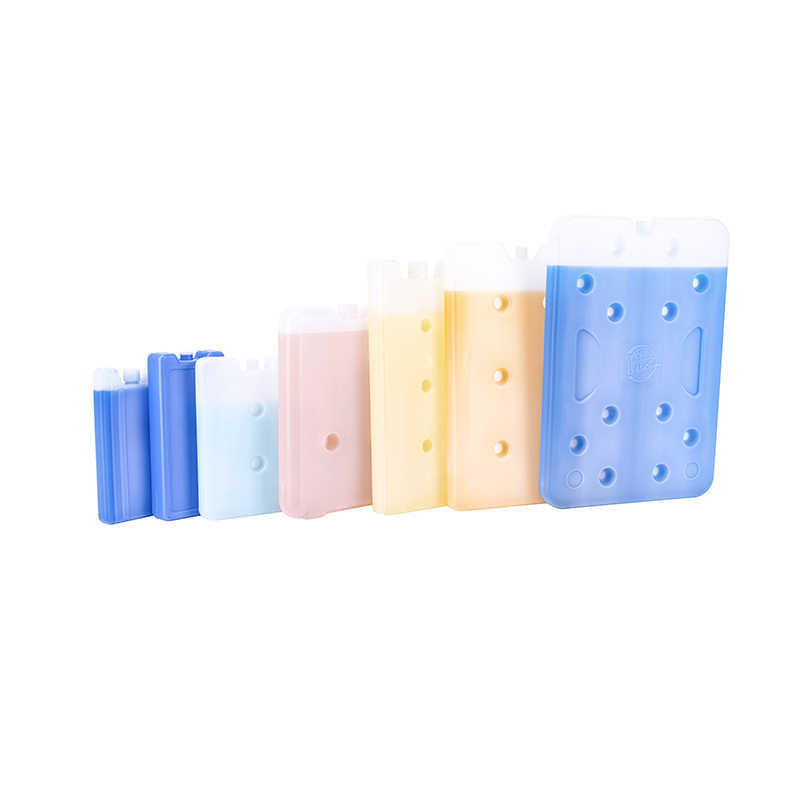
Starre HDPE-Kühlakkus
Nützlich für EPP-Boxen, medizinische Kühlboxen, Versandtaschen und Rücklaufschlaufen, die langlebige Schalen benötigen, einfache Reinigung, feste Platzierung und Bestandskontrolle.
Wiederverwendbare Kühlakkus ansehenKundenspezifische Kühlelementsysteme für reproduzierbare Packouts
Wählen Sie den Phasenpunkt, PCM-Ausführung, Abmessungen, Hülse, Konditionierungsmethode, feste Platzierung, Etiketten und Anforderungen an Nachbestellungen im Hinblick auf Ihre Produktgrenzen und die isolierte Versandbox.
Bereiten Sie Ihre Musteranfrage vor
Wählen Sie die Versanddetails Ihrer Qualität aus, Logistik und Verpackungsteams wissen es bereits. Tempk kann das Briefing nutzen, um Muster zu empfehlen; der letzte Phasenpunkt, Menge und Platzierung müssen im kompletten Packout überprüft werden.
Was angepasst werden soll?
Wählen Sie die Betriebsform
Starre Kühlakkus, flexible Beutel und Panel-Arrays lösen unterschiedliche Passform- und Handhabungsprobleme. Wählen Sie die Form nach nutzbarem Kammerraum und Wiederholbarkeit, nicht nur das Aussehen.
Nützlich für EPP-Boxen, medizinische Kühlboxen, Versandtaschen und Rücklaufschlaufen, die langlebige Schalen benötigen, einfache Reinigung, feste Platzierung und Bestandskontrolle.
Wiederverwendbare Kühlakkus ansehenNützlich, wenn das Kühlmittel in schmale Seitenspalte passen muss, Deckelräume oder unregelmäßige Nutzlasten bei begrenztem ungenutztem Volumen in einer Einweg-Versandbox.
Vergleichen Sie das Verhalten von PCMGeeignet für standardisierte medizinische oder hochwertige Versandboxen, bei denen jede Panelposition, Konditionierungszustand, Separator und der Loggerpunkt wird aufgezeichnet.
Pharmaverpackungen planenKombiniert starres und flexibles PCM oder PCM mit einer anderen zugelassenen Kältequelle, wenn die Kammer sowohl eine feste Kapazität als auch eine lückenfüllende Abdeckung benötigt.
Planen Sie Packout-TestsNachbestellungskontrolle
Ein wiederholbares Packout hängt von mehr als der Kühlmittelformel ab. Die physikalische Einheit, Ausgangsbedingung, Position und Betriebsprüfungen müssen mit der getesteten Baugruppe übereinstimmen.
Fixieren Sie den Phasenpunkt, Formulierungsreferenz, Füllmasse oder Volumen, Chargenkontrollen und Etikett, das für das genehmigte Programm verwendet wird.
Legen Sie die Außenmaße fest, Dicke, Schale oder Folie, Orientierung, Anzahl der Einheiten und Kammerabstand.
Konditionierungstemperatur aufzeichnen, minimale Konditionierungszeit, Staging-Grenze und wie einsatzbereite Einheiten identifiziert werden.
Kontrollieren Sie die Platzierung, Separatoren, Eröffnungssequenz, Reinigung, Inspektion, Inventar und Ausmusterung beschädigter Einheiten.
Wählen Sie nach Temperaturanforderung
Verwenden Sie diese Optionen, um die ersten Samples einzugrenzen. Die endgültige Leistung hängt von der Nutzlast ab, PCM-Menge, Konditionierung, Isolierung, Platzierung und Streckenprofil zusammenarbeiten.
| Versandanforderung | PCM Startoption | Platzierung und Trennung | Was die Muster bestätigen soll |
|---|---|---|---|
| 2–8°C frostempfindliches Arzneimittel | Konditioniertes PCM, ausgewählt anhand der genehmigten Produktgrenzwerte, in einer starren Platte, Kühlakku oder feste Beutelanordnung. | Verwenden Sie eine separate Nutzlastkammer und verhindern Sie den direkten Kontakt mit gefrorenem Kühlmittel, sofern die qualifizierte Konstruktion dies nicht zulässt. | Wärmste und kälteste Produktpunkte, Einfrierrisiko, Verzögerungsspielraum, Wiederholbarkeit der Konditionierung und Montagegenauigkeit. |
| 15–25°C kontrollierte Raumtemperatur | PCM-Phasenverhalten und Startbedingung, ausgewählt für den Schutz sowohl in der heißen als auch in der kalten Jahreszeit. | Platzieren Sie die Einheiten, um die äußere Einwirkung abzufedern, ohne dass neben der Nutzlast eine lokale Kältezone entsteht. | Sommerhitzeeinbruch, Winterkälte einweichen, Übergabeübergänge, Inszenierungszeit und saisonale Bedienungsanleitungen. |
| Gekühlte Speisen oder Lieferung vor Ort | Starre Kühlakkus oder PCM-Beutel, abgestimmt auf den verfügbaren Platz in Tasche oder Box und den erforderlichen Lieferzyklus. | Taschen verwenden, Trenner oder feste obere und seitliche Positionen, um die Bewegung zu stoppen, zerquetschen oder direkter Kontakt mit zerbrechlichen Lebensmitteln. | Ankunftszustand, Kondensation, Produktdruck, Taschenbalance, Öffnungshäufigkeit, Reinigung und Wiedereinfrieren des Arbeitsablaufs. |
| Gefrorene Route | Subzero PCM oder ein Hybridsystem im Vergleich zu anderen zugelassenen gefrorenen Kältequellen und Trägerbeschränkungen. | Verteilen Sie die Kältequelle in der Gefrierkammer und schützen Sie dabei die Verpackung, Etiketten und Produkte aus konzentriertem Kontakt. | Erwärmung der Nutzlast, verbleibende Kältequelle, Streckenverzögerung, Druck- oder Dampfüberlegungen, Etiketten und Empfängerhandling. |
Bringen Sie das Kühlmittel in der Kammer an
Gefrorene oder konditionierte Dicke, Kappenspiel, geformte Ecken, Teilerposition, Entfernung der Nutzlast und Packgeschwindigkeit beeinflussen, ob ein Kühlakku in der Praxis funktioniert.
Geben Sie die Innenmaße der Versandbox und die Nutzlastabmessungen an, nicht nur die äußere Kartongröße.
Überprüfen Sie das Gerät nach der Konditionierung auf Dicke, Ebenheit, fit und Oberflächenzustand.
Taschen verwenden, Slots, Etiketten, Farben oder ein Packdiagramm, damit die Bediener das gleiche Layout wiederholen können.
Überprüfen Sie die Trennwände und Druckstellen rund um die Kartons, Fläschchen, Tabletts, Flaschen und Etiketten.
Konditionierung und Wiederverwendung
Ein gutes Muster kann im täglichen Einsatz dennoch versagen, wenn ein Kühlakku nur teilweise konditioniert ist, zu lange inszeniert, im falschen Steckplatz platziert oder ohne Prüfung zurückgegeben werden.
Verwenden Sie eine Teilenummer, Farbe, Etikett, Phasenpunktreferenz und Mengenliste, damit verschiedene Kühlmittelfamilien nicht vermischt werden.
Ausstattung definieren, Lademuster, Konditionierungstemperatur, Mindestzeit, Staging-Grenze und Bereitschaftsprüfung.
Verwenden Sie nummerierte Positionen, Separatoren, ein Packungsdiagramm und Logger-Standorte, die mit dem Muster oder der genehmigten Baugruppe übereinstimmen.
Überprüfen Sie die Leckage, Kappen- oder Schweißnahtintegrität, Verformung, Kontamination, Etiketten und fehlende Einheiten vor der Überholung.
Wählen Sie Ihre individuellen Optionen
| Anpassungsartikel | Entscheidungen zur Bereitstellung | Was das Muster oder die Genehmigung bestätigen soll |
|---|---|---|
| Phasenpunkt und Formulierung | Produktgrenzen, Zielband, Gefrierempfindlichkeit, saisonales Profil, Wiederverwendungsbedarf und Materialanforderungen. | Ausgewählte PCM-Referenz, Konditionierungszustand, thermisches Verhalten im gesamten Packout und vereinbarte Dokumentation. |
| Abmessungen und Kapazität | Maximale Länge, Breite, Dicke, Kammerabstand, Nutzlastanordnung und erforderliche Platzierung. | Konditionierte Passform, nutzbares Nutzlastvolumen, Orientierung, Taschen- oder Rack-Passform und Packgeschwindigkeit. |
| Schale oder Beutel | Starrer HDPE, flexible Folie, Plattenkonstruktion, verschließen oder verschweißen, Einstichbelastung und Reinigungsprozess. | Auslaufsicherheit, Verschlussintegrität, Oberflächenzustand, Handhabung und Kompatibilität mit dem beabsichtigten Betrieb. |
| Farbe, Etikett und Nummerierung | Farbcodierung, Logo, Produkt-ID, Phasenpunktbezeichnung, Konditionierungsanweisungen, Barcode und Warntext. | Druckdaten, Druck- oder Etikettenhaftung, Scanbereich, Klarheit für den Bediener und Rückverfolgbarkeit durch Rückgabe und Wiederverwendung. |
| Konditionierungs- und Packungsanleitung | Ausrüstung, Temperatur, Zeit, Inszenierung, Montagereihenfolge, Separatoren, Loggerpunkte und Erhalt von Schecks. | Eine wiederholbare SOP oder ein Packdiagramm, das geschulte Bediener befolgen können, ohne das getestete Layout zu ändern. |
| Karton und Nachlieferung | Einheiten pro Karton, Schutzverpackung, Palettenplan, Exportetikett, monatlicher Bedarf, Inspektion und Nachbestellcode. | Zugelassene Kartonanzahl, Transportschutz, Eingangskontrolle, Chargenreferenz und Nachbestellungsspezifikation. |
Von Mustern bis hin zu Nachbestellungen
Dokumentieren Sie die Nutzlast, Temperaturgrenzen, Route, Absender und Betriebsbeschränkungen.
Vergleichen Sie das Phasenverhalten von PCM, bilden, Abmessungen, Konditionierung und Kammerplatzierung.
Zustandsmustereinheiten und Überprüfungstaschen, Trenner, Nutzlastraum, Etiketten und Packgeschwindigkeit.
Testen Sie die vollständig beladene Versandbox unter den vereinbarten Umgebungs- und Routenbedingungen.
Genehmigen Sie die Gerätespezifikation, Konditionierungsprotokoll, Verpackungsdiagramm, Kartonplan und Nachbestellcode.
Vervollständige das PCM Packout
Qualifikationsreferenz: Gesundheits- und Impfstoffprojekte sollten den Qualitätsanforderungen des Produkteigentümers und den geltenden Transportverfahren entsprechen. WHO/PQS erkennt PCM-Packs als Kühlelemente mit Phasenwechseltemperaturen außerhalb von 0 °C an, während ISta 7e bietet einen Rahmen für die Bewertung von Thermotransportverpackungen im Hinblick auf die Einwirkung äußerer Temperaturen.
Fragen vor der Musternahme
NEIN. Ein kälterer Phasenpunkt kann das direkte Kontakt- oder Gefrierrisiko für empfindliche Produkte erhöhen. Wählen Sie PCM anhand der genehmigten Produktgrenzen aus, Ausgangsbedingung, Isolierung, Route und Trennung, Testen Sie dann das vollständige Packout.
Projektspezifische PCM-Optionen können besprochen werden, aber das gewünschte Phasenverhalten, Kompatibilität, Konditionierungsmethode, Menge und die Dokumentation muss überprüft werden, bevor Muster oder Großlieferungen genehmigt werden.
Starre Kühlakkus eignen sich für feste, wiederverwendbare Layouts und einfache Reinigung. Flexible Beutel passen in enge Räume und unregelmäßige Nutzlasten. Die richtige Wahl hängt von den Kammerabmessungen ab, Druckstellen, Wiederverwendung und Verpackungsablauf.
Es gibt keine zuverlässige universelle Nummer. Die Menge hängt von der Nutzlastmasse ab, Starttemperatur, Leistung des Verladers, Einheitsphasenverhalten, Umgebungsprofil, Streckendauer, Platzierung und akzeptabler Ankunftszustand.
Ja. Im zugelassenen Packout sollte die Konditionierungsausrüstung angegeben sein, Temperatur, Mindestzeit, Staging-Grenze, Bereitschaftsprüfung, Anzahl der Einheiten, Orientierung und Platzierungsreihenfolge.
Sie können ein wiederverwendbares Programm unterstützen, wenn die Rückführung eine Reinigung umfasst, Inspektion, Inventar, Überholung und Ruhestandskriterien für Undichtigkeiten, deformiert, kontaminiert oder nicht identifizierbare Einheiten.
Teilen Sie die Produktlimits mit, Nutzlast, Route, Isolierte Versandbox, Konditionierungsausrüstung, bevorzugte PCM-Ausführung, Modell wiederverwenden, Menge und erforderliche Prüf- oder Zulassungsaufzeichnungen. Tempk kann Muster empfehlen und ein OEM-Angebot erstellen.