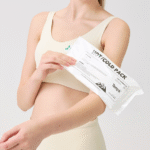
Le beurre semble stable car il est dense et riche en matières grasses, mais les itinéraires de colis chauds peuvent toujours créer un adoucissement visible, coloration de l'emballage, huilage, et déformation de forme. Un emballage de beurre devrait protéger la température, état du carton, exposition aux odeurs, et bloquer la géométrie. Ceci est particulièrement important pour le beurre de culture de première qualité, packs de vente au détail importés, kits d'ingrédients de boulangerie, et boîtes d'épicerie réfrigérées mélangées.
Butter chaîne du froid planning data
| Plage cible typique | 0-4 C pour le beurre réfrigéré au détail; les itinéraires de beurre congelé nécessitent un plan de validation distinct. |
|---|---|
| Humidité et condensation | Contrôlez l'humidité afin d'envelopper le papier d'aluminium, carton, étiquettes, et les pochettes multipack ne ramollissent pas et ne tachent pas. |
| Pré-refroidissement | Pré-refroidir les blocs et les cartons de beurre avant de les charger; le beurre chaud peut se déformer avant que le pack de gel ne stabilise la boîte. |
| Pression d'emballage | Utilisez des cartons ou des manchons rigides pour arrêter les bosses dans les coins, marques d'emballage, et bloquer la déformation sous le poids du liquide de refroidissement. |
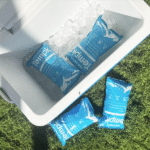
| Emplacement du liquide de refroidissement | Placez des packs de gel autour de la charge utile avec une barrière plate. Évitez tout contact direct avec le gel dur qui pourrait fissurer les emballages ou créer des marques humides.. |
| Durée du transit | Convient pour validé 24-72 h colis réfrigérés selon la masse de beurre, nombre de cartons, taille de l'expéditeur, et profil ambiant. |
| Pertes communes | Ramollissement, huilage, captation des odeurs, coloration de l'emballage, carton écrasé, et dommages à la saveur causés par les produits aromatiques à proximité. |
| Ajustement de l'emballage Tempk | Expéditeur isolé, packs de gel conditionnés, barrière contre l'humidité, insert rigide, séparation des odeurs, et validation de l'enregistreur de température. |
Pourquoi le beurre diffère du lait et du yaourt
Le beurre est moins fragile que les produits laitiers liquides, mais il est sensible à la chaleur et à la pression d'une manière différente. Le lait et le yaourt ont besoin d'une protection contre les fuites et le couvercle de la tasse; le beurre a besoin d'une protection contre la forme et d'une séparation des odeurs. Si un pack de gel congelé repose directement sur un bloc de beurre enveloppé dans du papier, la surface peut accumuler de l'humidité et transférer des marques. Si l'itinéraire est trop chaud, le beurre peut ramollir, perdre les bords carrés, et arriver avec des taches d'huile sur l'emballage.
Pour les expéditions de beurre réfrigéré, pré-refroidissez le produit et utilisez un expéditeur qui maintient les cartons à plat sans permettre de lourds packs de gel presser dans le produit. Ajouter une barrière contre l'humidité entre le liquide de refroidissement et le beurre, utilisez ensuite un insert rigide ou une pile de cartons serrés pour empêcher les blocs de bouger. Quand le beurre accompagne les fruits de mer, viande, fromage, ou des aliments aromatiques, conservez-le dans un sac intérieur scellé ou dans une cavité séparée pour réduire la capture des odeurs.
Outils de décision utiles
Vérifiez les détails avant de choisir l'emballage
Ces outils rapides peuvent vous aider à comparer le risque d'itinéraire, besoins de dimensionnement, choix de liquide de refroidissement, et les détails de l'emballage avant de demander un devis.
Calculateur de glace carbonique
Estimer les besoins en glace carbonique pour les envois congelés ou ultra-froids avant l'emballage.
Estimation de la neige carboniqueRéférence du matériau isolant
Comparez les choix de matériaux d'isolation pour différents besoins d'emballage de la chaîne du froid.
Comparez les matériauxDoublure de boîte & Dimensionnement des couvertures de palettes
Vérifiez la logique de dimensionnement du revêtement de boîte et du couvercle de palette pour les projets d'emballage isotherme.
Dimensionnement estiméApproche d'emballage Tempk recommandée
Tempk utiliserait normalement un compact boîte isotherme ou expéditeur EPS, packs de gel conditionnés, une barrière de protection plate, et un insert de support de carton. Pour les packs de vente au détail premium, la validation doit inclure la forme du bord, sécheresse de l'enveloppe, contrôle des odeurs, et température d'arrivée. Pour le beurre de boulangerie ou de restauration, le packout peut être plus dense en charge utile, mais il a toujours besoin d'un enregistrement de la température et d'un modèle de chargement qui empêche les dommages dus à la charge supérieure..
FoodSafety.gov donne rangement froid des conseils à 40 F (4 C) ou inférieur pour les aliments réfrigérés, et le FDA Food Code est utilisé comme modèle de protection des aliments au détail. Pour le transport commercial, ces références sont des points de départ. L'emballage final doit être validé avec le format exact du beurre, itinéraire de palette ou de colis, profil ambiant, conditionnement du liquide de refroidissement, et recevoir la norme.