Dry Ice Bags at Walmart: What Should You Choose?
If you need to keep goods frozen, dry ice bags at Walmart can work—when you size, pack, and vent them correctly. This guide gives you safe-use steps, shipping rules of thumb, and sustainable options, including reusable “dry ice” packs for 2025 operations. Typical sublimation is ~5–10 lb per 24 hours in a cooler—plan accordingly.
Updated: September 2025
Pick the right bag and size for frozen transport (dry ice bag size for shipping)
Pack and label safely to avoid pressure risks (vented dry ice packaging)
Estimate refrigerant with a quick calculator (how much dry ice do I need?)
Compare options vs. reusable packs (reusable dry ice pack alternative)
Recycle packaging the right way (dry ice bag recycling 2025)
How do you choose the right dry ice bag at Walmart?
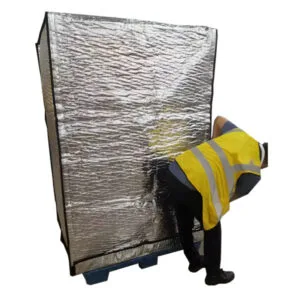
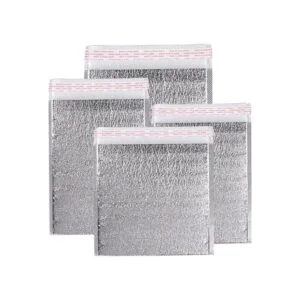
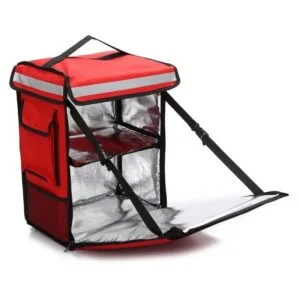
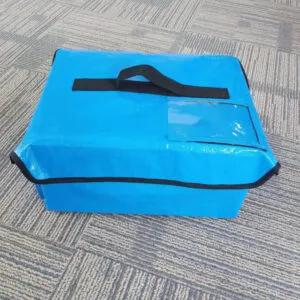
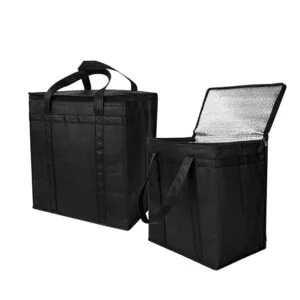
Start with vented, sturdy bags sized to your payload; place dry ice above the items and allow gas to escape. Use insulated liners for longer routes and avoid airtight seals to prevent CO₂ pressure buildup. Aim for simple, repeatable packing steps your team can follow every time.
What size dry ice bag do you actually need?
Choose capacity by transit hours and box volume. As a rule of thumb, dry ice disappears (sublimates) steadily, not suddenly—plan for margin. If you’re close to the limit, add insulation first before piling on more dry ice; it slows loss and saves cost.
| Sizing Input | Typical Range | Quick Guide | What it means for you |
|---|---|---|---|
| Transit time | 12–72 hours | Longer time = more lbs | Add 25% buffer for delays |
| Box volume | 10–60 qt | Bigger box = more loss | Fill voids to slow warming |
| Insulation | Basic → Premium | Better liner = less ice | Cheapest way to extend hold |
| Venting | Loose lid/vents | Never airtight | Eliminates pressure risk |
Practical tips you can use today
Short delivery (≤24 h): Use 5–10 lb dry ice in a lined cooler; dry ice bags at Walmart are adequate for personal and small orders.
Weekend trip (48 h): Move to a foam cooler + liner; pre-chill box, place ice on top.
Power outage: Park a block on a tray in your freezer; crack the door occasionally for ventilation.
Real-world case: A Texas bakery kept cheesecakes frozen for two-day ground by packing ~5 lb per shipment, then switched to reusable “dry ice” packs and cut consumable costs by ~22% while keeping product quality.
How do you pack and ship with dry ice safely (and compliantly)?
Use a vented cooler or lined shipper, place dry ice on top, label the outside “Dry Ice (Carbon Dioxide, Solid)” and list net weight. Train staff on glove use, ventilation, and not sealing CO₂ in airtight containers.
How much dry ice should you buy?
Use this quick estimator, then test once and standardize.
| Scenario | Transit | Estimator | For you |
|---|---|---|---|
| Meal kit (small) | 24 h | ~7 lb | One Walmart bag block may suffice |
| Cheesecake (insulated) | 36–48 h | 10–14 lb | Add liner; keep on top |
| Ice cream (premium) | 48–72 h | 14–21 lb | Upgrade insulation first |
When should you choose reusable “dry ice” packs instead?
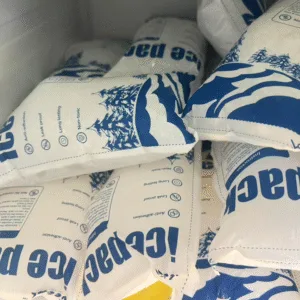
Reusable packs eliminate CO₂ handling, labels, and last-minute restocking—ideal for frequent shipments ≤72 hours. They sustain sub-zero temps when pre-frozen, reduce hazmat steps, and can be refrozen repeatedly, lowering total cost over time.
Dry ice vs. reusable packs (what’s different?)
| Factor | Dry Ice (Retail) | Reusable “Dry Ice” Packs | Meaning for you |
|---|---|---|---|
| Temperature | Ultra-cold (−78.5 °C) | Sub-zero (e.g., −20 °C) | Packs protect delicate items |
| Duration | Scales with pounds | Fixed by pack + insulation | Add liners before more ice |
| Handling | Gloves + ventilation | Simple, non-hazmat | Faster training, fewer errors |
| Cost model | Per-shipment | Reusable asset | Lower cost over month/quarter |
How do you recycle dry ice bags and packaging in 2025?
Let residual dry ice evaporate in a ventilated area, then sort packaging: foam (EPS) to designated drop-offs if available, clean films to store bins where accepted, and non-toxic gel pack pouches to plastics recycling per local rules. Avoid drains; never seal CO₂.
Quick recycle checklist (printable)
Vent remaining dry ice outdoors until gone
Wipe condensation, dry components fully
EPS foam: check local drop-off; otherwise reuse as liner
Plastic films/liners: clean → store bin if accepted
Gel packs: confirm non-toxic → trash gel → recycle pouch if allowed
Helpful decision tools
Check the details before you choose packaging
These quick tools can help you compare route risk, sizing needs, coolant choices, and packaging details before you request a quote.
01Ice pack estimateIce Pack Calculator
Estimate gel ice pack quantity for chilled shipments and practical route planning.
Estimate ice packs02Packaging choicePackaging Selector
Compare insulated packaging options by product, route, and temperature need.
Find packaging03Checklist supportCompliance Checklist Generator
Build a practical checklist for packaging review, shipping, and documentation.
Build checklist
2025 trends: what’s new for cold shipments?
The 2025 playbook emphasizes safer venting, better insulation, and smarter monitoring. Teams are shifting to reusable refrigerants and biobased liners while standardizing labeling SOPs. Bluetooth temperature loggers are common for high-value loads, and dry ice bags at Walmart remain a convenient retail source for small, local or ad-hoc needs.
At a glance
Safer packaging defaults: Vented lids and CO₂ escape paths as standard work
Eco-forward kits: Less foam, more recyclable films; reuse first, recycle second
Smarter QA: Lightweight sensors verify hold time without opening boxes
FAQ
Does Walmart always carry dry ice and bags?
Availability varies by store and season. Ask customer service, bring a cooler, and handle with gloves.
How long will one bag keep food frozen?
Plan around 5–10 lb per 24 hours in a typical cooler. Insulation, fill rate, and ambient heat affect results—test once, then standardize your SOP.
Is it safe to seal dry ice inside a plastic bag?
No. Never create an airtight seal. Always provide a vent path so CO₂ can escape and pressure can’t build.
When are reusable packs better than dry ice?
For frequent shipments ≤72 hours, or for products sensitive to ultra-cold, reusable packs simplify handling, avoid hazmat steps, and often reduce total cost.
Summary & next steps
Key points: Pick vented bags sized to your lane, position dry ice on top, and label correctly. Upgrade insulation before adding more ice. Reusable packs remove hazmat friction and cut recurring spend. Recycle or reuse packaging to reduce waste.
Do this next:
Baseline test: Pack one lane, log temps, note hold time
Tune insulation: Add liners, reduce voids, retest
Right-size refrigerant: Apply the estimator; add 25% buffer
Pilot reusable packs: Compare cost and QA over 4 weeks
Standardize SOPs: Train on gloves, venting, labels; post a checklist
CTA: Need a tailored pack-out? Talk to a Tempk cold-chain specialist today.
Internal linking (recommended)
Dry Ice Shipping Best Practices
Reusable “Dry Ice” Pack Buyer’s Guide
Dry Ice Safety: Venting and Handling
Cold Shipper Cost Calculator
Packaging Sustainability Playbook
About Tempk
We design cold-chain packaging that is reliable, reusable, and regulation-ready—from insulated shippers to reusable “dry ice” packs tested for multi-day performance. Our in-house QA helps you lock in consistent hold time while reducing consumables and waste. Talk with us about the right kit for your lanes.
Next step: Consult a Tempk Specialist