

-768x767.jpg)





Prepared food and pizza delivery
Match the bag opening and depth to the final food containers. Check closure, spill control, carrying points, wipe-down access and how hot and chilled orders will be separated.
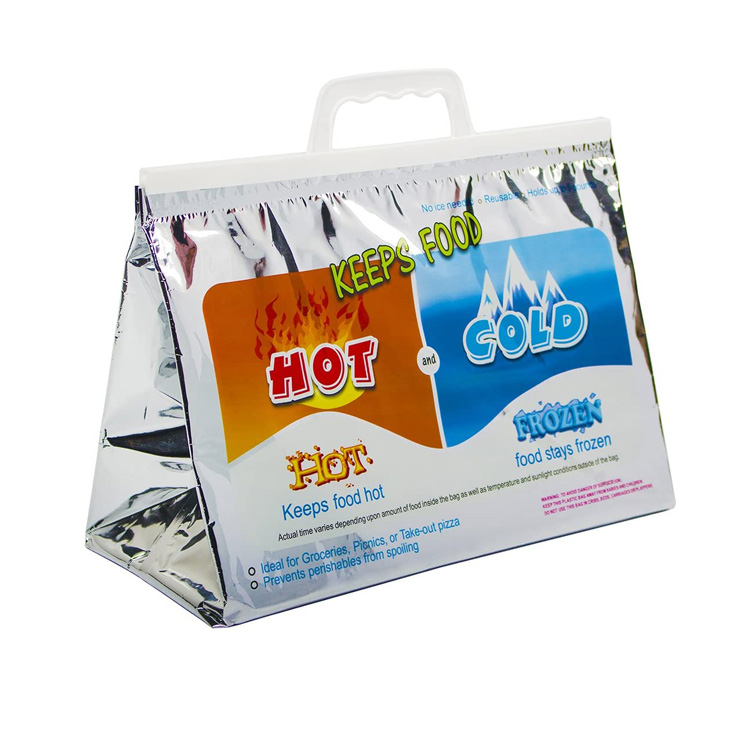
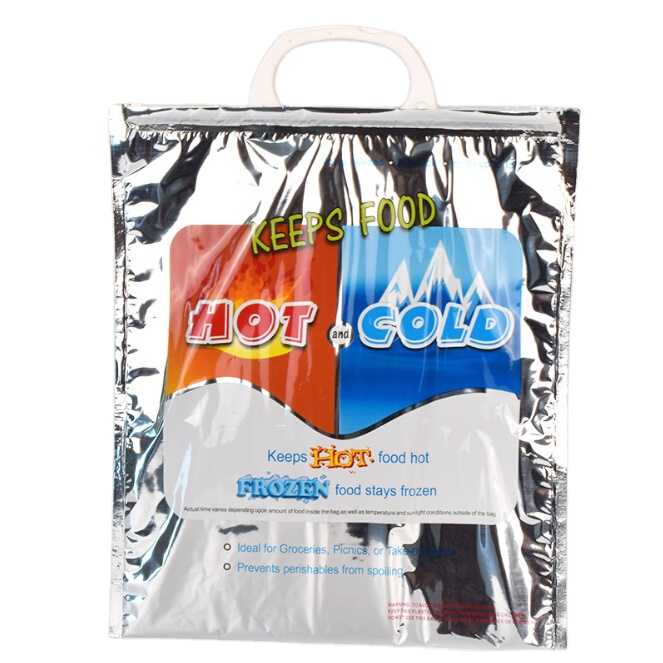
Insulated delivery bags, thermal delivery bags and insulated shipping bags are passive packaging components that slow heat transfer during prepared-food, grocery, medical and parcel routes. Select the format from payload size, starting condition, route time, number of openings, ambient exposure, closure, leak or moisture risk, cleaning and reuse, and any conditioned coolant. An insulated bag does not create a fixed temperature; validate the complete packout before assigning a temperature range or route duration.
Start with what is being carried, the loaded dimensions and weight, starting condition, delivery time, number of stops, expected ambient exposure and how often the bag will be opened. Then compare insulation, lining, closure, compartments, carrying method, cleaning and whether conditioned coolant belongs in the tested packout.
Match the bag opening and depth to the final food containers. Check closure, spill control, carrying points, wipe-down access and how hot and chilled orders will be separated.
Review rider fit, straps, load stability, dividers, visibility details, rain exposure and whether the route needs an expandable compartment or ticket pocket.
Choose the bag volume from the actual payload and stop pattern. Include leak risk, fragile containers, conditioned gel packs, cleaning frequency and repeated handling.
For goods moving inside cartons or on pallets, compare an insulated shipping liner or pallet cover with a hand-carried delivery bag. The format should follow the load and handling method.
The category grid contains 15 products across food delivery, medical transport, parcel liners and pallet protection. The examples below show how to narrow the format before reviewing every product card.
| Tempk option | Construction and route fit | What to confirm |
|---|---|---|
| 210D nylon pizza delivery bag | Lightweight nylon shell, aluminium interior, zipper access and side handles for flat food boxes and restaurant handoffs. | Final pizza-box dimensions, loading depth, zipper clearance, handle load and cleaning process. |
| Insulated food delivery backpack | 600D Oxford backpack with thermal core, removable dividers, reflective details and an expandable bottom for bike or scooter routes. | Rider fit, payload layout, divider positions, visibility, rain exposure and route cleaning. |
| 500D PVC delivery cooler bag | Wipe-clean PVC outer shell with a layered insulated construction for repeated restaurant, grocery, beverage and sample routes. | Payload volume, closure and handle, lining, coolant position, seam wear and drying after use. |
| Double-layer delivery cooler bag | Water-resistant Oxford shell, foil lining, support boards, dividers and several carrying options for organized multi-item deliveries. | Capacity, compartments, hot and chilled separation, closure, straps and ticket-pocket needs. |
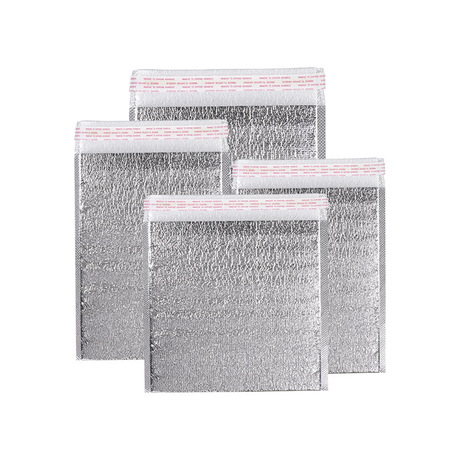
| Thermal bubble foil mailing liner | Folded aluminium-foil and EPE or bubble liner for carton-sized food, dairy, confectionery, sample or retail-kit parcels. | Carton fit, gusset, payload protection, coolant layout, fold-over closure and seasonal test conditions. |
| Medical cooler bag with PCM plate slots | Portable medical bag with dedicated PCM plate positions, compartments and optional monitoring and security features. | Payload, conditioned PCM plan, sensor placement, acceptable limits, route duration and representative qualification. |
Excess empty space, overfilling, incomplete closure and repeated opening increase heat exchange. Size the bag around the loaded containers and the actual handoff process.
Outer fabric, reflective film, foam or bubble layers, seams, dividers and inner lining affect insulation, handling, leak management, cleanability and durability.
Starting temperature, ambient conditions, sunlight, stop count, payload mass, conditioned coolant and sensor position must be evaluated together. Bag material alone does not establish a holding time.
Insulated delivery bag or thermal delivery bag: usually means a flexible, hand-carried or backpack-style container for prepared food, grocery, beverage, samples or local chilled delivery. The names often overlap.
Insulated shipping bag or liner: usually sits inside an outer carton or mailer for parcel transport. A pallet cover protects a much larger grouped load. Compare the physical format, not only the keyword used to describe it.
The terms often describe the same general product family. Compare the actual outer material, insulation, lining, closure, compartments, carrying method, cleaning process and tested packout instead of choosing from the name alone.
No fixed temperature or duration should be assumed from the bag alone. It is a passive barrier, and performance depends on payload, starting condition, route exposure, openings, fit and any conditioned coolant used in the complete packout.
Choose from the final food containers and route. Pizza bags suit flat boxes, backpacks support bike or scooter delivery, and structured cooler bags help organize meals, drinks and mixed orders. Confirm closure, spill control, cleaning and separation needs.
Use a liner when the temperature-sensitive payload travels inside a carton or mailer rather than being carried directly by a courier. Match the liner to the carton, payload, coolant and parcel route, then test the complete shipment.
Provide payload dimensions and weight, starting condition, acceptable temperature limits, route time and stops, ambient range, opening pattern, coolant and monitoring plan, closure, carrying method, cleaning, reuse and branding requirements.
What buyers and packing teams found useful when they compared this product family with their own packing process.
We tried the format with the load and outer packaging we use every day. It was much easier to judge the fit once everything was in place.
The team checked how it opened, closed, lifted and stored. Those handling details mattered as much as the dimensions on paper.
Seeing the material and seams in a sample helped us narrow the options before discussing size and printing.
Start with what is being carried, the loaded dimensions and weight, starting condition, delivery time, number of stops, expected ambient exposure and how often the bag will be opened. Then compare insulation, lining, closure, compartments, carrying method, cleaning and whether conditioned coolant belongs in the tested packout.
Match the bag opening and depth to the final food containers. Check closure, spill control, carrying points, wipe-down access and how hot and chilled orders will be separated.
Review rider fit, straps, load stability, dividers, visibility details, rain exposure and whether the route needs an expandable compartment or ticket pocket.
Choose the bag volume from the actual payload and stop pattern. Include leak risk, fragile containers, conditioned gel packs, cleaning frequency and repeated handling.
For goods moving inside cartons or on pallets, compare an insulated shipping liner or pallet cover with a hand-carried delivery bag. The format should follow the load and handling method.
The category grid contains 15 products across food delivery, medical transport, parcel liners and pallet protection. The examples below show how to narrow the format before reviewing every product card.
| Tempk option | Construction and route fit | What to confirm |
|---|---|---|
| 210D nylon pizza delivery bag | Lightweight nylon shell, aluminium interior, zipper access and side handles for flat food boxes and restaurant handoffs. | Final pizza-box dimensions, loading depth, zipper clearance, handle load and cleaning process. |
| Insulated food delivery backpack | 600D Oxford backpack with thermal core, removable dividers, reflective details and an expandable bottom for bike or scooter routes. | Rider fit, payload layout, divider positions, visibility, rain exposure and route cleaning. |
| 500D PVC delivery cooler bag | Wipe-clean PVC outer shell with a layered insulated construction for repeated restaurant, grocery, beverage and sample routes. | Payload volume, closure and handle, lining, coolant position, seam wear and drying after use. |
| Double-layer delivery cooler bag | Water-resistant Oxford shell, foil lining, support boards, dividers and several carrying options for organized multi-item deliveries. | Capacity, compartments, hot and chilled separation, closure, straps and ticket-pocket needs. |
| Thermal bubble foil mailing liner | Folded aluminium-foil and EPE or bubble liner for carton-sized food, dairy, confectionery, sample or retail-kit parcels. | Carton fit, gusset, payload protection, coolant layout, fold-over closure and seasonal test conditions. |
| Medical cooler bag with PCM plate slots | Portable medical bag with dedicated PCM plate positions, compartments and optional monitoring and security features. | Payload, conditioned PCM plan, sensor placement, acceptable limits, route duration and representative qualification. |
Excess empty space, overfilling, incomplete closure and repeated opening increase heat exchange. Size the bag around the loaded containers and the actual handoff process.
Outer fabric, reflective film, foam or bubble layers, seams, dividers and inner lining affect insulation, handling, leak management, cleanability and durability.
Starting temperature, ambient conditions, sunlight, stop count, payload mass, conditioned coolant and sensor position must be evaluated together. Bag material alone does not establish a holding time.
Insulated delivery bag or thermal delivery bag: usually means a flexible, hand-carried or backpack-style container for prepared food, grocery, beverage, samples or local chilled delivery. The names often overlap.
Insulated shipping bag or liner: usually sits inside an outer carton or mailer for parcel transport. A pallet cover protects a much larger grouped load. Compare the physical format, not only the keyword used to describe it.
The terms often describe the same general product family. Compare the actual outer material, insulation, lining, closure, compartments, carrying method, cleaning process and tested packout instead of choosing from the name alone.
No fixed temperature or duration should be assumed from the bag alone. It is a passive barrier, and performance depends on payload, starting condition, route exposure, openings, fit and any conditioned coolant used in the complete packout.
Choose from the final food containers and route. Pizza bags suit flat boxes, backpacks support bike or scooter delivery, and structured cooler bags help organize meals, drinks and mixed orders. Confirm closure, spill control, cleaning and separation needs.
Use a liner when the temperature-sensitive payload travels inside a carton or mailer rather than being carried directly by a courier. Match the liner to the carton, payload, coolant and parcel route, then test the complete shipment.
Provide payload dimensions and weight, starting condition, acceptable temperature limits, route time and stops, ambient range, opening pattern, coolant and monitoring plan, closure, carrying method, cleaning, reuse and branding requirements.