


VIP


VIP Insulated Boxes for High-Performance Cold Chain Shipping

VIP Board Vaccine Carrier Cooler Box for Refrigerated Routes
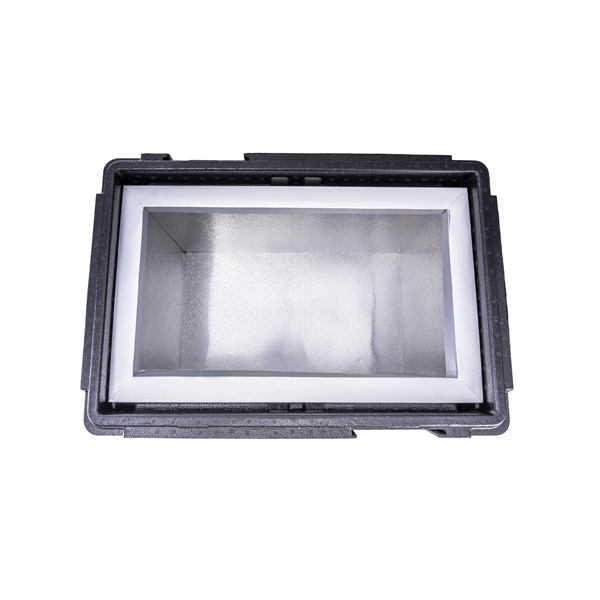
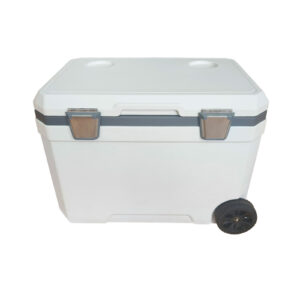
VIP Medical Cool Box for Pharma Shipping and Sample Routes
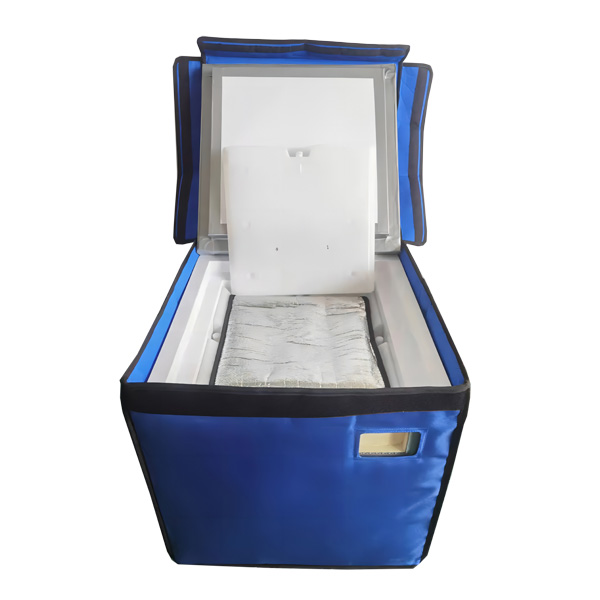
100L VPU Medical Cooler Box for Qualified Cold Chain Packouts
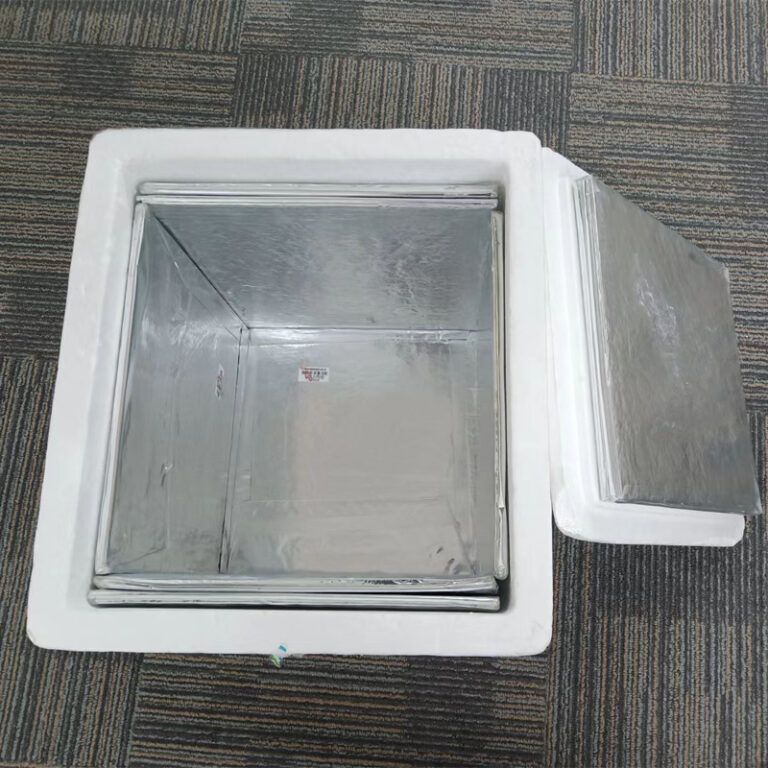
Removable VIP Cooler Box for Flexible Medical Packout Trials

Collapsible VPU Cooler Box for Temperature-Controlled Medicine
VIP insulated boxes for routes that need stronger thermal buffering
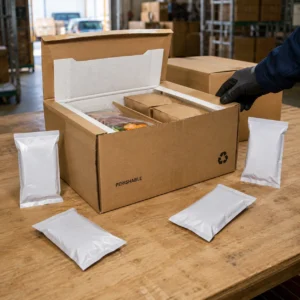
Tempk VIP insulated boxes and vacuum insulation panel packouts are built for customers who need higher thermal performance than standard foam or carton insulation can provide. They are often used for vaccines, medicine, diagnostic samples and other sensitive shipments where route duration, payload value and temperature risk require a stronger box system.
VIP vaccine carriers
High-performance carriers for vaccine and medicine routes that need stronger insulation.
Vacuum insulation panels
Removable or integrated VIP panels for cooler boxes and medical packout systems.
Hybrid insulated boxes
VIP panels can be combined with plastic shells, EPP boxes or liners depending on route needs.
Custom thermal packouts
Panel layout, payload chamber and coolant placement can be planned for project routes.
Product advantages
- VIP panels provide stronger thermal buffering in a thinner insulation layer than many conventional materials.
- Useful for long routes, high-value payloads or seasonal ambient exposure risks.
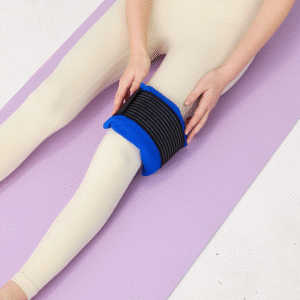
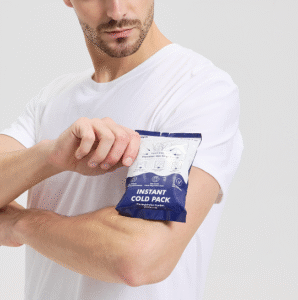
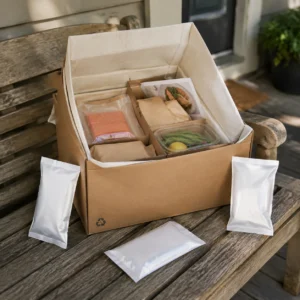
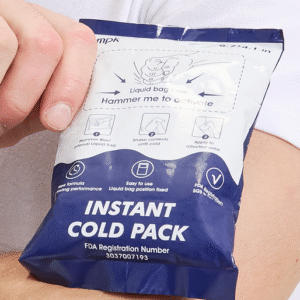
- Can be paired with PCM packs, gel packs, ice bricks or other coolant selected for the temperature range.
- Custom panel layout helps protect payload space while improving insulation performance.
Customization and supply support
- Custom VIP panel size, box structure, payload chamber, lid design and coolant compartment.
- Support for removable VIP panels, integrated panels and hybrid box systems.
- Label, logo, instruction sheet, carton packing and export packing for healthcare distributors.
- Sample and route test support before scaling high-performance cold chain projects.
Common applications
Vaccines and pharmaceuticals
For sensitive healthcare shipments where stronger insulation and route testing are important.
Longer cold chain routes
For routes that face longer transit time, staging exposure or high ambient temperature risk.
Diagnostic and lab logistics
For selected sample shipments where payload value and temperature risk require better buffering.
Available product options
Use and handling notes
- Handle VIP panels carefully to avoid puncture, bending or edge damage.
- Confirm coolant pre-conditioning and payload loading order before each route.
- Use dividers when the product should not contact frozen or conditioned coolant directly.
- Run route testing before shipping high-value vaccines, medicine or samples at scale.
Information for a faster quote
- Payload type, target temperature, route duration and maximum ambient exposure.
- Box dimensions, payload chamber size, VIP panel arrangement and coolant plan.
- Reuse requirements, labeling, instruction sheet and packing quantity.
- Whether sample testing or route validation support is needed before production.
Related Tempk products and tools
Use VIP where space and thermal performance matter
VIP can reduce wall thickness, but panel layout, edge bridges, protection, payload space, and route risk still determine the system. Continue with high-value shipment and custom box paths.
VIP insulated box product FAQ
What does VIP mean in cold chain packaging?
VIP usually refers to vacuum insulation panel. It provides strong thermal insulation in a thinner panel structure.
When should I choose a VIP insulated box?
Choose VIP when the route is longer, the payload is sensitive or valuable, or standard insulation does not provide enough temperature buffering.
Can VIP panels be removed or replaced?
Some designs support removable panels, while others are integrated. The best structure depends on reuse, repair and cleaning requirements.
What coolant should be used with VIP boxes?
PCM packs, gel packs, ice bricks or other coolant can be used depending on target temperature, route duration and payload sensitivity.
What information is needed for a VIP box quote?
Share the payload, temperature range, route time, box size, panel layout, coolant plan and testing requirements.


VIP insulated boxes for routes that need stronger thermal buffering
Tempk VIP insulated boxes and vacuum insulation panel packouts are built for customers who need higher thermal performance than standard foam or carton insulation can provide. They are often used for vaccines, medicine, diagnostic samples and other sensitive shipments where route duration, payload value and temperature risk require a stronger box system.
VIP vaccine carriers
High-performance carriers for vaccine and medicine routes that need stronger insulation.
Vacuum insulation panels
Removable or integrated VIP panels for cooler boxes and medical packout systems.
Hybrid insulated boxes
VIP panels can be combined with plastic shells, EPP boxes or liners depending on route needs.
Custom thermal packouts
Panel layout, payload chamber and coolant placement can be planned for project routes.
Product advantages
- VIP panels provide stronger thermal buffering in a thinner insulation layer than many conventional materials.
- Useful for long routes, high-value payloads or seasonal ambient exposure risks.
- Can be paired with PCM packs, gel packs, ice bricks or other coolant selected for the temperature range.
- Custom panel layout helps protect payload space while improving insulation performance.
Customization and supply support
- Custom VIP panel size, box structure, payload chamber, lid design and coolant compartment.
- Support for removable VIP panels, integrated panels and hybrid box systems.
- Label, logo, instruction sheet, carton packing and export packing for healthcare distributors.
- Sample and route test support before scaling high-performance cold chain projects.
Common applications
Vaccines and pharmaceuticals
For sensitive healthcare shipments where stronger insulation and route testing are important.
Longer cold chain routes
For routes that face longer transit time, staging exposure or high ambient temperature risk.
Diagnostic and lab logistics
For selected sample shipments where payload value and temperature risk require better buffering.
Available product options
Use and handling notes
- Handle VIP panels carefully to avoid puncture, bending or edge damage.
- Confirm coolant pre-conditioning and payload loading order before each route.
- Use dividers when the product should not contact frozen or conditioned coolant directly.
- Run route testing before shipping high-value vaccines, medicine or samples at scale.
Information for a faster quote
- Payload type, target temperature, route duration and maximum ambient exposure.
- Box dimensions, payload chamber size, VIP panel arrangement and coolant plan.
- Reuse requirements, labeling, instruction sheet and packing quantity.
- Whether sample testing or route validation support is needed before production.
Related Tempk products and tools
Use VIP where space and thermal performance matter
VIP can reduce wall thickness, but panel layout, edge bridges, protection, payload space, and route risk still determine the system. Continue with high-value shipment and custom box paths.
VIP insulated box product FAQ
What does VIP mean in cold chain packaging?
VIP usually refers to vacuum insulation panel. It provides strong thermal insulation in a thinner panel structure.
When should I choose a VIP insulated box?
Choose VIP when the route is longer, the payload is sensitive or valuable, or standard insulation does not provide enough temperature buffering.
Can VIP panels be removed or replaced?
Some designs support removable panels, while others are integrated. The best structure depends on reuse, repair and cleaning requirements.
What coolant should be used with VIP boxes?
PCM packs, gel packs, ice bricks or other coolant can be used depending on target temperature, route duration and payload sensitivity.
What information is needed for a VIP box quote?
Share the payload, temperature range, route time, box size, panel layout, coolant plan and testing requirements.