

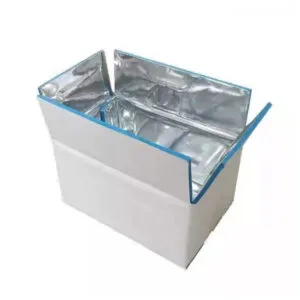
-768x767.jpg.webp)
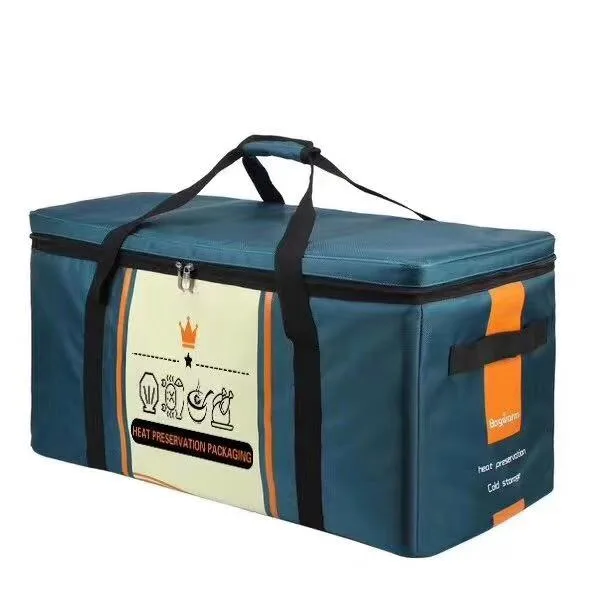
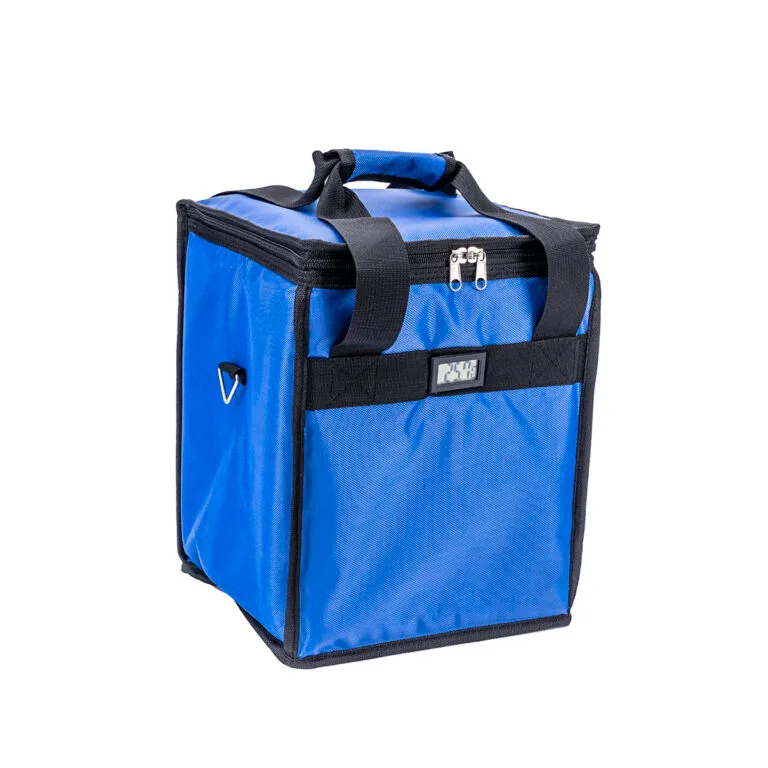
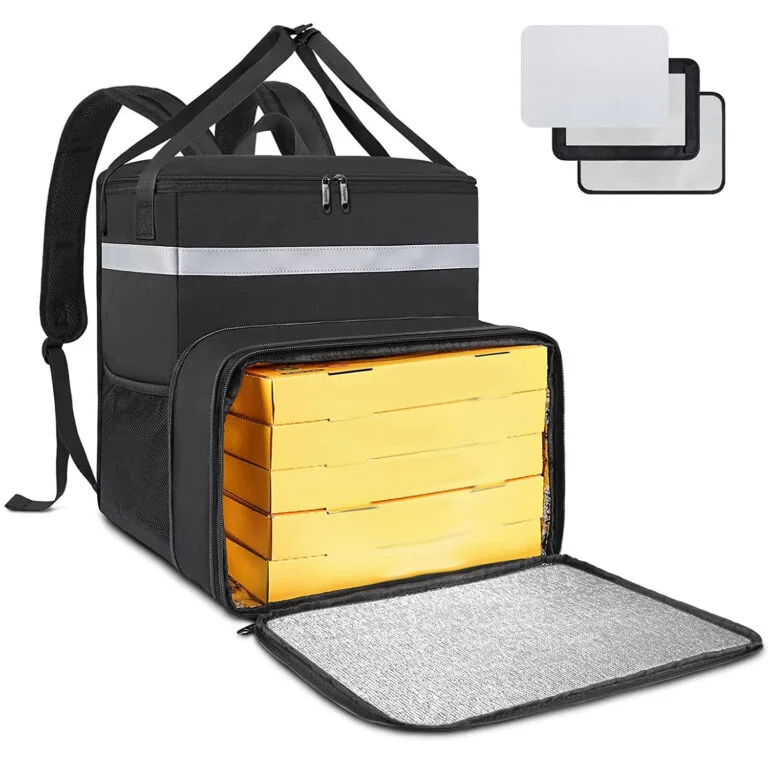


Hot food and pizza
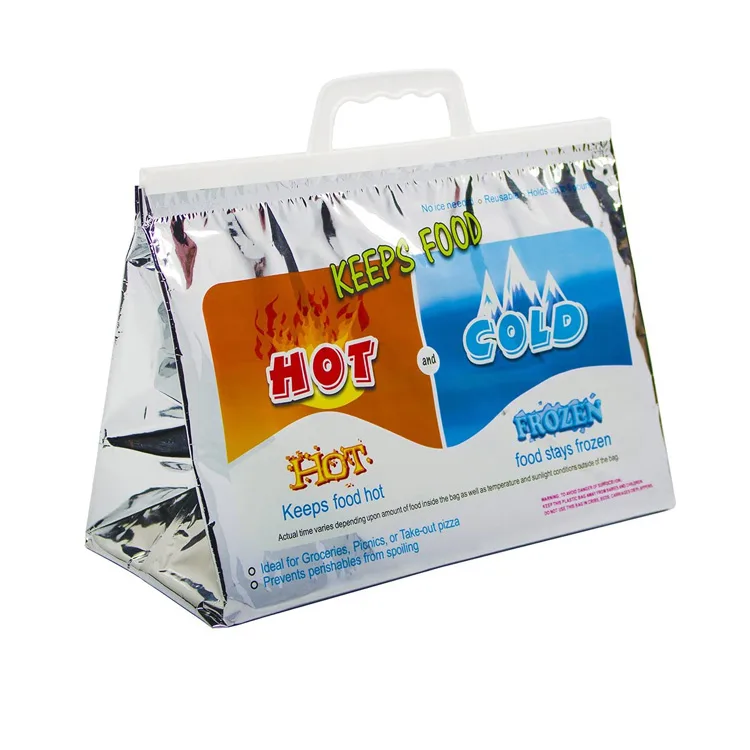
Prioritize shape retention, closure, moisture handling, easy loading and cleaning. Keep hot and chilled products in separate bags.
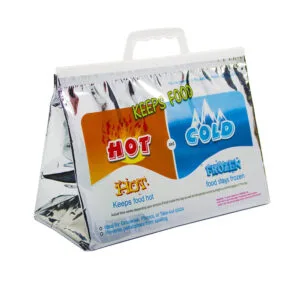
Thermal bags are reusable insulated delivery bags that slow heat transfer during food, grocery, seafood, medicine and last-mile routes. Choose the bag format, insulation, lining, closure and carrying method from the payload, route time, opening frequency, cleaning process and whether hot or chilled products require additional temperature control.
“Thermal bag,” “thermo bag” and “insulated delivery bag” can describe very different products. Start with the payload, required hot or chilled condition, route time, number of openings, carrying method and cleaning process. Then choose the structure and insulation that fit the actual delivery workflow.
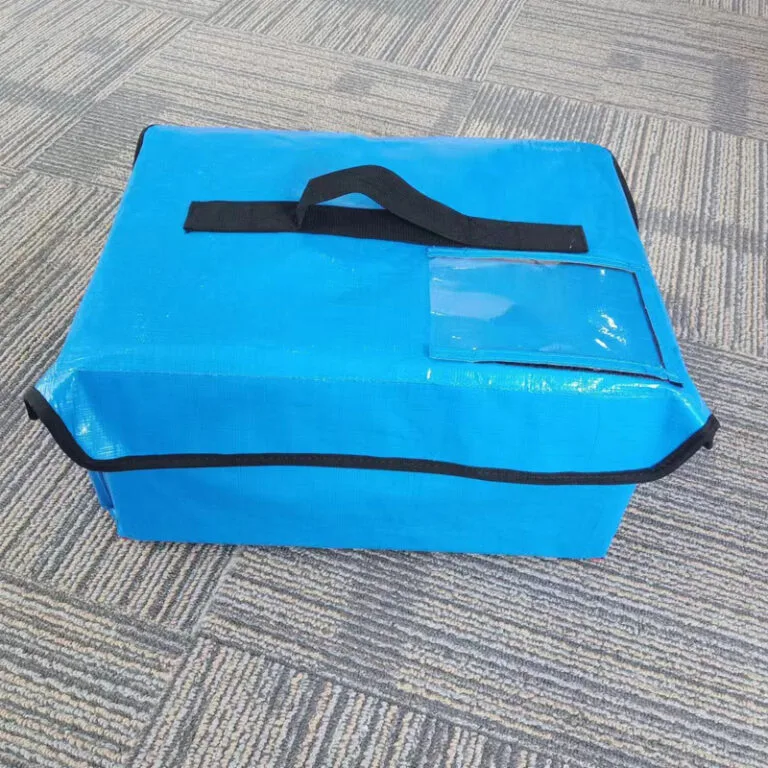
Prioritize shape retention, closure, moisture handling, easy loading and cleaning. Keep hot and chilled products in separate bags.
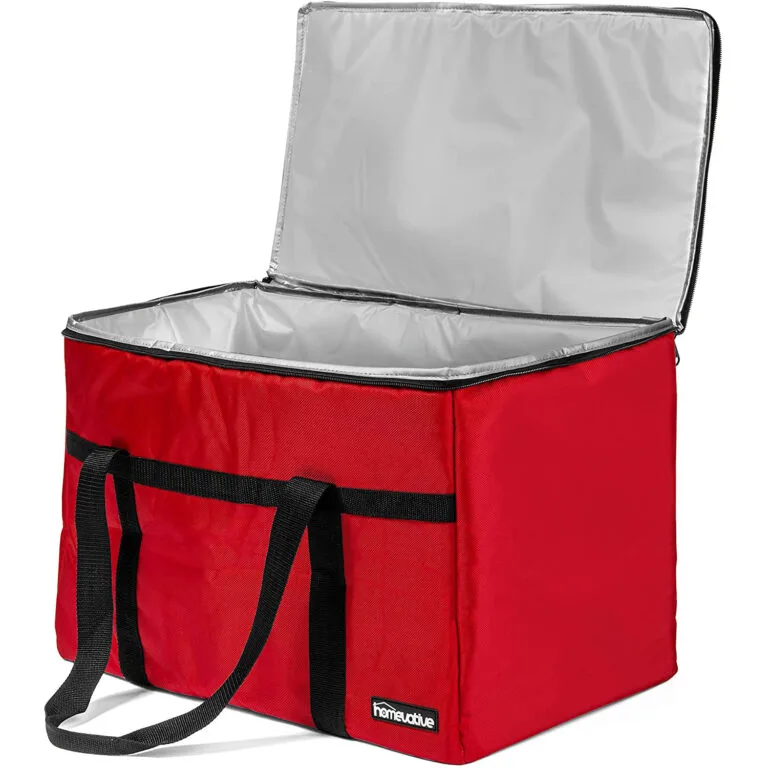
Check usable capacity, handle strength, lining, opening frequency and compatibility with gel packs or other coolant.
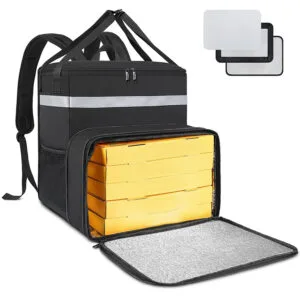
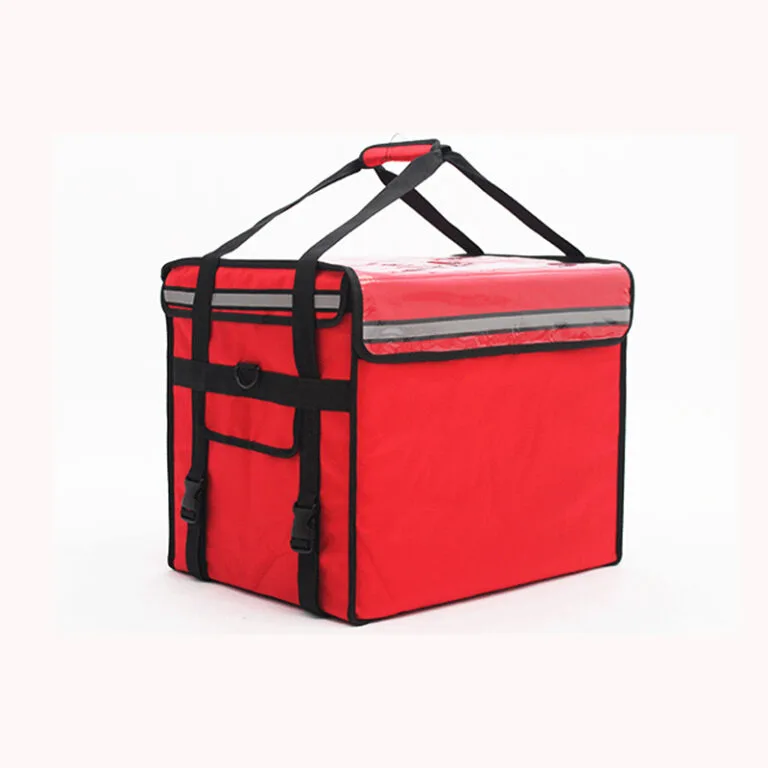
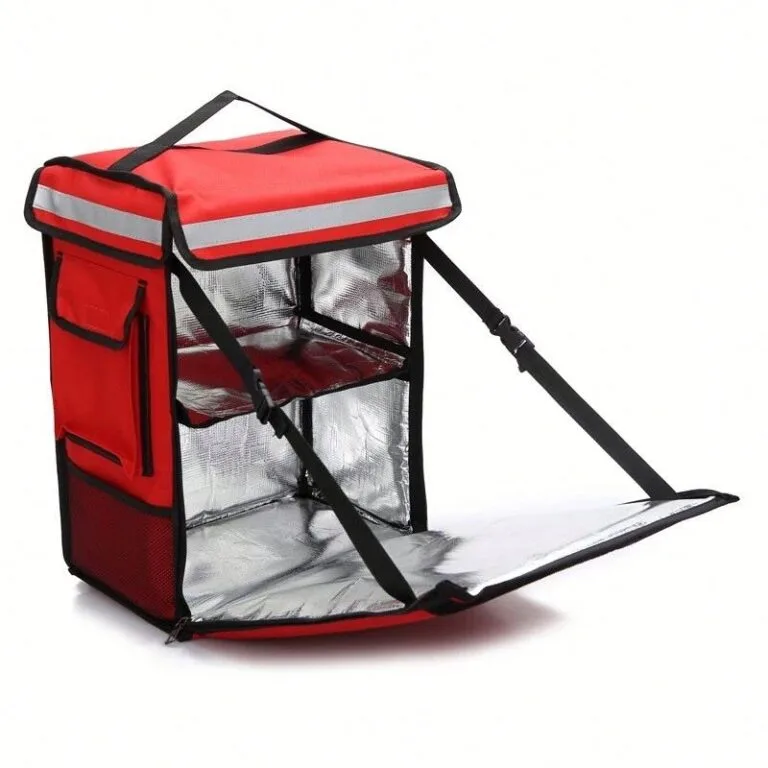
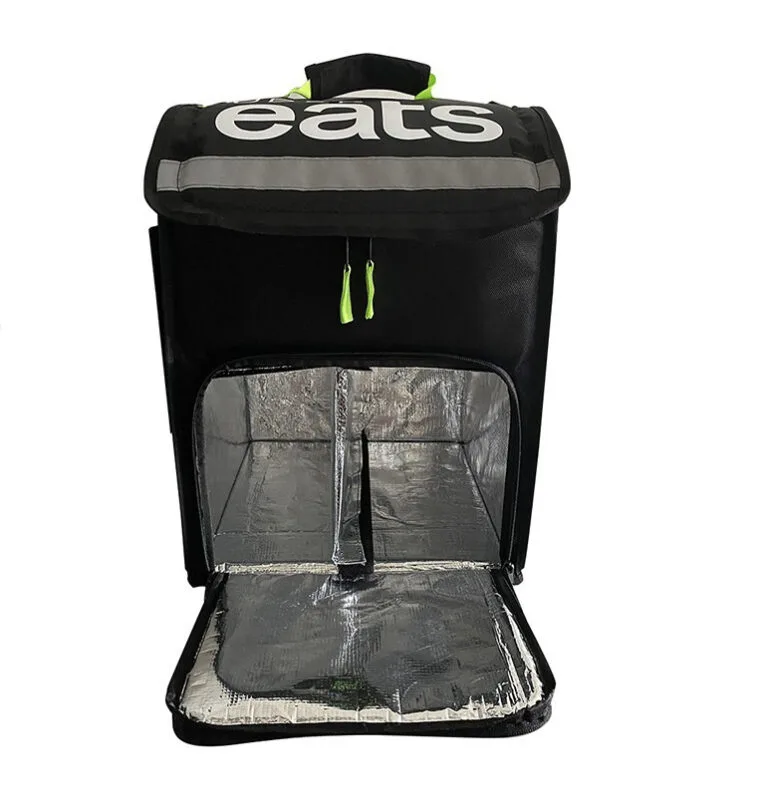
Compare backpacks and handled bags by rider comfort, stability, reflective details, access and load distribution.
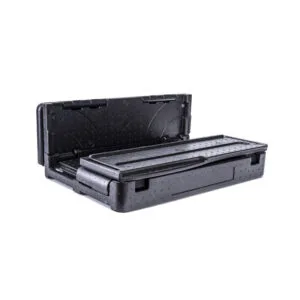
Use a bag designed for payload separation, coolant placement and monitoring, then validate the complete packout for the route.
The products below stay in the existing category grid. This table helps buyers narrow the 14 listed products without changing their order or replacing the individual product specifications.
| Delivery job | Relevant Tempk options | What to compare |
|---|---|---|
| Pizza and prepared hot food | 210D nylon pizza delivery bag 500D PVC pizza delivery bag | Bag shape, closure, lining, cleaning and route handling. |
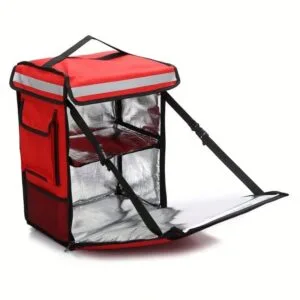
| Bike and scooter delivery | Insulated food delivery backpack | Rider fit, stability, access, visibility and load balance. |
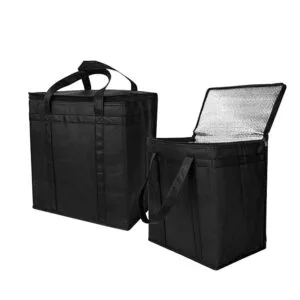
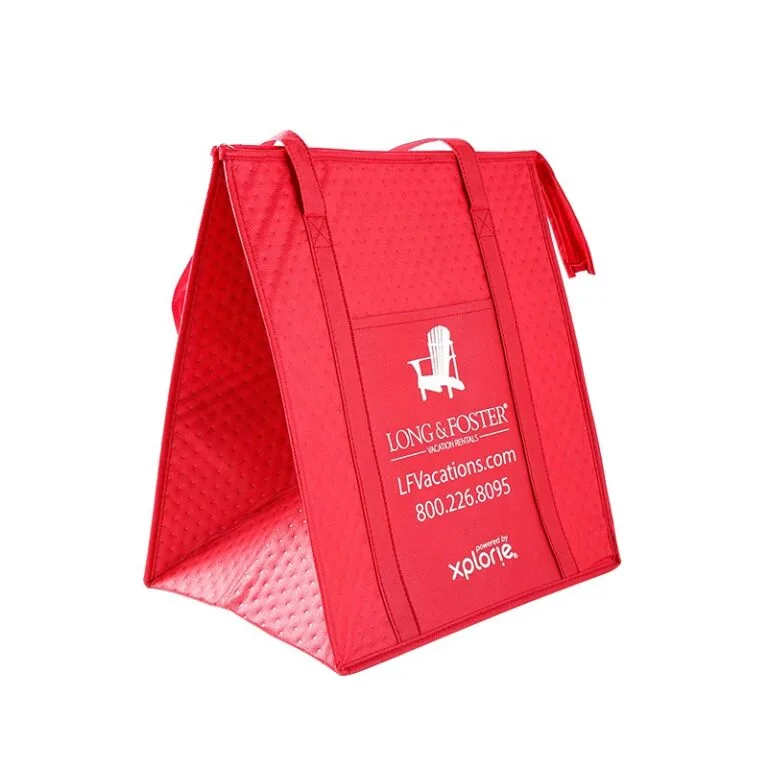
| Grocery and mixed chilled orders | Double-layer insulated delivery bag 24 L insulated thermal delivery bag | Internal volume, dividers, coolant space and repeated opening. |
| Seafood and leak-sensitive loads | PEVA leakproof thermal bag | Lining, seams, drainage control, cleaning and payload separation. |
| Medical and monitored routes | Medical cooler bag with PCM and monitor | Temperature range, coolant layout, monitoring and documented handling. |
| Reusable tote and general delivery | Waterproof insulated tote cooler bag | Carrying comfort, water resistance, zipper life and cleaning cycle. |
Insulation thickness, panel construction, seams, zipper or flap closure and unused air space all affect heat transfer. Compare the complete bag, not one material name.
Repeated door-to-door access replaces conditioned air with ambient air. A bag used for ten stops needs a different check from a sealed point-to-point trip.
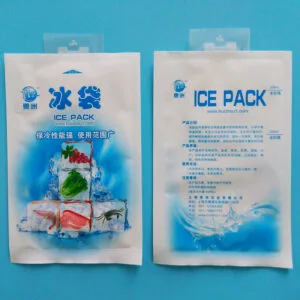
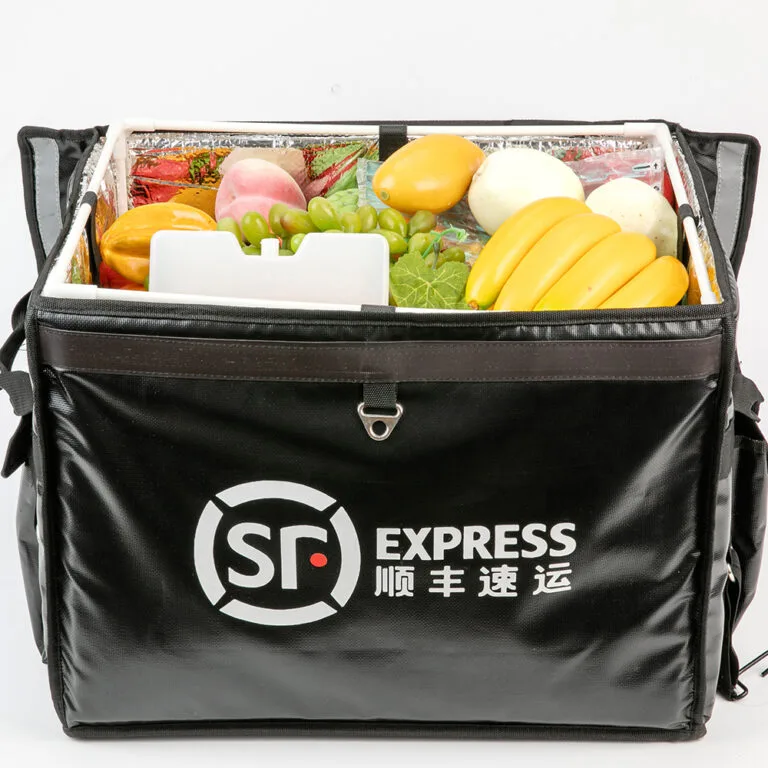
For chilled delivery, choose coolant quantity and placement with the bag, payload and route. Protect freeze-sensitive goods from direct contact and test the full arrangement.
Hot food: pre-warm only when the bag and operating procedure allow it. Load promptly, minimize opening and manage steam so food quality and the lining are not damaged.
Chilled food or medicine: pre-condition the bag and coolant as required, separate sensitive payloads from frozen packs, control empty space and monitor representative routes.
A soft thermal bag alone should not be assumed to keep food frozen for three days. Performance depends on the starting temperature, insulation, coolant mass, product mass, ambient profile, openings and bag condition. Long frozen holding periods normally require a qualified insulated shipping system, sufficient coolant or active refrigeration. Test the complete system against the required time and temperature limit before making a duration claim.
In many searches the terms overlap. The useful distinction is the actual construction and job: format, insulation, lining, closure, capacity, carrying method, cleaning and whether coolant is used.
Hot-food routes may use insulation without coolant. Chilled food, seafood or medicine often needs gel packs, ice packs or another conditioned coolant selected for the payload, bag and route.
Do not assume it can. A three-day frozen requirement needs a tested system based on insulation, coolant, payload, ambient exposure and openings, and may require a qualified shipper or active refrigeration.
They should normally be separated. Mixing hot and chilled products creates opposing heat loads and can make both temperature targets harder to maintain.
Share payload dimensions and temperature, route time, number of openings, ambient conditions, carrying method, cleaning process, coolant plan and any monitoring or branding requirement.
What buyers and packing teams found useful when they compared this product family with their own packing process.
We tried the format with the load and outer packaging we use every day. It was much easier to judge the fit once everything was in place.
The team checked how it opened, closed, lifted and stored. Those handling details mattered as much as the dimensions on paper.
Seeing the material and seams in a sample helped us narrow the options before discussing size and printing.
“Thermal bag,” “thermo bag” and “insulated delivery bag” can describe very different products. Start with the payload, required hot or chilled condition, route time, number of openings, carrying method and cleaning process. Then choose the structure and insulation that fit the actual delivery workflow.
Prioritize shape retention, closure, moisture handling, easy loading and cleaning. Keep hot and chilled products in separate bags.
Check usable capacity, handle strength, lining, opening frequency and compatibility with gel packs or other coolant.
Compare backpacks and handled bags by rider comfort, stability, reflective details, access and load distribution.
Use a bag designed for payload separation, coolant placement and monitoring, then validate the complete packout for the route.
The products below stay in the existing category grid. This table helps buyers narrow the 14 listed products without changing their order or replacing the individual product specifications.
| Delivery job | Relevant Tempk options | What to compare |
|---|---|---|
| Pizza and prepared hot food | 210D nylon pizza delivery bag 500D PVC pizza delivery bag | Bag shape, closure, lining, cleaning and route handling. |
| Bike and scooter delivery | Insulated food delivery backpack | Rider fit, stability, access, visibility and load balance. |
| Grocery and mixed chilled orders | Double-layer insulated delivery bag 24 L insulated thermal delivery bag | Internal volume, dividers, coolant space and repeated opening. |
| Seafood and leak-sensitive loads | PEVA leakproof thermal bag | Lining, seams, drainage control, cleaning and payload separation. |
| Medical and monitored routes | Medical cooler bag with PCM and monitor | Temperature range, coolant layout, monitoring and documented handling. |
| Reusable tote and general delivery | Waterproof insulated tote cooler bag | Carrying comfort, water resistance, zipper life and cleaning cycle. |
Insulation thickness, panel construction, seams, zipper or flap closure and unused air space all affect heat transfer. Compare the complete bag, not one material name.
Repeated door-to-door access replaces conditioned air with ambient air. A bag used for ten stops needs a different check from a sealed point-to-point trip.
For chilled delivery, choose coolant quantity and placement with the bag, payload and route. Protect freeze-sensitive goods from direct contact and test the full arrangement.
Hot food: pre-warm only when the bag and operating procedure allow it. Load promptly, minimize opening and manage steam so food quality and the lining are not damaged.
Chilled food or medicine: pre-condition the bag and coolant as required, separate sensitive payloads from frozen packs, control empty space and monitor representative routes.
A soft thermal bag alone should not be assumed to keep food frozen for three days. Performance depends on the starting temperature, insulation, coolant mass, product mass, ambient profile, openings and bag condition. Long frozen holding periods normally require a qualified insulated shipping system, sufficient coolant or active refrigeration. Test the complete system against the required time and temperature limit before making a duration claim.
In many searches the terms overlap. The useful distinction is the actual construction and job: format, insulation, lining, closure, capacity, carrying method, cleaning and whether coolant is used.
Hot-food routes may use insulation without coolant. Chilled food, seafood or medicine often needs gel packs, ice packs or another conditioned coolant selected for the payload, bag and route.
Do not assume it can. A three-day frozen requirement needs a tested system based on insulation, coolant, payload, ambient exposure and openings, and may require a qualified shipper or active refrigeration.
They should normally be separated. Mixing hot and chilled products creates opposing heat loads and can make both temperature targets harder to maintain.
Share payload dimensions and temperature, route time, number of openings, ambient conditions, carrying method, cleaning process, coolant plan and any monitoring or branding requirement.