


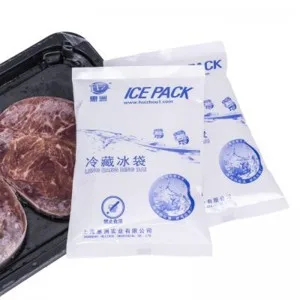
No-sweat gel ice pack
For cooler bags and selected chilled packouts where cleaner external handling is a priority.
Gel ice packs are reusable cold packs for shipping chilled food, seafood, medicine and other temperature-sensitive payloads. Choose the pack type and weight from the payload, insulation, route time, ambient exposure and acceptable temperature range, then test the complete packout before routine use.
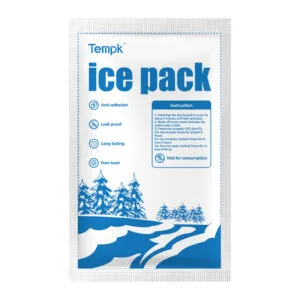
Start with the payload temperature, route duration, insulation and space available for coolant. Then compare the four live Tempk gel pack formats below. The product link gives the individual product details; the complete cooler, carton or bag packout still needs testing under the intended route conditions.
For cooler bags and selected chilled packouts where cleaner external handling is a priority.
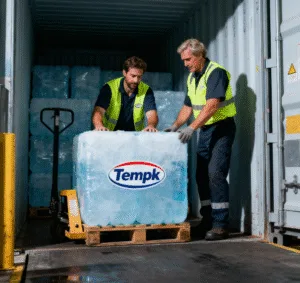
For food brands, distributors and private-label programs that need custom printing, dimensions or packing.
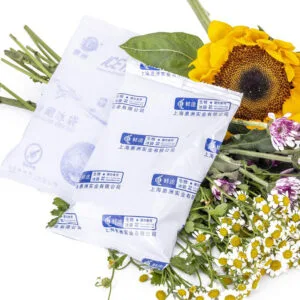
For repeat food, grocery and parcel routes with a defined collection, inspection and refreezing process.
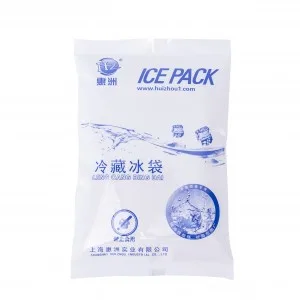
For meat, seafood and chilled food packouts that need common weight choices and flexible placement.
| Decision input | Why it matters | Information to provide |
|---|---|---|
| Payload and temperature target | Chilled food, frozen food and healthcare payloads can require different coolant placement and protection from direct cold contact. | Product type, starting condition and acceptable temperature range. |
| Route duration and ambient exposure | A local delivery and a multi-day parcel route do not create the same heat load. | Expected hours, season, handling stops and likely outside temperatures. |
| Insulated container and free space | The bag, liner or cooler controls heat entry and limits where cold packs can be placed. | Internal dimensions, insulation type and payload volume. |
| Handling and reuse plan | Returnable programs need inspection, cleaning, refreezing and damaged-pack removal. | One-way or returnable route, handling process and desired branding. |
Chilled meal kits, meat, seafood, bakery products, grocery orders and fresh-food distribution.
Temperature-sensitive healthcare payloads that use a defined packout, separation method and monitoring plan.
Local delivery, returnable boxes and regular routes where durable packs and repeatable handling matter.
They can support chilled food, seafood, grocery, medicine and healthcare shipments when the exact gel pack, insulation, placement and quantity are tested for the route and payload.
Choose from the available space, payload mass, insulation, duration and temperature target. Pack weight alone does not determine performance; compare and test the complete packout.
Many shipping packouts use fully frozen gel packs, while others use a defined conditioning procedure. Follow the validated process for the payload rather than assuming one preparation method fits every route.
Reusable packs need an approved return process. Remove packs with damaged film or seals, clean them as required, and refreeze them under the documented procedure before the next use.
Custom dimensions, weights, film structures, gel formulas, colors, labels, printed logos and carton packing can be reviewed for suitable programs.
What buyers and packing teams found useful when they compared this product family with their own packing process.
We tried the packs in the carton we already use. That showed us which size was easy to place and which one took up too much room.
The sample made the choice much clearer. We could compare preparation, handling and the space left for the product before asking for a quote.
What helped most was talking through our route and packing routine instead of choosing from a photo alone.
Start with the payload temperature, route duration, insulation and space available for coolant. Then compare the four live Tempk gel pack formats below. The product link gives the individual product details; the complete cooler, carton or bag packout still needs testing under the intended route conditions.
For cooler bags and selected chilled packouts where cleaner external handling is a priority.
For food brands, distributors and private-label programs that need custom printing, dimensions or packing.
For repeat food, grocery and parcel routes with a defined collection, inspection and refreezing process.
For meat, seafood and chilled food packouts that need common weight choices and flexible placement.
| Decision input | Why it matters | Information to provide |
|---|---|---|
| Payload and temperature target | Chilled food, frozen food and healthcare payloads can require different coolant placement and protection from direct cold contact. | Product type, starting condition and acceptable temperature range. |
| Route duration and ambient exposure | A local delivery and a multi-day parcel route do not create the same heat load. | Expected hours, season, handling stops and likely outside temperatures. |
| Insulated container and free space | The bag, liner or cooler controls heat entry and limits where cold packs can be placed. | Internal dimensions, insulation type and payload volume. |
| Handling and reuse plan | Returnable programs need inspection, cleaning, refreezing and damaged-pack removal. | One-way or returnable route, handling process and desired branding. |
Chilled meal kits, meat, seafood, bakery products, grocery orders and fresh-food distribution.
Temperature-sensitive healthcare payloads that use a defined packout, separation method and monitoring plan.
Local delivery, returnable boxes and regular routes where durable packs and repeatable handling matter.
They can support chilled food, seafood, grocery, medicine and healthcare shipments when the exact gel pack, insulation, placement and quantity are tested for the route and payload.
Choose from the available space, payload mass, insulation, duration and temperature target. Pack weight alone does not determine performance; compare and test the complete packout.
Many shipping packouts use fully frozen gel packs, while others use a defined conditioning procedure. Follow the validated process for the payload rather than assuming one preparation method fits every route.
Reusable packs need an approved return process. Remove packs with damaged film or seals, clean them as required, and refreeze them under the documented procedure before the next use.
Custom dimensions, weights, film structures, gel formulas, colors, labels, printed logos and carton packing can be reviewed for suitable programs.