



Air cargo and export handoffs
Review ramp, dock and transfer exposure, load shape, cover security and how the cover will be inspected after each handling point.
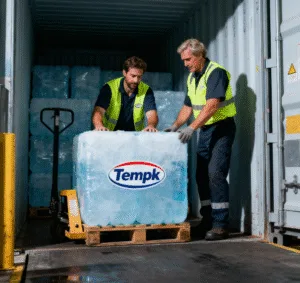
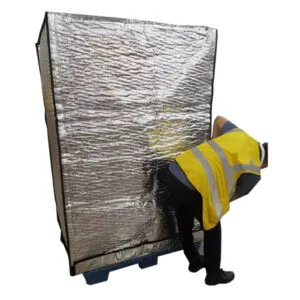
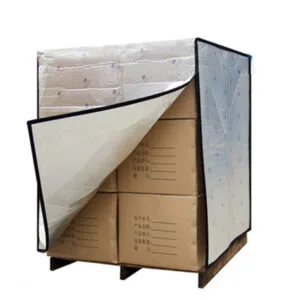
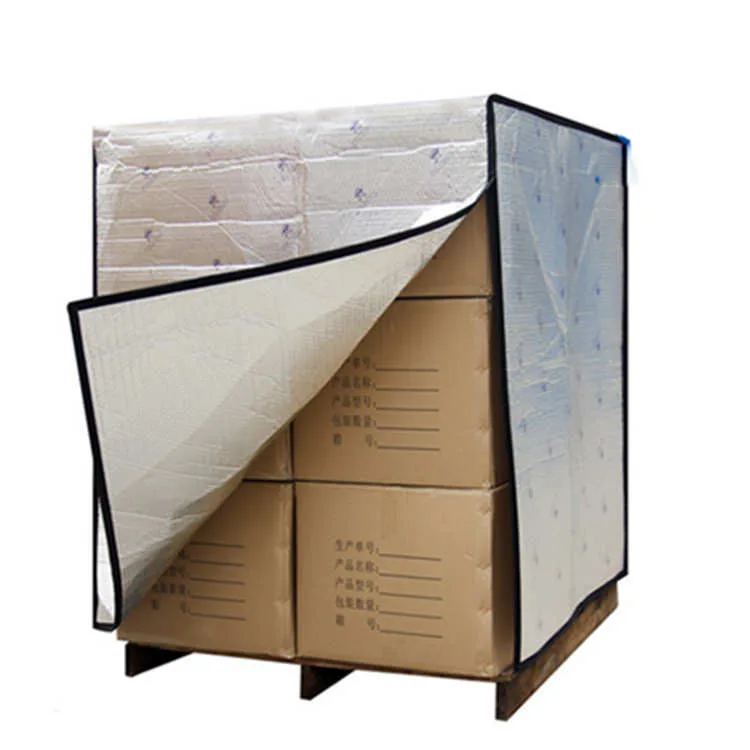
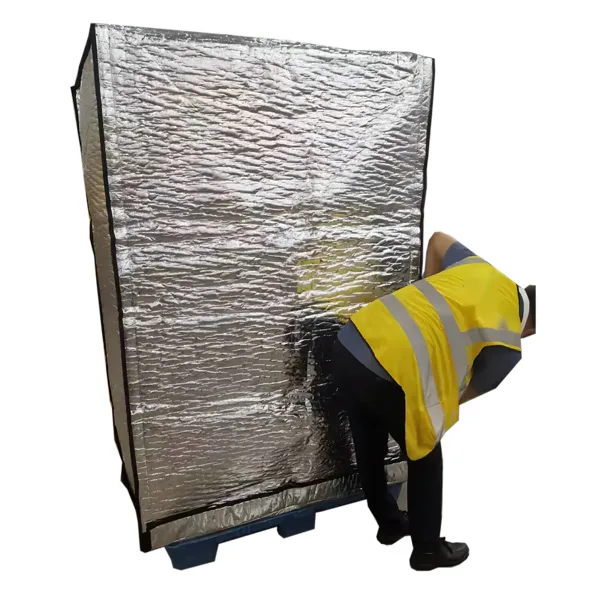
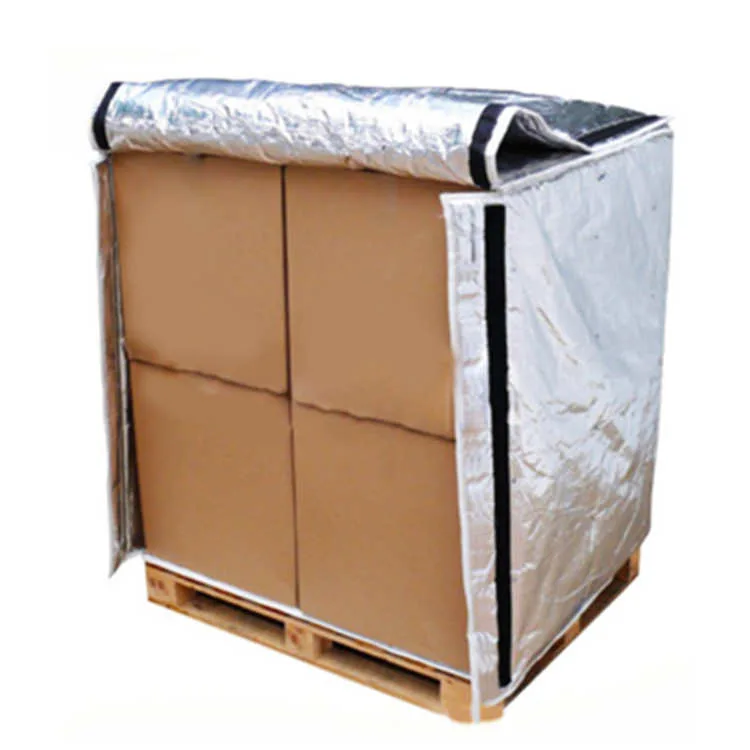
Thermal pallet covers, insulated pallet covers and pallet blankets are passive barriers that slow heat transfer around palletized freight during staging, loading, cross-dock transfer, truck routes and air-cargo handoffs. Select the cover from the loaded pallet dimensions, overhang, cargo sensitivity, exposure time, ambient conditions, closure, moisture risk and whether the cover will be reused. Validate the complete pallet packout before using it for a defined temperature limit.
A thermal pallet cover is one part of a passive cargo-protection system. Start with the loaded footprint and height, overhang, cargo temperature sensitivity, starting condition, expected ambient exposure, transfer points, bottom closure and handling process. Then select the material stack and cover format that fit the actual route.
Review ramp, dock and transfer exposure, load shape, cover security and how the cover will be inspected after each handling point.
Compare dwell time outside controlled space, door activity, drafts, radiant heat and whether the cover must be opened for checks.
Define the product limit, starting temperature, pallet pattern and any coolant or qualified shipper used with the cover.
Include water resistance, seam and corner durability, cleaning, drying, inspection and return logistics in the cover choice.
The existing category grid contains three products. Use this comparison to choose a starting point, then confirm the individual product details and validate the complete lane.
| Tempk option | Construction and route fit | What to confirm |
|---|---|---|
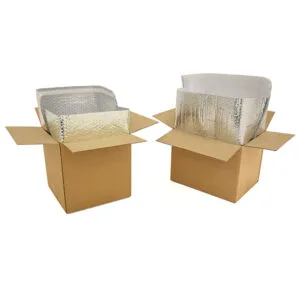
| Insulated cargo pallet cover | Custom multi-layer cover using aluminium foil or PET, bubble film and EPE foam for pallet freight, staging and cargo transfer. | Loaded dimensions, material stack, skirt or closure, exposure window and securing method. |
| Aluminium foil pallet cover with foam | Reflective foil or PET surfaces with a middle foam layer; the product page lists a reference foam thickness of about 6–7 mm. | Radiant exposure, foam build, pallet fit, bottom gaps and whether coolant is part of the packout. |
| Reusable waterproof pallet cover | Water-resistant outer construction with foam insulation for repeated pallet handling, staging and moisture-exposed routes. | Reuse cycle, cleaning and drying, reinforcement, seam inspection, storage and return process. |
Large gaps at the base, corners or around an irregular load allow more air exchange. Measure the loaded pallet, not only the empty pallet footprint.
Reflective film, foam, bubble layers, seams and reinforcement affect heat transfer, handling strength and foldability. Compare the complete construction.
Ambient temperature, solar or radiant heat, wind, dwell time, cargo mass, starting condition, coolant and openings must be evaluated together.
Thermal or insulated pallet cover: usually describes a fitted or draped passive cover placed over a loaded pallet. Construction may include reflective film, foam, bubble material or several layers.
Pallet blanket or pallet shroud: may describe a flexible wrap, reusable blanket or cargo cover. The name alone does not establish insulation value, closure design or verified holding time.
The terms often overlap. Compare the actual material layers, fit, bottom closure, reinforcement, water resistance, handling method and intended reuse instead of relying on the product name.
No fixed temperature or duration should be assumed from the cover alone. It is a passive barrier, and performance depends on the cargo, starting condition, lane, fit, ambient exposure and any coolant or qualified shipper used with it.
Measure the loaded pallet width, depth and total height, including overhang and the top profile. Add the required skirt, overlap and closure allowance for the planned handling method.
It suits routes where the cover returns for repeated use and may face dock moisture or wet handling. The reuse plan should include inspection, cleaning, drying, repair criteria and storage.
Provide loaded dimensions, cargo type and starting condition, target temperature limit, route and exposure time, ambient range, transfer points, closure and securing method, coolant plan, reuse cycle and monitoring requirement.
What buyers and packing teams found useful when they compared this product family with their own packing process.
We tried the format with the load and outer packaging we use every day. It was much easier to judge the fit once everything was in place.
The team checked how it opened, closed, lifted and stored. Those handling details mattered as much as the dimensions on paper.
Seeing the material and seams in a sample helped us narrow the options before discussing size and printing.
A thermal pallet cover is one part of a passive cargo-protection system. Start with the loaded footprint and height, overhang, cargo temperature sensitivity, starting condition, expected ambient exposure, transfer points, bottom closure and handling process. Then select the material stack and cover format that fit the actual route.
Review ramp, dock and transfer exposure, load shape, cover security and how the cover will be inspected after each handling point.
Compare dwell time outside controlled space, door activity, drafts, radiant heat and whether the cover must be opened for checks.
Define the product limit, starting temperature, pallet pattern and any coolant or qualified shipper used with the cover.
Include water resistance, seam and corner durability, cleaning, drying, inspection and return logistics in the cover choice.
The existing category grid contains three products. Use this comparison to choose a starting point, then confirm the individual product details and validate the complete lane.
| Tempk option | Construction and route fit | What to confirm |
|---|---|---|
| Insulated cargo pallet cover | Custom multi-layer cover using aluminium foil or PET, bubble film and EPE foam for pallet freight, staging and cargo transfer. | Loaded dimensions, material stack, skirt or closure, exposure window and securing method. |
| Aluminium foil pallet cover with foam | Reflective foil or PET surfaces with a middle foam layer; the product page lists a reference foam thickness of about 6–7 mm. | Radiant exposure, foam build, pallet fit, bottom gaps and whether coolant is part of the packout. |
| Reusable waterproof pallet cover | Water-resistant outer construction with foam insulation for repeated pallet handling, staging and moisture-exposed routes. | Reuse cycle, cleaning and drying, reinforcement, seam inspection, storage and return process. |
Large gaps at the base, corners or around an irregular load allow more air exchange. Measure the loaded pallet, not only the empty pallet footprint.
Reflective film, foam, bubble layers, seams and reinforcement affect heat transfer, handling strength and foldability. Compare the complete construction.
Ambient temperature, solar or radiant heat, wind, dwell time, cargo mass, starting condition, coolant and openings must be evaluated together.
Thermal or insulated pallet cover: usually describes a fitted or draped passive cover placed over a loaded pallet. Construction may include reflective film, foam, bubble material or several layers.
Pallet blanket or pallet shroud: may describe a flexible wrap, reusable blanket or cargo cover. The name alone does not establish insulation value, closure design or verified holding time.
The terms often overlap. Compare the actual material layers, fit, bottom closure, reinforcement, water resistance, handling method and intended reuse instead of relying on the product name.
No fixed temperature or duration should be assumed from the cover alone. It is a passive barrier, and performance depends on the cargo, starting condition, lane, fit, ambient exposure and any coolant or qualified shipper used with it.
Measure the loaded pallet width, depth and total height, including overhang and the top profile. Add the required skirt, overlap and closure allowance for the planned handling method.
It suits routes where the cover returns for repeated use and may face dock moisture or wet handling. The reuse plan should include inspection, cleaning, drying, repair criteria and storage.
Provide loaded dimensions, cargo type and starting condition, target temperature limit, route and exposure time, ambient range, transfer points, closure and securing method, coolant plan, reuse cycle and monitoring requirement.
-300x300.jpg.webp)