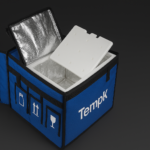
If you need the best dry ice bag for vaccines, pick a vented, medical-grade liner that releases CO₂, prevents vial contact, and fits an IATA PI 954–ready shipper. You get stable ultra-low temperatures (around −78.5 °C), regulatory compliance, and fewer rejected shipments. This guide combines field-tested methods, current checklists, and practical tips you can apply today.
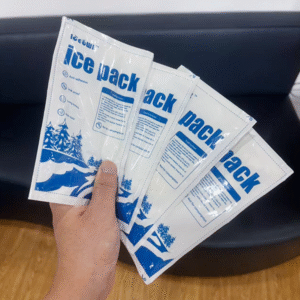
When to use a dry-ice solution for ultracold vaccine shipping
How to choose the right liner and size the charge
Step-by-step packing that stays PI 954 compliant
What to avoid and why, plus 2025 trends that matter
When do you actually need the best dry ice bag for vaccines?
Short answer: Use the best dry ice bag for vaccines only for products labeled for ultracold (≤ −60 °C) or deep-frozen (−50 °C to −15 °C) lanes where dry ice is required. Refrigerated vaccines (2–8 °C) should not use dry ice because over-cooling can damage potency. Always verify the product label and route qualification notes.
Why this matters to you: Vaccines are sensitive; even small swings can reduce efficacy. Dry ice sublimes to CO₂ at −78.5 °C, so packages must vent. For mRNA or other ultracold products, a vented liner inside a validated shipper preserves temperature while avoiding pressure build-up. For 2–8 °C or standard-frozen products, choose PCM/gel packs instead.
Sizing the best dry ice bag for vaccines for 24–72-hour lanes
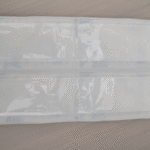
Aim to right-size the charge to the lane and shipper performance. As a planning start: ~2–6 kg per 24 h for mid-size foam/VIP shippers, scaling with ambient extremes. Leave headspace in the vented bag so CO₂ escapes. If you consistently exceed ~9–10 kg per 48 h, step up to a larger, better-insulated shipper rather than choking vent paths.
| Choice you’re making | Good baseline | When to upsize | What it means for you |
|---|---|---|---|
| Bag material | Vented PE/HDPE (2–4 mil) | Multilayer/foil-laminate for >48 h | Slower sublimation, longer hold time |
| Charge per 24 h | 2–6 kg typical | >6 kg in hot lanes | Validate with data loggers |
| Liner type | Micro-perfs | Valve liner for dense loads | More controlled venting, fewer bulges |
Practical tips that save time and product
Separate vials from ice: Add a rigid spacer or tray; never allow direct contact.
Keep vents open: Don’t over-tape inner lids; CO₂ must escape.
Label precisely: Mark “Carbon dioxide, solid / UN1845” and net dry ice mass in kg on one vertical side.
Real-world case: A cross-border mRNA route switched from plain LDPE to vented foil-laminated bags and extended hold time by ~27% while cutting dry-ice consumption ~15%.
How do you pack with the best dry ice bag for vaccines step-by-step?
Core steps: Condition components, load product centrally, insert a spacer, fill the best dry ice bag for vaccines above or around the payload, close without sealing vents, then label and log. Keep PPE on, work in ventilation, and place a calibrated data logger with the vials.
Expanded guidance:
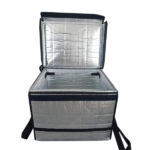
Use a ventilated outer carton with a rigid inner (EPS, EPP, or VIP). The best dry ice bag for vaccines must not be airtight; leave headspace for CO₂. For UN3373 specimens, ensure 95 kPa secondary containment (different from the dry-ice liner). Mark UN1845 and net kg. Many carriers mirror IATA PI 954 in 2025, so aligning once reduces delays across lanes.
Valve liner vs. micro-perforated liner—what should you pick?
For most parcel shippers, a micro-perforated vented liner is fast and economical. If the load is dense, voids are minimal, or routes are long, a one-way valve liner offers more predictable gas regulation and reduces “ballooning.” Both options qualify when vents stay clear and the shipper is PI 954–ready.
Actionable tips
Use dividers: Keep fragile vials away from pellets to avoid thermal shock.
Weigh your charge: Record net kg dry ice accurately—2025 checklists are stricter.
Plan replenishment: For long lanes, choose a bag that opens/re-closes without blocking vents.
Actual case: A biotech moved to multilayer vented liners (4 kg per shipper) and held −75 °C for 48 h consistently; inspections sped up because UN1845/net-kg prompts were printed on the liner.
Helpful decision tools
Check the details before you choose packaging
These quick tools can help you compare route risk, sizing needs, coolant choices, and packaging details before you request a quote.
Packaging Selector
Compare insulated packaging options by product, route, and temperature need.
Find packagingInsulation Material Reference
Compare insulation material choices for different cold chain packaging needs.
Compare materialsIce Pack Calculator
Estimate gel ice pack quantity for chilled shipments and practical route planning.
Estimate ice packs
When should you avoid a dry-ice approach for vaccines?
If the label says 2–8 °C, do not use dry ice. Choose PCM/gel packs and validated refrigerated pack-outs. For standard frozen vaccines, use frozen packs and a barrier, not dry ice. Dry ice remains the right tool only when the product requires ultracold ranges—and only with a vented system.
2025 trends that shape the best dry ice bag for vaccines
Trend overview: 2025 acceptance checklists reinforce PI 954 labeling, accurate net-kg marking, and visible vent paths. Reusable EPP/VIP systems, IoT temperature + CO₂ sensors, and aerogel/VIP hybrids extend hold time so you can reduce charge mass. Programs increasingly reserve dry ice for ULT lanes while using PCMs for 2–8 °C to cut risk and waste.
Latest progress at a glance
Valve liners mature: Better gas control for dense pack-outs and long routes.
Audit-ready packaging: Printed prompts and QR job aids reduce errors at tender.
Sustainability uptick: Returnable shippers and lower dry-ice loads meet ESG goals.
Market insight: Demand for temperature-sensitive biologics keeps rising. Teams that combine vented liners, precise labeling, and live telemetry see fewer rejections and less product loss. Closed-loop, reusable systems help control cost while meeting GDP documentation expectations.
FAQ — best dry ice bag for vaccines and compliance
Q1: What is the best dry ice bag for vaccines right now?
A vented PE/HDPE liner or a one-way valve liner sized to your qualified charge, used with a spacer so vials never touch the ice.
Q2: How big should the best dry ice bag for vaccines be?
Match it to the shipper and route: a common start is ~2–6 kg per 24 h for mid-size cartons; validate with data loggers and seasonal trials.
Q3: How do I label shipments that use the best dry ice bag for vaccines?
Mark “Carbon dioxide, solid / UN1845” and the net dry-ice mass (kg); apply Class 9 where required; ensure the package vents.
Q4: Do I need 95 kPa pouches with the best dry ice bag for vaccines?
Only if your shipment classification requires it (e.g., UN3373). Finished vaccines often don’t, but lab specimens do.
Q5: Is it safe to handle multiple boxes indoors?
Ventilate. Respect OSHA/NIOSH CO₂ exposure limits (5,000 ppm TWA; 30,000 ppm STEL).
Summary & recommendations
Key takeaways: The best dry ice bag for vaccines is vented, durable, and PI 954–ready, paired with spacers and accurate UN1845/net-kg labels. Use dry ice only when the label requires ultracold ranges; otherwise use PCMs. Validate charges with data loggers; keep vent paths open; train staff on CO₂ safety.
Next steps (do this now):
Confirm your product’s temperature band.
Select a vented liner (or valve liner) sized to your qualified charge.
Run a test pack-out with a logger; tune kg for summer/winter.
Standardize labels and a PI-954 checklist across sites.
Add CO₂ monitoring for dense loads; review data monthly.
About Tempk
We design cold-chain packaging for pharma and biotech, including vented dry ice liners, validated shippers, and route-specific recipes. Our advantages: validated hold-time modeling and audit-ready documentation that help you pass acceptance checks the first time. To optimize your next ULT lane, talk with our specialists.
CTA: Ready to size the best dry ice bag for vaccines for your route? Contact Tempk for a lane-specific pack-out and validation plan.