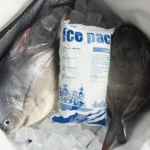
Dry Ice Packs for Shipping: A 2025 Guide for Effective Cold Chain Management
Shipping temperature-sensitive products such as seafood, pharmaceuticals, and perishable goods requires precise temperature control to prevent spoilage. In 2025, dry ice packs have emerged as a top choice for ensuring that goods remain at optimal temperatures throughout transit. In this guide, we will walk you through how to effectively use dry ice packs for shipping, including best practices, regulatory compliance, and cost-saving strategies to optimize your cold chain logistics.

What are dry ice packs and how do they work in shipping?
How do dry ice packs maintain the right temperature during transit?
What are the benefits of dry ice packs over other cooling methods?
Best practices for packaging and shipping with dry ice
How to ensure compliance with safety and regulatory requirements
What Are Dry Ice Packs, and How Do They Work for Shipping?
Dry ice packs are blocks or pellets of solidified carbon dioxide (CO₂) used to maintain extremely low temperatures during shipping. Unlike regular ice, which melts into liquid, dry ice sublimates (turns from solid directly to gas), making it ideal for preserving the freshness and safety of sensitive items like vaccines, seafood, and pharmaceuticals.
At a temperature of -109.3°F (-78.5°C), dry ice helps prevent spoilage and degradation of products that need to stay frozen for extended periods. Unlike traditional ice, which is prone to melting and leaving moisture, dry ice’s sublimation ensures that there is no liquid residue, reducing the risk of water damage to goods.
Key Uses of Dry Ice in Shipping
Pharmaceuticals: Dry ice is essential for transporting temperature-sensitive medications and vaccines, where maintaining a consistent cold temperature is critical.
Food Products: Seafood, meats, dairy, and other perishable foods often require dry ice to ensure freshness during long shipments.
Specialty Goods: Biological samples, chemicals, and other temperature-sensitive items also rely on dry ice for safe transit.
How Do Dry Ice Packs Maintain Optimal Temperatures During Transit?
Dry ice packs provide superior cooling by absorbing heat as they sublime into gas, keeping the temperature inside the container lower than that of traditional ice or gel packs. Their ability to maintain an ultra-low temperature for extended periods makes them ideal for long-distance shipping and sensitive products.
How Dry Ice Keeps Shipments Frozen:
Cold Duration: Dry ice can keep shipments cold for up to 48-72 hours, depending on the amount used and external conditions. This makes it ideal for long shipping routes.
Temperature Consistency: Unlike regular ice, dry ice sublimates slowly, ensuring a more consistent and reliable cooling effect throughout the journey.
| Cooling Method | Duration | Temperature Maintained | Best for |
|---|---|---|---|
| Dry Ice | 48-72 hours | -78.5°C | Long shipments, pharmaceuticals, seafood |
| Gel Packs | 12-24 hours | 0°C | Shorter shipments, less sensitive items |
| Regular Ice | 6-12 hours | 0°C | Less sensitive goods |
What Are the Key Benefits of Using Dry Ice Packs Over Other Cooling Methods?
Using dry ice packs offers several distinct advantages when compared to traditional ice or gel packs. Here’s why dry ice is often the preferred choice for temperature-sensitive shipments:
Key Benefits of Dry Ice Packs
Longer Cooling Duration: Dry ice lasts much longer than regular ice, remaining frozen for up to 72 hours. This extended cooling duration makes it ideal for long-distance shipments.
No Melting Water: Unlike regular ice, dry ice sublimates directly into gas, eliminating the risk of moisture contamination, which can be problematic for certain products.
Superior Cooling Power: Dry ice keeps items at much colder temperatures, often as low as -109.3°F (-78.5°C), which is crucial for products like frozen seafood or medical supplies that need to remain deep frozen.
Best Practices for Packing and Shipping with Dry Ice
To ensure that your shipments stay cold and compliant with safety regulations, follow these best practices when using dry ice in your packaging:
1. Choose the Right Packaging
Use insulated packaging materials to help maintain the temperature of the shipment for as long as possible. Expanded polystyrene (EPS) and polyurethane (PUR) are commonly used for 24-72 hour transit times. For longer shipments, consider using vacuum-insulated panels (VIP) to reduce dry ice consumption and shipping weight.
Helpful decision tools
Check the details before you choose packaging
These quick tools can help you compare route risk, sizing needs, coolant choices, and packaging details before you request a quote.
Insulation Material Drop Resistance
Review drop resistance and handling factors before choosing insulation materials.
Check resistanceCompliance Checklist Generator
Build a practical checklist for packaging review, shipping, and documentation.
Build checklistIce Pack Calculator
Estimate gel ice pack quantity for chilled shipments and practical route planning.
Estimate ice packs2. Use the Correct Amount of Dry Ice
The quantity of dry ice needed will depend on several factors:
Shipment Duration: Longer shipments require more dry ice.
Insulation Quality: Better insulation reduces sublimation rates and keeps the product cooler for a longer period.
Ambient Temperature: Hotter environments will cause dry ice to sublimate faster, so additional dry ice may be needed during the summer months.
A general guideline is to use 5-10 pounds of dry ice per 24-hour shipment. However, always adjust quantities based on specific conditions and requirements.
3. Ensure Proper Ventilation
Since dry ice sublimates into gas, it is crucial to ensure that the packaging allows CO₂ to escape to avoid a buildup of pressure, which could lead to an explosion. Never use airtight containers when shipping with dry ice. Proper ventilation is essential to prevent hazardous situations.
4. Monitor Temperature During Transit
For critical shipments such as pharmaceuticals or seafood, use temperature monitoring devices such as data loggers or IoT sensors. These devices help track the temperature of the shipment in real-time, ensuring the products remain within the required temperature range.
Compliance and Safety Regulations for Dry Ice Shipping
Handling and shipping dry ice requires compliance with various regulations. Dry ice is classified as a hazardous material under UN 1845, and shipments must adhere to specific labeling, packaging, and documentation requirements.
Key Regulations to Follow:
Labeling: All packages containing dry ice must be marked with the “Dry Ice/Carbon Dioxide, solid” label and include the net weight of the dry ice in kilograms.
Packaging: Dry ice must be shipped in vented containers to allow gas to escape. Non-vented containers can create dangerous pressure buildup.
Documentation: Depending on the contents, a Shipper’s Declaration or Air Waybill is required to provide information on the dry ice used in the shipment.
Alternatives to Dry Ice: Gel Packs and Other Cooling Methods
While dry ice is excellent for keeping items frozen, gel packs are an effective alternative for shipments that require chilled, not frozen, temperatures. Gel packs are reusable, less expensive than dry ice, and generally safer for short-distance shipments. They are particularly beneficial for live shellfish, which must remain chilled but not frozen.
When to Use Gel Packs:
Live Shellfish: Prevents freezing, which could harm shellfish.
Short-Distance Shipments: Ideal for local deliveries where freezing is unnecessary.
Cost-Effective: Gel packs are generally less expensive than dry ice and can be reused.
Environmental and Safety Considerations
Dry ice is a hazardous material and must be handled with care. Always use gloves and goggles when handling dry ice to prevent frostbite, and ensure that dry ice is stored in well-ventilated areas to avoid dangerous CO₂ buildup.
Safe Handling Tips:
Store dry ice in a well-ventilated area to allow the gas to sublimate safely.
Never dispose of dry ice in a confined space such as sinks or toilets as the rapid gas release could cause damage.
Conclusion
Dry ice packs remain a cornerstone of temperature-controlled shipping, particularly for sensitive products like seafood, pharmaceuticals, and other perishables. By following best practices for packing, ensuring regulatory compliance, and using the right amount of dry ice, you can improve the efficiency and safety of your cold chain logistics in 2025.
For more information on optimizing your shipping practices or assistance with dry ice logistics, contact [Your Company] today for expert guidance.