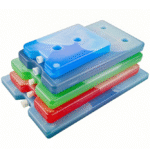
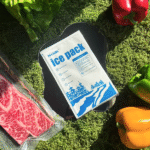
Shipping meat requires strict temperature control to maintain freshness and safety. Dry ice packs have become the standard for shipping meat due to their ultra-cold temperature and long-lasting cooling power. In this guide, we will explore how dry ice ensures safe meat transport, best practices for packaging, and the latest trends in cold chain shipping.

What makes dry ice ideal for shipping meat?
How do you calculate the right amount of dry ice for meat shipments?
What are the key safety considerations when using dry ice for meat shipping?
How can innovations in dry ice shipping improve efficiency in 2025?
Why Are Dry Ice Packs Essential for Shipping Meat?
Dry ice packs are vital for maintaining the ideal temperature during meat shipments. Unlike regular ice, dry ice sublimates at -78.5°C, ensuring your meat stays frozen and fresh during transit. This extreme cold prevents bacterial growth and spoilage, offering a reliable solution for long-distance shipping, especially for perishable items like meat.
Key Benefits of Using Dry Ice for Meat Shipping:
Preserves Freshness: Keeps meat frozen and safe for longer durations.
Reduces Spoilage: Prevents bacterial growth by maintaining subzero temperatures.
No Water Residue: Unlike regular ice, dry ice doesn’t melt into water, preventing potential damage to packaging.
| Characteristic | Description | Impact on Your Shipment |
|---|---|---|
| Temperature Range | -78.5°C | Keeps meat frozen throughout transport |
| Sublimation Rate | 5-10 lbs every 24 hours | Helps plan replacement intervals |
| Shipping Regulations | DOT and IATA rules | Compliance is key to avoid delays |
Real-World Example: A major meat supplier reduced spoilage rates by 20% by using dry ice, ensuring that meat arrived at optimal temperatures and maintained customer satisfaction.
How Do You Choose the Right Dry Ice Pack for Meat?
Selecting the right dry ice pack depends on various factors, including shipment size, transport duration, and temperature requirements. Here’s a breakdown of how to choose the ideal dry ice solution for your meat shipments:
Key Factors to Consider:
Shipment Size and Duration: Larger shipments or longer shipments require more dry ice.
Container Insulation: The effectiveness of your packaging directly impacts the cooling power of dry ice.
Packing Tips:
Short-Term Shipments: Use smaller dry ice packs if the shipment lasts less than 24 hours.
Long-Term Shipments: Use larger dry ice packs or multiple layers to ensure a stable temperature for extended transport durations.
Best Practices for Storing and Handling Dry Ice Safely
Handling dry ice safely is crucial for both personnel and the environment. Dry ice sublimates into carbon dioxide gas, which can be hazardous in confined spaces. Here’s how to safely manage dry ice during meat shipments:
Safety Guidelines:
Ventilation: Always store dry ice in well-ventilated areas to prevent carbon dioxide buildup.
Protective Gear: Use gloves and goggles to avoid frostbite when handling dry ice.
Disposal: Allow unused dry ice to sublimate safely in an outdoor, well-ventilated space.
Helpful decision tools
Check the details before you choose packaging
These quick tools can help you compare route risk, sizing needs, coolant choices, and packaging details before you request a quote.
01Ice pack estimateIce Pack Calculator
Estimate gel ice pack quantity for chilled shipments and practical route planning.
Estimate ice packs02Checklist supportCompliance Checklist Generator
Build a practical checklist for packaging review, shipping, and documentation.
Build checklist03Dry ice planningDry Ice Calculator
Estimate dry ice needs for frozen or ultra-cold shipments before packing.
Estimate dry ice
| Safety Measure | Action to Take | Result |
|---|---|---|
| Ventilation | Store in open areas or ventilated spaces | Prevent CO2 buildup |
| Protective Gear | Wear gloves and goggles | Avoid frostbite and injury |
| Disposal Methods | Let dry ice sublimate outdoors | Safe and eco-friendly disposal |
Example: A leading logistics provider reduced safety incidents by 30% after implementing proper dry ice handling training and packaging practices.
How to Maintain the Ideal Temperature for Meat During Shipping
Effective temperature control is key to ensuring your meat remains fresh and safe throughout transit. Dry ice offers an excellent solution for maintaining freezing temperatures. Here are some best practices:
Temperature Control Tips:
Use Insulated Containers: Combine dry ice with thick, multi-layer insulation to extend cooling.
Monitor Temperature: Use temperature loggers to track conditions in real-time during shipping.
Correct Placement: Position the dry ice at the top of the container, as cold air sinks to maintain an even temperature.
| Shipping Factor | Recommended Setup | Action to Take |
|---|---|---|
| Container Insulation | Multi-layer insulation | Maintain temperature for longer |
| Temperature Monitoring | Use temperature loggers | Track real-time conditions |
| Dry Ice Placement | Place dry ice on top | Ensure even cooling distribution |
Practical Example: A meat distributor used dry ice combined with advanced insulation to keep meat at -18°C for 48 hours during transit, reducing spoilage and ensuring food safety.
2025 Trends and Innovations in Dry Ice Shipping
The cold chain logistics industry continues to evolve with new innovations that enhance dry ice shipping efficiency. Here are some of the key advancements in 2025:
Key Innovations:
Smart Temperature Sensors: Track real-time temperature conditions and receive alerts when temperatures go out of range.
Blockchain Technology: Ensure traceability of meat shipments, verifying temperature integrity.
Advanced Insulation Materials: Reduce dry ice usage and increase cooling efficiency.
Market Insights:
The cold chain logistics market is growing rapidly, driven by the demand for fresh and frozen products. Companies that adopt advanced dry ice solutions will see a reduction in spoilage and operational costs. The market is expected to reach USD 2.79 billion by 2033.
Common Questions About Dry Ice Shipping for Meat
Q1: How long will dry ice keep meat frozen in transit?
Dry ice can keep meat frozen for 24-72 hours, depending on the amount used, insulation, and external temperatures.
Q2: Can I use dry ice for international meat shipments?
Yes, but ensure compliance with international regulations and carrier guidelines regarding the transport of dry ice.
Q3: How can I monitor the temperature of my shipment?
Consider using temperature loggers to ensure your shipment stays within safe temperature ranges.
Summary and Actionable Recommendations
Using dry ice for meat shipping ensures the safe and efficient transport of perishable products. By choosing the right amount of dry ice, following safety guidelines, and monitoring temperature, you can reduce spoilage and maintain quality during transit.
Next Steps:
Calculate the correct dry ice amount for your shipment.
Use insulated containers to enhance the cooling effect of dry ice.
Implement safety and handling training for your team.
Invest in innovative technologies such as temperature monitoring sensors and AI-driven route planning.
About Tempk
At Tempk, we specialize in high-performance cold chain solutions, including dry ice packs and insulated containers, to ensure the safe transport of perishable goods. With a focus on safety, efficiency, and compliance, we help businesses deliver premium products to customers while maintaining the highest standards.
Contact Tempk
Ready to optimize your meat shipping? Contact us today for a consultation on our cold chain solutions!