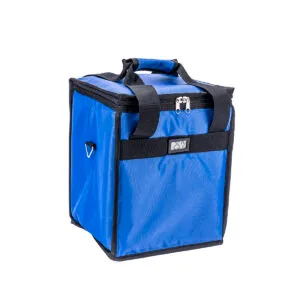
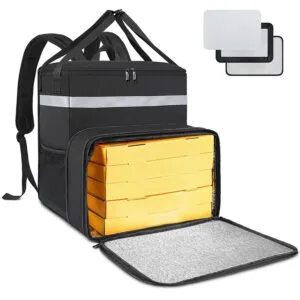
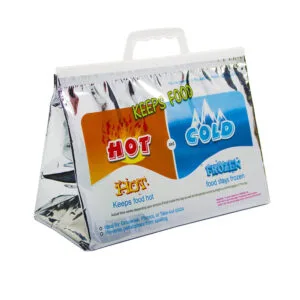
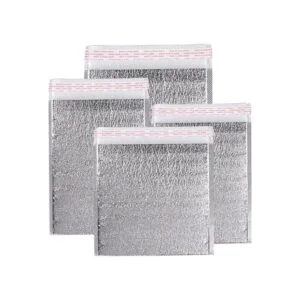
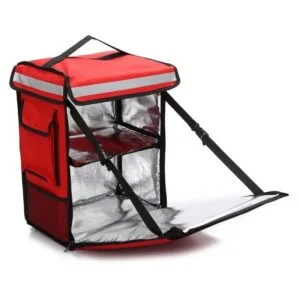
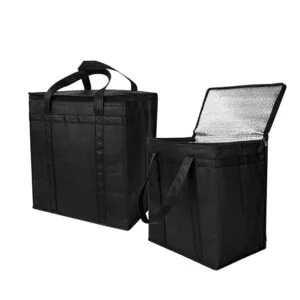
Coolers dry ice packs are indispensable in today’s cold chain logistics. They ensure the safe transit of temperature-sensitive goods such as pharmaceuticals, food, and biological samples. These dry ice solutions maintain ultra-low temperatures, crucial for products that require constant cooling. This comprehensive guide will explain everything you need to know about dry ice packs, from choosing the right one to safely handling and optimizing your cold chain processes.

What are coolers dry ice packs, and why are they critical for shipping?
How do you choose the best dry ice pack for your shipments?
What precautions should you take when using dry ice packs?
How can you optimize the efficiency of your cold chain logistics?
What Are Coolers Dry Ice Packs and Why Are They Necessary for Shipping?
Coolers dry ice packs are made of solid carbon dioxide, which sublimates at -78.5°C, making them one of the most effective methods for maintaining extremely low temperatures during transit. They are used for shipping perishable goods like pharmaceuticals, food, and other temperature-sensitive products, ensuring they stay in optimal condition during transportation.
The Science Behind Dry Ice
Unlike regular ice that melts and leaves water behind, dry ice sublimates directly into gas. This unique property makes it ideal for cold storage because it prevents moisture buildup, which could compromise packaging integrity and product quality.
| Characteristic | Description | What It Means for You |
|---|---|---|
| Temperature Range | -78.5°C | Keeps goods frozen without melting or creating mess |
| Sublimation Rate | 5-10 lbs per 24 hours | Ensures consistent cooling over time |
| Safety Regulations | DOT and IATA rules apply | Proper handling and shipping practices are essential |
How to Choose the Right Dry Ice Pack for Your Shipment?
Choosing the right cooler dry ice pack is essential to ensure your products arrive at their destination in the right condition. The selection process depends on several factors, including the type of product being shipped, the shipping duration, and external environmental conditions.
Key Factors to Consider When Choosing a Dry Ice Pack
Product Type: If you are shipping pharmaceuticals like vaccines or biologics, a larger dry ice pack might be required to maintain a consistent temperature over a longer period. For food items, smaller dry ice packs or additional insulation may be sufficient.
Shipping Duration: The length of the shipment determines the amount of dry ice required. Longer shipping times will require larger quantities or multiple packs.
External Temperature: If your shipment will be exposed to warmer conditions, additional insulation may be needed to prevent the dry ice from sublimating too quickly.
Best Practices for Using Dry Ice in Shipments
For Pharmaceuticals: Use larger dry ice packs to maintain the required temperature for longer durations, especially during multi-day shipments.
For Seafood: Combine dry ice with insulated boxes to ensure that cold temperatures are maintained throughout the journey.
For Laboratory Samples: Ensure compliance with shipping regulations by using the right dry ice packaging to protect sensitive contents.
Real-life Example: A major pharmaceutical company reported a 50% reduction in spoilage rates when switching to dry ice packs, improving reliability in vaccine shipments and enhancing customer satisfaction.
How to Safely Handle Dry Ice During Shipment?
Dry ice is incredibly effective at maintaining low temperatures but must be handled with care to avoid accidents and injuries. Its extremely low temperature can cause frostbite, and as it sublimates into carbon dioxide gas, it can displace oxygen in confined spaces.
Essential Safety Precautions for Handling Dry Ice
Ventilation: Always store dry ice in a well-ventilated area to prevent the buildup of carbon dioxide gas, which can cause suffocation in enclosed spaces.
Protective Gear: Use insulated gloves and goggles to avoid frostbite and eye injury when handling dry ice.
Helpful decision tools
Check the details before you choose packaging
These quick tools can help you compare route risk, sizing needs, coolant choices, and packaging details before you request a quote.
01Coolant choiceCoolant & PCM Reference
Compare coolant and PCM options when a route needs added temperature support.
Compare options02Dry ice planningDry Ice Calculator
Estimate dry ice needs for frozen or ultra-cold shipments before packing.
Estimate dry ice03Checklist supportCompliance Checklist Generator
Build a practical checklist for packaging review, shipping, and documentation.
Build checklistProper Disposal: Allow any unused dry ice to sublimate outdoors, away from people and animals.
| Safety Measures | Description | Recommended Action |
|---|---|---|
| Ventilation | Dry ice sublimates into CO2 gas | Store in a well-ventilated area |
| Protective Gear | Risk of frostbite | Use gloves and goggles when handling |
| Disposal | CO2 gas accumulation | Let dry ice sublimate outdoors |
Practical Safety Tips
Label Shipments Properly: Always label packages containing dry ice with “Dry Ice” and “UN 1845” to ensure proper handling and safety during transport.
Secure Packaging: Ensure that packaging is airtight and leak-proof to prevent accidents during transit.
Staff Training: Train staff on proper dry ice handling techniques to ensure safety protocols are followed at all times.
Example Case: A food supplier successfully reduced accidents related to dry ice handling by introducing staff training and improved labeling practices, leading to a safer and more efficient cold chain operation.
Trends and Developments in Cold Chain Logistics for 2025
The cold chain logistics sector is rapidly evolving, with new technologies and innovations emerging to improve shipping efficiency and safety. Here are some of the key trends expected to impact dry ice packs and cold chain logistics in 2025.
Key Trends
Smart Temperature Monitoring: Real-time monitoring systems are becoming increasingly common, allowing companies to track temperature fluctuations and ensure the safe transport of sensitive goods.
Blockchain for Traceability: Blockchain technology is enhancing transparency in cold chain logistics by providing real-time tracking and verifiable data, particularly for pharmaceuticals.
Advanced Packaging Materials: New advancements in insulation materials are making it easier and more cost-effective to maintain the required temperatures during long-distance shipments.
Market Insights
The global demand for temperature-sensitive products like fresh food and pharmaceuticals continues to rise. The cold chain market is expected to exceed $500 billion by 2025, with companies adopting innovative technologies to stay competitive and ensure the safe delivery of goods.
Frequently Asked Questions
Question 1: How long can dry ice last during shipping?
Dry ice typically lasts 24-48 hours, depending on the size of the pack and the external conditions during transit. Larger packs will last longer and are more suitable for multi-day shipments.
Question 2: Can I use dry ice to ship vaccines?
Yes, dry ice is commonly used to ship vaccines, as it maintains the required low temperatures for extended periods. However, it is essential to follow all shipping regulations and guidelines when using dry ice for this purpose.
Conclusion and Recommendations
Coolers dry ice packs play a critical role in ensuring the safe transport of temperature-sensitive goods. By choosing the right dry ice pack, adhering to safety protocols, and keeping up with industry trends, you can optimize your cold chain logistics operations for improved efficiency and reliability.
Actionable Steps
Evaluate your shipping needs and select the appropriate size of dry ice packs based on the duration and type of shipment.
Implement proper safety measures to ensure the safe handling and storage of dry ice.
Invest in technologies such as real-time temperature monitoring to optimize your shipping processes.
About Tempk
At Tempk, we specialize in providing high-quality dry ice solutions tailored to meet the freezing needs of your products. Our expert team ensures safe, efficient shipping, supporting your business to deliver temperature-sensitive goods reliably and on time.
Call to Action
Contact us today for more information on our dry ice shipping solutions and ensure the success of your next delivery!