Using an FDA approved dry ice pack for lunch box lets you keep meals cold without leaks or contamination. These packs are made from foodgrade materials and designed to maintain temperatures well below freezing. Choosing the right pack and handling it correctly protects your health and prevents messy spills. New innovations and regulatory updates in 2025 mean there are more options than ever to keep lunches safe and cool. This guide explains everything you need to know in clear, practical language.
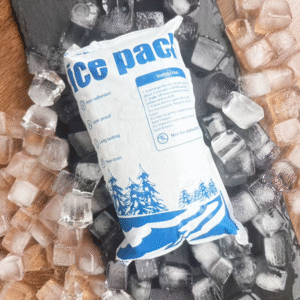
Why choosing an FDAapproved dry ice pack matters for lunch safety – explore foodcontact regulations and how nonapproved packs can put you at risk.
How to use dry ice packs safely in lunch boxes – practical steps to avoid burns and ensure proper ventilation, plus how much dry ice you actually need.
Gel packs vs. dry ice – a sidebyside comparison of cooling duration, safety, cost and environmental impact.
Key features to look for – understand materials, insulation, size and labels to ensure you choose a pack that meets FDA and safety requirements.
Regulations and travel rules for 2025 – summary of shipping and airline restrictions, including quantity limits and labeling.
Emerging trends in cold chain packaging – learn about sustainable materials, smart sensors and market growth shaping lunch cooling products.
Why choose an FDAapproved dry ice pack for lunch boxes?
FDAapproved dry ice packs ensure food safety and regulatory compliance. The U.S. Food and Drug Administration regulates “food contact substances” – any material that touches food – under 21 CFR Parts 170–199. Before a substance is marketed, the FDA reviews toxicology and migration data to ensure it doesn’t contaminate food. A dry ice pack sold for lunch boxes must therefore use materials approved for direct contact with food. Nonapproved packs may leach chemicals, posing health risks and legal liabilities.
Why regulatory approval matters
An FDAapproved lunch box coolant goes through the Food Contact Notification (FCN) process. Manufacturers submit data on material composition, migration into food, and potential health effects. Only when the FDA is satisfied that exposure is safe does it authorize the material for use. This approval protects consumers and simplifies crossstate commerce because products made with FDAcleared materials can be shipped nationwide without separate state approvals.
In contrast, unregulated products may contain industrialgrade polymers, dyes or additives not intended for food contact. If these substances migrate into your sandwich or fruit, they can cause irritation or toxic exposure. Some cheaper gel packs have been found to contain ethylene glycol (antifreeze) or propylene glycol, which can be harmful if ingested. When you see “FDAapproved” on a dry ice pack, it signals that the gel formulation and outer wrapper meet federal safety standards.
What qualifies as a foodgrade dry ice pack?
FDA rules distinguish between direct and indirect contact. For direct contact, both the gel and wrapper must be foodsafe. Approved desiccants include amorphous silica gel (GRAS under 21 CFR § 182.90) and synthetic zeolites; natural clays and foodgrade calcium oxide are also listed for moisture control. Packaging must display a “Do Not Eat” warning and lot codes for traceability. Proper labeling helps consumers avoid accidental ingestion and enables recalls if problems arise.
For indirect contact, such as a gel pack sealed inside a compartment of a lunch box, the outer barrier must prevent direct food contact. However, reputable brands still use fully compliant materials to avoid crosscontamination during manufacturing. Always look for statements like “BPAfree,” “nontoxic,” and references to specific CFR sections on the packaging.
Comparison of common cooling methods
| Cooling method | Typical temperature range | Cooling duration | Safety & compliance | Realworld benefit |
| FDAapproved dry ice pack | −109 °F (−78.5 °C) sublimating to vapor | Up to 24 hours when insulated | Requires protective gloves and venting; materials must be FDAapproved | Keeps food completely frozen, ideal for long trips or shipping |
| Reusable gel pack | 32 °F–10 °F (0 °C–−12 °C) depending on gel formulation | 4–12 hours | Nontoxic polymer or cellulose gel is GRAS; flexible; no special handling | Reusable, safe for children and everyday lunches |
| Water pack | Around 32 °F (0 °C) | ~2 hours in insulated box | Water in sealed plastic; no toxicity concerns | Natural option; easy disposal; less cooling capacity |
Practical tips and advice
Verify the foodcontact statement: Look for a clear statement from the supplier citing the relevant CFR sections or GRAS notices. Legitimate manufacturers provide this documentation.
Check the wrapper and ink: The outer wrapper should be foodgrade, and warning text must be legible. Avoid packs with faded or missing labels.
Confirm size and capacity: A 250 ml gel pack works for small lunches; larger coolers may need multiple packs. Don’t overstuff the lunch box, as air circulation helps maintain uniform temperature.
Use within recommended timeframe: Even the best packs gradually warm up. Plan to consume perishable foods within four to six hours when using a gel pack or within 24 hours for dry ice.
Add insulation: A wellinsulated lunch box enhances cooling efficiency. Use reflective liners or vacuuminsulated containers to minimize heat gain.
Realworld case: A small catering business switched to FDAapproved gel ice packs for delivering boxed lunches. By using certified, nontoxic gel packs and insulated coolers, they kept food below 40 °F without leaks. Customers praised the fresh taste, and the company avoided recalls or liability issues.
How to use dry ice packs safely in lunch boxes?
Proper handling is essential when using dry ice packs because dry ice sits at −109 °F and sublimates directly to carbon dioxide gas. If mishandled, it can cause severe frostbite or suffocation. Follow these guidelines to protect yourself and your food.
Immediate safety steps
Wear protective gloves: Dry ice burns skin on contact. Use insulated gloves, towels or tongs to handle it.
Ventilate the container: As dry ice sublimates, CO₂ gas displaces oxygen. Always use a lunch box or cooler with a loose lid or vent holes to prevent pressure buildup. Never seal dry ice in an airtight container, as it can explode.
Separate from food: Wrap the dry ice in several layers of newspaper or place it in a paper bag to prevent direct contact. The USDA’s mailorder food safety guide warns not to let dry ice touch food.
Label and warn others: If shipping or transporting, write “Contains Dry Ice” on the outside and alert recipients. Include a “Keep Refrigerated” label and the expected arrival time.
Dispose of dry ice safely: Let unused dry ice sublimate in a wellventilated area. Do not pour it down the sink or place it in a closed trash bin. Never eat dry ice – ingestion can cause internal burns.
How much dry ice do you need?
The Code of Federal Regulations (49 CFR § 173.217) caps dry ice at 2.5 kg (5.5 lb) per package when used as a refrigerant in air transport. While a lunch box rarely requires that much, the limit is a useful benchmark. For a typical 10liter (2.6gallon) insulated lunch cooler, 0.5–1 pound of dry ice provides 8–12 hours of freezing. Always allow space for venting; pack food items below the dry ice so cold air can circulate downward.
Avoid exceeding the regulatory limit even for ground transport. University guidelines suggest transporting no more than 25 pounds of dry ice in a personal vehicle and ensuring continuous airflow to prevent CO₂ buildup. When flying, check with the airline and declare the net weight; each package must be marked with the weight and contents.
Safety guidelines summary
| Hazard | Risk | Protective measure | Practical significance |
| Contact burn | Skin tissue freezes on contact with −109 °F dry ice | Wear insulated gloves or use tongs | Prevents frostbite while packing or handling |
| Asphyxiation | Sublimated CO₂ gas displaces oxygen | Use dry ice in wellventilated areas; avoid enclosed spaces | Prevents headaches, rapid breathing or suffocation |
| Explosion | Gas buildup ruptures container | Never seal dry ice in airtight containers | Prevents injuries and damaged lunch boxes |
| Food contamination | Dry ice directly freezes and damages food | Wrap dry ice in newspaper; separate with cardboard or foam | Preserves food texture and prevents freezer burn |
| Overweight violation | Exceeding travel limits | Keep dry ice under 2.5 kg per package; mark net weight and contents | Complies with aviation and shipping regulations |
Scenarios and solutions
School lunches: Avoid using solid dry ice in children’s lunch boxes. Opt for FDAapproved gel packs that are nontoxic and safer for kids.
Road trip or picnic: Place dry ice at the bottom of a wellventilated cooler and fill voids with newspaper or styrofoam to slow sublimation. Keep food in sealed containers above the ice to prevent freezing.
Air travel: Limit to 5.5 lbs per package, mark the package with the net weight and declare it at checkin. Use vented packaging and get airline approval.
Actual case: A traveler packed dry ice in an airtight lunch box for a flight. During transit, sublimating gas caused the lid to pop off, spilling contents. Following the CFR rule to allow venting would have prevented this mishap.
Gel packs vs. dry ice: Which lunch box coolant suits you?
Choosing between gel packs and dry ice depends on your needs. Gel packs are reusable, nontoxic and easier to handle. Dry ice packs deliver much colder temperatures for longer periods but require safety precautions and may be overkill for daily lunches. Understanding both options helps you pick the right cooling method.
Advantages and disadvantages of gel packs
Gel packs contain a nontoxic polymer or cellulose gel that freezes and slowly releases cold. They are reusable and costeffective: you can refreeze them after use, making them ideal for daily lunches or commuting. Gel packs are nontoxic; if they accidentally touch food, there is no health risk. Some formulations incorporate phasechange materials that remain at a specific temperature, keeping foods like dairy or vaccines at optimum conditions. Disadvantages include shorter cooling duration (4–12 hours) and added weight, which might increase shipping costs.
Advantages and disadvantages of dry ice
Dry ice is solid carbon dioxide. It can maintain temperatures as low as −109 °F and keeps items frozen for extended periods. Because it sublimates, it leaves no liquid residue, preventing soggy packages. However, dry ice is hazardous to handle; contact can cause burns, and CO₂ gas accumulation in closed spaces can lead to suffocation. Shipping carriers restrict dry ice to 2.5 kg per package and require special labels and vented containers. Dry ice also sublimates quickly (12–24 hours), so long journeys may need replenishment.
What about water packs?
Waterfilled ice packs are a natural option: they freeze at 32 °F and are safe if they leak. They typically stay frozen for about two hours in an insulated lunch box. While they lack the longlasting chill of gel packs or the ultracold properties of dry ice, they are lightweight and inexpensive. For short journeys or when environmental simplicity matters, water packs are a viable choice.
Cooling solutions comparison
| Feature | Gel pack | Dry ice | Water pack |
| Cooling duration | Moderate (4–12 hours) | Long (12–24 hours) | Short (~2 hours) |
| Temperature range | 0 °C to −12 °C | −78.5 °C | 0 °C |
| Safety | Nontoxic; safe on contact | Requires gloves and ventilation | Safe; no special handling |
| Regulations | Minimal; no special labels | Regulated: 5.5 lb limit; labeling required | None |
| Reusability | Reusable and flexible | Singleuse; sublimates | Reusable but shorter life |
| Best for | Daily lunches, school, pharmaceuticals that need specific temperature | Long shipments, frozen meats, ice cream, remote trips | Short commutes, natural option |
Tips for choosing the right coolant
Daily lunch or kids’ meals: Choose gel packs or water packs. They’re nontoxic and avoid safety risks.
Long trips or shipping frozen goods: Choose dry ice but follow handling and labeling guidelines.
Ecofriendly choice: Look for gel packs filled with biodegradable or waterbased gels. Some companies offer recyclable pouches.
Example: A parent worried about leaks switched from waterfilled packets to reusable gel packs. The gel packs kept lunch cold for six hours, and even when one pack punctured, the nontoxic gel didn’t harm food.
Key features to consider when selecting FDAapproved dry ice packs
Selecting the right dry ice pack involves more than just temperature. Look at materials, construction, size, and certifications to ensure safety and performance.
Materials and construction
Foodgrade outer shell: FDAapproved packs use BPAfree plastics or silicone designed for food contact. Some premium options incorporate stainless steel shells for durability and easy cleaning.
Nontoxic gel: For gel ice packs, the inner gel should be a polymer or cellulose mixture approved under GRAS notices. Avoid products containing ethylene glycol or other industrial chemicals.
Helpful decision tools
Check the details before you choose packaging
These quick tools can help you compare route risk, sizing needs, coolant choices, and packaging details before you request a quote.
Insulation Material Reference
Compare insulation material choices for different cold chain packaging needs.
Compare materialsDry Ice Calculator
Estimate dry ice needs for frozen or ultra-cold shipments before packing.
Estimate dry iceCoolant & PCM Reference
Compare coolant and PCM options when a route needs added temperature support.
Compare optionsLeakproof seams: Look for welded seams or doubleheatsealed edges to prevent leaks. A leakproof design keeps lunch dry and prevents crosscontamination.
Phasechange materials (PCM): Packs with PCM maintain specific temperature ranges. They’re useful for pharmaceuticals or dairy products that must stay at 2–8 °C. Verify that the PCM is foodsafe and meets FDA requirements.
Why “foodgrade” and “nontoxic” matter
Missouri Poison Control notes that the gel in most freezer packs is nontoxic and biodegradable, usually a polymer or cellulose, and may include preservatives or minerals. If a child ingests a small amount, they may get a stomach ache but serious harm is unlikely. Waterfilled packs are even safer, as they contain only frozen water. Nonetheless, you should still discard any pack that leaks to avoid possible contamination.
Choosing the right size and shape
Dry ice packs come in various sizes: small squares for lunch bags, slim rectangles for bento boxes, or large sheets that can wrap around food. Consider the size of your lunch container and how long you need cooling. Multiple small packs provide more flexible placement than a single large block. For irregularly shaped containers, flexible gel sheets may offer better coverage.
Table of features and benefits
| Feature | Description | Benefit |
| BPAfree plastic | Outer shell made from FDAapproved polypropylene or highdensity polyethylene | Prevents chemical leaching into food; durable and reusable |
| Leakproof seams | Heatsealed or ultrasonically welded seams prevent gel leakage | Keeps lunch dry and avoids contamination |
| Phasechange material | Gel formulated to hold a specific temperature (e.g., 5 °C or −20 °C) | Maintains optimal temperature for vaccines or delicate foods |
| Flexible design | Segmented or sheetstyle packs conform to containers | Maximizes surface contact and cooling efficiency |
| Builtin labels | Clearly printed “Do Not Eat” and lot codes | Enhances safety and traceability |
Useful tips
Prechill the pack and lunch box: Freeze the pack for at least 24 hours and chill the lunch box before packing. This extends cooling time.
Use multiple smaller packs: Several small gel packs can surround food and provide more uniform cooling than one large block.
Store extras properly: Keep unused packs in a sealed bag in the freezer to prevent moisture absorption and odors.
Replace worn packs: Inspect for cracks or leaks and replace as needed. Expired or damaged packs may not meet FDA standards.
Case: A commuter bought a nonapproved ice pack that leaked blue dye onto food. After switching to an FDAcertified pack with welded seams and foodgrade gel, the problem disappeared and lunch stayed fresh longer.
Regulatory guidelines and travel rules for 2025
Regulations for dry ice transportation have evolved to protect passengers, couriers and the environment. Understanding these rules is vital when using dry ice packs for travel or shipping.
U.S. Department of Transportation rules
Under 49 CFR § 173.217, dry ice used as a refrigerant must be packed in containers that allow gas to escape to prevent pressure buildup. For air transport, packages must display the net mass of the dry ice and the contents being cooled. The regulation specifies that carbon dioxide, solid, in quantities not exceeding 2.5 kg (5.5 lb) per package is exempt from many hazardousmaterials requirements if properly vented and labeled.
Labeling and documentation
Packaging must be marked “Carbon dioxide, solid” or “Dry ice” and include the net weight. For shipments by vessel, containers must display warning labels on two sides: “WARNING CO₂ SOLID (DRY ICE)”. Although small personal shipments are exempt from full shipping papers, you should provide alternative documentation: the proper shipping name, class (Class 9), UN number (1845), number of packages, and net quantity.
Airline and travel guidelines
Most airlines follow the Federal Aviation Administration rules limiting passengers to 5.5 lb (2.5 kg) of dry ice in checked or carryon baggage. Packages must be vented and labeled. Some carriers require prior approval, so always contact the airline in advance. If you pack dry ice in a cooler for ground travel, keep windows slightly open to ensure ventilation and avoid headaches or dizziness due to CO₂ accumulation.
Regulatory comparison table
| Transport mode | Quantity limit | Label requirements | Special instructions |
| Air (passenger) | 2.5 kg (5.5 lb) per package | Mark “Carbon dioxide, solid” or “Dry ice” and net weight; package must allow venting | Obtain airline approval; do not seal container; include basic documentation |
| Ground (personal vehicle) | University guidelines suggest ≤ 25 lb with ventilation | Mark package and keep in manufacturer’s bag | Ensure fresh air circulation; avoid enclosed spaces |
| Vessel freight | No universal limit; must display warning labels on two sides | Mark “WARNING CO₂ SOLID (DRY ICE)” | Do not stow below deck; follow operator instructions |
Tips for compliance
Plan ahead: Contact your carrier to confirm weight limits and labeling requirements.
Vent your cooler: Never tape or clamp the lid shut. Use vented lids or leave a small gap for gas release.
Include documentation: Even when not legally required, provide a simple note with the shipping name, UN 1845 and weight to assist handlers.
Keep within limits: Avoid accidents or penalties by adhering to quantity restrictions.
Realworld example: A small business shipping frozen cookies used 3 kg of dry ice in a box. The courier refused the package because it exceeded the 2.5 kg limit per package. Reducing the dry ice to 5.5 lbs and adding a vent solved the problem, and the cookies arrived frozen.
2025 developments and trends in cold chain packaging and lunch cooling
The cold chain industry is evolving rapidly, and lunch box cooling products benefit from these innovations. Here are the top trends shaping 2025 and beyond.
Trend overview
Modern cold chain packaging aims to balance product integrity with sustainability and efficiency. Innovative insulation materials and sensor technologies are replacing bulky, wasteful solutions. The U.S. cold chain packaging market was valued at USD 7.97 billion in 2024 and is projected to register a 15.6 % compound annual growth rate (CAGR) from 2025 to 2030, driven by demand for processed foods, ecommerce and pharmaceutical logistics. Smart packaging and strict temperature requirements for vaccines are major drivers.
Latest advances
Advanced insulation technologies: Vacuum insulation panels, aerogels and phasechange materials offer superior thermal protection while reducing weight. Lunch boxes and cold packs increasingly incorporate these materials for longer cooling without bulk.
Sustainable packaging: Companies are switching to recyclable, biodegradable and compostable materials. Lunch pack manufacturers use plantbased plastics and paperbased insulation to reduce environmental impact.
Smart sensors and IoT integration: Cold chain packaging with embedded sensors and RFID tags enables realtime monitoring of temperature, humidity and location. Mobile apps notify users if a lunch box’s temperature rises above 40 °F, allowing prompt corrective action.
Blockchain and traceability: Emerging systems record every handoff in the supply chain to prevent counterfeit products and ensure accountability. While still emerging, blockchain improves trust in food safety.
Autonomous delivery and optimization: Lastmile logistics utilize autonomous vehicles and AIpowered route optimization. These technologies reduce transit times and maintain cold chain integrity, making them attractive for meal delivery services.
Market insights
As consumers demand convenience and safety, the cold chain packaging market is expanding. Ecommerce grocery deliveries and meal kits require reliable temperature control. The pharmaceutical sector also drives growth because vaccines and biologics must be shipped within tight temperature ranges. Adoption of smart sensors helps businesses monitor compliance and reduce spoilage. Ecoconscious consumers favor brands that use sustainable, recyclable cooling materials. Understanding these trends can help you select products that are both effective and environmentally responsible.
Frequently asked questions (FAQ)
Q1: Are FDAapproved dry ice packs safe for children’s lunch boxes?
Yes. However, dry ice itself is very cold and poses burn risks, so it’s rarely used directly in kids’ lunches. For children, use FDAapproved gel packs made from nontoxic polymers. These packs keep food below 40 °F for several hours without handling hazards.
Q2: How long do FDAapproved gel ice packs keep my lunch cold?
Most gel packs stay cold for 4–12 hours depending on their size and insulation. Prechill your lunch box and combine multiple packs for extended cooling. Dry ice packs can keep items frozen for 12–24 hours but require special handling.
Q3: Can I reuse dry ice packs?
No. Dry ice sublimates and disappears. Reusable alternatives are gel packs or phasechange packs, which can be refrozen many times. Always dispose of unused dry ice by letting it sublimate in a ventilated area.
Q4: What should I do if a gel ice pack leaks?
Most gel contents are nontoxic and biodegradable. If leakage occurs, discard the pack and wipe food items with a damp cloth. Replace the pack with a certified FDAapproved product to prevent future leaks.
Q5: How much dry ice can I carry on an airplane in 2025?
Airlines and the FAA limit passengers to 2.5 kg (5.5 lb) of dry ice per package. The package must be vented and marked with the net weight and the words “Carbon dioxide, solid” or “Dry ice.” Always inform the airline when booking your flight.
Q6: Are there ecofriendly alternatives to dry ice packs?
Yes. Many companies now offer biodegradable gel packs and waterbased coolants using compostable wrappers. These options reduce plastic waste and greenhouse gas emissions while still keeping lunches cold. Sustainable insulation materials like recycled paper or cornbased foam are also gaining popularity.
Summary and recommendations
Keeping your lunch cold isn’t just about comfort – it’s about safety. FDAapproved dry ice packs for lunch boxes ensure that materials contacting your food are rigorously tested and safe. When choosing a cooling method:
Match the method to your needs: Use gel or water packs for daily lunches and dry ice for long trips or frozen goods.
Handle dry ice responsibly: Wear gloves, provide ventilation and follow labeling rules. Keep under 2.5 kg per package when flying.
Verify foodgrade materials: Choose packs with clear FDA approval and nontoxic gel.
Consider sustainability: Look for biodegradable or recyclable packs and packaging innovations that support environmental goals.
Stay current with trends: Adopt smart cooling solutions with sensors or phasechange materials to monitor temperature and reduce waste.
Actionable next steps
Assess your cooling needs: Are you packing lunch for school, work, or long trips? Determine the duration and temperature range required.
Choose certified products: Purchase ice packs that list FDA compliance or GRAS materials on the label. Avoid unmarked or industrialgrade products.
Implement safe handling: If using dry ice, wear gloves, ventilate, label and dispose properly. For gel packs, freeze thoroughly and inspect for leaks.
Stay informed: Keep up with 2025 trends in cold chain packaging to adopt sustainable materials and smart monitoring technology.
Contact experts: For bespoke cold chain solutions or bulk orders, consult a professional supplier who can recommend the right products for your needs.
About Tempk
Tempk is a U.S. coldchain specialist dedicated to delivering reliable, safe and sustainable temperaturecontrol solutions. We design and manufacture FDAapproved dry ice packs, gel packs and insulated packaging to keep your food, pharmaceuticals or biological samples at the right temperature. Our research and development team continuously explores advanced insulation materials, biodegradable gels and smart sensors to meet evolving customer needs. With a focus on quality and compliance, we help businesses and individuals protect what matters most.
Call to action
If you need guidance selecting a cooling solution or want to explore sustainable options, reach out to Tempk’s experts. We can help you choose the right size and type of FDAapproved dry ice pack for lunch boxes, shipments or specialized applications. Visit our website or speak with a cold chain specialist today.