How to Ship Breast Milk with Medical Grade Dry Ice Packs in 2025
When you’re sending precious breast milk across town or across the country, the right cooling method makes all the difference. Medical grade dry ice packs for shipping breast milk deliver ultracold temperatures, avoid messy meltwater, and keep nutrients intact for days. In this guide you’ll learn how to choose, pack and ship with medicalgrade dry ice, comply with safety regulations, explore ecofriendly alternatives and see what 2025 innovations mean for you.

Why choose medical grade dry ice packs over regular ice or gel packs? They maintain –78.5 °C and leave no moisture.
How do you pack breast milk with dry ice safely? Stepbystep instructions and quantity rules from experts.
What regulations govern dry ice shipments in 2025? Learn weight limits, labeling and carrier rules.
What are the sustainable and hybrid alternatives? Explore gel packs, biodegradable wraps and FedEx cold shipping屏幕截图.
What trends are shaping cold chain logistics in 2025? Discover carbonnegative CO₂, smart sensors and reusable systems.
Why are MedicalGrade Dry Ice Packs Essential for Shipping Breast Milk?
Medicalgrade dry ice packs are engineered to meet stricter purity standards and deliver consistent ultracold temperatures. Unlike regular ice or gel packs that maintain refrigeration temperatures (28 °C), solid CO₂ packs keep goods at –78.5 °C (–109 °F) and sublimate to gas, leaving no puddles or contamination. This deep freeze prevents milk from thawing, preserves antibodies and enzymes, and avoids water exposure that could compromise quality. The medicalgrade designation also signifies foodgrade CO₂, uniform thickness and tamperevident packaging, which reduce contamination risk during long transit.
Advantages over traditional cooling
Consistent ultralow temperature: Solid CO₂ maintains –78.5 °C; gel packs hold –12 °C to –18 °C.
No liquid residue: Dry ice sublimes directly to carbon dioxide gas, avoiding leaks that could damage labels or packaging.
Longer hold times: Properly packed dry ice can keep items frozen for 24–72 hours, far exceeding the 12–24 hour range of most gel packs.
Medicalgrade purity: Foodgrade CO₂ and controlled sublimation rates reduce contamination risk and comply with food safety regulations.
Solid CO₂ vs GelBased Dry Ice Packs
Different products are marketed as “dry ice packs.” Solid CO₂ packs contain compressed carbon dioxide, sublimate entirely and are singleuse. Gelbased packs use phasechange materials that freeze at –12 °C to –18 °C and can be reused. The table below summarises the differences:
| Cooling Medium | Temperature Range | Reusability | Practical Meaning |
| Solid CO₂ (dry ice) | Holds –78.5 °C; sublimes directly to gas | Single use | Best for keeping milk or biologic samples deeply frozen for up to 72 h. Requires insulated gloves and ventilation. |
| Gelbased flexible pack | Maintains –12 °C to –18 °C for up to 48 h | Reusable over 30 cycles with minimal capacity loss | Ideal for chilled goods (2–8 °C) but may not sustain deep freeze; safer handling and no hazmat paperwork. |
Practical Tips and Benefits
Use the right pack for the job: If your milk must stay frozen, choose a solid CO₂ pack. For shorter trips or moderate cooling, gel packs suffice.
Avoid direct contact: Never let dry ice touch the milk containers directly; it can freeze them solid and risk bottle breakage.
Keep it ventilated: Always allow gas to escape to prevent pressure buildup; never seal coolers airtight.
Case example: A mother shipping 40 oz (≈1.1 kg) of breast milk from San Francisco to Boston used medicalgrade dry ice packs. By placing dry ice above and below the bags and leaving vent holes, her package remained below –10 °C for 36 hours, arriving fully frozen.
baedaa5a-ea71-444f-b2bc-c540e08dcd54.png
How to Pack and Ship Breast Milk Using Dry Ice
Proper packing is critical for both safety and milk quality. Follow these steps to ensure the milk remains frozen and arrives intact.
StepbyStep Packing Instructions
Freeze your milk: Pump into BPAfree storage bags and freeze flat to maximize space.
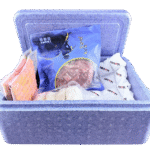
Choose an insulated cooler: A thick Styrofoam or medical cooler prevents heat intrusion and fits both milk bags and dry ice. Use a plastic liner to catch condensation or leaks.
Line the bottom: Place crumpled newspaper or foam at the bottom of the cooler. Wrap dry ice in paper or cloth and lay it on top.
Layer milk and dry ice: Put your sealed milk bags into a ziptop plastic bag and place them over the bottom layer. Add more dry ice along the sides and on top, separated by insulation.
Fill gaps: Pack additional newspaper or packing paper around the contents to prevent shifting.
Vent and seal: Tape the cooler shut but leave small gaps so carbon dioxide gas can escape. Never seal all seams; pressure buildup can cause explosions.
Label clearly: Write “Contains Dry Ice” and list the net weight (maximum 5 lb/2.5 kg for most carriers) on two sides of the box.
Dry Ice Quantity Rules
Use the weight of your milk to calculate how much dry ice you need. A general rule:
| Trip Duration | Dry Ice Weight | Purpose |
| 24 hours | ≈0.5 × weight of milk (5–10 lb total) | Keeps milk frozen overnight or for oneday shipping. |
| 48 hours | ≈1 × weight of milk | Suitable for twoday shipments or crosscountry flights. |
| 72 hours | 1.5 × weight of milk | For extended journeys; ensure proper venting to avoid pressure buildup. |
Example: If you are shipping 10 lb (4.5 kg) of breast milk and need it to stay frozen for 48 hours, plan on using around 10 lb (4.5 kg) of dry ice placed above and below the milk.
Safety Precautions
Protect your skin: Dry ice can cause frostbite. Wear thick gloves or oven mitts and use tongs to handle it.
Ensure ventilation: Only open dry ice containers in wellventilated areas; carbon dioxide gas can displace oxygen.
Avoid airtight containers: Never store dry ice in sealed glass or plastic bottles; expanding gas can cause an explosion.
Transport carefully: Place dry ice in the trunk of a car; never in the passenger cabin.
Wear eye protection: Carbon dioxide vapour can irritate eyes, so goggles or face shields are recommended.
Case example: Ben’s Dry Ice suggests breaking a dry ice block into smaller pieces and placing them above an insulation layer over your milk. They caution to leave part of the seam untaped so CO₂ can escape and to use 3–4 pieces for typical shipping boxes.
Regulations, Safety and Compliance in 2025
Regulations ensure dry ice is handled safely and sustainably. As ecommerce grows, authorities have updated rules that shippers must follow.
Key Regulatory Requirements
Weight limits: Air carriers typically restrict dry ice shipments to 2.5 kg (5.5 lb) per package; exceeding this triggers hazardous materials classification and paperwork.
Helpful decision tools
Check the details before you choose packaging
These quick tools can help you compare route risk, sizing needs, coolant choices, and packaging details before you request a quote.
Box Liner & Pallet Cover Sizing
Check box liner and pallet cover sizing logic for insulated packaging projects.
Estimate sizingDry Ice Calculator
Estimate dry ice needs for frozen or ultra-cold shipments before packing.
Estimate dry iceIce Pack Calculator
Estimate gel ice pack quantity for chilled shipments and practical route planning.
Estimate ice packsLabeling: Packages must display “UN 1845 Dry Ice, foodstuffs, net X kg” and other hazard warnings.
Training: FedEx, UPS and the International Air Transport Association require dangerousgoods training for employees who pack and ship dry ice. This includes understanding sublimation rates, ventilation and protective gear.
Ventilation: Regulatory guides warn against airtight packaging; carriers emphasise venting to prevent explosions.
Carrier restrictions: Some postal services ban dry ice in international mail, and certain carriers prohibit dry ice when shipping live seafood. Always check the latest policies.
Emerging Regulatory Trends for 2025
CO₂ supply constraints: Dry ice demand is rising around 5 % annually while CO₂ supply grows only 0.5 %, causing shortages.
Biobased CO₂: Manufacturers capture carbon dioxide from bioethanol fermentation, reducing reliance on fossil sources and cutting emissions.
Extended producer responsibility: New legislation requires manufacturers to collect and recycle used cold packs, spurring compostable packaging.
Sustainability reporting: Companies must document their cold chain’s carbon footprint and may face carbon disclosures.
Alternatives and Hybrid Solutions
While medicalgrade dry ice packs provide unmatched freezing power, they’re not always necessary. Shorter trips or moderate temperatures may call for other options.
Gel Packs and Ice Packs
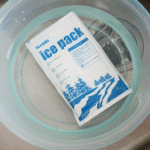
Gel packs maintain temperatures around 2–8 °C for up to 24 hours and are reusable. They’re suitable when milk only needs to stay chilled (not frozen). Advantages: no hazardous materials paperwork, easier handling and lower cost. Limitations: They cannot maintain deep freeze and may leak.
Pelton Shepherd’s TerraTemp packs are nontoxic, compostable and recyclable. They use a waterbased gel that can be poured down the drain and even promotes plant growth. These packs are ideal when sustainability is a priority and freezing isn’t required.
Biodegradable Dry Ice Wraps
To reduce plastic waste, biodegradable wraps hold dry ice in a plantbased material. They maintain low temperatures for up to 72 hours and break down naturally. Benefits include: ecofriendliness, improved insulation and no mess. They are especially useful for long journeys where disposal options are limited.
FedEx Cold Shipping Packages
FedEx offers cold shipping kits that maintain a constant 2–8 °C for up to 96 hours. These kits use rechargeable cooling engines instead of dry ice and remove the need for freezers or gel packs屏幕截图. They allow you to ship breast milk without hazardous materials paperwork but are designed for refrigerated, not frozen, temperatures.
Hybrid Cooling Systems
Modern hybrid kits combine gel packs with small slabs of dry ice or phasechange materials. This creates multiple temperature zones—keeping milk frozen while other items remain chilled. Hybrid systems are particularly helpful when shipping meal kits with both frozen entrées and fresh sides.
Comparison of Cooling Methods
| Method | Cooling Capacity | Environmental Impact | When to Use |
| Medicalgrade dry ice | Maintains –78.5 °C; 24–72 h hold time | Sublimates into gas; CO₂ production affects carbon footprint; recycling programs emerging | Longdistance or international shipping where milk must remain frozen. |
| Gel packs | 2–8 °C for ≤24 h | Reusable; some compostable formulas like TerraTemp promote plant growth | Short trips, commuting or when refrigeration is sufficient. |
| Biodegradable dry ice wrap | Holds dry ice for 12–72 h | Plantbased materials that break down naturally | Ecofriendly alternative when disposal options are limited and long hold times are needed. |
| FedEx cold shipping | 2–8 °C for up to 96 h屏幕截图 | Reusable cooling engines; no dry ice needed | Shipping refrigerated milk without freezing; corporate travel where hazardous materials are restricted. |
2025 Trends and Innovations in Cold Chain Logistics
Cold chain logistics is evolving rapidly in response to sustainability pressures, technological advances and supply constraints.
Sustainable Production and CarbonNegative Dry Ice
Some suppliers now capture CO₂ from breweries and convert it into dry ice, reducing emissions by about 30 %. This carbonnegative production helps address supply shortages and cuts the environmental footprint.
Smart Packaging and IoT Sensors
Nearfield communication (NFC) tags and IoT sensors embedded in coolers record temperature and location data. Shippers and recipients can tap their phones to verify coldchain integrity. Predictive analytics adjust route planning and coolant quantities, reducing waste.
PlantBased Insulation and Compostable Liners
Biodegradable aerogel liners made from plant fibres offer high Rvalues and compost within six months. They replace foam, align with recycling initiatives and appeal to ecoconscious consumers.
Hybrid Systems and Reusable Containers
Hybrid cooling kits combine gel packs with micro dry ice slabs to create multiple temperature zones. Reusable insulated containers with RFID tracking facilitate return logistics and support circular economy goals.
Market Growth and Consumer Expectations
The global dry ice market was valued at USD 1.54 billion in 2024 and is expected to reach USD 2.73 billion by 2032. Selfabsorbent ice packs are projected to reach USD 344 million in 2025. Consumers increasingly demand recyclable packaging and transparent temperature logs. Regulations may soon require carbon disclosures and encourage reuse programs.
Summary of Innovations
Carbonnegative dry ice: 30 % emission reduction.
Smart sensors: Realtime temperature and location monitoring.
Plantbased aerogels: Compostable insulation with high thermal performance.
Hybrid cooling kits: Mixed temperature zones for combined frozen and chilled shipments.
Reusable containers: RFIDenabled return systems that minimize waste.
Frequently Asked Questions
Q1: How much dry ice do I need to ship breast milk?
For a 24hour trip, use approximately 0.5 pounds of dry ice per pound of milk; for 48 hours, match the weight; and for 72 hours, use 1.5 times the weight.
Q2: Is it safe to ship breast milk with dry ice internationally?
Yes, but international shipments may require additional documentation and customs clearance. Always check carrier and customs regulations.
Q3: Can I mix gel packs with dry ice?
Yes. Placing gel packs below and dry ice above creates separate temperature zones and prevents overfreezing delicate items.
Q4: How do I handle dry ice safely?
Wear gloves and eye protection, handle in ventilated areas, and never seal containers airtight.
Q5: What are ecofriendly alternatives to dry ice?
Compostable gel packs, biodegradable dry ice wraps and reusable cold shipping kits offer sustainable options.
Summary
Key Takeaways: Medicalgrade dry ice packs deliver ultracold temperatures and long hold times, making them indispensable for shipping breast milk over long distances. Proper packing—freezing milk beforehand, layering dry ice and milk with insulation, venting the container and labeling correctly—ensures both safety and quality. Regulatory limits, such as the 2.5 kg dry ice maximum per package, must be respected. Ecofriendly alternatives like compostable gel packs and biodegradable dry ice wraps are emerging for shorter trips and sustainability goals.
Action Steps:
Assess your trip: Determine the weight of milk, trip duration and need for freezing vs refrigeration. Use the dry ice quantity table as a guide.
Select the right pack: For long journeys, choose medicalgrade dry ice; for shorter trips, consider gel packs or hybrid systems.
Pack correctly: Follow the stepbystep packing checklist; freeze milk, use insulated coolers, layer dry ice and ventilation, and label the package.
Check regulations: Confirm carrier and destination rules on dry ice weight, labeling and documentation.
Plan for sustainability: Explore carbonnegative dry ice, smart sensors and reusable systems; consider participating in recycling programs and takeback schemes.
About Tempk
We are Tempk, a leading provider of cold chain solutions for pharmaceuticals, meal kits and perishable foods. Our medicalgrade dry ice packs maintain –30 °C to –78 °C for up to 60 hours and feature tamperevident packaging. We invest in ecofriendly innovations such as AeroFlex™ aerogel coolers made from recyclable materials and CO₂ sourced from bioethanol. With ISOcertified production and commitment to sustainability, we help you ship breast milk and other sensitive goods safely and responsibly.
Call to Action: Need a personalized coldchain solution? Contact our team for expert advice on medicalgrade dry ice packs and sustainable shipping.