Maintaining proper temperatures during the lifecycle of medicines is not just a technical task – it’s a promise to patients. Cold chain management of pharmaceutical products ensures that vaccines, biologics, insulin and other lifesaving therapies remain potent from manufacturing to administration. With the global pharma cold chain market valued at USD 6.4 billion in 2024 and expected to grow rapidly, you need to understand the processes, technologies and regulations that keep these products safe. This guide explains the essentials of cold chain management, drawing on authoritative guidelines and industry trends to help you safeguard quality and compliance.

Why is temperature control critical in pharmaceutical logistics? Understand the risks of temperature excursions and how they affect vaccines and biologics.
What components make up a robust pharmaceutical cold chain? Learn about specialized packaging, storage, transport and monitoring systems.
How do regulations and guidelines shape good cold chain practices? Explore WHO good distribution practices and national guidance on labelling, container qualification and documentation.
Which technologies are redefining cold chain management in 2025? Discover how IoT sensors, realtime data and AI-driven analytics improve visibility and compliance.
What are the emerging trends and sustainability considerations? Gain insight into market growth, eco-friendly packaging and new logistics models.
Why Does Cold Chain Management Matter for Pharmaceutical Products?
Cold chain management protects the potency and safety of medicines by keeping them within strict temperature ranges. Biologics, vaccines and many smallmolecule drugs degrade if exposed to temperatures outside their labelled ranges, leading to reduced efficacy and potential patient harm. For example, mRNA vaccines must be stored at –60°C to –80°C, while some vaccines remain stable at –20°C. The World Health Organization’s good distribution practices emphasise that every activity in the distribution of pharmaceutical products should maintain the original quality and identity of the product.
Temperature excursions not only waste products but also cause financial losses and regulatory violations. A comprehensive cold chain mitigates these risks by integrating temperature control into every stage—manufacturing, storage, transport and dispensing. Increasing demand for biologics and gene therapies means more products require refrigeration or cryogenic storage. Without proper control, even brief deviations can render a batch unusable. In essence, a reliable cold chain is the backbone of patient safety and product integrity.
Understanding Temperature Ranges and Product Sensitivity
Different therapies have specific temperature requirements, ranging from controlled room temperature to cryogenic conditions. Keeping products in these ranges preserves molecular structure and activity. Below is a simplified reference table summarising common categories:
| Temperature Range | Example Therapies | Shipping Modes | What It Means for You |
| –150°C and below (Cryogenic) | Gene therapies and some cellbased treatments | Liquid nitrogen containers, dry ice | Requires specialized containers and rapid transport to prevent thawing. Handling protocols are stringent and costly but critical for these highvalue therapies. |
| –80°C to –60°C (Ultracold) | mRNA vaccines like PfizerBioNTech | Ultracold freezers, dryice shippers | Ultracold chain logistics ensure vaccine potency. Realtime monitoring is essential to detect deviations. |
| –20°C (Frozen) | Moderna vaccine, some biologics | Freezers, insulated boxes with ice packs | Requires validated packaging and constant temperature verification. Dryice use should not compromise the drug or packaging. |
| 2°C–8°C (Refrigerated) | Most vaccines, monoclonal antibodies, insulin | Refrigerated trucks, passive shippers | The most common pharma cold chain range. Packaging and transport must ensure uniform temperatures. |
| 15°C–25°C (Controlled Room Temperature) | Oral formulations, some injectables | Insulated cartons, standard containers | Still requires monitoring to avoid extremes, especially in warm climates. |
Practical Tips for Ensuring Temperature Compliance
Map your product’s thermal profile: Understand the specific temperature limits based on stability data and label requirements. This informs container selection and transport planning.
Choose validated containers: Use qualified packaging designed to withstand expected ambient temperature extremes and maintain internal temperatures within specifications.
Plan for contingencies: Develop standard operating procedures (SOPs) outlining actions during delays, route changes or power failures. Include guidance on handling products if a temperature excursion occurs.
Case in Point: During the global rollout of COVID19 vaccines, a shipment of mRNA vaccines maintained at –70°C arrived in remote clinics. Because the containers included data loggers with realtime alerts, staff noticed a slight rise to –60°C during transit and applied extra dry ice. The quick response preserved vaccine potency and avoided costly waste.
What Are the Components of a Robust Pharmaceutical Cold Chain?
Effective cold chain management is an integrated system combining infrastructure, equipment and processes. CDMOs and logistics providers must coordinate packaging, storage, monitoring and transport to prevent temperature excursions.
Key components include specialized infrastructure, validated packaging and realtime monitoring. Integrated infrastructure involves temperaturecontrolled manufacturing suites, cold storage warehouses and quality control laboratories designed to maintain product integrity. Specialized equipment encompasses cryogenic freezers, liquid nitrogen storage and temperaturemapping systems to ensure uniform conditions. Realtime monitoring uses IoT sensors and data loggers to capture temperature, humidity and location, enabling immediate interventions when deviations occur.
Packaging Solutions: Passive vs. Active Systems
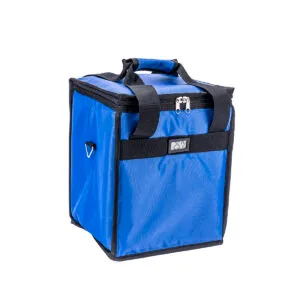
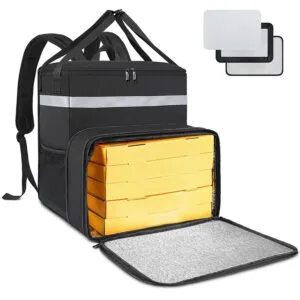
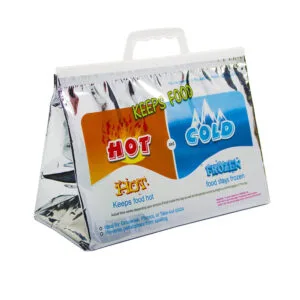
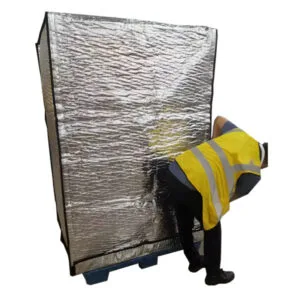
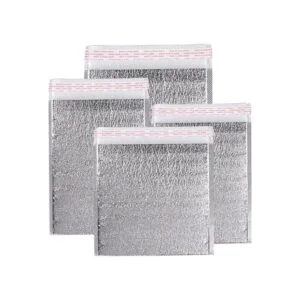
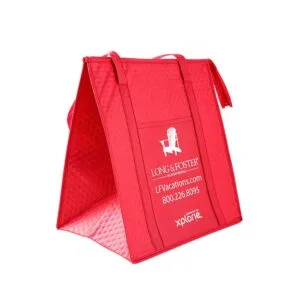
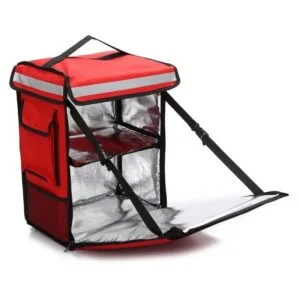
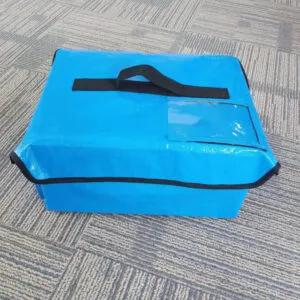
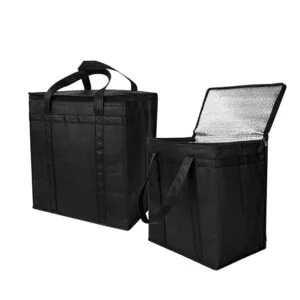
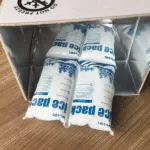
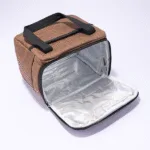
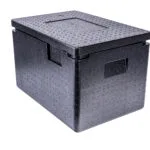
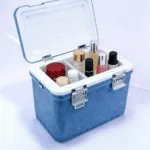
Pharmaceutical products are shipped in either passive or active containers. Passive packaging relies on insulating materials and phasechange elements (ice packs, gel packs, phasechange materials) to maintain temperatures for a limited time without external power. Active systems use powered refrigeration or heating units to regulate temperature dynamically.
Advanced passive solutions include reusable insulated boxes with vacuuminsulated panels and phasechange materials. According to the Atomix Logistics guide, innovative packaging integrates smart sensors and phasechange materials to maintain stable temperatures, while reusable insulated packaging reduces waste. Active containers provide longer duration and more consistent control but are heavier and costlier. Selection depends on product sensitivity, shipment duration and ambient conditions.
| Packaging Type | Benefits | Considerations | Your Decision |
| Passive containers | Lightweight, costeffective, suitable for short to medium transit times. Reusable options reduce waste and cost. | Limited duration, performance depends on ambient conditions. Need proper preconditioning of ice packs and careful packing. | Ideal for routine shipments within 24–72 hours. Ensure containers are qualified for expected temperature extremes. |
| Active containers | Provide continuous cooling/heating using electric systems or dry ice. Suitable for ultracold or longhaul shipments. | More expensive, heavier and require power. Maintenance and availability can be challenges. | Choose for highvalue biologics, longdistance flights or shipments where delays are likely. |
Storage Facilities and Inventory Management
Cold chain storage facilities must maintain validated temperature ranges and include backup systems. Warehouses need segregated zones for different temperature requirements and must integrate with advanced inventory management systems that track location, temperature history and expiration dates. Automation and robotics can improve accuracy and reduce human error. For example, 3PL cold storage providers offer automated systems for inventory rotation, preventing spoilage and ensuring firstexpiringfirstout distribution.
Tips for effective cold storage:
Calibrate monitoring devices regularly and maintain calibration certificates to satisfy audits.
Employ continuous temperature recording with alarms and automated notifications. Backup power ensures equipment operates during outages.
Train personnel on cold chain handling, including proper loading and unloading procedures to minimize exposure to ambient temperatures.
Realworld scenario: A biologics manufacturer implemented an automated cold storage system with robotic retrieval. This reduced product handling time by 30 percent and cut temperature excursions during staging by 40 percent, translating into significant cost savings and improved compliance.
How Do Regulations and Guidelines Shape Cold Chain Practices?
Adherence to regulatory frameworks ensures that pharmaceutical cold chain operations meet quality and safety requirements. The World Health Organization’s good distribution practices (GDP) state that all activities in the distribution chain must maintain the original quality of pharmaceutical products. Distribution processes should comply with good manufacturing practice (GMP), good storage practice (GSP) and GDP to prevent mixups, adulteration and contamination.
WHO Good Distribution Practices and National Guidelines
The WHO GDP guidelines highlight key responsibilities for distributors:
Quality Management: Establish a quality system covering procurement, storage, transportation, documentation and recordkeeping. This includes ensuring product identity is preserved through proper labeling and packaging.
Premises and Equipment: Facilities must be designed to prevent contamination and maintain temperature control. Vehicles and equipment should be suitable for transporting temperaturesensitive goods.
Documentation and Records: Accurate records of temperature, handling and distribution must be kept for auditing and traceability.
Counterfeit Prevention: All parties in the supply chain should collaborate to prevent counterfeit products. Weak points in distribution provide avenues for counterfeit or substandard medicines.
National health authorities often build on these guidelines. For example, the Lebanese Ministry of Health’s “Guidelines on Good Cold Chain Management for Temperature Sensitive Pharmaceutical Products” emphasise that temperature-sensitive products must be stored and transported according to predetermined conditions supported by stability data. Shipping containers should be qualified to withstand ambient temperature extremes and labelled clearly (e.g., “Do Not Freeze”). Procedures must consider local conditions, transport modes and seasonal variations.
Labelling, Container Qualification and Documentation
Proper labelling helps handlers recognise temperature-sensitive shipments. Labels should indicate storage conditions and warnings and must be securely affixed. Container selection should be based on product requirements, ambient temperature extremes and transportation duration. Written SOPs should cover packaging preparation, placement of ice packs, and actions during delays or power failures.
Best practices for compliance:
Helpful decision tools
Check the details before you choose packaging
These quick tools can help you compare route risk, sizing needs, coolant choices, and packaging details before you request a quote.
Box Liner & Pallet Cover Sizing
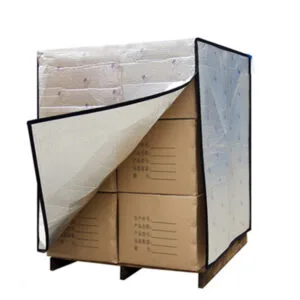
Check box liner and pallet cover sizing logic for insulated packaging projects.
Estimate sizingCompliance Checklist Generator
Build a practical checklist for packaging review, shipping, and documentation.
Build checklistRoute Risk Checker
Review lane conditions before selecting packaging for real operating requirements.
Check route riskConduct regular training on GDP for all staff involved in handling, transport and storage.
Implement validation protocols for packaging and transport routes. This includes performance qualification (PQ) under worstcase ambient conditions.
Maintain documentation that supports stability claims and justifies acceptance of minor temperature excursions.
Example: A national public health program implemented digital documentation across its vaccine distribution network. By recording temperature data and handling steps in real time, the program improved regulatory compliance and reduced product loss by 25 percent.
Which Technologies Are Transforming Cold Chain Management in 2025?
Technological innovations are reshaping how pharmaceutical cold chains are managed. IoT sensors, realtime data analytics and AI empower proactive monitoring, predictive maintenance and datadriven decisionmaking. According to IoT For All, realtime IoT monitoring allows continuous tracking of temperature, humidity and location; alerts are triggered when conditions deviate from safe thresholds, enabling rapid intervention. These systems provide proactive control over the cold chain, replacing reactive data loggers reviewed only after transit.
RealTime IoT Monitoring
IoTenabled sensors transmit data via lowpower networks (cellular, LoRaWAN, LTEM) to cloud platforms, providing endtoend visibility across the supply chain. Realtime monitoring simplifies compliance by automatically logging temperature data, generating auditready reports and ensuring digital traceability.
Key benefits:
Prevention of Spoilage: Realtime alerts allow corrective actions (e.g., adding dry ice, rerouting shipments) before temperature excursions cause damage.
Regulatory Compliance: Automated data recording satisfies FDA 21 CFR Part 11 and GDP requirements and reduces administrative burden.
Lastmile Security: Monitoring extends to the final delivery stage, ensuring that vaccines and biologics remain within specification until handoff to healthcare providers.
Practical insight: A biotech company shipping cell therapies implemented IoT sensors in containers and vehicles. Realtime data allowed them to intervene during a traffic delay, moving the shipment to a temperaturecontrolled van. They avoided a potential temperature excursion and saved a batch worth millions.
Predictive Analytics and AI
Artificial intelligence leverages historical and realtime data to forecast potential risks such as delays, temperature spikes and equipment failures. Predictive models can suggest optimal routes, identify hotspots in the supply chain and schedule maintenance for refrigeration units. The Atomix guide notes that predictive analytics helps companies anticipate disruptions and adjust logistics proactively. AI also drives automation in warehouses, improving inventory accuracy and reducing manual errors.
Emerging control towers integrate machine learning with data from IoT sensors, weather forecasts and traffic patterns to maintain product conditions. This holistic visibility fosters agile decisionmaking and improves resilience against unforeseen events.
Blockchain for Traceability
Blockchain technology provides an immutable record of temperature data and chainofcustody events. Smart contracts can automate compliance checks and release conditions, ensuring that only shipments meeting temperature criteria are accepted. While adoption is still emerging, blockchain’s ability to ensure data integrity and transparency addresses growing demand for trustworthy supply chains.
Automation, Robotics and Drones
Automation is transforming cold storage and distribution. Robotic pickers and autonomous guided vehicles (AGVs) reduce human exposure to cold environments and improve processing speed. Drones equipped with temperature-controlled payloads are being piloted for lastmile delivery to remote locations, enhancing access to lifesaving therapies.
2025 Trends and Market Insights
The pharmaceutical cold chain industry is experiencing rapid expansion driven by demand for biologics, vaccines and personalized medicine. The global cold chain logistics market, including food and pharmaceuticals, was valued at USD 293.58 billion in 2023 and is projected to reach USD 862.33 billion by 2032. Within pharmaceuticals, the market is expected to grow from USD 6.4 billion in 2024 to USD 6.6 billion in 2025 and USD 9.6 billion by 2035.
Latest Developments at a Glance
Market Changes: Geopolitical unrest and black swan events have strained logistics capacity, influencing transit times and cold storage availability. Despite disruptions, the cold chain sector has shown resilience, with capacity building and diversification across transport modes.
Greater Visibility: Investments in software and digital platforms provide endtoend visibility, enabling uninterrupted data flow and temperature monitoring.
Sustainability Upgrades: Aging cold storage infrastructure is being replaced with energyefficient facilities. Regulations are phasing out highGWP refrigerants, pushing companies to adopt eco-friendly technologies.
Emerging Products: The rise of cell and gene therapies, along with plantbased vaccines and biologics, demands cold chain solutions tailored to ultracold and cryogenic ranges. Smallbatch shipments and personalized medicine increase the complexity of logistics.
Market Insights
The pharmaceutical sector’s revenue is anticipated to reach USD 1.454 trillion by 2029 with a CAGR of 4.71%. As new therapies move from research to commercial production, demand for scalable and compliant cold chain solutions will intensify. Companies are forming strategic partnerships and mergers to expand their network and accelerate innovation. Supply chain resilience remains a priority, with emphasis on diversifying logistics strategies and strengthening partnerships.
Frequently Asked Questions
What is a temperature excursion?
A temperature excursion occurs when a pharmaceutical product is exposed to temperatures outside the range specified by its manufacturer. Minor excursions may be acceptable if stability data justify them, but significant deviations compromise product quality.
How do I choose between active and passive packaging?
Consider shipment duration, product sensitivity and ambient conditions. Passive packaging works well for routine shipments up to 72 hours, while active containers are better for ultracold or longdistance routes.
Why is realtime monitoring important?
Traditional data loggers provide information only after transit, making it too late to prevent spoilage. IoT sensors transmit data continuously, triggering alerts and allowing interventions that save products and ensure compliance.
What role do regulations play in cold chain management?
Regulations such as WHO GDP and national guidelines ensure that all parties maintain product quality during distribution. They set standards for facilities, equipment, labelling, documentation and training.
How can cold chain operations become more sustainable?
Adopt reusable packaging materials, energyefficient refrigeration and alternative refrigerants with low global warming potential. Ecofriendly packaging with phasechange materials reduces waste and carbon footprint.
Summary and Recommendations
Effective cold chain management of pharmaceutical products demands a holistic approach. Temperature control is critical to maintain product potency and patient safety. Robust infrastructure and equipment—including validated packaging, calibrated storage and realtime monitoring—are essential. Compliance with GDP and national guidelines protects against counterfeit products and ensures quality throughout distribution. Emerging technologies such as IoT sensors, AI and blockchain provide proactive monitoring, predictive analytics and traceability. Sustainability and resilience will define the future, driving investments in ecofriendly packaging and upgraded facilities. Stay vigilant, invest in training, and adopt innovations that align with your product’s needs and regulatory obligations.
Actionable Next Steps
Perform a gap analysis of your current cold chain operations. Identify weak points in packaging, storage, transport and documentation.
Validate your packaging solutions under worstcase ambient conditions. Ensure that all containers are qualified and labelled appropriately.
Implement realtime monitoring using IoT sensors and cloud platforms to gain endtoend visibility and proactive control.
Train your team on GDP, temperature-sensitive handling and emergency procedures. Develop SOPs for power failures and unexpected delays.
Invest in sustainable solutions—reusable packaging, energyefficient refrigeration and lowGWP refrigerants—to reduce environmental impact and meet regulatory requirements.
About Tempk
Tempk is a leader in cold chain solutions, providing stateoftheart temperaturecontrolled packaging, realtime monitoring systems and logistics consulting. Our experience spans vaccines, biologics, food and other temperature-sensitive products. We design insulated boxes with phasechange materials, develop IoT monitoring platforms and partner with carriers to ensure compliance with GDP and FDA regulations. By combining innovative technology with deep industry expertise, we help you protect product integrity, reduce waste and streamline operations.
Call to Action: Ready to enhance your cold chain strategy? Contact Tempk’s experts for a tailored assessment and discover how our solutions can optimize your pharmaceutical logistics.